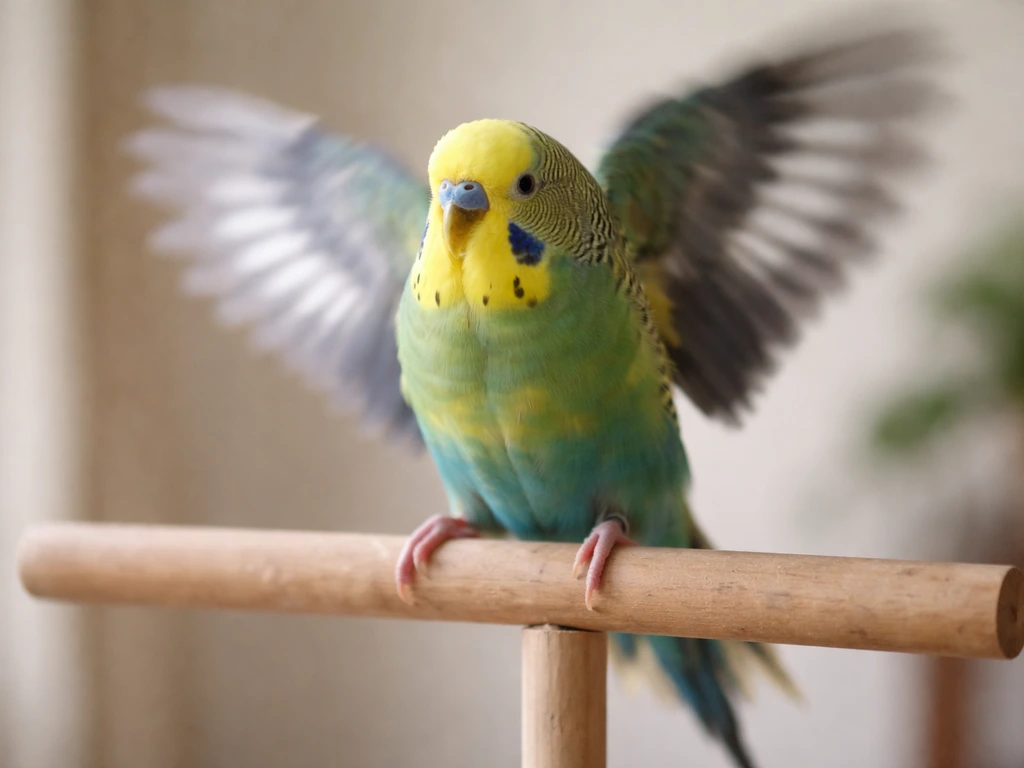
When your bird flaps its wings but stays put, it usually means one of two things: normal behavior like exercise, excitement, or attention-seeking, or a sign that something is physically wrong. a bird flapping its wings without taking off is doing something completely normal, and the key is knowing when it crosses into an emergency. Most of the time it's completely harmless. But a few specific combinations of symptoms alongside wing flapping are genuine emergencies, and knowing how to tell the difference right now is what matters most.
Why Is My Bird Flapping Its Wings but Not Flying?
Marcus Chen
18 Apr 2026
What "wing flapping without flying" can actually mean
Birds flap their wings in place for a surprising number of reasons, and the majority of them are normal. A bird that flaps vigorously while gripping its perch is often just exercising. It's the avian equivalent of running on a treadmill: all the muscle work, none of the travel. Younger birds and recently clipped birds do this a lot as they build strength or instinctively try to take off but can't.
Wing flapping also happens as a communication tool. A bird that wants your attention, is excited to see you, or is reacting to a sound or movement outside the window will often flap and settle right back down. Some birds flap after a good stretch, or during feather conditioning when they're trying to get their plumage sitting right. These are all benign.
The concerning version looks different. A bird that is flapping hard and repeatedly, struggling to stay balanced, flapping in a way that seems uncoordinated or desperate, or flapping while also showing changes in posture or breathing is telling you something is wrong. The wing flapping is almost never the core problem by itself. It's the other signs happening at the same time that reveal what's really going on.
Quick checks you can do right now
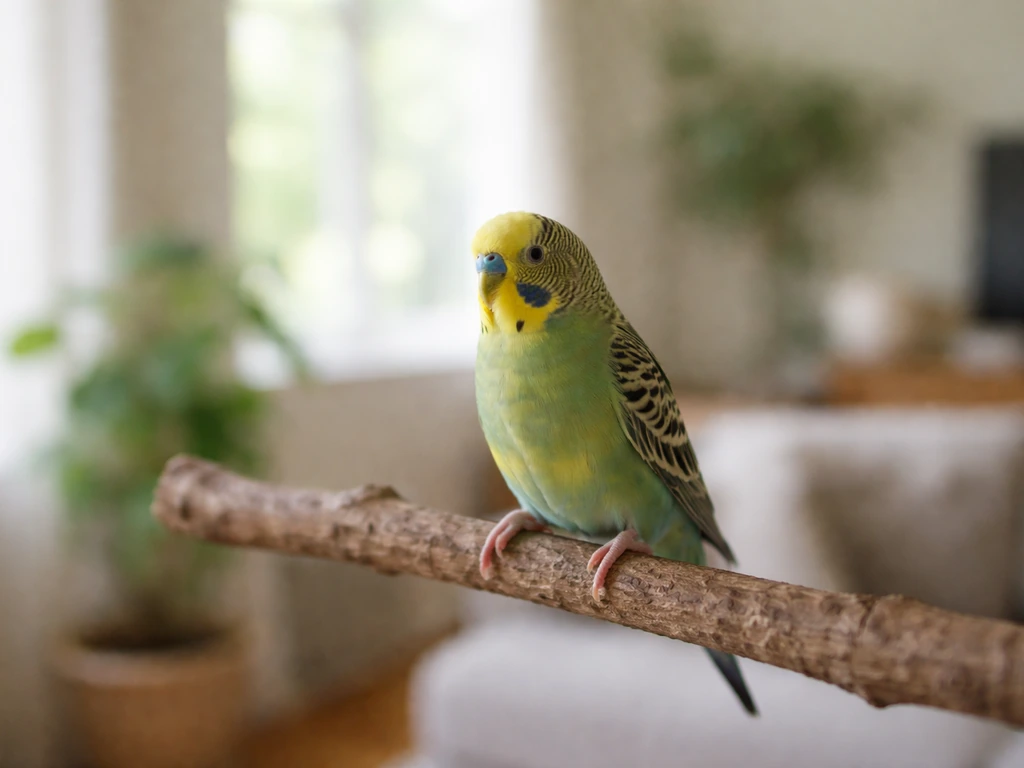
Before jumping to conclusions, spend two to three minutes watching your bird from a few feet away without picking it up. You want to catch its natural state, not a stress response to being handled. Here's what to look at:
Posture
A healthy bird stands upright and balanced on its perch. A bird in distress often looks fluffed up, hunched, or leans forward with its wings slightly away from its body. If the wings are drooping unevenly or one wing hangs lower than the other, that's a red flag for injury.
Breathing
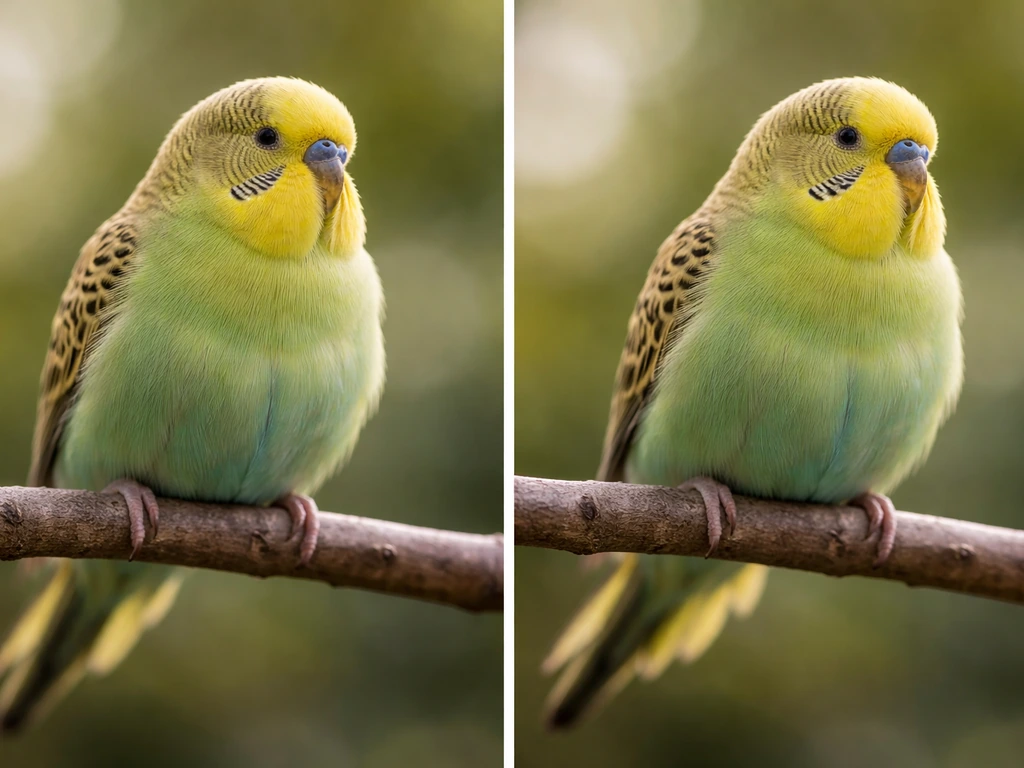
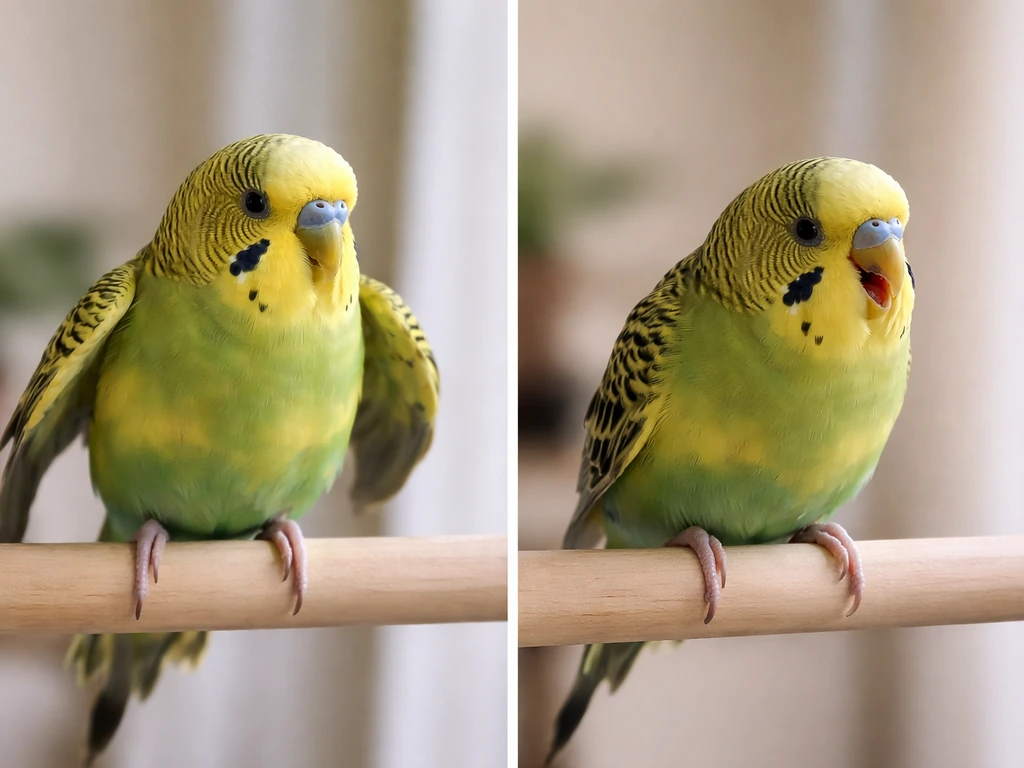
Watch the tail and the chest. A bird breathing normally will have a relaxed, barely visible tail. If the tail is pumping up and down rhythmically with each breath, that's called tail bobbing and it's one of the clearest signs of respiratory distress. Open-beak breathing at rest (not after exercise) is also a serious warning sign, as is any wheezing, clicking, or high-pitched sounds when the bird breathes.
Energy and behavior
Is the bird responsive to you? Does it track movement, react to sounds, and try to engage? A bird that's lethargic, sitting still with eyes half-closed, or not reacting normally to things it usually notices is showing you it doesn't feel well. On the flip side, a bird that's flapping excitedly and then immediately goes back to normal chatter and activity is almost certainly fine.
Feathers and physical condition
Check whether the feathers look smooth and held close to the body or puffed out and unkempt. Fluffed feathers combined with wing flapping often mean the bird is cold, unwell, or stressed. Also glance at the droppings in the cage. Changes in color, consistency, or volume alongside abnormal wing behavior can give you useful clues.
Can the bird perch, hop, and climb?
Try to get the bird to step up or move to a different perch. A bird that is struggling to grip, stumbling, or unable to stay balanced is showing a neurological or physical problem that needs prompt attention. If the bird is flapping but can't seem to move purposefully or stay upright, that's a different situation from a bird happily flapping and then hopping around normally.
Excitement and exercise vs. stress and overheating
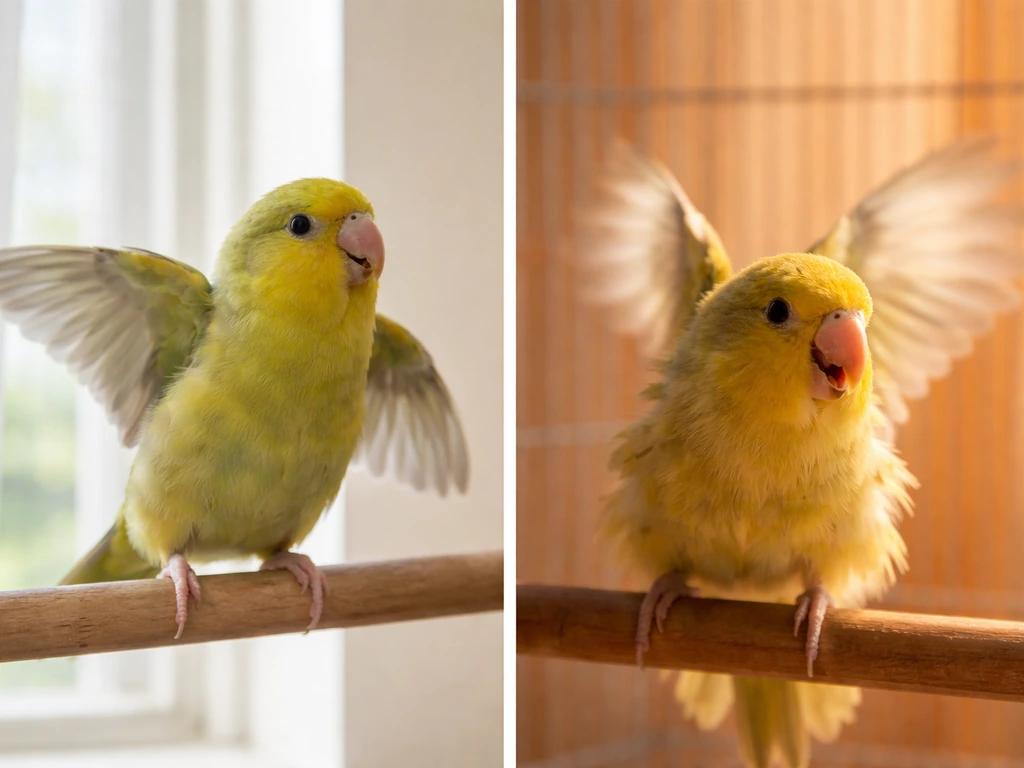
The most common reason for wing flapping without flying is simple excitement or the need to burn energy. If you are trying to understand why does a bird flap its wings, start by comparing whether it is simply excitement or a need to burn energy versus a stress or overheating signal. Birds that don't get much out-of-cage time often do long flapping sessions on their perch just to move their muscles. This is healthy and normal, especially in the morning or during active parts of the day.
Stress-driven flapping looks more frantic. A bird that's overstimulated, frightened by something in the environment (a new pet, loud noise, sudden movement), or being kept in a busy chaotic space will flap in a way that looks less purposeful and more panicked. This is often accompanied by screaming or other distress vocalizations. If this sounds familiar, it's worth reading about wing flapping alongside vocalizations, since that combination has its own set of causes. If your bird is flapping its wings and making noise at the same time, also compare the related guide on wing flapping alongside vocalizations for more specific causes. If your bird is flapping and screaming together, it helps to compare the most common causes and red flags in that guide wing flapping alongside vocalizations.
Overheating is something bird owners don't always think about immediately, but it matters. Most small pet birds do best between 70 and 80 degrees Fahrenheit (21 to 27 degrees Celsius). Above that range, especially in warm, still air, a bird may flap its wings to try to cool down. If your bird is also holding its wings slightly away from its body, panting with its beak open, or sitting on the bottom of the cage, heat stress is a real possibility.
Night frights are worth mentioning too, especially for cockatiels. A sudden noise or flash of light in a dark room can cause a bird to thrash, flap wildly, and appear panicked. This can look dramatic and alarming. The key is that the bird typically calms down quickly once the environment settles and there's nothing physically wrong afterward.
Health concerns you need to rule out
Wing flapping that doesn't fit the normal behavior patterns above deserves a closer look. Here are the health issues most likely to be behind it.
Respiratory trouble
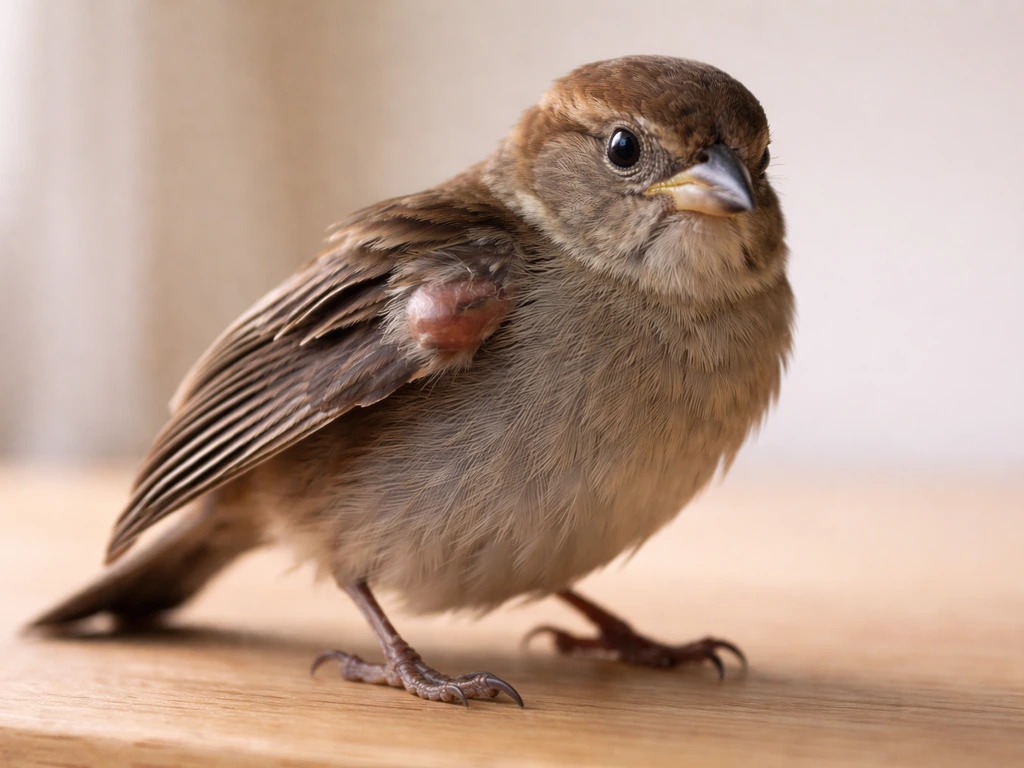
This is the most urgent one. A bird with a respiratory infection or obstruction may flap its wings in an effort to breathe more effectively, a movement sometimes called wing pumping. The combination of wing flapping with tail bobbing, open-beak breathing, wheezing or clicking sounds, and any nasal or eye discharge is a respiratory emergency. Upper respiratory signs can also include facial or eye swelling and sneezing. If you're seeing even two or three of these together, don't wait.
Pain or physical injury
A bird in pain will often flap as a stress response or in an attempt to reposition itself. A drooping wing, an asymmetrical wing position, swelling, or any visible wound means a potential wing injury. Birds that have collided with a wall or window, been grabbed by another pet, or fallen from height are at risk. If one wing looks different from the other or the bird is unable to use it normally, treat it as an emergency.
Neurological signs
If the flapping looks uncoordinated, the bird's head is tilting to one side, it's losing balance, walking in circles, or seems confused about where it is, these are neurological red flags. Inability to grip a perch, staggering, or repeated falling alongside wing flapping needs urgent evaluation.
Egg binding (for female birds)
If you have a female bird and she's flapping, looking fluffed, straining, blank" rel="noopener noreferrer">sitting on the cage floor, and seems weak or lethargic, egg binding is a serious possibility. blank" rel="noopener noreferrer">This is a life-threatening condition. Don't try to manage it at home. Contact an avian vet immediately.
What you can do today: environment and triggers
If the quick checks above didn't turn up respiratory distress, injury, or neurological signs, here's how to address the most likely causes with practical steps right now.
- Check the temperature in the room near the cage. If it's above 80°F (27°C), move the cage to a cooler spot or provide gentle airflow. Avoid direct drafts, which can cause chilling.
- Aim for humidity around 40 to 50 percent in the bird's space. Very dry air can irritate airways and trigger discomfort.
- Remove or reduce the stressor if you can identify one. A mirror reflecting light, a new pet walking past the cage, or a TV placed too close are common culprits.
- Give the bird a chance for supervised out-of-cage time if it's safe and the bird is clipped or in a bird-safe room. If the flapping is exercise-seeking behavior, this will usually satisfy it.
- Make sure perches are the right diameter and texture. A bird that can't grip properly will flap more just to stay balanced.
- If the bird seems overstimulated or stressed, move it to a quieter area, reduce noise and activity around the cage, and let it calm down for 30 minutes before reassessing.
- Offer fresh water. A bird that is overheated or mildly stressed will often drink and settle.
- Watch for another 20 to 30 minutes after making changes. If the flapping continues at the same intensity and the bird is showing any other unusual signs, move toward contacting a vet.
Normal behavior vs. warning signs: a quick comparison
| What you're seeing | Likely cause | What to do |
|---|---|---|
| Short flapping bursts, bird immediately resumes normal activity | Exercise, excitement, attention-seeking | Normal. Ensure adequate out-of-cage time. |
| Flapping after a fright, settles within minutes | Startle response or night fright | Normal. Reduce triggers. Check for injuries after. |
| Flapping with wings held away from body, bird looks hot | Overheating | Cool the environment. Offer water. Monitor. |
| Flapping with puffed feathers, huddled posture | Stress, illness, or cold | Reduce stressors. Check temperature. Monitor closely. |
| Flapping with tail bobbing, open-beak breathing, wheezing | Respiratory distress | Emergency. Contact avian vet immediately. |
| One wing drooping, uneven posture, visible wound | Wing injury or pain | Emergency. Contact avian vet immediately. |
| Uncoordinated flapping, head tilt, falling off perch | Neurological issue | Emergency. Contact avian vet immediately. |
| Flapping, straining, on cage floor (female bird) | Possible egg binding | Emergency. Contact avian vet immediately. |
When to call an avian vet urgently and what to prepare
Some situations don't benefit from a wait-and-see approach. Contact an avian vet immediately (the same day, not tomorrow) if your bird is showing any of the following alongside wing flapping:
- Open-beak breathing at rest
- Tail bobbing with each breath
- Audible wheezing, clicking, or rasping
- Nasal discharge, eye discharge, or swelling around the face or eyes
- A drooping or asymmetrical wing
- Inability to perch, grip, or stay balanced
- Head tilt, circling, staggering, or seizure-like movements
- Sitting on the cage floor and unable or unwilling to perch
- No appetite for more than 12 hours combined with any of the above
- Signs of egg binding in a female bird
While you're waiting for the vet or on your way, place the bird in a warm, quiet, dimly lit space. A temperature of around 80 to 85°F (27 to 29°C) is supportive for a sick bird. Keep handling to a minimum because stress makes respiratory problems worse. Don't try to give any medications or supplements unless an avian vet has specifically directed you to.
Before you call or arrive at the clinic, gather the following information because the vet will ask for it and having it ready speeds things up:
- When did the wing flapping start, and how long has it been going on?
- Is it constant or does it come and go? What seems to trigger it?
- Any changes in appetite, droppings, or water intake in the past 24 to 48 hours?
- Have there been any recent changes in the bird's environment, diet, routine, or exposure to other animals?
- A short video of the flapping behavior taken on your phone (this is genuinely useful for the vet to see the bird's posture, breathing effort, and movement pattern without needing to restrain it immediately).
- The bird's age, species, and whether it's been seen by a vet before and when.
The honest bottom line: most of the time, a bird flapping its wings without taking off is doing something completely normal. If you want to double-check whether it’s excitement, exercise, or a more urgent health issue, use the symptoms checklist in this guide a bird flapping its wings without taking off. If you want to double-check whether it’s excitement, exercise, or a more urgent health issue, review the section on why does my bird flap her wings in place and compare it to the symptoms checklist here. But the few times it isn't are serious, and the signs are specific enough that you can identify them quickly if you know what to look for. Use the checklist above, trust what you're seeing, and don't delay if the respiratory or neurological warning signs show up.
FAQ
My bird flaps when I approach, then it seems fine. How can I tell this from an emergency?
If the bird calms within a few minutes of you backing away, keeps normal posture (upright, balanced), and breathes quietly without tail bobbing or open-beak breathing, it is more likely excitement or attention seeking. Re-check for respiratory signs (tail pumping, wheeze or clicking) even if it “looks better,” because some illnesses worsen between episodes.
Should I try to make my bird fly to stop the wing flapping?
No. Forcing takeoff or encouraging jumps can worsen injury (especially after a collision) or increase breathing strain if there is respiratory distress. Instead, offer a nearby lower perch or a stable step-up spot and observe for balance, breathing, and responsiveness changes.
What if one wing flaps more than the other, but there is no obvious bleeding or wound?
Asymmetry is still a red flag. Uneven wing position or one wing hanging lower can indicate a sprain, fracture, nerve issue, or pain response even if the surface looks normal. Try not to handle the wing, and treat it as urgent if your bird cannot use the perch normally or keeps leaning to one side.
My bird is flapping and breathing fast, but there are no obvious sounds. Is that still serious?
Yes. Tail bobbing, open-beak breathing at rest, and visible chest effort are significant even when you do not hear wheezing. If you see increasing effort to breathe, immediate avian vet contact (same day) is warranted rather than waiting to see if it passes.
Can overheating cause wing flapping without other symptoms?
Often overheating includes at least one additional sign such as sitting low on the cage, wings held slightly away from the body, beak open panting, or unusual lethargy. If the room is warm, move the bird to a cooler, draft-free area and monitor closely, but seek veterinary help if breathing effort persists or the bird does not return to normal behavior within an hour.
My bird flaps at night after a light turns on. Does that mean it has a health problem?
Not necessarily. Night frights can trigger dramatic wing thrashing that settles once the environment stabilizes. Watch for “after” signs: if it remains uncoordinated, has tail bobbing, open-beak breathing, discharge, or persistent distress vocalizations after the scene is calm, then consider injury or respiratory illness and contact an avian vet.
What should I do in the first 10 minutes if I suspect respiratory distress?
Move the bird to a warm, quiet, dim area to reduce stress, minimize handling, and avoid offering food or water until you can get veterinary guidance if breathing looks difficult. Do not try home medications. If tail bobbing or open-beak breathing at rest is present, prioritize same-day avian care.
Could egg binding happen even if my bird is not acting weak all the time?
Yes, early egg binding can be intermittent, and some birds flap, puff, or strain briefly while still appearing somewhat reactive. If a female bird is repeatedly fluffed, sitting low on the cage floor, straining, or seems weak, treat it as urgent and contact an avian vet immediately rather than waiting for obvious worsening.
How can I tell whether my bird is flapping from stress versus pain?
Stress-related flapping usually follows a trigger (loud noise, new pet, sudden movement) and often stops when the environment quiets down, with normal breathing afterward. Pain or injury tends to persist, and you may see drooping or asymmetrical wing posture, swelling, guarding, limping, or repeated stumbling. If you suspect injury, avoid handling and contact a vet same day.
Should I check droppings immediately, and what changes matter most?
Yes, take a quick look. Sudden drops in volume, very watery output, unusual color, or a marked change in consistency occurring alongside abnormal wing flapping can support illness. It does not replace breathing and posture checks, so if respiratory warning signs are present, act on those first.