
Birds flap their wings for a surprisingly wide range of reasons, most of them completely normal. Stretching, drying off after a bath, warming up, getting exercise on the perch, and signaling excitement or attention are all everyday causes. The tricky part is knowing when wing flapping is a sign of something else, like stress, discomfort, or a health problem that needs attention.
Why Does a Bird Flap Its Wings? Normal vs Red Flags
Marcus Chen
15 Jun 2026
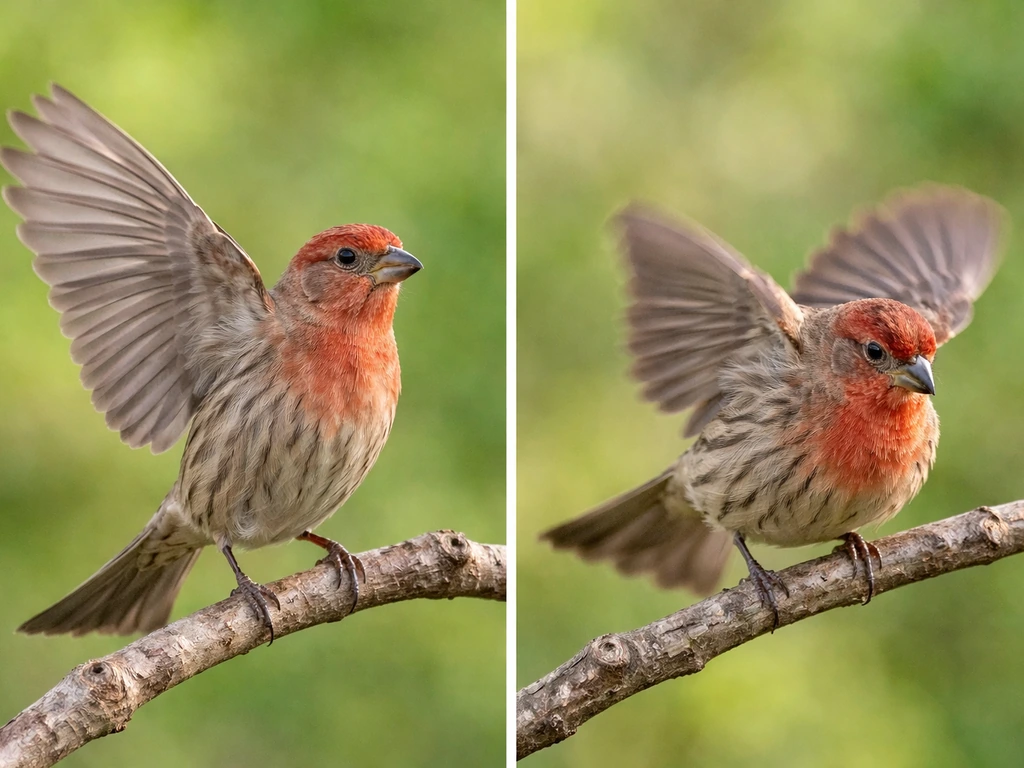
If your bird is flapping its wings and screaming, it is especially important to watch for stress or signs of illness and seek help if it seems frantic or out of character stress, discomfort, or a health problem. The good news: once you know what to look for alongside the flapping, the cause becomes much easier to read.
Common reasons birds flap their wings (normal behavior)
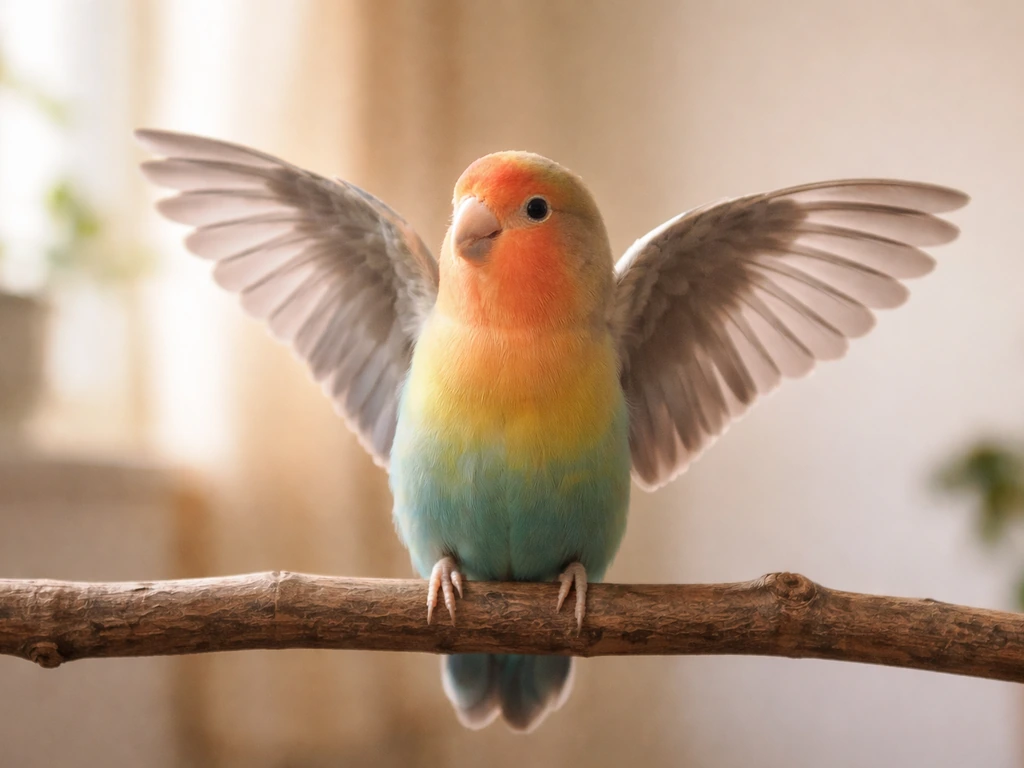
Most wing flapping you'll see from a healthy pet bird is just routine physical activity. Think of it the way you'd think of a person shaking out their arms first thing in the morning. The bird is using its wings the way they're meant to be used, even if it's not going anywhere.
- Stretching: Birds stretch their wings regularly throughout the day, often extending one wing at a time or both together. It's the avian equivalent of a good morning stretch.
- Exercise and muscle maintenance: A caged bird can't fly miles like a wild bird, so wing flapping on the perch is how it keeps flight muscles conditioned. Some birds do this in short, energetic bursts, especially in the morning.
- Drying off: After a bath or a misting, expect vigorous wing flapping. Birds flap to shake off water and speed up drying.
- Temperature regulation: Flapping can help a bird cool down slightly or get warm air moving around the body in a chilly room.
- Settling in: Birds often do a quick flap-and-ruffle after landing on a perch to readjust their feathers back into place.
A useful rule of thumb: normal wing flapping stops quickly. The bird does its burst of flapping, then settles back on the perch looking alert and ready for whatever's next. If the flapping is brief, the bird looks comfortable afterward, and nothing else seems off, you're almost certainly watching completely healthy behavior.
Wing flapping as communication
Birds use their wings to talk to you and to other birds. Once you start watching for it, you'll notice that the context of the flapping tells you a lot about its meaning.
Excitement and attention-seeking
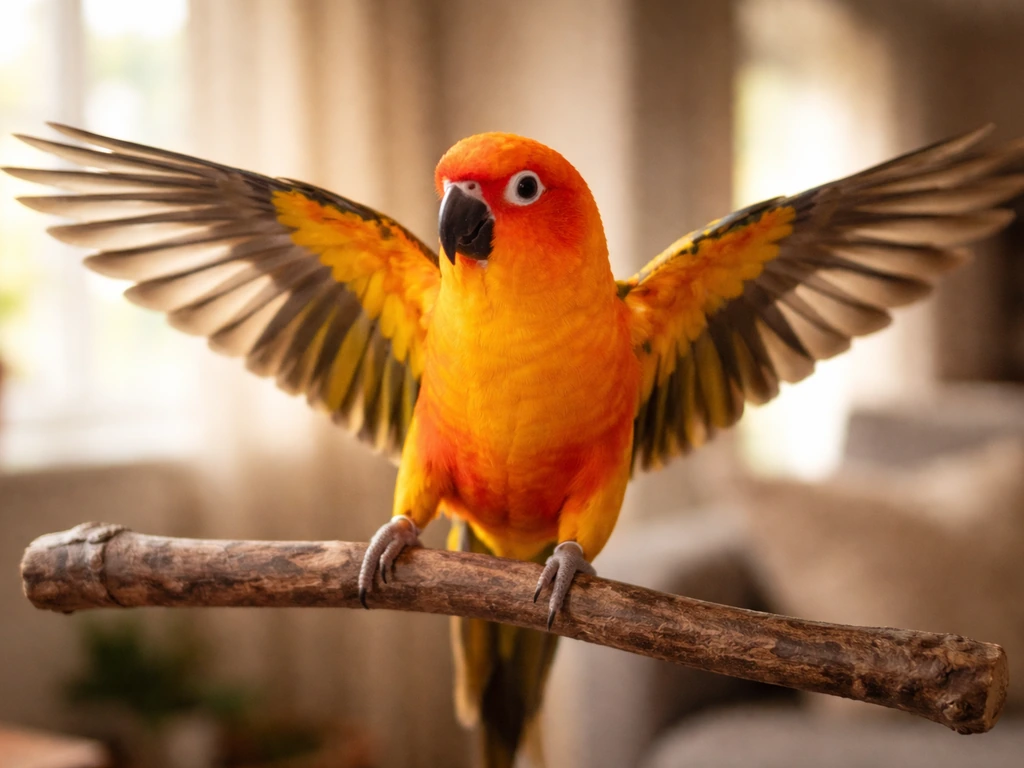
When you walk into the room and your bird launches into enthusiastic wing flapping while staying on the perch, it's usually a greeting. Some birds do this when they hear their favorite sounds, see you grab the treat bag, or are simply in a good, energetic mood. It's a positive sign that the bird is engaged and happy to see you.
Courtship and territorial displays
Wing flapping is a key part of courtship behavior in many species. A bird may flap, fan its tail, bob its head, and puff up as part of a display aimed at a mate, a mirror, or even a favorite person. Territorial flapping tends to look more forceful and may come with a spread-wing posture, an open beak, or head bobbing. If you notice your bird spreading its wings, it can be a normal display or a sign of stress, respiratory trouble, or pain, depending on the situation. If your bird is displaying toward you, another bird, or even a toy it's bonded to, this is natural communication, though it's worth managing if the territorial behavior becomes aggressive.
Requesting interaction
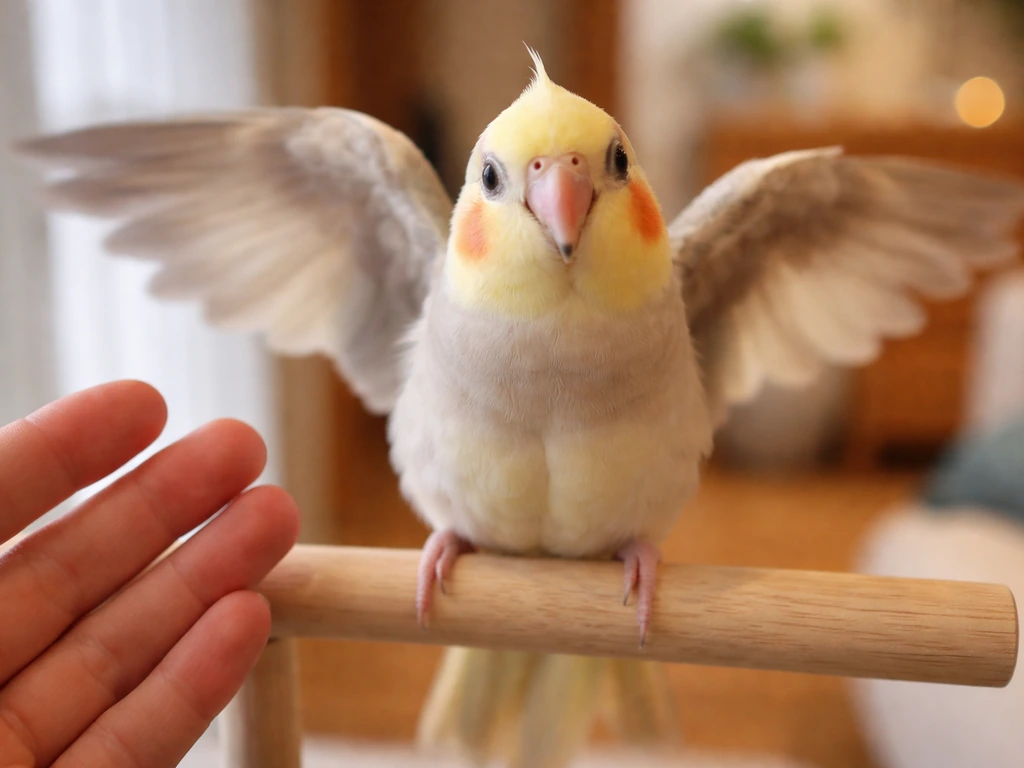
Some birds, especially young ones or highly social species like cockatiels and conures, flap their wings in place as a way of asking to be picked up or fed. Wing flapping in place can also be a request to be picked up, especially if it’s paired with vocalizations flap their wings in place. It's a begging gesture inherited from nestling behavior, and it often comes with vocalizations. If your bird flaps at you specifically and stops when you interact with it, it's almost certainly asking for your attention.
Stress or alarm response
A startled or frightened bird may flap wildly and throw itself against the cage. This kind of flapping looks frantic rather than controlled, and it often comes with loud vocalizing. It can happen in response to sudden noises, a new object near the cage, a perceived predator (even a shadow), or being grabbed unexpectedly. If your bird is flapping in the cage, compare the timing and intensity with other signs like breathing changes, open-mouth sounds, or unusual posture. If you notice this pattern, checking the environment for stressors is the first place to start.
Health-related wing flapping: what it might mean
This is where it gets more serious. Wing flapping can be one of several signals a bird uses when something is physically wrong. Birds are good at hiding illness, so any behavioral change deserves a closer look.
Respiratory distress
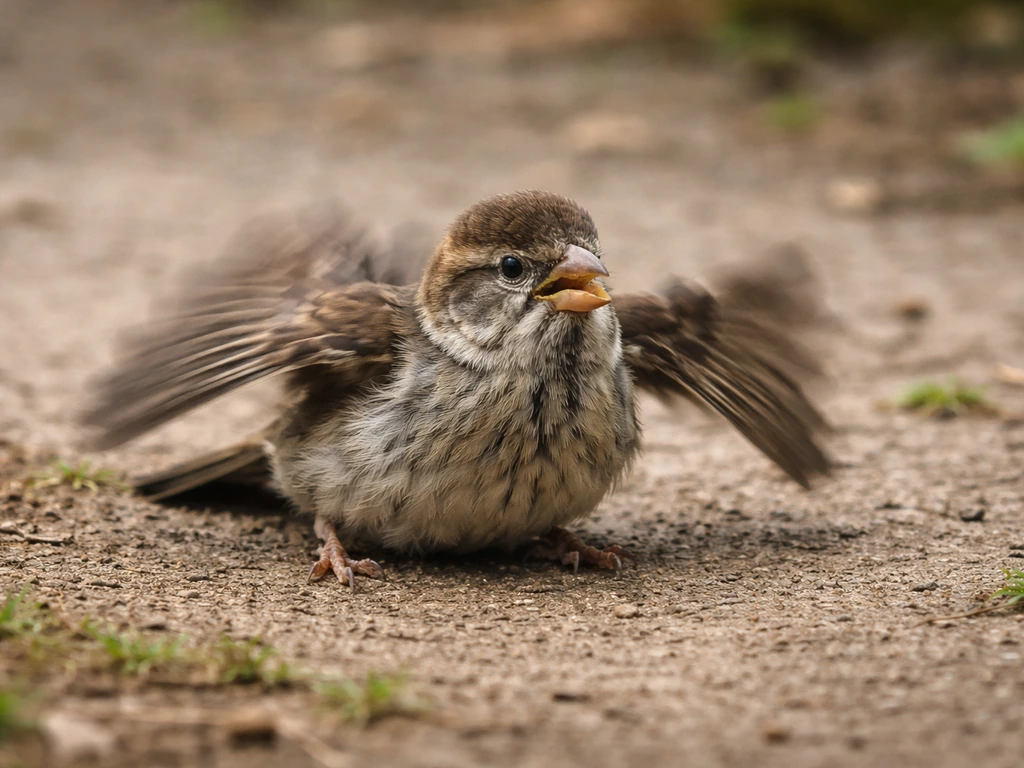
A bird struggling to breathe may blank" rel="noopener noreferrer">hold its wings slightly away from its body or flap in an uncoordinated way that looks like it's trying to get more air. The key signs to watch for alongside this kind of flapping include blank" rel="noopener noreferrer">open-mouth breathing, tail bobbing with each breath (the tail moves up and down rhythmically as the bird works to breathe), exaggerated chest movement, neck stretching, wheezing or clicking sounds, and increased noise with each breath. These are well-documented patterns of respiratory distress in pet birds, and they require urgent attention.
Pain or discomfort
A bird in pain may flap repeatedly or hold one wing in an odd position. If the flapping is asymmetrical, if one wing droops, or if the bird reacts strongly when a particular area is touched, an injury or internal problem could be involved. Don't try to manipulate the wing yourself. Keep the bird calm and get it to a vet.
Environmental toxin exposure
Fumes from overheated non-stick cookware (PTFE/Teflon), aerosol sprays, scented candles, and cleaning products are genuinely dangerous to birds. Exposure can cause sudden breathing difficulty, weakness, wheezing, gasping, and in serious cases, death. If your bird starts showing distress signs and you've recently used any of these in or near the home, move the bird to fresh air immediately and contact an avian vet. This is a time-sensitive emergency.
Stress, boredom, and environment factors to check right now
Before assuming a health problem, it's worth doing a quick scan of the bird's environment. Many cases of unusual or repetitive wing flapping trace back to something fixable in the setup or daily routine.
- Temperature and drafts: Birds are sensitive to cold drafts. A cage placed near an air vent, window, or exterior wall can cause prolonged discomfort. Ideal ambient temperature for most pet birds is in the mid-60s to upper-70s Fahrenheit. Sick or stressed birds benefit from a warmer, draft-free space around 85°F.
- Lack of stimulation: A bored bird may flap, pace, or vocalize excessively. Check whether the bird has enough perches, foraging opportunities, and daily interaction.
- Cage placement: Cages in high-traffic or noisy areas, or positioned where the bird can't see the room clearly, often produce chronic low-level stress.
- New objects or changes: A new piece of furniture, a rearranged room, or even a new piece of clothing can unsettle a bird temporarily.
- Lighting and sleep: Birds need 10 to 12 hours of darkness for sleep. Disrupted sleep causes irritability and unusual behaviors including restless flapping at night.
- Presence of other animals: Even if a cat or dog isn't near the cage, a bird that can see or smell a predator may stay in a chronic stress response.
What to look for alongside the flapping
Wing flapping rarely tells the full story on its own. The best way to figure out what's going on is to look at what else the bird is doing at the same time. Here's a practical checklist to run through when you're trying to narrow down the cause.
| What to observe | What it may indicate |
|---|---|
| Open-mouth breathing or tail bobbing with each breath | Respiratory distress, possible infection or airway obstruction |
| Wing held away from body or asymmetrically | Injury, pain, or overheating |
| Fluffed feathers plus flapping | Illness, cold, or significant stress |
| Reduced or absent appetite | Illness, pain, or depression |
| Change in droppings (color, consistency, amount) | Infection, dietary issue, or systemic illness |
| Low energy, sitting on cage floor | Serious illness, often requires same-day vet contact |
| Flapping only in the morning or after a bath | Normal stretching or drying behavior |
| Flapping toward you or another bird with head bobbing | Courtship, territorial display, or attention-seeking |
| Frantic flapping in response to sudden noise/movement | Startle response or environmental stress |
| Repetitive flapping with no clear trigger | Boredom, anxiety, or stereotypic behavior from insufficient enrichment |
Pay attention to frequency and duration too. A bird that flaps briefly and then goes back to normal activity is very different from one that is flapping repeatedly over hours, or that seems unable to settle. Duration and pattern matter as much as the flapping itself.
When to worry and contact an avian vet
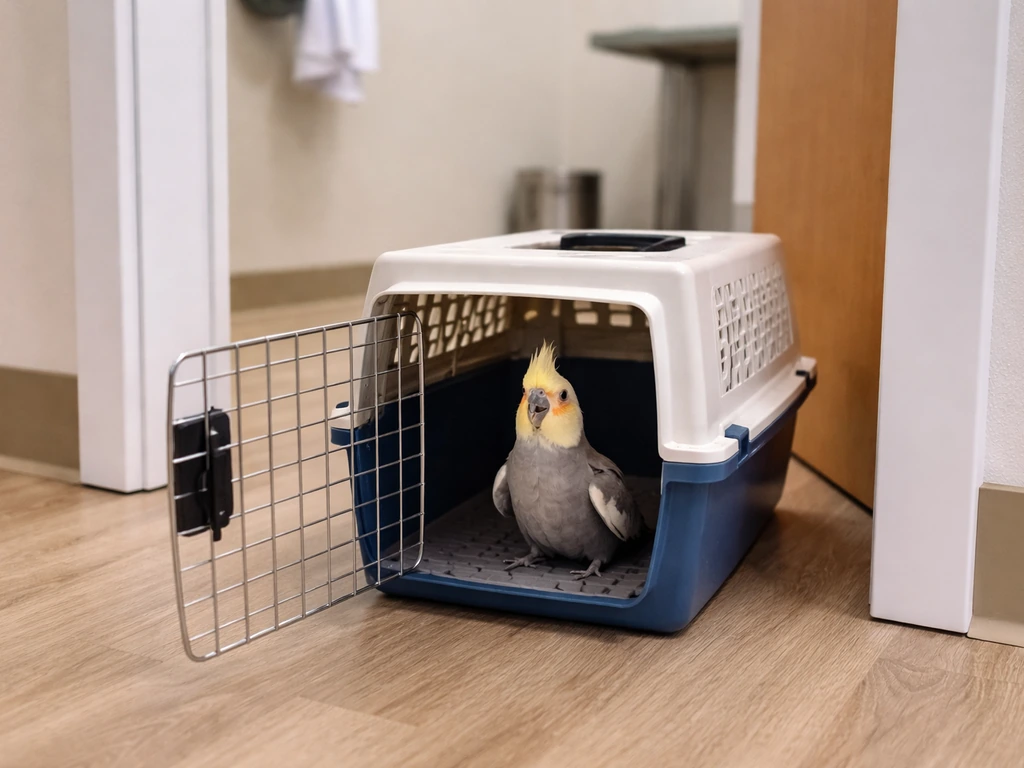
Some combinations of signs mean you shouldn't wait and see. Contact an avian vet the same day, or treat it as an emergency, if you notice any of the following alongside wing flapping:
- Open-mouth breathing at rest (not just after exercise or stress)
- Tail bobbing with every breath, even when the bird is sitting still
- Wheezing, clicking, or raspy sounds when breathing
- Neck stretching repeatedly as if trying to clear an airway
- Sudden weakness, inability to perch, or sitting on the cage floor
- Fluffed feathers combined with lethargy and reduced appetite
- One wing drooping, asymmetric posture, or obvious injury
- Recent exposure to fumes, aerosols, or smoke in the home
- Neurological signs like tremors, loss of balance, or seizure-like movements
Early diagnosis and treatment significantly improve outcomes for birds with respiratory disease. Birds also hide illness well, so by the time the signs are obvious, the situation can already be serious. If something feels wrong, err on the side of calling the vet sooner rather than later.
While you're waiting for a vet appointment or transport, keep the bird calm and warm. Minimize handling, since the stress of being held can make a sick bird's condition worse. A quiet, heated space (around 85°F) with easy access to food and water is the best supportive environment while you seek professional care.
Quick owner action plan and prevention tips
Here's what to do right now based on what you're seeing:
- Watch the flapping in context. Is it brief, does the bird settle quickly, and is it tied to a clear trigger like a bath or morning routine? If yes, it's almost certainly normal.
- Run the symptom checklist above. Look specifically for breathing signs (tail bobbing, open mouth, unusual sounds), posture changes (fluffed, drooping, low energy), and appetite or dropping changes.
- Check the environment immediately. Rule out drafts, temperature extremes, fume sources, and recent stressors like new pets, rearranged furniture, or schedule changes.
- If the bird looks healthy, add enrichment. Foraging toys, a new perch, or extra out-of-cage time often resolve repetitive or stress-based flapping within a few days.
- If any urgent red flags are present, contact an avian vet now. Don't wait to see if it improves on its own.
- Avoid aerosols, non-stick cookware on high heat, scented sprays, and candles anywhere near your bird as a permanent habit, not just when something seems wrong.
It's also worth knowing that wing flapping behavior varies by species, age, and individual personality. Some birds are just naturally more expressive and physical than others. Getting familiar with your specific bird's baseline, what counts as normal for them on a typical day, is genuinely one of the most useful things you can do as an owner. Deviations from that personal baseline are almost always more meaningful than comparing your bird to a general standard.
If your bird's flapping is happening specifically inside the cage without flying, or it's accompanied by screaming, or you're noticing it staying in one place without leaving the perch, those patterns have their own nuances worth exploring. The core skill is learning to read the whole picture, not just the wings.
FAQ
How can I tell if my bird’s wing flapping is just exercise or a breathing problem?
Exercise bursts usually look coordinated, brief, and stop quickly, with your bird settling normally. Breathing trouble tends to come with open-mouth breathing, tail bobbing on each breath, neck stretching, or increased effort visible in the chest. If you see those respiratory signs, treat it as urgent rather than “just flapping.”
My bird flaps its wings on the perch but also keeps puffing up. Is that always courtship?
Puffing can be normal during displays, but if the posture looks tense, the bird seems uncomfortable, or the flapping becomes repetitive and hard to interrupt, it may be stress or temperature discomfort. Try observing whether the behavior correlates with a specific trigger (your approach, mirrors, feeding) or with random timing throughout the day.
Can wing flapping happen when a bird is too cold or too hot?
Yes. Birds often use wing and body adjustments to manage temperature, especially if they are chilled or exposed to drafts. If the flapping is paired with shivering, huddling, seeking heat, or reduced activity, check room temperature and cage placement, and offer a consistent warm area rather than turning heat up abruptly.
What’s a safe way to check for injury if my bird flaps but otherwise seems quiet?
Avoid touching the wings directly, especially if there is any chance pain is involved. Instead, look for clues you can observe from a distance (uneven wing position, favoring one side, reluctance to perch, guarding behavior). If the flapping repeats, changes posture, or you suspect pain, contact an avian vet and photograph posture from multiple angles to share.
My bird flaps and throws itself at the cage bars. Should I move its cage?
First identify what changed right before it started (new object, loud sound, cleaning activity, a mirror, another pet, or a perceived “predator” outside). You can temporarily reduce stimulation by lowering noise and covering the cage partially, but avoid moving the bird unnecessarily if it looks frantic. If the behavior is intense or frequent, assume stress or illness and contact an avian vet.
How long is too long for wing flapping before I should call the vet?
Brief, single bursts that stop quickly and return the bird to normal activity are usually fine. Repetitive flapping over hours, flapping that prevents settling, or flapping that comes with any abnormal breathing, posture, vocalizing, or lethargy is a threshold to call the same day. When unsure, prioritize earlier contact since birds hide illness well.
Does wing flapping during or after feeding always mean “begging”?
Begging flapping often happens in younger birds or some social species and is commonly paired with vocalizations and a clear request to be picked up or fed. If flapping starts right after eating but is paired with coughing, open-mouth breathing, or regurgitation-like behavior, it can signal an underlying issue, and you should contact an avian vet rather than assuming it is normal food excitement.
Can mirrors or toys cause wing flapping that looks like stress?
Yes. A bird may display energetically toward a reflection or a bonded toy, and at times that can escalate into forceful, territorial behavior. Monitor for aggression cues (lunging, sustained spread-wing posture, escalating volume) and reduce exposure (remove mirrors during high-activity periods, rotate toys) if behavior stays intense or you notice fear or frantic movement.
What should I do if I suspect fumes from a product exposure?
Treat it as time-sensitive. Move the bird to fresh air immediately, away from the source, and keep the environment calm and warm. Contact an avian vet right away, even if symptoms seem mild, because breathing problems can worsen after exposure.
How can I build my bird’s “normal baseline” so wing flapping is easier to interpret?
Track what you observe for a week: when flapping occurs, how long it lasts, body posture, vocalizations, appetite, droppings, and how the bird acts afterward. Note which triggers consistently precede it (your arrival, bath time, bedtime, mirror time). Sudden changes from that pattern are more meaningful than comparing to other birds.
Next Articles
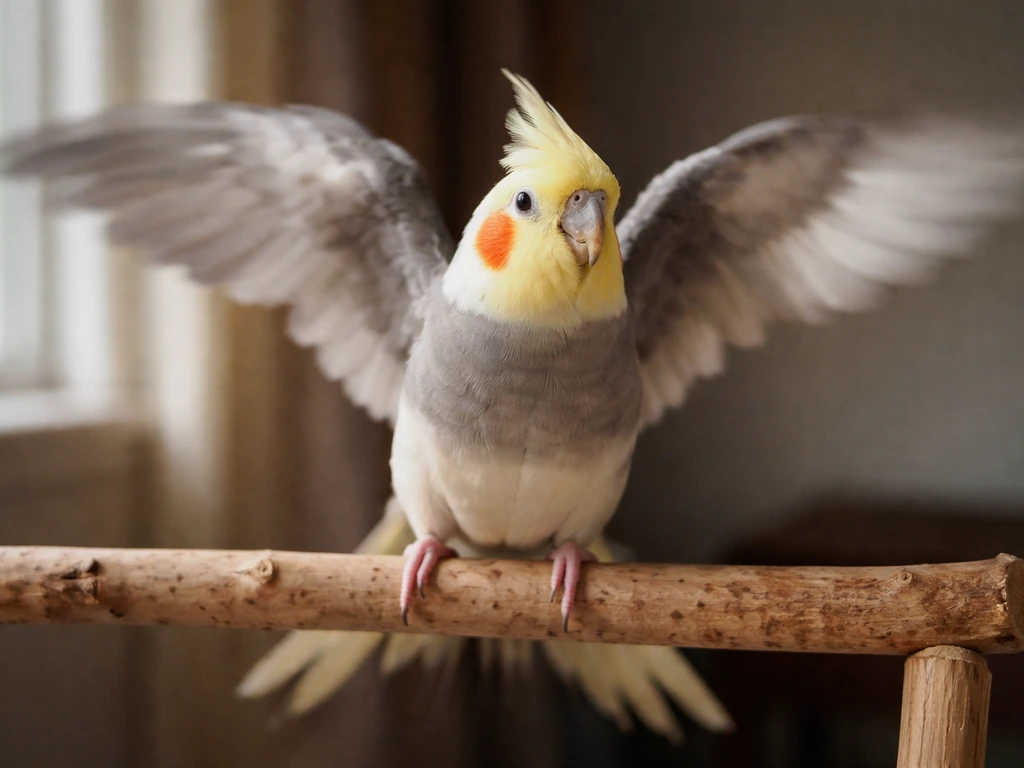
Why Does My Bird Flap Her Wings in Place? Causes and What to Do
Why birds flap wings in place, normal reasons vs red flags, and what to do now for parrot, budgie, or cockatiel.
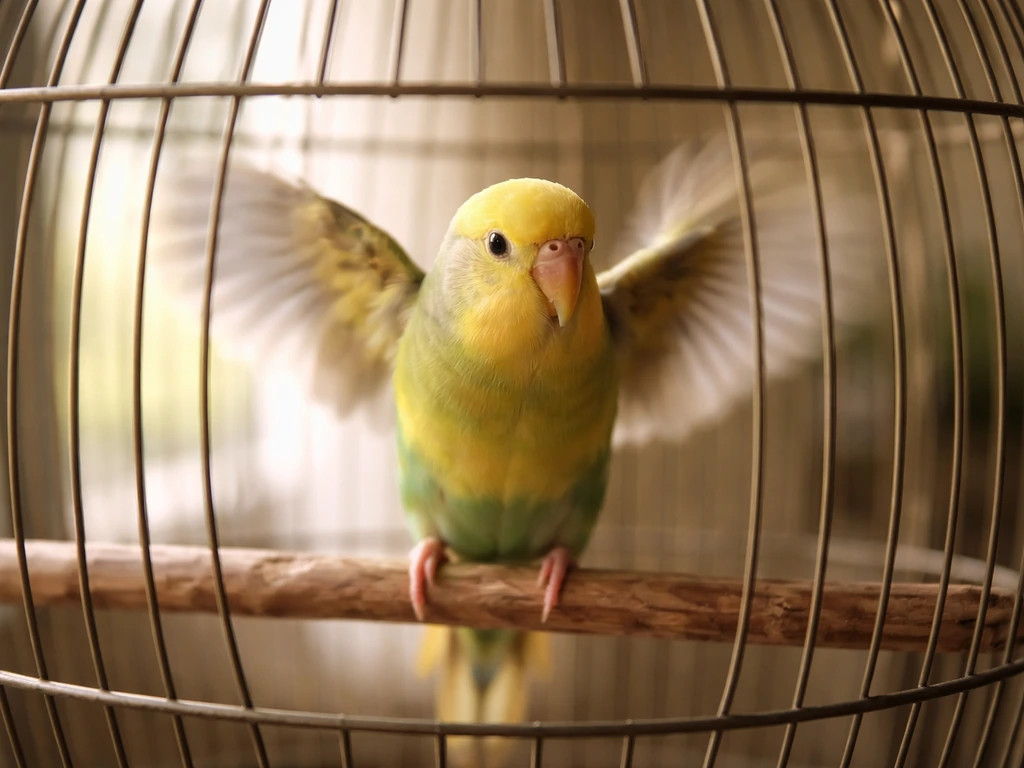
Why Is My Bird Flapping Wings in the Cage? Fixes Now
Understand why your bird flaps in its cage, spot normal vs stress or illness, and follow safe fixes and vet warning sign
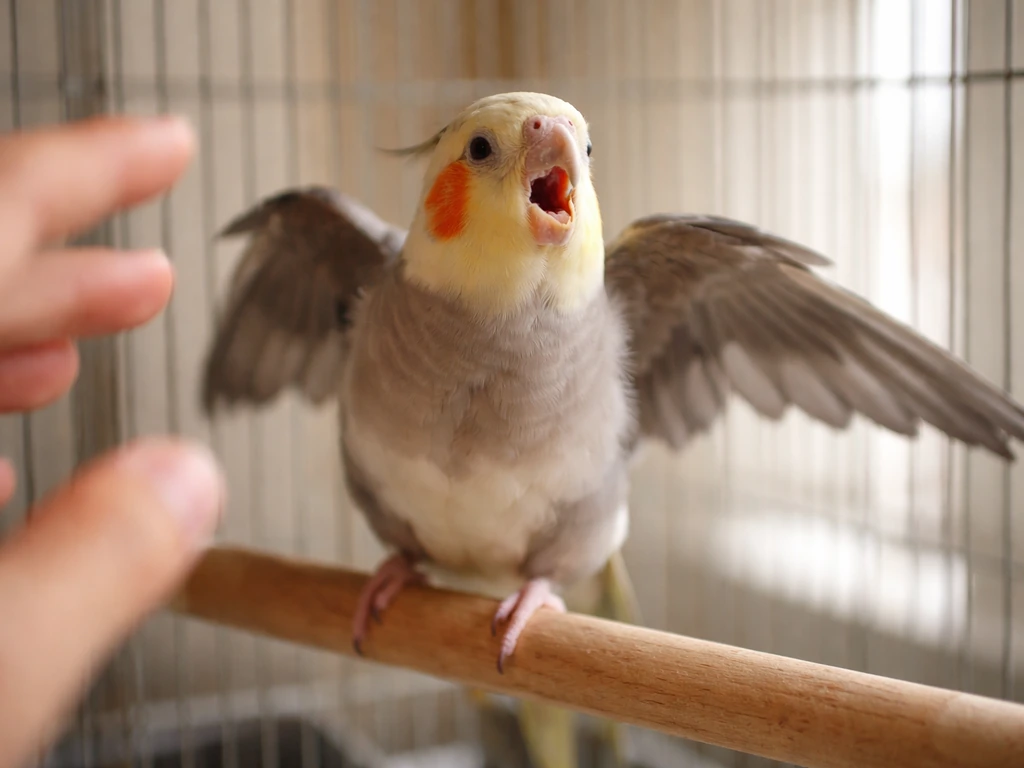
Why Is My Bird Flapping Wings and Screaming? Quick Checks
Quick checks for why your bird flaps and screams, separating normal excitement from stress and health emergencies plus v