
The clearest way to tell if your bird is overweight is to feel the keel bone (the ridge running down the center of the chest). If you can barely feel it beneath a rounded, padded chest, or can't feel it at all, your bird is likely carrying too much weight. That physical check, combined with a weekly weigh-in on a gram-accurate scale, gives you a much more reliable picture than eyeballing alone.
How to Tell If Your Bird Is Overweight: Signs and Checks

Marcus Chen
6 Jun 2026
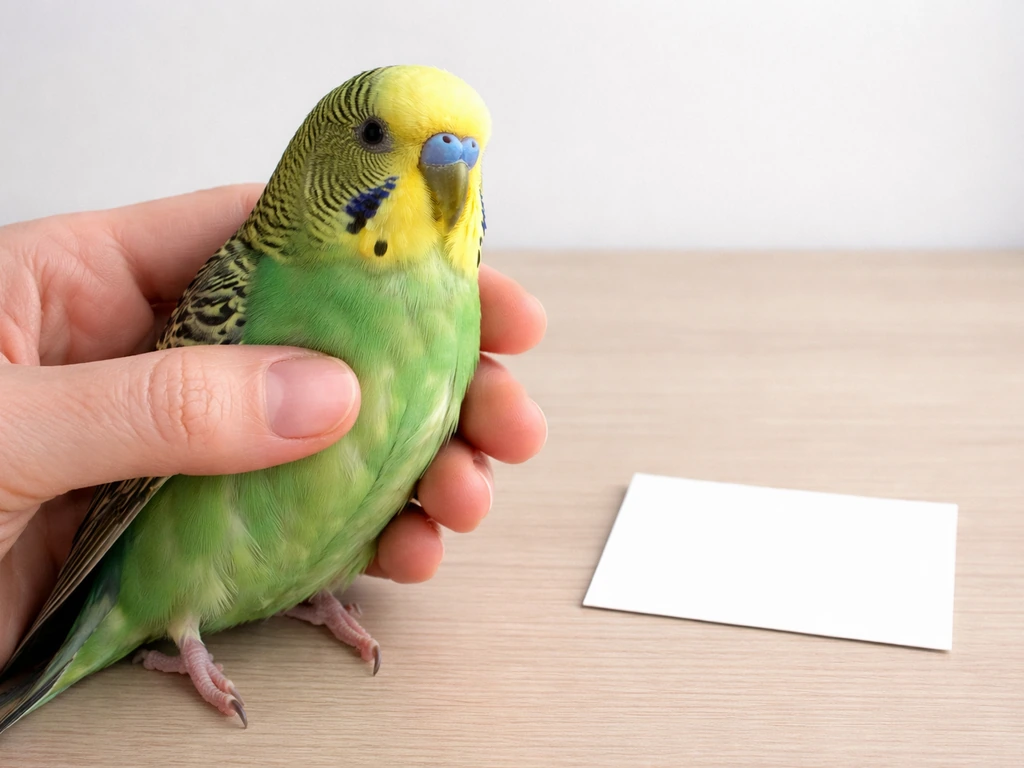
Quick at-a-glance signs of an overweight bird
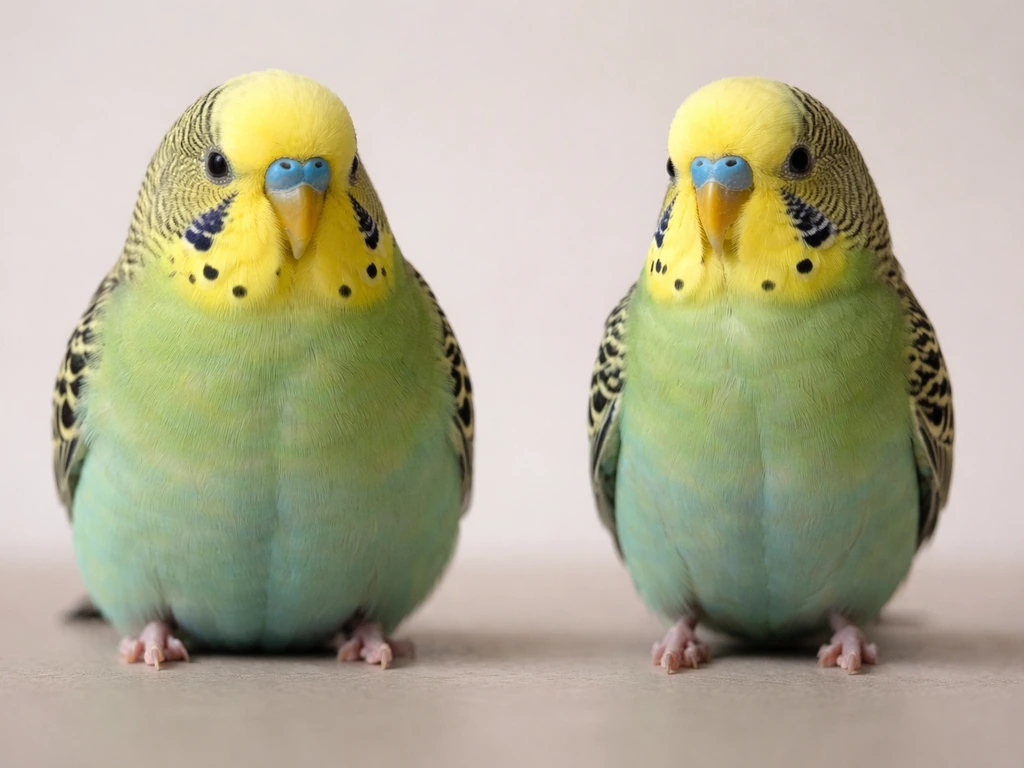
Before you even pick your bird up, there are visual clues worth noticing. An overweight bird often looks rounder and puffier than usual, but not in the way a sick bird puffs up its feathers for warmth. The belly may look fuller or more prominent, and the bird's silhouette from the side may seem broader across the chest than you'd expect.
- Rounded, padded chest where the breastbone feels buried rather than distinct
- Yellowish tint visible through the skin on the side of the neck or near the base of the jaw, which points to subcutaneous fat deposits
- Difficulty seeing the jugular vein on the side of the neck (fat beneath the skin hides it)
- Labored movement: the bird climbs slowly, avoids flying, or seems winded after short bursts of activity
- Less preening or awkward grooming posture because reaching the lower back or tail is harder
- Spending more time sitting on the cage floor instead of perching
- Heavier, louder breathing after minimal exertion
No single sign on that list is a definitive verdict on its own. A bird that's just molting, breeding, or going through seasonal changes can also look or act differently. That's why the hands-on check and the scale are both worth doing.
How to measure body condition at home
Avian vets use a keel scoring system, typically scored from 1 to 5, to assess body condition. A score of 3 is considered normal: the keel bone is barely palpable, the chest muscles are well-developed, and neither side of the keel sinks inward nor bulges outward. A score of 4 means the keel is difficult to palpate because the pectoral muscles and fat are protruding over it. A score of 5 (obese) means you can't feel the keel at all. You don't need to memorize the exact numbering to find this useful at home.
Feeling the keel bone
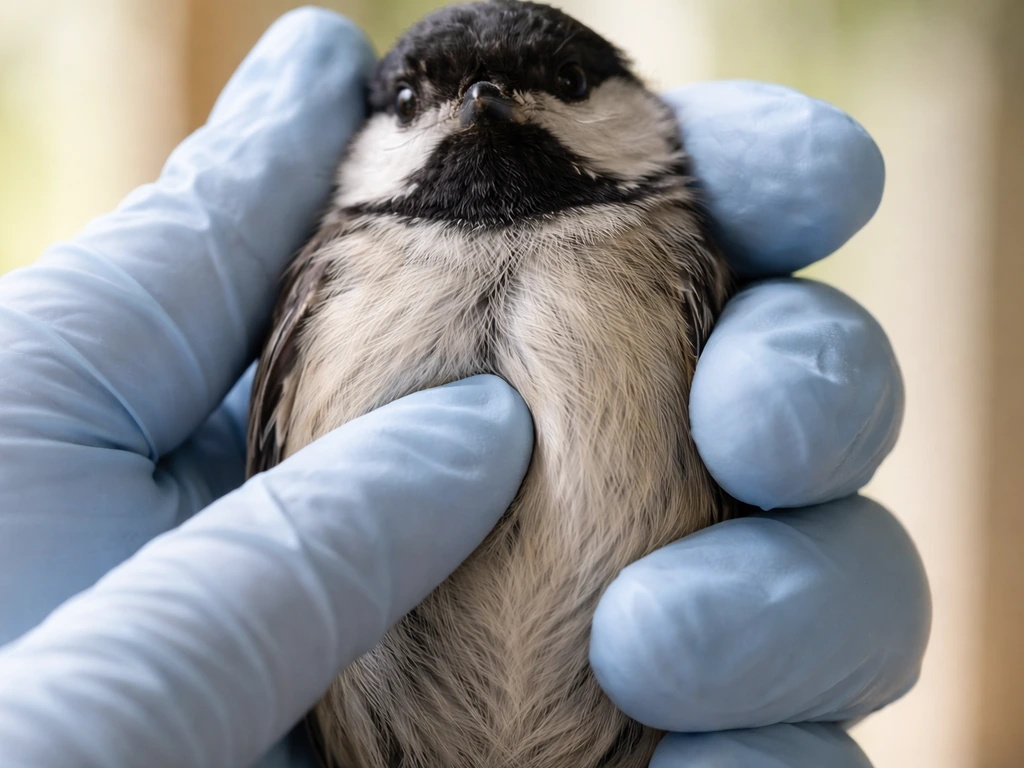
Gently hold your bird so its chest faces you. Use one or two fingers to press lightly along the center of the chest. You should feel a bony ridge running down the middle. If that ridge is easy to feel and the chest muscles on either side curve gently inward toward it, your bird's weight is likely normal. If the chest feels like a smooth, rounded mound and the ridge is hard to locate, there's too much padding. If the ridge pokes out sharply and the muscles on either side feel sunken or hollow, that points toward underweight, not overweight.
Checking for fat deposits
After checking the keel, look at the skin on the sides of the neck and the area just below the jaw. Part the feathers gently and look at the skin tone. A yellowish tint beneath the skin in that area is a sign of subcutaneous fat accumulation. On smaller birds like budgies and cockatiels, you can also see fatty deposits on the abdomen as a yellowish or pale yellow area through the skin when you part the feathers there.
Weighing correctly and tracking weight over time

Visual checks matter, but a gram-accurate digital scale is your most objective tool. The scale removes guesswork and lets you spot gradual trends before they become visible problems. Merck emphasizes that accurate weight tracking is critical for body condition monitoring and even for getting nutrition and medication decisions right.
- Get a digital kitchen or postal scale that reads in grams, ideally accurate to 1 gram. Larger birds can tolerate a 2-gram accuracy, but for small birds like budgies (around 25–40 g) or finches (10–20 g), every gram matters.
- Place a small cup, perch stand, or container on the scale and press tare (zero) so the container's weight is excluded from the reading.
- Weigh your bird at the same time each day, ideally in the morning before the first feeding. Food and water in the crop can add several grams and skew results.
- Log the weight in a notebook or app. A single number tells you little; a trend over two to four weeks tells you a lot.
- Compare your bird's weight to known typical ranges for its species. A healthy budgie typically weighs 25–40 g, a cockatiel 80–100 g, a green-cheeked conure around 60–80 g. Your vet can confirm the healthy target weight for your individual bird.
Merck defines obesity in pet birds as roughly 20% over ideal body weight, combined with a keel score of 4 out of 5. So if your cockatiel normally weighs 90 g and is now consistently at 110 g with a padded keel, that's a meaningful concern worth acting on.
Rule out normal explanations first
Before assuming your bird is overweight, consider a few things that can make a bird look or feel heavier without any actual fat gain.
Molting
During a molt, incoming pin feathers add bulk and the bird's posture can look puffier. A bird in heavy molt may also be slightly less active, which can look like lethargy related to weight. If your bird is actively losing feathers and growing new ones, wait until the molt is complete before drawing conclusions about body condition.
Hormonal and breeding cycles
Female birds preparing to lay eggs can gain several grams as eggs develop, and their abdomen may feel rounder or firmer than usual. This is normal and temporary, but it's worth noting so you don't confuse pre-laying weight gain with obesity. Hormonal activity in both males and females can also affect behavior and activity levels, making a bird seem more sedentary than usual.
Seasonal and activity changes
Birds naturally become slightly less active in shorter daylight months. A bird that free-flies in summer and stays in its cage more in winter may gain a little weight simply from reduced activity. This is more of a management issue than a disease, but it's still worth addressing.
Age-related muscle changes
Older birds sometimes lose pectoral muscle mass, which can make the keel feel more prominent (pointing to underweight) or, if combined with fat deposits, create an unusual chest feel that doesn't fit neatly into either category. If you have a senior bird and are unsure, a vet check is the right call.
Weighing at inconsistent times
One common mistake is weighing at random times of day. A bird that has just eaten or drunk water can weigh noticeably more than it does in the morning on an empty crop. If your readings are all over the place, standardize the time before making any conclusions.
Red flags that mean see a vet, not just diet tweaks
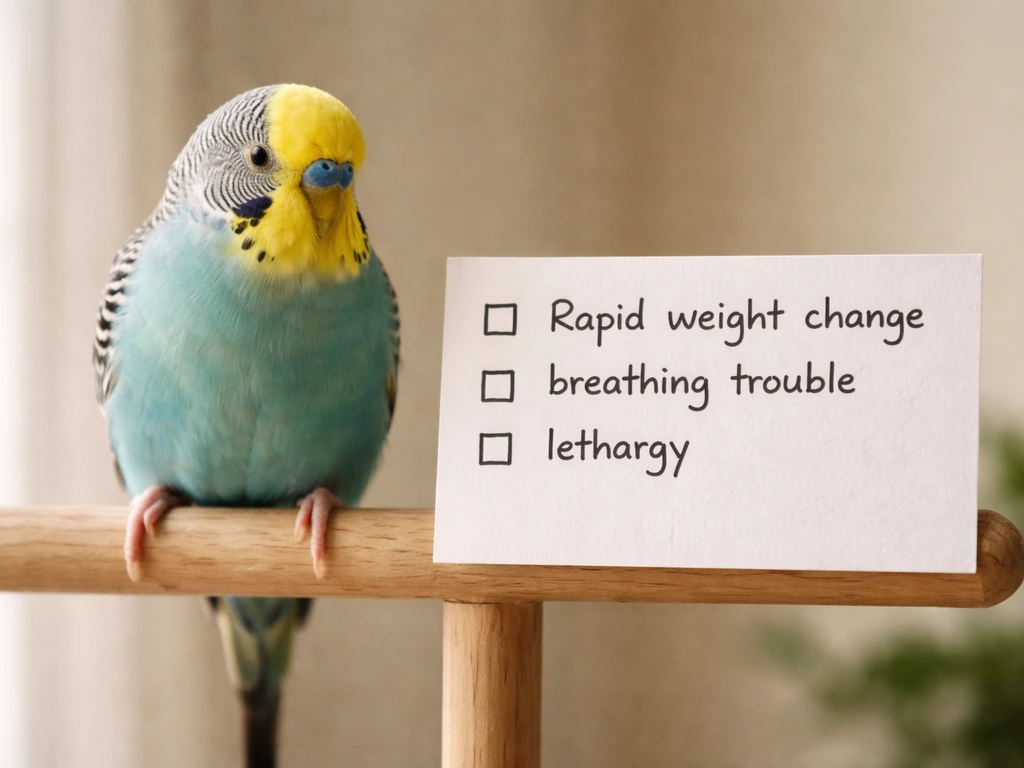
Weight management is something you can work on at home, but some situations need a veterinarian involved. The following signs mean more than just extra seeds in the diet. If you notice constipation signs like straining, reduced droppings, or a swollen abdomen, you should also involve a vet promptly.
- Rapid weight change in either direction: sudden gain or loss of 10% or more of body weight in a short period is a sign of illness, not just diet
- Open-mouth breathing, tail bobbing with every breath, wheezing, or any labored breathing at rest, these are same-day emergency signs
- Lethargy combined with appetite loss, not just reduced activity but actual disinterest in food and interaction
- Visible swelling in the abdomen that is growing or feels firm and painful when touched
- A female bird straining, sitting wide-legged, or showing repeated regurgitation, which can indicate egg binding (obesity is a known risk factor for this)
- Blue or pale tissue around the beak or feet, which can point to circulatory problems
- Any sudden change in droppings alongside weight change
Obese birds face real health consequences: fatty liver disease (hepatic lipidosis), atherosclerosis, arthritis, and cardiac disease are all documented complications. If you suspect your bird is significantly overweight or is showing any of the signs above, a vet visit is the starting point, not a last resort. A vet can also run blood work to check triglyceride and cholesterol levels, which are useful markers when obesity and metabolic disease overlap.
It's also worth knowing that some signs of illness (like changes in weight, grooming, or activity) can overlap with other conditions. If you're checking your bird's overall health picture, it helps to also be aware of signs of worms, parasites, or digestive issues, since these can sometimes affect weight and condition in ways that look like simple dietary problems. For worm or parasite concerns, your avian vet can confirm what is going on and suggest the right treatment signs of worms, parasites, or digestive issues.
What to do next: diet, treats, and keeping your bird active
Switch toward a balanced pellet-based diet gradually
If your bird is primarily eating seeds, that's the most common diet-related cause of obesity in pet birds. Seeds are high in fat and carbohydrates, and a seed-heavy diet is directly linked to obesity, fatty liver disease, and heart disease. Transitioning to a high-quality formulated pellet diet as the foundation of meals (around 60–70% of the diet) is what most avian vets recommend. Do this gradually over several weeks: mix pellets in with familiar food and slowly increase the pellet proportion. Never abruptly remove all food, and monitor your bird's weight during the transition. If you see significant weight loss (more than 5–10% of body weight) during the switch, contact your vet.
Keep treats to a small fraction of the diet
Treats, including seeds offered as treats, millet spray, and high-fat snacks, should make up a small portion of what your bird eats daily. Texas A&M VetMed suggests that treats should probably comprise no more than about 10, 15% of a pet bird’s diet and notes that excess treats increase obesity risk blank" rel="noopener noreferrer">should make up a small portion of what your bird eats daily. A general framework used across pet nutrition is to keep treats at blank" rel="noopener noreferrer">roughly 10–15% of total daily intake. For a small bird, that's not much: a few seeds, a small piece of fruit, or a tiny vegetable piece. Fatty treats like sunflower seeds and peanuts should be genuinely rare or eliminated during a weight loss period.
Build in more movement
Diet alone won't get a bird to a healthy weight if activity is low. Supervised out-of-cage time for flying, climbing, and exploration burns calories and builds muscle. For birds that aren't confident fliers, foraging setups inside and outside the cage (hiding food in paper cups, skewering food to cage bars, using puzzle feeders) encourage movement and mental engagement. More enrichment also reduces boredom-eating, which is a real issue for intelligent species like cockatiels and conures.
Set a safe pace and track progress
Rapid weight loss is dangerous for birds. Aim for very gradual reduction, ideally guided by your vet, rather than drastic food restriction. Weigh your bird weekly (morning, pre-feeding) and keep a log. If after four to six weeks of dietary adjustments and increased activity you're seeing no change, or your bird seems unwell, that's the point to bring your notes and weight log to a vet. The log is genuinely useful: it turns your observations into concrete data your vet can use to make better decisions.
| What you notice | Most likely explanation | What to do |
|---|---|---|
| Rounded chest, keel hard to feel, steady weight gain over weeks | True overweight from diet/activity imbalance | Gradual diet change to pellets, reduce fatty treats, increase activity |
| Heavier weight for a week or two, abdomen feels firm in a female | Egg development (normal) | Monitor, no diet changes needed unless gain persists after laying |
| Puffier appearance, less active, during obvious feather loss | Normal molt | Wait for molt to complete, reassess body condition |
| Rapid weight gain or loss over days | Potential illness | Vet visit, bring weight log |
| Weight gain plus labored breathing or tail bobbing | Possible respiratory or cardiac issue | Same-day vet visit |
| Weight gain plus straining, wide-legged stance in female | Possible egg binding | Same-day vet visit |
The combination of a regular weigh-in routine, knowing what a healthy keel feels like on your specific bird, and watching for the behavioral signs above puts you in a strong position to catch weight problems early. Most overweight birds got there slowly over months or years, and with the right diet changes and more activity, they can improve the same way: steadily, safely, and with you paying attention the whole time.
FAQ
How often should I weigh my bird to tell if it is overweight, and what time of day is best?
Weigh weekly at the same time, ideally in the morning before feeding, when the crop is as consistent as possible. If you are seeing unclear results or big day-to-day swings, do 2 to 3 weigh-ins over one week at the same time of day and use the average to reduce “just ate” noise.
Can I use the keel bone check if my bird is very small or doesn’t like being handled?
You can, but keep it gentle and brief, using one or two fingers to palpate lightly over the chest center. If handling causes strong stress, prioritize the scale and visual trend, and consider a vet visit or a trained avian groomer to establish a reliable baseline keel feel.
What if my bird’s keel feels hard to locate sometimes, is that automatically overweight?
Not necessarily. Molting, illness, and posture changes can temporarily change how the keel feels. Look for a trend across multiple weigh-ins and combine the keel check with skin tone under the jaw and neck area before deciding.
My bird’s belly looks round, but the keel seems fairly normal. Could it still be overweight?
Yes, but a rounder belly without keel padding can also point to other issues such as reproductive changes or constipation. If the abdomen looks swollen, the bird is straining, or droppings change, treat it as a medical concern and involve an avian vet rather than adjusting diet alone.
How do I tell the difference between a bird puffed up from feeling cold versus being overweight?
Cold or stress puffing is usually temporary and comes with other body-holding cues, like staying tucked, fluffed posture, or intermittent behavior changes. Overweight signs tend to be consistent across checks, especially a sustained inability to palpate the keel and a persistent broad chest silhouette.
What does a “good baseline” look like, and how can I create one for my bird at home?
Do a consistent keel check and a consistent weekly weight while your bird is clearly well (normal activity, grooming, and droppings). Write down the keel feel (easy to feel vs difficult vs not palpable) along with the weight so you can compare later changes rather than relying on one-off impressions.
Is “yellowish skin” under the jaw always fat, and is it something I should check only during a keel assessment?
A yellowish tint in that area often suggests subcutaneous fat, but it is best confirmed with context. Check it the same way each time (part feathers gently) and pair it with the keel and the scale trend, since skin appearance can vary by lighting and feather coverage.
How much weight gain is actually meaningful for my bird?
Use both percent and consistency. A small jump once can be normal due to crop contents or hydration, but repeated increases over several weekly weigh-ins, especially aligning with a keel score of 4 or higher, is what usually indicates a real problem.
Are there cases where a bird can be heavier but not overweight, or thinner but not underweight?
Yes. A bird may weigh more from crop contents if weighed right after eating or drinking. Conversely, muscle loss in older birds can make the keel feel different, so weight and keel feel should be interpreted together, and a vet exam is the right call when the pattern does not match either category.
How quickly can I expect weight to change after adjusting diet and activity?
Weight loss in pet birds is gradual. After 4 to 6 weeks of a structured plan, you should see some downward trend on the scale. If there is no change by that point, or the bird seems unwell, bring your weight log to an avian vet to reassess the underlying cause and feeding plan.
What is the safest way to switch from seed-heavy feeding without causing more weight gain or stress?
Transition gradually over several weeks by mixing pellets into the familiar diet and slowly increasing the pellet portion. Avoid abruptly removing all familiar foods, and keep treats and high-fat items low during the transition. Continue monitoring weight weekly so you can adjust before the bird gains further.
Can exercise alone help a bird lose weight if the diet is already high in seeds?
It often is not enough. If the diet is seed-heavy, calorie intake from fat and carbohydrates can overwhelm added activity. The most reliable approach is adjusting the staple diet first (pellets as the foundation) while increasing supervised movement and foraging.
Is rapid weight loss ever okay if my bird is very overweight?
Rapid weight loss is risky. Avoid drastic food restriction, and aim for a gradual plan, ideally with vet guidance. If you are not losing weight steadily or you see weakness, reduced activity, or appetite changes, pause and contact the vet.
When should I stop trying home monitoring and book an avian vet visit?
Book promptly if you suspect significant overweight with a padded keel (especially difficult to palpate), if you see constipation signs (straining, reduced droppings, swollen abdomen), or if behavior and droppings change along with weight trends. Your veterinarian can also check for metabolic and other causes using appropriate tests.