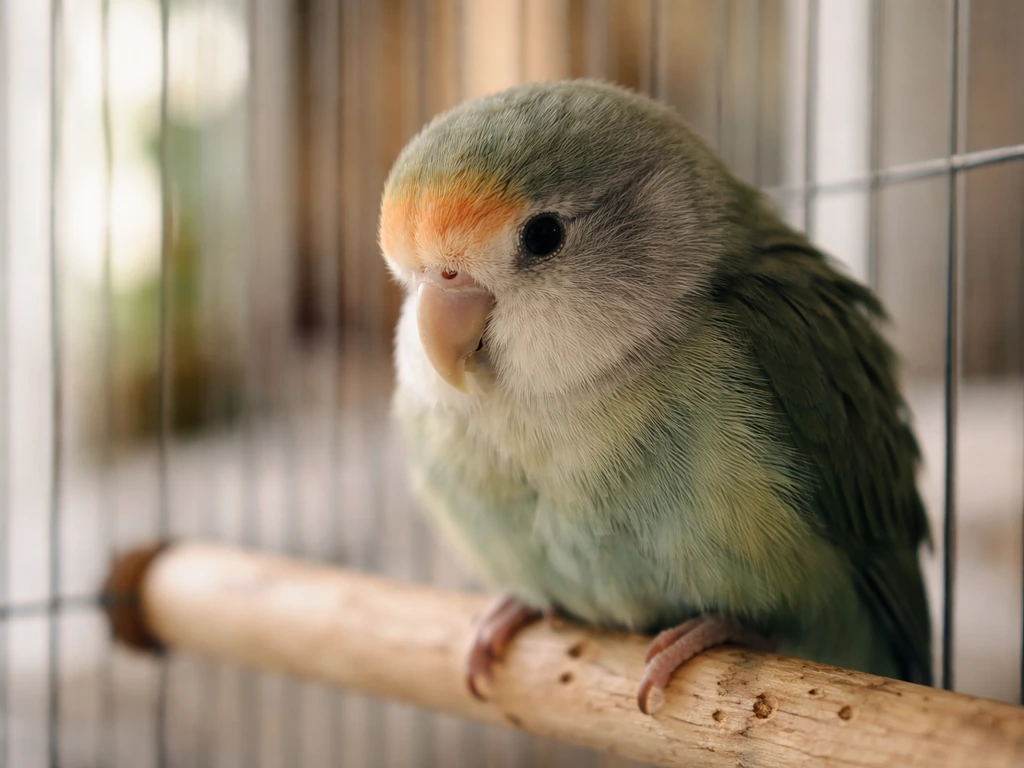
A healthy pet bird is alert, active, eating well, and producing normal droppings. Its feathers lie flat and clean, its posture is upright, and it reacts to your presence the way it normally does. If your bird is doing all of that, you are in good shape. If something feels off, even subtly, trust that instinct and keep reading, because birds are experts at hiding illness until it becomes serious.
How to Tell If Your Bird Is Healthy: Home Checklist

Marcus Chen
22 May 2026
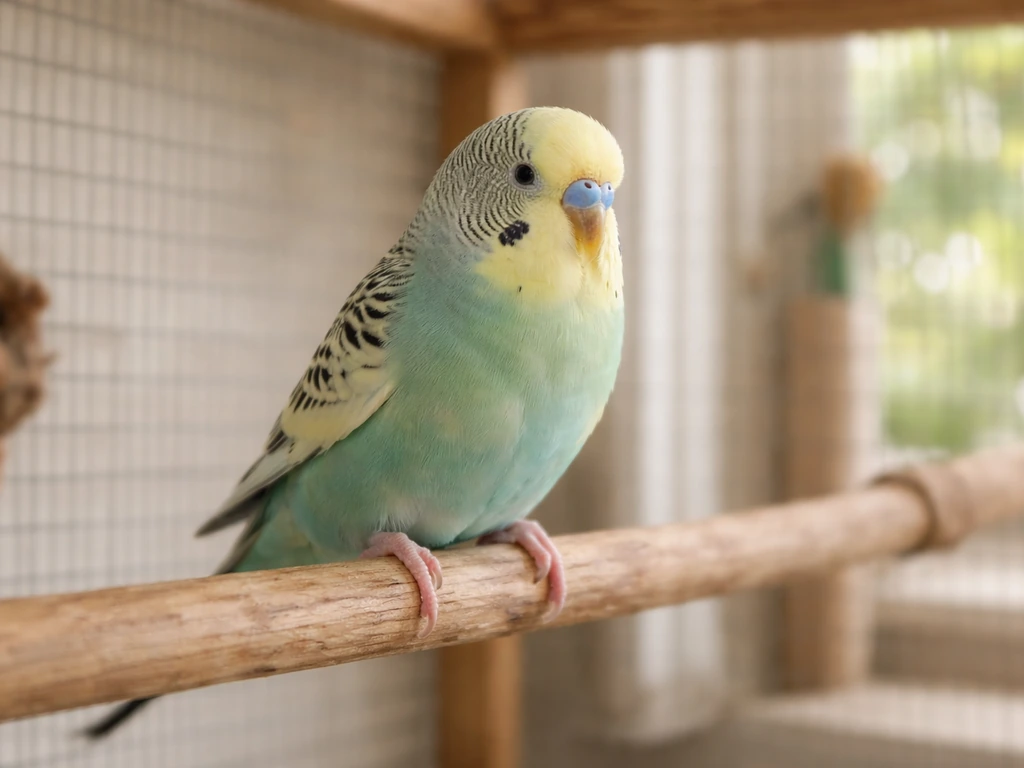
What a healthy bird actually looks like
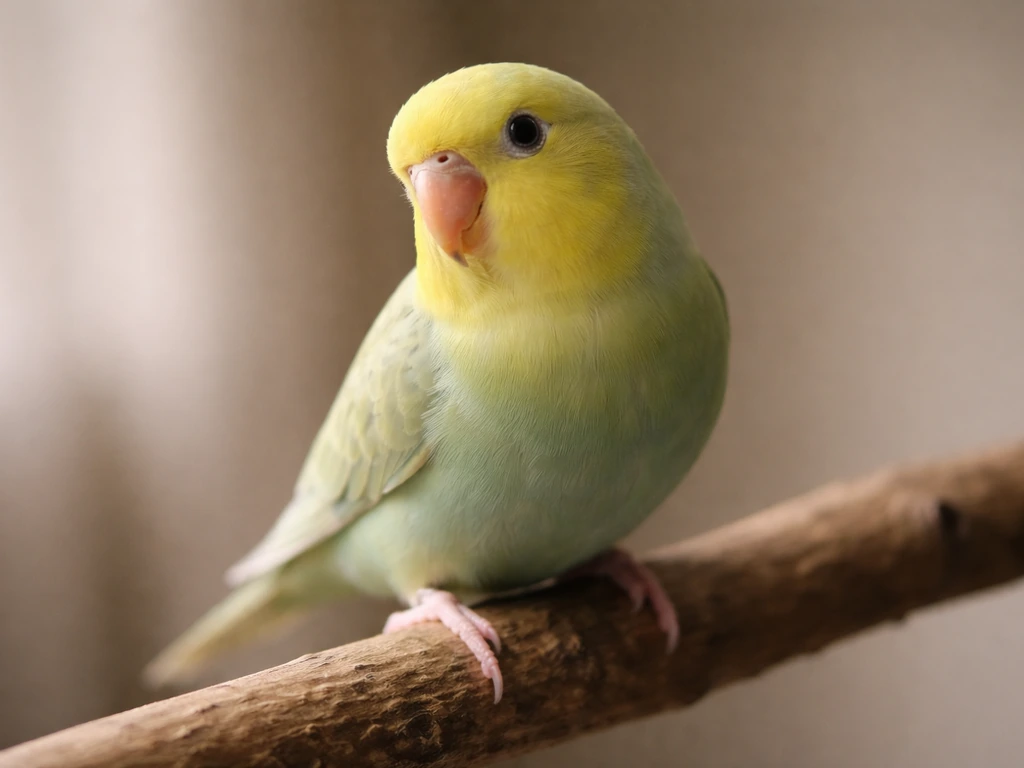
Before you can spot a problem, you need a clear picture of your bird's normal baseline. This is not a general description of a healthy bird species. It is your specific bird, on a typical day. How much does it eat? How loud and active is it in the morning versus the afternoon? How does it hold itself on the perch? What do its droppings usually look like? Knowing these details makes any deviation obvious.
A healthy bird is mentally bright. It tracks movement, responds to your voice, and engages with toys or cage activities at its usual level. It perches solidly without gripping so tightly its knuckles look strained, and it does not need to hold on with its beak to stay upright. Its eyes are fully open and clear, not sunken, crusty, or partially closed during the day. Its nares (nostrils) are clean and symmetrical, with no discharge or discoloration.
Feathers on a healthy bird lie flat and look clean and well-organized. During a normal molt, you will see new pin feathers coming in, and some loose feathers around the cage. That is expected. What is not expected is patchy bare skin, broken feathers that are not being replaced, or feathers that look dull, fluffed, or perpetually ruffled when the bird is not sleeping.
Your daily observation checklist
Running through this checklist takes about two minutes once you make it a habit. The goal is to catch anything that does not match your bird's personal normal, not just a textbook description.
Appetite and food intake
Check how much food your bird consumed since the last feeding. A bird that leaves its food completely untouched, or that has dramatically reduced its intake, is sending a clear signal. Occasional picky eating when you introduce a new food is normal. Consistent refusal of familiar favorites is not. Anorexia and lethargy together are considered a serious combination that warrants same-day veterinary attention.
Droppings
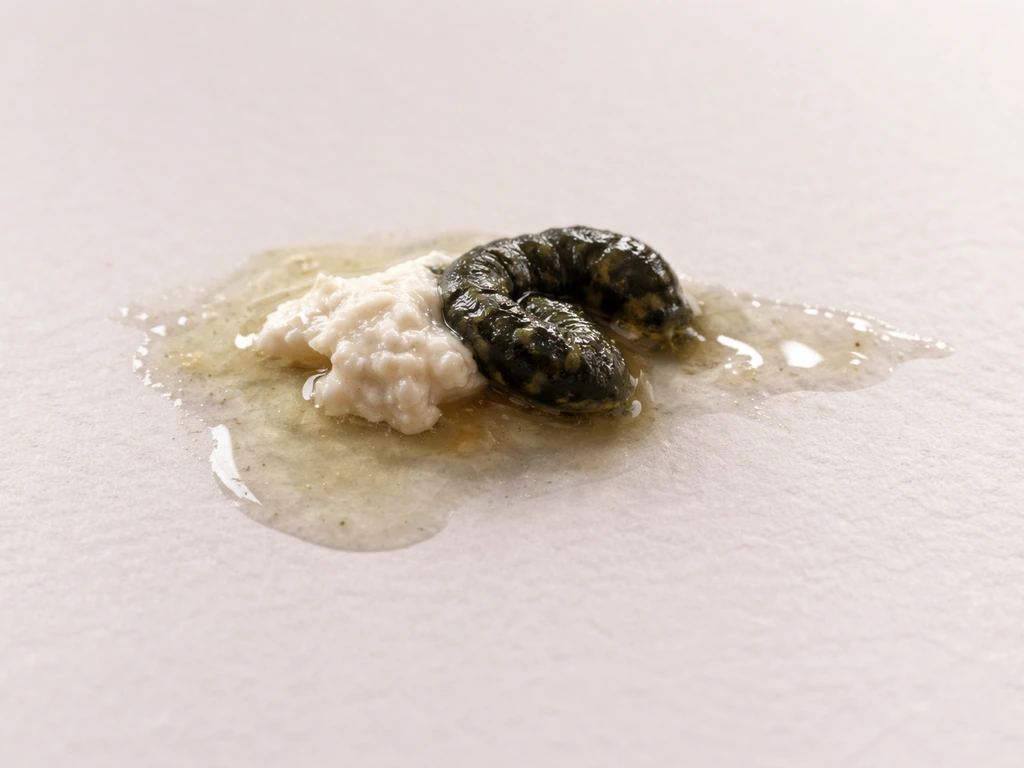
Normal droppings have three distinct components: a green or brown fecal portion, a white or beige urate portion (the solid uric acid crystals that serve as a bird's solid urine), and a clear liquid urine component. Get familiar with what is normal under your bird's perch. If your bird is straining, producing fewer droppings, or having unusually hard stools, it may be dealing with constipation constipation in birds.
A dropping that is suddenly all liquid, bright red, tarry black, yellow, or pale can indicate illness. Parasites can cause changes in droppings, so a sudden abnormality is a good reason to contact an avian vet for a checkup how do i know if my bird has parasites. [Reduced or absent urates alongside reduced liquid urine can be a dehydration flag. ](https://www.
avianwelfare. org/shelters/pdf/NBDshelterssymptomsofillness. pdf) The amount matters too, not just the appearance. Fewer droppings than usual often means the bird is eating less.
Breathing
Watch your bird breathe when it is at rest and calm. Smaller birds (under about 300 grams, think budgies or cockatiels) normally breathe around 30 to 60 times per minute. Larger birds (400 to 1,000 grams, think African greys or Amazon parrots) breathe roughly 15 to 30 times per minute. You do not need to count every breath every day, but you should know roughly what your bird's resting breathing looks like. You should not see its tail pumping rhythmically with each breath, hear clicking or wheezing, or ever see the bird breathing through an open mouth at rest.
Energy and activity level
Birds have predictable daily activity patterns. Most are energetic and vocal in the morning, quieter mid-day, and active again in the late afternoon. A bird that is quiet all day, sitting low on the perch, or sleeping during times it is usually active should be taken seriously. One quiet morning is not an emergency. A bird that has been noticeably less active for more than a day or two needs a closer look.
Behavior
Has your bird's personality changed? Is it less interested in interacting with you, more aggressive than usual, or quieter than normal? Is it making sounds it does not usually make, or conversely, not making its usual morning noise? Behavioral shifts are often the first thing owners notice, and they are worth paying attention to even when nothing looks physically wrong yet.
Body condition, feathers, and posture
You cannot always tell a bird's weight just by looking at it because feathers are very good at hiding the body underneath. The most reliable way to assess body condition is to gently feel the keel bone, which is the ridge running down the center of the chest. Vets use a 1-to-5 keel scoring system: a score of 1 means the bird is severely emaciated, a score of 5 means obese, and a score of 3 is the healthy middle.
On a healthy bird, you should be able to feel the keel but it should not feel like a sharp blade. Equally, the muscles on either side should not feel like soft mush with the keel sinking in. If the keel is very prominent and the chest muscles feel gone, that bird has likely been losing weight for a while.
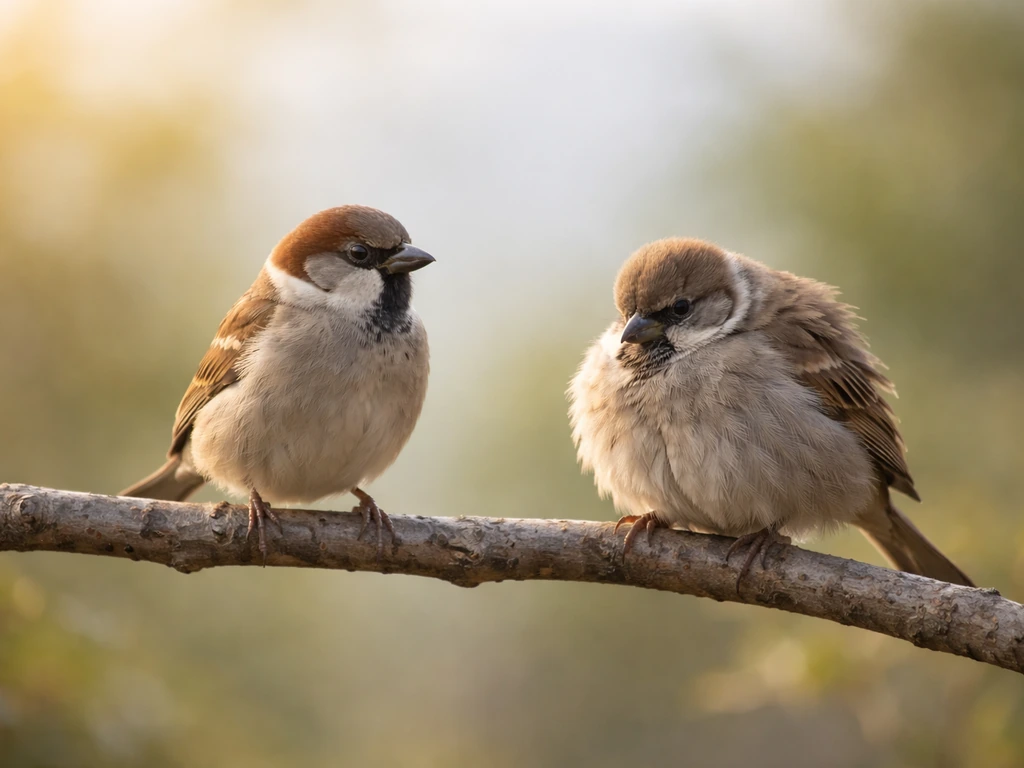
Posture is another quick window into health. Weight gain is another important part of body condition, so watch for changes in how your bird’s shape feels and looks over time. A healthy bird stands upright and holds its head high. A sick bird often stands low, hunches its shoulders, fluffs its feathers up, and may close its eyes. Fluffed feathers at a time other than sleep are not just a texture thing. They are a sign the bird is trying to conserve heat, which can mean it has a fever or chills. The Merck Veterinary Manual specifically highlights fluffed feathers and excessive sleeping as key warning postures.
Watch how the bird holds its wings. A bird with one wing drooping asymmetrically, or a bird that cannot seem to hold both wings in their normal resting position, may have an injury or neurological issue. Tail bobbing while breathing, where the tail pumps visibly with each breath at rest, is a respiratory red flag, not a normal posture variation.
On feathers specifically: normal molting happens regularly throughout the year for most species, and you will see old feathers shed and new pin feathers come in. What is not normal is bare patches, feathers broken off close to the skin, or feathers that look permanently rough and ungroomed. If you are unsure whether your bird's feather condition is a normal molt or something that needs attention, an avian vet visit is the right call.
Red flags that mean something is wrong
Some signs in birds are always worth acting on, even if the bird seems okay otherwise. Birds hide illness as a survival instinct. By the time they look visibly sick, they may have been unwell for longer than you realize.
| Sign | What it may mean | How urgent |
|---|---|---|
| Open-mouth breathing at rest | Respiratory distress, infection, or obstruction | Contact vet immediately |
| Tail bobbing with each breath | Respiratory effort, possible infection or obstruction | Contact vet same day |
| Wheezing, clicking, or wet sounds | Respiratory infection or fluid | Contact vet same day |
| Fluffed feathers outside of sleep | Chills, fever, or systemic illness | Monitor closely, vet if persists more than a few hours |
| Complete loss of appetite | Many possible causes including infection, toxicity, organ issues | Vet same day if over 24 hours |
| Lethargy combined with anorexia | Serious systemic illness | Contact vet immediately |
| Droppings that are red, tarry, pale, or all liquid | Gastrointestinal or systemic disease | Vet same day |
| Sneezing repeatedly or with discharge | Respiratory infection, irritant, or nutritional deficiency | Vet if ongoing or with discharge |
| Feather plucking or self-mutilation | Behavioral, nutritional, or medical cause | Vet within a few days to rule out medical cause |
| Abnormal or absent vocalization | Pain, neurological issue, or general illness | Monitor, vet if combined with other signs |
| Weakness or falling off perch | Neurological issue, toxicity, severe illness | Contact vet immediately |
| One eye partially closed or squinting | Infection, injury, or illness | Vet same day or next day |
Sneezing occasionally is normal, especially when there is dust or a slight change in air quality. Repeated sneezing, sneezing with mucus or discharge, or sneezing with any other symptom is not. Similarly, feather plucking is its own complex topic with both behavioral and medical roots, and it always deserves a vet evaluation to rule out underlying causes before assuming it is purely behavioral.
Is it really sick, or just acting strange for another reason?
Not every unusual behavior is a sign of illness, and one of the most useful skills you can develop as a bird owner is knowing which behaviors are normal quirks and which are genuine warning signs. Context matters a lot here.
Head bobbing is a good example. In many parrot species, head bobbing is a completely normal behavior tied to communication, excitement, or begging for food (especially in younger birds). On its own, it is not a health concern. But head bobbing combined with labored breathing, weakness, or drooping is a different story.
Sleeping more than usual needs context too. Birds that are molting often rest more. A bird in a newly rearranged room may sleep more briefly due to stress. But a bird that sleeps through its normally active morning hours, sits low on the perch with fluffed feathers, and is not interested in food is showing a pattern of concern, not a quirk.
Preening is healthy and normal. A bird that spends time grooming itself, rearranging feathers, and occasionally having a bath is doing exactly what it should be. Bathing can actually encourage normal preening and may help deter the early stages of feather-focused behaviors. What to watch for is the shift from normal preening to feather destruction, over-grooming specific patches, or pulling feathers out entirely.
Stress from environmental changes, like a new pet in the house, a moved cage, or a change in your schedule, can cause temporary behavior shifts. A bird that is quieter or slightly less interested in food for a day or two after a major change may just be adjusting. A bird that shows multiple signs together (appetite loss, lethargy, abnormal droppings, changed vocalization) or whose symptoms persist beyond two days should be evaluated by a vet rather than assumed to be stressed.
It is also worth keeping in mind that some health issues look behavioral at first. Weight changes are covered in detail elsewhere for owners concerned about their bird's body condition. Digestive concerns like constipation, worm infections, and parasites can all present initially as behavioral shifts or subtle dropping changes before other signs appear.
When to call an avian vet and what to do right now
The rule of thumb is: when in doubt, call. A quick phone conversation with an avian vet or vet technician can help you decide whether you need to come in same-day, within 48 hours, or whether watchful waiting is appropriate. You do not have to wait until you are certain something is wrong.
Call immediately (do not wait) if your bird is showing any of these:
- Open-mouth breathing or labored breathing at rest
- Tail pumping rhythmically with each breath
- Wheezing, clicking, or wet respiratory sounds
- Falling off the perch or unable to grip
- Complete unresponsiveness or extreme weakness
- Seizure-like movements
- Visible injury, blood, or trauma
Call the same day if your bird has stopped eating for more than 24 hours, is combining lethargy with appetite loss, has dramatically changed droppings (color, consistency, or absence), or is showing multiple mild signs together.
When you call or go in, the vet will need information. Have this ready:
- When you first noticed the signs and what exactly you observed
- Any changes in diet, environment, or routine in the past week or two
- A description of the droppings (or a photo of them if you can)
- The bird's approximate food and water intake over the past 24 hours
- Whether anyone in the household uses non-stick cookware, aerosols, scented candles, or air fresheners (fumes can be toxic to birds)
- A short video on your phone showing the breathing, posture, or behavior if it is not constant
While you are waiting for the vet appointment or arranging emergency care, there are a few safe supportive steps. Move the bird to a quieter, slightly warmer spot. A temperature around 85 to 90 degrees Fahrenheit is often recommended for a sick bird to help it conserve energy rather than burning it on staying warm. Keep handling minimal to reduce stress. Make food and water very easy to reach, even placing it on the cage floor if the bird is having trouble perching. Do not try to force-feed or administer any medications unless specifically instructed by a vet.
Staying ahead of problems with preventive monitoring
The single most powerful preventive tool you have is a baseline. Weigh your bird regularly on a small digital kitchen scale and keep a log. Weight loss is often the first sign of illness in birds, and it will not be obvious by looking at them. A healthy weight log makes early intervention possible.
Schedule annual wellness exams with an avian-experienced vet, even when nothing seems wrong. Birds benefit from the same kind of preventive care that dogs and cats get, but they are far less likely to receive it. An annual exam gives you a current baseline for weight, body condition, and any bloodwork or fecal tests your vet recommends.
Keep a simple log or even just a note on your phone. If you notice a change and write it down with the date, you will have a timeline to share with the vet instead of trying to remember exactly when things started. This makes triage conversations much more useful.
Diet quality matters more than most owners realize. A seed-only diet is nutritionally deficient for most pet bird species and contributes to long-term health problems. Pellets, fresh vegetables, and appropriate variety give your bird the nutritional foundation it needs to stay resilient.
Finally, know your bird's individual patterns well enough to notice when something is slightly off. The owners who catch illness early are almost always the ones who spend time with their birds every day and trust their gut when something does not seem right. You do not need to be a vet to notice that your bird is not quite itself today. That observation, acted on promptly, can make all the difference.
FAQ
How can I tell if my bird is “off” without constantly checking droppings and breathing?
Pick one or two daily markers and stick to them at the same time each day. For many owners, that is a quick check of appetite (what is left from the previous feeding) plus a visual note of droppings volume under the favorite perch. You can also do a short “resting scan” every few days, watching for open-mouth breathing at rest, tail pumping, and eye appearance. Consistency matters because birds have normal day-to-day variation.
What should I do if my bird’s droppings look weird but the bird is still acting normal?
Treat it as a “trend,” not a one-off. If the change is dramatic (all liquid, absent urates, bright red, tarry black, or pale), or it persists into the next day, contact an avian vet. If it is mild and isolated, monitor for additional changes like reduced urates, reduced overall dropping count, or appetite decline. Birds can have digestive changes before they look ill.
Can a bird be healthy and still eat less than usual some days?
Yes, but only within your bird’s normal pattern. A healthy bird may eat a bit less on a quieter day or after environmental changes, but it usually maintains some intake of familiar foods. Alarm bells are consistent refusal of favorites, a sudden drop to near zero intake, or lethargy that accompanies appetite change. If intake drops and continues past a day, call an avian vet.
Is fluffed feathers ever normal, and how do I tell the difference from illness?
Fluffing can be normal during sleep or obvious rest periods. It becomes concerning when it happens while the bird should be active, when eyes look dull or partially closed in daylight, or when fluffing is paired with reduced appetite, weakness, or warm-to-the-touch behavior. A single quiet moment may be temporary, but repeated daytime fluffing is a pattern to take seriously.
My bird sneezes occasionally. When does it become urgent?
Occasional sneezing can be triggered by dust, aerosols, or dry air, especially if it stops quickly after the environment is changed. It is more concerning when sneezing is repeated over multiple hours, includes mucus or discharge, comes with open-mouth breathing, or is paired with lethargy or appetite loss. If symptoms are ongoing, contact an avian vet rather than waiting for “a few days.”
Should I ever try to treat constipation or parasites at home?
Avoid giving home remedies or over-the-counter dewormers unless an avian vet directs you. Birds can worsen quickly if hydration, underlying causes, or medication doses are wrong. Instead, focus on safe supportive steps you can do immediately (quiet, slightly warmer environment, easier access to food and water) and arrange an avian evaluation if droppings decrease, stools are unusually hard, or the change persists.
How accurate is weighing my bird at home, and what’s the best setup?
Weighing is very useful, but only if you measure the same way each time. Use a small digital scale and record weights at the same time of day, ideally when the bird is calm and stepping on the scale voluntarily. Track in a log, look for a downward trend over several days, and call the vet if weight drops noticeably or continues to fall. Feathers can hide body condition, so weight trends matter even when posture looks okay.
What’s a realistic “timeline” for deciding between watchful waiting and a vet visit?
If multiple systems change together, shorten the timeline. As a rule of thumb from the checklist approach, same-day contact is appropriate when appetite stops for more than about 24 hours, when lethargy and appetite loss happen together, or when droppings are markedly abnormal. If you see a cluster of mild signs (for example, quieter behavior plus reduced droppings plus subtle breathing change) and it continues beyond about two days, get an avian opinion rather than waiting.
Can a new bird behavior be normal bonding or communication instead of illness?
Yes, many “new” behaviors can be context-specific, like increased vocalizing around attention time, head bobbing during excitement, or temporary quietness after a schedule or household change. The difference is whether the behavior shift is isolated and brief versus accompanied by physical signs (breathing changes, fluffed daytime posture, appetite reduction, abnormal droppings, or wing posture changes). When physical signs join the picture, treat it as health-related until proven otherwise.
Next Article
Why Is My Bird Making Whimpering Noises? What to Check
Find reasons for whimpering bird noises, quick home checks, and red flags for urgent vet care plus tracking tips.