
If your bird is losing weight, eating less, passing loose or oddly colored droppings, or just seems "off" with no obvious explanation, worms are a real possibility worth taking seriously. The honest answer is that you can't confirm a worm infection at home, but you can spot the warning signs clearly enough to know whether you need an avian vet visit today or in the next day or two. The good news is that fecal testing is quick, affordable, and often gives same-day results.
How Do I Know If My Bird Has Worms: Key Signs and Next Steps

Marcus Chen
3 Jun 2026
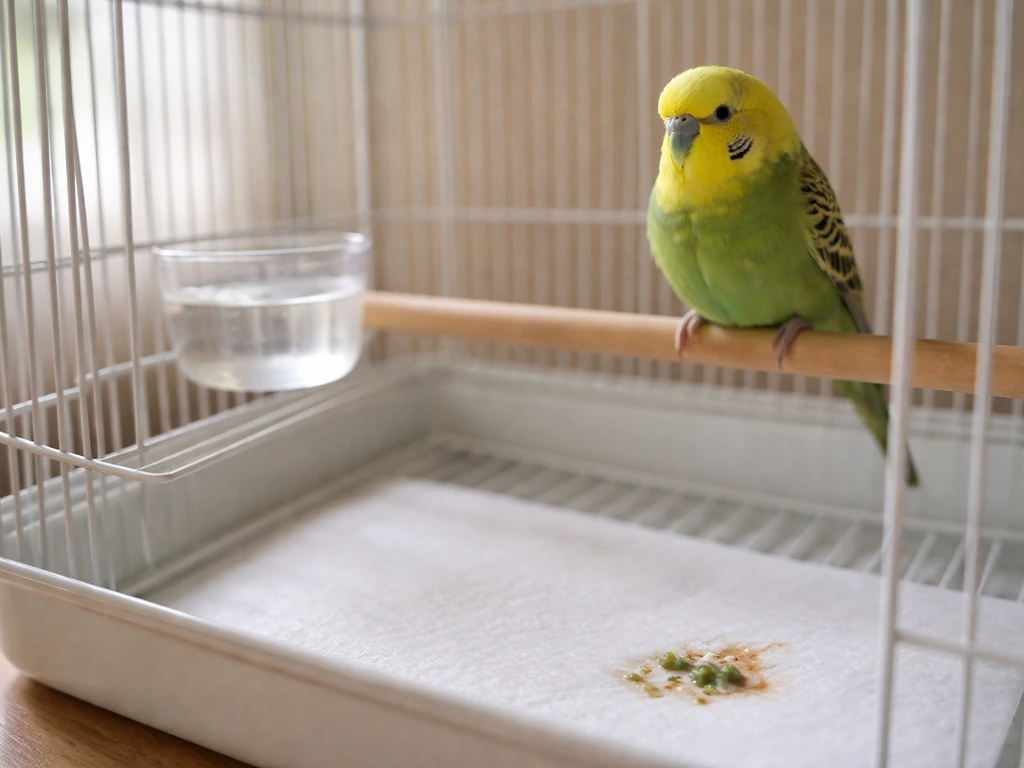
Common signs your bird may have internal parasites
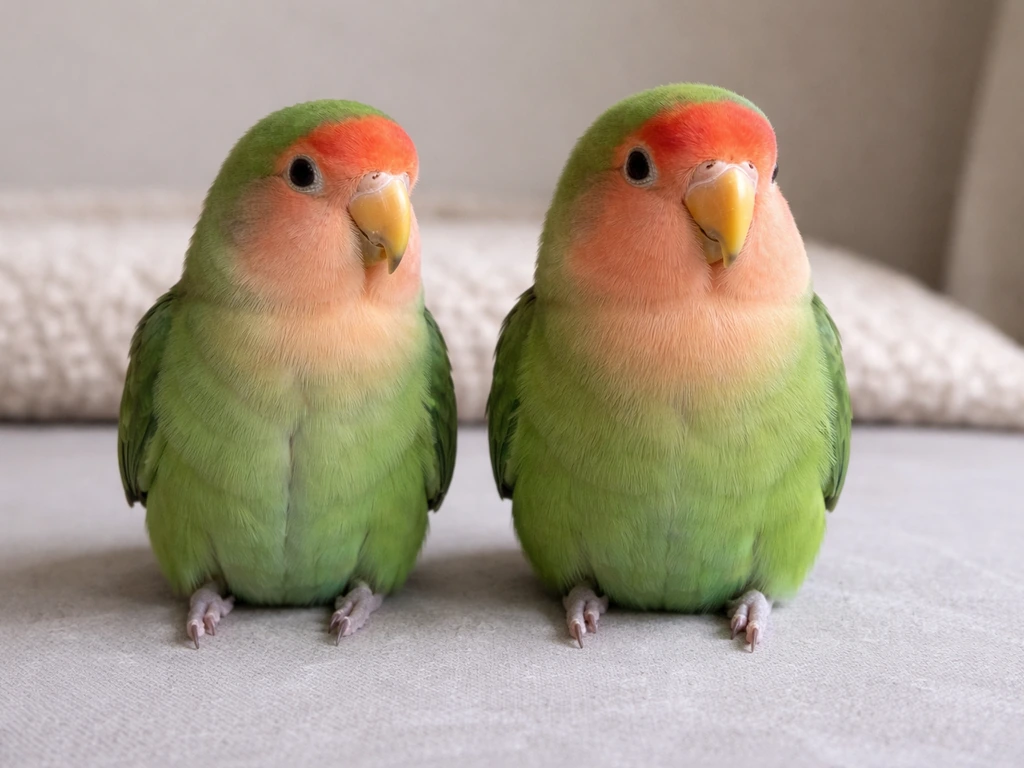
Internal parasites in pet birds rarely cause dramatic overnight changes. More often you'll notice a slow drift: your bird seems a little thinner, a little quieter, a little less interested in food. These gradual shifts are easy to dismiss, which is why worm infections often go undetected until they're well established.
Here are the signs most commonly associated with internal worms and parasites in pet birds:
- Unexplained weight loss, especially when appetite appears normal or even increased
- Visible thinning over the keel bone (breastbone feels more prominent than usual)
- Decreased appetite or sudden disinterest in favorite foods
- Diarrhea, loose droppings, or droppings that change in color or consistency without a diet change
- Undigested food or whole seeds visible in the droppings
- Lethargy, puffed feathers, or spending more time sitting low on the perch
- Dull, fluffed, or unkempt feather appearance
- Regurgitation or frequent vomiting
- Open-mouth breathing, gasping, or a strange stretching of the neck (a specific red flag for gapeworms)
- Tail-bobbing with each breath, which can suggest respiratory involvement
That last cluster, specifically the open-mouth breathing and neck-stretching, points to a particular type of worm called a gapeworm (Syngamus trachea). Gapeworms live in the respiratory tract rather than the gut, so they produce breathing difficulty rather than digestive symptoms. If you see your bird "gaping" repeatedly, treat it as urgent.
How to do a quick at-home check
You won't find a definitive answer at home, but a focused five-minute observation right now can tell you a lot. If you're trying to figure out how to tell if your bird is healthy, these quick at-home checks are a great place to start. Check these three things in order.
Behavior and energy
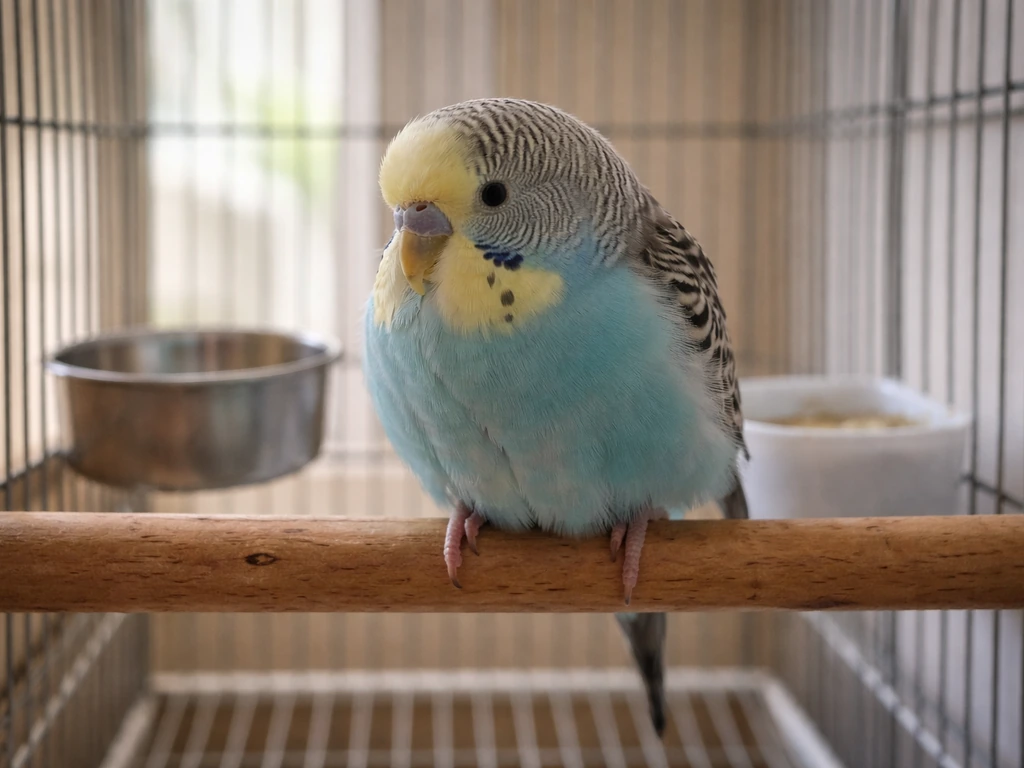
Watch your bird for a few minutes without interacting. Is it alert and moving around normally? A bird with a significant parasite burden often looks quieter than usual, stays puffed, or holds itself lower on the perch. Compare today to what's normal for your bird specifically, not what's normal in general.
Appetite and weight
Check the food dish to see how much was eaten since yesterday. If you can, gently feel the keel bone along the center of your bird's chest. In a healthy bird at a good weight, you can feel it but it shouldn't feel like a sharp ridge. If it feels unusually prominent and bony, that's a sign of muscle wasting and warrants a vet visit regardless of the cause.
Droppings
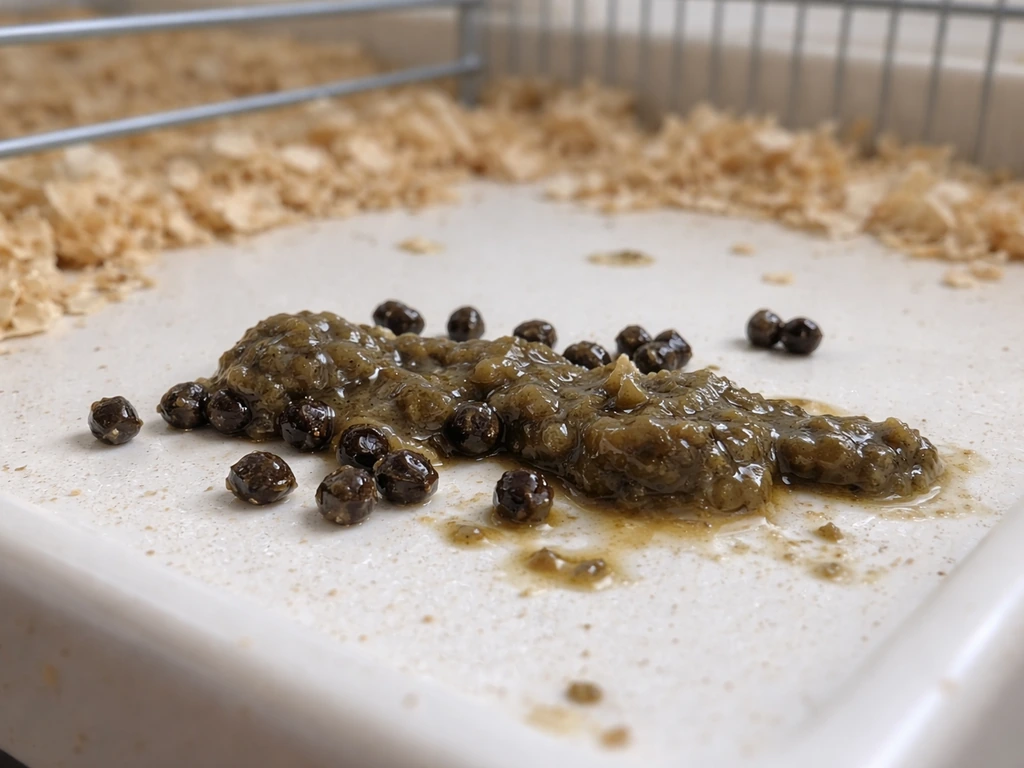
Fresh droppings are your best at-home diagnostic tool. Look at the cage bottom and note what you see. Normal droppings have three components: solid feces (green or brown depending on diet), white or cream urates, and a small amount of clear liquid urine. Any significant change from what's normal for your bird is worth noting.
Droppings and poop changes to watch for
This is the section to read carefully, because droppings tell you more than anything else when it comes to internal parasites. That said, they also change for completely innocent reasons, so context matters. If your bird is constipated, look for reduced droppings, straining, a puffed posture, and a decreased appetite, and contact an avian vet if things do not improve quickly.
Diet alone can shift dropping color significantly. Seeds tend to produce greenish feces, pellets produce more brown feces, and berries can turn droppings red, pink, or purple. If you changed your bird's diet recently and the droppings changed at the same time, that's likely the cause. If nothing changed diet-wise and the droppings shifted, pay attention.
Here's what to specifically look for when worms are a concern:
- Undigested food or whole seeds in the droppings (this suggests the gut isn't absorbing nutrients properly)
- Consistently loose, watery, or unformed feces that blur into the urate portion
- Persistent diarrhea lasting more than a day or two
- Feces that look greasy, mucus-like, or unusually smelly
- Any visible worm-like material in the droppings (this is rare but definitive)
Visible worms in droppings are uncommon because most internal parasites shed eggs rather than whole worms. What you're more likely to see are the secondary effects: nutrient malabsorption showing up as whole seeds passing through, or inflammation causing diarrhea. Eggs are microscopic and completely invisible without a lab microscope, so "I don't see anything" does not rule worms out.
One specific symptom worth calling out: if you consistently see whole undigested seeds in the droppings along with weight loss, that's a combination that raises concern not just for worms but also for proventricular dilatation disease (PDD, sometimes called macaw wasting disease). PDD is a separate condition caused by avian bornavirus, not parasites, and it needs its own diagnostic workup. More on this in the next section.
When to suspect something else vs. true worms
Several conditions can look a lot like a worm infection, and getting the diagnosis right matters because the treatments are completely different. Here's a quick way to think through the most likely alternatives.
| Condition | Overlapping signs | Distinguishing clues |
|---|---|---|
| Internal worms (nematodes) | Weight loss, diarrhea, poor feather condition, lethargy | Gradual onset, fecal float shows eggs (though shedding is intermittent) |
| Gapeworms (Syngamus trachea) | Lethargy, tail-bob breathing | Open-mouth gaping, coughing, wheezing, neck-stretching for air — respiratory, not digestive |
| Proventricular Dilatation Disease (PDD) | Weight loss, undigested seeds in droppings, regurgitation | Neurologic signs possible, chronic course, no response to dewormers, bornavirus testing needed |
| Coccidia (protozoal, not a worm) | Diarrhea, bloody stool possible, lethargy | Oocysts seen on fecal float/wet smear, more common in young or stressed birds, severe diarrhea |
| Giardia (protozoal) | Diarrhea, weight loss, itchy skin in some species | Droppings often voluminous and pale, diagnosed by wet smear or PCR panel |
| Bacterial infection | Lethargy, appetite loss, loose droppings | Often faster onset, may include discharge from eyes/nares, culture and sensitivity test needed |
| Crop/digestive obstruction | Regurgitation, weight loss | Crop may feel firm or impacted, often acute onset |
A few practical clues that point away from worms and toward something else: if your bird has prominent respiratory symptoms like sneezing, nasal discharge, or wheezing without any digestive changes, a respiratory infection is more likely than intestinal worms. If the bird deteriorated very rapidly over 24 to 48 hours, bacterial sepsis or a toxic exposure is higher on the list than a parasite that typically builds slowly. And if you're seeing neurologic signs like head tilting, loss of balance, or seizures alongside weight loss and undigested seeds, PDD becomes a serious concern that needs specialist evaluation.
Coccidia is worth a special note here. It's a protozoan, technically not a worm, but it's diagnosed the same way (fecal float or wet smear) and causes similar digestive symptoms including severe diarrhea. Your vet will likely screen for it at the same time they check for worms, so you don't need to worry about distinguishing it yourself before the appointment.
Next steps: vet testing and what to ask for
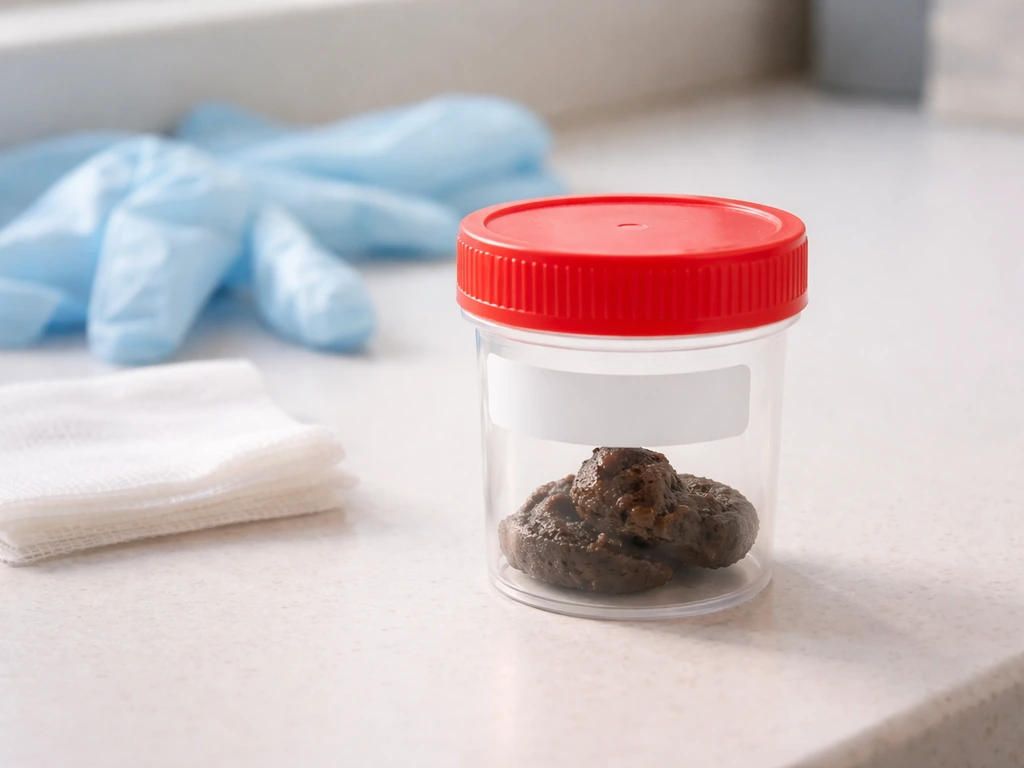
If your bird is showing more than one of the signs above, or if you're seeing open-mouth breathing at any point, contact an avian vet now. Avian vets are specialists, and a general practice vet may not have the experience or equipment to diagnose and treat bird parasites accurately. If you don't have an avian vet yet, search for one certified by the Association of Avian Veterinarians.
The primary test for worms is a fecal flotation. A small sample of fresh droppings is mixed with a salt or sugar solution that causes parasite eggs to float to the surface, where they can be seen under a microscope. Some labs offer same-day results for fecal floats submitted by early afternoon. One important catch: because worm egg shedding can be intermittent, a single negative fecal test does not definitively rule out infection. Your vet may recommend repeating the test or collecting samples over multiple days.
If coccidia or giardia are also suspected, your vet may add a wet fecal smear or run a PCR panel for avian protozoa. PCR panels are processed on scheduled days at most labs (often Monday, Wednesday, and Friday), so results may take a few days. For suspected gapeworms, the vet may also examine the throat or trachea directly.
To make the appointment as efficient as possible, bring these things with you:
- A fresh fecal sample collected within a few hours of the visit, stored in a clean sealed container (your vet may give you specific collection instructions)
- Photos of abnormal droppings if you can't collect a fresh sample
- A timeline of when symptoms started and how they've changed
- A list of everything your bird eats and any recent diet changes
- Information about any other birds in the home and whether they share space
Treatment basics and keeping the rest of the flock safe
Do not self-medicate your bird with over-the-counter dewormers or products intended for other species. Dosing for birds is highly specific, and many common dewormers are toxic to birds at the wrong dose or formulation. Treatment needs to be directed by a vet who knows what parasite you're actually dealing with.
For intestinal nematodes (the most common "worms"), a vet will typically prescribe an appropriate antiparasitic medication at a species- and weight-appropriate dose. For protozoal infections like giardia, different medications are used entirely, such as metronidazole or ronidazole, at doses calculated specifically for birds. For gapeworms, treatment targets the respiratory tract and often requires more aggressive management. The treatment course varies by parasite type, so knowing what you're treating matters.
If you have more than one bird, here's what to do while waiting for results and during treatment:
- Separate the affected bird from other birds immediately if possible
- Wash your hands thoroughly after handling the sick bird or cleaning its cage
- Do not share food dishes, water bowls, or toys between the sick bird and others
- Clean the cage daily during this period, removing droppings promptly to reduce egg load in the environment
- Disinfect cage surfaces, perches, and accessories thoroughly — worm eggs and oocysts can survive on surfaces and reinfect your bird
Change cage liner paper daily and disinfect thoroughly between changes. This is especially important for protozoal infections like giardia, where the environment can harbor infective cysts and reinfection is a real problem even after treatment.
Prevention and reducing reinfection risk
Once your bird has been treated, the goal is to prevent it from picking up another infection. Most pet birds that develop internal parasites get them through contaminated food, water, surfaces, or contact with other birds. Controlling those exposure routes is the most practical thing you can do. The CDC recommends routine veterinary care and using appropriate quarantine measures when managing birds that have been newly acquired or imported to help prevent disease spread appropriate quarantine measures for newly acquired or imported birds.
- Quarantine any new bird for at least 30 days before introducing it to your existing birds, even if the new bird looks completely healthy
- Have new birds tested for parasites before or during quarantine
- Clean and disinfect cages, food dishes, and water bowls regularly, not just when something looks dirty
- Avoid feeding foods that have been sitting out long enough to attract flies or other insects, which can carry parasite larvae
- Keep wild birds away from your pet bird's food and water sources, especially if your bird has outdoor time or an outdoor aviary
- Wash your hands before and after handling birds or cleaning cages
- Schedule routine wellness visits with an avian vet at least once a year, including fecal screening
Reinfection is a genuine risk, particularly with protozoal parasites, because infective stages persist in the environment even after the bird is treated. A thorough deep-clean of the cage and all accessories, done at the same time as (or just after) treatment, is not optional if you want the treatment to stick.
Worms are just one part of a broader picture of bird health. If you're also wondering whether your bird's weight, digestion, or general condition is off in ways that go beyond a single symptom, it's worth looking at overall health indicators and other digestive concerns together. A good avian vet visit can address all of these at once, which is usually more efficient than trying to figure each one out separately at home.
FAQ
My bird’s poop test (fecal float) came back negative, does that mean it definitely doesn’t have worms?
If your bird has a negative fecal flotation but is still losing weight, acting quiet, or has ongoing abnormal droppings, assume the test may have missed intermittent shedding. Ask the avian vet whether they want repeat sampling (often over 2 to 3 days) and whether to broaden testing to include protozoa like coccidia or giardia, and not just “worms.”
How should I collect droppings for a fecal test so the results are reliable?
When you collect samples, use fresh droppings from the cage bottom that were deposited recently, and avoid mixing with old paper, seed hulls, or disinfectant residue. Put the sample in a clean, sealed container and bring it promptly, since egg or organism viability can decline over time and can reduce how reliably the lab detects parasites.
Can I give an over-the-counter dewormer while I wait for my avian vet appointment?
Do not start an “antiparasitic” product while waiting for the vet unless the vet has identified the likely parasite and provided a bird-specific dose. Over-the-counter dewormers and products made for other animals can be unsafe or underdosed in birds, and treating the wrong condition can delay the correct diagnosis.
What should I do if I notice gaping or open-mouth breathing but the droppings look normal?
If your bird is gaping (open-mouth breathing) even once, treat it as urgent, because gapeworms affect the respiratory tract rather than only the gut. Even if droppings look normal, gaping symptoms should prompt immediate contact with an avian vet rather than waiting for a routine fecal test.
My bird passes whole undigested seeds and is losing weight, is that definitely worms?
Whole seeds in droppings plus weight loss is a red flag combination because it suggests malabsorption or a serious gut/upper GI problem. Even though worms are one possibility, it also raises concern for PDD, so ask the vet specifically about PDD workup (and not only parasite treatment).
How can I tell whether changes in droppings are from worms versus diet, stress, or something else?
Yes, some common everyday changes can mimic parasite-related droppings, but they usually have a clear cause and pattern. For example, diet changes can shift color, stress from a new environment can alter droppings temporarily, and recent bathing or spilled water can dilute urine appearance. If the changes persist beyond the expected transition window or are paired with weight loss or puffing, prioritize a vet visit.
If my vet suspects worms, should they also test for coccidia or giardia?
Coccidia and giardia can cause severe, watery or frequent diarrhea and are diagnosed with fecal methods the same day may still be inconclusive depending on sample quality and timing. Because treatments are different from deworming, ask the vet if they will run protozoa testing (wet smear or PCR) alongside fecal floats.
I have more than one bird. Should I isolate them and test everyone if one bird may have worms?
If you have multiple birds, it helps to treat the group as higher risk even before results, because some parasites spread through contaminated environment and shared resources. Ask your vet whether to test all birds, isolate the sick bird(s) immediately, and whether any decontamination steps should start right away while waiting for diagnostics.
What symptoms mean I should not wait for test results?
You should also consider urgent evaluation if your bird is staying puffed, breathing with effort, has a sudden drop in activity over 24 to 48 hours, or shows neurologic signs like head tilting or seizures. These patterns suggest causes beyond typical slow-growing intestinal parasites and can need faster intervention.
Next Articles
How to Tell If Your Bird Is Healthy: Home Checklist
Daily bird health checklist: normal signs vs red flags in breathing, droppings, posture, appetite, feathers and next ste
Why Is My Bird Making Whimpering Noises? What to Check
Find reasons for whimpering bird noises, quick home checks, and red flags for urgent vet care plus tracking tips.
Why Does My Bird Make Crunching Noises? Causes and What to Do
Learn why your bird crunches, spot normal beak chewing vs breathing or crop issues, and what to do next.