
If your bird hasn't pooped in several hours, is straining at the vent, sitting fluffed on the cage bottom, or acting lethargic and uninterested in food, those are real warning signs you need to take seriously. True constipation in birds is uncommon, but a bird that genuinely can't pass droppings can deteriorate quickly. The good news is that most cases of "not pooping" have an identifiable cause and you can act on it today, though some situations mean calling an avian vet right now.
How Do I Know If My Bird Is Constipated

Marcus Chen
24 Jun 2026
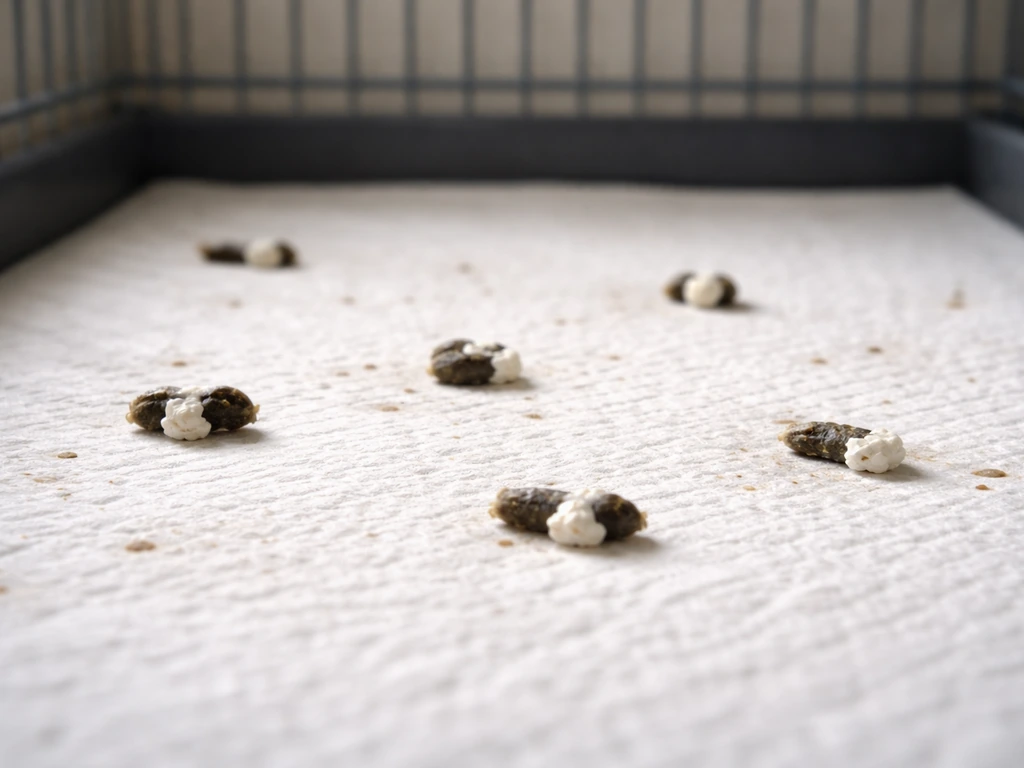
What normal bird droppings actually look like
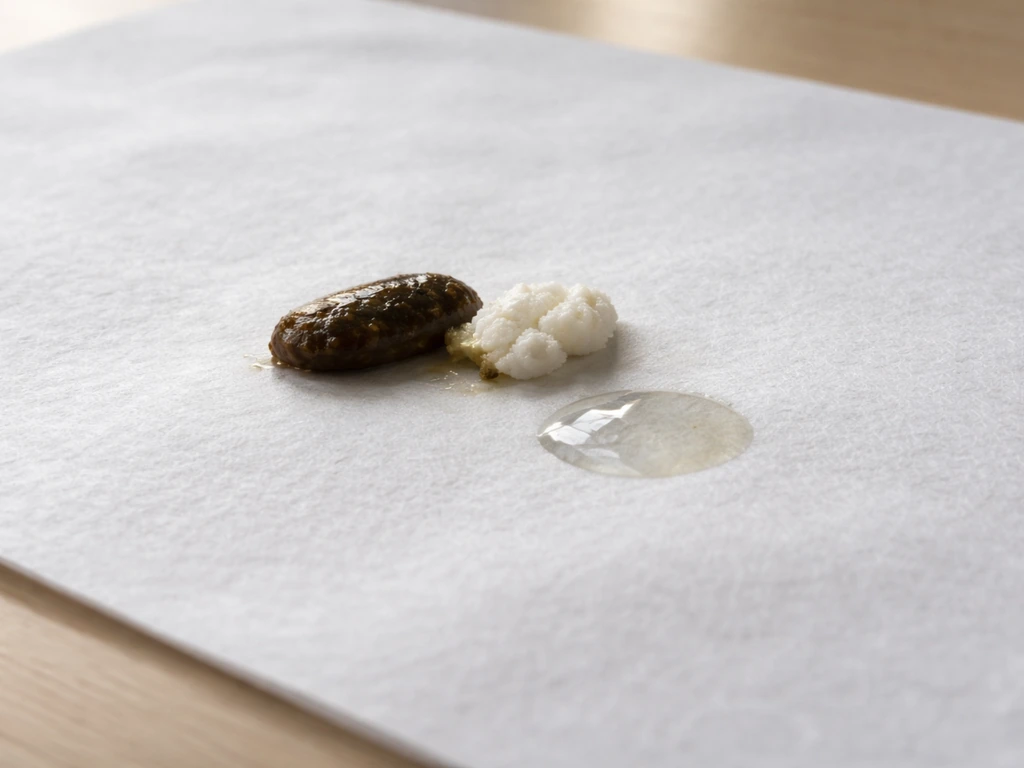
Before you can tell if something is wrong, you need a clear picture of what's normal. Healthy bird droppings have three distinct parts: a fecal portion (the darker, formed part), urates (a white or off-white creamy blob, sometimes wrapped around the feces), and a small amount of clear urine. For smaller birds like parakeets, finches, or canaries, it often just looks like a compact little blob with a white cap. For larger birds like cockatiels or parrots, the three parts are easier to see separately.
Urates are the white component you always want to look for. They're produced by the kidneys and are made up of uric acid crystals. Normal urate color ranges from pure white to off-white, pale cream, or very light beige. If you see yellow or bright green urates, that's a red flag for possible liver disease or infection, not just constipation. No urates at all can signal dehydration or a more serious problem.
One important note: the first dropping of the morning is usually larger and wetter than the rest of the day's droppings, and a bird that's nervous or stressed can produce more watery droppings temporarily. Track the pattern across the whole day, not just one sample.
Normal bird gut vs constipation: what's actually different
Constipation in the strict sense means a bird is producing little or no fecal material and is having difficulty passing what's there. A healthy bird poops frequently, often after every meal or every hour or two depending on species and diet. If your bird's dropping frequency drops sharply, the fecal portion looks much smaller or drier than usual, or there's no output at all for several hours, that's a meaningful change worth investigating.
What makes this tricky is that constipation isn't always the real issue. A bird might look constipated (straining, no droppings, sitting low) but actually have egg binding, a blockage, a cloacal prolapse, an infection, or severe dehydration. Constipation can also be a symptom of something bigger rather than a standalone problem. That's why how you interpret the signs matters a lot.
Signs your bird might be constipated
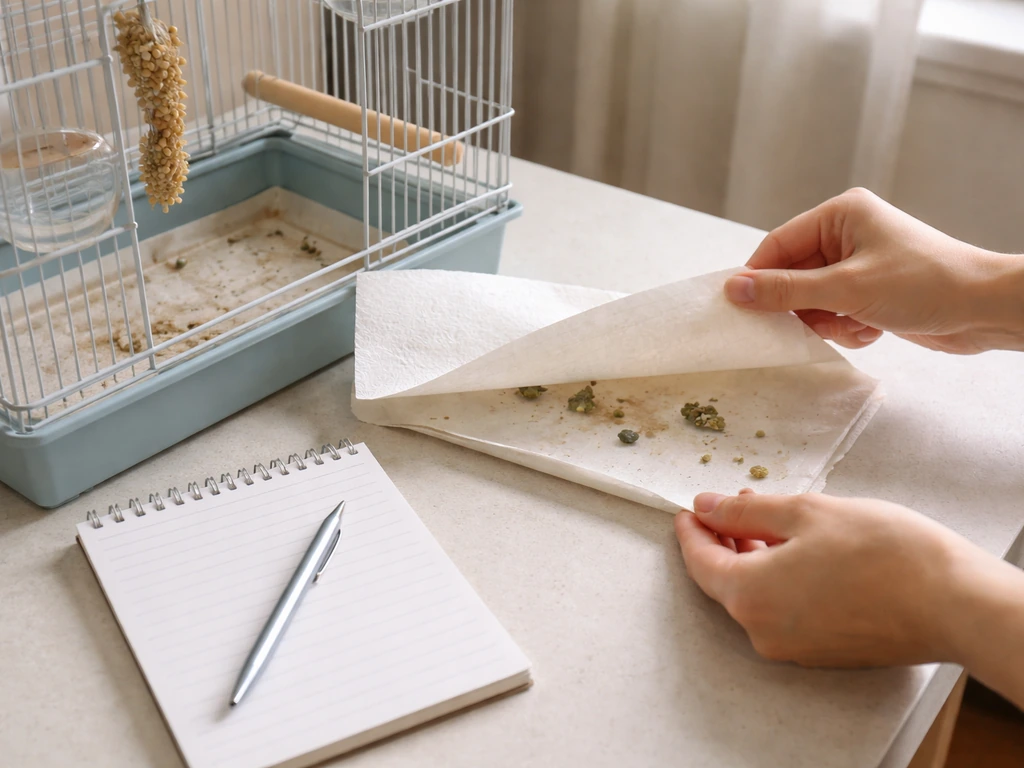
There are a few overlapping clues to watch for. No single sign guarantees constipation, but seeing several of these together tells you something is off. If you suspect worms instead of constipation, look for weight loss, poor appetite, and abnormal droppings and get a fecal test from your avian vet how do i know if my bird has worms.
- Fewer droppings than usual, or no droppings for several hours
- Fecal portion looks very small, dry, or harder than usual
- Straining or repeated squatting posture at the vent with little or nothing coming out
- Tail bobbing that isn't linked to a respiratory issue (though both can look similar)
- Fluffed feathers and sitting low or on the cage bottom
- Obvious discomfort when you observe the vent area, or the bird keeps picking at it
- Reduced appetite or not eating at all
- Visible abdominal swelling or a distended lower belly
- Lethargy or unusual quietness
- Fecal matter stuck around the vent (sometimes called a "dirty vent" or pasting)
blank" rel="noopener noreferrer">Healthy droppings should not contain blood and should not include undigested food particles. If you also notice the body looks bulkier than usual or your bird is moving less, consider whether weight gain could be contributing to changes in droppings. If you see either of those, the problem goes beyond simple constipation. Tissue or anything protruding from the vent is an immediate emergency.
A quick home assessment checklist
Run through these observations before you decide on your next step. You don't need any equipment, just five minutes of careful watching.
- Check the cage bottom: count how many droppings have appeared since you last cleaned it or since this morning. Is the number lower than usual for your bird?
- Look at the droppings that are there: are all three components present (fecal, white urate, clear urine)? Is the fecal portion darker, drier, or smaller than normal?
- Watch your bird's posture: is it fluffed up, sitting low, or on the cage floor? Does it look hunched?
- Observe the vent area: any straining, repeated squatting, matted feathers, or visible swelling around the vent?
- Check for abdominal swelling: gently observe (do not press on) the lower belly area. Does it look distended compared to normal?
- Note the last time your bird drank water: is fresh water available and is your bird drinking?
- Review the last 24 hours of diet: did anything change? New food, less fresh food, or a seed-heavy day?
- Check room temperature: is the environment unusually cold? Cold temperatures slow digestion in birds.
- Note any recent stress events: new pets, rearranged furniture, loud noises, travel, or changes in routine.
- Watch for breathing: is there any open-mouth breathing, tail bobbing, or labored breathing? That changes the urgency level immediately.
If your bird is acting normally, eating, and still producing some droppings (even if fewer or slightly different), you likely have time to try some supportive steps at home. If your bird is lethargic, not eating, straining without result, or showing any breathing changes, skip the home steps and contact an avian vet.
What's actually causing it (and what might be going on instead)
Diet and hydration issues
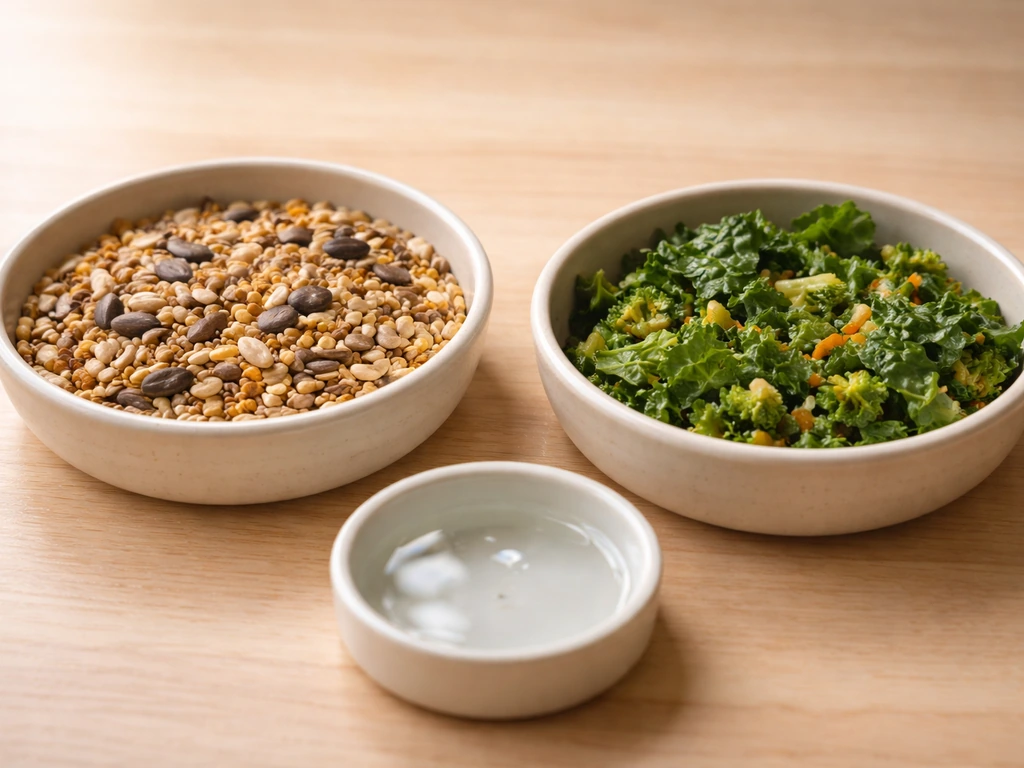
A seed-heavy diet is one of the most common contributors to digestive trouble in pet birds. Seeds are high in fat and low in key nutrients and fiber, which can slow gut motility over time. If your bird has been eating mostly seeds and not much in the way of vegetables, leafy greens, or formulated pellets, diet imbalance is a likely factor. Dehydration is another big one: without enough water intake, the fecal material dries out and becomes harder to pass. Check that your bird's water supply is fresh, clean, and within easy reach.
Environmental and stress factors
Cold temperatures slow digestion in birds. If your bird's environment has dropped significantly, especially at night, that can contribute to sluggish gut function. Stress from changes in the home, new animals, or disruptions to routine can also alter digestion and dropping patterns. Low physical activity (a bird that doesn't fly or climb much) reduces gut stimulation.
When it's not constipation at all
This is the part that trips a lot of owners up. A female bird straining at the vent with abdominal swelling and tail bobbing may not be constipated. She may have egg binding (dystocia), which is when an egg gets stuck in the reproductive tract. Egg binding looks very similar to constipation: straining, sitting on the cage bottom, closed eyes, depression, and tail bobbing. But egg binding is a genuine emergency that can be fatal if not treated quickly. If your bird is female and showing these signs, do not wait.
Other conditions that can mimic constipation include gastrointestinal infections, intestinal blockages, internal parasites, cloacal masses, and kidney problems. p23s0: Other conditions that can mimic constipation include gastrointestinal infections, intestinal blockages, internal parasites, cloacal masses, and kidney problems how do i know if my bird has parasites. Yellow or green urates alongside reduced droppings point more toward liver or infection issues than simple constipation. Any time you're unsure whether you're dealing with constipation or something more serious, treat it as more serious until an avian vet says otherwise.
What you can do right now (safe first steps)
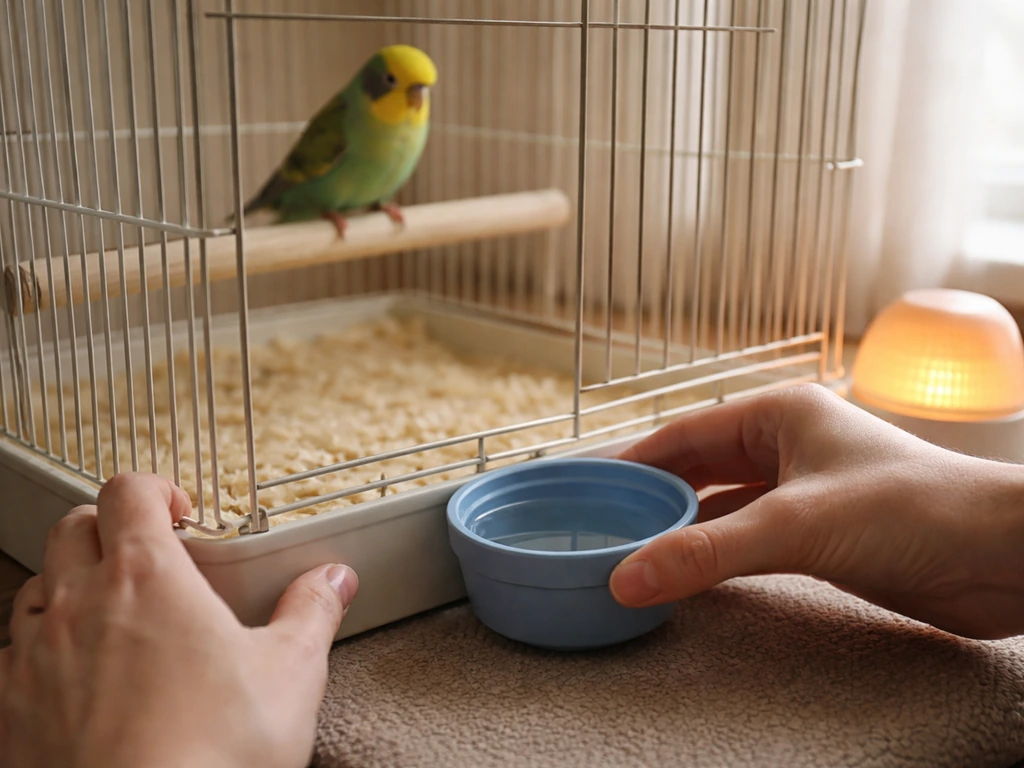
If your bird is alert, still eating a little, and producing at least some droppings, here are safe supportive steps you can take while you monitor closely.
- Make sure fresh, clean water is immediately accessible and change it if it looks stale. Some birds drink more readily from a shallow dish than a tube-style waterer.
- Offer high-moisture foods your bird already likes, such as small pieces of cucumber, leafy greens, or apple. These provide water content and gentle fiber.
- Warm the environment slightly. Keep the cage in a warm room (around 80 to 85°F / 27 to 29°C if your bird seems unwell), away from drafts. Warmth supports digestion and helps a bird conserve energy.
- Offer a shallow warm-water bath if your bird is comfortable with bathing. Some birds are stimulated to pass droppings after bathing.
- Reduce stressors: keep the area around the cage calm, cover part of the cage if needed, and minimize handling.
- Monitor closely: watch for new droppings over the next one to two hours and assess whether things are improving.
There are things you should not do, and this matters a lot. Do not give your bird human laxatives, olive oil, mineral oil, enemas, or force-feed fluids. These can cause serious harm in birds and are not safe without direct veterinary guidance. Do not try to manually help the bird pass a dropping by pressing on the abdomen, as this can cause internal injury. If you're considering anything beyond the steps above, call an avian vet first.
When to call an avian vet immediately
Birds hide illness well, and by the time they look visibly sick, the situation is often more advanced than it appears. If your bird is showing any of the following signs, do not wait for improvement at home. Contact an avian vet the same day, or find an emergency avian clinic.
- No droppings at all for 12 to 24 hours
- Continuous straining at the vent with nothing passing
- Visible tissue or any substance protruding from the vent
- Blood in or around the vent or in droppings
- Abdominal swelling or a noticeably distended belly
- Open-mouth breathing or labored breathing at rest
- Tail bobbing (especially rhythmic bobbing, which usually signals respiratory distress rather than straining)
- Vomiting or regurgitation (different from normal regurgitation to a mate)
- Complete refusal to eat or drink for more than a few hours
- Marked lethargy, inability to perch, or sitting on the cage bottom
- Yellow or green urates alongside any of the above signs
- Signs in a female bird that suggest egg binding: straining, bloating, and depression together
If abnormal droppings or these behaviors have been present for more than 24 hours, that's already past the observation window. The guidance from multiple avian sources is consistent: abnormalities persisting beyond 24 hours need veterinary evaluation. Some avian clinics recommend treating any sign of illness in a bird as an emergency call, simply because birds deteriorate so quickly.
When you call the vet, bring or describe your observations clearly: when droppings last appeared, what they looked like, what your bird has been eating and drinking, any behavioral changes, and the bird's species, age, and sex if known. If your bird is female and hasn't been sexed, mention that too, since egg binding has to stay on the table.
How this fits with your bird's overall health picture
Constipation or changes in droppings rarely appear in isolation. They're often one piece of a broader health picture. Droppings are one of the best daily health indicators you have for a bird, which is why checking them regularly is part of knowing how to tell if your bird is healthy overall. If your bird's droppings have been changing gradually, or if you've noticed weight shifts alongside the digestive changes, those patterns together give a much clearer picture than any single symptom. Digestive trouble can also overlap with issues like internal parasites or worm infections, which can alter gut motility and dropping character without looking obviously different from constipation at first glance.
The bottom line: if your bird is alert, eating, and producing some droppings, try the hydration and warmth steps and watch closely for the next hour or two. If anything on the urgent list applies, or if things don't improve within a few hours, call an avian vet. Trust your gut as an owner. You know your bird's baseline better than anyone, and that instinct that something is off is worth acting on.
FAQ
Is it normal if my bird goes a few hours without pooping? When should I worry?
Use a baseline from the last several days, not just today. If your bird usually passes droppings after meals or at a steady cadence, a sudden drop in frequency along with smaller or drier fecal portions is more concerning than a one-time delay. If you see no fecal part at all for several hours, especially with ongoing straining or a fluffed, low posture, treat it as urgent.
How can I tell the difference between constipation and normal variations in droppings?
Watch the whole day, since the first morning dropping is often larger and wetter. If the white urate cap appears as usual and you still see some fecal portion and a small amount of clear urine, constipation is less likely. If there are no urates, or the urates are yellow or bright green, that points away from simple constipation and you should contact an avian vet sooner.
My female bird is straining and sitting low, could it still be egg binding?
Don’t rely on “straining” alone. Female birds can look constipated with tail bobbing, vent pressing, depression, and abdominal swelling, but the cause may be egg binding. If the bird is female (or possibly egg-laying) and straining plus swelling or tail bobbing is present, treat it as an emergency rather than trying home constipation steps.
What signs mean it’s probably not “true constipation”?
Yes, and you should suspect something else when the fecal portion is minimal with ongoing straining, when there is blood, when undigested food particles appear, or when urates are missing or discolored. In those cases, the issue could be an infection, blockage, parasites, liver problems, or kidney issues, and it is safer to call an avian vet than to assume constipation.
Can I wait and watch if my bird seems uncomfortable but not eating yet?
No. If your bird is lethargic, not eating, breathing differently, has tissue or anything protruding from the vent, or you suspect egg binding, skip home measures. For many clinics, abnormal droppings or behavior lasting longer than 24 hours is already beyond observation, but if your bird is actively worsening or not eating, you should call sooner.
What if my bird hasn’t passed droppings at all, but otherwise looks okay?
If you do not see any droppings output for several hours combined with straining or a tight, tucked posture, that pattern is more concerning than a bird that simply passes fewer droppings but still produces some fecal part and urates. When output is truly absent, birds can deteriorate quickly, so an avian vet call is appropriate rather than extended at-home monitoring.
How do cold temperatures or stress affect constipation signs and droppings?
Be careful with temperature and handling. Avoid sudden cold exposure, drafts, and repeated stress during the monitoring period. If you warm the environment, do it gradually and keep the bird calm, since stress can temporarily change dropping appearance and make interpretation harder.
What should I avoid doing at home if I suspect constipation?
Immediately stop any plan that involves human products or force. Do not give laxatives, oils, enemas, or force-feed fluids, and do not press on the abdomen to help a bird pass stool. If you already did something, tell the avian vet exactly what you used and how much.
What information should I gather before calling an avian vet?
If you can, bring a quick “dropping log” to the call, including when the last normal droppings were seen, what changed (size, dryness, presence of fecal part and urates), and whether urates were yellow, green, or absent. Also note diet (seed-heavy versus pellets and greens), water access, recent routine changes, and whether the bird is female or not sexed.
How can I set a baseline at home so I recognize constipation sooner?
Track stool frequency, urate color, and overall posture daily for a week so you can spot real deviations later. Also watch for gradual trends, like weight shifts or diet changes, since these can affect gut motility and dropping character. If you already have baseline photos or samples, use them to compare day-to-day variations.
Next Articles
How to Tell If Your Bird Is Overweight: Signs and Checks
Learn signs and at-home checks to spot overweight birds, avoid false alarms, and know when to see a vet.
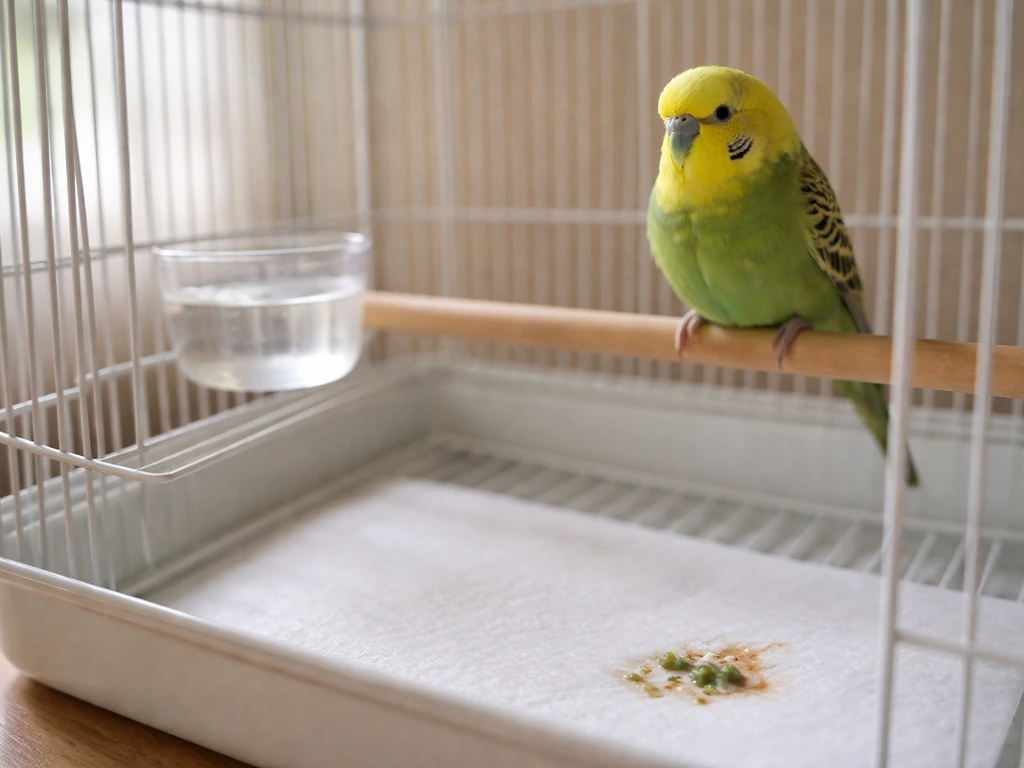
How Do I Know If My Bird Has Worms: Key Signs and Next Steps
Spot bird worm signs, do a quick stool check, know red flags, and learn vet tests and deworming steps.
How to Tell If Your Bird Is Healthy: Home Checklist
Daily bird health checklist: normal signs vs red flags in breathing, droppings, posture, appetite, feathers and next ste