
If your bird is scratching more than usual, losing feathers in odd patches, losing weight despite eating, or has droppings that look off, parasites are absolutely worth suspecting. The tricky part is that many of the signs overlap with other health issues, so you can't confirm parasites at home. What you can do is know exactly what to look for, document what you're seeing, and get your bird to an avian vet who can run the right tests. Here's how to work through this step by step.
How Do I Know If My Bird Has Parasites? A Checklist

Marcus Chen
28 Jun 2026
Common parasite types in pet birds
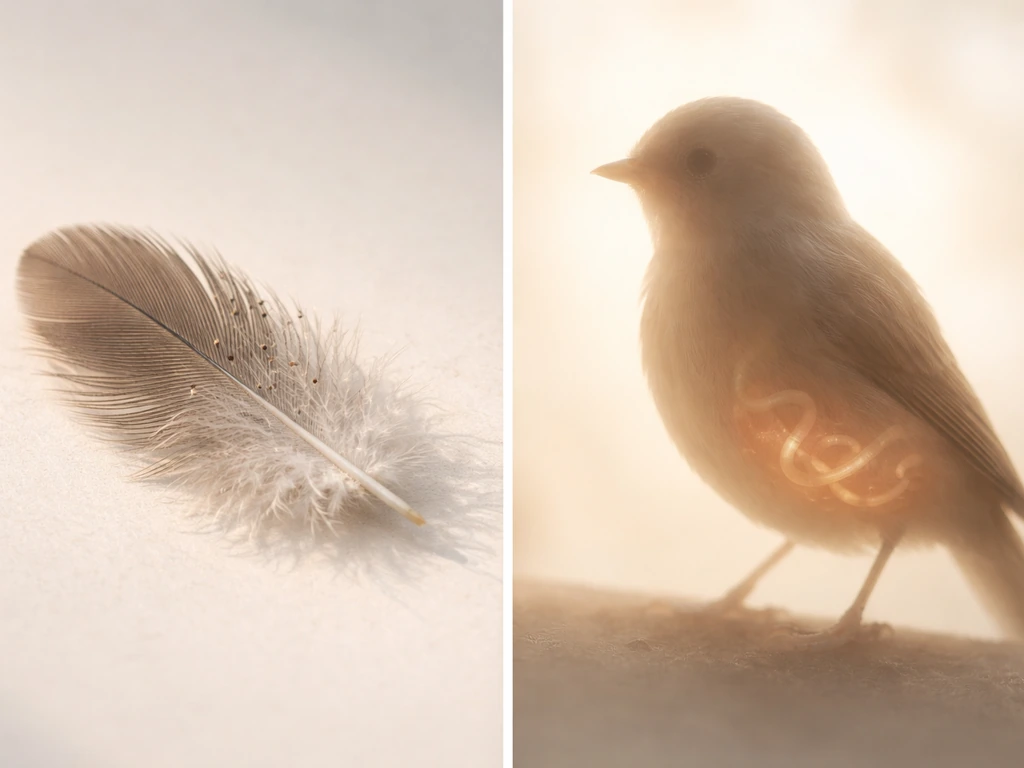
There are two broad categories: external parasites (ectoparasites) that live on or just under the skin and feathers, and internal parasites that live inside the body. Knowing which type you might be dealing with helps you focus your observations.
External parasites include mites and lice. Feather mites and skin mites live on the surface of feathers or skin, while some mites (like scaly leg or scaly face mites) actually tunnel under tissue. Lice in birds are typically feather-feeding or skin-feeding insects with a life cycle of about three weeks on the host. They only survive around a week off the bird, which matters when you're cleaning the cage. Mites are generally even less hardy off-host, though some species can survive longer in the environment.
Internal parasites include helminths (worms such as roundworms, tapeworms, and gapeworms) and protozoa (such as Giardia and Trichomonas). Giardia is one of the more commonly diagnosed protozoal infections in pet birds, particularly in cockatiels. Gapeworm (Syngamus trachea) is worth knowing about because it lives in the trachea and can cause serious respiratory symptoms. Internal parasites tend to affect smaller and younger birds more severely, and a heavy infection can become dangerous quickly.
Key signs to look for at home
Birds are prey animals and instinctively hide illness, so by the time you notice something, the problem has often been going on for a while. Any change from your bird's normal baseline is worth paying attention to. The signs below don't confirm parasites on their own, but they're the most useful things to watch for.
Appearance and feather condition
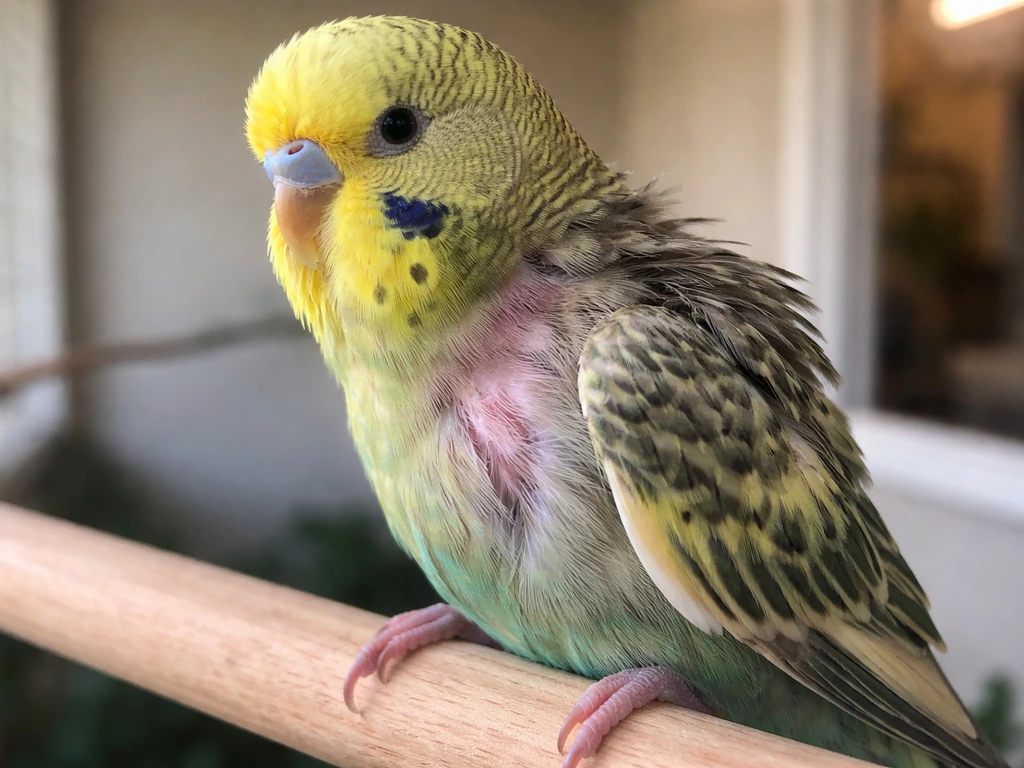
Healthy feathers lie flat and look smooth and clean. With ectoparasites, you might notice patchy feather loss, ragged or chewed-looking feather edges, or areas of bare skin, especially around the neck, back, and under the wings. Mite infestations can also cause crusty or scaly buildup around the beak, legs, or vent area. If you see tiny moving specks on the feathers or cage surfaces at night (some mite species are nocturnal), that's a strong red flag.
Behavior changes
Excessive scratching, constant preening, rubbing against cage bars, or picking at specific areas of the body all suggest skin or feather irritation. A bird that suddenly seems restless at night (when certain mite species are most active) is worth monitoring. On the other end of the spectrum, a bird that is unusually quiet, sitting fluffed on the cage floor, or sleeping more than normal is showing signs of systemic illness, which can include heavy internal parasite loads.
Weight and appetite
Weight loss despite a normal or even increased appetite is one of the more telling clues for internal parasites. If you notice weight loss, it can also be a clue that your bird is dealing with internal parasites, so it is worth discussing with your avian vet Weight loss despite a normal or even increased appetite is one of the more telling clues for internal parasites. . The worms or protozoa are essentially competing for nutrients.
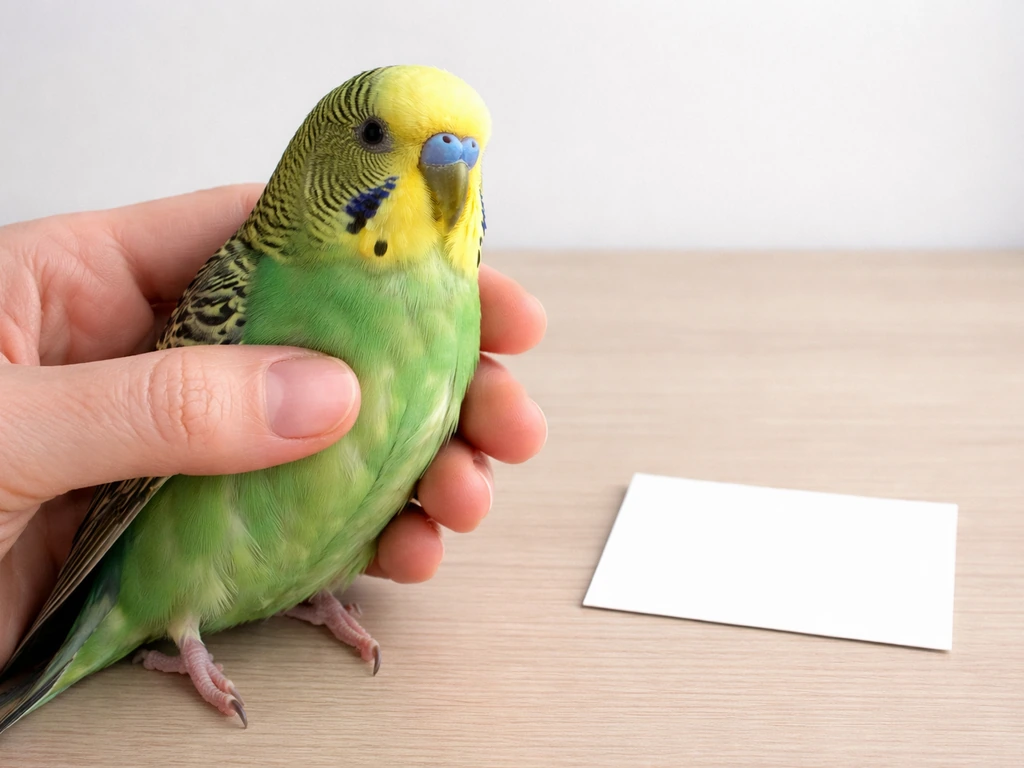
The best way to track this is to weigh your bird weekly on a kitchen scale. A loss of even a few grams is significant in a small bird. If your bird looks thinner through the keel bone (the ridge you can feel on the chest), that's a more advanced sign.
Symptom checklist by body system
Use this as a structured way to review what you're seeing. Check off anything that applies and bring the list to your vet appointment.
Skin and feathers
- Patchy feather loss or bald spots, especially around the neck, back, or under wings
- Feathers look ragged, chewed, or broken
- Excessive scratching, preening, or rubbing against surfaces
- Crusty, scaly, or thickened skin around the beak, legs, or vent
- Visible tiny specks or movement on feathers or cage walls, especially at night
- Restlessness at night without obvious cause
Breathing and respiratory
- Open-mouth breathing or gasping
- Tail bobbing while breathing (the tail pumps up and down with each breath)
- Increased sternal motion or visible effort to breathe
- Clicking, wheezing, or abnormal sounds when breathing
- Head shaking or stretching the neck as if trying to clear the throat
- Nasal discharge or sneezing more than occasionally
Digestive system and droppings
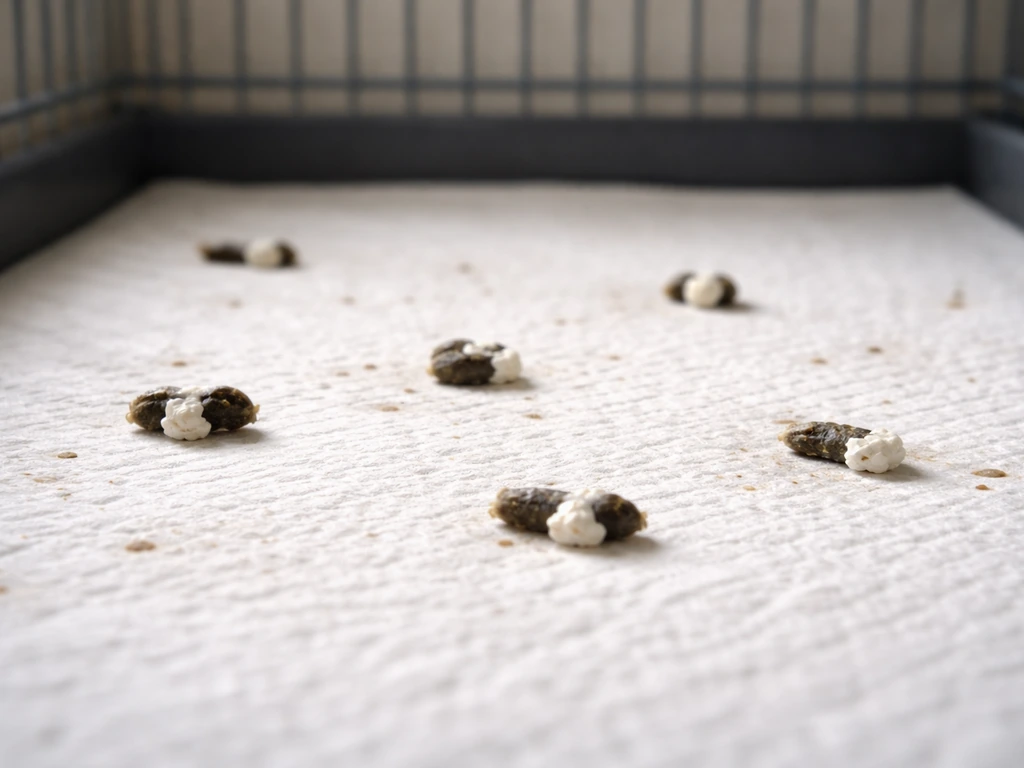
Normal bird droppings have three distinct parts: solid green or brownish feces, chalky white or cream-colored urates, and a small amount of clear liquid urine. Changes in any of these components can indicate illness, though diet and stress can also change droppings temporarily. If your bird seems constipated, look at changes in droppings and discuss them with an avian vet promptly. Parasites to watch for specifically include loose or watery feces, undigested food in droppings, or droppings that look frothy, mushy, or have an unusual color. With Giardia, droppings can sometimes take on a distinctive frothy or "popcorn-like" appearance. Bright yellow or lime-green urates (the chalky part) are a concern worth flagging.
- Diarrhea or consistently loose, unformed feces
- Droppings that look frothy, greasy, or have an unusual texture
- Undigested food visible in droppings
- Yellow or bright green urates instead of the normal off-white/cream color
- Strong or unusual odor from droppings
- Soiling around the vent area
General demeanor and body condition
- Weight loss, especially when appetite seems normal
- Visible thinning of the keel bone (chest ridge feels sharp)
- Lethargy, sleeping more than usual, or sitting at the bottom of the cage
- Fluffed feathers for extended periods when not sleeping
- Reduced activity or interest in play and interaction
- Eyes that appear dull, partially closed, or sunken
How a vet confirms parasites
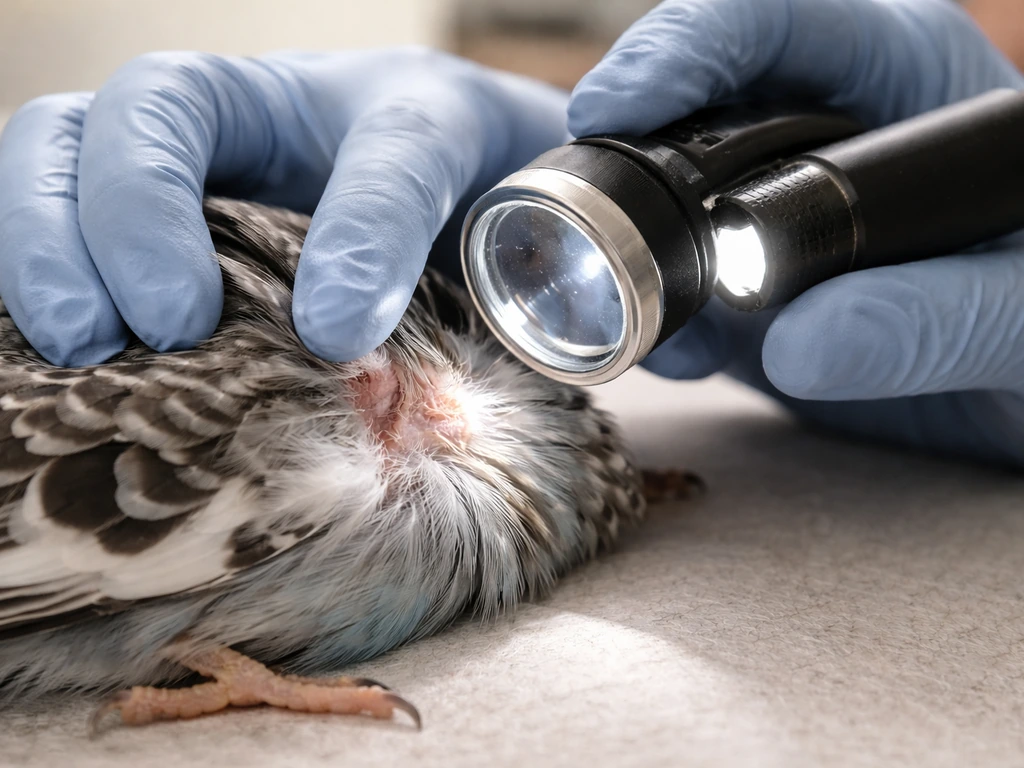
A home observation is a starting point, not a diagnosis. Distinguishing parasite problems from other causes of illness (infections, nutritional deficiencies, toxins) often requires testing, and some parasites are genuinely difficult to identify even for experienced vets. This is worth knowing so you're not frustrated by the process.
For external parasites, the vet will do a physical examination, often with magnification, and may take skin scrapings from affected areas. These scrapings are examined under a microscope to identify mite species or lice. Because some mites like scaly leg mites burrow into tissue, a scraping is needed to find them. Feather mites can be harder to confirm since clinical signs can be subtle, and sometimes a response to treatment is used as part of reaching a diagnosis.
For internal parasites, the primary tool is a fecal examination. This can include a direct saline smear (looking at a fresh stool sample under a microscope), a fecal float (which concentrates parasite eggs so they're easier to see), or blank" rel="noopener noreferrer">an ELISA antigen test specifically for Giardia. For some protozoa, PCR testing of feces provides a more sensitive result. If gapeworm or tracheal parasites are suspected, additional diagnostics like a tracheal swab or imaging might be needed. Trichomonas, for example, can be confirmed with a PCR test at a diagnostic lab.
Bring a fresh fecal sample to your appointment if possible. Collect it within a few hours of the visit, store it in a clean sealed container, and keep it cool but not frozen. Fresh samples give the best diagnostic results.
| Parasite type | Main diagnostic method | Notes |
|---|---|---|
| Feather/skin mites | Physical exam + skin scraping + microscopy | Some species are nocturnal and harder to find during a daytime exam |
| Burrowing mites (e.g., scaly leg) | Skin scraping + microscopy | Characteristic crusty lesions on beak or legs are often visible |
| Lice | Physical exam + microscopy of feathers/skin | Usually visible or found during feather examination |
| Roundworms/helminths | Fecal float or direct smear | Eggs are identified under microscope |
| Giardia | Fecal smear, ELISA antigen test, or PCR | ELISA and PCR are more sensitive than smear alone |
| Trichomonas | Crop/oral swab or PCR testing | Affects the upper GI tract, not always caught by fecal float |
| Gapeworm (tracheal) | Tracheal swab, endoscopy, or imaging | Respiratory symptoms are often pronounced with heavy infections |
What to do right now while you wait for your vet appointment
Getting an appointment with an avian vet is the most important next step, but there are things you can do in the meantime that are genuinely helpful and won't cause harm.
Isolate your bird if you have others
If you have multiple birds, separate the one showing symptoms immediately. Most parasites spread bird to bird through direct contact, shared surfaces, or shared food and water bowls. Keep the sick bird in a separate room if possible, and use separate equipment (food dishes, perches, toys) to avoid cross-contamination.
Clean the cage carefully
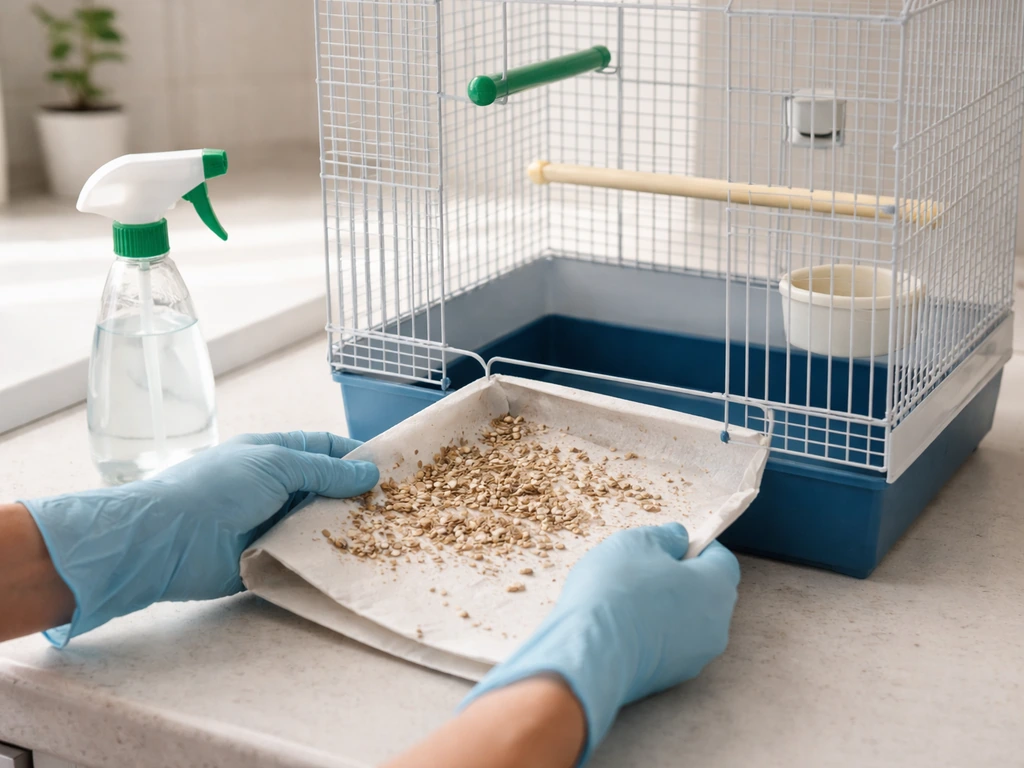
Remove and replace all bedding and cage liner. Scrub surfaces with a bird-safe disinfectant, letting it sit on surfaces for 10 to 15 minutes before rinsing thoroughly. Residual disinfectant is genuinely dangerous to birds, so rinsing matters as much as cleaning. Wash food and water dishes daily. Lice only survive about a week off the host, and most mite species don't last much longer in the environment, so regular thorough cleaning is actually effective at reducing reinfestation.
Avoid DIY treatments
This is important: don't reach for over-the-counter sprays, home remedies, or medications without a confirmed diagnosis. Treatment depends entirely on which parasite is involved, and the wrong treatment can be ineffective or harmful. Some antiparasitic medications, including ivermectin, require precise weight-based dosing by an avian vet. Treating for the wrong parasite wastes time and delays the right care. For heavy worm infections specifically, even the right treatment needs to be managed carefully because dying worms can obstruct the airway if the infection is severe.
Track and document what you see
Write down every symptom, when it started, and anything that changed. Take photos or short videos of abnormal behavior, feather condition, or droppings. This documentation is genuinely useful to your vet and helps them triage the situation even before they examine your bird.
Treatment basics: what to expect
Treatment is parasite-specific, which is why the identification step matters so much. For external parasites like mites and lice, ivermectin-based treatments (sprays, topical pour-ons) are commonly used by avian vets. The cage and environment need to be treated alongside the bird or reinfestation will happen quickly.
For internal parasites, the approach depends on what was found. Worms like roundworms or gapeworm are typically treated with drugs such as fenbendazole, levamisole, or ivermectin, depending on the species. Protozoal infections like Giardia are treated with different medications entirely. This is another reason why testing before treating makes a real difference. Starting with the wrong drug doesn't just fail, it can delay the right treatment while the bird continues to deteriorate.
Your vet will also address any secondary issues, like nutritional deficiencies from poor absorption, skin damage from scratching, or respiratory compromise. Recovery time varies by parasite type and how early the infection was caught.
Prevention and reducing the chance of reinfection
Once you've dealt with a parasite problem, the goal is to keep it from coming back. Most of this comes down to consistent hygiene and being careful about what enters your bird's environment.
Quarantine new birds
Any new bird coming into your home should be quarantined for a minimum of 30 days before contact with your existing birds. Keep the new bird in a completely separate room (not just a separate cage in the same room), use separate equipment, and wash your hands between handling them. If the new bird shows any signs of illness during the quarantine period, restart the clock from day one and get a vet evaluation before proceeding.
Regular cleaning routine
Daily spot-cleaning of cage liners and food/water bowls is the baseline. A full cage scrub with disinfectant should happen at least weekly. Pay attention to corners, perch surfaces, and the bottom grate where droppings accumulate. Rotating perches and cage accessories out for deep cleaning is a good habit. Because some parasites (especially mites) can survive in crevices and porous materials, replacing worn wooden perches or porous toys periodically reduces hiding spots.
Limit exposure risks
- Avoid contact between your bird and wild birds or birds from unknown sources
- Don't reuse equipment from sick or unknown birds without thorough disinfection
- Be cautious with second-hand cages, perches, or toys, and disinfect them completely before use
- Wash hands before and after handling birds, especially if you've been around other animals
- Keep your bird's living area well-ventilated and avoid damp or dirty substrate that can harbor parasites
Ongoing monitoring
The best prevention is knowing your bird's baseline so well that you catch changes early. Weekly weight checks, daily observation of droppings, and regular feather and skin inspections during handling give you a running picture of your bird's health. Annual vet checkups that include a fecal exam are a reasonable investment, especially for birds with outdoor exposure or in multi-bird households. Catching parasites early makes treatment simpler and outcomes much better.
When to skip the regular appointment and go now
Most parasite concerns can be addressed with a scheduled vet visit. But some signs mean your bird needs same-day or emergency care, and waiting even a day can make a real difference in a small bird. Call an avian vet or emergency animal clinic immediately if you see any of the following. SpectrumCare’s emergency guide notes that open-mouth breathing, tail bobbing, collapse, uncontrolled bleeding, and severe lethargy or weakness are signs that warrant same-day or emergency evaluation Bird Emergency Vet Guide.
- Open-mouth breathing, gasping, or labored breathing at rest
- Tail bobbing with every breath (the tail visibly pumps up and down)
- Clicking, wheezing, or any abnormal breathing sounds
- Collapse or inability to grip a perch
- Severe lethargy where the bird is unresponsive or barely moving
- Rapid noticeable weight loss over just a few days
- Uncontrolled bleeding anywhere on the body
- Sudden rapid deterioration in any combination of symptoms
Respiratory distress in particular is always an emergency. A bird breathing with its beak open and tail pumping is telling you it's working very hard just to get air. Gapeworm or a heavy mite load in the airway can cause exactly this, and it won't resolve on its own. Don't wait to see if it improves.
For broader context on your bird's overall health picture, tracking whether your bird is maintaining a healthy weight and watching for other signs like worm-specific symptoms can round out your home assessment. The key takeaway is this: suspect parasites based on what you see, document it carefully, get a vet to confirm with the right tests, and don't try to treat blindly. If you want to learn how to tell whether a bird is healthy overall, start by comparing daily habits and body condition to what is normal for your species suspect parasites. That process is how you actually solve the problem and keep your bird safe.
FAQ
Can I tell which parasite my bird has just by watching symptoms?
No. You cannot reliably distinguish parasites from mites, lice, fungal infections, nutritional skin disease, allergies, or bacterial problems just by symptoms. If you suspect parasites, the practical next step is to collect a fresh droppings sample (for internal testing) and take clear photos of the affected skin or feather areas (for external testing) before your vet visit.
What if I see tiny specks or bugs, but my bird doesn’t seem sick?
If you see “bugs” but the bird is otherwise acting normal, still take it seriously, but treat it as an investigation, not a diagnosis. Some debris or feather dander can look like tiny specks. Capture a photo or video in bright light, note where you see them (on feathers, around the vent, or on cage walls at night), and have your avian vet confirm whether they are mites or lice.
How should I weigh my bird at home so I know if the weight loss is real?
Weekly weighing is helpful, but use a consistent method. Weigh the same bird at the same time of day, on a stable kitchen scale, in a similar container each time, and record the number immediately. A “few grams” swing can matter in small birds, but rapid changes over a few weeks are more meaningful than one off measurement.
How fresh does a fecal sample need to be for parasite testing?
It depends on what the vet is testing, and on how fresh the sample is. For a fecal test, aim for a fresh sample collected within a few hours of the appointment and kept cool in a clean sealed container. If you cannot collect fresh stool the day-of, call the clinic, because some tests have requirements and delays can reduce test accuracy.
My bird already takes medication, can I still get accurate parasite tests?
If your bird is on any medication right now, tell the vet before testing. Certain treatments can partially suppress parasites and change what shows up on scrapings or stool tests. Don’t start new antiparasitic drugs “to cover everything,” because different organisms require different medications and dosing.
Is it enough to put a sick bird in a different cage in the same room?
Quarantine is about preventing spread, but don’t just separate the cage in the same room. Use a separate room if possible, keep separate food and water bowls, and wash hands after handling. If you have multiple people, assign one person to handle the sick bird first to reduce accidental cross-contamination.
What cleaning should I do immediately, and what should I avoid?
Yes, but focus on what is safe and effective. Replace liner and bedding, remove waste frequently, and clean surfaces thoroughly with a bird-safe disinfectant, then rinse well so no residue remains. Avoid over-the-counter sprays, flea products, or “natural” remedies on the bird or in the cage, because many are not formulated for birds and can worsen respiratory or skin problems.
If droppings change, does that automatically mean parasites?
Store-bought seed and pellets are not the only variable. Stress, diet changes, poor hydration, and illness can all alter droppings. Still, new frothy, watery, or unusual color stool that persists is a reason to call your avian vet, especially if there is weight loss or behavioral change.
How long should I wait before calling the vet about abnormal droppings?
A single episode of unusual droppings is often diet or stress related, but persistence matters. If abnormal droppings continue for more than 24 to 48 hours, or come with systemic signs like weight loss, fluffed sitting, reduced activity, or changes in appetite, contact an avian vet promptly.
Which symptoms mean I should seek emergency care rather than waiting for an appointment?
Respiratory signs should be treated as urgent even if you are not sure it is parasites. If you see open-mouth breathing, tail pumping, or increased effort to breathe, contact an emergency animal clinic immediately, because some parasites and severe infestations can compromise the airway quickly.
What if the scratching and feather loss is getting worse while we’re waiting for test results?
It can, especially with mites or lice, and especially when the bird has constant irritation but tests are pending. If your bird is losing feathers or scratching heavily, avoid delaying care while trying home treatments. Your vet can confirm the cause with scrapings and can also address secondary skin damage so the bird is more comfortable while test results are obtained.
How can reinfestation happen even after treatment starts, and how do I prevent it?
Yes, reinfestation can happen if the environment is not fully addressed. For external parasites, cleaning and removing porous, worn items that can harbor mites is important, and the vet may recommend treating the bird and managing the surroundings at the same time. For internal parasites, reinfection can also occur if hygiene and diet are inconsistent, so the vet may recommend supportive steps alongside the specific medication.
Next Articles
How Do I Know If My Bird Is Constipated
Spot constipation in pet birds by checking poop changes, straining, bloating, and behavior, plus safe next steps
How to Tell If Your Bird Is Overweight: Signs and Checks
Learn signs and at-home checks to spot overweight birds, avoid false alarms, and know when to see a vet.
How Do I Know If My Bird Has Worms: Key Signs and Next Steps
Spot bird worm signs, do a quick stool check, know red flags, and learn vet tests and deworming steps.