
If your bird is suddenly biting more, regurgitating on you, shredding everything in sight, or acting like you personally offended them, there is a good chance hormones are involved. Hormonal behavior in pet birds is driven by breeding instincts triggered by environmental cues like light, diet, nesting opportunities, and the presence of a perceived mate (which can be you, a toy, or even a mirror). It is seasonal in the wild, but captive birds can slip into this state at almost any time of year depending on what is going on in their environment.
How to Tell If Your Bird Is Hormonal: Signs and Steps

Marcus Chen
28 Jun 2026
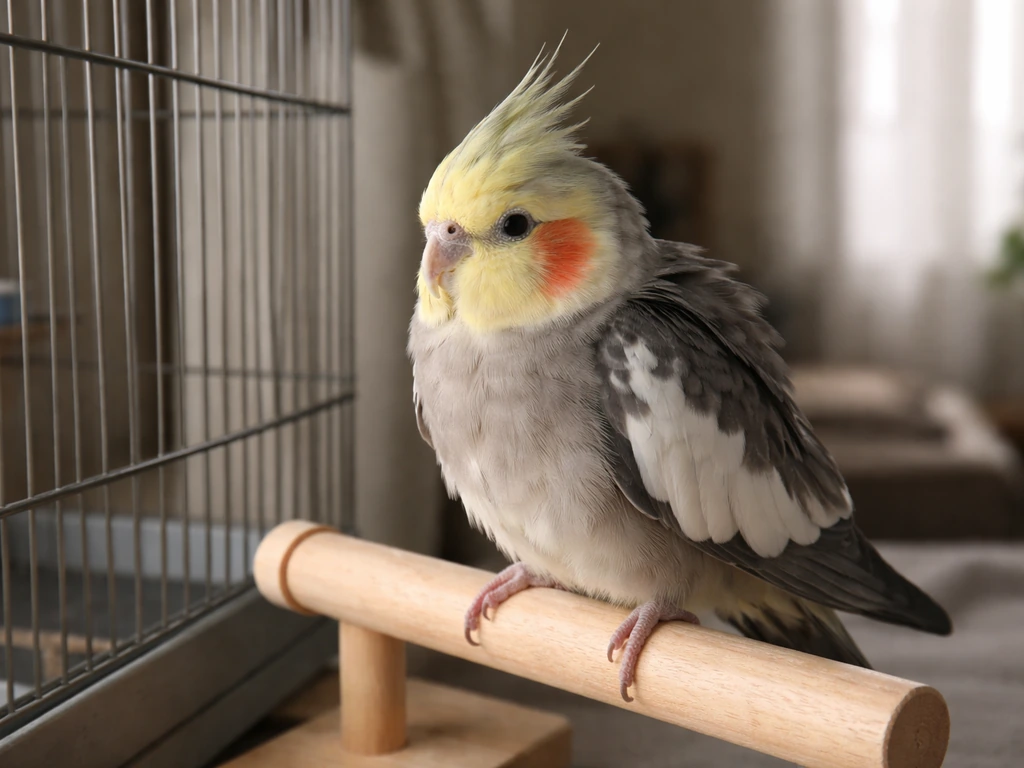
Normal vs. hormonal bird behavior basics
Every bird has a baseline personality. They get excited, they vocalize, they play, they occasionally nip when they are done being handled. That is normal. Hormonal behavior is a noticeable shift away from that baseline, usually tied to reproductive instincts ramping up. Think of it as your bird's body sending signals to breed, even though breeding is not actually happening.
In the wild, these behaviors are seasonal and synchronized with longer daylight hours, increased food availability, and the presence of a mate. A DCAVM slide deck on managing reproductive disease in pet birds explains that reproductive cycles are influenced by environmental cues like day length (photoperiod), and changes in captive conditions can disrupt those cycles. In captivity, those signals get scrambled. Artificial lighting that extends the day, a diet rich in fats and sugars, a cozy nesting spot, or a bonded human who gets petted along the back can all tell a bird's body it is time to go into breeding mode. This is why hormonal episodes can happen in February just as easily as they can in spring.
The key distinction between normal and hormonal behavior is pattern and intensity. A hormonal bird is not just having a bad day. The behavior is usually consistent, escalating, and tied to specific triggers you can identify if you watch carefully.
Common signs your bird is hormonal
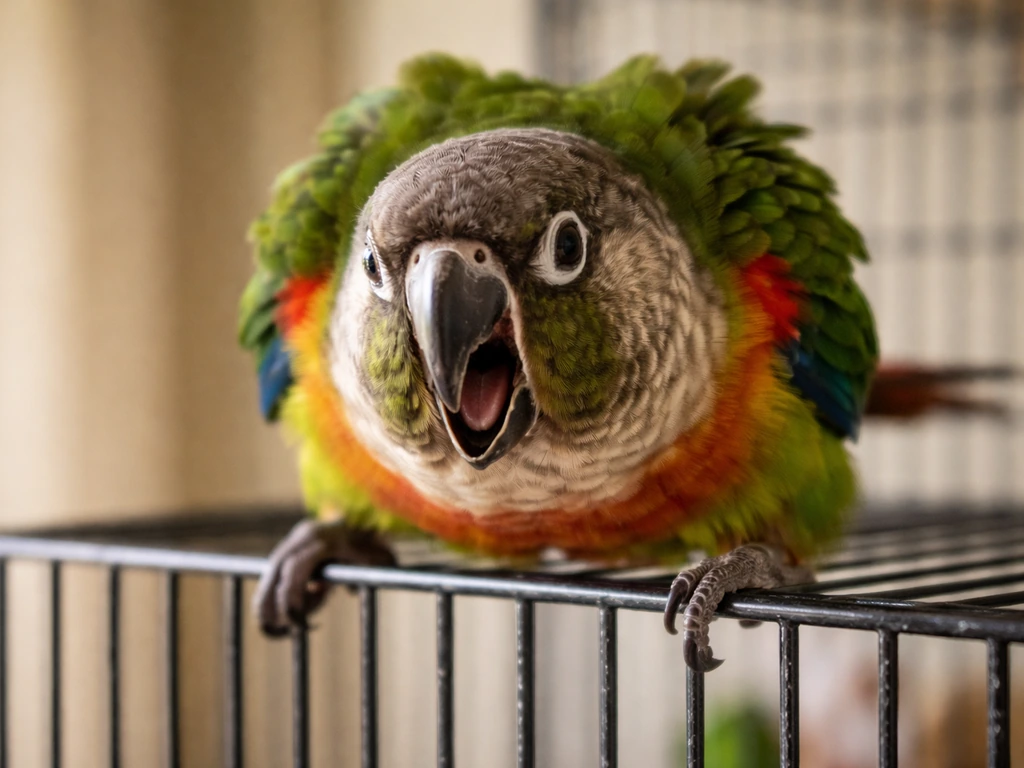
These are the behaviors that show up most reliably when a bird's reproductive hormones are elevated. Not every bird shows all of them, but most will show at least a cluster.
- Increased biting or sudden aggression, especially when approached near their cage or a favorite object
- Regurgitating food onto a person, toy, or mirror (this is courtship feeding, not illness-related vomiting)
- Tail pumping, vent rubbing on perches or toys, or lifting the tail and pressing the vent against surfaces
- Mounting toys, cage mates, or even your hand or arm
- Frantic shredding of paper, feathers, or cage lining, sometimes gathering materials in a corner
- Obsessive interest in dark, enclosed spaces like boxes, the backs of drawers, or inside a shirt
- Increased or changed vocalizations, including softer courtship sounds or louder demanding calls
- Dramatic increase in attention-seeking toward one specific person, combined with hostility toward others
- Regurgitation toward a mirror (mirrors can function as a perceived mate)
Regurgitation is one that often confuses people. Actual vomiting is uncontrolled and the bird looks distressed. Hormonal regurgitation is intentional and almost ritualistic. The bird will bob its head, work its neck muscles deliberately, and deposit the food with purpose, usually in front of whatever it has decided is its mate. If your bird does this to you and then looks pleased with itself, that is a hormonal courtship gesture, not a digestive problem.
Body language clues: territorial, mating, and nesting
Context matters a lot with hormonal birds. The same behavior can mean different things depending on when and where it happens. Here is how to read what you are seeing.
Territorial behavior
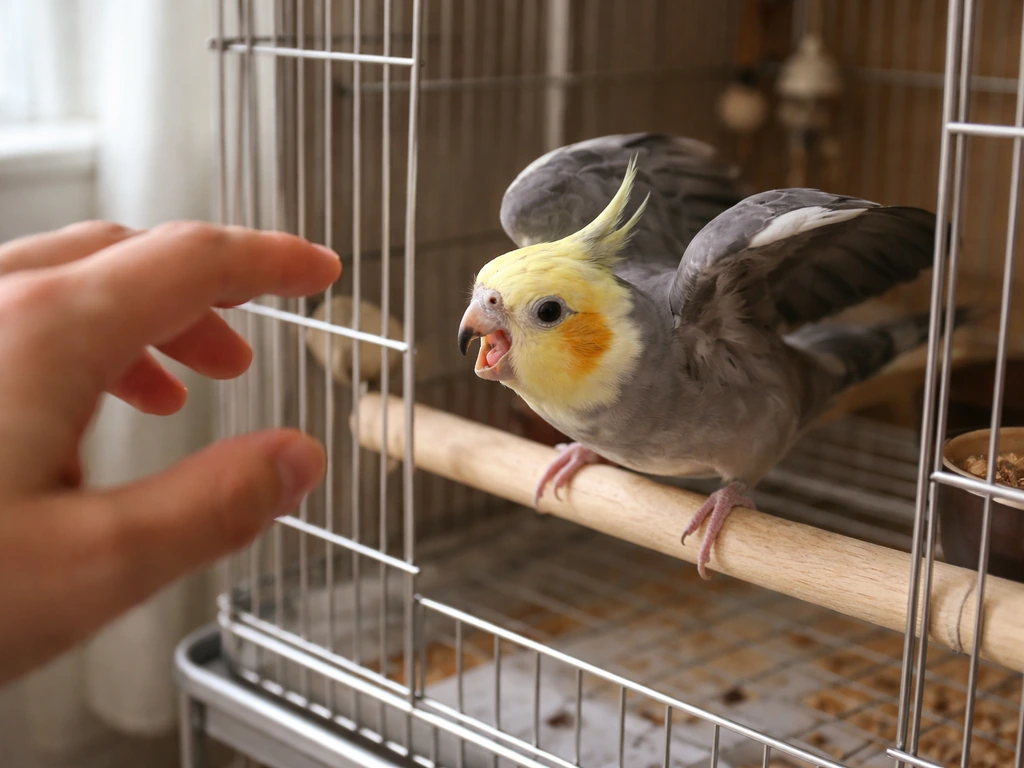
A hormonal bird will often become intensely protective of their cage, a specific perch, or even a corner of the room. If your bird charges at your hand when you reach into the cage, lunges at family members who walk by, or guards a particular toy like it is sacred, that is territorial hormonal behavior. The trigger is usually proximity to what the bird has decided is its nesting territory.
Mating behavior
Watch for tail lifting and vent pressing, mounting attempts, and the regurgitation behavior described above. These are direct breeding gestures. They often get directed at a favorite person, which is one of the more awkward parts of having a hormonally active pet bird. Stroking a bird along the back, wings, or tail area can reinforce this because those are the areas a mate would groom in the wild. Keeping contact to the head and neck area is a simple way to reduce this kind of stimulation.
Nesting behavior
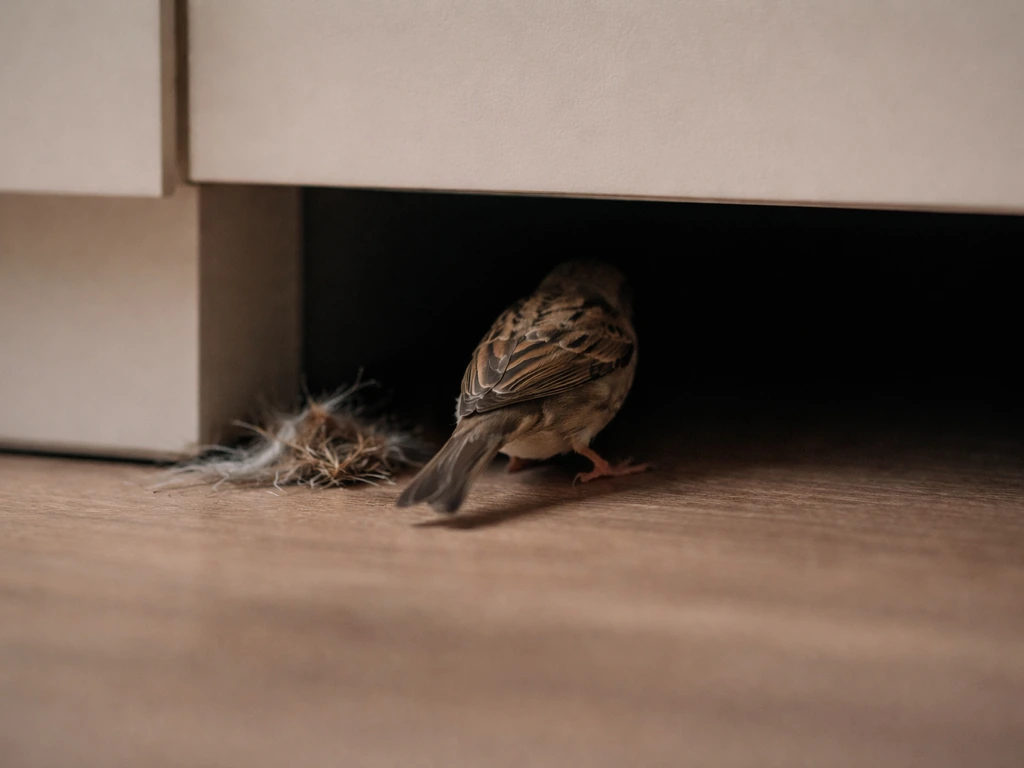
Birds preparing to nest will seek out dark, enclosed spaces and may shred anything they can reach. If your bird keeps disappearing under furniture, into a low cabinet, or into a tent-style cage accessory, that is a nesting drive. Female birds are especially prone to this. Cavity-nesting species like cockatiels, lovebirds, and budgies are particularly drawn to dark hideaways when hormones are active. Removing these spaces is one of the fastest ways to interrupt the cycle.
The common thread across all three is that the behavior has a clear trigger. A hormonal bird is not randomly aggressive or randomly destructive. Something is setting it off, and figuring out what that is gives you the most direct path to managing it.
Behavior changes that can look hormonal but may be a health issue
This is the part you really need to pay attention to. Hormonal behavior and illness can look remarkably similar on the surface, and assuming everything is hormones can delay care when something is actually wrong. If you are trying to figure out whether your bird is having a hormonal episode, it can also help to know what breed or species you have so you can compare typical behavior patterns what breed is my bird.
Biting is a perfect example. A hormonal bird bites in predictable situations tied to triggers like cage proximity or mating cues. A bird in pain bites when touched in a spot that hurts or bites suddenly with no clear trigger. If biting started abruptly and you cannot connect it to any of the hormonal triggers described above, a veterinary exam is worth scheduling, because pain and discomfort are common causes of sudden new aggression.
Chronic regurgitation is another one to watch. Occasional, purposeful regurgitation toward a perceived mate is hormonal. Frequent uncontrolled vomiting, or regurgitation combined with weight loss, watery droppings, or lethargy, can point to an infection, crop problem, or other digestive issue.
Female birds who are hormonally active carry additional risk. A hen who is laying eggs, or trying to, can develop egg binding, which is a life-threatening emergency. If you are wondering whether your bird could actually be pregnant, the first step is confirming whether she is showing true egg-laying signs versus hormone-like courtship or regurgitation A hen who is laying eggs. The signs overlap with general illness, which is exactly why you need to know them.
Stop treating it as a hormonal phase and contact an avian vet promptly if you see any of these:
- Fluffed feathers that stay fluffed for extended periods, not just a quick ruffle
- Lethargy, sitting low on the perch, or inability to perch normally
- Straining or visible abdominal effort, especially in female birds
- Open-mouth breathing or tail bobbing with each breath
- Swollen or distended abdomen
- Droppings that are watery, discolored, or contain blood
- Any visible bleeding from the vent or elsewhere
- Sudden, sustained appetite loss (not just a picky meal here and there)
- Sneezing with discharge, or crusty nostrils
- Weight loss you can feel when you gently handle the bird around the keel bone
Egg binding in particular can deteriorate fast. Signs include straining, failure to perch, a swollen belly, and open-mouth breathing. This is not a wait-and-see situation. Hormonal birds who are also laying eggs should be monitored closely, and any of those red flags means same-day veterinary contact.
What to do right now to manage hormones safely
The good news is that hormonal behavior in pet birds is heavily driven by environment, which means you can often dial it back significantly by changing a few things at home. If you want to know how to help a hormonal bird more directly, focus on reducing triggers like extra daylight, nesting spots, and mate-cue items. These steps are safe to try immediately and are the same adjustments that avian vets typically recommend first.
Reduce daylight exposure
Long days tell a bird's body it is breeding season. Aim for around 8 to 10 hours of daylight (natural or artificial) and cover the cage for the rest. Consistency matters more than the exact number. Irregular light schedules can actually make things worse, so try to keep the light-dark cycle predictable every single day.
Remove nesting triggers
Take out nest boxes, tent-style cage huts, snuggle sacks, and anything resembling a cozy dark cavity. Also remove or limit access to shredding materials like tissue, paper bedding, or soft cloth items. If your bird has been disappearing under furniture or into low dark spaces, block that access. Removing nesting opportunities is one of the most direct ways to reduce the hormonal signal the bird is receiving from its environment.
Remove or limit mirrors and mate-cue items
Mirrors can function as a perceived mate, especially for birds kept alone. If your bird is regurgitating on its mirror, mounting it, or spending a lot of time displaying to it, take the mirror away. The same logic applies to certain toys that seem to trigger mounting or courtship behaviors. You can try rotating toys to break the fixation.
Change how you handle your bird
If your bird has bonded to you as a perceived mate, the way you interact matters. Avoid petting along the back, wings, or tail, and keep stroking to the head and neck only. Do not allow vent-rubbing against your hand or body. When your bird displays mating behaviors toward you, stay calm and neutral, put them down or redirect to a toy, and do not react dramatically in either direction. Reinforcing the interaction (even through attention) can extend the hormonal phase.
Review diet
A diet heavy in seeds and fatty foods can signal abundance to a bird's body, which encourages breeding behavior. If your bird is on a mostly seed diet, this is a good time to transition toward a quality pelleted diet, which is what most avian vets recommend for long-term hormonal management as well as general health. Hold off on unusually rich or varied fresh foods during a hormonal episode, since dietary abundance is one of the triggers.
Rearrange the cage
Simply rearranging perches, toys, and food placement inside the cage can interrupt territorial patterns and break the association the bird has built with specific guarded spaces. It does not need to be dramatic, just enough to disrupt the familiar layout.
When to contact an avian vet and what to ask
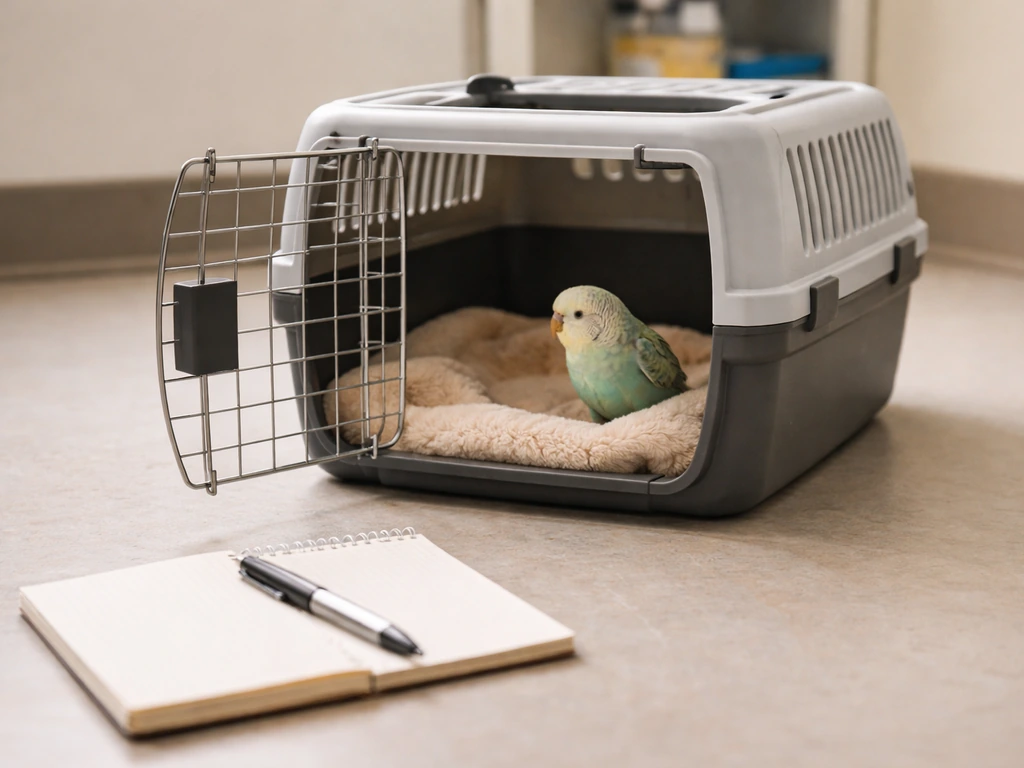
You should contact an avian vet if any of the red-flag symptoms listed above are present, if you suspect your female bird may be trying to lay an egg and is showing any distress, if hormonal behaviors are so intense that they are not improving after two to three weeks of consistent environmental management, or if you simply are not sure whether what you are seeing is hormonal or something else. When in doubt, a call to an avian vet is never a bad idea.
When you do reach out, being organized about what you share will help the vet give you better guidance faster. Here is what to have ready:
- A timeline of when the behaviors started and whether they are getting better, worse, or staying the same
- A description of the specific behaviors you are seeing, including what seems to trigger them
- Photos or short video clips if you can get them, especially of concerning behaviors like straining, unusual posture, or abnormal droppings
- Your bird's current diet and any recent changes to food
- Notes on droppings: color, consistency, frequency, anything unusual
- Whether your bird is female and whether you have noticed any egg-laying in the past
- Any changes in appetite, weight, energy level, or normal routine
- What environmental changes you have already tried
If you are dealing with a suspected egg-binding situation, describe exactly when straining started, whether your bird can still perch, and whether you have seen any discharge or blood. This kind of triage detail helps the vet decide how urgently you need to come in.
Hormonal behavior in birds is manageable in most cases, but it does require consistent effort and occasionally a vet's help to rule out or address underlying reproductive health issues. Once you know what is driving it and what to adjust, you will have a much clearer picture of what is normal for your bird and what actually needs attention. Managing the hormonal phase well also naturally leads into thinking about longer-term strategies, which connects to the broader questions of how to help a hormonal bird through the process and how to reduce or stop the cycle from recurring. One key part of that is knowing how to stop your bird from being hormonal by reducing the triggers that drive breeding-mode behavior.
| Sign you're seeing | Likely hormonal if... | Consider a vet visit if... |
|---|---|---|
| Biting or aggression | Triggered by cage proximity, specific person, or mating cues | Sudden onset with no clear trigger, or biting when touched in one spot |
| Regurgitation | Deliberate, head-bobbing, directed at person/toy/mirror | Uncontrolled, frequent, or paired with lethargy or weight loss |
| Fluffed feathers | Brief, normal temperature regulation | Sustained fluffing combined with low energy or not eating |
| Straining or tail pumping | Occasional tail lift during display or mating behavior | Repeated straining, swollen belly, or inability to perch normally |
| Appetite change | Slight pickiness during hormonal episode | Not eating for more than a day, or rapid visible weight loss |
| Seeking dark spaces | Exploring nesting areas with active, energetic behavior | Sitting in a corner hunched and unresponsive |
| Increased vocalizations | Courtship calls, softer new sounds, directed at a person or toy | Unusual crying sounds, open-mouth breathing, or distress vocalizations |
FAQ
How long does a hormonal episode usually last in pet birds?
With consistent trigger control (light schedule, removal of nesting spots, limiting mate cues), many cases improve within 1 to 3 weeks. If behaviors are escalating or not noticeably easing after this window, treat it as a management failure and call an avian vet to rule out pain, reproductive disease, or ongoing egg-laying attempts.
If my bird is regurgitating, how can I tell the difference from crop or digestive problems?
Hormonal regurgitation is typically preceded by deliberate head bobbing and neck movement, and the bird usually appears calm or pleased afterward, often targeting a “mate.” Digestive/crop trouble is more likely when it is frequent, messy, comes with distress, has a bad smell, or is paired with weight loss, watery droppings, or lethargy.
Can one extra event, like a new toy or spending more time with my bird, cause hormones to spike?
Yes. A single change can act as a new mating cue, especially if it provides visual fixation (a mirror-like surface), frequent attention at the wrong body areas (back, wings, tail), or a new “nest” feel (tents, huts, dark corners). Track what changed in the 1 to 2 weeks before the behavior ramped up.
Is it normal for my bird to be hormonal only during certain hours of the day?
It can be. Hormonal behavior often follows consistent environmental cues, especially lighting. If the pattern matches when lights turn on or when your routine peaks (morning petting, bedtime, evening feeding), adjust those specific times first, and keep the light-dark cycle predictable every day.
What should I do when my bird attacks only during cage cleaning or when I reach in?
Treat it as territorial trigger behavior until proven otherwise. Shorten and simplify the reach, block the guarded area by rearranging temporarily, and consider cleaning at a time when the bird is calmer. If bites become painful-looking, involve sudden touching of a specific spot, or continue out of context, switch focus to medical causes and schedule an avian exam.
My bird mounts or tries to mate with me. Should I remove all contact immediately or just redirect?
Redirect first if the bird is safe to handle, keep your body neutral, and redirect toward a bird-safe toy rather than trying to stop it through dramatic reactions. Avoid vent rubbing or stroking along the back, wings, or tail, because those stimulation points can reinforce the behavior and prolong the episode.
How can I reduce hormonal behavior if I live with other people or pets?
Make the “mate cues” consistent and controlled. Reduce lingering attention to the bird’s preferred target person, and avoid situations where a second animal or person becomes a frequent, repetitive “partner” (especially close, face-to-face time). If mounting or regurgitation is directed at one individual, adjust that person’s handling style during the episode.
Can hormonal behavior happen year-round, even if it is not breeding season?
Yes. In captivity, the triggers can override natural seasonality. Long or irregular daylight, nesting-like accessories, diet changes, and a perceived mate can push breeding-mode behavior at almost any time, so focus on your home’s cues rather than the calendar.
When is egg-laying suspected versus regular courtship behavior?
Look for true laying patterns, not just regurgitation or mounting. True laying signs often include persistent straining, repeated time on the bottom or in nesting areas, and changes that suggest the bird cannot pass an egg normally. If a hen shows distress plus straining or fails to perch, treat it as urgent and contact an avian vet same day.
What are the most dangerous “wait-and-see” mistakes with hormonal birds?
Delaying a vet visit when there is possible egg binding, ignoring weight loss plus frequent regurgitation/vomiting, or assuming any aggression is hormones without checking for pain. Another common mistake is restoring the nesting items too early after behaviors improve, which can restart the cycle quickly.
My bird’s hormones are better after changes, but then come back. How do I prevent recurrence?
Use a prevention plan: keep nesting accessories out long-term, maintain a stable light-dark cycle, limit mate cues (including mirrors and certain toys), and keep handling neutral with head/neck only. If recurrence is frequent or severe, schedule an avian consult to assess reproductive health and discuss long-term strategies beyond environmental changes.