
The most effective things you can do today are limit daylight exposure to around 8 hours, remove any nesting spots or bonded toys, stop reinforcing sexual behaviors during handling, and cover the cage for a full 10 to 12 hours of dark, uninterrupted sleep each night. Those four steps alone can start to dial down hormonal behavior within days to weeks. The rest of this guide walks you through exactly how to do each one, what to watch for, and how to tell if something more serious is going on.
How to Help a Hormonal Bird: Step-by-Step Relief

Marcus Chen
13 Jun 2026
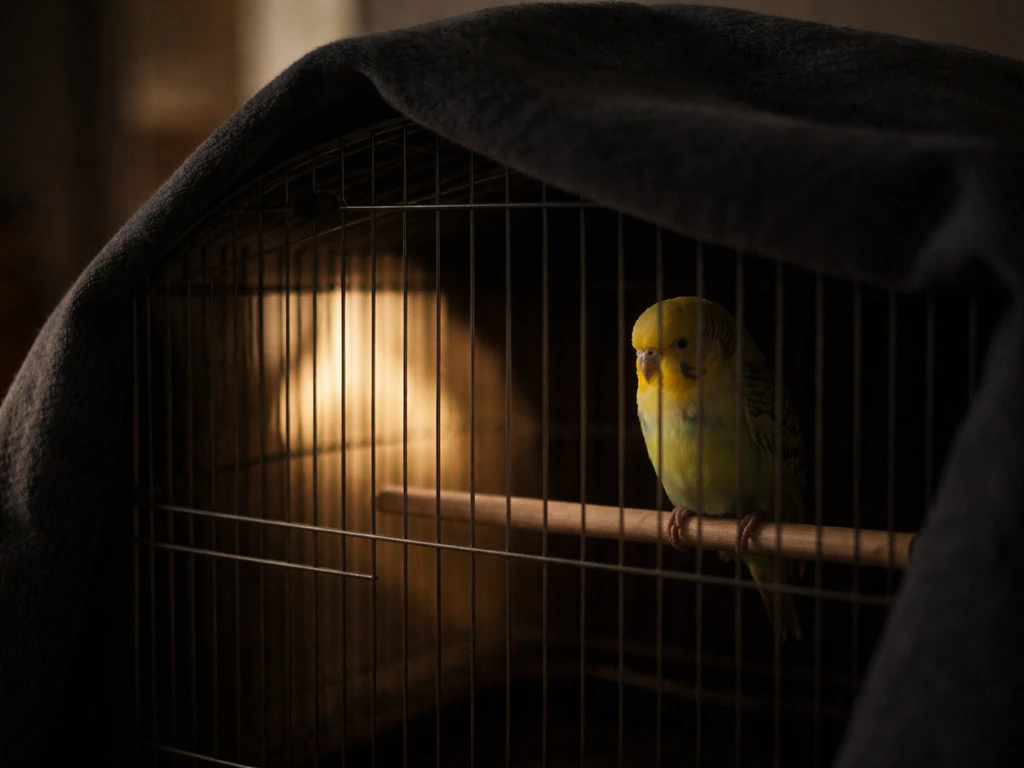
What hormonal behavior actually looks like in birds
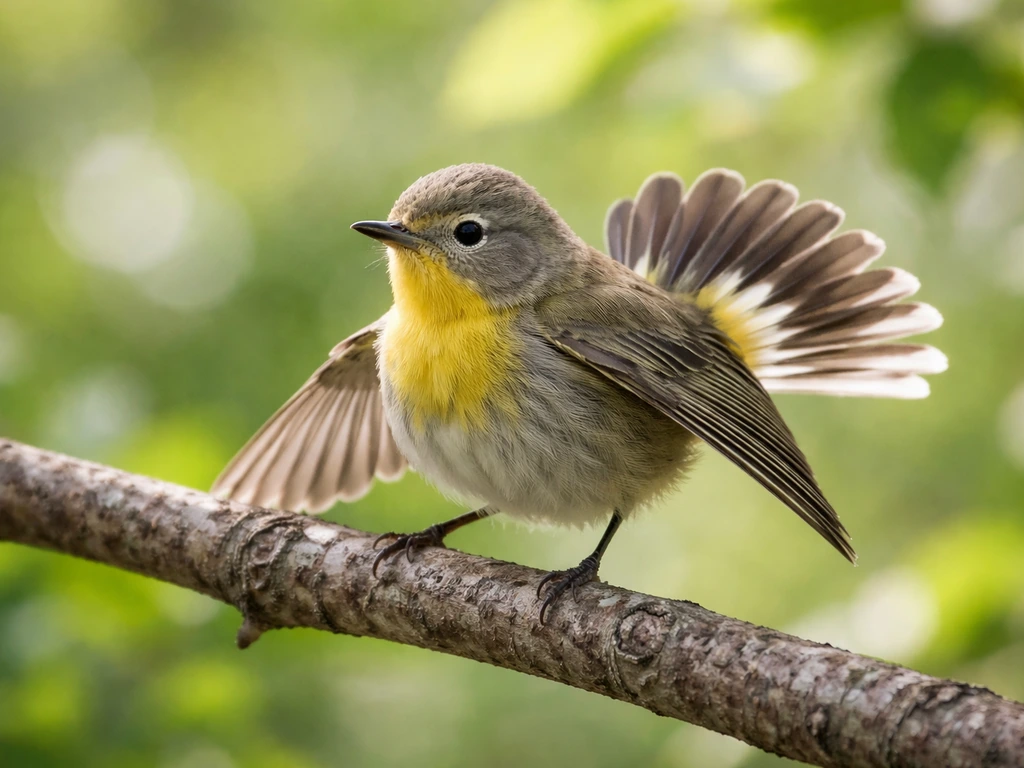
Hormonal behavior in birds can range from mildly annoying to genuinely alarming, and it looks different depending on the species and sex of the bird. Knowing what's normal for a bird in a breeding cycle helps you avoid overreacting to some things and underreacting to others.
Behavioral signs
- Increased aggression or territorial behavior, especially around the cage or a favorite perch
- Strutting, wing fanning, and tail feather spreading (classic display behavior)
- Constant calling, screaming, or louder-than-usual vocalizations
- Regurgitating food toward you, a toy, or a mirror (this is courtship feeding, not necessarily illness, but context matters)
- Vent rubbing on toys, perches, mirrors, or even your hand
- Crouching low with wings slightly spread when you approach
- Seeking out dark spaces, defending a corner of the cage, or carrying nesting material around
- Head bobbing or pacing that seems repetitive and restless
- Increased clinginess or, conversely, sudden biting from a bird that was previously calm
Physical signs
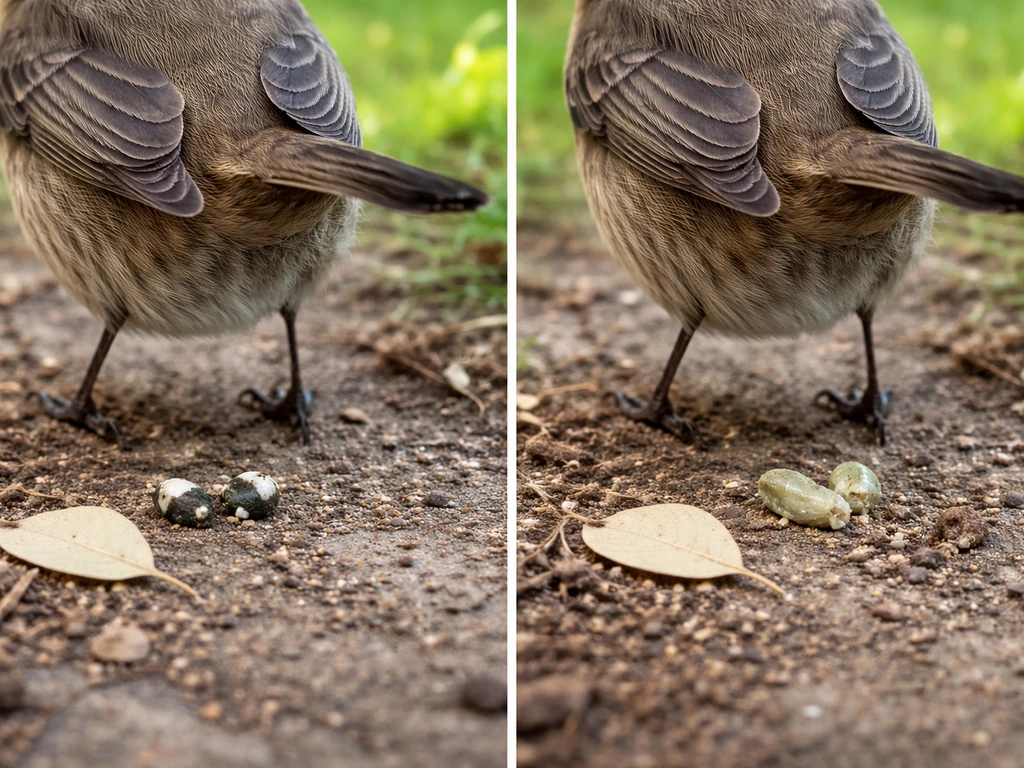
Female birds may have a noticeably wider or rounder abdomen when producing eggs. You might also notice changes in dropping size and consistency around egg-laying time. In general, a hormonal bird still looks alert, eats normally, and holds its feathers smoothly. If the bird looks fluffed up, is sitting at the bottom of the cage, or has labored breathing alongside any of the behaviors above, that combination is a red flag that warrants a vet call rather than a wait-and-see approach.
Why your bird is acting this way: the main triggers
Birds in the wild breed in response to specific environmental cues that signal the season is right for raising chicks. In captivity, those same cues can be present year-round without you realizing it, which is why some pet birds seem permanently stuck in breeding mode.
- Photoperiod (day length): Longer daylight hours are one of the most powerful hormonal triggers. If your bird gets more than 10 to 12 hours of light per day consistently, it can stimulate reproductive hormones regardless of the actual season outside.
- Warmth and temperature: Warm household temperatures combined with long light exposure mimic a spring or summer breeding environment.
- Nesting opportunities: Dark corners, nest boxes, bird huts, the back of a drawer, a tucked-away cage corner, anything that feels like a cavity can tell a bird's brain it's time to nest.
- Social and sexual stimulation from humans: If your bird has bonded to you as a mate (not just a flock companion), your handling style and daily interactions can actively trigger hormonal cycles. Petting a bird on the back, wings, or vent area is particularly stimulating.
- Bonded toys or mirrors: Birds can form strong sexual attachments to toys, mirrors, or other cage objects and will display and regurgitate toward them regularly.
- Routine and environment: A stable, predictable routine with a consistently warm and well-lit room essentially tells the bird it's always a good time to breed.
Things you can do right now to reduce hormonal stimulation
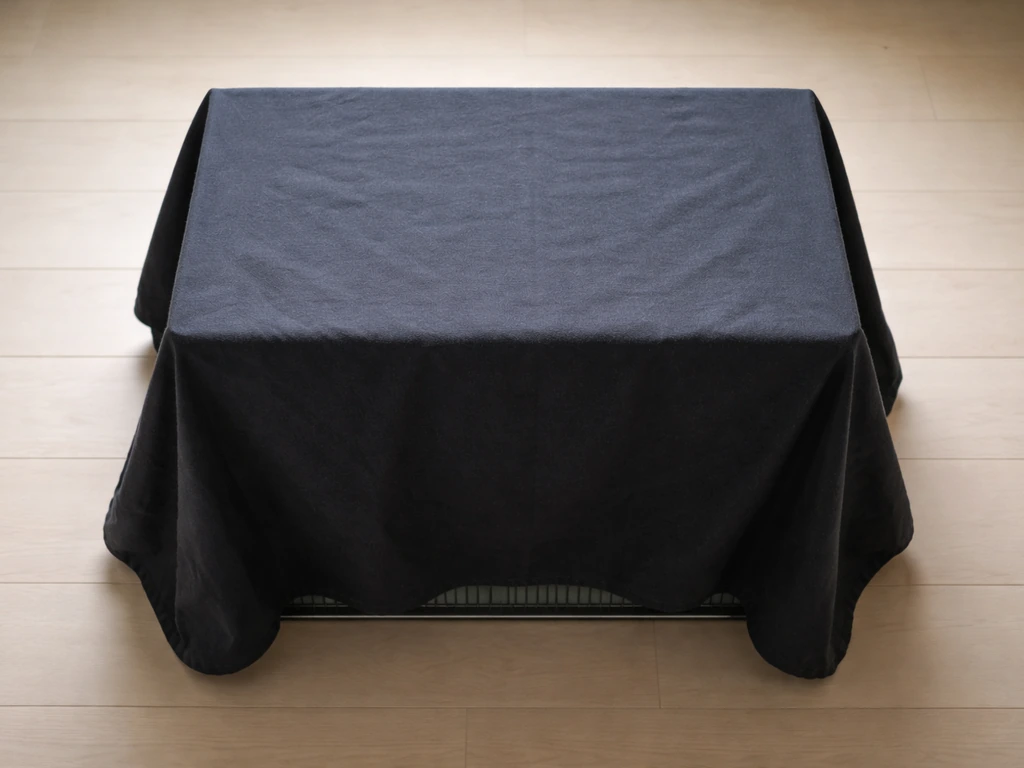
These are not long-term prevention steps (those come later) but immediate actions that can start to lower the hormonal pressure your bird is experiencing today.
- Cover the cage early. Start covering the cage so your bird gets 10 to 12 hours of complete darkness tonight. If your bird is currently getting light until 9 or 10 pm, cover at 7 pm instead. Darkness is one of the fastest environmental signals you can change.
- Remove the bonded toy or mirror. If there is a specific toy, mirror, or object your bird regurgitates on, displays to, or rubs against, take it out of the cage today. It sounds simple but it makes a real difference.
- Remove or block nesting spots. Take out any bird huts, nesting boxes, or tent-style toys. If the bird is using a cage corner as a nesting spot, rearrange the cage layout so that corner is less accessible.
- Change how you handle your bird. Keep petting to the head and neck only. Avoid stroking the back, wings, or vent area, as those trigger sexual behavior. Keep handling sessions shorter if the bird is showing mounting or regurgitation behavior toward you.
- Avoid reacting to screaming or excessive calling with attention. Walking over to calm the bird every time it calls can reinforce the cycle. Give attention on your terms when the bird is calm.
- If the bird is living with another bird it is bonded to sexually, temporarily separate them or at least reduce shared contact time.
Safe environment changes that make a lasting difference
Light control
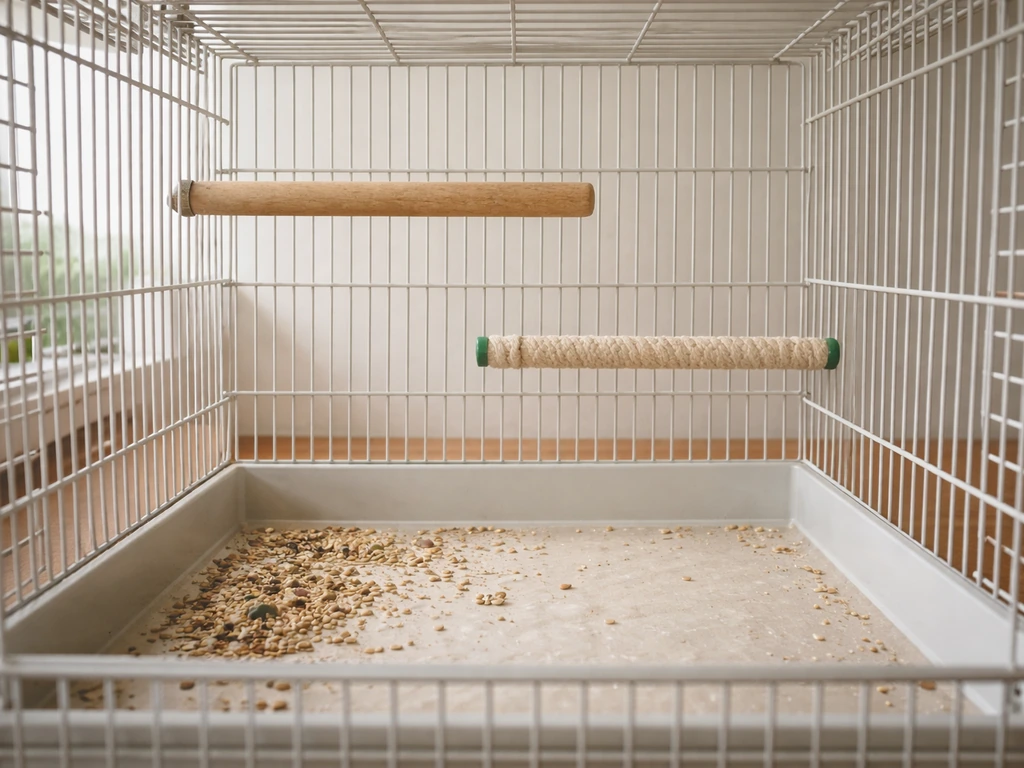
The goal is to reduce daylight exposure to approximately 8 hours and ensure the remaining time is in complete darkness. Use a cage cover that blocks light thoroughly. If the bird's cage is in a room with evening light from TVs, lamps, or windows, the cover becomes especially important. During the day, natural light through a window is generally fine in controlled amounts, but avoid placing the cage where it gets direct sun all day, as that adds both heat and light stimulation.
Cage setup and nesting materials
Rethink the inside of the cage. Remove bird huts, enclosed sleeping tents, nest boxes, and anything a bird could burrow into or under. Loose nesting materials like shredded paper, rope fibers, or soft bedding should also be removed or limited, as carrying and arranging them reinforces nesting behavior. Provide open perches, foraging toys, and enrichment that keeps the bird mentally active rather than reproductively focused.
Temperature and cage location
If possible, avoid placing the cage in the warmest room of the house. A slightly cooler ambient temperature (while still being safe for the species) is less stimulating than a warm, humid environment. Moving the cage to a different part of the room or even a different room can also interrupt established nesting routines and give the bird a mental reset.
Diet and supplements: what helps and what to skip
Diet plays a genuine role in reproductive cycling. A bird on a rich, seed-heavy diet is getting a lot of fat and calories, which can mimic the nutritional signal of spring (when food is plentiful and conditions are right to breed). Converting to a pelleted diet is one of the management steps recommended for birds with chronic reproductive issues because pellets provide balanced nutrition without the excess fat that seeds deliver.
If your bird is currently on a mostly seed diet, a gradual transition to high-quality pellets is worth pursuing. Add fresh vegetables, especially dark leafy greens, which provide nutrients without triggering overfeeding. Reduce or eliminate fatty seeds like sunflower seeds during hormonal periods.
As for supplements marketed as "hormone balancers" or "natural breeding suppressants," there is very limited evidence supporting most of these products for birds. Some herbal products can actually be harmful to birds at certain doses. Do not add any supplement to your bird's food or water without discussing it with an avian vet first. The environmental and dietary changes above are genuinely effective and safe; most supplements are neither well-studied nor necessary.
When it's more than just hormones: signs to take seriously
This is the section to read carefully if you have a female bird, because females face a specific and serious risk: egg binding. Egg binding is when a bird cannot pass an egg normally, and it can become life-threatening quickly if not treated.
Signs of egg binding
- Sitting at the bottom of the cage rather than on a perch
- Visible straining or repeated squatting movements
- A swollen or distended abdomen
- Tail bobbing with obvious effort (not just display)
- Open-mouth breathing or labored breathing
- Bloody or abnormal droppings
- Sudden drop in energy or complete stillness
If you see any combination of these signs, treat it as urgent. Do not wait to see if the bird improves on its own. Contact an avian vet or emergency animal clinic immediately. Egg binding that goes untreated can worsen rapidly and the prognosis declines the longer it goes on.
Other medical red flags
Regurgitation can look like courtship feeding but can also be a sign of illness. A bird that is vomiting (as opposed to intentionally regurgitating toward a favored object or person) may have an infection, digestive problem, or other health issue. The key difference is context: a hormonal bird regurgitating toward you or a toy is usually alert, active, and otherwise normal. A sick bird may vomit involuntarily, look lethargic, and stop eating. If you are unsure, the right move is to have the bird evaluated.
Other signs that go beyond normal hormonal behavior and need veterinary attention include extreme weakness or lethargy, loss of consciousness, difficulty breathing at rest, continuous pain signals (grinding the beak when not sleepy, unusual posture, constant tail bobbing without display context), and drastic appetite changes over more than a day or two. Penn Vet conference triage guidance also flags respiratory distress in birds, including signs like tail bobbing and open-beak breathing blank" rel="noopener noreferrer">difficulty breathing at rest. These are not hormone problems. They are health problems that need professional care.
If environmental management has been in place for several weeks and the bird's reproductive behavior is still intense or escalating, an avian vet can discuss medical options. There are injectable hormone-suppressing medications and implants (such as leuprolide acetate or deslorelin implants) that are sometimes used when behavioral and environmental management alone are not enough. These are prescription treatments administered by a vet, not something to source independently.
A long-term plan so this doesn't keep repeating
Hormonal cycles are most likely to recur when the triggers come back. The birds that cycle heavily year after year are usually living in an environment that consistently provides those breeding cues. Here is a practical ongoing plan to reduce the chances of repeat cycles.
| Area | What to do consistently |
|---|---|
| Light exposure | Keep daily light to 10 to 12 hours maximum year-round; use a cage cover for complete darkness at night |
| Sleep | Maintain a consistent 10 to 12 hour dark sleep period every night, not just during hormonal flare-ups |
| Nesting cues | Keep nest boxes, bird huts, and loose nesting materials permanently out of the setup unless you are intentionally breeding |
| Diet | Feed a balanced pelleted diet as the base; limit high-fat seeds; avoid overfeeding as a comfort strategy |
| Handling habits | Pet head and neck only; avoid back and vent stroking; keep boundaries consistent so the bird does not bond to you as a mate |
| Toys and objects | Rotate toys regularly so no single object becomes an intense bond; remove any toy the bird begins to display toward or regurgitate on |
| Vet check-ins | Annual avian vet visits help catch reproductive health issues early, especially for female birds prone to chronic egg laying |
The goal is not to eliminate all breeding instinct from your bird. That is not realistic or necessary. The goal is to avoid sending constant "breed now" signals that push the bird into a prolonged hormonal state. Most birds with a well-managed environment will have milder, shorter hormonal periods that are easier to live with for both of you.
If you are also trying to figure out whether what you are seeing is definitely hormonal or something else, there are related topics worth exploring: understanding how to tell if your bird is hormonal in the first place, and specific strategies for how to stop the behavior once confirmed.
If you are trying to figure out whether what you are seeing is definitely hormonal, use this guide on how to tell if your bird is hormonal first, then pair it with strategies for how to stop the behavior once confirmed. If you are also wondering which breed you have, start by figuring out what breed is my bird and then compare what is normal for that species.
Knowing how to stop your bird from being hormonal after the triggers are confirmed can help you choose the right steps for your situation. Keeping those questions in mind helps you approach the problem from multiple angles rather than guessing at a single fix. Keeping those questions in mind helps you approach the problem from multiple angles rather than guessing at a single fix stop your bird from being hormonal.
FAQ
How long does it usually take before a hormonal bird starts to calm down?
For many birds, you should see gradual improvement within days to a few weeks after you reduce light, remove nesting cues, and stop reinforcing sexual behavior. If there is no change after about 3 to 4 weeks, or the behavior is escalating, call an avian vet to rule out medical causes and to discuss prescription options.
Will a regular cage cover be enough to create true darkness?
A cage cover helps, but it must block incidental light. If your room has moving light (TV, phones, hallway lights) during the covered hours, use a cover that seals to the cage on the sides and remove any night lights from the area. Partial coverage that still lets bright light reach the bird can undermine the 10 to 12 hours of darkness.
What should I stop doing during training or handling to avoid making it worse?
Avoid using the same hand-held routines that may trigger “bonded” courtship, like letting the bird mount or repeatedly offering the same body part/toy during handling. Keep handling calm and task-focused, and do not reward humping or regurgitation toward you. If your bird escalates during handling, shorten sessions and prioritize enrichment that is not sexually oriented.
Can I still give treats or seed as a reward while my bird is hormonal?
Do not use seeds as a reward during hormonal periods, especially fatty seeds like sunflower. If you still use treats, choose low-fat, portion-controlled options such as small amounts of approved fruits or vegetables, and keep any treat schedule consistent so you are not accidentally feeding a high-calorie signal.
Is it safe to move my bird to a cooler room, and how much should I adjust the temperature?
Temperature changes can be part of the plan, but avoid drastic drops. Aim for the bird’s safe comfort range for its species, and make only moderate adjustments. Sudden chilling or moving the cage to an unsafe drafty location can cause stress and worsen appetite or breathing problems.
What should I do immediately if I think my female bird might be egg bound?
If you suspect egg binding or the bird is showing red flag signs, do not try home remedies or wait for the situation to pass. Contact an avian vet or emergency clinic right away, especially if you notice straining, lethargy, labored breathing, or a bird that seems weak or unwell.
How can I tell normal courtship regurgitation from vomiting that needs a vet visit?
Regurgitation can be normal courtship, but the context matters. If the bird looks sick, stops eating, becomes lethargic, or the regurgitation seems involuntary, treat it as a health issue rather than hormonal behavior and arrange an avian exam. Also note whether the bird’s crop area seems unusually full or the bird is repeatedly straining.
Which toys and cage items should I remove or replace during hormonal periods?
Not all nesting materials are equal. Enclosed items like huts and nest boxes should be removed, and soft bedding or shredded materials should be limited. Foraging and puzzle toys are usually better choices because they occupy attention without providing a “place to nest.” If the bird keeps trying to carry materials to one spot, remove access and redirect to shredding-safe but non-nesting enrichment.
Why does my bird keep returning to hormonal behavior even after I change the routine?
If the bird is chronically cycling, ongoing triggers are the main reason. Re-check daylight exposure from windows, LEDs, and evening lighting, keep a consistent darkness routine, and continue limiting nesting cues. If you still see repeated cycles month after month despite good environmental control, ask the avian vet whether long-term medical suppression is appropriate for your species and situation.
What is the safest way to transition from seed to pellets if my bird is hormonal?
Yes, but switch gradually to reduce stress and rejection. Offer small amounts of vegetables alongside the current diet, then slowly increase pellet proportion while decreasing seeds over time. A sudden diet shift can reduce intake, which can be risky for birds, so monitor weight and droppings and consult an avian vet if your bird refuses pellets for more than a short period.
Next Articles
Is My Bird Pregnant? Signs, Egg Laying vs Health Issues
Learn if your bird is egg-laying or ill, with a safety checklist, timelines, and vet-now red flags for pregnancy confusi
Why Is My Bird Making Whimpering Noises? What to Check
Find reasons for whimpering bird noises, quick home checks, and red flags for urgent vet care plus tracking tips.
Why Does My Bird Make Crunching Noises? Causes and What to Do
Learn why your bird crunches, spot normal beak chewing vs breathing or crop issues, and what to do next.