
Birds don't get pregnant the way mammals do. Instead of carrying live young, they form and lay eggs, and the whole process from egg formation to laying takes roughly 24 hours per egg. So if your bird is acting strange, puffed up, sitting low in the cage, or building a nest, she isn't "pregnant" in the traditional sense. She's either gearing up to lay an egg, already in a laying cycle, or possibly experiencing something that looks a lot like it but isn't. The key is figuring out which one, and this guide walks you through exactly how to do that.
Is My Bird Pregnant? Signs, Egg Laying vs Health Issues

Marcus Chen
15 May 2026
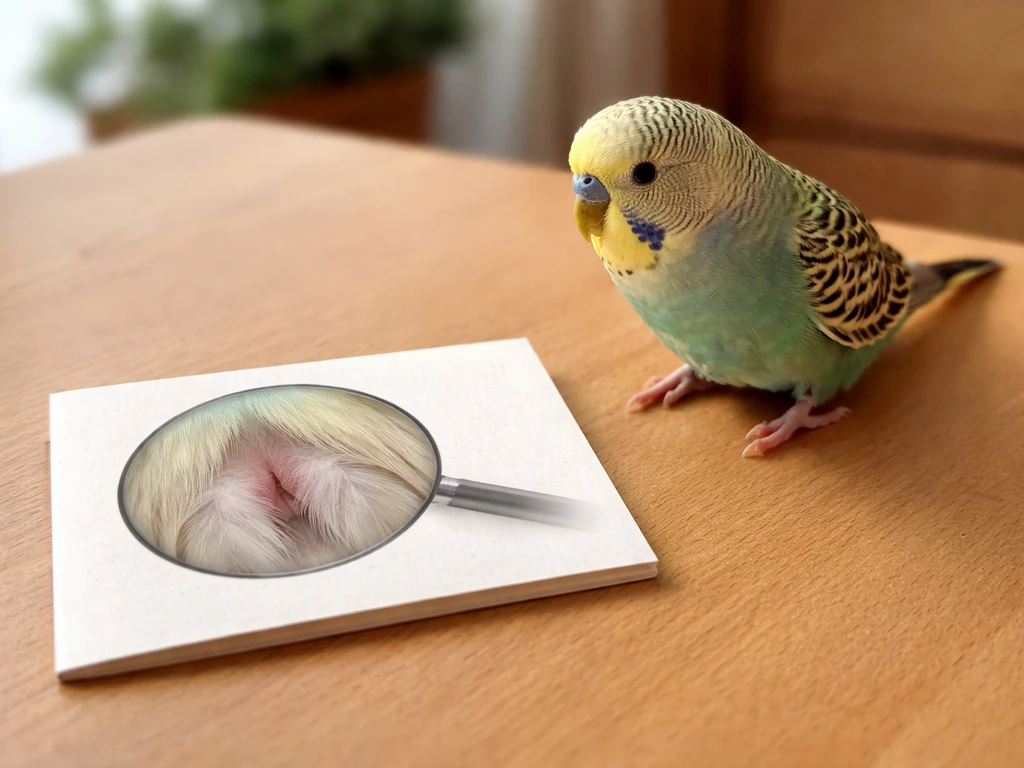
Bird pregnancy vs egg laying: what's actually happening
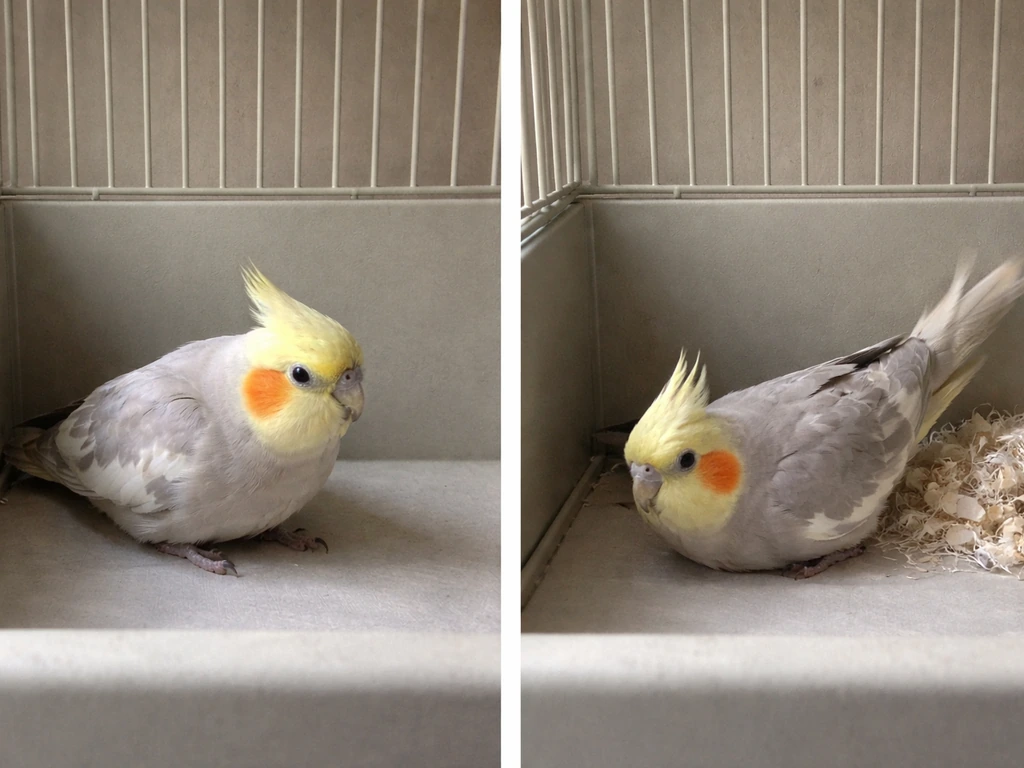
When bird owners ask if their bird is pregnant, they almost always mean: is she about to lay eggs? The answer to that is very possible, yes, even if she has never been near a male bird. Captive pet birds can start laying based entirely on environmental cues like light exposure, temperature, diet, and even you. If your bird sees you as a mate, hears seasonal sounds, or has access to cozy nesting spots, her body can kick into reproductive mode on its own.
Once egg laying starts, eggs typically arrive blank" rel="noopener noreferrer">every 48 hours until a full clutch is reached. A clutch size varies by species: budgies (parakeets) usually lay 4 to 8 eggs, cockatiels typically lay 4 to 6, and lovebirds tend to lay 4 to 6 as well. If you need to narrow it down further, also check what breed is my bird so the egg-laying timeline and clutch size make sense. Each individual egg takes about 24 hours to form inside her body. Unlike mammals, there is no long gestation, no fetal development to track, and no "due date" in the traditional sense. What you are watching for is whether egg-laying is progressing normally or getting stuck.
Signs to look for at home: body cues and behavior clues
Once a hen starts visiting a nesting spot regularly, she is typically about 10 to 14 days away from laying her first egg. That's a useful window to start paying attention. Here are the physical and behavioral signs that often show up in the lead-up to laying.
Physical signs
- Swelling or enlargement around the vent (cloaca area at the base of the tail)
- Tail pumping or bobbing rhythmically up and down, especially when resting
- A noticeably rounder, fuller abdomen
- Increased droppings, often larger or more watery than usual
- Wide-legged stance, as if bracing for extra weight
- Crouching low on the perch or cage floor
Behavioral signs
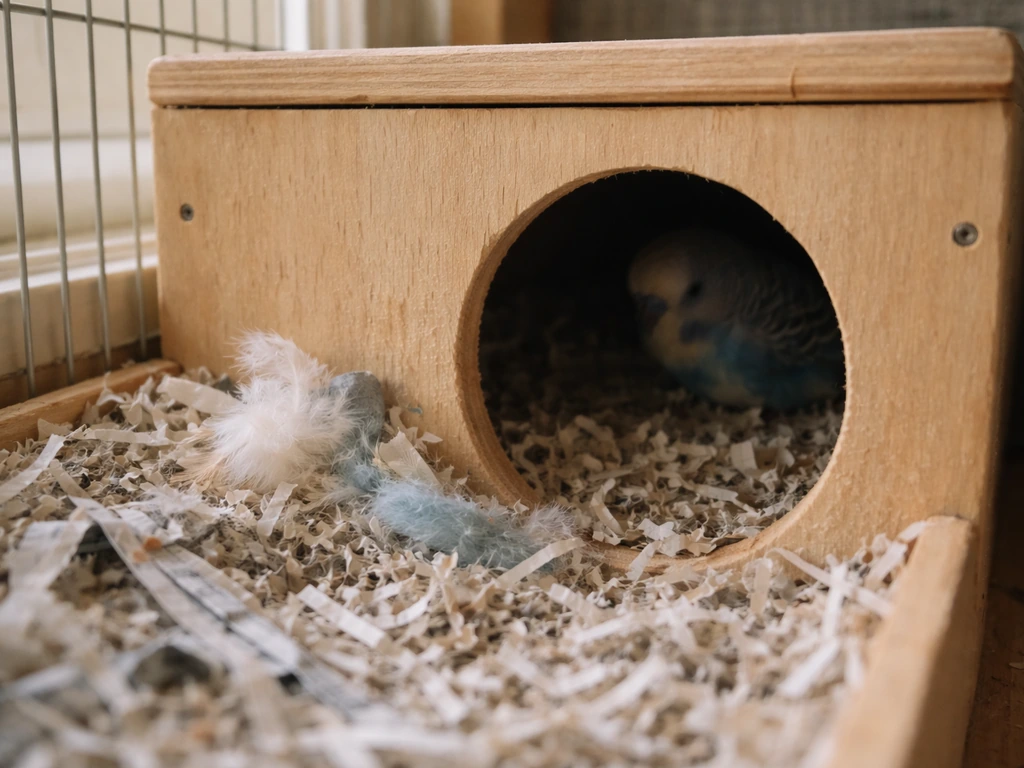
- Shredding paper, chewing wood, or gathering soft materials to nest with
- Spending long stretches of time inside a nest box, corner of the cage, or any enclosed dark space
- Increased aggression or territorial behavior, especially around her nesting spot
- Seeking out your hand or rubbing against objects (regurgitating to a "mate" can also occur)
- Changes in appetite, sometimes eating more, sometimes less
- Unusual vocalizations or becoming quieter than normal
For budgies specifically, a useful visual marker is the cere (the fleshy area above the beak). In a hen preparing to lay, the cere often turns a deeper, crusty brown color. When an egg is finally laid, it will be creamy white and smooth.
Common look-alikes: hormonal behavior, stress, illness, and other causes
This is where things get tricky, because many of the same signs that point to egg laying also show up in birds that are hormonal, stressed, or unwell. If you are wondering how to tell if your bird is hormonal, comparing these look-alike signs side by side can help you decide whether to monitor or call a vet hormonal, stressed, or unwell. Understanding the difference could mean the difference between watchful waiting and a vet call.
| Sign | Egg Laying | Hormonal (no egg) | Illness / Stress |
|---|---|---|---|
| Nesting behavior | Yes, persistent and focused | Yes, but may be scattered or brief | Unlikely, unless also hormonal |
| Vent swelling | Common, progresses over days | Possible but less pronounced | Possible if infection or abscess |
| Tail bobbing | Yes, especially near lay time | Sometimes | Yes, especially if respiratory issue |
| Sitting on cage floor | Can happen close to laying | Rare | Red flag for illness |
| Appetite change | Mild increase or variable | Variable | Often decreased, paired with fluffing |
| Aggression | Common, protective | Very common | Rare; usually withdrawal instead |
| Lethargy / weakness | Not typical in healthy bird | Not typical | Yes, combined with other signs = vet now |
Hormonal behavior without actual egg laying is extremely common in pet birds, and it can be just as disruptive. A bird can show every nesting behavior in the book and never produce an egg. That doesn't mean something is wrong, but it does mean her body is being pushed through repeated hormonal cycles, which has its own long-term health implications. If you're dealing with persistent hormonal behavior without egg laying, that's a separate but related situation worth exploring.
Stress can produce some overlapping signs too, particularly feather ruffling, changes in droppings, and reduced appetite. The key differentiator with stress is that you usually won't see the physical vent swelling, tail pumping progression, or active nest-building that accompanies real egg-laying preparation.
What you can do now: monitoring, diet, and comfort
If your bird is showing signs of egg laying and seems otherwise healthy, there are practical things you can do right now to support her safely.
Nesting and comfort
Provide a safe, quiet nesting area if she's actively seeking one. A small box lined with paper or soft material is fine. Make sure the cage is in a low-traffic area where she won't be startled repeatedly. Keep handling gentle and minimal during this time, since stress can complicate egg laying.
Diet support
Calcium is critically important for egg formation. A bird with low calcium (hypocalcemia) is at much higher risk of egg binding because her muscles may not contract properly to pass the egg. Offer calcium-rich foods like dark leafy greens (kale, collard greens), cooked egg with shell crushed in, or a clean cuttlebone. Some owners offer a calcium supplement, but check with your vet before adding anything beyond food-based sources, since excess supplementation has its own risks. Make sure her overall diet is balanced and she has access to fresh water at all times.
Monitoring the timeline
Once she is clearly in pre-laying mode (swelling, tail pumping, nesting), expect the first egg within 10 to 14 days. After the first egg, subsequent eggs typically follow every 48 hours. Keep a simple log of dates so you can track whether things are progressing normally. If strong nesting behavior continues for more than two weeks with no egg, or if she appears to be straining without producing one, that moves into concerning territory.
What to do with the eggs
Don't remove eggs too quickly while she's actively sitting on them. Pulling eggs out often triggers her to lay a replacement clutch, which continues the cycle and depletes her further. Let her sit the clutch. Once she loses interest naturally, you can remove them. If you want to discourage future laying, some vets recommend replacing eggs with dummy eggs so she completes her sitting period without producing more. Ask your vet about this approach.
When it's an emergency: egg binding and other red flags
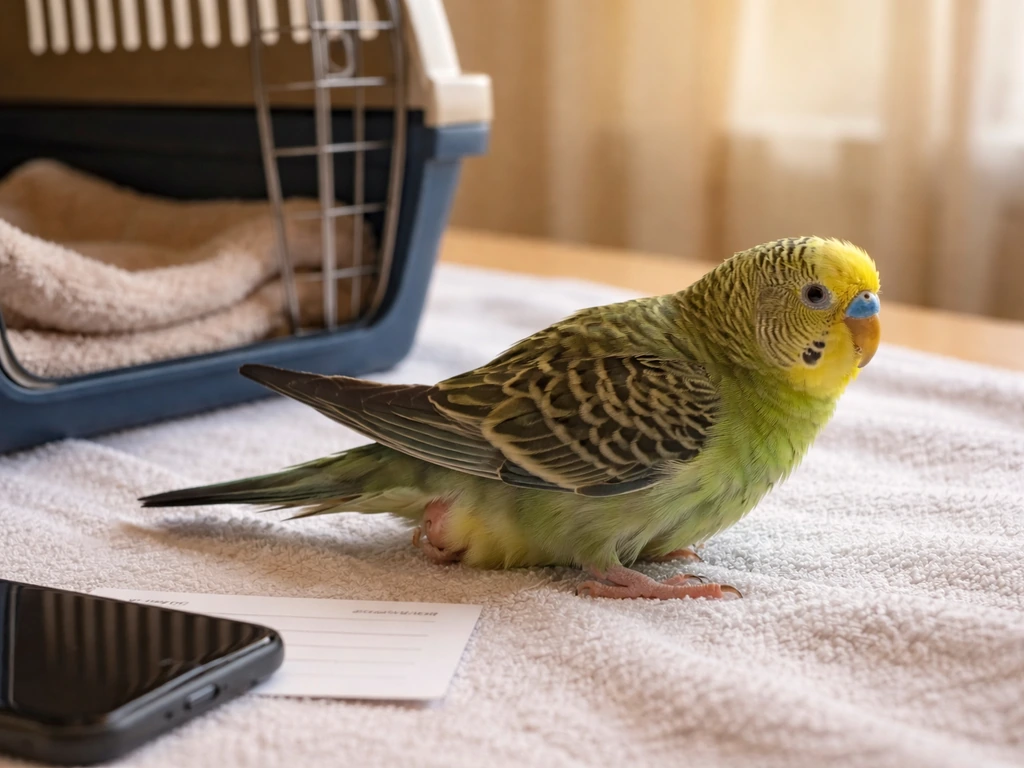
Egg binding is when an egg gets stuck inside the oviduct and can't be passed on its own. It's life-threatening and can move fast. Knowing these signs and acting quickly is the difference between a bird that recovers and one that doesn't.
Call an avian vet or emergency exotic animal clinic immediately if you see any of the following:
- Straining or visible pushing with no egg produced
- Sitting on the bottom of the cage, especially fluffed and hunched
- Labored or open-mouth breathing, including panting
- Tail bobbing combined with respiratory distress (not just light tail movement)
- Weakness or inability to perch properly
- Visibly swollen or distended abdomen
- Bloody or unusual droppings, or no droppings at all
- Sudden lethargy or unresponsiveness
- Foul odor from the vent area
- A bird that was laying normally and has abruptly stopped mid-clutch while acting unwell
Tail bobbing on its own can look like a minor thing, but when combined with open-mouth breathing or a wide-legged crouching stance, it signals serious respiratory distress, which egg binding can cause by pressing against the air sacs. Don't wait to see if it improves on its own.
One thing to avoid at home: do not try to manually massage or push on the abdomen to help the egg pass. This can rupture the egg or cause internal injury. It's a technique that only makes sense under direct veterinary guidance.
When to call an avian vet: how to prepare and what to ask
Even if the situation doesn't feel like a full emergency, a pre-laying bird with any combination of the red flags above warrants same-day contact with an avian vet. Regular vets don't always have the right training for birds, so look specifically for an avian or exotic animal specialist.
When you call, be ready to share the following information clearly:
- Species, age, and sex of your bird (if known)
- How long you've had her and whether she has laid eggs before
- When the current symptoms or behavior started
- What her normal diet looks like, including any supplements
- Whether she has access to a nest box or nesting materials
- Any changes in droppings, appetite, or energy level
- If there is a male bird present or any perceived "mate" trigger
- A short video of her behavior if you can safely record one without stressing her further
At the clinic, the vet will typically do a physical exam and may take an x-ray to check whether an egg is present, where it is, and how large it is. If the egg is soft-shelled or has caused internal complications, ultrasound or more advanced imaging may be needed. Treatment for egg binding often involves calcium supplementation, subcutaneous fluids, lubrication near the vent, and a warm humid environment to help the egg pass. In serious cases, surgical intervention is required.
Don't hesitate to ask the vet: what is causing this, is she at higher risk for it happening again, and what can I change at home to prevent it? Those are the three most useful questions to leave with.
Preventing unwanted breeding cycles and repeated egg laying
Chronic egg laying is not just inconvenient, it's genuinely dangerous. Repeated laying depletes calcium and other nutrients, strains the reproductive system, and raises the risk of egg binding with every cycle. If your bird has laid multiple clutches in a year, or seems to be in a near-constant hormonal state, addressing the root triggers is important for her long-term health.
Reduce the environmental triggers
- Limit daylight hours to 10 to 12 hours per day by covering the cage earlier in the evening; longer light exposure signals breeding season to your bird's body
- Remove nest boxes, nesting material, and any cozy enclosed spaces she's been using
- Rearrange the cage periodically to disrupt territorial nesting behavior
- Avoid petting your bird on her back, wings, or under the tail; these are mating-trigger areas and can stimulate hormone release
- Remove mirrors, as birds often treat their own reflection as a mate
- Reduce or restructure time spent cuddling in ways that mimic mate bonding
If environmental changes aren't enough, your vet may discuss hormonal management options such as leuprolide acetate injections or implants, which are used in birds with chronic or medically risky laying cycles. This isn't a first-line option for every bird, but it's worth asking about if you've tried the environmental adjustments and she keeps cycling.
It's also worth keeping in mind that the same behaviors driving egg laying, like hormonal surges, aggression, and nesting obsession, often overlap with general hormonal behavior that doesn't result in eggs. Managing the triggers is the same regardless. The goal is to give your bird a stable, lower-stimulation environment that lets her body calm down without constant reproductive pressure.
The bottom line: a bird showing nesting and laying signs is usually doing something completely natural, but that doesn't mean it's always safe without support. Know the timeline, watch the red flags, back her up with good nutrition, and don't hesitate to call an avian vet if anything feels off. That's the whole game.
FAQ
How soon can my bird start laying after the nesting behavior begins?
Once a hen is repeatedly visiting and actively using a nesting site, many birds lay their first egg about 10 to 14 days later. If you see straining, tail pumping, or vent swelling without any egg after about two weeks, that is a good moment to contact an avian vet rather than waiting longer.
My bird never had a male, could she still be “pregnant” or developing an egg?
Yes. Many pet birds can enter egg-laying cycles from day length, temperature, diet, and nesting availability, even without any contact with males. If you are seeing a sustained pattern of reproductive behaviors, assume she may be producing eggs and monitor for progression, not just for mating cues.
If my bird is laying eggs, how can I tell whether it is a normal cycle versus a problem like egg binding?
Normal cycles usually progress to an egg and continue on a predictable rhythm (often every 48 hours after the first). A problem becomes more likely when you see repeated straining with no egg, prolonged tail-pumping progression, or worsening breathing or posture. Those combinations are stronger signals than any single symptom.
What should I do with the nest box during the cycle, should I remove it?
Generally do not remove the nest abruptly once she is in active pre-laying behavior, because that can increase stress and potentially prolong the laying cycle. Instead, keep it stable, quiet, and low-traffic, and only make changes gradually. If she is persistently nesting with no egg for extended periods, involve an avian vet for next steps.
Is it safe to give extra calcium or a supplement to prevent egg binding?
Food-based calcium sources are the safest first step, such as dark leafy greens, or cooked egg with crushed shell, and a cuttlebone. For supplements, check with an avian vet before adding them, because excess or the wrong type of supplementation can create other health issues.
Can I try heat or a warm humid area at home if I suspect egg binding?
Warmth and humidity can sometimes help with comfort, but egg binding can become life-threatening quickly. Use warmth as a short-term support only while you arrange urgent avian care, and do not delay a same-day vet call if red flags are present.
My bird laid once and then stopped. Is that normal or should I be worried?
It can be normal for some birds to lay a partial clutch or for a cycle to end earlier than expected. However, if she shows ongoing straining, vent swelling, or repeated attempts to pass an egg without success, treat it as potentially urgent and contact an avian vet the same day.
What information should I bring or note when calling the vet?
Track the timeline, the species, and the dates you first saw nesting behavior and when any eggs were laid (or when straining started). Also describe current posture and breathing, appetite changes, and whether she has a cuttlebone or calcium-rich foods available, as these details help the vet decide how quickly to image her and what treatment to start.
Next Articles
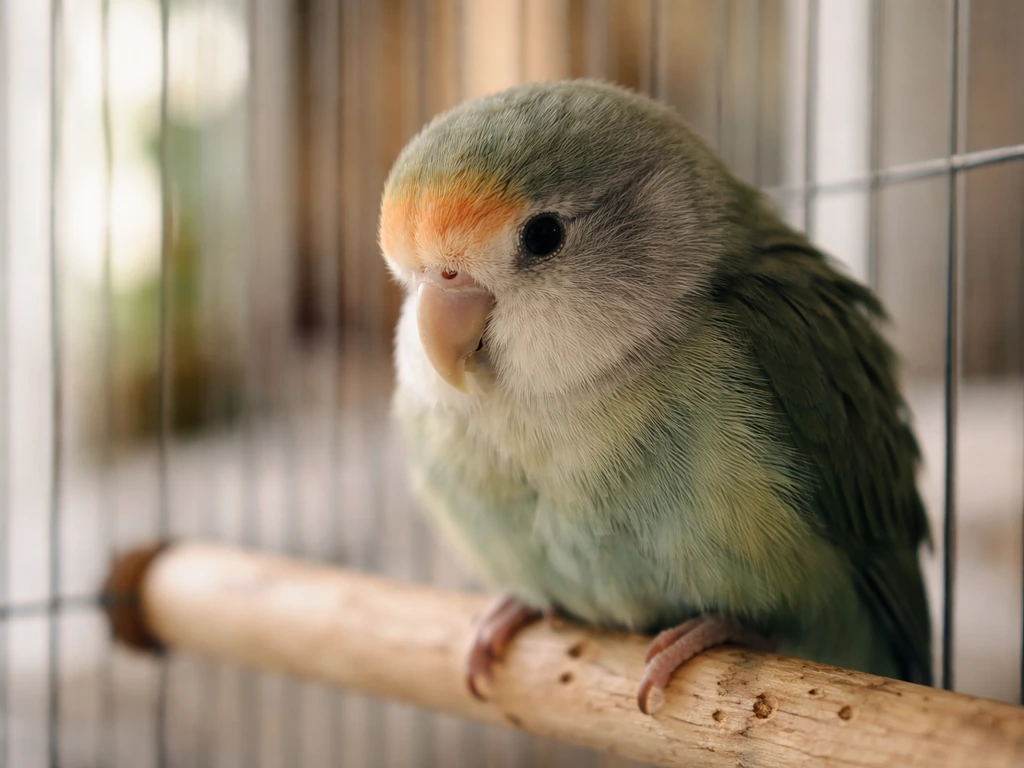
Why Is My Bird Making Whimpering Noises? What to Check
Find reasons for whimpering bird noises, quick home checks, and red flags for urgent vet care plus tracking tips.
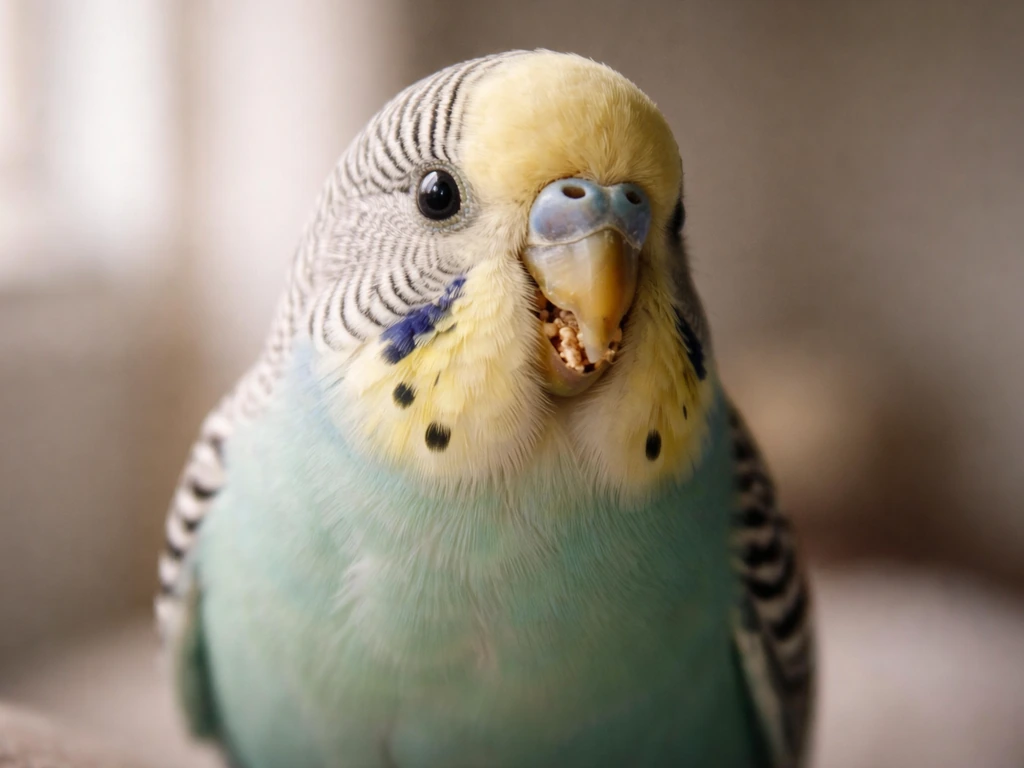
Why Does My Bird Make Crunching Noises? Causes and What to Do
Learn why your bird crunches, spot normal beak chewing vs breathing or crop issues, and what to do next.
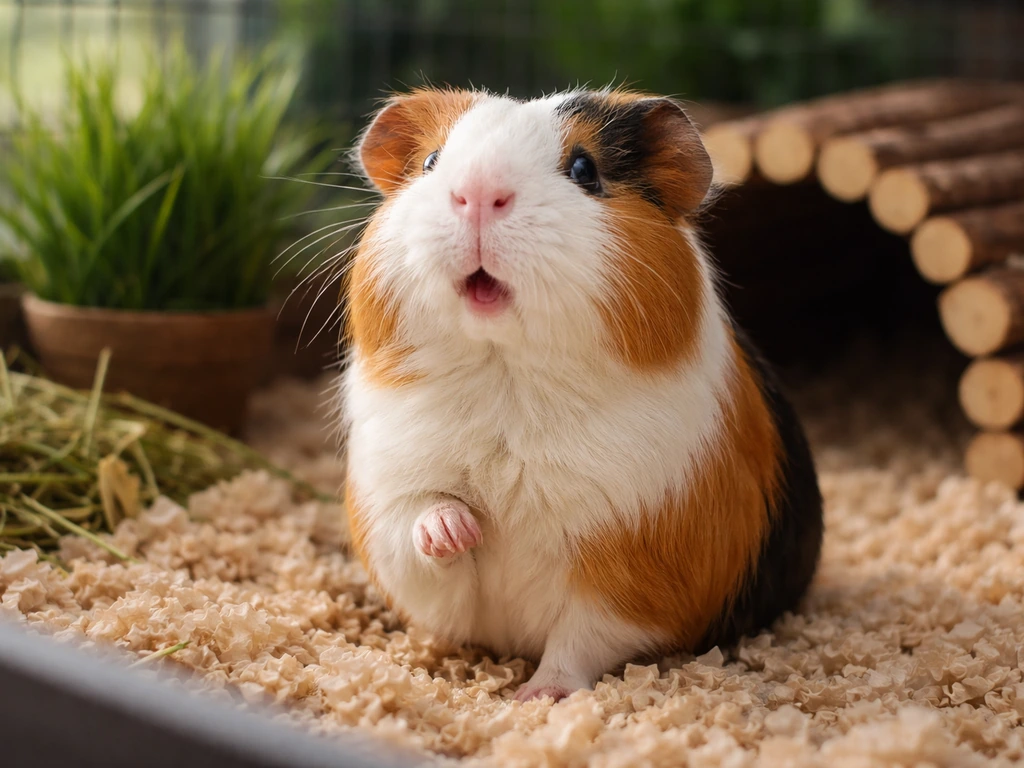
Why Do Guinea Pigs Make Bird Noises? Listen and Look
Learn why guinea pigs make bird like chirps and whistles, how to spot normal vs stress or illness, and when to see a vet