
You can start reducing your bird's hormonal behavior today by cutting daily light exposure to 10 hours, removing anything that looks or feels like a nest, and stopping the kind of petting that accidentally signals "mate" to your bird. Most birds calm down noticeably within two to four weeks when these triggers are consistently removed. The key is understanding that hormonal behavior is almost always driven by environmental cues your bird is picking up from its daily routine, and most of those cues are things you control. If you want a quick checklist for identifying hormonal behavior and what to change first, see our full guide on how to help a hormonal bird.
How to Stop Your Bird From Being Hormonal Safely

Marcus Chen
3 Jul 2026
How to tell if it's really hormonal behavior (and not something else)
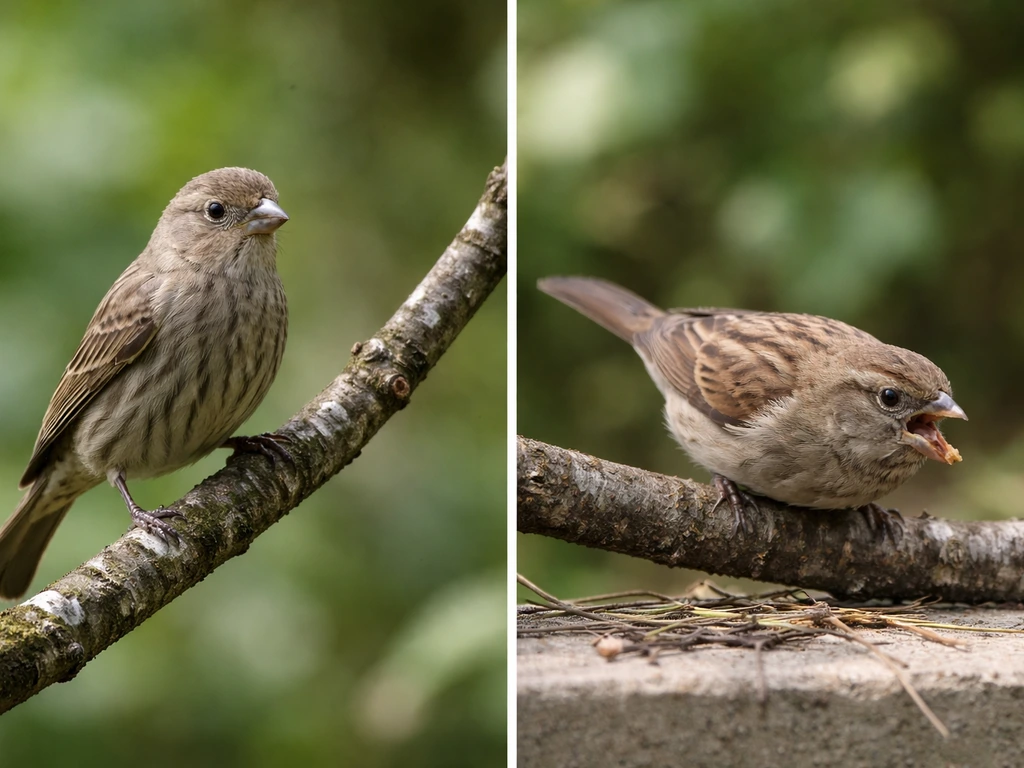
Hormonal or breeding-driven behavior looks different from everyday bird quirks. You're looking for a cluster of behaviors that appear or intensify seasonally or after a change in your bird's environment. Common signs include regurgitating food at you or a toy, increased screaming or vocalizing, territorial aggression (lunging, biting without warning), masturbating against perches or toys, seeking dark enclosed spaces, crouching with wings spread and tail raised, and in female birds, a noticeably wider abdomen or actual egg-laying.
Normal bird behavior that gets mistaken for hormonal includes the occasional head bob (usually excitement or attention-seeking), minor feather ruffling, and playful nipping. The difference with hormonal behavior is the intensity and persistence. A hormonally charged bird is often laser-focused on a specific person, toy, or spot in the cage, and it doesn't snap out of it the way a bird in a normal good mood does.
If you're not sure whether your bird is hormonal or just being quirky, check out the related article on how to tell if your bird is hormonal for a more detailed breakdown of the specific signs. Learn more about the specific signs to watch for in our guide on how to tell if your bird is hormonal.
One thing worth knowing: feather plucking that shows up alongside these behaviors may have a hormonal or stress-related component, but it can also signal a medical problem entirely unrelated to hormones. Skin infections, nutritional deficiencies, toxin exposure, and other health issues can cause plucking too. Skin infections, nutritional deficiencies, toxin exposure, and other health issues can cause plucking too, and feather-damaging behavior can also have psychological causes like stress and boredom when medical causes aren't found feather plucking can be caused by medical conditions such as skin disease, cancer, malnutrition, or toxins (and also psychological causes). Don't assume it's purely hormonal until a vet has ruled out medical causes.
Why your bird's body is doing this
Pet birds still carry the full reproductive programming of their wild counterparts. In the wild, breeding is triggered by seasonal cues: longer days, warmer temperatures, abundant food, and the presence of a mate or flock. In your home, your bird is reading those same signals from its environment, often without you realizing you're sending them.
The most common triggers in a home setting are extended light exposure (more than 12 hours of light per day), warm and stable temperatures year-round, a rich and constant food supply, nesting opportunities (dark enclosed spaces, shredded paper, cozy corners of the cage), and social or physical stimulation that mimics mate behavior. That last one catches a lot of owners off guard: petting your bird on the back, under the wings, or around the tail area sends a direct hormonal signal because that's how birds in a pair stimulate each other. Even a mirror or a favorite toy can become a "mate" in a bird's mind.
Some birds are more prone to this than others. Cockatiels, budgies, lovebirds, Amazon parrots, and cockatoos tend to be the most hormonally active species kept as pets. If you’re trying to figure out what breed is my bird, the best place to start is identifying species first, then looking at the specific coloration and body shape species kept as pets. Female birds can go into chronic egg-laying cycles that are physically exhausting and genuinely dangerous, while males tend to express it more through aggression and mate-seeking behaviors.
Changes you can make right now
Remove nesting cues immediately
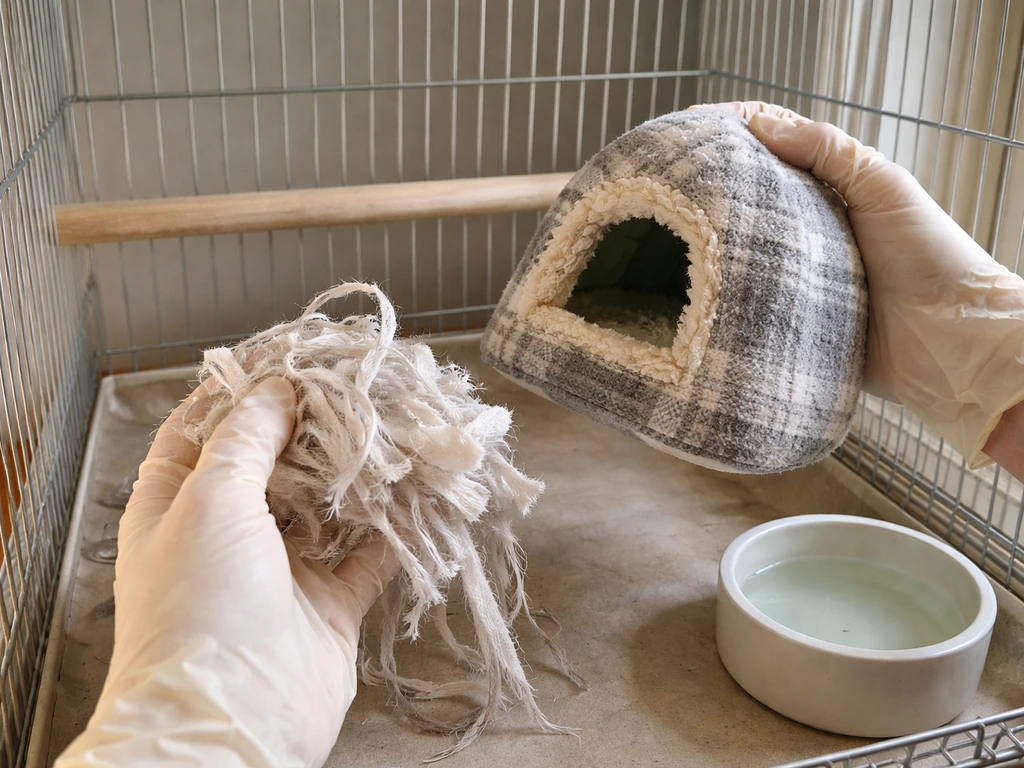
Go through your bird's cage today and remove anything that could function as a nest: nest boxes, huts, tents, covered sleeping areas, shredded paper or fabric strips, and any small dark enclosures your bird has been retreating into. If your bird is gravitating toward a particular corner of the cage or a specific toy, remove or rearrange those too. The goal is to eliminate any physical spot that your bird's brain registers as "good place to lay eggs and raise a family."
This step often has the fastest visible impact. Many birds will start to calm down within a few days once nesting sites are gone, because the brain is no longer getting that constant "nest is ready, time to breed" feedback loop.
Change how you handle your bird
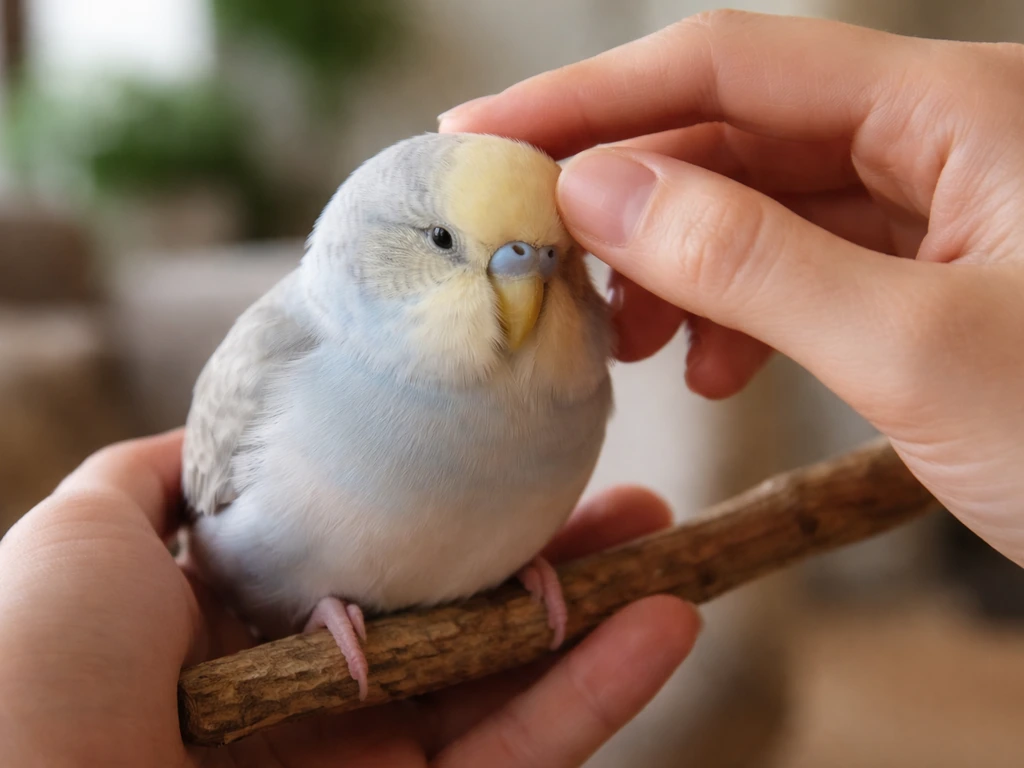
Stop petting your bird anywhere other than the head and neck. Back rubs, belly strokes, and under-wing touching all mimic mate-contact and directly stimulate hormonal responses. This is probably the hardest change for owners to make because it feels like you're being less affectionate, but it genuinely matters. Redirect that bonding energy into head scratches, talking, and training interactions instead.
Also limit the amount of time your bird spends pressing against you or sitting in your clothing. Some birds will seek out warm, dark spots inside a shirt or blanket, which again mimics a nesting environment. It feels cozy, but it's actively encouraging the hormonal state you're trying to reduce.
Manage mirrors and mate-like objects
If your bird has a mirror in its cage, take it out. Same goes for any toy it's been regurgitating at, sitting on possessively, or displaying breeding behaviors toward. Your bird is not aware that the mirror is just a reflection. To its brain, it's a potential mate, and every interaction with it reinforces the hormonal cycle.
Adjusting light, sleep, and the environment
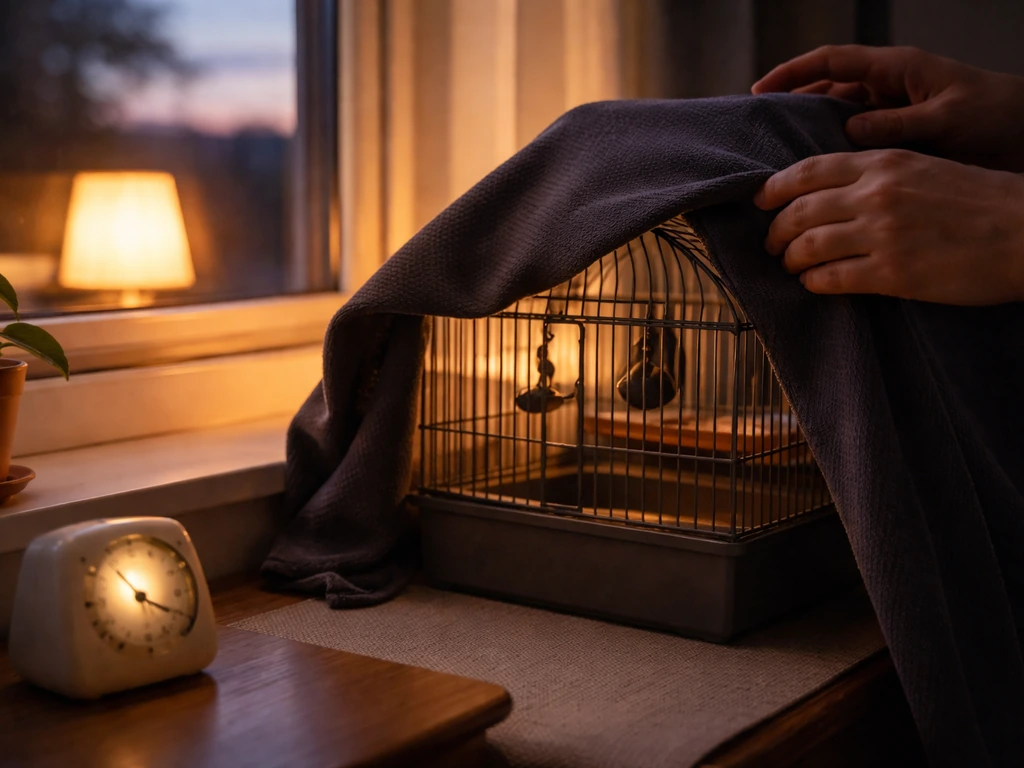
Light is the single biggest environmental driver of breeding behavior in pet birds. More daylight hours signal "breeding season" to your bird's hormonal system. The target is 10 to 12 hours of light per day, with a consistent and enforced dark period for sleep. If your bird is getting 14 or 15 hours of light because it's summer or because you leave lights on late, that alone can be enough to keep it in a near-constant hormonal state.
Cover the cage at the same time every evening to enforce the dark period. If your bird is in a room where ambient light from TVs, streetlights, or other sources comes in during the night, consider moving the cage to a darker room or using a cage cover that fully blocks light. Consistency matters here: irregular sleep schedules make hormonal regulation harder for your bird.
Cage placement also plays a role. A cage near a window with long afternoon sun exposure, or in a warm spot next to a heat source, can keep your bird's environment feeling like peak breeding season. Moving the cage to a slightly cooler, less sun-drenched location is a small change that can make a real difference.
Some owners find it helpful to intentionally break the routine by rearranging cage furniture (perches, toys, food positions) every few weeks. Unfamiliar environments feel less like a settled breeding territory to your bird, which mildly discourages territorial and nesting behavior. Don't overdo this to the point of stressing your bird, but a periodic shake-up does work.
Diet, bathing, and stress management
A diet heavy in seeds is the default for many pet birds, but it's not ideal for managing hormonal behavior. Seed-heavy diets are high in fat, and a rich, calorie-dense food supply is one of the natural signals that triggers breeding readiness. Transitioning your bird to a high-quality pelleted diet (supplemented with fresh vegetables and limited fruits) removes that "abundant food supply" signal and also supports better overall hormonal balance. Don't make the switch abrupt; transition gradually to avoid digestive stress.
Calcium is worth paying attention to for female birds especially. Egg production is a huge calcium drain, and a bird that's chronically egg-laying on a poor diet can develop serious health problems. Talk to your vet about whether a calcium supplement is appropriate for your bird's specific situation.
Regular bathing or misting is genuinely useful here, for two reasons. It gives your bird a positive environmental interaction that's not mate-focused, and it helps regulate body temperature in a way that's slightly less "comfortable breeding season" and more stimulating. Most birds enjoy a good mist a few times a week. Offer it as a positive enrichment activity.
Foraging enrichment is one of the best tools you have for managing hormonally driven stress and frustration. A bored bird with nothing to do will channel excess energy into breeding behaviors. Hide food in foraging toys, rotate enrichment items frequently, and give your bird problems to solve. This keeps the brain occupied with something productive and reduces the fixation on breeding-related activities.
When to stop managing at home and call the vet
Most hormonal behavior is manageable at home with the steps above. But there are specific situations where what looks like "hormonal" is actually a medical emergency or a health problem that needs professional attention.
Egg binding is the biggest risk for female birds. If you are asking, “is my bird pregnant,” remember that trouble passing an egg is an emergency that can look similar to pregnancy symptoms egg binding. This happens when a bird is producing eggs but cannot pass one. Signs include straining or pushing with the tail, sitting on the cage floor (a bird that normally perches), a visibly swollen or distended abdomen, tail bobbing, labored breathing, and lethargy or weakness. This is urgent. Egg binding can be fatal within hours if not treated. Do not wait to see if it resolves.
Cloacal prolapse is another serious complication of chronic reproductive activity, where tissue protrudes from the vent opening. If you see anything like this, it needs same-day veterinary care.
- Sitting on the cage bottom (not a perch) without obvious injury
- Straining or repeated pushing motions near the tail area
- Visibly swollen or hard abdomen
- Tail bobbing or labored breathing at rest
- Lethargy, weakness, or loss of appetite
- Discharge from the vent area
- Tissue visible outside the vent
- Feather plucking that does not respond to environmental changes (needs medical workup)
- Sneezing, weight loss, or other signs of illness alongside behavioral changes
Chronic egg-laying that doesn't respond to environmental management sometimes requires veterinary intervention beyond home care. A vet may recommend hormonal treatment using a GnRH agonist implant, which suppresses the reproductive cycle. The Merck Veterinary Manual notes that a GnRH agonist may be needed in some cases and that veterinary hormonal treatment can include a GnRH agonist implant to suppress the reproductive cycle. This is a real option for birds in a dangerous chronic-laying pattern, and it's worth asking about if your female bird keeps cycling regardless of what you change at home.
A simple 2 to 4 week plan
Here's a practical sequence to follow if you're starting today. The changes in the first few days address the most immediate triggers. The later steps support longer-term hormonal regulation.
- Day 1: Remove all nest boxes, tents, huts, and dark enclosed spaces from the cage. Remove mirrors. Take out any toy your bird has been displaying mating behaviors toward.
- Day 1: Start enforcing a 10-hour light and 14-hour dark cycle. Cover the cage at the same time each evening and uncover it at the same time each morning.
- Day 2 to 3: Stop all non-head petting. Redirect physical bonding to head and neck scratches only. Stop allowing your bird to nest in your clothing.
- Day 3 to 5: Review cage placement. Move away from direct sun exposure or heat sources if needed. Consider rearranging perch and toy placement inside the cage.
- Week 1 to 2: Begin transitioning from a seed-heavy diet toward pellets and fresh vegetables. Introduce foraging toys and rotate enrichment regularly.
- Week 2 to 3: Assess progress. Note whether territorial aggression, regurgitation, or nesting-seeking behavior has decreased in frequency or intensity.
- Week 3 to 4: If improvement is minimal, look for triggers you may have missed: a partner bird that's still in visual contact, ambient light at night, seasonal heat from a window, or toys that haven't been removed.
- If no improvement after 4 weeks of consistent changes: Schedule a vet visit to rule out medical causes and discuss whether hormonal treatment is appropriate.
Troubleshooting if nothing seems to work
If your bird keeps returning to nesting behavior despite consistent environmental changes, look harder at the subtle triggers. A second bird in the household (even in a different cage) can keep your bird in a hormonally active state through visual and auditory contact. Seasonal timing matters too: birds often have an annual peak, and a bird in mid-cycle may take longer to calm down than one caught early. July is late in the typical spring breeding peak for many species in the northern hemisphere, which means your bird may already be starting to wind down naturally, but pushing through with consistent management will speed that up.
Some birds, particularly single female cockatiels and budgies, are chronic layers regardless of environmental adjustments. If your bird is in that category, the conversation with your vet about hormonal management is genuinely worth having. It's not a failure of management; some birds are just wired to lay frequently and need medical support to stay safe.
Finally, avoid the common mistake of compensating for reduced petting by increasing treat-feeding. Extra food, particularly fatty seeds and high-calorie treats, is itself a breeding trigger. Keep the diet consistent and lean during this period, and channel bonding into play, training, and foraging activities instead.
FAQ
How long does it usually take to see improvement after I change the light, remove nests, and stop mate-stroking?
Many birds show noticeable calming within 2 to 4 weeks, but you may see a first shift in 2 to 7 days when nesting spots are removed. If there is no reduction in intensity after 4 weeks of consistent changes, review hidden triggers like mirrors, dark corners, or extended lighting from TVs or streetlights.
Is 10 hours of light always the right target, or can I reduce more?
Use caution with drastic reductions, because very short days can create stress. A safer adjustment is aiming for 10 to 12 hours of light with a reliably enforced dark period, then adjust gradually only if your bird tolerates it well and keeps normal appetite and activity.
My bird gets hormonal at a specific time of day, what should I check first?
Check your room’s lighting schedule and temperature at that time, especially if lights, cooking, TV, or sunlight through windows changes during that period. Also look for a consistent routine trigger, like the time you sit near the cage or begin training, because mate-feeling can be linked to that pattern.
Can I still pet my bird at all while I’m trying to stop hormonal behavior?
Yes, keep contact to the head and neck only, avoid belly, back, under-wing, and tail-area touch. If your bird leans into your hand in a way that suggests mating (crouch, tail up, rubbing), stop the contact and switch to head scratches or a supervised foraging activity.
What if my bird is regurgitating at me, but I also notice it wants to cuddle?
Regurgitation is a strong mate-prompt signal, even if it looks affectionate. Immediately interrupt the interaction and redirect to a neutral activity (training station, chew toy, or foraging), and avoid rewarding the behavior with attention or treats right after it happens.
Should I remove all toys, or only certain ones?
Don’t remove everything. Target items that encourage nesting or mating, like huts, tents, shredded fabrics, and toys your bird repeatedly regurgitates on or guards. If a specific toy is consistently involved, rotate it out temporarily and replace with foraging and chew options.
Do mirrors always need to be removed?
If the mirror reliably triggers mate-seeking, aggression, or breeding posture, remove it. If your bird ignores it, you may be able to keep it temporarily, but start by covering the mirror for several weeks while you enforce light and nest removal, then reassess behavior.
My bird is nesting in paper towels or cardboard, what counts as a nest in practice?
Anything that becomes a dark enclosed space or a shreddable nest material. Common culprits include rolled towels, tissue piles, paper bags, and loose cage liners that allow your bird to build. Use only simple, controlled bedding or liners and remove easy-to-shape materials.
Can a second bird in another cage cause hormonal behavior even if they never touch?
Yes. Visual and auditory contact can keep your bird in a breeding mindset, even through a barrier. If you suspect this, consider partial cage separation (different room or stronger visual blocking) and reduce direct sightlines for several weeks to test whether hormones calm down.
Is seed-heavy feeding actually making hormones worse?
It can. A rich, calorie-dense diet, especially higher-fat seeds, can act like an abundance signal. If you’re switching to pellets, do it gradually over weeks to avoid digestive upset, and keep treats small and infrequent during the management period.
Do I need to add calcium supplements to stop hormonal behavior in female birds?
Calcium may be important for egg production risk, but it is not a direct “hormone stop” tool and the right amount depends on the bird and its diet. Ask your avian vet before supplementing, especially if your bird is not currently egg-laying or if it already gets fortified foods.
Is bathing or misting a good idea if my bird is hormonal?
Often yes, it can redirect attention and improve comfort. Keep it consistent and avoid bathing in ways that trigger mate behavior (for example, if your bird becomes overly fixated on you during misting, switch to a separate misting routine or a shallow dish option).
What are the most important medical red flags that mean I should call a vet immediately?
Urgent cases include straining to pass an egg, a distended abdomen, sitting on the floor with weakness, labored breathing, or visible tissue protruding from the vent. Egg binding can become fatal quickly, so do not wait for environmental tweaks if these signs appear.
If my bird keeps cycling despite doing everything, is medication an option?
Yes, for certain chronic patterns a vet may use hormonal suppression such as a GnRH agonist implant. This is typically considered when home management is consistent but behavior remains dangerous, especially with repeated egg-laying or worsening physical strain.
Can rearranging the cage help, and how often is too often?
Rearranging can help mildly by reducing fixation on a single territory. Aim for small changes every few weeks, not daily, because constant disruption can add stress and undermine progress. Keep food, perches, and access to basic routines predictable.
Next Articles
How to Tell If Your Bird Is Hormonal: Signs and Steps
Learn how to tell if your bird is hormonal by spotting mating signs, triggers, and red flags needing a vet.
How to Help a Hormonal Bird: Step-by-Step Relief
Step-by-step tips to calm a hormonal bird by managing light, cage setup, triggers, diet, and vet warning signs.
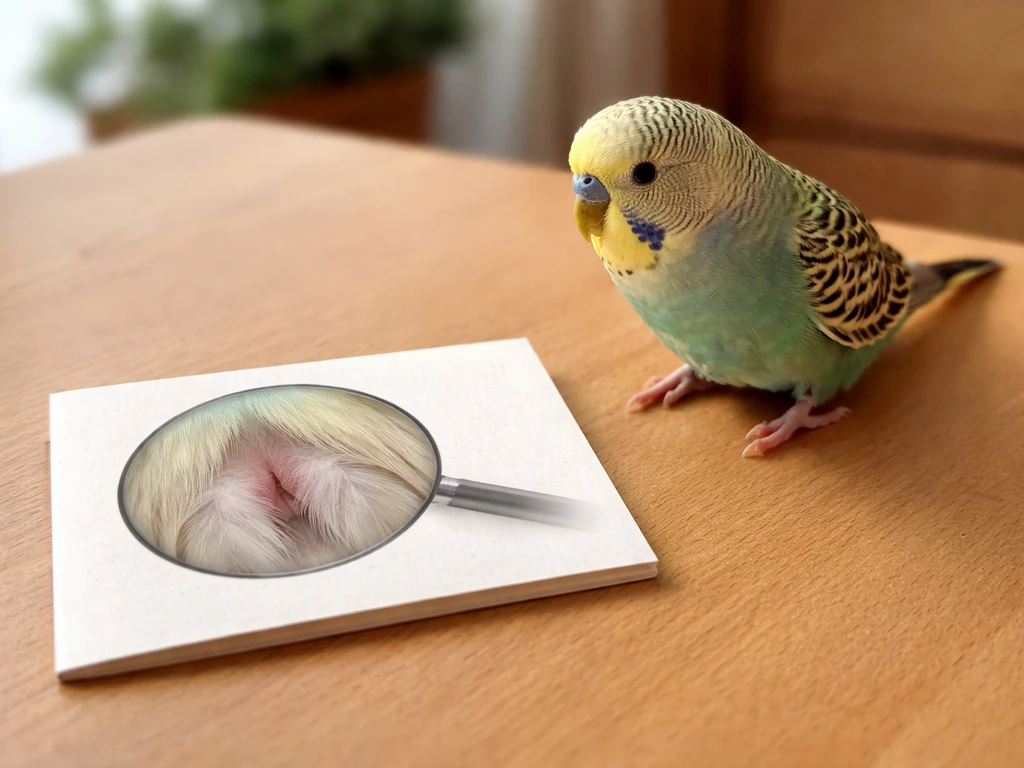
Is My Bird Pregnant? Signs, Egg Laying vs Health Issues
Learn if your bird is egg-laying or ill, with a safety checklist, timelines, and vet-now red flags for pregnancy confusi