
A bird that suddenly can't balance, stumbles on the perch, trembles, or falls to the cage floor is telling you something is wrong, and in most cases it needs attention today. Some causes are manageable with quick home support while you arrange a vet visit, but others (toxin exposure, seizures, severe weakness) are genuine emergencies where every hour matters. The most common culprits are toxic fumes or heavy metal ingestion, a neurologic problem, an injury, an active infection, or a nutritional deficiency. Read through this guide, run the quick home checklist, and use the triage guidance to decide how fast you need to move.
Why Is My Bird Wobbly All of a Sudden? Causes and What to Do

Marcus Chen
24 May 2026
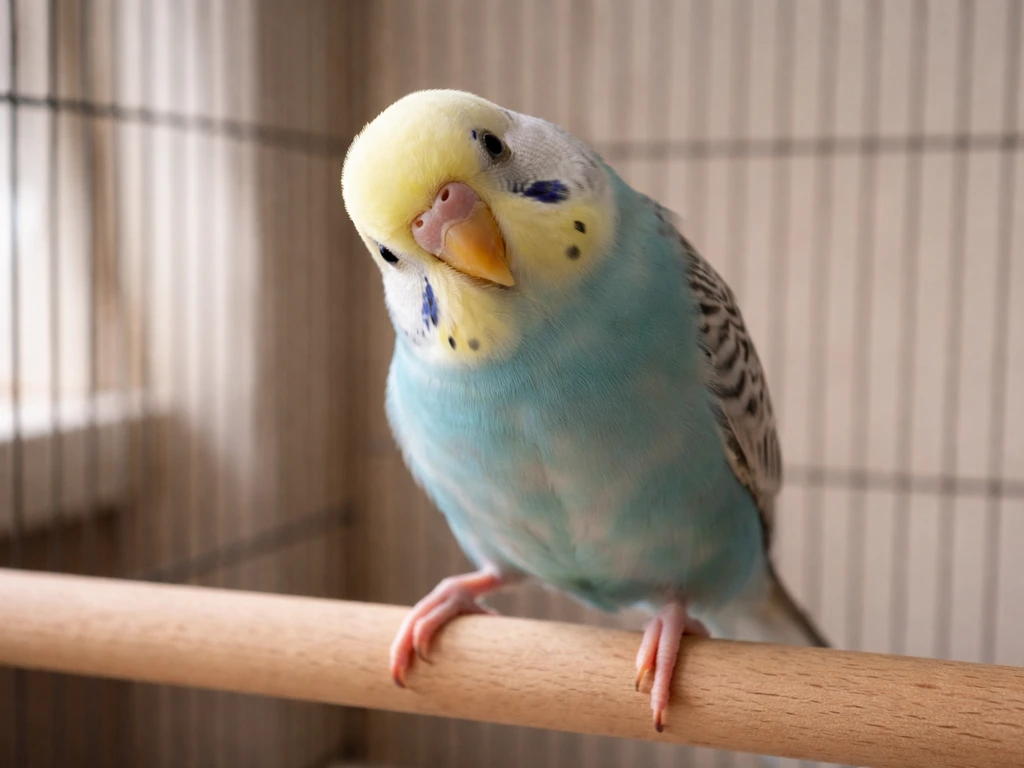
What 'wobbly' actually looks like in birds
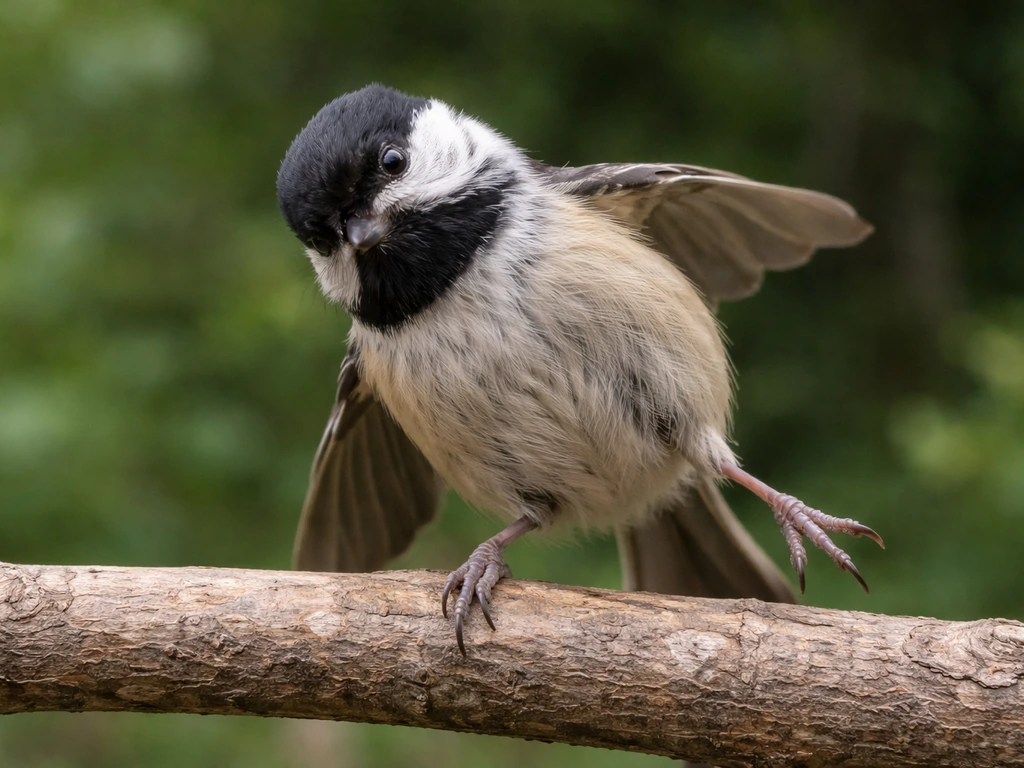
Before jumping to causes, it helps to name what you're actually seeing, because the specific type of wobbliness points toward different problems.
- Loss of balance or coordination (ataxia): the bird stumbles, sways, grabs wildly at the perch, or falls off entirely
- Tremors or shaking: fine or coarse trembling of the head, neck, wings, or legs that comes and goes or is constant
- One-sided weakness: one leg or wing droops, the bird lists noticeably to one side, or it can only use one foot to grip
- Head tilt: the head is persistently rotated or tilted to one side, sometimes with the eyes rolling (nystagmus)
- General weakness: the bird sits low on the perch, fluffs up, and moves slowly rather than having an obvious tremor
- Stumbling on the cage floor: the bird can't stand properly, falls over, or walks in circles
Wobbliness that comes on suddenly, within hours, is the most urgent pattern. A bird that has been slowly getting weaker over days is still concerning, but sudden onset after a specific event (cooking, cleaning, a fall, a new food) raises the urgency level immediately. You may also notice side-by-side movement issues that look different from wobbliness, such as the rhythmic side-to-side walking some birds do normally. The key word in this situation is sudden.
Is this an emergency right now?
Some presentations need an avian vet or emergency exotic animal clinic within the hour. Do not wait for a morning appointment if you see any of these signs.
- Open-mouth breathing or tail-bobbing with every breath
- Active seizure or repeated seizure-like episodes
- Complete collapse: bird is lying on the cage floor and cannot right itself
- Wobbliness started immediately after you were cooking with nonstick cookware, using an air fryer, ironing with a coated iron, or using aerosol sprays or strong cleaning products in the home
- Suspected trauma: bird flew into a window, fell from height, or was stepped on
- Sudden neurologic changes after possible exposure to metal objects (chewing on cage bars, blinds, costume jewelry, or painted surfaces)
- Any combination of wobbliness plus labored breathing plus rapid deterioration over minutes to an hour
The fume and cookware scenario deserves special emphasis. PTFE (polytetrafluoroethylene, the coating used in nonstick pans and many kitchen appliances) releases extremely toxic gases when overheated. One study found that 97% of birds exposed to PTFE pyrolysis products for nine minutes or more showed clinical signs or died. If you were cooking and your bird suddenly became wobbly or is now breathing with its mouth open, treat it as a poisoning emergency. Open windows, remove the bird from the kitchen area immediately, and call an avian vet or emergency clinic right now.
The most likely causes of sudden wobbliness
Neurologic problems
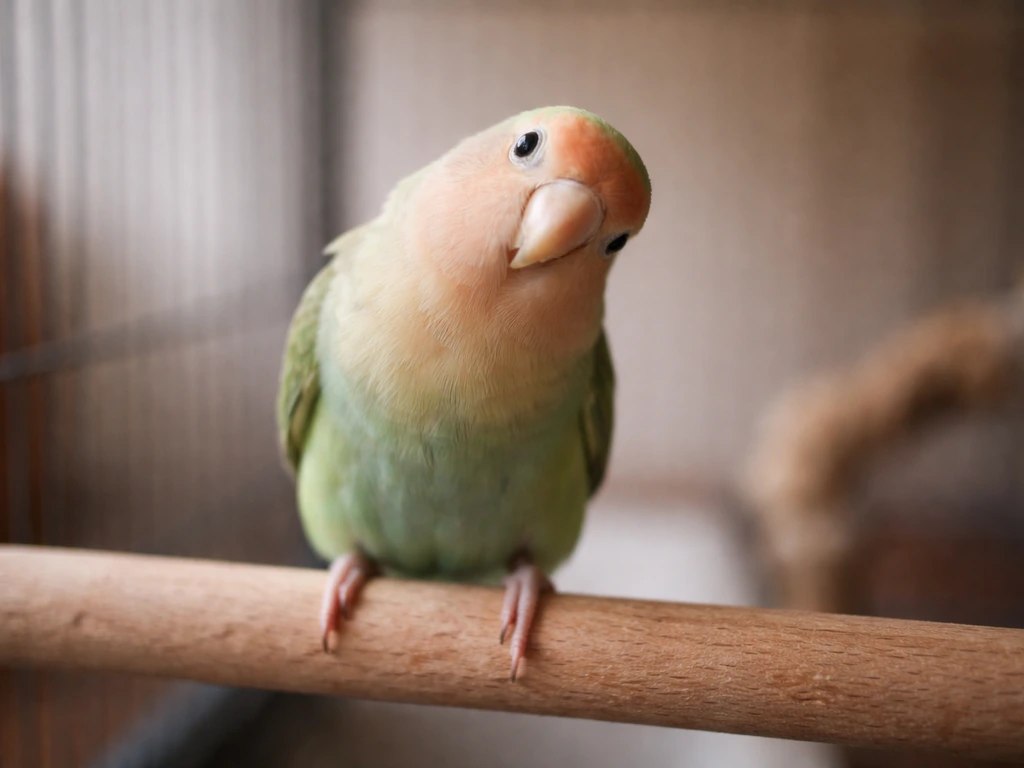
Neurologic disease is one of the top causes of sudden imbalance, tremors, or head tilt in pet birds. Head bobbing up and down can be a type of tremor or neurologic sign, so it still fits the “sudden imbalance” warning category and needs prompt evaluation. This covers a wide range, from viral infections (West Nile virus, Newcastle disease, avian bornavirus associated with proventricular dilatation disease) to physical causes like a stroke or space-occupying lesion.
West Nile can cause ataxia, head tilt, nystagmus, tremors, and hind limb weakness. Avian bornavirus has been linked to uncoordinated movements, tremors, difficulty balancing, and seizures. These conditions require a vet to diagnose, usually with bloodwork, imaging, and sometimes specialized tests. A bird with a persistent head tilt, circling, or eye rolling alongside wobbliness has neurologic involvement until proven otherwise.
Injuries and physical trauma
A bird that hit a window, fell from a high perch, had a close encounter with another pet, or was accidentally stepped on can sustain head trauma, spinal injury, or internal bruising that shows up as wobbliness. Even a seemingly minor collision can cause a concussion-level impact in a small bird. If you witnessed a fall or impact recently, that's a strong clue. Check for any obvious asymmetry, a dropped wing, or a leg that isn't bearing weight normally. Injuries need veterinary stabilization, and trying to manipulate the bird at home risks making things worse.
Toxins, fumes, and medications
Besides nonstick cookware fumes, birds can be poisoned by heavy metals like lead and zinc, both of which cause neurologic signs and weakness. Common household sources include old cage bars, costume jewelry, galvanized wire, certain paints, mirror backings, curtain weights, and decorative items the bird has been chewing on. Lead toxicosis specifically causes neurologic signs and labored breathing.
The MSD Veterinary Manual notes that signs of poisoning in birds can include labored breathing along with neurologic signs labored breathing and neurologic signs.
Zinc toxicosis produces weakness along with GI signs like regurgitation, increased thirst, and abnormal droppings. Aerosol sprays, cleaning products, scented candles, air fresheners, and cigarette smoke can all cause respiratory and neurologic symptoms in birds. If your bird has been given any medication recently, especially a new one, that's worth mentioning to your vet as a potential cause too.
Infections
Bacterial, viral, fungal, and parasitic infections can all produce wobbliness as a symptom, usually alongside other signs. Chlamydiosis (psittacosis) can cause systemic illness with lethargy and neurologic involvement. Avian encephalomyelitis, a viral CNS disease, presents with tremors, ataxia, and weakness that can progress to paralysis. Newcastle disease causes ataxia and neurologic signs including head tilt and uncoordinated movement. Trichomoniasis (caused by Trichomonas gallinae) can produce difficulty standing and balance problems alongside oral/throat lesions in some species. Any infection that causes high fever or spreads to the nervous system can produce sudden wobbliness, which is why a vet needs to sort out the specific cause rather than you guessing at home.
Nutritional deficiencies
Vitamin E deficiency is associated with encephalomalacia (a brain softening condition) that presents with ataxia and head tremors in birds. Thiamine (vitamin B1) deficiency can cause neurologic deficits and ataxia-like signs over time. These tend to develop more gradually, but they can be the background condition that suddenly tips over into obvious wobbliness. A bird on a seed-only diet with no variety is at higher risk. If you haven't changed anything recently and the diet has been poor for a while, nutritional causes are worth discussing with your vet.
Environmental and husbandry factors to check
Sometimes the cause is hiding in the bird's immediate environment rather than being a disease process. Run through these before and after you do the home observation checklist.
- Temperature and drafts: birds are sensitive to temperature drops and cold drafts from windows or air conditioning vents placed too close to the cage. A bird that's too cold will fluff up, become lethargic, and may lose coordination. A healthy ambient cage temperature is around 65 to 85°F for most pet birds.
- Perch setup: a perch that's too wide, too slippery, or positioned awkwardly can cause a bird to struggle and appear wobbly when the perch itself is the problem. Check that perches are the right diameter for the bird's foot so the toes wrap about three-quarters of the way around.
- Food and water access: a bird that's been unable to reach food or water due to a sick or dominant cagemate, a repositioned dish, or illness may be weak from hunger or dehydration. Check that dishes are accessible and that the bird has been eating.
- Stress and recent changes: a new pet, loud noise, a new cage location, a major household disruption, or a prolonged scare can trigger acute stress responses. Sustained stress can also suppress the immune system, making birds more vulnerable to infections.
- Recent diet changes: introducing a new food that turns out to be harmful (avocado, chocolate, onion, excessively salty foods), or a sudden switch that caused digestive upset, can contribute to weakness and instability.
- Airborne household hazards: scented candles, plug-in air fresheners, cooking fumes (not just nonstick), incense, paint fumes, and aerosol cleaners used in the same room as the bird all represent genuine toxin risks.
Home observation checklist
Before you call the vet or head to an emergency clinic, spend five to ten minutes gathering observations. This information will directly speed up your vet's assessment, and it will also help you gauge urgency. You don't need to pick up or stress the bird to do most of this.
What to observe from outside the cage
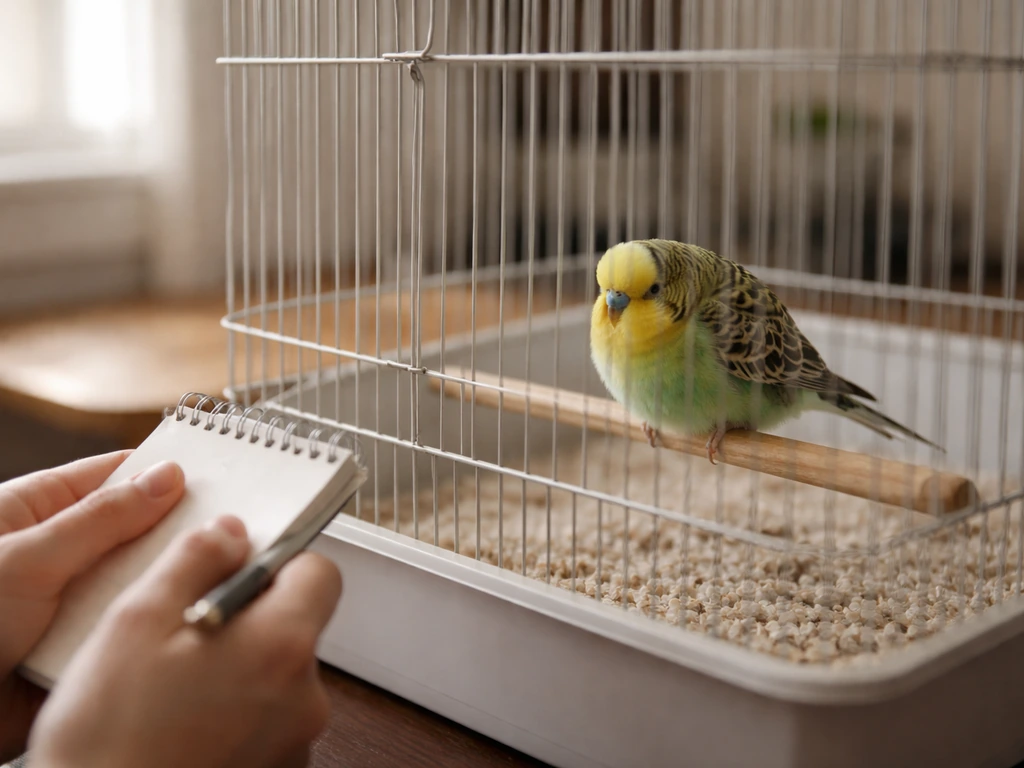
- Posture: is the bird perching normally or sitting low? Is it fluffed up? Is it leaning to one side?
- Breathing: is it breathing with its mouth open? Is the tail bobbing with each breath? Can you hear clicking, wheezing, or labored breathing?
- Eyes: are both eyes open and alert? Is there any discharge, squinting, or rolling/flickering (nystagmus)?
- Head position: is the head tilted to one side, or is the bird rolling its head back (opisthotonus)?
- Limbs: are both feet gripping the perch? Is one wing drooping lower than the other? Does one leg look weak or held out at an unusual angle?
- Tremors: are they constant or intermittent? Do they affect the whole body or just the head/neck?
- Droppings: look at the cage floor. Are droppings normal in color and consistency? Unusual droppings (green-tinged urates, very watery, very dark, or bloody) point toward specific causes.
- Appetite: has the bird been eating today? Is food being dropped from the beak? Is the crop visible and normal-looking?
- Feather condition: sudden puffing is a sign of illness. Are feathers normal or ruffled beyond what's typical?
- Activity level: is the bird alert and watching you, or dull and unresponsive?
What to check in the environment
- Was any cooking happening in the last two hours? What type of cookware was used?
- Were any aerosols, cleaning products, candles, or paints used in the home today?
- Has the bird had access to anything metal it could have chewed on: cage bars, toys with metal components, blinds, or household items?
- Did anything unusual happen recently: a fall, a fright, a visitor, a new pet introduced?
- When did you last see the bird acting completely normally? Was the onset sudden (minutes to hours) or gradual (days)?
- Has the diet changed recently, or has anything new been offered?
What NOT to test at home
Don't try to assess a wobbly bird by holding it in unusual positions, manipulating its head or limbs to test responses, or encouraging it to fly to test coordination. Handling a stressed, sick bird can tip it into respiratory distress quickly. If you need to move the bird, do it gently and keep it as warm and calm as possible. Avoid offering unusual foods or supplements as a 'fix' without vet guidance, especially calcium supplements or anything you haven't confirmed is safe.
What to do right now: supportive care vs. emergency action

Reasonable supportive care while you arrange help
These steps are appropriate while you're calling the vet or driving to the clinic. They don't treat the underlying cause, but they reduce the chance of the bird deteriorating further.
- Warmth: a sick bird loses heat fast. Keep the room warm (around 80 to 85°F is appropriate for an ill bird) or use a heating pad set to low under half of the cage so the bird can move away if it gets too warm. Do not use a heat lamp directly on a small cage without monitoring.
- Reduce fall risk: lower perches or remove them temporarily and place food and water dishes on the cage floor where the bird can reach them without needing to balance. A wobbly bird on a high perch can fall and injure itself.
- Limit handling and stress: cover three sides of the cage to reduce visual stimulation and keep the bird calm. Minimize household noise and activity near the cage.
- Hydration and food access: make sure fresh water is reachable from the floor level. Offer familiar foods the bird normally eats. Do not force-feed.
- Ventilate if fume exposure is suspected: move the bird to a fresh-air area immediately, open windows if safe to do so, and keep the bird away from the kitchen.
What not to do
- Don't give any over-the-counter medications, vitamins, or supplements without vet guidance
- Don't try to force-feed or give water by dropper unless specifically instructed by a vet
- Don't put the bird in a completely enclosed space without airflow
- Don't wait more than a few hours if the bird is deteriorating, even if it's not showing the most severe emergency signs listed above
- Don't assume 'wait and see' is appropriate for sudden-onset wobbliness with no obvious benign explanation
When to go to an emergency clinic vs. wait for an avian vet
| Situation | Action |
|---|---|
| Open-mouth breathing, collapse, active seizures, or known fume/toxin exposure | Emergency clinic now, do not wait |
| Sudden onset, bird on cage floor, severe weakness within hours | Emergency clinic now or first available avian vet today |
| Wobbly but still perching, eating, and alert, with no known toxin exposure | Call avian vet for same-day or next-morning appointment |
| Gradual mild wobbliness over several days with no acute signs | Avian vet appointment within 24 to 48 hours |
| Resolved on its own after removing a cold draft or stress trigger | Still worth a vet call to confirm no underlying issue |
What your avian vet will want to know
The more specific information you bring, the faster your vet can narrow down the cause. Avian diagnostics can involve bloodwork (CBC and chemistry panel), radiographs (X-rays), fecal examination, Gram stain of crop fluid or droppings, and specialized tests like blood lead levels or PCR testing for specific viruses. A good history dramatically reduces the time it takes to get to a diagnosis.
Information to bring or have ready
- Exactly when the wobbliness started and how quickly it came on (minutes, hours, or days)
- What the bird was doing or what was happening in the home at the time it started
- Any cooking, cleaning, painting, or aerosol product use in the home in the past 24 hours
- Any metal objects the bird has had access to and whether it was seen chewing on them
- The bird's normal diet and whether anything has changed recently
- Any medications the bird is on or has recently started
- A description of current droppings (take a photo if possible)
- Whether any other birds in the home are showing similar signs
- The bird's age, species, and how long you've had it
- Whether the bird has been vaccinated or had prior health issues
What the diagnostic pathway typically looks like
Your vet will likely start with a physical exam that includes assessing the bird's neurologic responses, respiratory effort, weight, crop, and overall condition. From there, bloodwork is often the first test, since a chemistry panel and CBC can reveal signs of infection, liver or kidney involvement, or nutritional deficiencies. Blood lead and zinc levels can be checked if metal toxicosis is suspected. Radiographs can show whether there's an injury, a mass, or metal fragments in the GI tract. Fecal testing and Gram stain help rule out parasites and bacterial infections. More specialized viral or PCR testing may follow depending on what the initial results show. The goal at the first visit is usually stabilization first, then identifying the underlying cause.
It's also worth knowing that some of the conditions associated with wobbliness, like neurologic signs after fume exposure, require oxygen therapy and supportive care that simply can't be replicated at home. Getting the bird to a vet quickly is the most important thing you can do. If you’re dealing with the specific issue of your bird flying or repeatedly landing on your head, use the same urgency mindset and get veterinary guidance get the bird to a vet quickly. While you're waiting for that appointment, your job is to keep the bird warm, calm, safe from falls, and away from any further environmental hazards.
If you've been monitoring your bird and noticed other signs alongside the wobbliness, such as the eyes closing frequently, changes in how the bird is holding its head, or unusual movement patterns, each of those details is useful data to share with your vet and can help build a clearer picture of what's going on.
FAQ
If my bird is wobbly but still perching, should I wait or treat it as an emergency?
If the wobbliness started within hours, plan on same-day avian or emergency evaluation, even if the bird is still on the perch. Birds can look temporarily stable and then worsen quickly with toxins, seizures, or neurologic disease, so “watch and wait” is risky for sudden onset.
What breathing signs mean I should call the emergency clinic immediately?
Mouth-open breathing, rapid breathing, gasping, or persistent open-mouth posture (especially after cooking or using aerosols) are red flags. Pair this with wobbliness and treat it as a poisoning or respiratory emergency while you remove the bird from the hazard area.
Could I be seeing normal “side-to-side” movement rather than true wobbliness?
Some birds have rhythmic side-to-side walking that is usually consistent and not accompanied by stumbling, head bobbing, falling, or sudden coordination changes. If the pattern is new, sudden, or combined with falls, tremors, or eye abnormalities, it should be treated as abnormal balance loss.
Should I try to test the bird’s neurologic ability by moving its head or legs?
No. Avoid manipulating the head, legs, or body to “check reflexes,” and don’t encourage flight to see if it can balance. Handling can increase stress and make breathing worse, and it can worsen injury if the cause is trauma.
What’s the safest way to move a wobbly bird to the car or carrier?
Use gentle, minimal handling. Keep the bird warm, steady, and supported in a small container or carrier with padding to prevent falls. Place the container in a quiet area to reduce stress, and avoid sudden temperature changes.
My bird chewed something metallic. How quickly could metal poisoning cause wobbliness?
Wobbliness can appear quickly after ingestion depending on the metal and amount. If chewing happened recently and the bird is now unsteady, contact an avian vet urgently and mention the suspected item (for example, galvanized wire or jewelry), since the treatment and testing differ by metal.
If I used a nonstick pan earlier, how long after cooking could symptoms show up?
Symptoms can develop soon after PTFE-containing fumes or overheated coatings, so any sudden imbalance after cooking should be treated as time-critical even if you think the bird “was fine for a while.” When in doubt, remove the bird from the kitchen area and call emergency guidance.
Can infections cause wobbliness without obvious fever or being very sick?
Yes. Some neurologic infections may start with coordination problems before dramatic systemic signs appear. That’s why “not that lethargic” does not rule out urgent neurologic or infectious causes, especially with sudden onset.
My bird had a head tilt and wobbling only on one side. Is that still neurologic or could it be an injury?
Both are possible. One-sided weakness or head position can reflect trauma, stroke, or a focal neurologic problem. Because the underlying cause changes treatment, report any asymmetry, wing or leg favoring, and any recent impacts to the vet.
Do I need to change the diet or add supplements while waiting for the vet?
Do not start new supplements or offer “fix” foods without veterinary guidance. If nutrition is a contributor, correcting it takes time and the priority is stabilization. Unnecessary supplements can also interfere with diagnosis or make illness worse.
What should I write down for the vet to speed up triage?
Note the exact time wobbliness began, what changed in the last 24 hours (cooking, cleaning, aerosols, new cage items, new meds, a fall), breathing pattern, appetite, droppings changes, and whether the bird shows head tilt, tremors, circling, or eye abnormalities. This reduces diagnostic delay.
If the vet suspects toxins or heavy metals, what testing should I expect?
Expect bloodwork and, when metal ingestion is suspected, blood lead and zinc testing. Imaging (radiographs) may also be used to look for fragments, and the history of chewable household items helps decide which tests to run first.
My bird lands on its head repeatedly. Does that change how urgent this is?
Yes, repeated head-first landings or inability to coordinate placement suggests a serious balance or vision-neurologic issue. Treat it as urgent, not a behavioral quirk, and get veterinary guidance promptly while keeping the bird in a safe, fall-resistant setup.
Next Articles
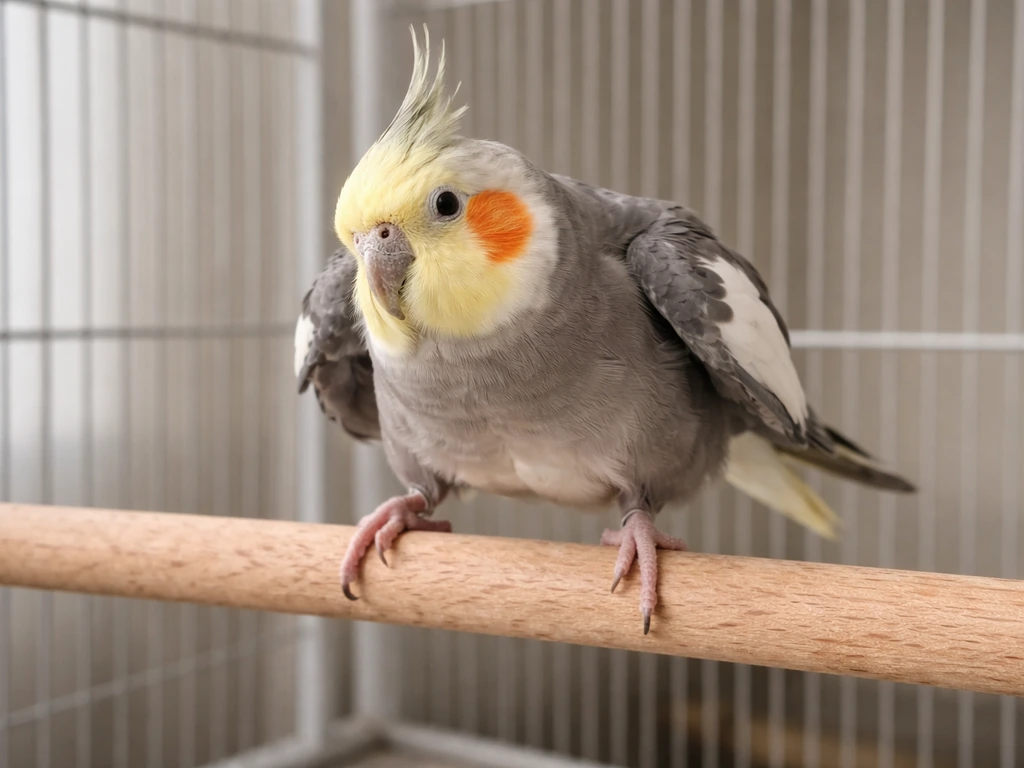
Why Is My Bird Walking Side to Side? Causes and What to Do
Learn why your bird walks or moves side to side, how to spot balance vs illness signs, and what to do now.
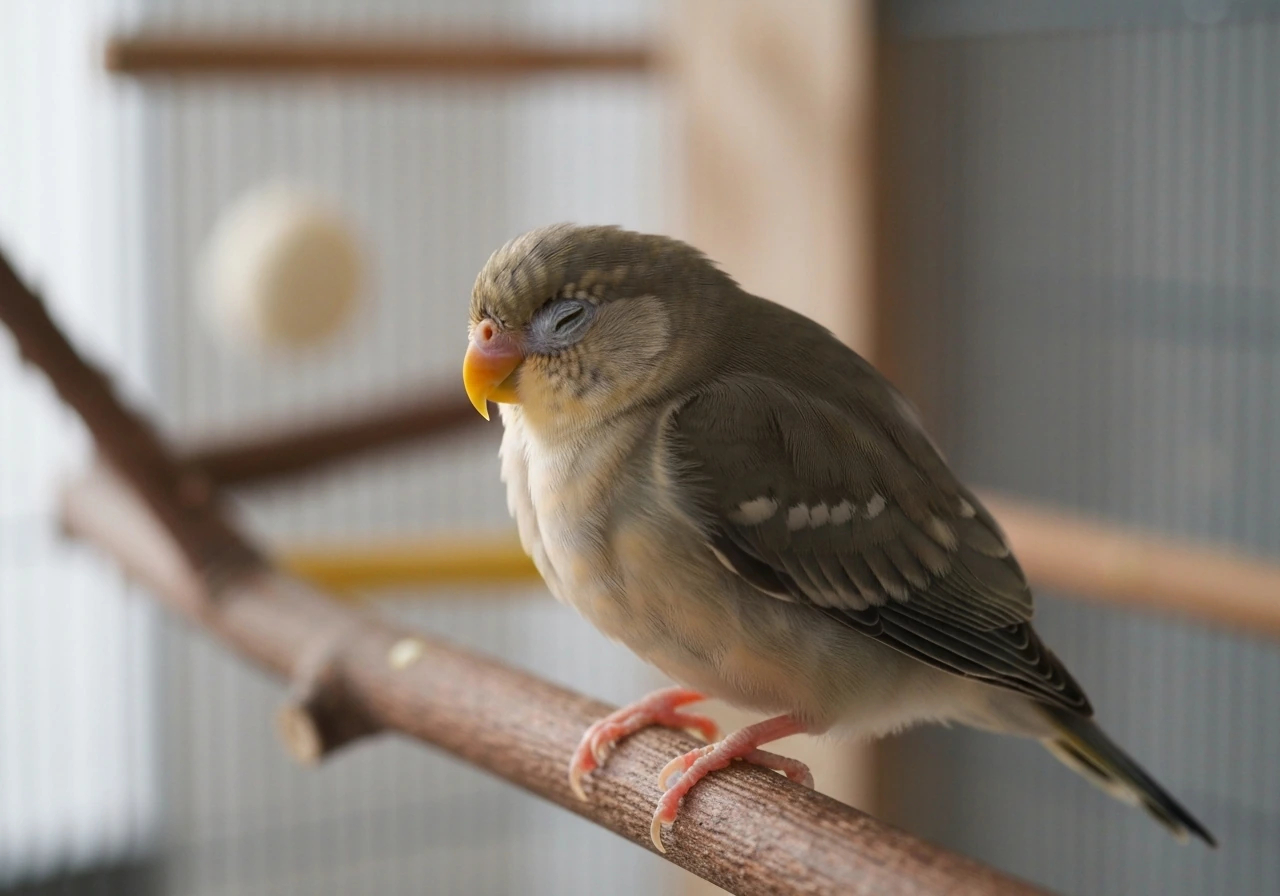
Why Is My Bird Closing Its Eyes? One Eye at a Time Guide
Understand one-eye eye closing in birds, spot irritation vs pain, do safe checks, and know when to see an avian vet.
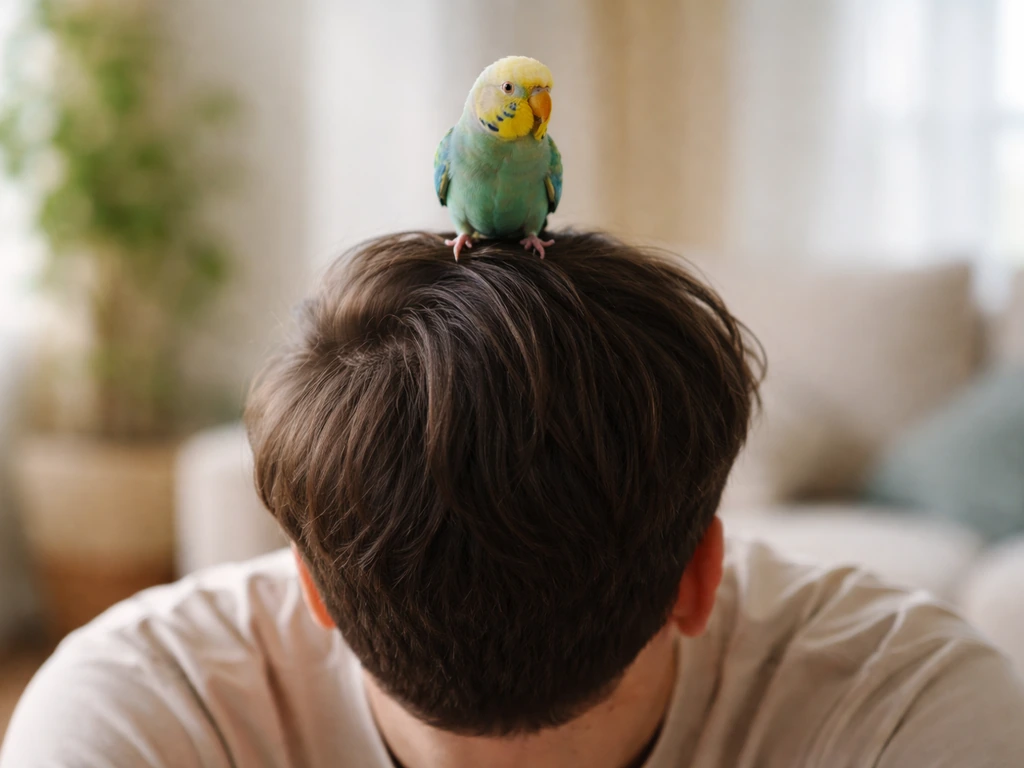
Why Does My Bird Keep Flying on My Head? What to Do
Bird keeps landing on your head? Causes from bonding to stress, plus safe fixes and when to call an avian vet.