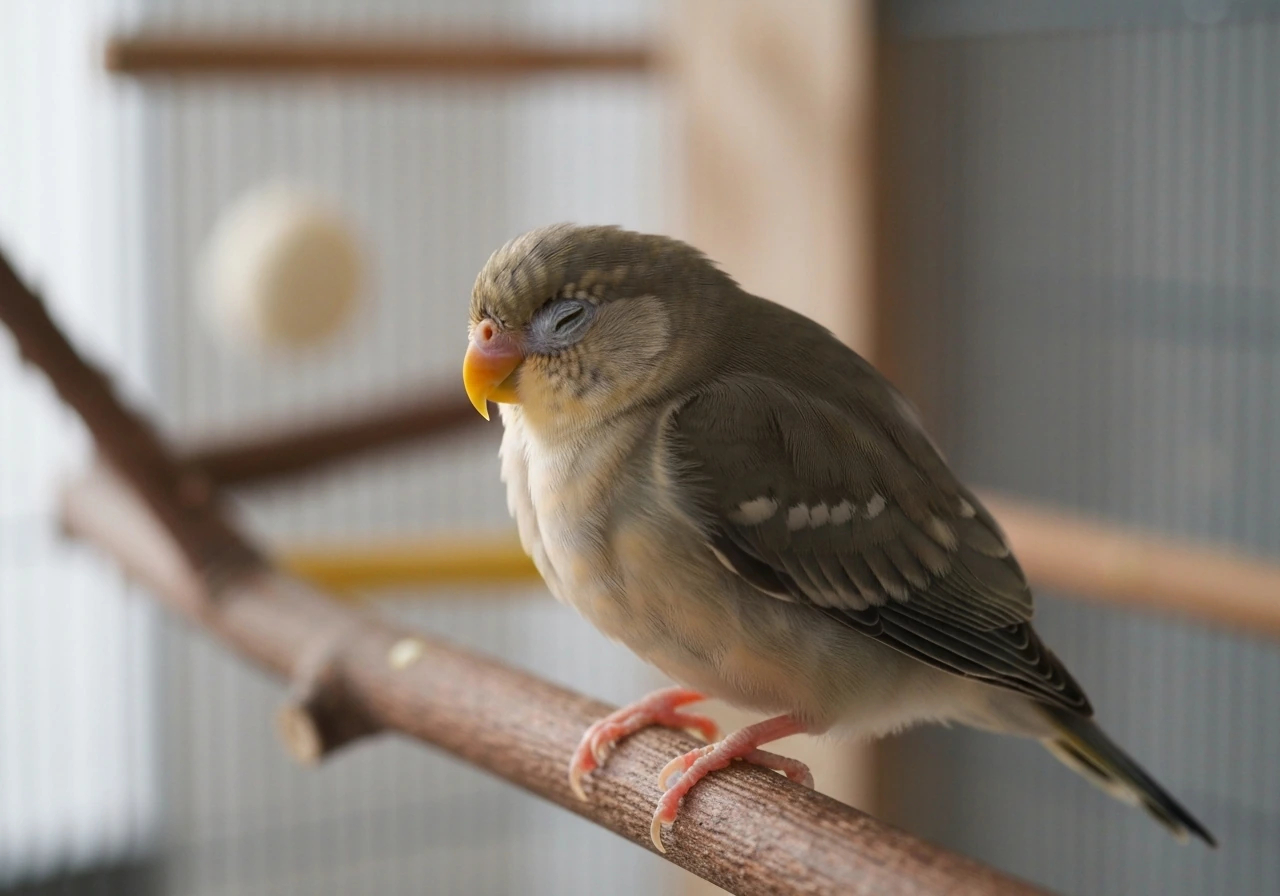
A bird walking or moving side to side is not always a red flag. Sometimes it is completely normal behavior tied to curiosity, balance adjustments, or playfulness. But other times it signals a real health problem like vestibular dysfunction, neurological trouble, or pain. The key is knowing which one you are looking at, and this guide walks you through exactly that.
Why Is My Bird Walking Side to Side? Causes and What to Do

Marcus Chen
21 May 2026
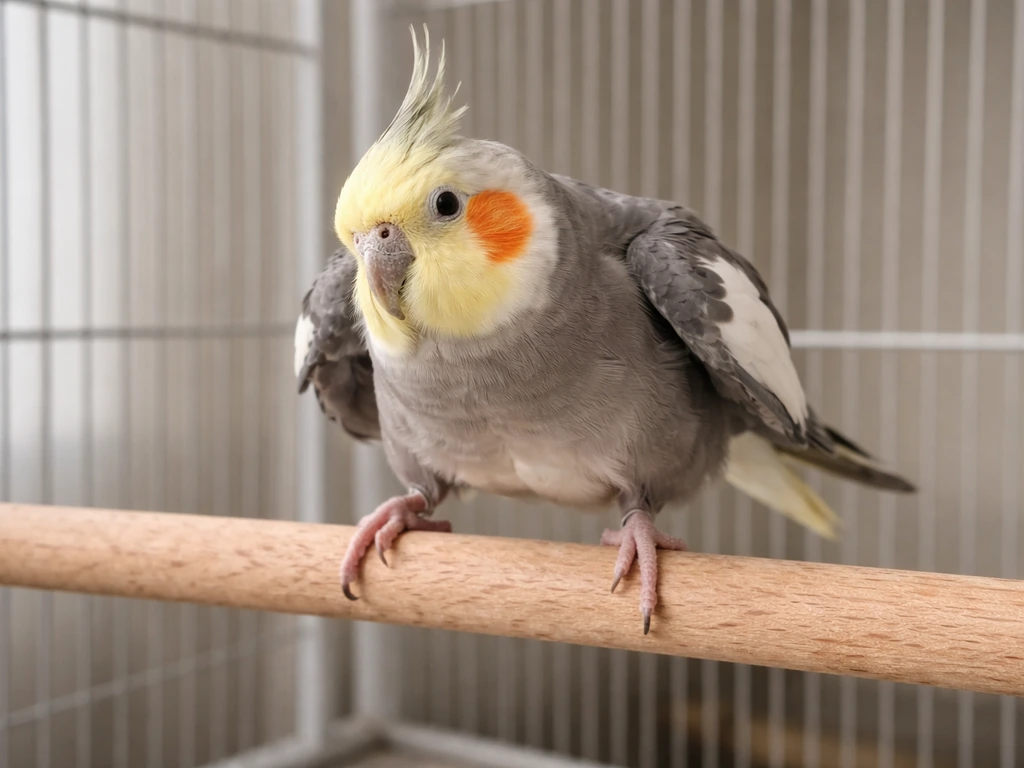
Normal side-to-side movement vs. actual warning signs
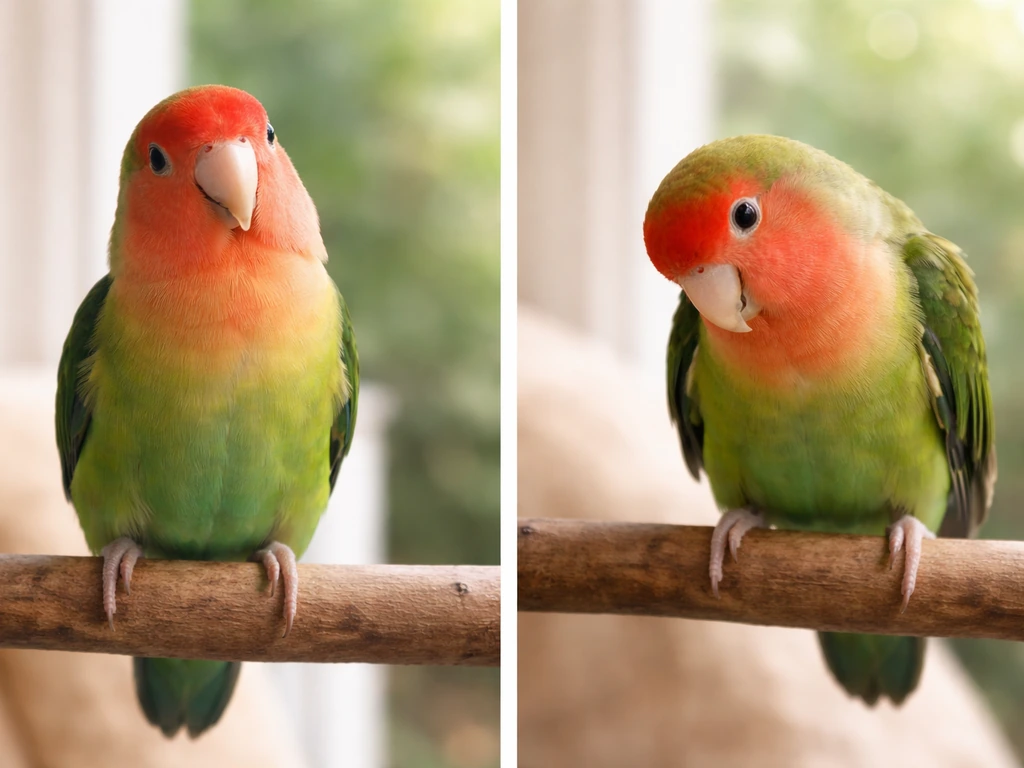
Birds naturally sway and shift their weight from side to side as part of how they explore, communicate, and maintain balance on a perch. A parrot rocking gently side to side while watching you, a cockatiel doing a little shuffle dance, or a budgie bobbing and swaying during play are all well within the range of normal. Birds that are happy and alert often move this way deliberately. If your bird is alert, eating well, has bright eyes, clean feathers, and is reacting to you and its environment normally, there is a good chance the movement is nothing to worry about.
Warning signs look different. Watch for movement that seems uncontrolled or compulsive rather than deliberate. If your bird appears to be struggling to stay upright, if its head is tilting to one side while it walks, if it keeps drifting or falling in one direction, or if the side-to-side motion is new and sudden, those are signals to take seriously. The same goes for a bird that is swaying but also seems lethargic, fluffed up, not eating, or disoriented. That combination is not normal behavior. It is a bird that needs attention.
Common causes: balance, footing, and age-related issues
One of the most overlooked causes of side-to-side walking is simply poor footing. If your bird's perch is too smooth, too thin, or too wide for the size of its feet, it will constantly be microadjusting its weight just to stay balanced. That constant shifting can look like an unusual gait or a wobbly walk. Round dowel perches are especially bad for this because birds are meant to grip irregular surfaces that allow their tendons to fully flex and relax.
Age also plays a role. Older birds can develop arthritis or muscle weakness that changes how they move and grip. You might notice an older bird moving more cautiously, shifting its weight more frequently, or choosing lower perches. This is not the same as a sudden balance problem. It comes on gradually and is usually accompanied by other small changes like slower movement and less climbing.
Sometimes the cause is as simple as a bird recovering from a big stretch, a wing flap, or a landing. Birds can briefly look unsteady right after physical activity, especially on an unstable perch. If the side-to-side movement lasts only a few seconds and then stops, that is almost always just normal balance correction.
Health red flags: pain, neurological problems, and inner ear issues
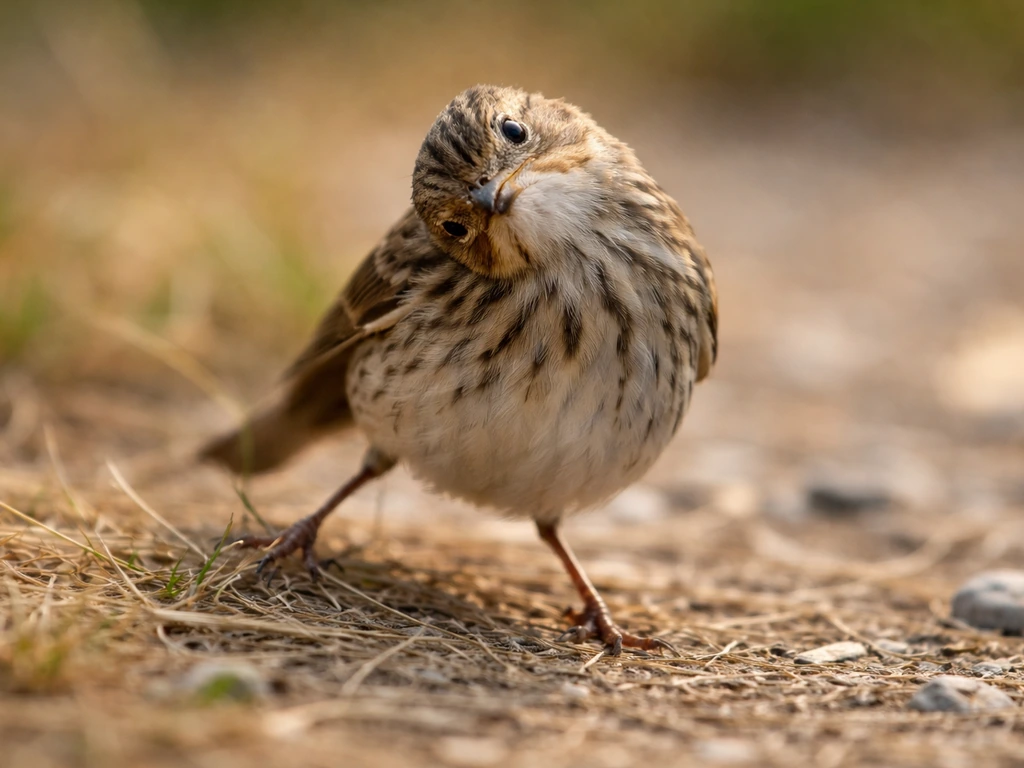
When the side-to-side movement is paired with a head tilt, that is one of the most important signs to recognize. A bird holding one ear lower than the other while also walking oddly or drifting to one side is a classic presentation of vestibular dysfunction. Birds with vestibular syndrome typically show a pronounced head tilt, may circle or fall to one side, and sometimes display nystagmus, which is a rapid involuntary oscillation of the eyes. If you see any of those three things together, that is a veterinary situation, not a wait-and-see situation.
Ataxia, which is a loss of coordination caused by damage to the spinal cord, inner ear, or brain, is another possibility. An ataxic bird looks wobbly and clumsy rather than deliberately swaying. It may stand with its legs spread far apart trying to stabilize itself, or it may try to hook its beak on the cage bars for support. These birds are not dancing or exploring. They are struggling to stay upright.
Pain from an injury, infection, or internal problem can also change how a bird moves. A bird in pain may shift its weight constantly, avoid putting pressure on one foot, or move in an uneven, guarded way. Neurological disease can also cause disrupted sleep-wake cycles, aimless pacing, or a bird that gets stuck in corners. If any of those behaviors sound familiar alongside the side-to-side movement, that raises the concern level significantly.
Environmental causes: perch setup, hazards, lighting, stress, and sleep
The cage environment causes more balance and movement problems than most owners realize. Perch diameter is the big one. A perch that is too thin causes a bird's toes to wrap all the way around and overlap, which is unstable. A perch that is too thick prevents a bird from gripping properly. For most small to medium parrots and similar birds, a perch diameter that allows the feet to grip about two-thirds of the way around is the right range. Natural wood perches with varying diameters are ideal because the bird constantly adjusts its grip, which keeps feet and legs strong.
Slippery surfaces are another hazard. Plastic perches, smooth dowels, or perches that are wet or covered in droppings are harder to grip and will cause a bird to sway and shuffle more than usual. Check your perch surfaces and look for any signs of wear or slipperiness.
Stress and sleep deprivation can both affect how a bird moves and behaves. A bird that is not getting enough sleep (ideally 10 to 12 hours of darkness per night) can appear disoriented, unsteady, and off in its movement. Changes in household routine, new pets, loud noises, or a moved cage can all increase stress and cause unusual behaviors including repetitive or anxious movement. Lighting matters too. Sudden changes in light levels or inconsistent day/night cycles can disrupt a bird's internal rhythms enough to affect its physical steadiness.
What to check right now at home
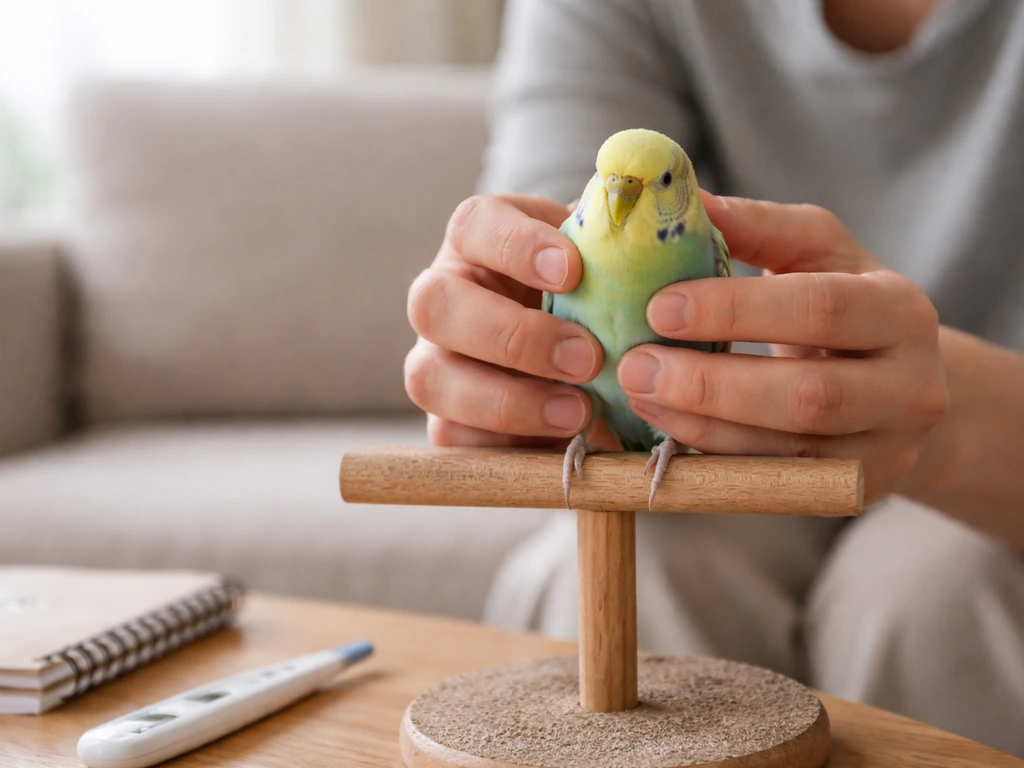
Before you call the vet or panic, do a quick but thorough observation pass. You want to gather specific information, not just a general sense of whether something seems off. Here is what to actually look at:
- Head position: Is the head tilting to one side or staying level? A tilt to one side is a key red flag.
- Eye movement: Are the eyes moving normally, or do they seem to be flickering or oscillating rapidly (nystagmus)?
- Grip and posture: Is your bird gripping the perch normally, or is it spreading its feet wide or leaning on the cage bars for support?
- Movement pattern: Is the side-to-side motion constant, or does it only happen in specific situations like after landing, when startled, or near a certain perch?
- Coordination: Does the bird seem to be choosing to move that way, or does it look like it cannot control it?
- Appetite and energy: Is it eating and drinking normally? Is it alert and responsive to you?
- Breathing: Any tail bobbing, open-mouth breathing, or wheezing alongside the movement?
- Feather condition: Are feathers fluffed up, ruffled, or held tightly? Fluffed feathers with other symptoms usually mean a sick bird.
- Vocalizations: Is your bird quieter than usual, making unusual sounds, or calling out more than normal?
- Recent changes: Has anything changed in the last 24 to 48 hours? New food, new perch, moved cage, new pet, cleaning products used nearby?
If the only thing you observe is the side-to-side movement and everything else looks normal, check the perch setup first. Swap out any smooth or incorrectly sized perches and watch whether the movement improves over the next few hours. Make sure your bird has had adequate sleep and that its environment has been calm. If everything else checks out, there is a reasonable chance this is behavioral or environmental rather than a medical issue.
If you notice any of the red flags listed above alongside the movement, do not delay. This is not a situation to monitor for a few more days. Birds are very good at hiding illness, so by the time symptoms are visible, the problem is often already significant.
When to call an avian vet and how to give a useful description
Call an avian vet the same day if your bird shows any of the following alongside side-to-side walking or moving:
- Head tilt to one side
- Rapid, involuntary eye movement (nystagmus)
- Falling or circling to one side
- Inability to grip the perch or clinging to cage bars for balance
- Fluffed feathers combined with lethargy or reduced appetite
- Open-mouth breathing or tail bobbing
- Sudden onset with no environmental explanation
- The movement has been going on for more than a day without improvement
When you call or arrive at the vet, the more specific your description, the faster they can help. Vets work with what you tell them, so vague descriptions slow things down. Tell them exactly when you first noticed the movement, whether it came on suddenly or gradually, what the movement looks like (constant or triggered, which direction, how severe), and what else you have observed from the checklist above. Mention any recent changes to diet, environment, or routine. Note whether your bird has had any recent exposure to fumes, smoke, cleaning products, or anything it might have chewed or eaten.
It also helps to take a short video on your phone before you go. Movement problems can sometimes look different in the clinic than they do at home, especially if the bird is stressed. A 30-second video of the behavior in its normal environment gives the vet something concrete to work with.
Side-to-side movement is one of those behaviors that sits right at the line between normal and not. It can be as harmless as a bird dancing to your voice or as serious as a vestibular or neurological problem that needs immediate care. Use the checklist above to figure out which side of that line you are on, and then act accordingly.
If you have already noticed your bird seeming wobbly or unsteady in a more general sense, that topic is closely related and worth reading alongside this one, as ataxia and vestibular issues can overlap with what you are seeing here. If your bird is also closing its eyes, that is another symptom to consider when you are deciding whether to seek veterinary help.
If your bird seems wobbly all of a sudden, the same possible vestibular or neurological causes apply. If you are also wondering why your bird keeps flying on your head, the cause can overlap with balance and neurological or vestibular problems, so it helps to check those possibilities too your bird seems wobbly or unsteady.
If your bird is bobbing its head up and down too, the cause may be related to balance issues, stress, or an inner ear problem, so it's worth checking the specific head-bobbing signs.
FAQ
How can I tell if the side-to-side walking is from a bad perch versus something medical?
Try to reproduce the situation once you are safe to do so: move the bird to a different, stable perch (proper diameter, dry surface, no wobble) and see if the side-to-side walking stops within a few hours. If it improves only on certain perches, the issue is likely grip or footing rather than a nerve or ear problem.
What pattern of side-to-side movement is more likely to be normal, and what pattern is concerning?
If your bird keeps correcting, then briefly resumes normal steps, and it is otherwise bright, eating, and alert, it is more consistent with balance adjustments. A key difference is whether the movement is progressively worse, accompanied by drifting, falling, or loss of footing, which points to vestibular or neurological trouble.
Could a recent change in my household lighting or schedule explain it?
Yes, lighting and schedule changes can contribute, but true illness can also be masked by a “seems off after we changed X” story. If the behavior is new and persistent, or you see head tilt, nystagmus, lethargy, or appetite change, treat it as a medical concern even if you recently altered lighting or routine.
If it started suddenly, do I still need to see a vet right away?
Do not assume it is safe to wait if it is new and sudden. Birds may hide symptoms until they are advanced, so a rapid onset plus ongoing unsteadiness or any head tilt should be treated as urgent, with same-day avian vet evaluation.
My bird seems unsteady mostly right after it stretches or lands. Is that still a problem?
If your bird is doing it mainly during climbing, landing, or stretching, it may be a brief post-activity imbalance. Watch for duration, if it lasts only seconds and then returns to normal, it is more reassuring; if it continues on flat ground or on every perch, escalation is warranted.
What eye or head signs should I specifically check for at home?
Look for the combination you can spot at home: head tilt to one side, drifting in the same direction, and involuntary eye jerking. Any one can be meaningful, but seeing head tilt with eye behavior or consistent drifting is a stronger reason to seek same-day care.
Can pain cause side-to-side walking, and how would I recognize it?
Yes. If your bird is avoiding one side, it may be shifting weight due to pain. Gently note whether it keeps one foot lifted, clamps its grip differently, or reacts with flinching when you approach or when it steps on a certain surface, these are useful clues for the vet.
What should I change in the cage immediately while deciding whether to go to the vet?
Until you know what is going on, reduce the chance of injury: remove unstable or high perches, add non-slip footing, keep lighting consistent, and provide easy access to food and water. Avoid forcing exercise, and keep the bird in a calm area to prevent worsening disorientation.
What video should I take to help the avian vet diagnose it faster?
Record at least one short video of it walking in its usual spot, plus one clip after you move it to a different perch. That “before and after” comparison can quickly show whether the behavior is perch-related or persists regardless of footing.
Is it ever reasonable to monitor for a day instead of going right away?
If the bird is still eating and perching normally and the movement is mild and only on one type of perch, you can do a short perch and environment adjustment check. If there is lethargy, disorientation, head tilt, falling, or reduced appetite at any point, stop the home experiment and call for same-day guidance.
Next Article
Why Is My Bird Closing Its Eyes? One Eye at a Time Guide
Understand one-eye eye closing in birds, spot irritation vs pain, do safe checks, and know when to see an avian vet.