
If your bird is shaking after a bath, it's almost always normal. Birds shake their whole body after getting wet to fling off excess water, regulate their temperature, and help their feathers settle back into place. Think of it like a dog shaking off after a swim. It's instinctive, and for most birds it stops within a few minutes once they start preening and drying out. The shaking only becomes a concern when it's paired with other symptoms like labored breathing, discharge from the eyes or nostrils, unusual lethargy, or feathers that stay puffed up long after the bath is done.
Why Is My Bird Shaking After a Bath? Quick Checks & Fixes
Marcus Chen
5 Jul 2026
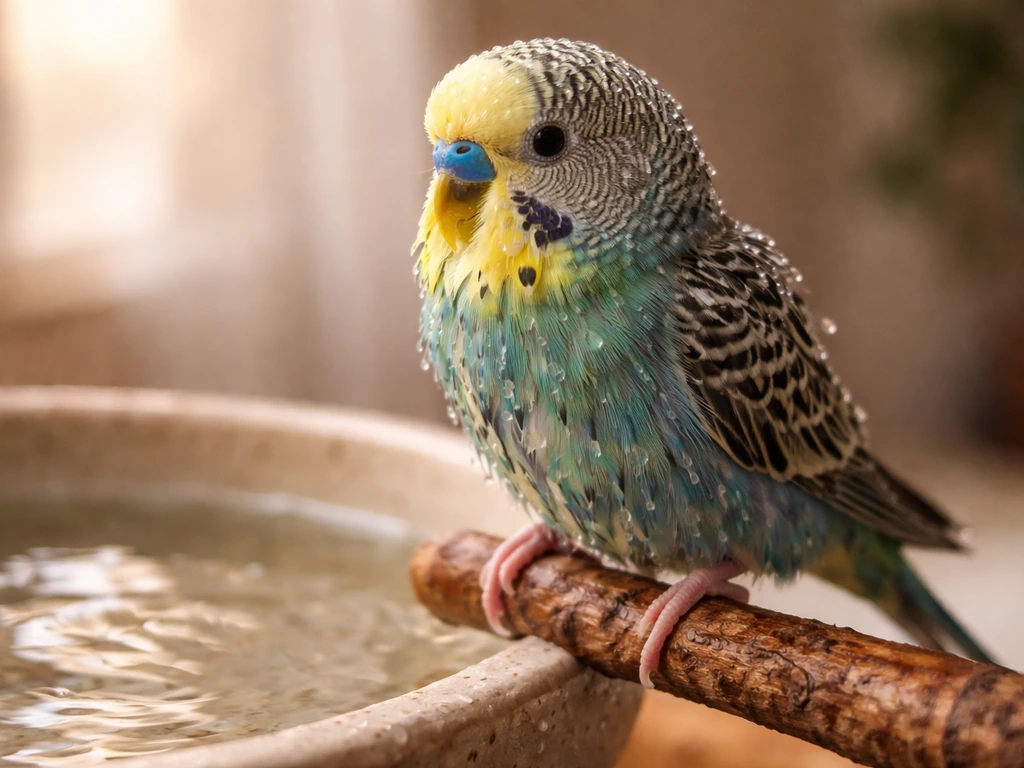
Normal post-bath shaking: what's actually happening
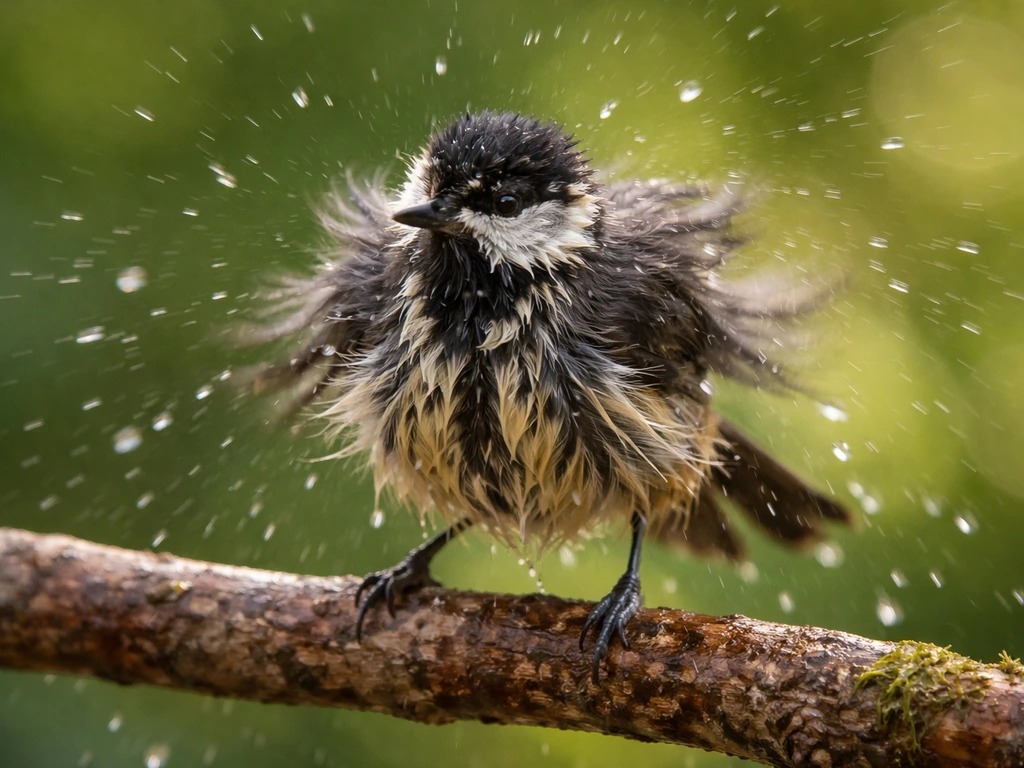
After a bath, a bird's feathers are waterlogged and their body temperature can drop quickly. Shaking is how they deal with both problems at once. The rapid full-body shudder flings off the bulk of the water, and the repeated wing flapping or body vibration helps them start generating heat again. It's a completely normal, hardwired behavior you'll see in wild birds at a puddle or a backyard birdbath.
The shaking you see right after bathing typically has a few distinct characteristics that tell you everything is fine. Your bird will look alert, hold their head upright, and follow the shaking with active preening. Persistent head shaking can also be a sign of irritation or an underlying issue, so consider other symptoms. They may fluff up briefly to trap warm air close to their skin, but that fluffing should resolve within 10 to 20 minutes as they dry. Eyes should be bright and open, breathing quiet and steady, and they should return to their normal activity level fairly quickly.
The duration matters. A normal shake-and-preen routine after a bath usually wraps up within 15 to 30 minutes. Some birds take a little longer depending on how wet they got and how warm the room is, but by the time they're dry they should look and act completely like themselves.
When shaking is a sign of stress or discomfort
Not every post-bath shake is about drying off. Some birds are genuinely stressed by the bathing experience, especially if the water was too cold, the environment was noisy, they were handled more than they're comfortable with, or bathing was forced on them rather than offered as a choice. Stress-related shaking looks a little different: the bird may crouch low, pull their feathers tight against their body rather than fluffing them, avoid eye contact, or try to hide in a corner of the cage.
Drafts are another big culprit. Even on a warm day, a bird that's soaking wet sitting near an open window, an air conditioning vent, or a fan can get chilled fast. Wet feathers lose their insulating ability, so what feels like a comfortable room temperature to you might be too cold for a drenched parakeet or cockatiel. Merck Veterinary Manual notes that environmental factors such as temperature and humidity in the home matter for pet birds’ management Wet feathers lose their insulating ability. Chilled birds shiver in a way that looks more continuous and distressed than the energetic post-bath shake.
If your bird seems stressed rather than simply drying off, the fix is usually straightforward: move them to a warmer, quieter spot away from any drafts and let them settle. Reassess how you're offering baths going forward so the experience feels safer and more on their terms.
Health red flags to watch for after bathing
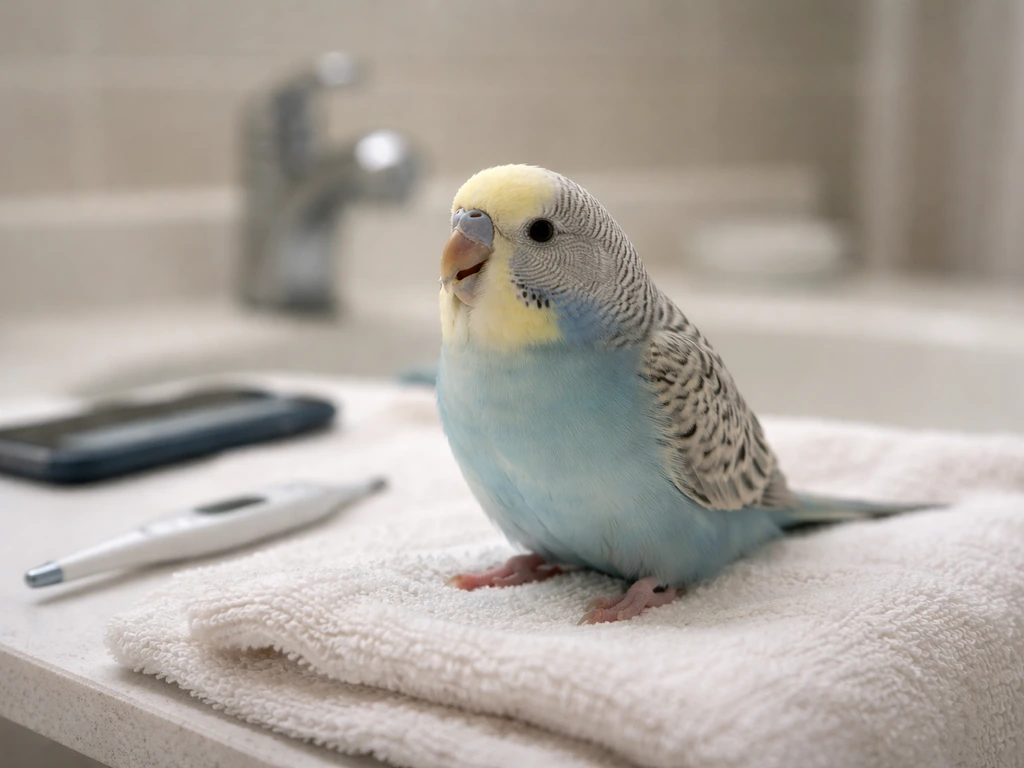
Most post-bath shaking is benign, but there are specific warning signs that tell you something more serious might be going on. If you see any of these, don't wait and watch for hours.
- Labored or open-mouth breathing that persists after the bird has had time to calm down and dry
- Tail bobbing with every breath, which can signal respiratory distress
- Discharge from the nostrils or eyes, especially if it's thick or discolored
- Shaking that doesn't stop or gets worse over time instead of fading as the bird dries
- Feathers still puffed up 30 minutes or more after the bath with no signs of preening
- Unusual lethargy, drooping wings, or the bird sitting on the cage floor
- Loss of balance or shaking that seems neurological rather than a whole-body water-fling
- No interest in food or water hours after the bath
Respiratory symptoms are the most urgent. Water can occasionally get into the airway or nasal passages, and in some cases bathing can irritate an already-vulnerable respiratory system. Open-mouth breathing, tail bobbing on every breath, and clicking or wheezing sounds are not normal post-bath symptoms and need veterinary attention promptly.
It's also worth noting that bathing doesn't cause illness on its own in a healthy bird. If your bird is shaking persistently and showing other symptoms, the bath may have simply been the trigger that made an underlying issue more visible. That's useful information, not a reason to panic, but it does mean a vet visit is the right next step.
What to do right now: drying, warmth, and calming your bird
If your bird just finished bathing and is shaking, here's what to do in the next 30 minutes.
- Move your bird to a warm, draft-free room. Close any windows and turn off fans or air conditioning vents nearby. A sunny spot works well if available.
- Check the room temperature. Aim for around 75 to 80 degrees Fahrenheit (24 to 27 degrees Celsius) while they dry. This is warmer than your usual indoor temperature and that's intentional.
- Let them sit on a perch at a comfortable height. Don't try to towel-dry them unless they are very cold and showing signs of distress. Most birds preen better when left alone.
- If you do use a towel, use a soft, clean cloth and gently blot (don't rub) the feathers. Rubbing disrupts feather structure and can cause more stress.
- If you use a hair dryer, keep it on the lowest warm setting, hold it at least 12 inches from the bird, and keep it moving constantly. Never aim it directly at the face. Hair dryers can be helpful but they also dry the skin too quickly if used incorrectly, so this is a last resort for a very cold or wet bird.
- Avoid placing the bird under a heat lamp or any intense direct heat source. Overheating is a real risk and the bird can't easily move away if it's confined.
- Talk calmly and keep the environment quiet while they dry. If your bird is stressed, reducing stimulation helps more than anything else.
Give it 20 to 30 minutes before you reassess. A bird that is drying normally will be actively preening, looking around with interest, and gradually settling back into their normal behavior. If they're still shaking, puffed, or showing any of the red flags listed above after that window, it's time to contact an avian vet. If you notice the puffed-up, shaking posture persists, that specific pattern can be an indicator you should get avian help sooner why is my bird puffed up and shaking.
How to bathe your bird to reduce shaking next time
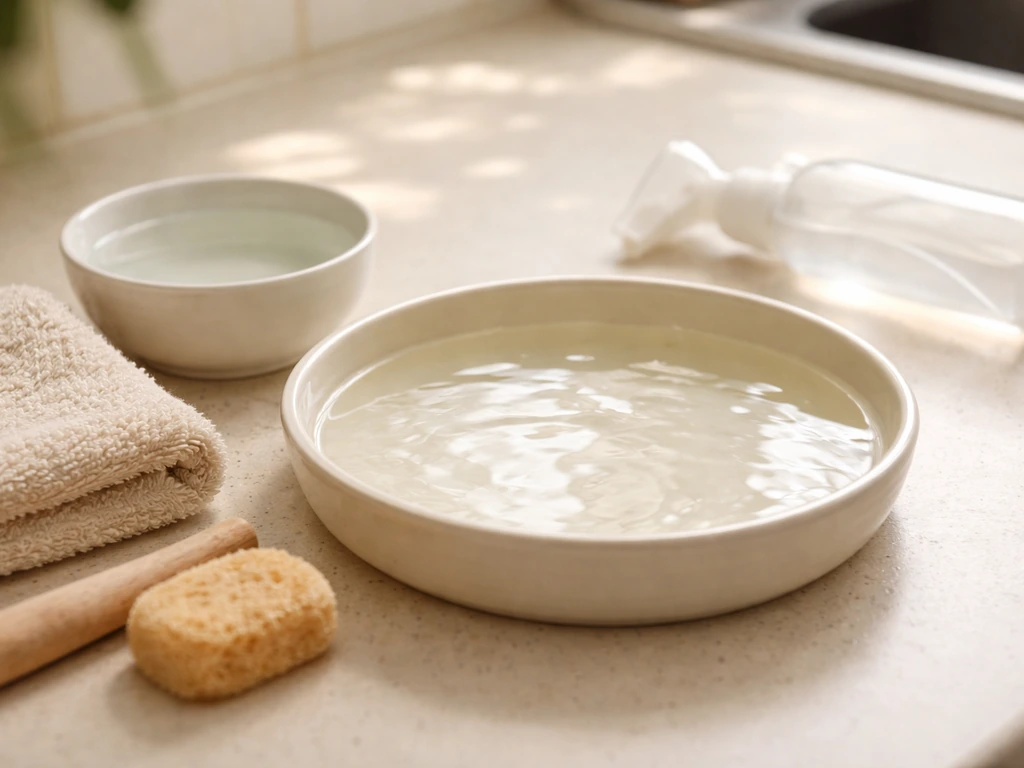
The way you offer baths makes a significant difference in how your bird responds afterward. A stressful, too-cold, or overly drenching bath is much more likely to lead to prolonged shaking or distressed behavior.
Water temperature
Use lukewarm water, roughly body temperature or just slightly below. Cold water shocks the bird and causes chilling. Hot water is equally dangerous. If the water feels cool on your wrist, it's too cold for your bird.
Spray misting vs. shallow dish
Both methods work, but they suit different birds. A shallow dish (no deeper than the bird's leg joints) lets them choose how much water contact they get, which keeps stress low. A spray bottle on a fine mist setting mimics light rain and many birds love it, especially parrots and cockatiels. Avoid soaking the bird completely unless they're enthusiastically bathing themselves. A gentle mist or a quick self-directed splash is enough for most pet birds.
Timing and environment
Bathe your bird in the morning so they have the whole day to dry fully before the temperature drops at night. A damp bird going to roost is a recipe for chilling. Make sure the room is already warm and draft-free before the bath starts, not after. Never bathe a bird that is already unwell or stressed.
Things to avoid
- Aerosol sprays, scented products, or any chemicals near the bathing area. Bird respiratory systems are extremely sensitive.
- Forcing a bird to bathe when they're clearly reluctant. Offer it and let them choose.
- Bathing too frequently, which can strip natural oils from feathers. Two to three times per week is typically enough.
- Using cold tap water straight from the faucet in winter.
- Bathing near open windows, fans, or air vents.
When to call an avian vet
Here's a simple timeline to guide your decision-making after a bath.
| Timeframe | What you're seeing | What to do |
|---|---|---|
| 0 to 30 minutes | Shaking, brief fluffing, active preening, alert eyes, normal breathing | Normal. Keep the bird warm and draft-free, let them dry. |
| 30 to 60 minutes | Still shaking but slowly calming, preening actively, no other symptoms | Monitor closely. Ensure the room is warm enough and free of drafts. |
| Over 60 minutes | Still shaking, feathers still puffed, little or no preening, quieter than usual | Call an avian vet for guidance. Don't wait overnight. |
| Any time | Open-mouth breathing, tail bobbing, nasal or eye discharge, loss of balance, sitting on cage floor | Seek veterinary care promptly. These are urgent symptoms. |
| Any time | Shaking that looks neurological (tremors, head tilting, loss of coordination) | Contact an avian vet immediately. |
Finding an avian-specialist vet before you need one urgently is genuinely useful. General-practice vets don't always have deep bird experience, and avian vets are the right call for any bird health concern. If your regular vet isn't avian-specialized, ask for a referral or search the Association of Avian Veterinarians directory.
One last thing worth knowing: post-bath shaking is one form of bird shaking, but birds shake for other reasons too. Persistent shaking unrelated to bathing, shaking paired with puffed feathers at other times of day, or shaking focused on a specific body part like the head or tail can all mean different things. If you're wondering specifically, “why is my cockatiel bird shaking,” the cause depends on whether it happens right after bathing or at other times. If you're ever unsure whether what you're seeing is normal, it's always better to ask an avian vet than to second-guess yourself.
FAQ
How long should my bird shake after a bath before I worry?
For most healthy birds, the normal shake-and-preen cycle should settle within 15 to 30 minutes, and by the time they are dry they should act like themselves. If shaking continues beyond about 30 minutes or your bird stays puffed and unengaged, contact an avian vet.
Is it normal if my bird’s shaking continues while it preens?
Light, intermittent shaking while preening can be part of drying and feather settling. The red flag is shaking that looks tense and distressed, or breathing changes like open-mouth breathing, tail bobbing, wheezing, or clicking.
My bird is shaking but also fluffing up, is that always warm-up behavior?
Brief fluffing can help trap warmth while the bird dries. If the fluffing lasts well past the drying window (about 10 to 20 minutes), or the bird looks weak, won’t move normally, or shows other symptoms, treat it as a possible illness or chilling risk rather than normal drying.
What should I do immediately after the bath if I think it’s getting chilled?
Move the bird to a warmer, draft-free area right away, close to a stable room temperature, and avoid fans, open windows, or air vents. Let the bird settle and preen, do not add more bath water, and reassess after 20 to 30 minutes.
Could bath water in the nose or airway cause shaking?
Yes. If water irritated the nasal passages or airway, you might see respiratory signs such as open-mouth breathing, tail bobbing with each breath, or clicking or wheezing sounds. Those symptoms are not normal post-bath effects and should be addressed promptly by an avian veterinarian.
Why is my bird shaking after a bath when the room feels warm to me?
Wet feathers lose insulating ability quickly, so the bird can chill faster than you expect. Use your wrist test for bath water, and for the room, make sure there are no drafts and consider gently warming the room before you start, not after the bird is already soaked.
Is a spray bottle bath okay, or does it increase shaking?
A fine mist spray often helps some birds because it feels like light rain and reduces the stress of being fully drenched. If your bird becomes fearful or continues to show persistent distress, reduce the mist intensity, shorten the session, and consider a shallow dish option so the bird can control water contact.
Can forced bathing cause shaking? How can I tell stress from chilling?
Stress can look different from chilling. Stress may come with crouching low, pulling feathers tight against the body instead of fluffing, avoiding eye contact, or trying to hide. Chilled birds more often show continuous, shivering-like vibration. Either way, relocate to a warm, quiet spot and reassess within 20 to 30 minutes.
Should I stop bathing if my bird shook more than usual the last time?
Not necessarily, but you should adjust the conditions. Check for bath water temperature, avoid drafts, and prevent soaking the bird unless they clearly choose to bathe. If shaking was persistent or came with any red flags, pause baths and consult an avian vet to rule out underlying issues.
Does post-bath shaking mean my bird will get sick?
A healthy bird usually shakes as a normal drying and temperature-regulation behavior and should return to normal soon. Shaking becomes concerning when it is accompanied by symptoms, because the bath may reveal a pre-existing respiratory or other health problem rather than causing illness by itself.
My bird shakes only when I bathe it, what’s the best next change to try?
Start by improving safety and choice: use lukewarm water, bathe in the morning so there’s plenty of time to dry before night cooling, and set up a draft-free warm area. Also consider offering a shallow dish or gentle mist so the bird can control the degree of wetness.
If shaking is focused on the head or tail, is that still about the bath?
Not always. Shaking that happens at other times of day, is concentrated on one body part, or persists beyond the drying period may have a different cause than post-bath drying. If you are seeing pattern-specific shaking or repeated episodes, ask an avian vet for a targeted assessment.