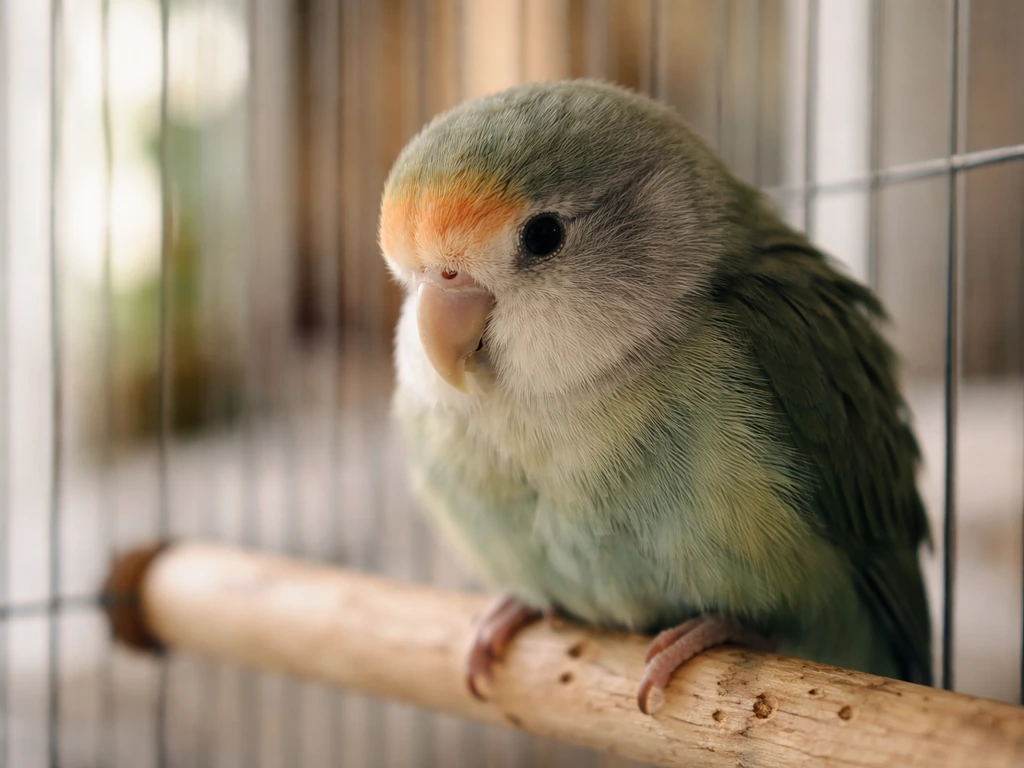
A bird shaking his head occasionally is almost always normal. Birds shake their heads to clear their nostrils, dislodge something from their beak or throat, or simply as part of preening. What you need to watch is frequency and context. If your cockatiel is shaking, the key is to check whether it is brief and situational or persistent and paired with symptoms like sneezing or nasal discharge why is my cockatiel bird shaking. If your bird is shaking his head repeatedly throughout the day, or pairing it with other symptoms like sneezing, discharge, or labored breathing, that changes things. This guide walks you through the most likely reasons, what you can check right now at home, and the specific signs that mean you should call an avian vet today.
Why Is My Bird Shaking His Head? Causes and What to Do

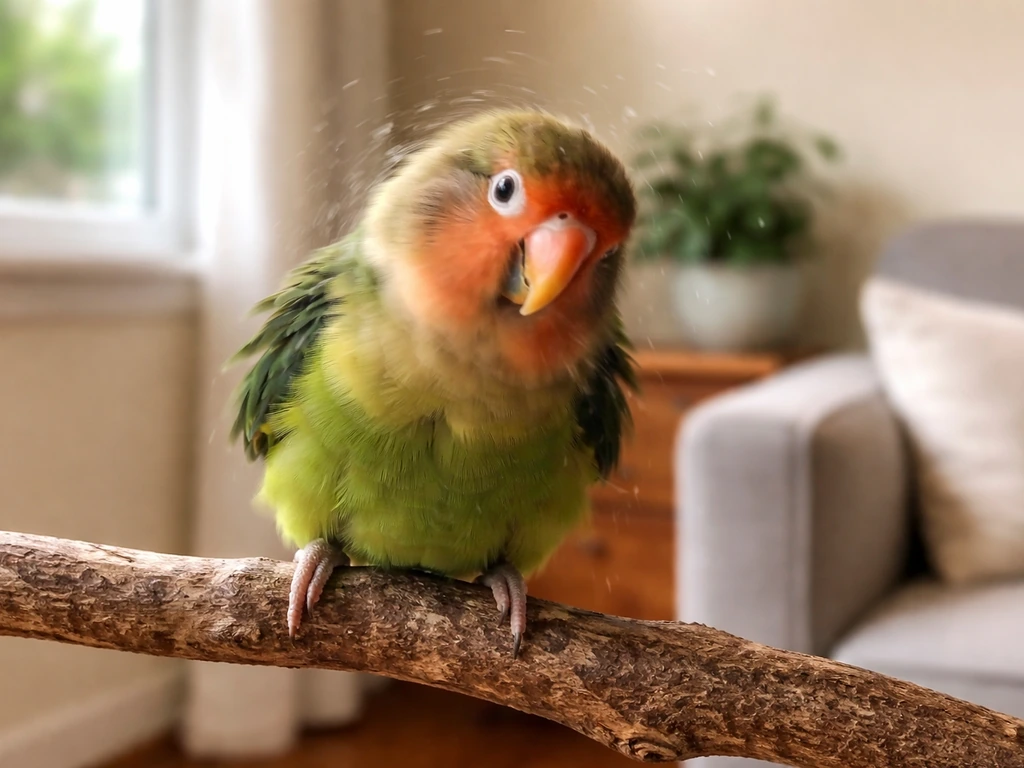
Normal vs. concerning head-shaking patterns
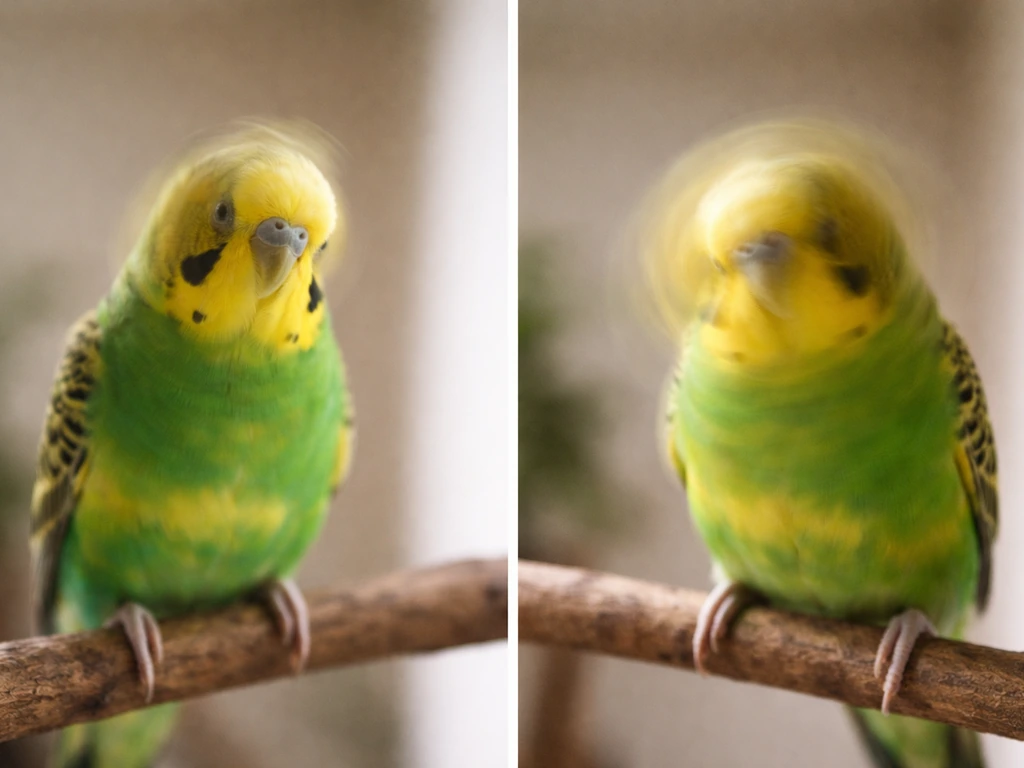
Not all head-shaking is a problem. Birds use it as a regular part of their day, and learning to tell the difference between benign and concerning patterns will save you a lot of unnecessary worry.
Normal head-shaking tends to be brief, infrequent, and isolated. Your bird shakes his head once or twice after a drink, after a bath, when he is moving food around in his beak, or right after waking up. It looks fluid and relaxed, and he immediately goes back to normal behavior. You'll also notice birds doing a short, sharp head flick when they are playing or vocalizing. That is all completely fine.
Concerning head-shaking is persistent, repetitive, and often paired with other signals. If your bird keeps shaking his head every few minutes, seems unable to stop, or does it along with scratching at his face, sneezing repeatedly, making clicking or wheezing sounds, or sitting puffed up and quiet, that pattern warrants a closer look. Duration and intensity matter. A single episode of vigorous head-shaking means far less than three hours of repeated head-shaking that does not resolve.
| Pattern | Likely meaning | Action needed |
|---|---|---|
| Occasional shake after eating or drinking | Normal behavior, clearing the throat or beak | None |
| Single shake after a bath or misting | Drying off, normal | None |
| Repeated shaking several times per hour | Possible irritant, debris, or early infection | Home check, monitor closely |
| Constant shaking with scratching at face or ear | Ear mites, foreign object, infection | Vet appointment soon |
| Head-shaking plus open-mouth breathing or discharge | Possible respiratory emergency | Call vet immediately |
Common causes: irritation, debris, pain, and infection
Most cases of repetitive head-shaking come down to one of four broad categories. Here is what each typically looks like so you can narrow it down.
Irritation and debris
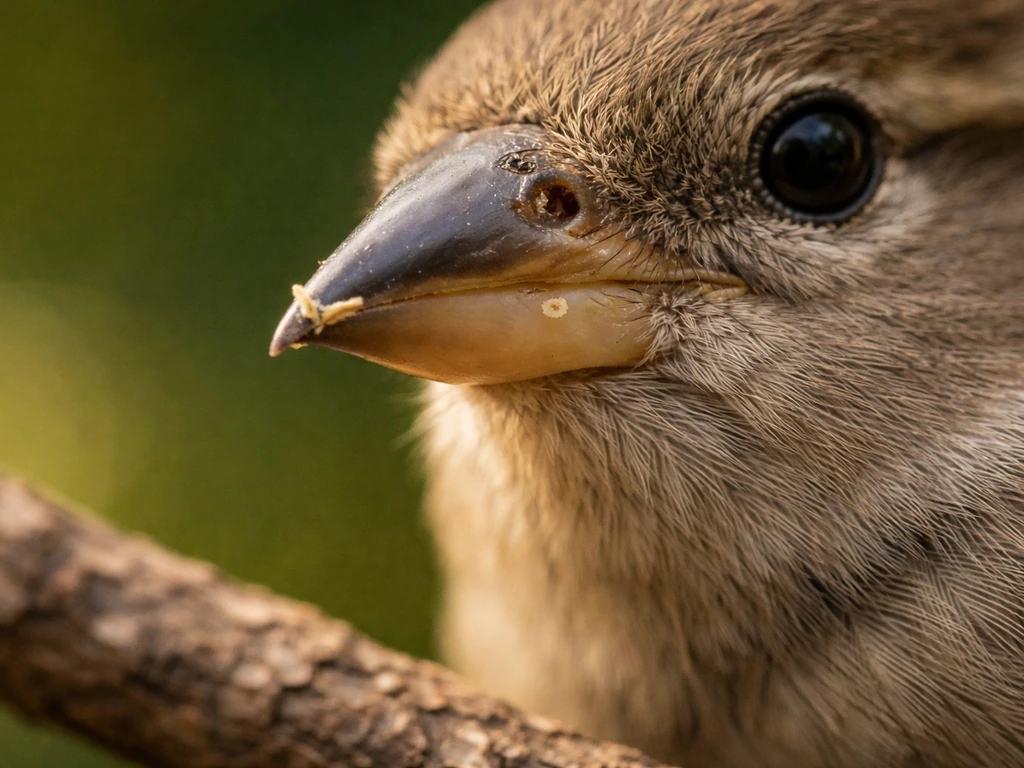
This is the most common and least alarming cause. A small piece of food, a seed husk, or even a loose feather can get caught in or near the beak, nostril, or throat and trigger repeated shaking as the bird tries to clear it. You may notice the shaking is more intense right after eating or playing with toys. Some birds also get millet or fine seed dust lodged around the nasal opening (the cere), which irritates them.
Ear and face irritation
Birds have ear openings under their feathers just behind and below the eye. Ear mites or a localized infection in that area can cause a bird to shake his head repeatedly, almost the same way a dog with an ear infection shakes. You might also see your bird scratching at that side of his face with a foot. Ear involvement tends to make the head-shaking more one-sided and more frantic-looking than other causes.
Pain or injury
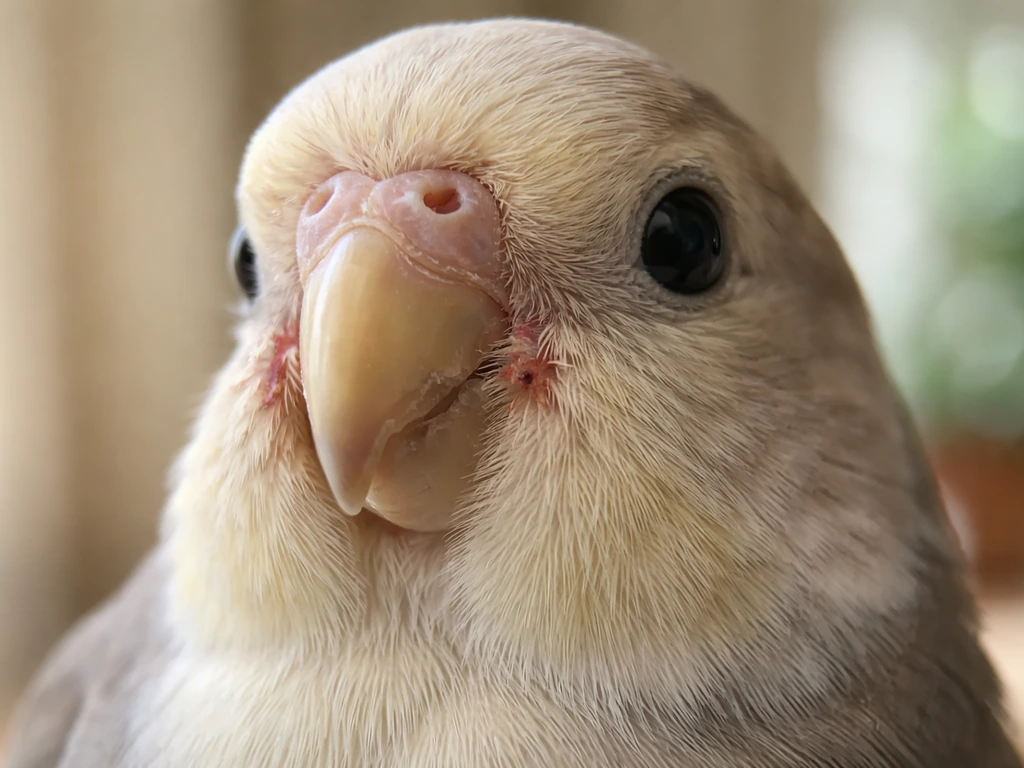
A beak injury, a mouth sore, or even a crop issue can all show up as head-shaking because the bird is reacting to discomfort in that area. Check the beak and the corners of the mouth for any cracks, discoloration, or swelling. A bird in pain will also usually be quieter than normal, eat less, and may guard the affected area.
Infection
Bacterial, fungal, and viral infections can all cause head-shaking, usually because they create inflammation and discharge in the nasal passages, throat, or ear canal. With infection, you almost always see at least one additional symptom alongside the head-shaking: sneezing, crusty discharge around the nostrils, a change in voice, or general lethargy. Infections rarely produce head-shaking in isolation for very long.
Respiratory and nasal causes that trigger head-shaking
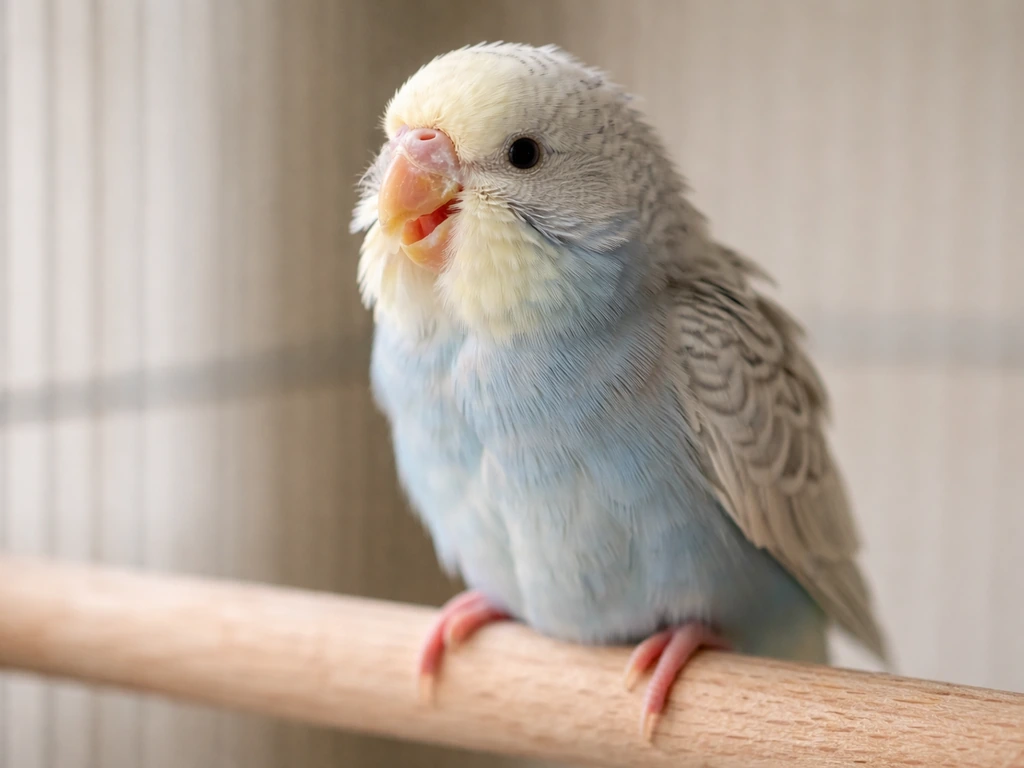
The respiratory system is one of the most important things to consider when a bird keeps shaking his head. Birds' nasal passages connect directly to their airways, so anything that causes congestion, excess mucus, or nasal irritation can produce persistent head-shaking as the bird tries to clear the blockage.
Upper respiratory infections are a classic culprit. You will often see a combination of frequent sneezing, wet or crusty discharge around the nostrils or eyes, and that repetitive head-shake. The nostrils may look wider than usual or have visible buildup. Some birds will wipe their face on perches or toys to try to clear the discharge.
More serious respiratory involvement looks different. When breathing itself is affected, the signs escalate well beyond head-shaking. Watch for open-mouth breathing (a bird opening his beak just to breathe, not to vocalize), tail bobbing where the tail moves up and down with every single breath, visible effort in the chest or sternum, wing pumping while at rest, and neck stretching as if reaching for air. Dyspnea in birds may show up as whole-body effort to breathe, including tail bobbing and open-mouthed breathing blank" rel="noopener noreferrer">open-mouth breathing. Common upper respiratory emergency signs include blank" rel="noopener noreferrer">open-mouth breathing, increased respiratory rate, periocular or facial swelling, and oculonasal discharge. If you also notice tail bobbing along with head shaking, it can be a sign of breathing trouble that needs urgent avian care. These are red-flag signs that point to dyspnea, a genuine breathing emergency, and they require an avian vet immediately. Do not wait to see if these improve on their own.
Other upper respiratory warning signs include facial swelling, especially around the eyes or sinuses, and discharge from both the nostrils and eyes at the same time. Swelling around the eye area paired with head-shaking is a clear signal to call your vet rather than monitor further.
Environmental and husbandry triggers
Before assuming something is medically wrong, it is worth ruling out what is happening in the room. Environmental triggers are surprisingly common causes of head-shaking and are the easiest to fix.
- Dust and dander: Fine particles from dusty seed mixes, dry pellets, certain toys, or even from other pets can irritate a bird's nasal passages and trigger repeated shaking. Dusty bird breeds like cockatiels and African grey parrots naturally produce a lot of feather dust themselves.
- Aerosols and fumes: Cooking fumes (especially from non-stick cookware), air fresheners, scented candles, cleaning sprays, nail polish, paint, and cigarette smoke are all toxic to birds and can cause immediate head-shaking, sneezing, and in serious cases, respiratory collapse. Even diffused essential oils can be harmful.
- New products nearby: A new cage liner, a freshly washed food bowl with soap residue, or a recently treated carpet near the cage can all trigger irritation in a bird with a sensitive respiratory system.
- Stress: A stressed or overstimulated bird may shake his head as part of a broader set of displacement behaviors. This is more common in birds that are also feather-plucking, biting, or showing other behavioral changes. Stress-related shaking usually pairs with body language cues like flattened feathers, wide eyes, or excessive vocalization.
- Low humidity: Very dry air dries out nasal passages and can cause irritation that leads to head-shaking and sneezing, especially in winter months when indoor heating runs constantly.
If you recently introduced anything new into the bird's environment, or if the shaking started suddenly after you used something in the house, environmental cause is very high on the suspect list.
At-home checks and safe supportive steps you can take today
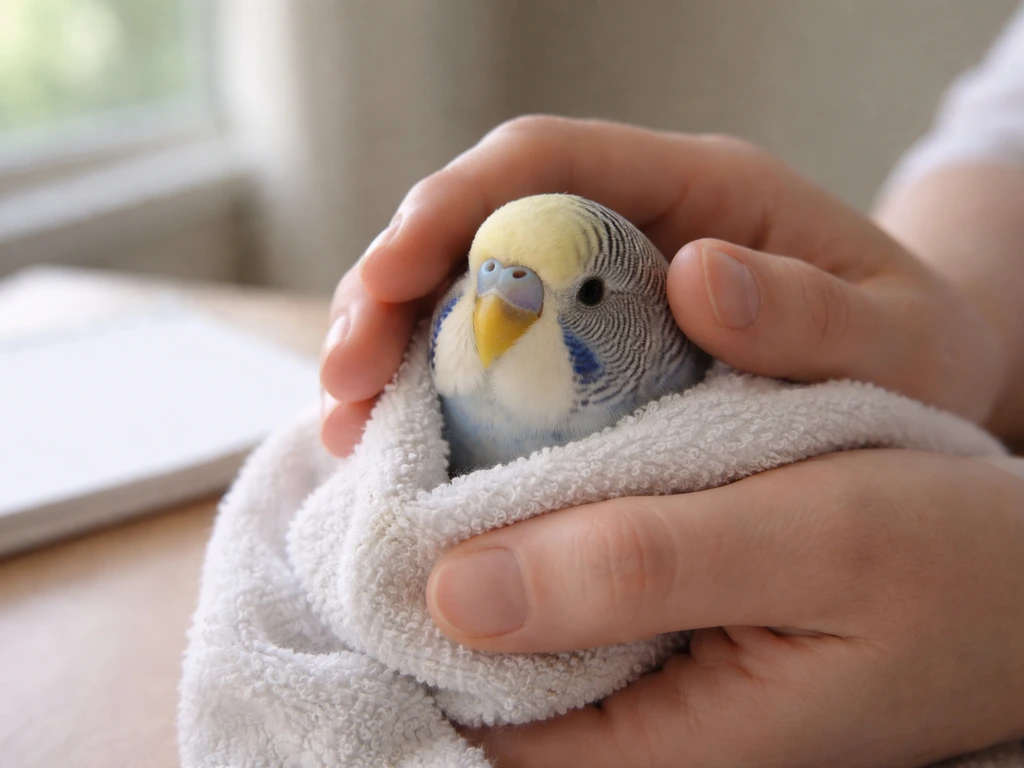
Before calling the vet, do a calm, methodical check at home. You are not diagnosing anything; you are gathering information and ruling out the obvious.
- Look at the nostrils (cere): Are they clear and symmetrical? Any crust, discharge, color change, or one nostril that looks larger than the other? A healthy cere is dry and clean.
- Check around the beak and mouth corners: Look for any cracks, swelling, discoloration, or stuck food. Gently observe when your bird opens his beak — does anything look red, swollen, or unusual inside?
- Look at the feathers around the ear area: Part the feathers gently behind and below the eye. Look for any redness, swelling, or debris. Note whether your bird is shaking more to one side.
- Watch breathing for one full minute: Count breaths if you can. A resting bird typically breathes 25 to 45 times per minute depending on species. Look for any tail movement with each breath, open-mouth breathing, or chest effort.
- Scan the environment: Have you used anything new in or near the room? Any cooking, cleaning, candles, or sprays in the past 24 hours? Is the seed mix old or dusty? Is the cage near a vent?
- Check food and water intake: Is your bird still eating and drinking? Weight loss and appetite changes are important clinical signs. If you have a kitchen scale, weigh your bird and note it.
- Ventilate and remove irritants: Open a window briefly (if weather allows and the bird cannot escape), move the cage away from the kitchen or any potential fume source, and turn off any air fresheners or scented candles.
If you find an obvious environmental cause and the head-shaking reduces after you fix it, monitor your bird for the next 12 to 24 hours to confirm improvement. If shaking continues even after removing irritants, keep watching for the red flags below.
For supportive care, keep the bird warm (around 85 to 90 degrees Fahrenheit if he is showing any signs of illness and fluffing up), offer fresh water, and reduce stress by keeping the environment quiet and calm. Do not try to flush nostrils, apply any oils or drops, or give any human medications. These can cause serious harm to birds.
Red flags and when to call an avian vet
Some signs mean you should not wait. Call an avian vet the same day if you see any of the following alongside head-shaking.
- Open-mouth breathing at rest (not related to heat or vocalization)
- Tail bobbing with every breath
- Visible chest or sternum effort while breathing
- Wing pumping or neck stretching in an attempt to breathe
- Nasal or eye discharge that is colored, thick, or crusty
- Swelling around the eyes, face, or sinuses
- Sudden appetite loss or complete refusal to eat
- Lethargy, sitting on the cage floor, or difficulty perching
- A change in droppings (very watery, discolored, or absent)
- Head-shaking that has been going on for more than 24 hours with no improvement
- Any suspected fume or toxin exposure (non-stick coating, cleaning product, paint)
Birds hide illness instinctively. By the time a bird is visibly sick, he has often been unwell for longer than it appears. This is why prompt action matters when you see multiple symptoms together, even if each one seems mild on its own. If you are ever genuinely unsure, calling the vet to describe what you are seeing is never a bad decision.
How to document symptoms and prepare for the vet visit
Good documentation makes the vet's job easier and gets your bird faster, more accurate care. Start keeping notes as soon as you notice the head-shaking, even if you are not sure a visit is needed yet.
The most useful things to record include when the shaking started (date and approximate time), how often it is happening (every few minutes, every hour, only after eating), whether there are any obvious triggers you have noticed, every other symptom present even if it seems minor, any recent changes to food, cage setup, cleaning products, or household activity, and your bird's weight if you can get it. Weigh the bird on a kitchen scale and note it, then weigh again in 24 to 48 hours if you have not gone to the vet yet.
If possible, record a short video of the head-shaking on your phone. A 30-second clip showing the behavior clearly is one of the most helpful things you can bring to a vet appointment. It lets the vet see exactly what you are seeing rather than relying solely on your description.
Before the appointment, write down your bird's diet in detail, including brand names of seed, pellets, fresh foods, and any supplements or treats. Note the cage location, ventilation in the room, any other pets in the home, and how long you have had the bird. This background helps the vet rule out environmental and husbandry factors quickly.
It is also worth noting whether your bird is shaking specifically after eating or drinking, since that pattern can point toward crop or throat issues rather than nasal or respiratory ones. Context like this narrows down the possibilities considerably and makes the vet visit more productive.
Head-shaking on its own is rarely the whole story. By watching the full picture, from breathing and posture to droppings and appetite, you give yourself and your vet the clearest possible view of what is actually going on. If your bird is also puffed up, shaking after a bath, or showing tail-related symptoms, those patterns each carry their own meaning and are worth tracking separately as part of your notes.
FAQ
If my bird is shaking his head only after eating, what does that usually mean?
Head-shaking right after food or drinking often points to something irritating the throat or beak, or a problem related to swallowing (for example, food getting stuck). Watch for gulping, choking sounds, coughing, or regurgitation, and note whether it happens with specific foods (pellets versus seed versus fresh items). If it is frequent or getting worse, plan an avian vet visit, even if there is no nasal discharge.
How can I tell head-shaking from normal preening or post-bath behavior?
Benign preening or after-bath shaking is usually brief, fluid, and not paired with other symptoms. If the shaking looks strained or frantic, lasts repeatedly across time, and comes with sneezing, face scratching, clamped eyes, or quieter-than-usual behavior, it is more likely problem-related. Also note whether he resumes normal activity immediately after a short shake.
My bird shakes his head but does not sneeze or have any discharge, should I still worry?
It can still be concerning, especially if the head-shaking is persistent, one-sided, or accompanied by face scratching, reduced appetite, or changes in voice. Some issues, like ear irritation or a localized beak or mouth problem, may not always include obvious nasal mucus early on. If you cannot identify an environmental trigger and the behavior lasts more than a few hours or keeps returning throughout the day, contact an avian vet.
What environmental things commonly trigger head-shaking, and what should I remove first?
Common triggers include aerosol sprays (including air fresheners and disinfectants), scented candles or diffusers, smoke (cooking, smoking, incense), dusty bedding, and strong cleaners used near the cage. If the shaking started suddenly, remove new products first and ventilate the room, then observe for improvement over the next 12 to 24 hours. If the bird worsens or shows breathing effort, do not wait.
Is it safe to try flushing the nostrils or using saline drops at home?
Do not flush or apply drops unless an avian vet specifically instructs you. Birds can aspirate fluid into their airways, and oils or medications can cause additional irritation or toxicity. If you suspect discharge, focus on gentle supportive care (warmth, calm environment, fresh water) and prioritize a vet assessment when symptoms are persistent or paired with breathing signs.
How warm should I keep my bird if he is puffed up with head-shaking?
Keep him warm and comfortable, roughly in the 85 to 90°F range if he is fluffed and otherwise unwell, while ensuring he has a normal area to move away from the heat if needed. Avoid overheating, and keep the environment calm and draft-free. If you do not see improvement within a short window or breathing effort develops, seek avian care promptly.
What does one-sided head-shaking usually suggest?
One-sided, more frantic head-shaking often points toward ear-area involvement, such as mites or localized infection. Look for scratching at the same side of the face, differences in comfort between sides, or changes in balance. Because ear and respiratory problems can overlap, persistent one-sided shaking still warrants an avian vet evaluation.
When should I call a vet urgently versus scheduling a routine appointment?
Call the same day if head-shaking is persistent and paired with any breathing red flags, like open-mouth breathing, tail bobbing with every breath, wing pumping at rest, visible chest effort, or neck stretching for air. Also call urgently if there is facial swelling or discharge from both nostrils and eyes at the same time. If head-shaking is mild and clearly tied to a brief trigger (like post-drink preening) and resolves quickly, routine monitoring may be reasonable.
Could head-shaking be related to mites from the environment or cage?
Yes, mites can affect birds and cause irritation that leads to frequent head movement, especially if scratching accompanies it. If you suspect mites, avoid improvising with home treatments, since improper products can harm birds. Document the timing, whether shaking is one-sided, and any scratching, then ask the avian vet what diagnostic steps they want before treatment.
What should I write down for the vet if I am not sure what symptoms matter?
Besides start time and frequency, record posture (puffed versus normal), appetite (any change in eating or drinking), breathing quality (tail bobbing, open-mouth breathing, wheeze or clicks), and droppings changes (color, consistency, and frequency). Add any specific triggers you notice, like after eating, after toys or dust exposure, or after cage cleaning. If possible, include a short video clip and your bird’s recent diet brands.
Why Is My Bird Making Whimpering Noises? What to Check
Find reasons for whimpering bird noises, quick home checks, and red flags for urgent vet care plus tracking tips.