
A puffed-up, shaking bird can mean something as simple as a nap or a post-bath chill, or it can mean a serious illness that needs an avian vet today. The key is looking at the full picture: what else is going on with your bird right now? If the puffing and shaking go away quickly, your bird is eating and active, and there are no changes in breathing or droppings, you're probably fine. If any of those things look off, or if the shaking is persistent and hard to explain, treat it as a health concern and keep reading.
Why Is My Bird Puffed Up and Shaking? What to Check Now
Marcus Chen
27 Jun 2026
What puffed-up and shaking usually means (normal vs. warning)
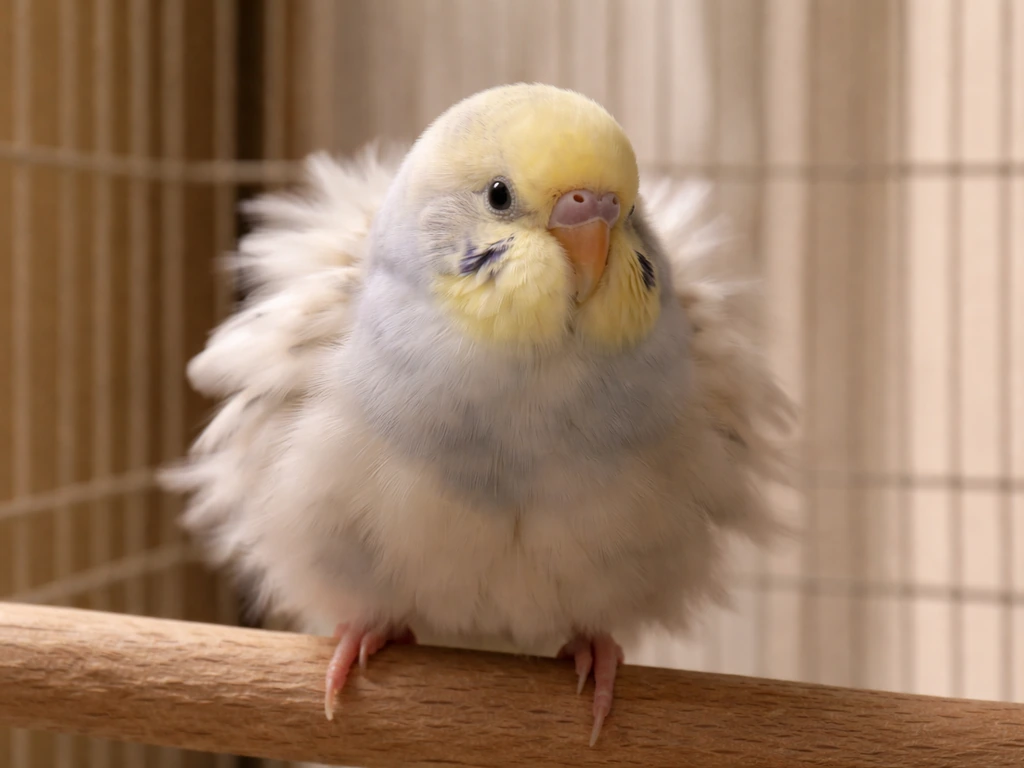
Birds puff up their feathers to trap warm air close to their bodies, and they do this completely naturally when they're resting, sleeping, or a little cold. You'll often see a healthy bird look like a round, fluffy ball while sitting quietly on its perch in the afternoon. That's thermoregulation, and it's normal. Similarly, a small amount of shivering or shaking right after a bath is normal as a bird dries off and regulates its temperature. Because shaking after a bath is often just normal drying and temperature regulation, the way to decide is to check whether your bird’s breathing, droppings, and activity level stay normal afterward.
What's not normal is a bird that stays puffed up for a long stretch of time, seems lethargic, won't eat, has its eyes partially or fully closed, or is shaking in a way that looks muscular and persistent rather than a quick ruffle. Fluffed feathers combined with increased sleeping are flagged by avian veterinarians as warning signs of illness. The combination of puffing and shaking together, especially when the bird is awake and should be active, is the pattern that deserves your attention.
Shaking also shows up as a fear response. A bird in a stress or fear posture often holds its feathers flat against its body with its wings slightly away from its sides, and its whole body may quiver. That's different from a sick, puffed-up bird, but it's still something to address since chronic stress can weaken a bird's immune system over time.
Quick checks you can do right now
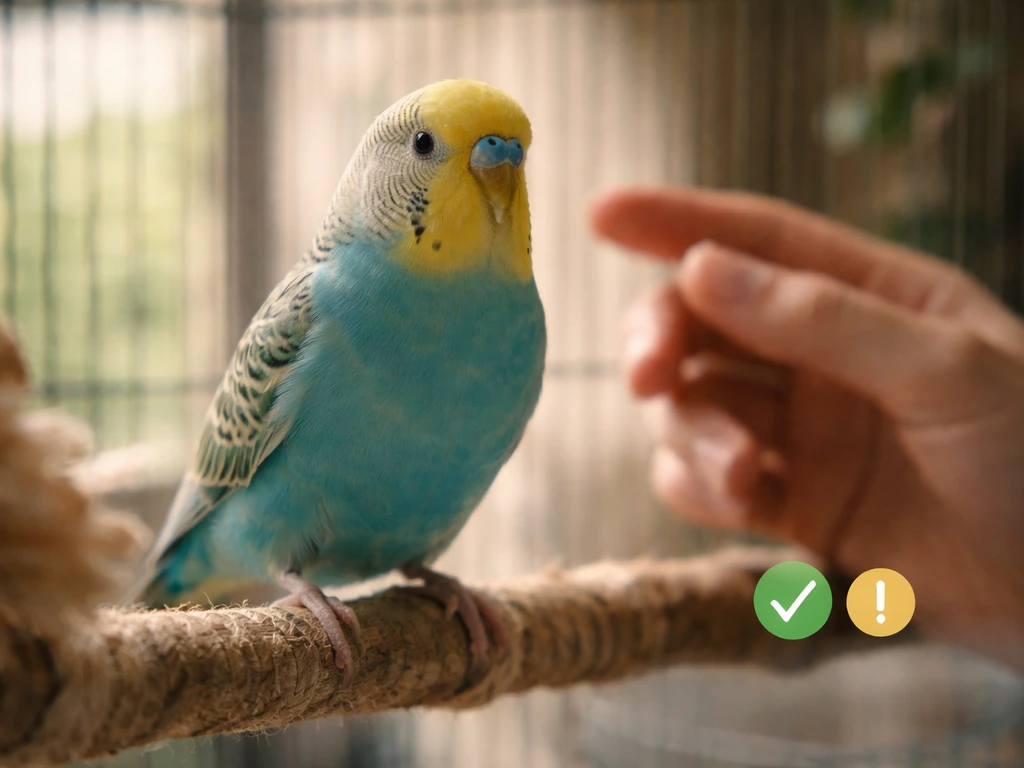
Before you decide what to do next, spend two to three minutes observing your bird without disturbing it. You want to gather information, not stress it out further. Here's what to check:
- Posture: Is your bird sitting upright and alert, or is it hunched, drooping, or struggling to stay on the perch? A bird that can't hold itself up on the perch is a red flag.
- Breathing: Watch the chest and tail. Is the tail bobbing up and down rhythmically with each breath? Is your bird breathing with its mouth open? Can you hear clicking, wheezing, or any noise with each breath? Normal breathing is quiet and barely visible.
- Eyes: Are both eyes open, bright, and responsive? Partially closed or sunken eyes, or any discharge around the face, point toward illness.
- Temperature check: Feel the ambient temperature near the cage. Is it below 65°F (18°C) or above 85°F (29°C)? Is the cage near an air conditioning vent, window draft, or a heat source? The ideal range for most pet birds is 70 to 80°F.
- Droppings: Look at the cage bottom. Are droppings normal in color and consistency (green/brown solid, white urate, clear liquid)? Runny, discolored, absent, or very dark droppings are warning signs.
- Appetite and activity: Has your bird eaten today? Is it engaging with toys, responding to you, or vocalizing normally, or is it unusually quiet and withdrawn?
This five-minute check gives you the clearest picture of whether you're dealing with a tired bird on a cool afternoon or something that needs veterinary attention today.
The most likely causes, broken down
Cold or temperature fluctuation
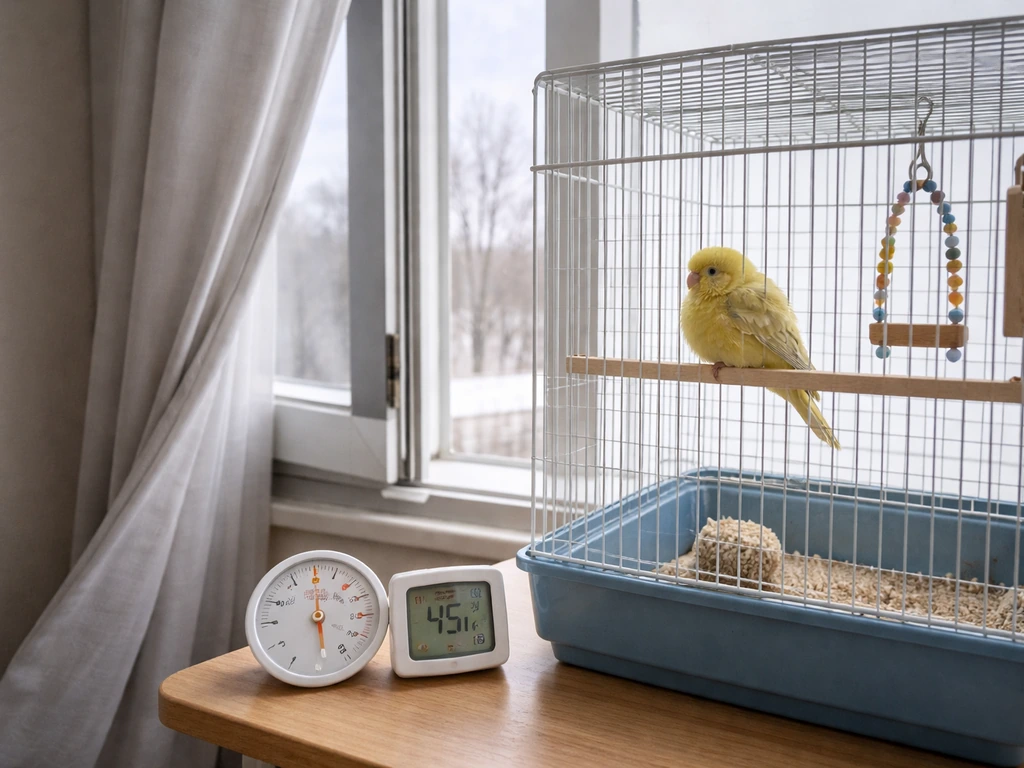
This is the most common and least alarming reason. If the room temperature has dropped, if there's a draft from a vent or window, or if your bird got wet and hasn't fully dried, it will puff up and may shiver to generate warmth. Budgies, cockatiels, and finches are especially sensitive to drafts.
Cockatiels are also among the birds where shaking can be a normal chill, but if you are wondering why is my cockatiel bird shaking, keep checking for other warning signs too. If this is the cause, moving your bird to a warmer spot typically resolves it within 20 to 30 minutes.
Purdue also advises safe drying after bathing, such as air drying in a warm sunny room or using a hair dryer held at least 10 inches away on low, and notes that supplemental heat support (like a heat lamp or heat pad) can be vital for sick birds [moving your bird to a warmer spot typically resolves it within 20 to 30 minutes. ](https://vet. purdue. edu/hospital/small-animal/articles/general-husbandry-of-caged-birds.
php).
Stress or fear
A scared or stressed bird can quiver or shake, especially if something new happened recently: a new pet in the house, a loud noise, rearranging the cage, a new bird nearby, or an unfamiliar person. If you want a more direct answer to why is my bird shaking his head, start by checking temperature, stress triggers, and whether any respiratory symptoms are present quiver or shake. Stress shaking often looks like quivering with the wings held slightly out from the body and feathers pressed flat rather than puffed. If the trigger is obvious and removed, most birds settle down within minutes.
Pain or injury
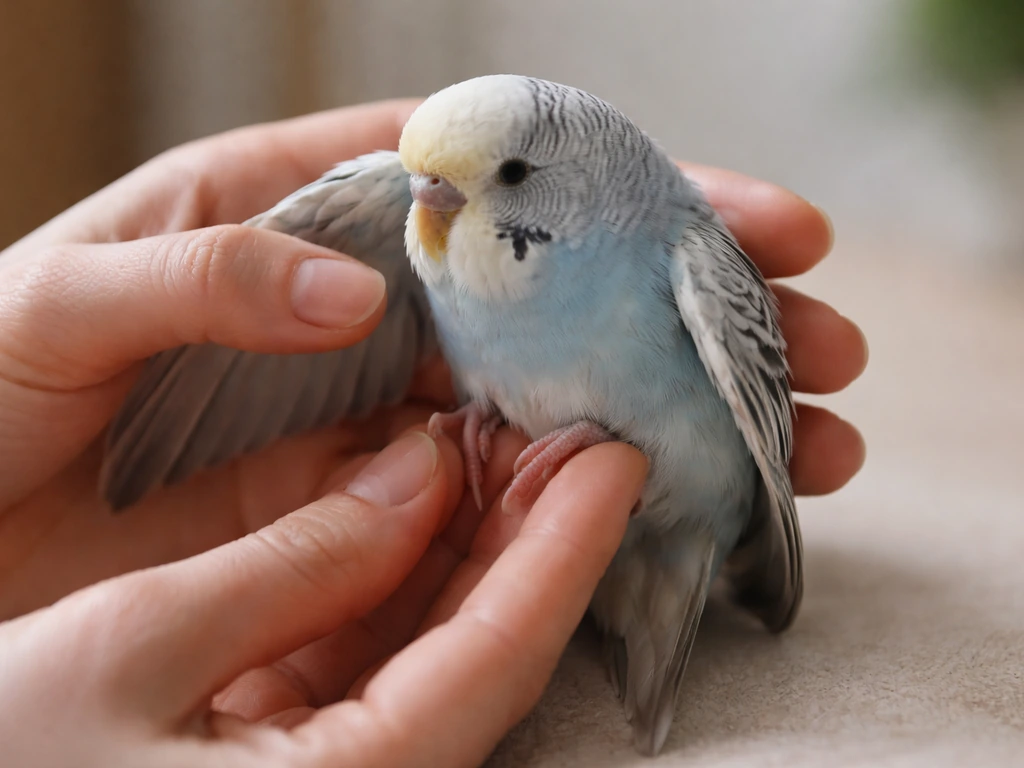
Birds in pain often puff up and become very still. They may also breathe faster than normal, and you might notice tail bobbing even when they're calm and at rest. Check your bird's body carefully (without forcing it) for any visible injury, swelling, or asymmetry, particularly in the feet, legs, or wings. A bird that fell from its perch recently may have an injury it's hiding, since birds instinctively mask weakness.
Respiratory illness or infection
This is the most serious category to watch for. Respiratory distress in birds includes open-mouth breathing, tail bobbing with each breath, audible wheezing or clicking, increased chest movement, stretching the neck forward, and a change in voice. Air sac mites, bacterial infections, and fungal infections can all cause these signs. If your bird is shaking and you notice any respiratory signs alongside puffing, that combination needs urgent veterinary attention, not a wait-and-see approach.
Overheating or toxin exposure
Overheating produces different signs from cold: a hot bird will pant with its mouth open, hold its wings away from its body, and may have hot feet and a hot beak. This is an emergency. Toxin exposure (non-stick cookware fumes, scented candles, air fresheners, smoke, cleaning chemicals, or certain plants) can cause sudden respiratory distress, trembling, and collapse. If you suspect toxin exposure, move your bird to fresh air immediately and call an avian vet.
Red flags that mean go to the vet now
Some signs tell you this cannot wait. If your bird has any of the following, contact an avian vet or emergency exotic animal clinic immediately:
- Open-mouth breathing at rest
- Audible breathing sounds: wheezing, clicking, or squeaking with each breath
- Tail bobbing noticeably with every breath while the bird is calm
- Blue, purple, or very pale tissue around the beak or nails (sign of oxygen deprivation)
- Collapse, inability to stand, or falling off the perch
- Seizures or tremors that look neurological, not just shivering
- No droppings for more than 24 hours, or very dark, bloody, or completely watery droppings
- Complete loss of appetite for more than 24 hours
- Visible trauma, bleeding, or a suspected broken bone
- Known or suspected exposure to fumes, smoke, or toxic substances
When a bird is showing respiratory distress, minimize handling as much as possible. Restraint adds stress and can make breathing harder. Keep the bird in its carrier or a small, quiet container and get to the vet. If there's a wait, a warm environment helps: avian vets often use warm, oxygen-enriched incubators for birds in distress precisely because warmth and reduced stress are stabilizing while treatment is being arranged.
Safe supportive steps you can take at home while you observe
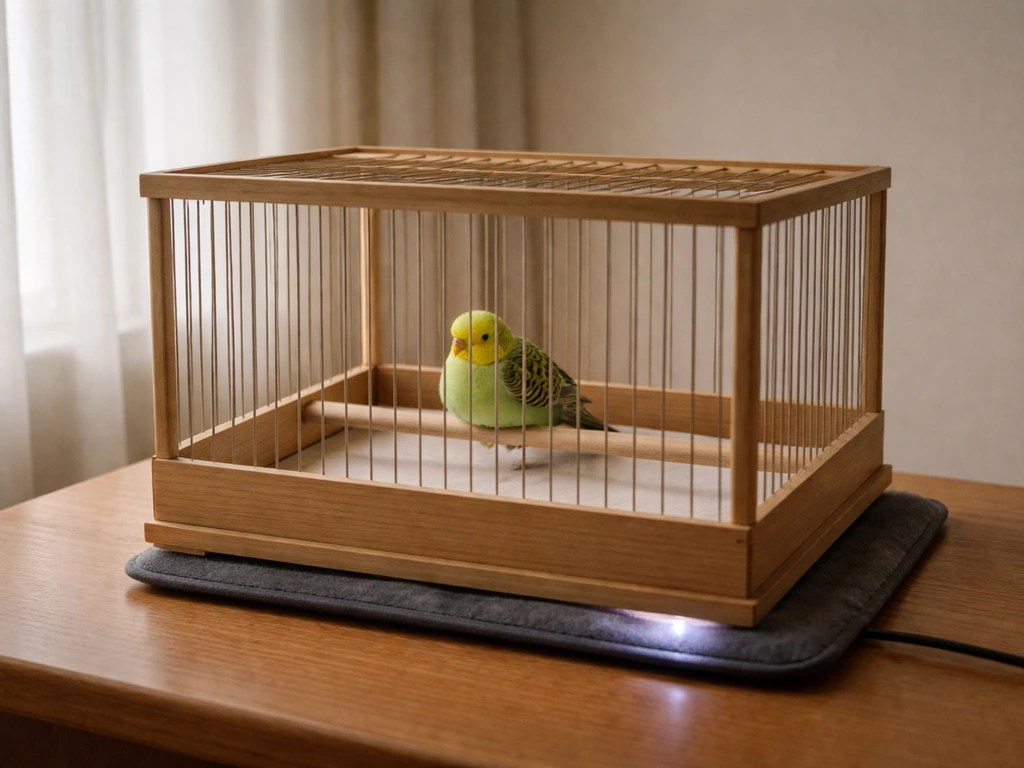
If your bird is puffed up and shaking but not showing any of the red flags above, there are a few safe things you can do right now while you watch for changes:
- Warm the environment gently. Move your bird to a room that's 75 to 80°F, away from drafts and air conditioning vents. If you need supplemental heat, use a heat lamp or a heating pad placed on one side of the cage only, so the bird can move away if it gets too warm. Never place a heating pad directly under the whole cage.
- Reduce stressors. Dim the lights slightly, lower noise levels, remove new or threatening stimuli, and cover part of the cage to give your bird a sense of security.
- Offer fresh water and a small amount of favorite food. A bird that's slightly cold or mildly stressed will often eat and drink once it warms up. A bird that refuses food and water even after settling is more concerning.
- Check air quality. Open a window briefly if the indoor air smells like anything chemical, burnt, or strongly scented. Remove candles, aerosols, or non-stick cookware from the bird's environment.
- Observe for 20 to 30 minutes. If the shaking and puffing resolve and your bird returns to normal behavior, that's a good sign. If symptoms persist or worsen, move to calling a vet.
Do not give your bird any human medications, vitamins, or supplements without a vet's guidance. Even things that seem harmless can be harmful to birds.
How to prepare for an avian vet visit
The more specific information you bring to the vet, the faster they can help you. Birds deteriorate quickly once they show illness signs, so the history you provide is genuinely valuable diagnostic information. Here's what to document before or on the way to the appointment:
- Video: Record your bird on your phone right now. Capture the shaking, the posture, any tail movement with breathing, and how it's sitting on the perch. Vets frequently see birds that look a bit more normal in the clinic due to adrenaline, and video closes that gap.
- Timeline: When did you first notice the puffing and shaking? How long has it been going on? Did anything change in the last 24 to 72 hours (new food, new toy, cleaning products, different temperature, new household pet)?
- Droppings sample: Place a piece of wax paper or foil in the cage bottom to collect fresh droppings to bring in. Changes in color, consistency, or volume are important clues.
- Diet history: What has your bird eaten in the last 24 to 48 hours? Has it eaten at all today?
- Describe the breathing specifically: Is the tail moving? Is the beak open? Can you hear anything? How fast does the chest move compared to normal?
- Environment details: Cage location, recent temperature changes, anything that might have been burned or sprayed in the home.
When you call the vet, use clear, descriptive language: 'My bird has been puffed up for two hours, is shaking, and I can see its tail moving with each breath' tells them far more than 'my bird seems sick. If you are seeing tail movement with shaking, it can point to breathing trouble and it is best to talk with an avian vet tail moving with each breath. ' That level of detail helps triage whether you need to come in immediately or can be seen in a few hours.
How to prevent this from happening again
A lot of the situations that lead to puffing and shaking are preventable with a stable, bird-friendly environment. Here are the most practical steps:
- Keep the cage temperature stable. Aim for 70 to 80°F and avoid placing the cage near heating vents, air conditioning drafts, windows with cold night air, or areas with big temperature swings. A digital thermometer near the cage is cheap and genuinely useful.
- Maintain good air quality. Birds have highly sensitive respiratory systems. No non-stick cookware (PTFE/Teflon-coated pans) near a bird's airspace, no scented candles, no strong cleaning chemical fumes, and no smoking indoors.
- Control humidity. Very dry air irritates birds' respiratory tracts. A humidity level between 40 and 60% is comfortable for most pet birds. A basic humidifier in dry climates or during winter heating season helps.
- Establish a consistent routine. Birds are sensitive to change. Consistent feeding times, lighting cycles (12 hours light, 12 hours dark is a good baseline), and predictable human interaction reduce chronic stress.
- Do routine health checks. Once a week, look at your bird's droppings, check that it's eating normally, and note any changes in behavior or vocalization. Catching small changes early is much easier than dealing with a health crisis.
- Schedule annual avian vet visits. Even a healthy-seeming bird benefits from a yearly checkup with a vet who knows birds. Many illnesses are caught early during routine exams, well before they become emergencies.
It's also worth knowing that some shaking-related behavior is species-specific or situational. Cockatiels, for example, shake and quiver during excitement or courtship, which is entirely normal. If you have a cockatiel and want a deeper look at that specific behavior, it's worth reading up on cockatiel-specific shaking patterns, since some of what looks alarming in a cockatiel is actually breed-typical communication. Similarly, shaking right after a bath is almost always a normal drying and temperature-regulation response rather than a health concern.
The bottom line is this: puffed up and shaking is a combination that tells you to pay attention, but it doesn't automatically mean an emergency. Run through the quick checks, rule out temperature and stress, look carefully at the breathing, and trust your gut. If something feels off beyond a simple chill, it's always better to call an avian vet and be wrong than to wait and find out you were right.
FAQ
How long is too long for my bird to stay puffed up and shaking?
A key decision point is whether the bird stays puffed up and shaking continuously for more than a short period, or if it quickly returns to normal posture and routine. If your bird is eating, responding to you, and breathing is quiet and steady, that supports a chill or post-bath explanation. If puffing persists, appetite drops, or you see abnormal breathing patterns (like open-mouth breathing or increased chest movement), treat it as illness and contact an avian vet promptly.
What breathing signs separate a normal chill from respiratory distress?
Listen and watch closely for breathing effort rather than just feather fluff. Normal drying or cold chills typically do not include open-mouth breathing, noisy wheezing or clicking, or a clear increase in chest movement. If you notice tail bobbing with breaths, a stretched-forward neck, or changes in voice, assume respiratory trouble even if the shaking looks mild.
Should I pick up and examine my bird if it’s puffed up and shaking?
If your bird is breathing hard or has open-mouth breathing, avoid removing it from the carrier for “checking” or holding it. Keep it in a warm, quiet place and minimize handling until you speak with an avian vet. Gentle observation from a distance is safer than repeated handling, which can worsen breathing stress.
My bird just had a bath. How can I tell when shaking after drying is no longer normal?
Yes, and timing matters. Many birds shake or shiver right after getting wet, but they should dry fully and become more settled within a short window. If your bird is still puffed up and shaking after it has been dry for a while, or if it is not returning to normal activity and droppings, that is a red flag to escalate.
What other symptoms should I check beyond puffing and shaking?
Because birds can mask illness, check for changes that your bird can only “hide” so well, like reduced appetite, less time perched and active, quieter voice, and altered droppings (watery, very dark/white, or significantly reduced output). Also note whether eyes are closing and whether the bird is unusually still in addition to puffing.
Could this be a pain response, and how do I spot an injury without hurting my bird?
A stuck needle, toe, or foot injury can trigger pain and cause puffing with unusual stillness and faster breathing. Carefully look at feet, toes, and the base of the tail for swelling, color change, or asymmetry, without trying to force movement. If you suspect an injury or your bird is favoring one side, call an avian vet.
How do I tell if my bird is too hot instead of too cold?
Overheating is different from cold chilling. Heat stress often comes with open-mouth panting, wings held away from the body, and hot feet or a hot beak. If you see those signs, move the bird to a cooler, shaded area immediately, provide fresh air, and call an avian vet, since overheating can escalate quickly.
My bird seems scared. What stress triggers should I look for?
Try to identify recent changes that could trigger fear or stress, such as a new pet, loud construction noises, a new person handling the bird, or cage repositioning. Stress shaking is often quivering with feathers held flatter rather than a long-lasting puff-ball posture. If the trigger is removed, many birds settle within minutes, but any respiratory signs still warrant a vet call.
What should I do immediately if I suspect toxin exposure?
Toxins from fumes and chemicals can produce sudden breathing trouble and trembling. If you suspect exposure, move your bird to fresh air right away, avoid turning on fans that blow directly into the cage, and contact an avian vet immediately. Do not try to “neutralize” odors with additional chemicals or sprays around the bird.
Can I give my bird human medicine or supplements to stop the shaking?
Do not use human fever reducers, pain medicines, or sedating products, even if the bird seems calm for a moment after giving them. Many are unsafe for birds due to dosing and metabolic differences. If you need help at home while arranging the appointment, focus on warmth, fresh air if indicated, and minimizing stress rather than medications.
What should I record before calling or visiting the avian vet?
Write down a quick timeline: when puffing started, whether it followed a bath or temperature drop, how long shaking lasts, and whether appetite and droppings changed. Also note any respiratory details you observed, like tail movement with breaths or open-mouth breathing. This helps triage because birds can decline quickly.
How should I describe what I’m seeing to the vet so they can triage faster?
Bring specific examples, not general impressions. A better description is: duration, current breathing pattern, whether tail bobs with breaths, whether the bird is eating, and whether eyes are partially closed. These details help a vet decide urgency and likely category (cold, stress, pain, respiratory distress).
What environmental causes are most often missed that can lead to puffing and shaking?
Yes, environment can contribute even when you do not notice obvious drafts. Check for air from vents, leaky windows, ceiling fans, and drafts near doors. Confirm the cage is not placed directly under HVAC airflow, and use a consistent room temperature so the bird does not repeatedly swing between warm and cool.
If cockatiels or other species shake normally, how do I avoid missing illness?
Species matters. Some parrots, including cockatiels in particular situations, may quiver during excitement or courtship, and some shivering is normal after a bath. However, if the bird shows reduced appetite, abnormal breathing, tail bobbing, or prolonged puffing while awake, treat it as health concern regardless of species-typical behavior.
When should I stop waiting and call for urgent care?
If your bird has persistent puffing and shaking, abnormal breathing signs, open-mouth breathing, tail bobbing with each breath, wheezing or clicking, or reduced responsiveness, contact an avian vet or emergency clinic immediately. When in doubt, err on the side of urgent advice, since early respiratory problems often worsen quickly.