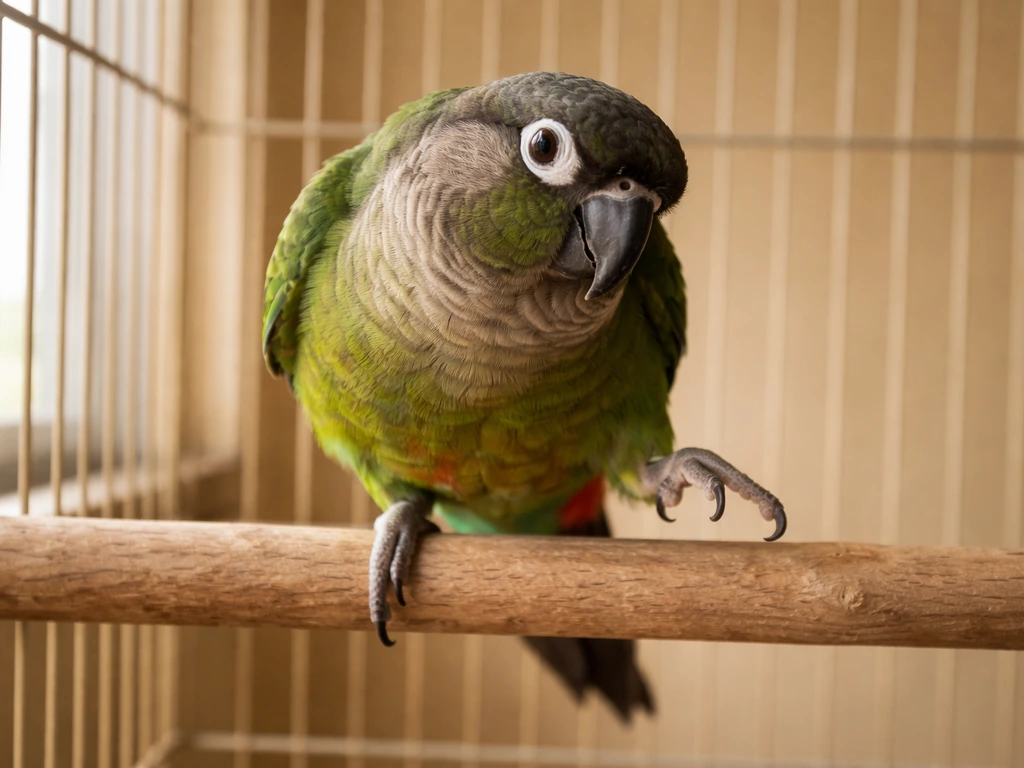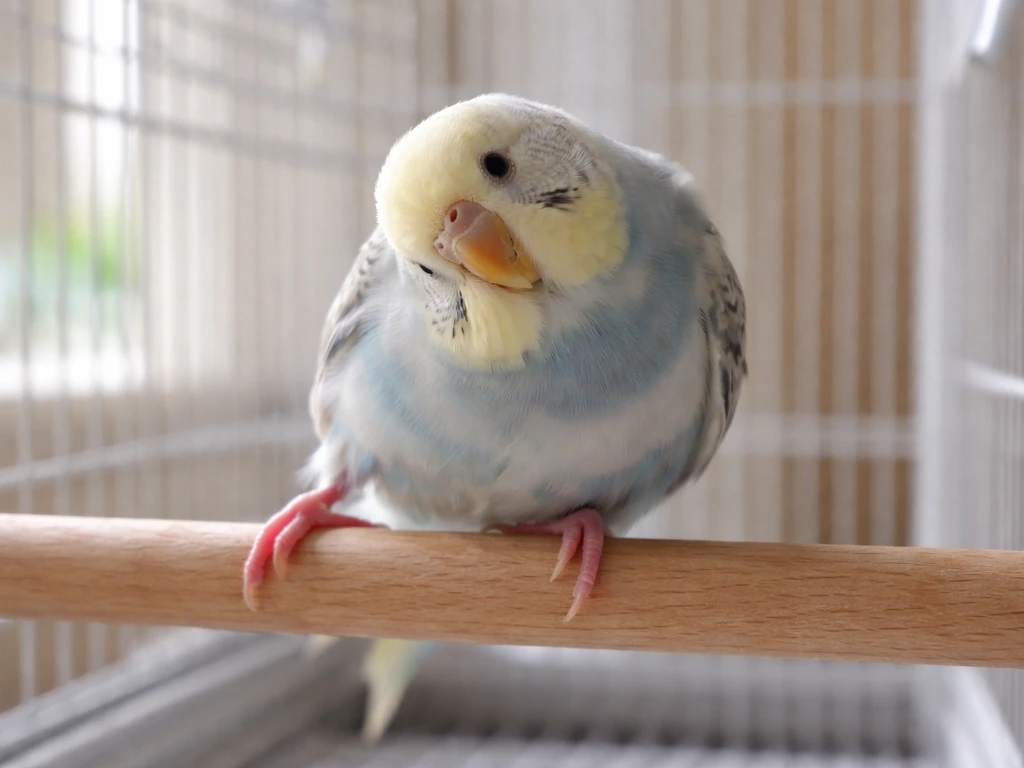
A bird leaning to one side is almost always a sign that something is off, and it needs your attention today. A bird leaning to one side is almost always a sign that something is off, and it needs your attention today, so also review why is my bird falling over for additional red flags and next steps. It could be a vestibular (balance/inner-ear) problem, a neurological issue, an injury, respiratory illness, pain, weakness from systemic disease, or overheating.
Why Is My Bird Leaning to One Side? Causes and What to Do

Marcus Chen
19 Jun 2026
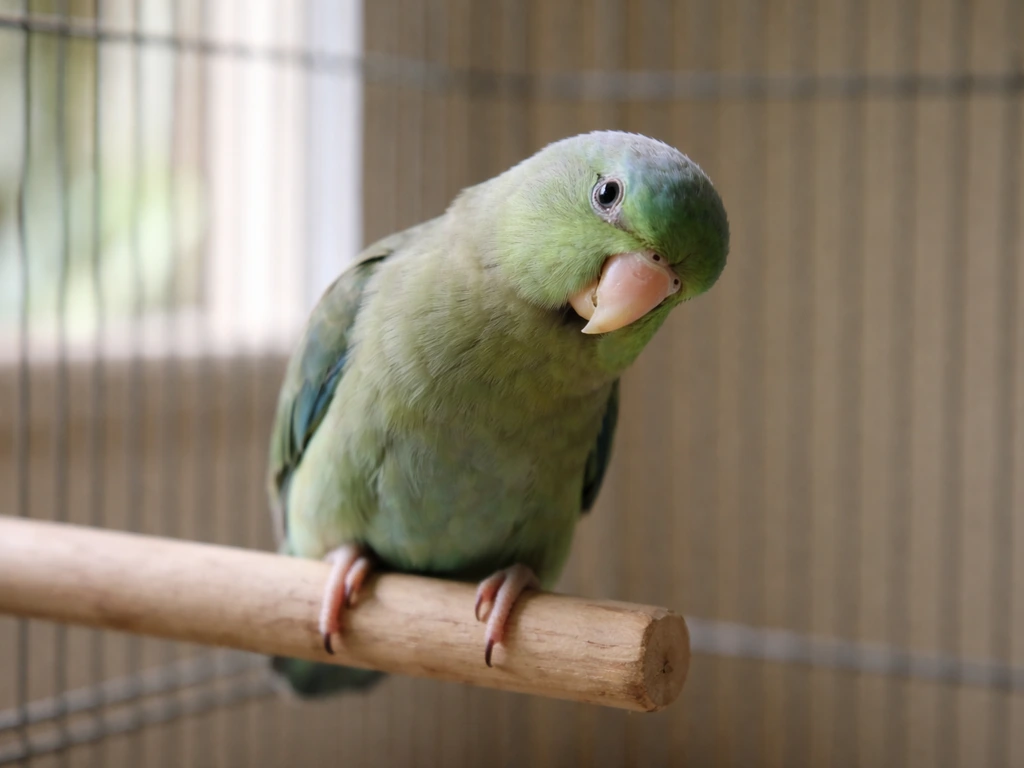
In a small number of cases, a bird leaning forward slightly is normal attention or alerting behavior. But one-sided leaning, a tilted head combined with leaning, or any lean that came on suddenly or is getting worse is not something to brush off. Here is how to figure out what you are likely dealing with and what to do about it right now.
What leaning to one side and leaning forward can mean
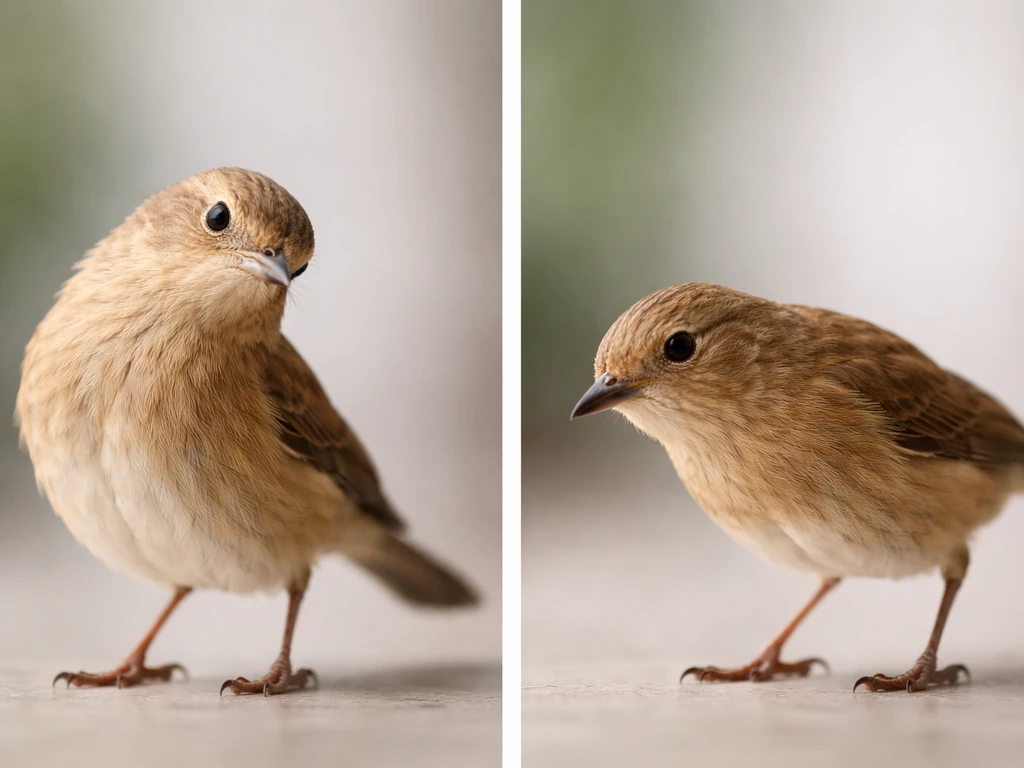
Leaning to one side (lateral tilt) and leaning forward are two different postures that often get confused, and separating them helps you narrow down the cause quickly.
One-sided leaning, where the bird's body is tilted left or right and it struggles to stay upright, is the more urgent posture. It almost always signals something affecting the bird's balance or muscular control. The vestibular system, which handles the sense of balance through structures in the inner and middle ear and connected nerves, is a common culprit. When that system is disrupted, birds tilt, circle, fall to one side, and sometimes show rapid involuntary eye movements called nystagmus. This is what veterinarians call vestibular syndrome, and it can range from mild and manageable to a sign of serious central nervous system disease.
Leaning forward is a different picture. A bird leaning its body forward with its neck extended can sometimes just be a bird that is intensely focused on something, listening, or alert. But forward leaning combined with labored breathing, a stretched-out neck while resting, or tail bobbing with each breath is a respiratory warning sign. Birds in breathing distress often lean forward to open their airway, the same way a person with asthma leans on their hands to breathe more easily.
Both postures can also appear together in a sick bird. A bird dealing with serious systemic illness may be both tilted to one side and hunched or leaning forward, and that combination raises the urgency level considerably.
Quick checks you can do right now
Before you panic, take two or three minutes to observe your bird carefully without disturbing it. You are looking for specific signs that will tell you a lot about severity. Here is what to check.
Watch the breathing first
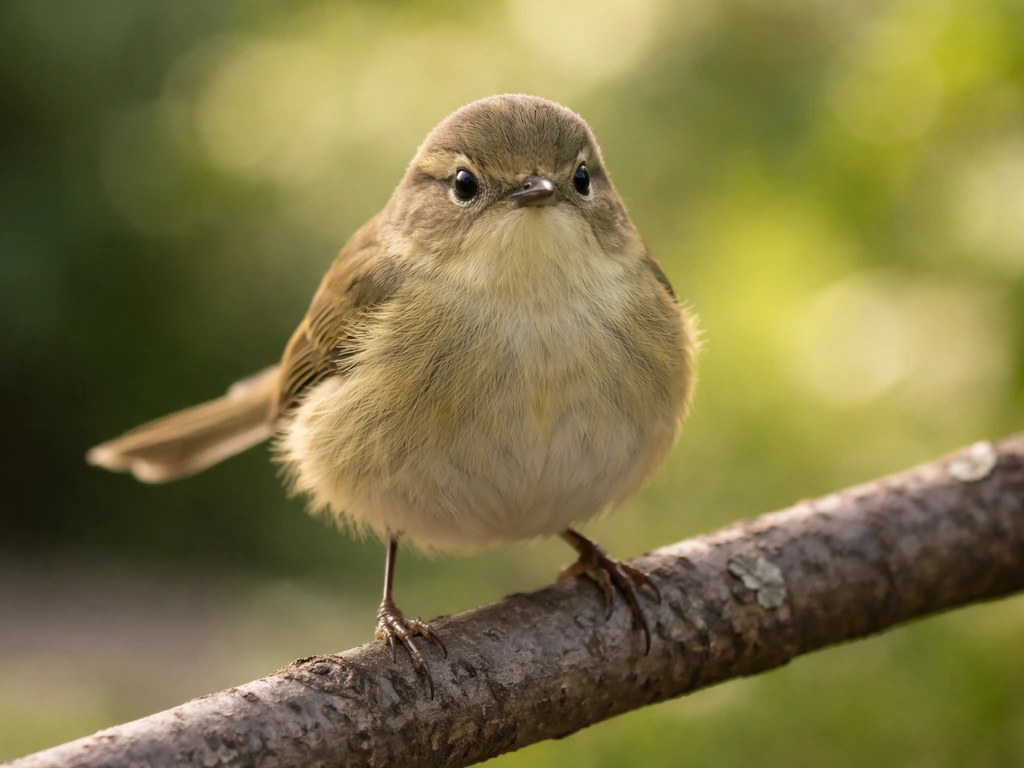
A healthy bird's breathing is quiet, regular, and not visible from across the room. Look for tail bobbing, where the tail moves up and down with each breath. For ataxia and neurologic balance problems in birds, owners are also advised to watch for breathing-linked compensations such as tail bobbing with each breath tail bobbing, where the tail moves up and down with each breath. Watch for open-mouth breathing or puffing the cheeks with each breath. Listen for wheezing, clicking, or labored sounds. Any of those breathing signs alongside a lean means this is not a posture-only problem.
Check the eyes
Are both eyes open and tracking normally? Squinting one eye, a half-closed eye, or eyes that are darting back and forth involuntarily (nystagmus) are neurological red flags. A bird with rapid, uncontrolled eye movement combined with leaning to one side is showing classic vestibular distress.
Check the grip and perch stability
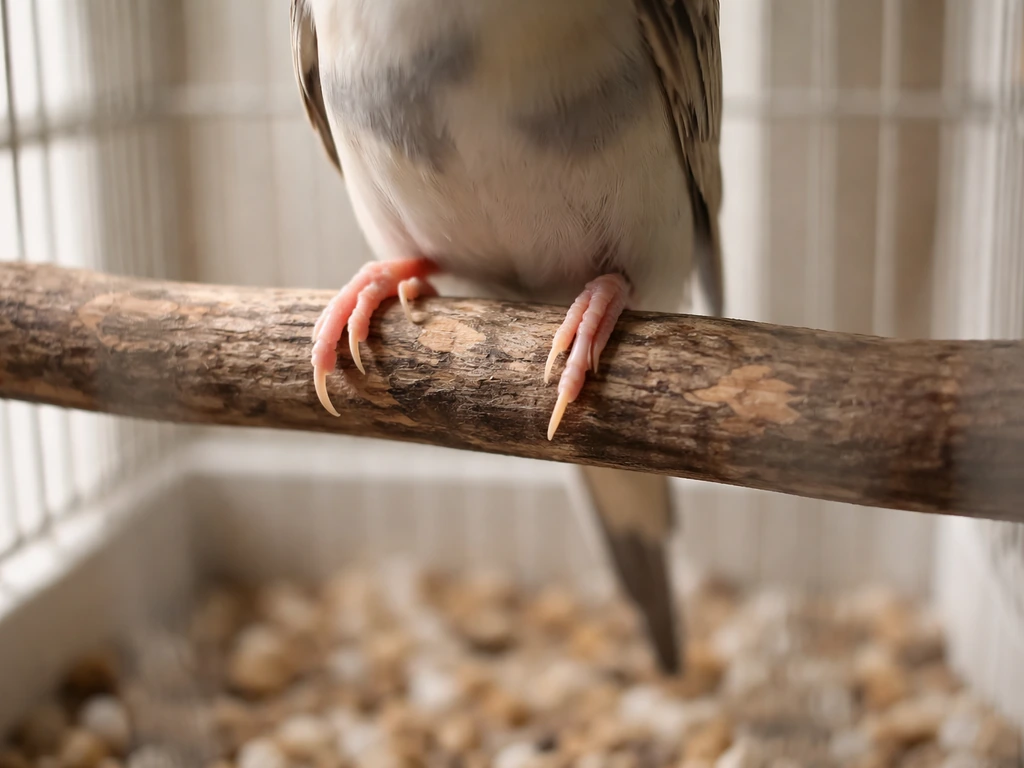
Is your bird able to grip the perch normally, or does it look like it is barely hanging on? A weak or uneven grip, slipping, or falling off the perch entirely is a major red flag. Related topics like birds losing balance and birds falling off their perch go deeper on those specific situations, but here the key point is: if the lean comes with poor grip, this is likely neurological or a significant weakness issue, not a behavioral quirk.
Check the environment for hazards
Look around the cage and the room. Is there anything your bird could have chewed on that contains metal? Costume jewelry, mirror backings, galvanized hardware, curtain weights, old or cheap bird toys, and even some household items can contain lead or zinc. Heavy metal poisoning is a real cause of sudden neurological symptoms in pet birds. Also check the room temperature: if it is above 85 to 90 degrees Fahrenheit and your bird is leaning with wings drooped away from the body and panting, overheating is an immediate concern.
Check for recent changes
Think back over the last 24 to 48 hours. Did anything change? New cleaning products used near the cage, a different food, a new toy, a recent fall or collision with a window, a temperature drop in the room overnight? Any of these can be the trigger. Make a quick mental note or write it down, because your vet will ask.
Common medical causes: balance, neurology, and injury
Vestibular disease
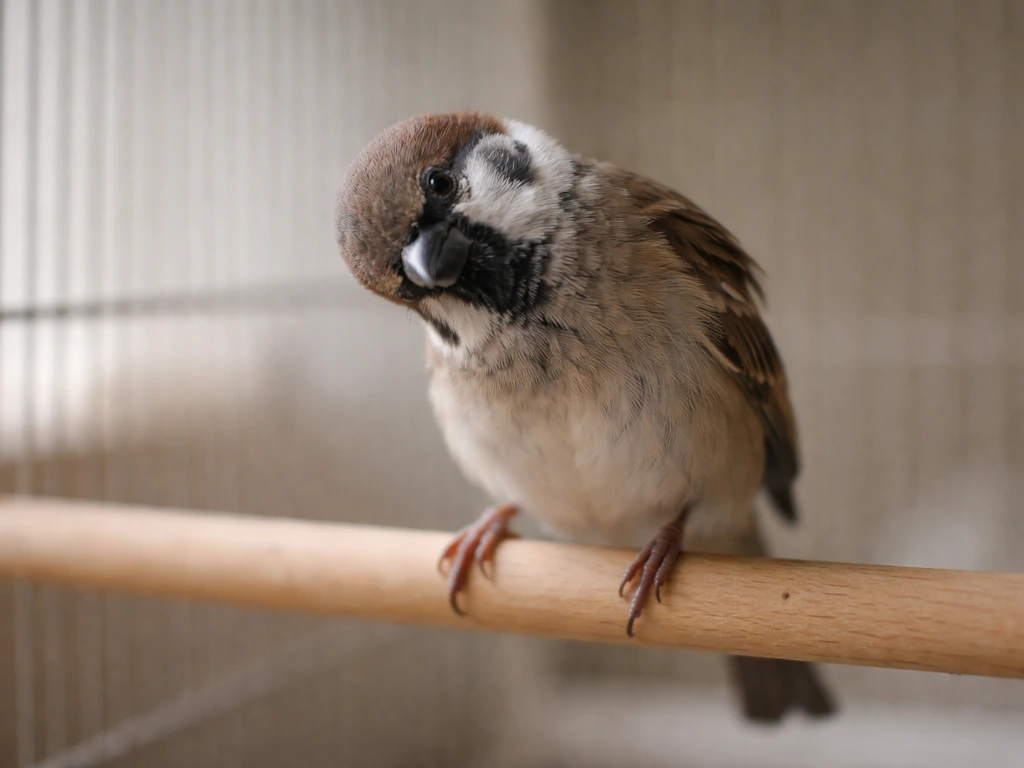
Vestibular syndrome is one of the most common explanations for a bird leaning or tilting to one side. The vestibular system controls balance, and when something disrupts it, whether that is an inner or middle ear infection, a toxin, trauma, or a problem deeper in the nervous system, the bird loses its ability to stay upright. You will typically see a head tilt to one side, circling in one direction, stumbling or falling, and possibly nystagmus (those rapid eye movements). The bird often knows something is wrong and looks distressed. Peripheral vestibular disease (inner ear/nerve) is generally more treatable than central vestibular disease (brain), which is why getting a vet to localize the problem matters.
Trauma and injury
Birds fly into windows, fall off perches, collide with ceiling fans, or get accidentally stepped on. Any of these can cause head trauma, spinal injury, or broken bones that result in a lopsided posture. If the lean came on very suddenly, especially after you heard a thud or noticed your bird startled, injury is high on the list. An injured bird may also hold one wing differently, favor one leg, or flinch when touched in a specific area.
Heavy metal toxicity
Lead and zinc poisoning both cause neurological signs in birds, including ataxia (stumbling, poor coordination), weakness, tremors, circling, and leg paralysis. A bird that was fine yesterday and is leaning and trembling today, especially one that had access to any metal objects, needs to be seen urgently. Heavy metal toxicity can also cause reduced appetite and changes in droppings alongside the neurological signs.
Stroke or vascular event
Less common but real, vascular events can cause sudden one-sided weakness or tilt. These tend to present the same way as vestibular disease or trauma but without a clear environmental trigger. They require the same urgency level and the same diagnostic approach.
Common medical causes: breathing, pain, weakness, and overheating
Respiratory illness
A bird that leans forward and stretches its neck while breathing is often trying to open its airway. Respiratory infections, including bacterial infections like avian chlamydiosis (psittacosis), can cause lethargy, ruffled feathers, nasal and eye discharge, loss of appetite, and a leaning-forward posture driven by breathing difficulty. Psittacosis in particular can look like general malaise at first, with the bird seeming tired and off, before more obvious breathing signs develop. Open-mouth breathing, tail bobbing, wheezing, and a forward lean together are serious respiratory warning signs that need same-day vet contact.
Pain
A bird in pain often leans away from the source of discomfort. If one leg, one wing, or one side of the body is injured or inflamed, the bird compensates by shifting its weight. You might also see the bird avoiding putting weight on one foot, holding a wing in an unusual position, or reacting when you approach a specific area. Pain-related leaning is often more subtle and gradual than vestibular or neurological leaning.
Generalized weakness and systemic illness
A bird that is sick for any reason, whether from infection, organ disease, or nutritional deficiency, can become too weak to maintain normal posture. This tends to look like overall droopiness: puffed feathers, eyes half-closed, sitting low on the perch or on the cage floor, and a lean that comes from exhaustion rather than a specific neurological event. The bird may have reduced or absent appetite, loose or discolored droppings, and very little interest in its surroundings.
Overheating
Overheating is easy to overlook but can become a medical emergency fast. A bird that is too hot will often hold its wings away from its body, breathe rapidly with an open beak, look restless or lethargic, and may lean or droop. If the room is hot, the cage is in direct sunlight, or the bird is near a heat source, this is your first thing to address. Move the bird to a cooler, well-ventilated space (not air conditioning blasted directly on it) and monitor closely. If symptoms do not improve within minutes, contact a vet.
Normal vs emergency: red flags that mean call a vet now
Birds are experts at hiding illness. By the time a bird looks obviously sick, it has often been struggling for a while. Do not wait for things to get worse before reaching out to an avian vet. The following signs mean contact a vet today, not tomorrow.
- Open-mouth breathing or audible breathing sounds like wheezing or clicking
- Tail bobbing with each breath
- Visible head tilt combined with circling, stumbling, or falling
- Rapid involuntary eye movements (nystagmus) or eyes moving in opposite directions
- Sudden onset lean that appeared quickly rather than gradually
- Inability to stay on the perch or falling to the cage floor
- Tremors, seizure-like shaking, or loss of muscle control
- Lethargy where the bird is unresponsive, eyes closed, and barely reacting
- Drooped wings combined with overheating signs (panting, hot environment)
- Recent access to metal objects, with any neurological symptoms
- Suspected trauma (heard a crash, found the bird on the floor)
- No improvement or worsening symptoms over 2 to 4 hours
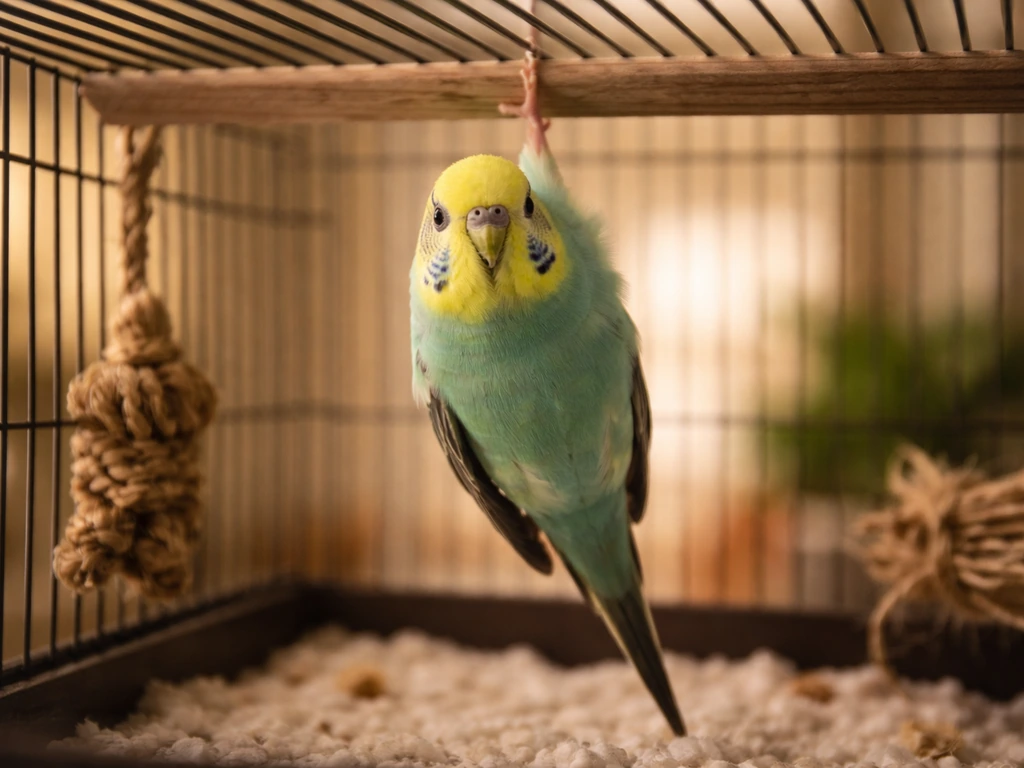
The postures that are most likely to be normal and not emergency-level are a brief forward lean when the bird is watching something intently, a momentary stretch, or a bird that hangs in unusual positions as part of its normal playful behavior (some birds do lean and hang sideways as play, which is a different topic from a true one-sided tilt). If your bird is alert, eating, breathing quietly, and only occasionally tilts slightly forward when curious, that is very different from a bird that is tilted to one side, struggling, and showing any of the signs above.
What to do today: home steps and monitoring
If you have ruled out the emergency-level red flags above and your bird is stable, here is what to do while you monitor and decide on next steps.
- Reduce stress immediately. Turn off loud music or TV, dim bright lights, and keep other pets and people away from the bird. Stress makes everything worse.
- Keep the bird warm but not hot. A slightly warm, quiet environment helps a sick bird maintain its energy. Around 80 to 85 degrees Fahrenheit is a reasonable target for a bird showing mild illness signs, but do not use a heat lamp directly on a bird that may be overheated.
- Lower food and water to an accessible level. A bird that is leaning or has balance problems may not be able to reach dishes at normal height. Put water and soft food on the cage floor or on a low platform.
- Do not force handling. If the bird is in pain or has an injury, unnecessary handling can cause more harm. Limit contact to what is essential.
- Remove access to metal objects, toys with metal components, or anything in the cage that could be a chewing hazard until you know the cause.
- Take a short video of the bird showing the leaning, its eye movements, its breathing, and its posture. Do this now, even before you call anyone. Videos are extremely useful for your vet.
- Check on your bird every 15 to 30 minutes. If it gets worse in any way, move to emergency vet contact immediately.
- Do not give any medications, supplements, or home remedies without vet guidance. Many human or even pet medications are toxic to birds.
How to prepare a vet visit
When you call or visit an avian vet, the more specific information you can provide, the faster they can help. Avian vets will likely do a physical exam, blood work (including a lead level test if toxicity is suspected), and may use imaging like X-ray or CT scan depending on what they find. Here is what to have ready.
| What to document | Specific details to note |
|---|---|
| When it started | Exact time or date you first noticed the lean or tilt |
| How it started | Sudden onset vs gradual, after a loud noise or crash, after a new item was introduced |
| What the lean looks like | Left or right lean, forward lean, head tilt, circling direction |
| Eye and body movements | Nystagmus, tremors, stumbling, wing position, grip strength |
| Breathing | Open mouth, tail bob, audible sounds, breathing rate if you can count it |
| Appetite and droppings | When the bird last ate, any changes in droppings (color, consistency, volume) |
| Environment changes | New toys, cleaning products used near the cage, new foods, temperature changes |
| Possible toxin exposure | Any metal objects chewed, plants accessed, fumes from cooking or aerosols |
| Cage placement | Direct sunlight, near heat/AC vents, recent temperature extremes |
| Video or photos | Clip showing the posture, eye movement, and breathing if possible |
At the appointment, ask the vet directly whether they think this is peripheral or central vestibular disease, whether heavy metal testing is warranted, and what signs at home should trigger an emergency call. Get a clear answer on what to watch for overnight and when to come back. You should leave the appointment with a specific monitoring plan, not just a general 'keep an eye on it.'
One-sided leaning in a bird is rarely something you can wait out without understanding the cause. It is the kind of sign that a vet needs to evaluate, especially when it is new, sudden, or combined with any of the other symptoms described here. The good news is that many causes, including vestibular disease and even some infections, are very treatable when caught early. Getting eyes on your bird today, even just via a phone call to an avian vet, is the best thing you can do right now.
FAQ
When is a leaning posture an emergency versus something I can monitor at home?
If your bird is tilting left or right, cannot keep balance, and the onset was sudden (especially after a collision, a fall, or you heard a thud), treat it as urgent. Call an avian vet the same day. Wait-at-home is safer only for brief, occasional curiosity-related forward leaning where breathing is quiet, grip is normal, and there is no nystagmus or worsening over minutes.
How can I tell if the leaning is vestibular versus pain or an injury?
Look at the eyes and footing together. Vestibular problems often come with rapid involuntary eye movements (nystagmus), circling, stumbling, and a tilt that prevents normal upright posture. Pain or injury often shows one-sided guarding, flinching when a specific area is touched, uneven grip from one foot or wing, and a bird that may remain alert but favors one side. If you see nystagmus, treat it as neurological or vestibular, not pain.
What should I do immediately at home, and what should I avoid?
Do not give human anti-dizziness meds or antibiotics without vet direction. For immediate safety, move the cage away from hazards (windows, mirrors, ceiling fans), offer easy access to food and water, and keep lighting steady. If overheating is possible, cool gradually (shade and ventilation, avoid direct blasting air on the bird). If there is any open-mouth breathing, tail bobbing, or the bird is falling, prioritize veterinary care over supportive measures.
Could my bird’s leaning be from heavy metal, and how do I know whether to request a metal test?
Yes, because tests and treatments differ. If a lead or zinc source is possible, ask your vet whether to run a blood lead level (and consider related toxicity panels if available). Early neurological signs can still appear before obvious digestive changes. Also consider that galvanized hardware, some toys, and certain room items can off-gas or shed metal dust after chewing.
My bird tilts its head sometimes, how do I know when it is normal curiosity?
A head tilt that is mild, intermittent, and does not progress can be benign, but one-sided tilting that is new, getting worse, or paired with poor grip or abnormal eye movements is not. Also watch for progression during the first hour after you notice it. If it is worsening or the bird is struggling to stay upright, switch from observation mode to same-day vet contact.
Can overheating cause a bird to lean or look neurologic, and how can I differentiate it?
Overheating symptoms can mimic neurologic issues because the bird may look uncoordinated when exhausted. Key overheating clues include wings held away from the body, rapid breathing with an open beak or panting, and a hot environment (direct sun, heat source, or very warm room). If you cool the bird and breathing improves within minutes, overheating becomes more likely, but still contact a vet if signs persist or the bird collapses.
What signs suggest the leaning is from breathing trouble rather than balance problems?
Yes. Birds with respiratory illness often lean forward with the neck extended to make breathing easier. If you also see tail bobbing, wheezing, clicking, open-mouth breathing, or puffed cheeks, it is a respiratory warning sign rather than a posture-only issue. If those signs are present, seek same-day veterinary care.
What information should I gather before calling the vet so they can triage faster?
Keep track of timing and triggers. Write down when you first noticed the tilt, whether it started suddenly or gradually, any recent accidents (window hit, fall, step-on), and any changes (new cleaner, new food or toy, overnight temperature change). Also note appetite, droppings changes, and whether the bird is perching normally or slipping.
Why does it matter whether this is peripheral versus central vestibular disease?
Yes, and it can change the diagnosis. Central neurologic causes (brain) and peripheral vestibular disease (inner ear or related nerves) can look similar at first, but outcomes and treatment differ. Ask the vet specifically whether they suspect peripheral versus central vestibular disease, what findings support that, and what home monitoring signs would suggest progression or need for immediate re-evaluation.
If my vet told me to monitor, what specific changes should trigger an emergency call?
If the bird is stable enough to monitor, have a clear “go back now” threshold. For example, if breathing becomes labored, the bird starts falling or cannot grip, nystagmus appears or worsens, or the bird becomes less responsive, contact the vet immediately rather than waiting for a scheduled follow-up. Your appointment should include these specific triggers.