A bird falling over is almost always a serious sign. It can mean weakness, loss of balance (ataxia), a seizure, toxin exposure, or a systemic infection, and it needs your attention right now. This is not normal behavior. Whether your bird toppled off a perch, collapsed to the cage floor, or is stumbling and can't hold itself upright, the steps you take in the next few minutes matter a great deal.
Why Is My Bird Falling Over? Triage, Causes, and First Aid

Marcus Chen
27 Jun 2026
What 'falling over' actually tells you
Falling over in birds usually falls into one of three categories: true weakness (the muscles can't hold the bird up), imbalance or ataxia (the nervous system isn't coordinating movement properly), or a seizure (a sudden abnormal electrical event in the brain). All three look alarming, and all three can look similar in the moment. A bird that loses its grip and drops to the cage floor during a seizure looks very different from a bird with slow, progressive wobbling from a calcium deficiency, but both deserve urgent attention.
Ataxia, the technical word for loss of coordination, can come from nervous system disease (brain or spinal cord), toxin exposure, metabolic problems, or general systemic weakness. A bird with ataxia may sway, stumble, lean to one side, or fall repeatedly without appearing to 'seize. A head tilt or leaning to one side can have different causes, so it is important to get a vet to assess your bird promptly lean to one side. ' Seizures, on the other hand, tend to be sudden, often involve loss of grip, uncontrolled movement, or rigid posturing, and the bird may seem dazed or disoriented immediately afterward. Related signs like leaning to one side or a persistent head tilt often go hand in hand with these episodes and can help you narrow down the cause.
Triage first: check these things before anything else
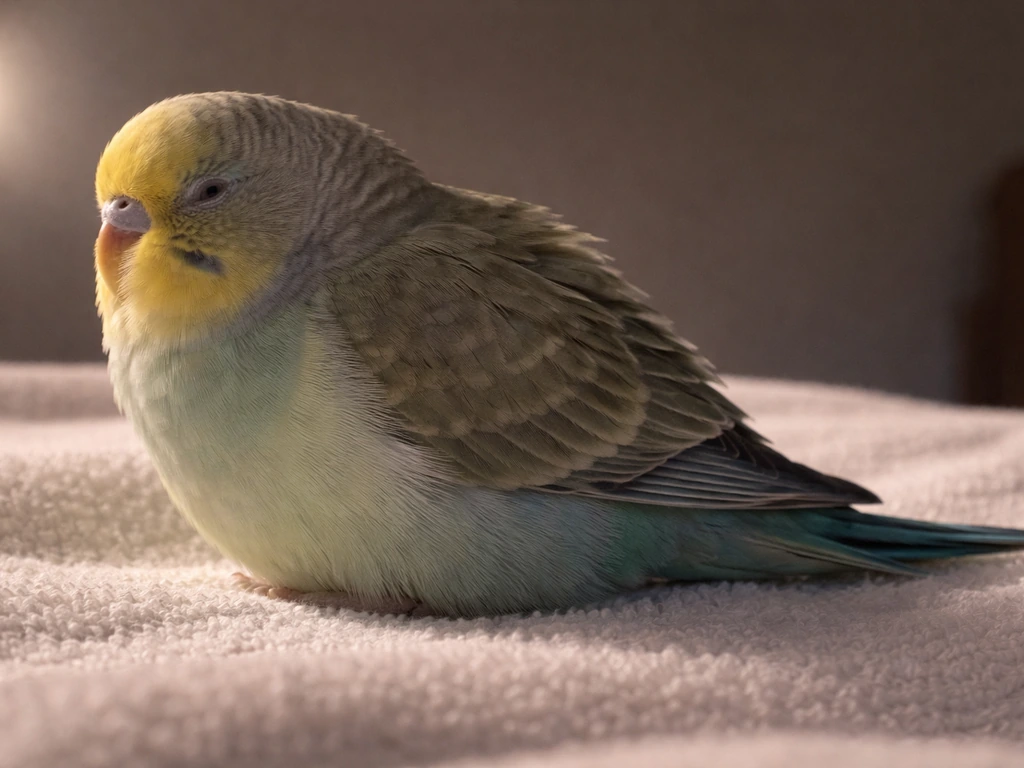
Before you try to figure out why this is happening, spend sixty seconds doing a quick visual check. Do not pick the bird up yet. Stress from handling can make a sick bird crash faster. Watch from a short distance and note the following.
Breathing
Is your bird breathing? Can you see the chest or tail moving? blank" rel="noopener noreferrer">Open-mouth breathing, tail bobbing with every breath, or a gasping sound are all signs of respiratory distress and should be treated as emergencies. A bird in respiratory distress should be kept warm and calm, handled as little as possible, and seen by a vet immediately. The Psittacine Disaster Team recommends placing a parrot in a warm, dry, quiet, darkened and safe place until veterinary or rescue help can be reached blank" rel="noopener noreferrer">warm and calm. If you have supplemental oxygen available, placing the bird in a carrier and running oxygen gently into the container can help while you arrange transport.
Responsiveness
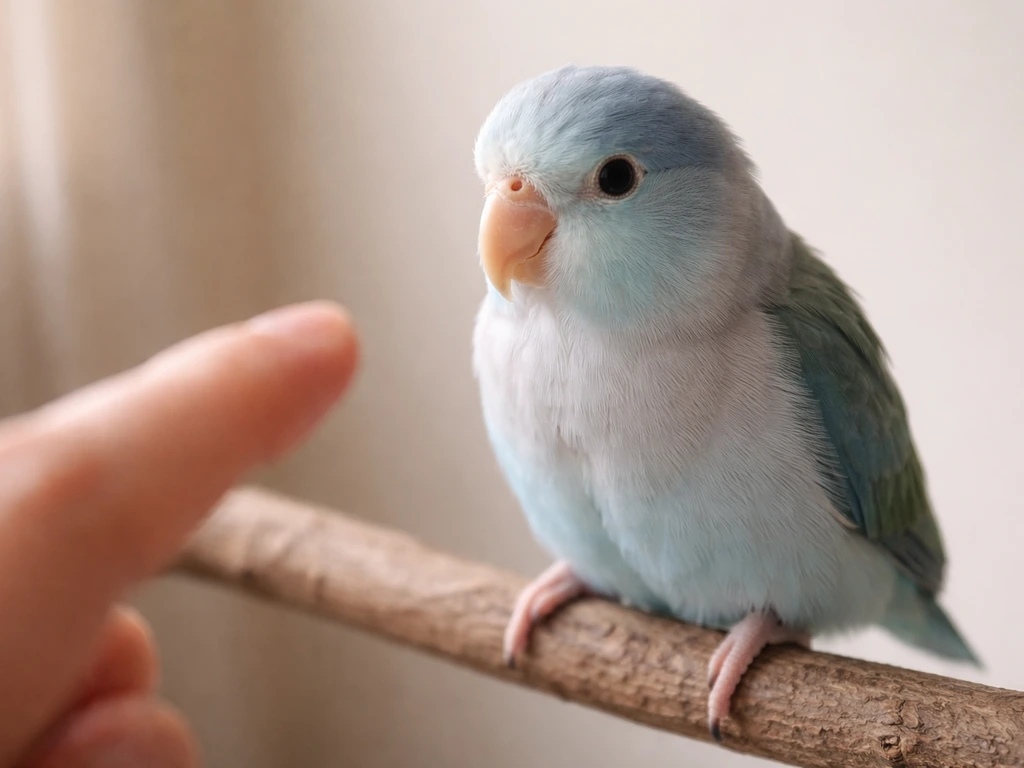
Is the bird conscious and aware of its surroundings? Does it track movement with its eyes, respond to your voice, or try to move away from your approach? A bird that is completely unresponsive, limp, or staring blankly is in serious trouble. A bird that is dazed but responsive after what looked like a seizure episode may be in a post-ictal (post-seizure) state and will often recover some awareness within minutes, but still needs veterinary care.
Visible injuries
Look for bleeding, broken feathers with exposed blood vessels (blood feathers), a drooping wing, an abnormal body position, or any sign that the bird may have flown into a wall or object and suffered head trauma. Head injuries can cause sudden neurological signs that look exactly like a seizure. If you see uncontrolled bleeding, that is also an emergency.
Ability to stand
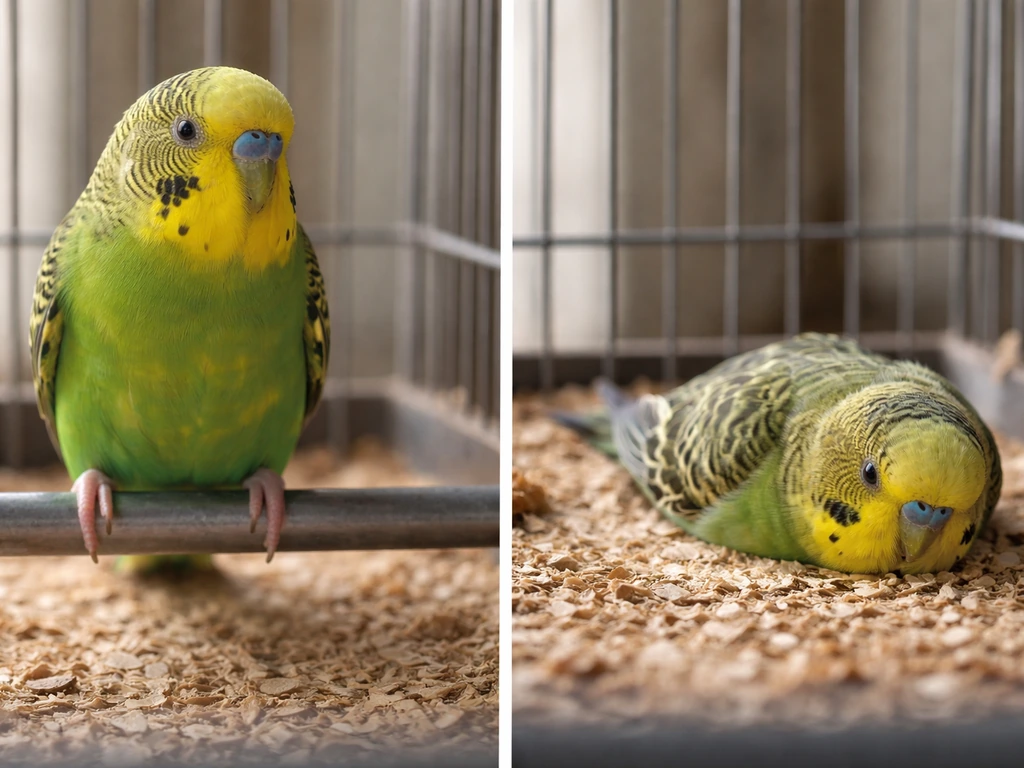
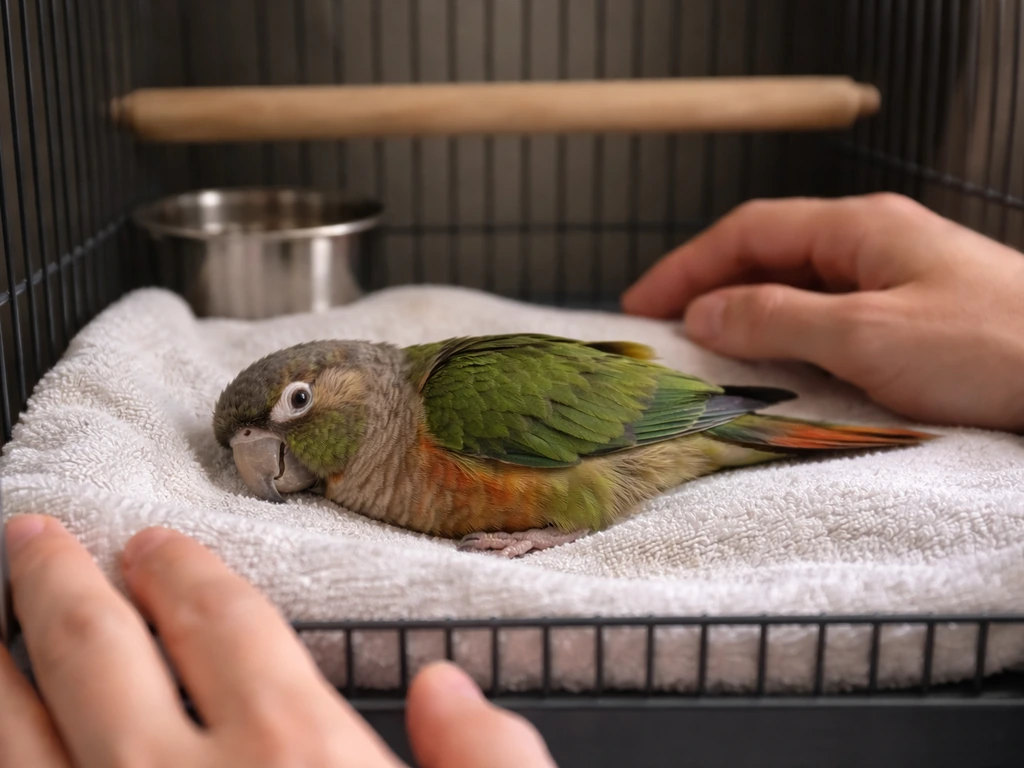
Can the bird grip a perch at all, or is it lying flat on the cage floor? Collapse or a complete inability to perch is one of the clearest emergency signs you can observe. If your bird keeps falling off his perch, a complete inability to perch is an emergency sign to evaluate right away. If the bird is on the cage floor, leave it there for now. A low, padded floor is safer than a perch it will fall from again.
The most common reasons birds fall over
There are several distinct categories of cause, and knowing which one you're likely dealing with helps you act faster and communicate better with a vet. Birds may also hang upside down for neurological, balance, or vestibular reasons, so the same urgent evaluation and triage steps apply.
Neurological problems
Brain and spinal cord disorders are among the most common causes of ataxia and falling in pet birds. These include tumors, vascular events (similar to a stroke), infections that have spread to the nervous system, and direct trauma. A bird with a neurological problem may show a head tilt, circle in one direction, have tremors, or display one-sided weakness like a single drooping wing. Ataxia affecting 88% of birds in documented neurological disease outbreaks shows how consistently the nervous system expresses itself through coordination loss.
Toxin exposure
Birds have an extremely sensitive respiratory system, and many household toxins can trigger neurological signs fast. The most well-known is PTFE (polytetrafluoroethylene), the non-stick coating on many cookware brands. Overheated non-stick pans release fumes that can cause respiratory distress, tremors, disorientation, seizures, impaired coordination, and even sudden death. Critically, your bird does not have to be in the same room as the source. Smoke, aerosol sprays, scented candles, essential oils, air fresheners, pesticides, and cleaning product fumes are all documented hazards. If you have used any of these recently, toxin exposure moves to the top of your suspect list.
Infection (bacterial, fungal, or viral)
Systemic infections can cause falling over either through direct invasion of the nervous system or through general debilitation and weakness. Aspergillosis, a fungal infection, is a prime example. In its acute form it causes rapid loss of condition, open-mouth breathing, and lethargy, and if the fungus reaches the nervous system it can produce incoordination, ataxia, neck twisting (torticollis), weakness, one-sided wing droop, and tremors. Bacterial infections including chlamydiosis (psittacosis) and viral illnesses can also cause systemic effects severe enough to make a bird collapse. These infections often present with other signs like fluffed feathers, appetite loss, and changes in droppings.
Metabolic and nutritional deficiencies
Calcium deficiency is one of the most underappreciated causes of seizures and tremors in pet birds. Female birds on seed-based diets who have recently been laying eggs are at particularly high risk because egg production depletes calcium rapidly. Acute low calcium can produce shivering, tremors, and full seizures. Other nutritional imbalances and metabolic diseases (including liver and kidney problems) can also produce weakness severe enough to cause falling.
Trauma
A bird that has flown hard into a window, mirror, or wall can suffer head trauma that causes immediate neurological signs. This can look exactly like a spontaneous seizure. If your bird was flying and then suddenly collapsed or started falling over, think about whether it may have struck a surface.
Seizures
Seizures in birds have many underlying triggers: tumors, infections, heatstroke, vascular events, trauma, and metabolic problems like hypocalcemia. During a seizure a bird typically loses its grip and falls to the cage floor, may show uncontrolled limb movements, and can appear completely unresponsive. Heatstroke is worth keeping in mind if the bird was in a hot environment, near a sunny window, or in a poorly ventilated room. A bird experiencing heatstroke may pant, hold its wings away from its body, and eventually collapse.
Other symptoms that help narrow it down
A bird falling over rarely happens in isolation. These accompanying signs can point you toward the likely cause and are critical information to pass along to a vet.
| Accompanying symptom | What it may suggest |
|---|---|
| Head tilt or circling in one direction | Neurological problem, inner ear infection, or brain lesion |
| One drooping wing, one-sided weakness | Nerve or spinal cord involvement, aspergillosis affecting nervous system, trauma |
| Open-mouth breathing, tail bobbing | Respiratory distress, aspergillosis (acute), PTFE/toxin inhalation |
| Tremors or shivering without obvious chill | Hypocalcemia, toxin exposure, or early seizure activity |
| Fluffed feathers, lethargy, eyes closed | Systemic infection, general debilitation, advanced illness |
| No interest in food or water | Significant illness of almost any kind; intensifies urgency |
| Green or yellow-tinged watery droppings | Liver disease, infection, or stress; abnormal coloring warrants vet attention |
| Disorientation, seeming 'dazed' | Post-seizure state, toxin exposure, or head trauma |
| Wings held away from body, panting | Heatstroke or severe respiratory distress |
A head tilt without other signs is sometimes related to an inner ear problem and can look like a less acute version of what's described in articles about birds leaning to one side. But when a head tilt comes with falling over, it moves into more urgent territory.
What you can do right now at home
Home care is supportive only. You are buying time and minimizing stress while you arrange veterinary help, not treating the underlying cause. Here is what actually helps.
- Move the bird to a warm, quiet, dimly lit space. A temperature of around 85 to 90 degrees Fahrenheit (29 to 32 degrees Celsius) is supportive for a sick bird. You can use a heating pad set to low under half the carrier (so the bird can move away from the heat) or a heat lamp positioned at a safe distance. Do not overheat.
- Lower all perches or remove them temporarily. A bird that is falling will injure itself dropping from height. Line the cage or carrier floor with a soft towel.
- Reduce all stressors. Turn off loud TVs or music, keep other pets away, and limit how many people are hovering around the bird. Stress accelerates decline in sick birds.
- Keep food and water accessible at floor level. A bird that cannot perch cannot reach elevated feeders. Place a shallow dish of water within easy reach but not deep enough to drown in.
- Do not force food or water. If the bird is semiconscious or seizing, attempting to give water can cause aspiration. Let the bird drink on its own if it can.
- Ventilate the room if toxin exposure is possible. If you have been cooking with non-stick pans, used aerosol sprays, burned candles, or used any cleaning products in the past few hours, open windows and move the bird to fresh air immediately.
- Do not attempt to restrain or handle the bird more than necessary. Handling a bird in distress can cause fatal stress. Only handle to move it to a safer location or for transport.
Do not give any medications, supplements, or home remedies unless specifically directed by a vet. Well-intentioned interventions like force-feeding honey or giving human medications can cause serious harm.
When to call an avian vet right now
Do not wait to see if things improve. Any of the following signs means you need to contact an avian vet or emergency animal clinic immediately.
- The bird is not breathing or is struggling to breathe (open-mouth breathing, gasping, tail bobbing with each breath)
- The bird is completely unresponsive or limp
- There is uncontrolled bleeding from any source
- You suspect head trauma (bird struck a hard surface)
- The bird is in the middle of or just had a seizure
- Signs of heatstroke: panting, wings held out, collapse in a hot environment
- The bird cannot stand or grip at all and has been this way for more than a few minutes
- You know or suspect PTFE or other toxin exposure
- The bird's condition is deteriorating rather than stabilizing
When you call, be ready to describe the following: what the bird was doing when you first noticed the problem, how long it has been going on, whether you have used any new products or cooked with non-stick pans recently, what the bird has been eating, whether the bird has been laying eggs, whether you have noticed any changes in droppings, breathing, or posture over the past few days, and the bird's species, age, and sex if you know them. The more specific you are, the faster a vet can prioritize and prepare.
If you cannot reach an avian vet immediately, contact the nearest emergency veterinary clinic and explain the situation. Not every emergency clinic will have an avian specialist, but stabilizing care and triage are better than waiting.
Preventing recurrence and monitoring after recovery
Once your bird has been seen and is stabilizing, the work is not over. The underlying cause determines what comes next, but there are practical steps almost every bird owner can take to reduce the risk of a repeat episode.
Audit the environment for toxins

Replace all non-stick cookware with stainless steel, cast iron, or ceramic alternatives. Stop using aerosol sprays, scented candles, air fresheners, and essential oil diffusers in or near the bird's space. Be cautious with cleaning products, particularly ammonia-based ones. Smoke from cigarettes, fireplaces, or incense is also a documented lung hazard for birds. If you use pesticides or rodenticides inside the home, those need to go too.
Review the diet
An all-seed diet is a common contributor to nutritional deficiencies including low calcium. Work with your vet to transition your bird to a balanced pellet-based diet supplemented with fresh vegetables. Female birds that lay eggs need particular attention to calcium intake. Cuttlebone and mineral blocks can help, but a vet-guided dietary overhaul is more reliable than supplementation alone.
Make the cage safer
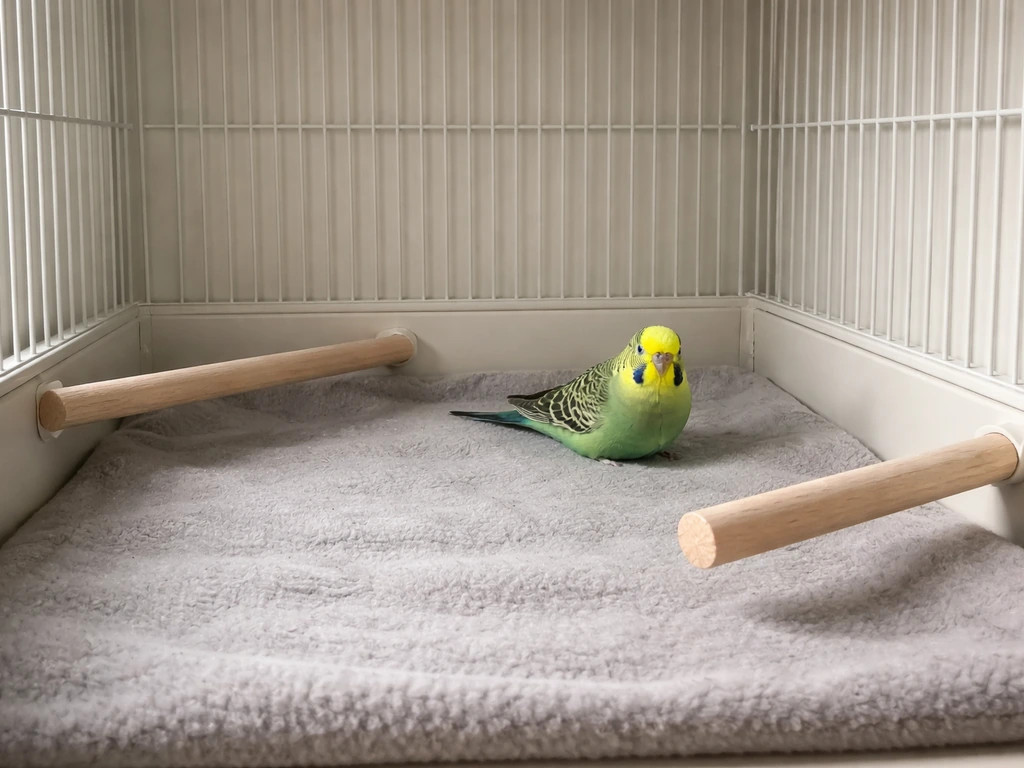
During recovery, keep perches low, add soft floor padding, and ensure there is nothing sharp or hard at the bottom of the cage that could injure a bird that falls. As the bird improves, perch height can gradually return to normal.
Watch carefully and keep records
After a falling or seizure episode, monitor your bird's droppings daily (volume, color, and consistency), track how much food and water it consumes, and note any recurrence of wobbling, tilting, or falling. Keep a simple written log. If symptoms return, that log will be genuinely useful to your vet. Some conditions, particularly neurological ones, require ongoing management rather than a single cure, and early detection of a setback makes a real difference.
Schedule follow-up vet visits
Even if your bird appears fully recovered, follow through on any recommended follow-up appointments. Many underlying causes of falling, including infections, metabolic diseases, and early tumors, need ongoing monitoring. A bird that looked fine last week can decline quickly if the root problem is not fully addressed.
FAQ
Is it ever “normal” for a bird to fall over, or is it always an emergency?
It can be, especially if the bird falls repeatedly, is unable to perch, or is breathing with open-mouth breathing or gasping. A pattern matters more than a single event. If it happened more than once, lasted more than a few minutes, involved collapse or rigid posturing, or left the bird weak or uncoordinated afterward, treat it as urgent and get avian emergency care.
Should I pick my bird up right away when it starts falling over?
First, remove hazards and reduce stress: keep the bird in a warm, quiet area and leave it where it fell unless there is immediate danger (bleeding, fire, overheating fumes). Do not hand-restrain for long periods. If the bird is on the floor, you can gently place the cage in a carrier-like setup only if you must transport, but prioritize minimizing handling to avoid worsening respiratory distress or triggering additional seizures.
What should I do during the episode itself, especially if I think it is a seizure?
If the bird is actively having an episode, do not try to “hold it down” or put anything in the mouth. Instead, dim the lights, keep other pets away, and note breathing, eye position, and how it moves (rigid versus flopping versus gradual wobble). After it settles, offer warmth and immediate veterinary evaluation, because seizures and head trauma can have delayed complications.
If it looks like vertigo or an inner ear issue, does that change what I should do?
Yes, loss of balance can be caused by neurologic or vestibular problems, and those can look similar. One practical difference is timing and recovery, a sudden drop with loss of grip often points to seizure-type activity or acute metabolic/heat issues, while a persistent lean, circling, or worsening imbalance over hours to days points more toward ataxia or an inner ear or neurologic issue. Either way, it is still a vet call quickly.
How can I tell if this is from fumes or something in the house?
Try not to guess. Household scents and residues can trigger both breathing problems and neurologic signs. If you used any aerosols, cooking oils heated to smoke, non-stick cookware recently, essential oil products, candles, incense, pesticides, or strong cleaners near the bird, assume toxin exposure is on the table until the vet rules it out. Ventilate the room and move the bird to clean air immediately while arranging transport.
My bird seems okay after a seizure-like episode, do I still need to seek care?
Even if the bird seems alert after a seizure-like event, post-episode weakness and disorientation can return later, and some causes (toxins, infections, head injuries) can progress. Treat “recovered for now” as a window to act, contact an avian vet or emergency clinic, and arrange follow-up. If breathing becomes labored or the bird stops responding, escalate immediately.
How do I distinguish sick falling over from a sleep glitch?
Yes. Some birds naturally sleep upright, but falling over to the point of collapse, repeated inability to perch, new head tilt with worsening balance, or any open-mouth breathing is not normal sleep behavior. If you are unsure, use your check: is the bird breathing normally with calm tail and chest movement, is it aware and tracking, and can it perch. If any of these are off, assume illness.
If it could be calcium-related, why does the vet need more than diet changes?
Do not rely on a single dietary trigger like “calcium” only. Low calcium is high on the list when there are tremors, shivering, egg-laying, or recent breeding stress, but metabolic diseases, liver or kidney problems, toxins, and infections can all cause collapse. The vet will likely decide on bloodwork and imaging based on the rest of the history you provide.
What details about droppings or vomit should I watch for if my bird is falling over?
Clean-up matters. Monitor and save samples if your bird can’t be taken immediately, note droppings before cleanup if possible, and keep the environment quiet. If the bird vomits or has unusual stool changes, mention it. Also, avoid fresh sprays or strong disinfectants during transport preparation, because fumes can worsen respiratory distress.
What practical steps should I take after the vet visit to prevent a repeat episode?
During recovery, keep warmth stable (not overheated) and reduce slippery surfaces. Keep perches low and stable, remove anything sharp or hard below, and keep lighting gentle so the bird is less likely to startle and fall again. Also keep track of recurrence: if wobbling or falling returns within 24 to 48 hours, that is a strong sign the underlying cause is still active and follow-up should not wait.