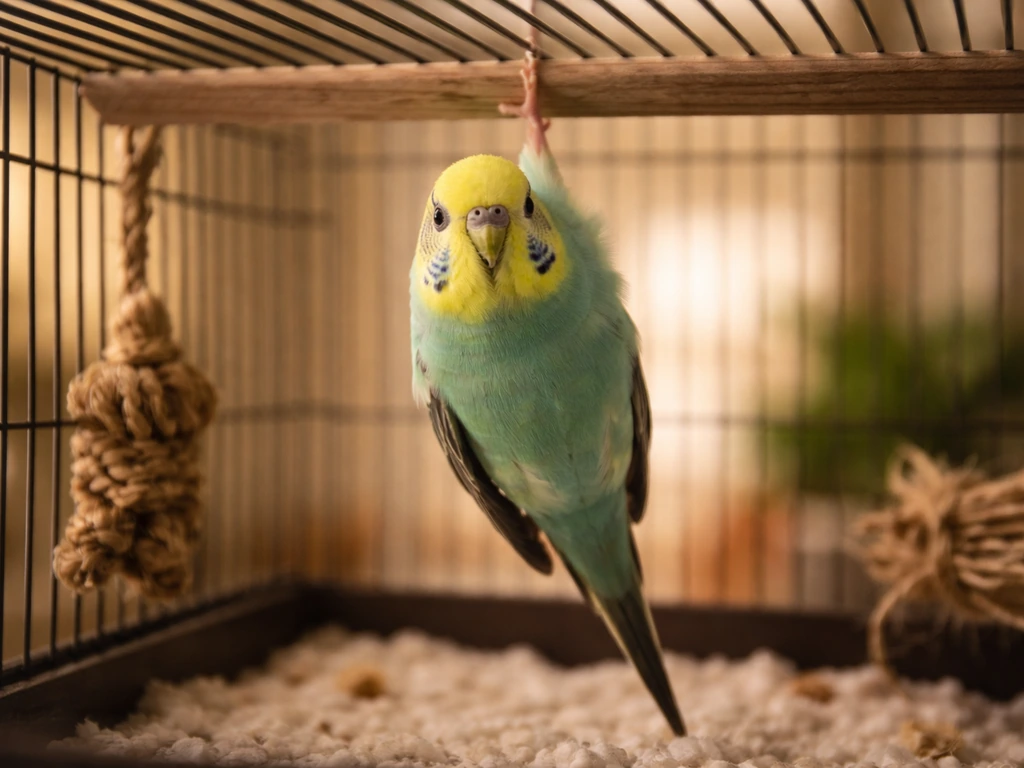
A bird losing his balance is almost always a sign that something is wrong and needs attention today, not a wait-and-see situation. It could be as serious as a neurological problem, inner-ear dysfunction, or toxin exposure, or it could be something more manageable like a perch that doesn't fit his feet or a nutritional gap. Either way, your job right now is to make his environment safe, observe carefully, and decide how quickly he needs to see an avian vet. In most cases, a same-day call to a vet is the right first move.
My Bird Is Losing His Balance: Causes and What to Do

Marcus Chen
7 May 2026
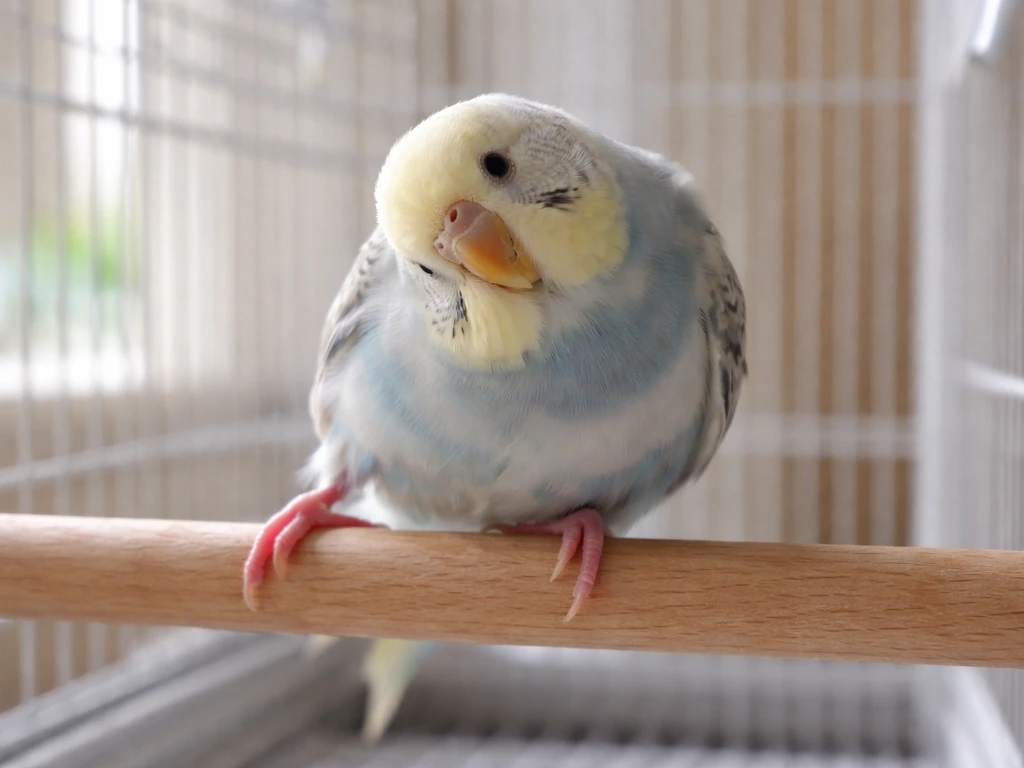
What 'losing balance' can look like in birds
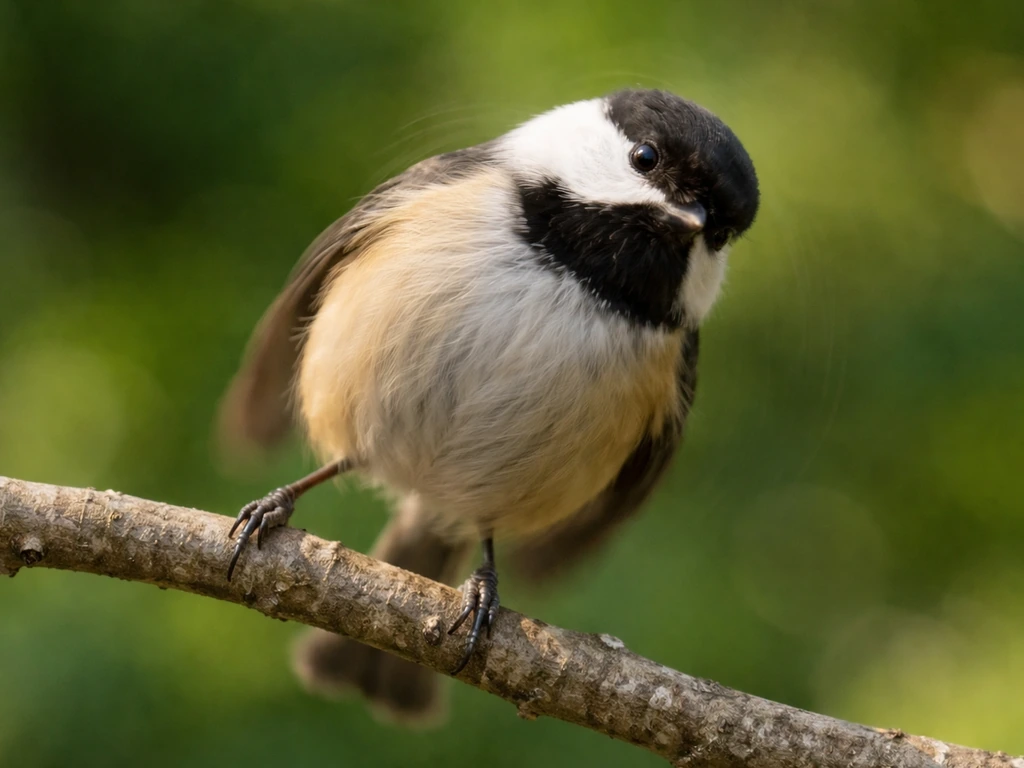
Balance problems in birds show up in a surprising range of ways, and it helps to know what you're actually looking at before you start guessing at causes. The clinical term is ataxia, which just means impaired coordination. Depending on what's driving it, your bird might show one or several of these signs.
- Wobbling or swaying while perching
- Tipping or leaning to one side consistently
- Falling off the perch repeatedly
- Stumbling or staggering on the cage floor
- Head tilt (holding the head at an odd angle, often left or right)
- Circling or rolling, especially when trying to move
- Nystagmus: rapid, involuntary back-and-forth eye movements
- Tremors or shaking that isn't related to temperature
- Seizure-like episodes where he loses control briefly
- General clumsiness he didn't have before
It's worth noting that some things can look like balance problems without actually being neurological. A bird that's very sleepy might sway. A bird on a perch that's too large for his feet can't grip properly and may slip and fall, which looks like a balance issue but is actually a perch problem. Stress and fear can also make a bird move awkwardly. The key distinction is whether this is new, whether it's happening repeatedly, and whether it's getting worse. If it's one of those things, treat it as a genuine health concern.
Related behaviors that often come up in the same conversation include a bird falling off his perch, leaning to one side, or falling over entirely. Those are all variations of the same underlying concern and deserve the same level of attention.
Quick safety steps you can do today
Before you do anything else, make his environment safer so he doesn't injure himself while you figure out what's happening. A bird that keeps falling off a perch can hurt himself badly, especially if the cage has hard surfaces or toys he can land on. If he keeps slipping, check whether the perch size and texture let him grip properly, because a perch problem can look like a balance issue.
- Remove or lower perches: Either take the perches out entirely or drop them as low as possible, ideally near the cage floor, so falls are short. If you have a travel carrier or small hospital cage, that's ideal right now.
- Pad the cage floor: Line the bottom with several layers of paper towels or a folded towel. This cushions any falls and also makes it easy to monitor his droppings.
- Remove cage accessories that could trap or injure him: Toys, swings, ropes, and ladders all become hazards when balance is off. Clear them out temporarily.
- Provide food and water at floor level: He may not be able to reach his normal bowl location. Place a shallow dish of water and his food directly on the padded floor.
- Keep the environment warm and quiet: An unwell bird has trouble regulating temperature. Aim for around 85 to 90°F (29 to 32°C) if he appears fluffed or lethargic. A desk lamp aimed near (not directly on) the cage can help.
- Minimize handling: It's tempting to hold and comfort him, but handling a sick bird adds stress. Keep interactions brief unless you need to move him.
- Move him away from potential airborne hazards: If you use non-stick cookware, scented candles, air fresheners, or have recently cleaned with chemical products, move him to a different room with good fresh-air ventilation immediately.
These steps are about buying time and preventing injury while you gather information and contact a vet, not about treating the underlying problem.
Common causes: inner-ear, neurological issues, illness, injury, and weakness
There are several main categories of reasons a bird loses his balance. Understanding them helps you describe what you're seeing accurately to a vet and notice clues that point toward one cause over another.
Vestibular and inner-ear problems
The vestibular system controls balance and spatial orientation. When something goes wrong there, whether from infection, inflammation, or other dysfunction, the bird loses the ability to tell up from down. This typically shows up as a head tilt, falling toward one side, and sometimes nystagmus (those rapid eye movements). blank" rel="noopener noreferrer">Nystagmus, or rapid involuntary back-and-forth eye movements, is a key red flag for head tilt and ataxia as a vestibular or neurologic indicator. If your bird is leaning to one side, it can be a sign of vestibular or inner-ear issues that affect balance. It can look dramatic and terrifying but is one of the more treatable causes when caught early.
Neurological disease
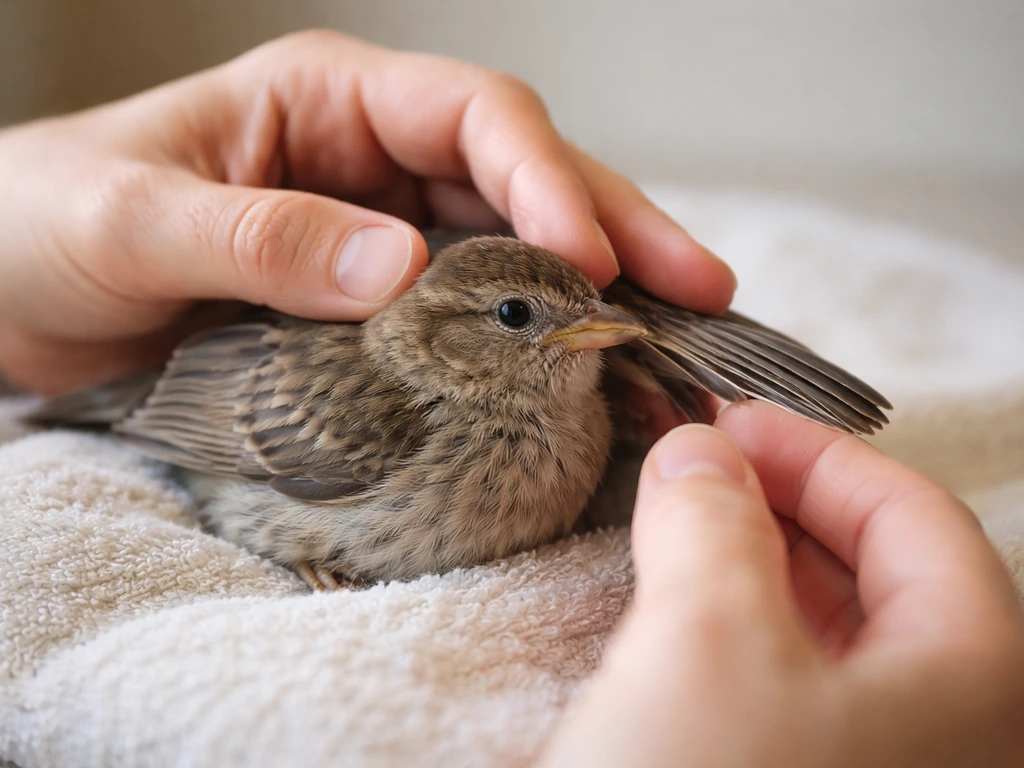
This is a broad category that includes infections affecting the brain (including viral encephalitis and diseases like West Nile virus), tumors, and other conditions that interfere with how the nervous system processes movement and coordination. In birds, ataxia specifically means impaired coordination, or an inability to coordinate voluntary muscle movement Ataxia in birds refers to impaired coordination (the inability to coordinate voluntary muscle movement).. Signs can include tremors, circling, rolling, seizures, and profound disorientation. Neurological problems in birds can move fast, which is why even mild neurological signs warrant a same-day call to an avian vet.
Trauma and injury
A head injury from flying into a window, wall, or mirror is a common cause of sudden balance loss. Even if you didn't see it happen, look for signs: a bird sitting quietly on the floor of the cage, slightly dazed, with pupils that may not be equal. Leg or foot injuries can also affect his ability to grip and perch normally, which can look like a balance problem but is actually orthopedic.
Systemic illness and infection
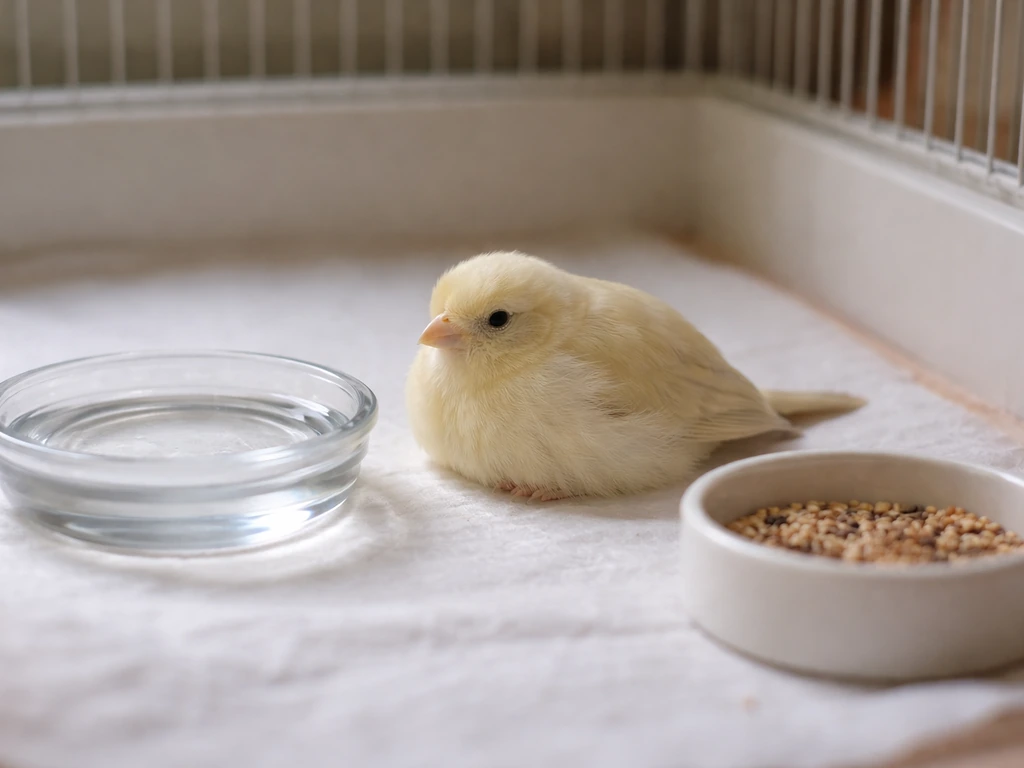
Birds are experts at hiding illness, and by the time you notice a bird losing balance, the underlying problem may have been building for a while. Bacterial, fungal, or viral infections can all affect balance, especially if they spread to the nervous system or inner ear. Other signs of illness, like fluffed feathers, reduced appetite, changes in droppings, or lethargy, often accompany balance problems when this is the cause.
Weakness, dehydration, and starvation
A bird that hasn't eaten or drunk enough can become too weak to maintain his grip on a perch. This sounds basic, but it happens, especially in birds that are undergoing stress, have been housed with a more dominant bird that blocks food access, or are on an inadequate diet. A bird this depleted needs veterinary support, not just food placed in front of him.
Toxin exposure, household hazards, and medication or diet-related causes
This category is one of the most important to rule out quickly because it's time-sensitive. If a toxin is still in the environment, you need to get him out of it immediately, before anything else.
Heavy metal poisoning (lead and zinc)
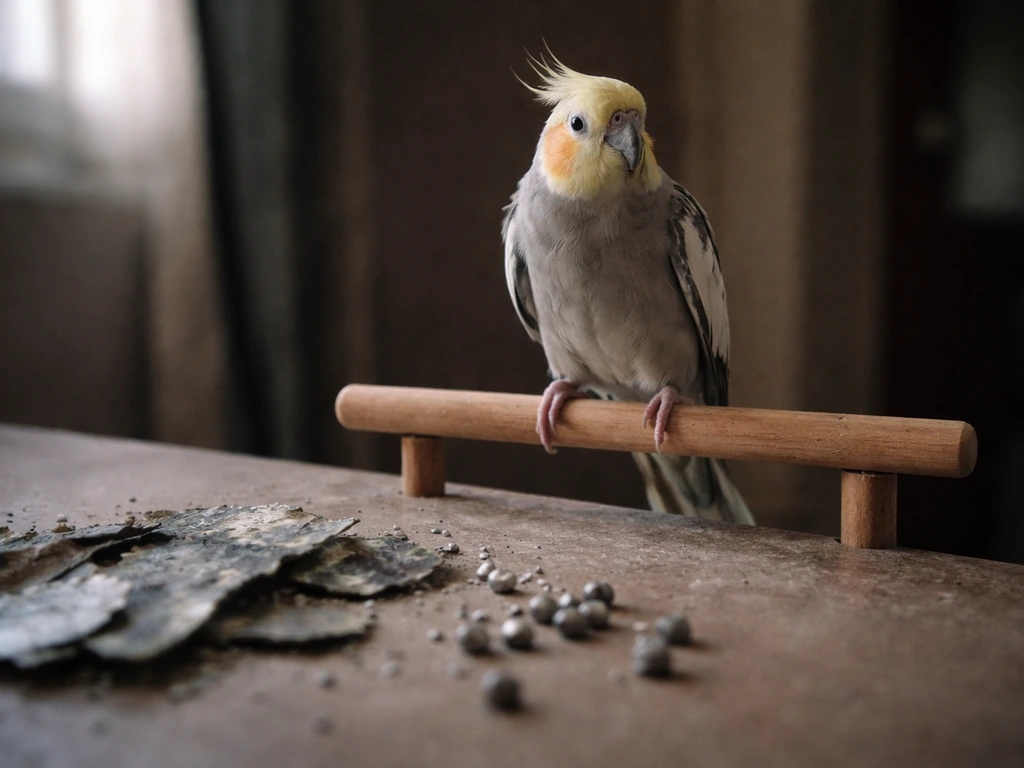
Lead poisoning is one of the most commonly diagnosed toxicoses in pet birds and can cause ataxia, weakness, tremors, circling, leg paralysis, and seizures. Sources include old paint, certain metal cage components, toys with metal parts, and even some ceramics. Zinc toxicosis produces similar neurological and GI signs. Serum testing can confirm these, and chelation therapy is an effective treatment when caught in time. If there's any chance he's chewed on metal objects or old painted surfaces, tell your vet immediately.
Airborne toxins (non-stick cookware, fumes, smoke)
Birds have extraordinarily sensitive respiratory systems. Overheated non-stick (PTFE/Teflon) cookware releases fumes that can cause rapid respiratory distress and death in birds, sometimes within minutes. Scented candles, aerosol sprays, cigarette smoke, cleaning product fumes, and even certain essential oil diffusers can also cause toxic reactions. If there's been any cooking or cleaning in the home today, this needs to be considered. Move him to fresh air immediately and contact a vet.
Pesticides and other chemicals
Organophosphates and carbamates (found in some pesticides and insecticides) are known to cause neurological signs in birds. If your home was recently treated for pests, or if your bird was near plants treated with pesticides, that's a potential cause worth flagging to your vet.
Nutritional deficiencies
A diet of mostly seed is a setup for deficiencies that can affect neurological function over time. Vitamin A deficiency, vitamin E deficiency, and calcium imbalances can all contribute to weakness and coordination problems. This is a slower-onset cause, but if your bird has been on a seed-only diet for years and is now showing balance issues, it's part of the picture to discuss with your vet.
Medication side effects
Some medications prescribed for birds can cause balance-related side effects, particularly at higher doses. If your bird recently started a new medication and then began showing balance problems, contact the prescribing vet to discuss it.
How to narrow it down with key observations and red flags
You're not diagnosing him, but what you observe at home is genuinely valuable information for the vet. Take five minutes to work through these questions and write down the answers before you make the call.
| Question to ask yourself | Why it matters |
|---|---|
| When did this start and was it sudden or gradual? | Sudden onset suggests trauma, toxin, or acute neurological event. Gradual suggests illness, nutritional issue, or slow-progressing disease. |
| Is it worse on one side? Is he tilting or falling in a consistent direction? | Consistent one-sided tipping or a head tilt points toward vestibular dysfunction or localized neurological problem. |
| Are his eyes moving abnormally (rapid back-and-forth)? | Nystagmus is a strong indicator of vestibular or neurological involvement and raises urgency. |
| Can he right himself when he tips over? | If he can't right himself, that's a serious sign. If he can, it's still a problem but slightly less acute. |
| Has he eaten or drunk anything today? | Knowing this helps rule out weakness from starvation/dehydration and tells the vet baseline status. |
| What do his droppings look like? | Changes in droppings (color, consistency, volume) can point toward systemic illness, poisoning, or GI involvement. |
| Is he fluffed up, sitting low, or lethargic? | These are classic signs of a sick bird. Combine them with balance issues and urgency goes up significantly. |
| Has anything changed in the last 24 to 72 hours? | New toys, new cage, new food, cleaning products used, cooking, pest treatment, new bird in the house, or any out-of-cage time. |
| Could he have hit his head? Any unsupervised flight time? | Window or wall collisions are common and often unwitnessed. |
| What does his perch look like, and is it the right size? | A perch that's too large prevents proper grip. Fraying rope perches can also catch toes and cause a fall that looks like a balance problem. |
The red flags that push this from 'call the vet today' to 'go to an emergency avian vet now' are: active seizures, rolling or spinning he can't stop, complete inability to perch or stand, unconsciousness or unresponsiveness, rapid or labored breathing alongside balance loss, or any confirmed exposure to a known toxin.
When to rush to an avian vet vs when to monitor
Birds mask illness well, often until they're significantly compromised. That's a core reason why the advice here leans toward earlier vet contact rather than watching and waiting. That said, there is a practical framework for deciding how urgently you need to move.
Go to an emergency avian vet immediately if:
- He's having seizures or seizure-like episodes
- He's rolling or spinning uncontrollably
- He's unconscious, unresponsive, or limp
- He's breathing rapidly, with tail bobbing, or open-mouth breathing
- He can't stand up or right himself at all
- You know or strongly suspect he's been exposed to a toxin (fumes, lead objects, pesticides)
- He hit his head and is showing neurological signs
Call an avian vet today (same-day appointment) if:
- Balance loss started suddenly for no obvious reason
- There's a consistent head tilt or you're seeing any eye twitching
- He's falling off the perch repeatedly
- He's fluffed, lethargic, or has stopped eating
- His droppings have changed significantly
- He's leaning to one side consistently
- The balance problem is getting worse, not better
Brief monitoring may be reasonable if:
In very limited situations, a short window of careful monitoring (one to two hours at most) makes sense: for example, if you just watched him fly into a window, he's alert and responsive, he's not showing any other symptoms, and you're actively reaching out to schedule a vet appointment at the same time. Even then, if he doesn't rapidly improve and return to normal within that window, get him seen. This is not a situation to leave until tomorrow. An avian vet, not a general practice vet, is strongly preferred since avian medicine requires specific expertise.
What to expect at the vet and how to prepare
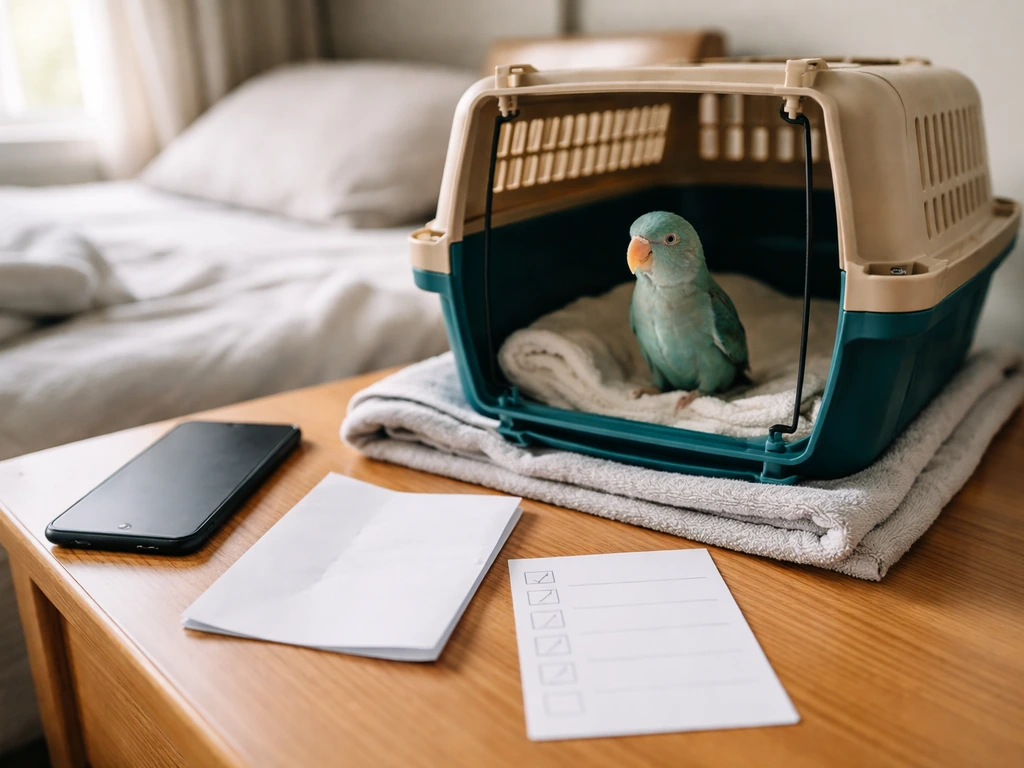
Walking into an avian vet appointment prepared makes a real difference in how efficiently they can help him. The vet will likely start with a thorough history before they even touch him, so having this information ready saves time.
What to bring and tell the vet
- Exact timeline: when did the balance problem start, and has it been constant or intermittent?
- Description of all symptoms: not just balance, but any changes in eating, drinking, droppings, behavior, posture, or vocalizations
- His normal diet and any recent diet changes
- Any new items introduced to his environment in the last week: toys, perches, cleaning products, plants, foods
- Whether any cooking, spraying, or home treatment (pest control, painting) happened recently
- His current medications, if any
- Photo or video of the balance behavior if you can capture it safely
- A fresh dropping sample in a small sealed container, if possible
- His normal weight if you have a scale (weigh him before you go)
What the vet is likely to do
Expect a structured neurological exam that looks at his posture, grip strength, eye movements (including testing for nystagmus), mentation (how alert and aware he seems), head position, gait, and ability to right himself. They'll also assess his overall physical condition. Based on what they find, they may recommend bloodwork to check for infection, heavy metal levels, metabolic issues, or nutritional problems, and possibly imaging like radiographs. Having all your history and observations ready means less time reconstructing the story and more time on diagnostics.
Questions to ask during the appointment
- What is the most likely cause based on what you're seeing?
- What tests do you recommend and what are we looking for?
- Is this something that can be treated, and what does treatment involve?
- What signs at home would mean I need to bring him back immediately?
- Is there anything I should change at home in the meantime?
- What is the prognosis if we pursue treatment?
Balance problems in birds are one of those situations where acting quickly genuinely improves outcomes. The causes range from very treatable to serious, and only a vet exam and diagnostics can tell you which you're dealing with. Get him safe today, get him seen as soon as possible, and bring everything you've observed to that appointment.
FAQ
If my bird is losing his balance but seems alert, can I wait until tomorrow?
Usually no. Balance loss can come from time-sensitive issues like toxins or inner-ear/neurologic inflammation. The only exception in the article is a very short, actively managed window (up to 1 to 2 hours) if he is alert, you just saw a likely trigger (like a collision), and you are simultaneously arranging an avian visit. If he is not clearly improving within that short window, treat it as urgent and go in immediately.
What should I write down for the vet if I notice balance problems?
Record when it started, whether it was sudden or gradual, what he was doing right before (eating, flying, climbing, post-cleaning, after new toys or meds), and the exact behaviors (head tilt direction, leaning vs falling, falling frequency, any circling or eye flicks). Also note appetite and droppings changes and whether he can grip and right himself when placed upright.
How can I tell if it’s a perch or an actual balance issue?
Test for grip and foot comfort in a safe way. If he can grip well on a correctly sized, textured perch but slips or falls only on one specific perch, perch mismatch is more likely. If he continues to tip, tilt, or lose orientation even on a suitable perch, that points more toward vestibular, neurologic, orthopedic (injury), or toxin causes.
Should I move him to a hospital cage, towel, or different setup right now?
Yes, to prevent injury. Place him in a low, stable area with soft landing space and remove hard perches or anything he can crash into. Keep handling minimal, but ensure he has a safe way to access water and heat as directed by your vet, since weakness and disorientation can make normal cage movement unsafe.
Does head tilt always mean an inner-ear or vestibular problem?
Not always. Head tilt can be vestibular or inner-ear related, but it can also occur with neurologic disease or after trauma. The vet will look for supporting signs like abnormal eye movements (for example, rapid eye movements), tremors, circling, seizures, or disorientation to separate ear-based causes from brain or nervous-system causes.
What eye signs should I look for beyond “he looks unsteady”?
Watch for rapid eye movements, unequal pupil size, eyes that don’t track normally, and whether his gaze seems to “lag” while he turns. Unequal pupils or a dazed, quiet posture after a collision is especially important to mention because it can suggest head trauma.
If I suspect toxin exposure, what should I do before the appointment?
Immediately remove him from the suspected exposure source and move him to fresh air. If there were aerosols, scented products, new cookware, pest treatment, or potentially chewable metal or old painted surfaces, note the time and what product it was. Do not attempt home antidotes or force treatments without veterinary guidance.
Can certain everyday home products cause balance problems even if I don’t notice anything else?
Yes. Birds can react to fumes fast, including from non-stick cookware overheating and various cleaning or aerosol products. Even if the only symptom you see first is balance loss or wobbling, you should still report any cooking, cleaning, candle use, smoke exposure, essential oil diffusion, or recent pest control to the avian vet.
What if his legs look weak, but he still seems to know where he is?
Weakness and leg paralysis can overlap with balance loss, and it can be caused by orthopedic injuries, nutritional depletion, or toxins like lead or zinc. Ask yourself whether he cannot maintain grip (suggesting injury or weakness) versus losing orientation (more neurologic/vestibular). Either way, the vet needs to evaluate promptly because toxin exposure is time-sensitive.
Could a medication side effect be responsible, and what should I do about the medication?
Medication-related balance issues can happen, especially after starting a new drug or increasing a dose. Contact the prescribing vet immediately to discuss whether to stop, adjust, or switch, and do not change doses on your own. Bring the medication name and dose details to the appointment.
If he had a recent window collision, how quickly should I seek care?
If the collision was recent and balance problems appeared after it, treat that as urgent today. Even if he is alert, head injury can be serious, and some neurologic effects take time to become obvious. Watch for unequal pupils, dazed behavior, continued inability to perch, or worsening coordination, and go to an emergency avian vet if any red flags appear.
Are there any signs that mean I should go to an emergency avian hospital immediately?
Yes. Go immediately if you see active seizures, rolling or spinning he cannot stop, unconsciousness or unresponsiveness, complete inability to perch or stand, labored or rapid breathing alongside balance loss, or confirmed exposure to a known toxin.
Next Article
Why Does My Bird Hang Upside Down? Causes and What to Do
Why your bird hangs upside down, normal vs danger signs, quick checks, and next steps to act safely today.