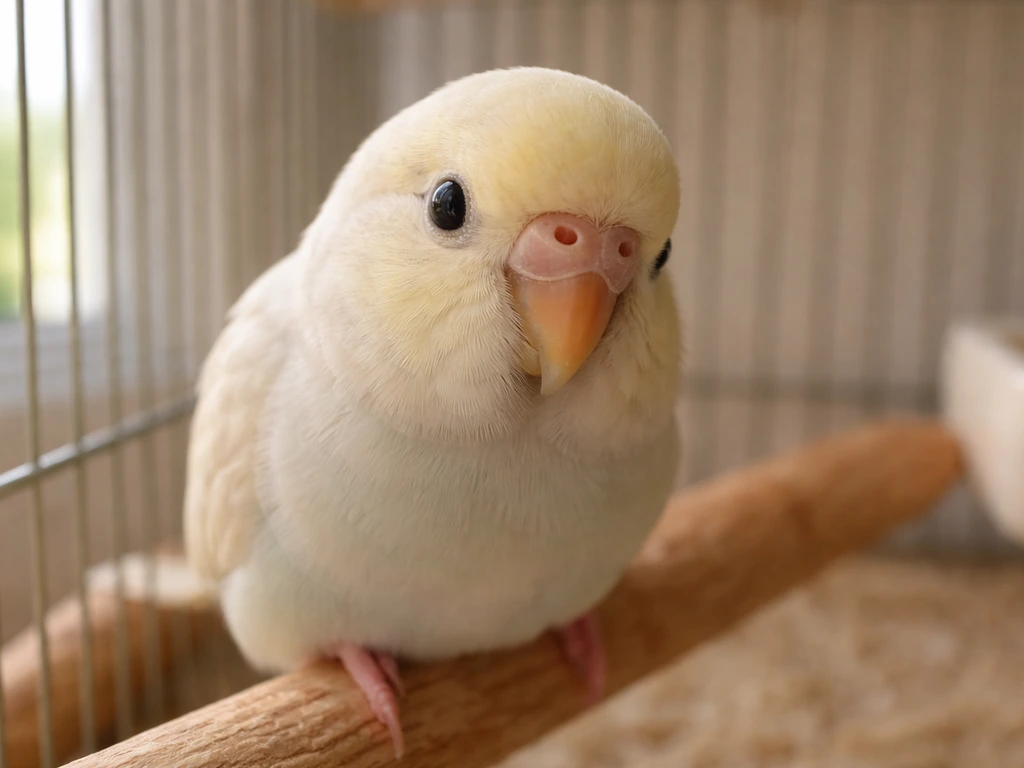
If your bird is sneezing mainly at night, the most likely culprit is something in their nighttime environment: dry air from heating or air conditioning, dust from bedding or cage liners, or fumes from cleaning products, candles, or air fresheners you used earlier in the evening. That said, sneezing can also be an early sign of a respiratory infection or mite problem, so it's worth taking both possibilities seriously rather than assuming it's nothing.
Why Is My Bird Sneezing at Night? Quick Troubleshooting

Marcus Chen
7 Jul 2026
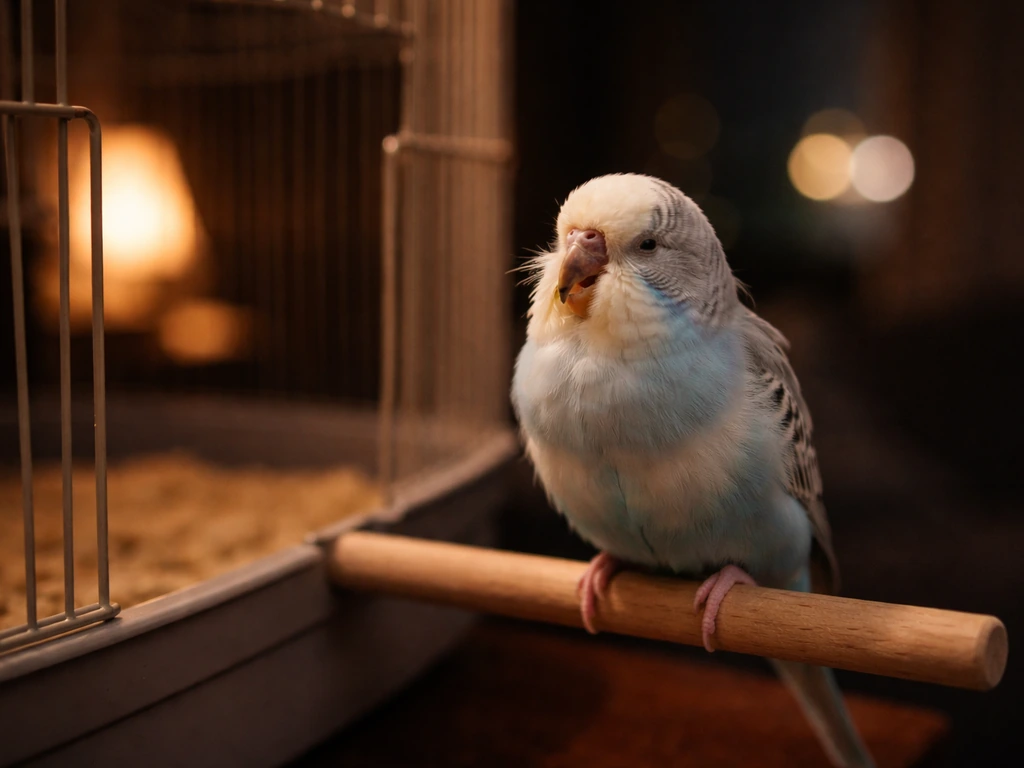
What night-only sneezing usually means
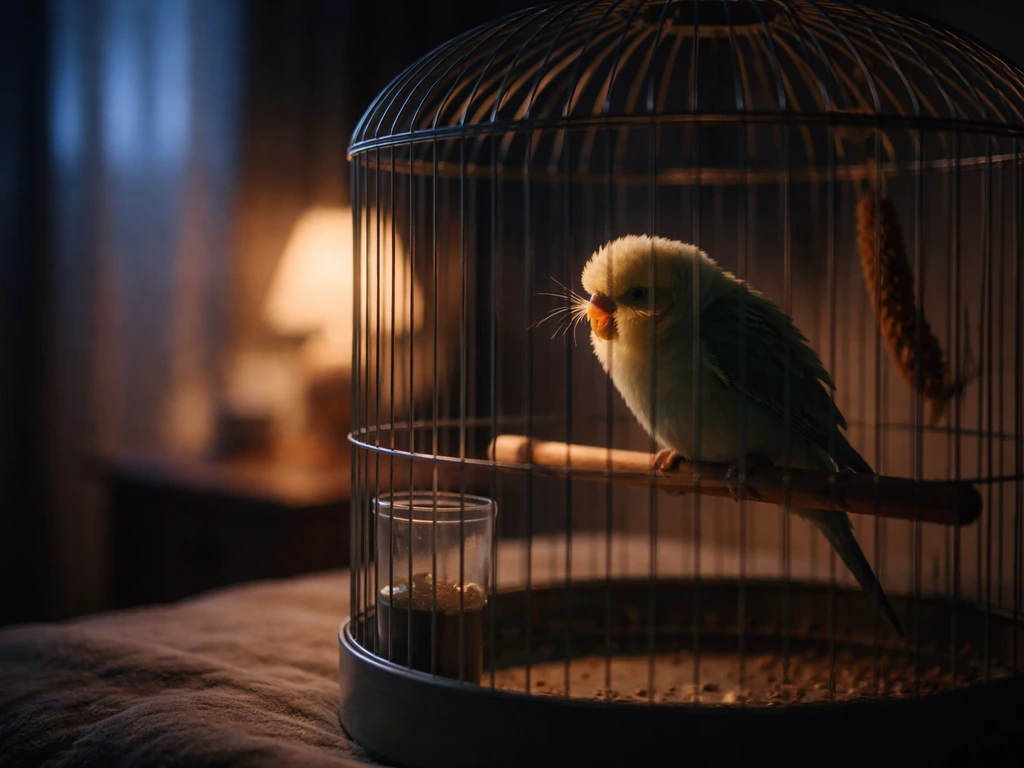
Birds sneeze as a reflex to clear irritation in the nasal cavity, just like we do. When the sneezing happens mostly at night, the timing itself is a clue. Your bird's environment changes at night: the heat or AC often kicks in more aggressively, the house gets quieter and you actually hear the sneezes you might miss during the day, and any fumes or particles from evening cleaning, cooking, or candles are still hanging in the air.
A few isolated sneezes at night with no other symptoms is usually not alarming. Birds will occasionally clear their nostrils the same way you clear your throat. The concern rises when the sneezing is frequent, repetitive, or paired with any other sign of illness. If your bird sneezes two or three times and then goes back to normal sleep behavior, that's a very different picture from a bird that's sneezing repeatedly and sitting fluffed on the bottom of the cage.
Common causes worth checking first
Environmental irritants are the most common reason a bird sneezes specifically at night, and most of them are fixable once you identify them.
Dry air
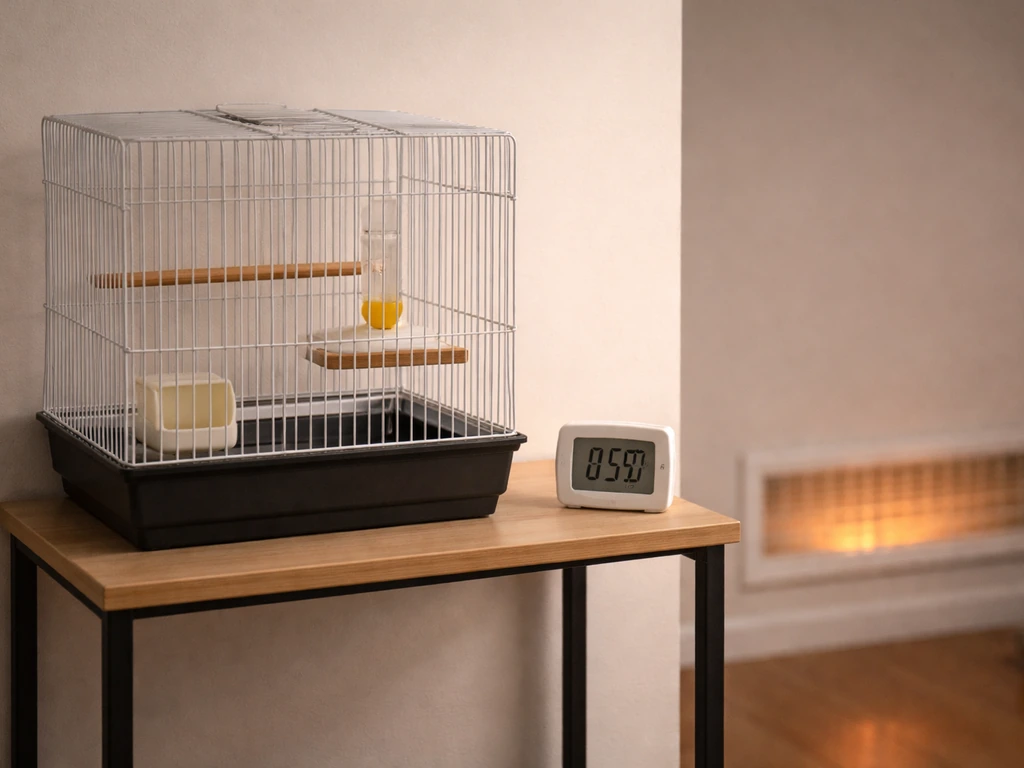
Indoor humidity often drops below 50% on cold nights when heating runs constantly, and that dry air irritates birds' nasal passages. Most companion parrots and pet birds do best in 40 to 60 percent relative humidity. If you don't already have a basic hygrometer near the cage, it's worth picking one up. The fix is usually a cool-mist humidifier placed nearby, just don't overdo it: staying below 60% matters because higher humidity encourages mold growth, which creates its own respiratory problems.
Dust, bedding, and cage liners
Cage bedding is a surprisingly common trigger. Wood shavings, corncob bedding, clay-based litter, shredded recycled paper, and sandpaper-style liners can all release fine particles that irritate a bird's airway. If you use any of these, that's worth changing. Plain unscented paper towels or paper cage liners tend to be the safest low-dust option. Feather dust from the bird itself can also accumulate in and around the cage overnight and become a nighttime irritant.
Fumes and household chemicals
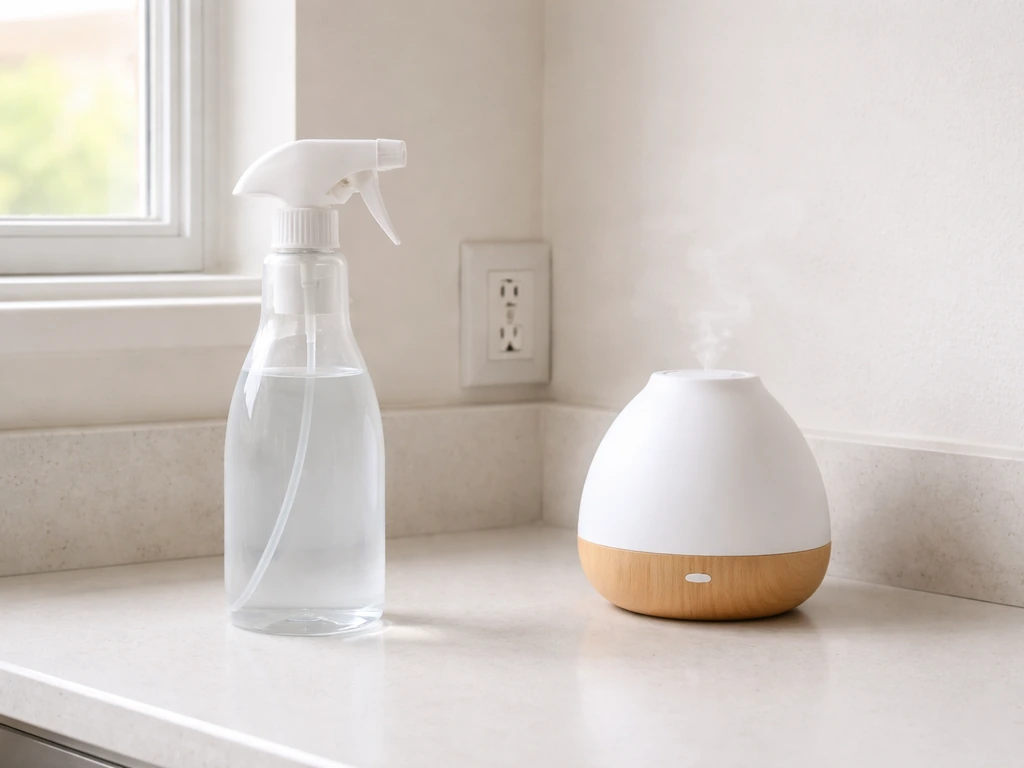
Birds have highly sensitive respiratory systems, and household fumes that seem harmless to us can cause real problems for them. The list includes spray cleaners, air fresheners, scented candles, incense, perfume, hair spray, paint, varnish, cigarette smoke, and cooking fumes. If you cleaned the room or lit a candle in the evening, residual fumes can linger near the cage hours later.
Residual fumes from spray cleaners, air fresheners, scented candles, incense, perfume, hair spray, and cigarette smoke can linger near the cage for hours, so they may still be irritating your bird’s airways even if you used them earlier in the evening residual fumes can linger near the cage hours later. Nonstick cookware is especially dangerous: when PTFE-coated pans are overheated, they release fumes that are acutely toxic to birds and can be fatal quickly.
Texas A&M VMDL case materials on PTFE (Teflon) toxicosis note serious avian respiratory signs such as difficult breathing, wheezing, gasping, weakness or depression, and occasional sudden death in cages PTFE-coated pans are overheated. Kitchen fumes in general, including smoke from burned food or cooking oils, belong on your checklist too.
Allergens and airborne particles
Pollen, mold spores, and household dust can settle near the cage overnight. If your bird's cage is near an air vent, the airflow can push particles directly at them all night. Drafts from windows, AC vents, or fans are worth considering even if they don't feel strong to you.
When sneezing points to an infection or mites
Environmental causes are common, but respiratory infections in birds are also common and shouldn't be dismissed. Bacteria, viruses, fungi, and parasites can all affect the avian respiratory tract. Avian chlamydiosis (sometimes called psittacosis or parrot fever) is one example: it causes chronic sneezing, runny nose, and eye discharge. Other bacterial and viral upper respiratory infections can cause similar signs and may start subtly.
blank" rel="noopener noreferrer">Air sac mites are a specific concern worth knowing about. These parasites affect the respiratory tract and can cause noisy or labored breathing, clicking or wheezing sounds, open-mouth breathing, tail bobbing, voice changes, and reduced activity. One detail that stands out: breathing symptoms from air sac mites can actually seem worse at night or after stress. So if your bird's nighttime sneezing also comes with any of those other signs, mites belong on the differential.
Another mite type (Knemidocoptes) can cause scaly overgrowths around the nostrils in birds like budgies and in severe cases can partially obstruct nasal passages, triggering sneezing and discharge.
Sinus infections can also cause nasal discharge, sneezing, and swelling around the eyes or face. A stuffy nose can happen with the same nasal irritation or upper respiratory infections that cause sneezing, so it helps to look for other symptoms too nasal discharge, sneezing. A vet may need to do a sinus aspirate or nasal flush to properly diagnose and treat these. The point is that if sneezing persists after you've addressed environmental causes, don't keep waiting: an infection caught early is much easier to treat than one that's been going on for weeks.
Environmental and cage triggers to inspect tonight
Before you go to bed tonight, do a quick walkthrough of the space around your bird's cage with this checklist in mind:
- Check humidity: is the air notably dry? Get a hygrometer if you don't have one.
- Look at what's inside the cage: what bedding or liner are you using? Is there visible dust or feather powder buildup?
- Check cage placement: is the cage near a heating vent, AC register, or window draft?
- Think back through your evening: did you spray anything, light a candle, burn incense, cook on nonstick pans, or use cleaning products?
- Check nearby surfaces: is there any visible dust, mold, or mildew near the cage?
- Is anyone in the household using scented products like air fresheners, plug-ins, or essential oil diffusers? These can be very irritating to birds.
- Is the cage covered at night with a dusty or chemical-smelling cover?
If you spot an obvious candidate, remove or fix it tonight. Move the cage away from the vent, swap the bedding, turn off the diffuser, and open a window briefly to air out the room if weather allows.
What to watch for beyond just sneezing
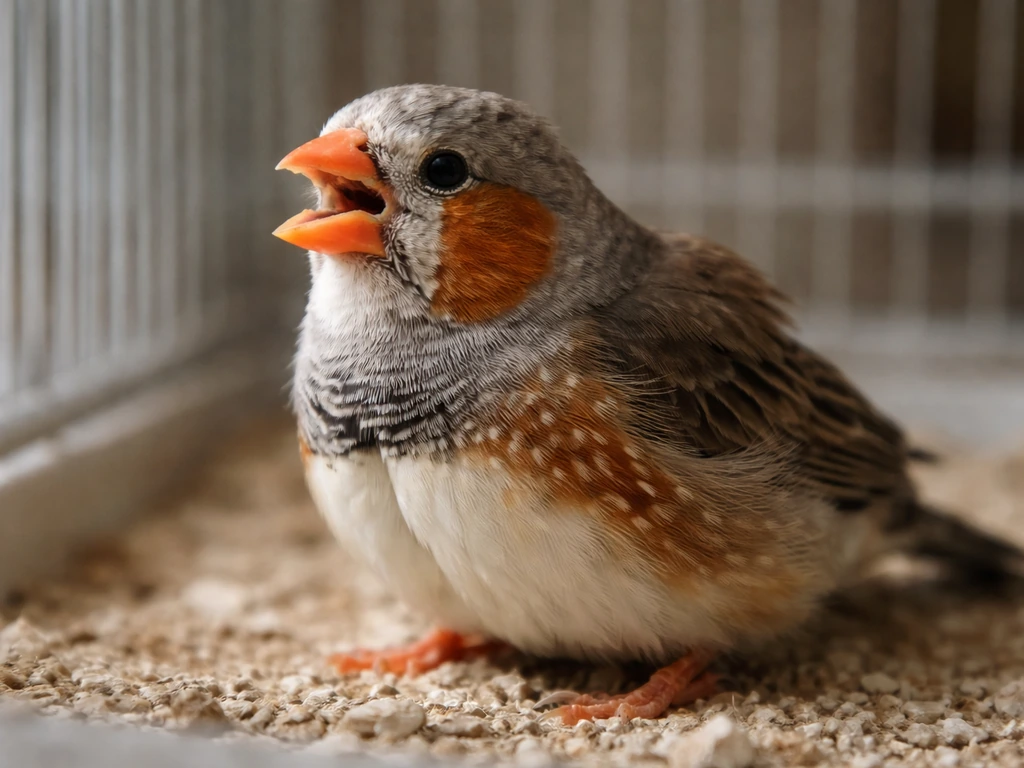
Sneezing alone, especially just a few times, may be nothing. The picture changes when other symptoms appear alongside it. Birds naturally hide illness until they can't anymore, so even subtle signs deserve attention.
| Sign | What it may mean |
|---|---|
| Open-mouth breathing | Serious respiratory distress, needs prompt vet attention |
| Tail bobbing with each breath | Labored breathing, a key emergency indicator |
| Wheezing, clicking, or wet breathing sounds | Possible infection, mites, or mucus in the airway |
| Nasal discharge (clear, cloudy, or colored) | Irritation at minimum; thick or colored discharge suggests infection |
| Eye discharge or swelling around the face | Upper respiratory infection or sinusitis |
| Sitting fluffed or on the cage floor | Classic sign a bird feels unwell |
| Reduced appetite or not eating | General illness indicator, take seriously |
| Lethargy or decreased activity | Bird is not well; combine with other signs for urgency |
| Voice change or loss | Possible air sac mite involvement or respiratory involvement |
| Repeated, frequent sneezing (not just 2-3 times) | More likely medical than environmental |
If you see open-mouth breathing, tail bobbing, wheezing, or weakness, that's a respiratory emergency. Don't wait until morning to monitor the situation. Get to an avian vet or emergency clinic as soon as possible. These signs indicate the bird is struggling to breathe and can deteriorate fast.
Immediate steps you can take today
Here's what to actually do right now if your bird is sneezing at night and you're trying to rule out environmental causes before deciding whether a vet visit is needed.
- Remove obvious fume sources: turn off any essential oil diffusers, air fresheners, or plug-in scent devices near the bird's room. These are a common and underappreciated irritant.
- Check and adjust humidity: aim for 40 to 60 percent relative humidity near the cage. If it's dry, run a cool-mist humidifier nearby. Keep it clean to avoid introducing mold.
- Swap out dusty bedding: if you're using wood shavings, corncob, or clay-based litter, replace it with plain unprinted paper or paper towels tonight.
- Clean the cage and surrounding area: remove dropping buildup, old food, and feather dust. Avoid bleach or strong-smelling cleaners directly near the cage, and never mix bleach with ammonia-based products.
- Reposition the cage if needed: move it away from air vents, drafty windows, or any spot with direct airflow.
- Ban the nonstick pans from the kitchen if your bird has access to kitchen air: when overheated, PTFE-coated cookware releases fumes that are acutely dangerous. This is a permanent change to make, not just a temporary one.
- No smoking, spraying, or burning near the bird: this includes candles, incense, hairspray, perfume, and cleaning sprays in any room with shared air.
- Watch carefully for 24 to 48 hours: if you've cleaned up the environment and sneezing stops or significantly improves, that points strongly to an environmental cause. If it continues or worsens, that's a clear sign to call a vet.
When to call an avian vet (and what to tell them)
Call an avian vet if any of the following are true: your bird has open-mouth breathing, is tail bobbing with each breath, is wheezing or making clicking sounds, is sitting fluffed at the bottom of the cage, has stopped eating, has nasal or eye discharge, or the sneezing is happening very frequently and not improving after you've addressed environmental factors. If your bird sneezes specifically after drinking water, the water and the cup or bottle can be introducing irritants or contamination that also affects the nose and airway sneezing after drinking water. Birds can look deceptively healthy until illness is advanced, so the advice here leans toward calling sooner rather than later.
When you call or visit, the vet will be able to help you faster if you come prepared with specific observations. Here's what's useful to report:
- When the sneezing started and roughly how often it happens
- Whether it's specifically worse at night or also happens during the day
- Any discharge from the nose or eyes, including color and consistency
- Any changes in breathing sounds, voice, or breathing effort
- What the bird eats and whether appetite has changed
- Cage setup details: bedding type, location, what's nearby
- Any products used recently in the home: cleaners, air fresheners, candles, essential oils, new paint or furniture
- Whether any other birds in the home are affected
- Whether the bird has had contact with any new birds recently
The vet may want to run tests depending on what they find: bloodwork, a culture, a sinus aspirate, or imaging. Upper respiratory infections, sinus infections, chlamydiosis, and mite infestations all look similar from the outside but need different treatments, so testing matters. The sooner you get an accurate diagnosis, the better the outcome is likely to be.
If you're also noticing sounds beyond sneezing, like wheezing, clicking, or labored breathing, those deserve their own attention. Similarly, if your bird seems congested or stuffy rather than just sneezy, that's a related but slightly different issue worth exploring. Nighttime sneezing is often the first sign owners notice, and it's worth taking seriously as an early prompt to check in on your bird's overall respiratory health. If you are wondering why is my bird sneezing, it helps to look for the pattern of when it happens and what other symptoms show up.
FAQ
How can I tell if the sneezing is from dust or from an infection?
Do a short “environment-only” test, remove likely irritants for 12 to 24 hours (change bedding, stop diffusers/candles, move the cage away from vents). If sneezing drops quickly and the bird remains alert with normal breathing, irritants are more likely. If it continues to escalate, spreads to daytime, or is paired with tail bobbing, open-mouth breathing, or discharge, treat it as possibly infectious and contact an avian vet.
My bird sneezes only after eating or drinking at night. What should I check first?
Check the water source and food area. Dirty water bowls, slime buildup, or contamination in a water bottle tip can irritate the nose and trigger reflex sneezes. Also look for fine food dust (powdered supplements, seed flour, overly dry pellets) that can become airborne and settle overnight.
Could my bird’s sleep posture make sneezing seem worse at night?
Yes. When birds settle fluffed, their nostril area can be more sensitive to bedding particles and feather dust that accumulate around the face. If you see sneezing primarily when the bird is most fluffed, bedding and cage dust are higher priority than infection, but you still should monitor closely for discharge or breathing effort.
How long should I wait after fixing environmental triggers before I assume it’s an illness?
If symptoms are truly environmental, you should usually see improvement within about a day after removing the suspected triggers and improving airflow and humidity. If sneezing persists beyond 24 to 48 hours, becomes more frequent, or any additional signs appear (nasal or eye discharge, reduced activity, noisy breathing), plan an avian vet evaluation rather than waiting longer.
Can humidity help immediately, or does it take time?
Humidity changes can help the next time the bird is exposed to the air, but physical irritation and caked dust still take time to settle. Aim for 40 to 60 percent relative humidity, use a cool-mist humidifier safely, and avoid overshooting above 60 percent. If you see moldy odors, condensation, or persistent sneezing after the adjustment, stop and reassess the setup.
What bedding changes are most likely to reduce nighttime sneezing?
Switch away from dusty options and anything scented. Generally prioritize plain, unscented, low-dust paper liners or paper towels, and avoid clay or sandpaper-like liners that can generate fine particles. Also wash and dry cage components fully, because residue from old bedding can aerosolize overnight when disturbed.
Are air fresheners or cleaning products still a risk even if I used them earlier in the evening?
Yes. Many fumes and volatile particles linger for hours and can concentrate near the cage, especially if the cage is placed near the path of airflow from heating or a vent. Avoid spraying aerosol cleaners in the room where the bird lives, and ventilate before placing the bird back in the space.
Is nonstick cookware the only kitchen hazard, or are other cooking fumes risky too?
Other cooking fumes can irritate or injure a bird’s respiratory system, especially smoke from burned food and overheated cooking oils, even when you never smell “strong” gas. If you suspect a kitchen exposure, keep the bird out of the kitchen area during cooking and for some time after, and watch for progressive breathing changes rather than assuming one sneeze is harmless.
What symptoms mean this is more urgent than “just sneezing”?
Open-mouth breathing, wheezing or clicking with breathing, visible tail bobbing with breaths, weakness or fluffed sitting plus reduced activity, and any nasal or eye discharge are escalation signs. If any of those are present, don’t wait for morning, seek an avian vet or emergency care right away.
Can a bird have mites even if I don’t notice anything else?
Sometimes. Air sac mites can start as subtle sneezing or nighttime worsening, and other signs like voice changes, clicking, and open-mouth breathing may come later. If sneezing continues despite removing irritants, or you hear abnormal breathing sounds, mites should be part of the vet’s differential.
How should I prepare for a vet visit so they can diagnose faster?
Write down a timeline (start time, how many sneezes per night, whether it happens after drinking, eating, or when the heat kicks on), note any new products used in the home in the last few days, and bring the current bedding, water bottle/cup type, and any recent cleaning method or scent exposure. Video of breathing sounds can be especially helpful, even a short clip.
Next Article
My Bird Has a Stuffy Nose: What to Do Today
Triage my bird has a stuffy nose signs, safe home steps, likely causes, and when an avian vet is needed