
If your bird has a stuffy nose, you'll likely notice blocked or crusty nares (nostrils), sneezing, noisy breathing, or a small amount of discharge around the beak area. In many cases this is triggered by a simple environmental irritant like dust or dry air, and you can take safe steps at home today to help. But a stuffy nose can also be an early sign of a respiratory infection, and birds hide illness well, so knowing which signs mean "watch and help" versus "call the vet now" is the most important thing you can do for your bird right now.
My Bird Has a Stuffy Nose: What to Do Today

Marcus Chen
14 Jun 2026
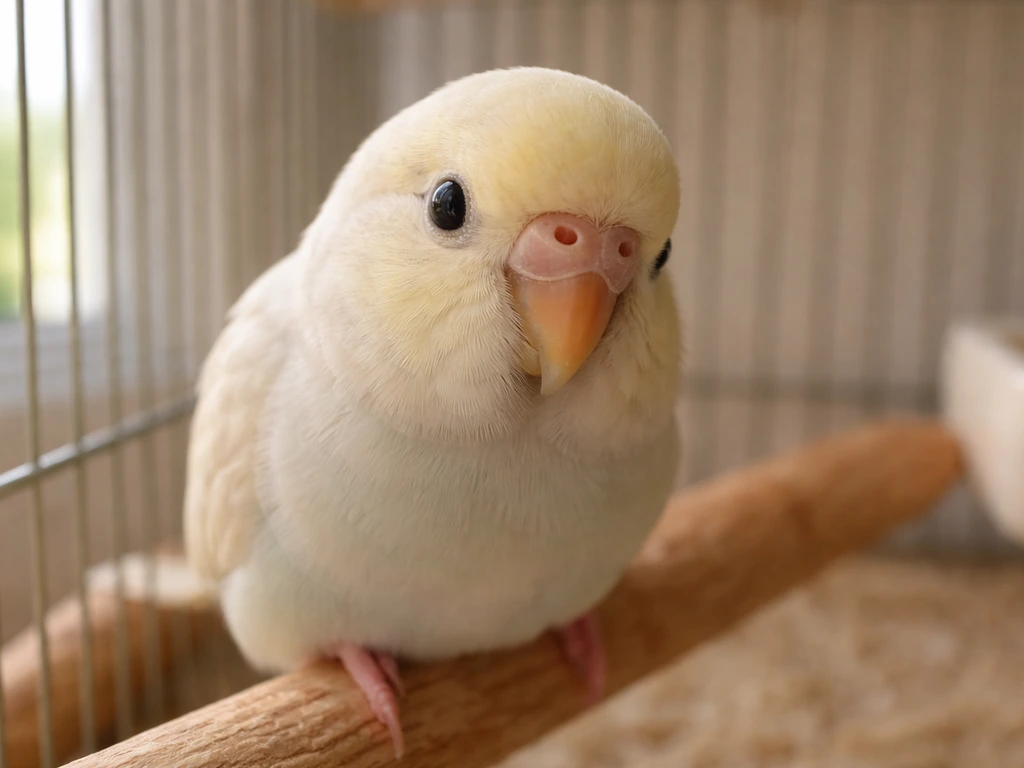
What a stuffy nose actually looks like in a bird
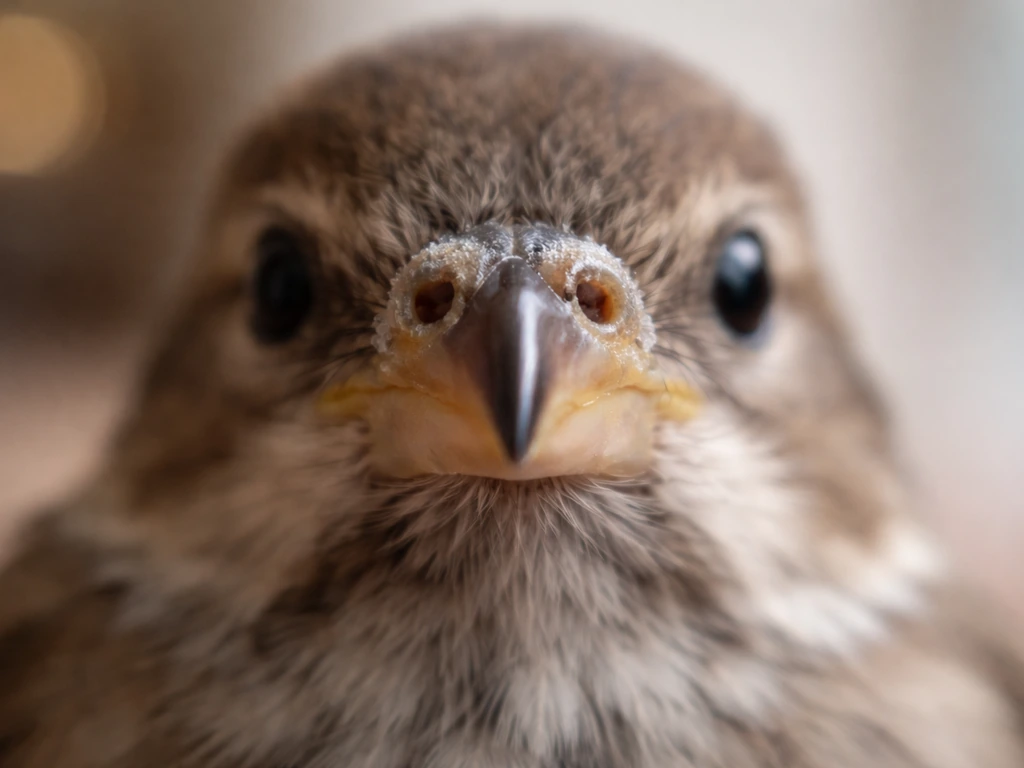
Birds don't blow their noses, so "stuffy" shows up differently than it would in a dog or cat. The nares (the two small openings at the top of the beak) may look wet, crusty, swollen, or partially blocked. You might notice your bird sneezing more than usual, or that its breathing sounds slightly congested or rattly. If your bird seems to sneeze more at night, dust and dry air after lights-out can be a common cause to investigate sneezing.
Wheezing can be another sign that your bird is struggling to breathe, so it is worth watching closely and considering prompt vet advice if it does not improve my bird is wheezing. Some birds will rub their face against a perch trying to clear the irritation.
Alongside the nasal signs, watch for these common companion symptoms that often show up together:
- Watery, clear, or colored (yellow, green) discharge from the nares
- Frequent sneezing or clicking sounds when breathing
- Puffed-up feathers, which is a general sign that something feels off
- Reduced appetite or disinterest in favorite foods
- Lethargy, sitting low on the perch, or sleeping more than usual
- Wet or matted feathers around the nostrils from wiping the face
- Voice changes or quieter-than-normal vocalizations
These signs overlap significantly with early-stage respiratory infections and other upper airway issues. A bird that is just sneezing occasionally without any other changes is much less concerning than one that is sneezing, puffed up, and not eating. The full picture matters a lot here.
Quick triage: is this urgent or can it wait?
This is the first decision you need to make. Some signs mean you should call an avian vet today, not tomorrow. Others suggest you have a bit of time to support your bird at home and monitor closely.
Get to a vet today if you see any of these
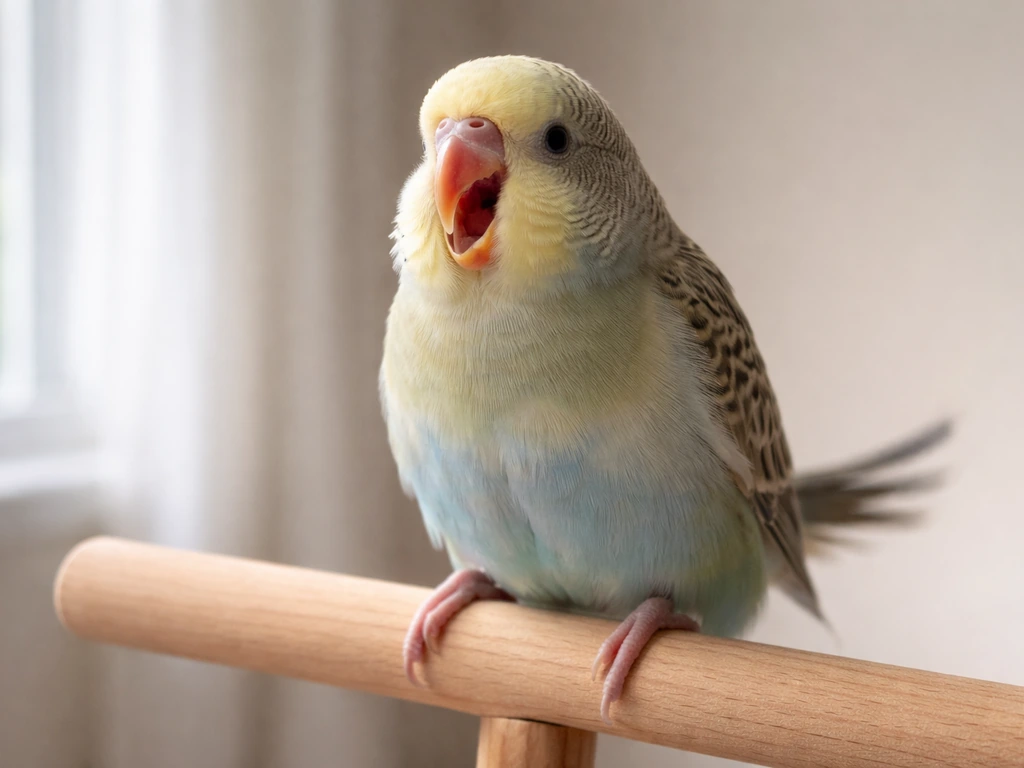
- Open-mouth breathing or breathing with the beak open at rest
- Tail bobbing with every breath (the tail pumps up and down rhythmically as the bird works to breathe)
- Blue, purple, or grayish color around the beak or skin (cyanosis)
- Severe lethargy, the bird can barely hold itself upright or falls off the perch
- Complete refusal to eat for more than 12 to 24 hours
- Rapid or labored breathing that is visible from across the room
- Sudden dramatic worsening of any symptom over a few hours
- Multiple birds in the same household showing signs at the same time
blank" rel="noopener noreferrer">Open-mouth breathing and tail bobbing are classic avian respiratory distress signals. A bird using its tail to help push air in and out is working very hard just to breathe, and that is an emergency. Do not wait overnight if you see these signs.
It may be okay to monitor at home (for now) if...
- Sneezing is occasional and your bird is otherwise acting normally
- The discharge from the nares is clear and very minimal
- Your bird is eating, drinking, and interacting as usual
- The symptom appeared after an obvious irritant (new bedding, cleaning products, dusty environment)
- There is no labored breathing, puffing, or lethargy
Even in this "monitor" category, you should still take the home steps below and reassess every few hours. If symptoms are not clearly improving within 24 to 48 hours, or if anything gets worse, contact an avian vet.
The most likely reasons your bird's nose is stuffy
Understanding the cause helps you respond correctly. There are a few main categories, and the timeline and environment around when symptoms started will usually give you a strong clue.
Environmental irritants (very common)
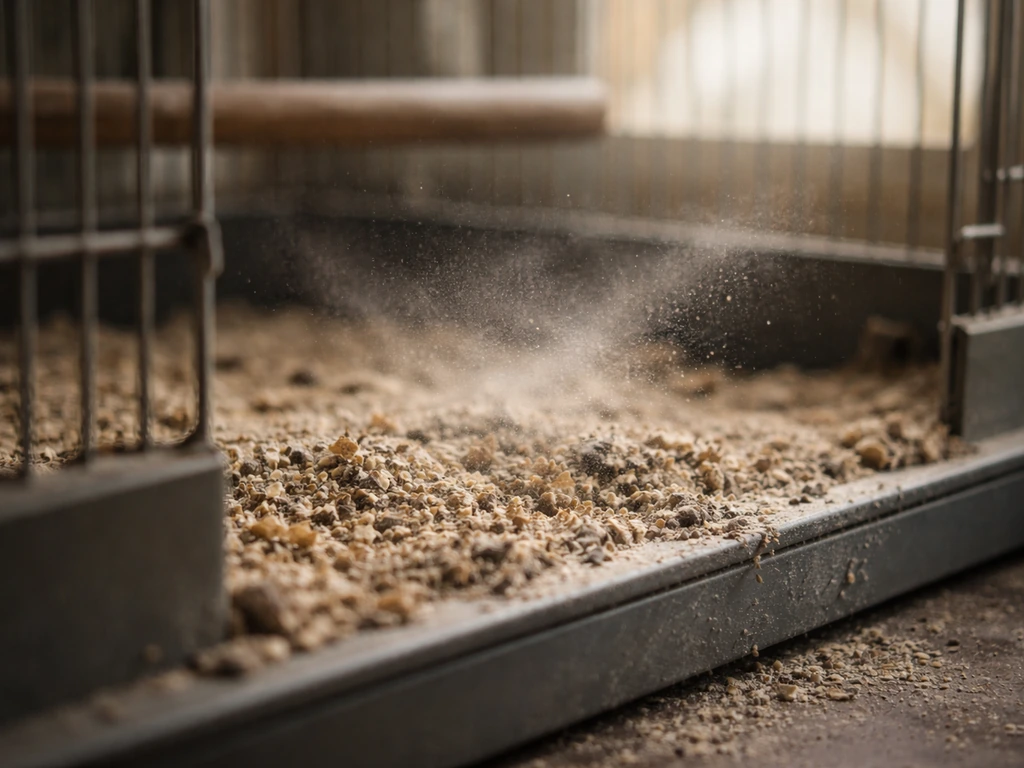
This is one of the most frequent culprits, especially when symptoms appear suddenly after something in the environment changed. Birds have extremely sensitive respiratory systems, and things that barely bother us can cause real irritation for them. Common triggers include dusty or corncob bedding, aerosol sprays (air fresheners, hairspray, cooking sprays), scented candles, cigarette or vape smoke, strong cleaning products, new carpeting or furniture off-gassing, and even non-stick cookware fumes. If your bird started sneezing right after you used a new cleaning spray or opened a fresh bag of bedding, an irritant is the most likely explanation.
Dry air and dust
Low humidity is a common and underappreciated cause of nasal irritation in pet birds. When indoor air drops below around 40 to 50 percent humidity (which happens easily in winter or in air-conditioned homes), the nasal passages can become dry and irritated. Dusty environments, from things like dry seed husks, bird dander, or particulate matter, compound this. Some bird species like cockatiels and cockatoos produce a fine powder from their feathers naturally, and this can accumulate and irritate their own airways.
Upper respiratory infections and sinus infections
Bacterial, viral, or fungal infections can all cause nasal congestion and discharge in birds. Unlike environmental irritants, these tend to come with other signs like colored (non-clear) discharge, lethargy, reduced appetite, or puffed feathers. Infections can progress quickly, especially in young birds, birds with any existing health issues, or birds that were recently introduced to a new environment or flock. If you have a newly acquired bird showing nasal symptoms, treat this with more urgency than you would for a bird that has been healthy for years.
Poor air quality and chronic exposure
Sometimes it is not one dramatic exposure but ongoing poor air quality: a smoky home, consistently low humidity, a cage near a kitchen where cooking fumes accumulate, or a room with poor ventilation. These situations cause chronic, low-grade irritation that can eventually become a persistent nasal problem or leave the bird more vulnerable to actual infections.
Safe home steps you can take today
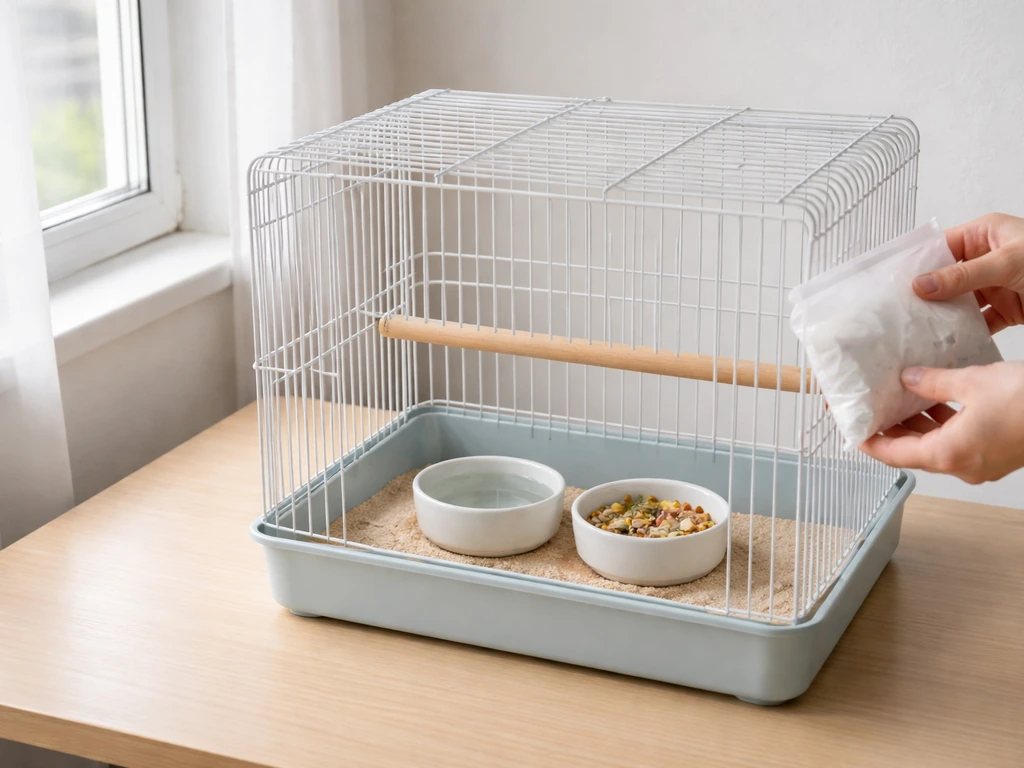
If your bird is not in distress and the situation seems mild, here is what you can do right now to support their recovery and rule out environmental causes. If your bird sneezes specifically after drinking water, it can point to water temperature, residue in the bowl, or nasal irritation that should be checked along with other signs support their recovery and rule out environmental causes.
- Remove obvious irritants immediately. Check for anything new in the environment: fresh cleaning products, air fresheners, candles, new cage accessories, or recently changed bedding. Get rid of or relocate anything suspect. Move the cage to the cleanest, best-ventilated room in the house.
- Improve ventilation without creating drafts. Open a window in a nearby room to improve airflow, but do not place the cage in a draft or direct breeze. Birds are very sensitive to cold air currents.
- Add gentle humidity. If your home air is dry, run a cool-mist humidifier near (not directly at) the cage to bring humidity up to around 40 to 60 percent. Another option is to briefly bring your bird into a bathroom while you run a hot shower, letting the steam fill the room for 10 to 15 minutes. Stay in the room with your bird and watch them throughout.
- Keep your bird warm. A bird fighting any kind of irritation or early illness does better in a stable, warm environment. Make sure the room stays around 70 to 80 degrees Fahrenheit and that there are no cold spots near the cage.
- Encourage hydration. Make sure fresh, clean water is easily accessible. Some birds drink more when offered a shallow dish to dip their beak into. Good hydration helps keep mucous membranes moist.
- Isolate from other birds. If you have multiple birds, separate the symptomatic bird immediately as a precaution. Respiratory infections can be contagious between birds, and quarantine protects your others while you figure out what is going on.
- Clean the cage gently. Remove any droppings, wet food, or moldy material from the cage using a mild, unscented soap and warm water. Rinse thoroughly and let it dry completely. Avoid harsh disinfectants or bleach sprays around the bird.
After taking these steps, watch your bird closely for the next several hours. Are they eating? Do they seem a little more alert? Is the sneezing slowing down? Improvement within a few hours after removing an irritant is a positive sign. No improvement or any worsening means a vet call is your next step.
Things to avoid doing
There are a few well-intentioned moves that can actually make things worse, and some that are outright dangerous.
- Never give human medications. No decongestants, antihistamines, cold medicines, or any over-the-counter drugs. These are not safe for birds and can be fatal. Even "natural" remedies like eucalyptus oil or menthol products are dangerous because birds cannot safely inhale many essential oils.
- Avoid essential oils and diffusers entirely. Diffused essential oils, even ones marketed as "natural," are a known respiratory hazard for birds. If you use any in your home, stop immediately and ventilate the space.
- Do not use aerosol sprays near the bird. This includes air fresheners, disinfectant sprays, furniture polish, or any pressurized can products.
- Avoid aggressive cage cleaning while the bird is present. Scrubbing with strong products releases particles and fumes directly into the bird's breathing space.
- Do not place the cage in a draft trying to "give fresh air." Drafts cause rapid temperature fluctuations that stress a bird's system further.
- Do not over-handle a sick bird. Stress suppresses the immune response. Keep interactions calm and minimal while your bird is recovering.
When to call an avian vet and what happens next
If the red flags in the triage section are present, call an avian vet immediately. If your bird is not showing emergency signs but is not improving after 24 to 48 hours of home support, that is also your cue to make an appointment. The Merck Veterinary Manual recommends contacting a vet when respiratory signs occur, especially in severe, short-term illness seen in young or newly imported birds, including signs like labored breathing and loss of appetite contact an avian vet today when respiratory signs occur. Respiratory issues in birds can escalate faster than you expect, and it is always better to get a professional opinion sooner rather than later.
One important note: make sure you find an avian vet, not just a general small-animal vet. Bird anatomy and physiology are significantly different from mammals, and avian-specific experience matters when it comes to diagnosis and treatment.
What the vet visit looks like
The vet will start with a thorough physical exam. They will look closely at the nares for swelling, discharge, or blockage, listen to the lungs and air sacs, assess the bird's overall condition including weight and mucous membrane color, and observe the bird's breathing pattern. They will ask about the timeline of symptoms, recent environmental changes, diet, and whether any other birds in the home are affected.
Depending on what they find, they may recommend additional diagnostics:
- Nasal or choanal swab cultures to identify bacterial or fungal infections
- Blood work to check for infection markers or organ function
- X-rays to assess the air sacs and lungs for deeper respiratory involvement
- Microscopic examination of discharge to look for specific pathogens
Treatment will depend on the diagnosis. For simple environmental irritation, the vet may confirm your home steps are correct and advise continued monitoring. For bacterial infections, antibiotics specific to birds will be prescribed. Fungal infections require antifungal treatment. Viral causes are managed with supportive care: warmth, hydration, and rest while the bird's immune system does its job. The vet may also prescribe nebulization therapy in some cases, which delivers moisture and medication directly to the respiratory tract.
How to prevent this from happening again
Once your bird is feeling better, a few consistent habits can dramatically reduce the chance of recurring nasal problems.
Control dust and air quality
Choose low-dust bedding options and avoid corncob or dusty seed mixes as cage substrate. If you have naturally powder-producing birds like cockatiels or cockatoos, use a HEPA air purifier near the cage to capture airborne particles. Vacuum and wipe down surfaces near the cage regularly, and never use aerosol products anywhere near your bird's living space.
Keep humidity stable
Invest in an inexpensive hygrometer (humidity monitor) and place it near the cage. Aim to keep humidity between 40 and 60 percent year-round. A cool-mist humidifier in dry months makes a real difference for nasal health, and regular misting or bathing opportunities keep your bird's nasal passages naturally moist.
Ventilate safely
Position the cage away from the kitchen (cooking fumes, especially from non-stick cookware, are a serious hazard), away from smokers, and away from windows that may create drafts. Good airflow in the room without direct air movement across the cage is the goal.
Make monitoring a daily habit
Spend a minute each day doing a basic visual check of your bird. Look at the nares for any crustiness, redness, or discharge. Note whether your bird is eating normally, how active they are, and whether breathing looks and sounds easy. Because birds instinctively hide illness, small changes you catch early are much easier to address than a problem that has been developing for a week. Keeping a simple log of your bird's weight once a week (a kitchen scale works fine) is one of the best early-warning tools available to a home bird owner.
A stuffy nose in a bird is not something to dismiss, but it is also not automatically a crisis. Your job is to assess the full picture, act quickly on the home steps that are safe, and get professional help whenever the signs go beyond mild irritation. You know your bird better than anyone, and your instinct that something seems off is always worth taking seriously.
FAQ
Can I use a humidifier or steam to help my bird’s stuffy nose today?
Yes, but only if the bird is otherwise stable and breathing comfortably. If you suspect a dry-air or irritant trigger, you can increase ambient moisture in the room (humidifier set to keep roughly 40 to 60 percent). Do not place the bird directly in front of the humidifier or create heavy, wet air right at the face, and stop if the bird becomes more congested or distressed.
Is saline or nose drops safe for a bird with a stuffy nose?
Plain water or the usual diet is safer. Avoid medicating through the nares (no drops, oils, or “saline” squirt attempts) unless an avian vet directs it, because aspiration and irritation can worsen breathing. If you want to support hydration, offer fresh, clean water at the normal room temperature and watch that the bird is drinking and swallowing normally.
How long should I wait at home before calling the vet for my bird’s congestion?
Try to focus on changes after removing a suspected irritant. If the symptoms were sudden and track closely to something new (spray, bedding, candle, cleaning product), improvement within a few hours is a good sign. If there is no clear improvement by 24 to 48 hours, or the discharge becomes thicker or colored, plan a vet visit rather than waiting longer.
What if my bird is still eating, but I notice open-mouth breathing or tail bobbing?
Open-mouth breathing and tail bobbing mean the bird is struggling, so treat that as urgent even if they still seem alert. These signs can progress quickly, especially overnight. If you see either, do not wait for the morning appointment, contact an avian vet or emergency clinic right away.
My bird’s stuffy nose started after I changed bedding or cleaned the cage, how do I find the real trigger?
Dust can come from multiple sources, not just the bedding. Check the whole area for particulate and fumes: seed husks, vacuuming residue, dry air, unwashed cage coverings, and anything scented (candles, air fresheners) or that off-gasses (new furniture, new rugs, certain plastics). If symptoms started after cleaning, switch to fragrance-free products and rinse items thoroughly before returning them to the cage.
Should I isolate my bird if another bird in the home is sneezing or has nasal discharge?
Yes, even a single infected bird can spread germs. If there are other birds in the home, watch each one for sneezing, nasal discharge, reduced appetite, or energy drop. Keep birds separated, avoid shared bowls or blankets, and contact an avian vet for guidance, because infections can spread before symptoms are obvious.
Can I gently wipe or remove the crust around my bird’s nostrils?
Do not attempt to “clear” crusts from the nares at home. Crusty discharge can be attached to swollen tissue, and forcefully removing it can cause bleeding or further blockage. Instead, focus on removing irritants and maintaining safe humidity, and let the avian vet assess whether the nares are truly obstructed.
Is wheezing worse than a stuffy nose, and when should I worry?
Wheezing can reflect lower-airway involvement (lungs or air sacs), which is more concerning than simple occasional sneezing. If wheezing is present or breathing sounds harsh, prioritize prompt avian vet advice, especially if you also notice puffed feathers, lethargy, reduced eating, or any breathing effort.
My bird’s nose clears up, then it comes back again. What should I do?
Feather powder, seed dust, and dander can contribute to ongoing irritation, but recurring congestion still deserves a check for infection if it keeps returning or lasts more than about a week. If your bird repeatedly “gets better then gets worse,” review ventilation, bedding, and kitchen exposure, and ask your avian vet whether additional testing is needed.
How should I track weight and what change would be concerning for a bird with nasal congestion?
A kitchen scale is fine for tracking, but use it consistently and record the same time of day if possible. A small, steady decline in weight over several days is meaningful in birds, especially if appetite also drops. If weight drops and breathing symptoms do not clearly improve, contact an avian vet promptly rather than continuing home monitoring.
Next Articles
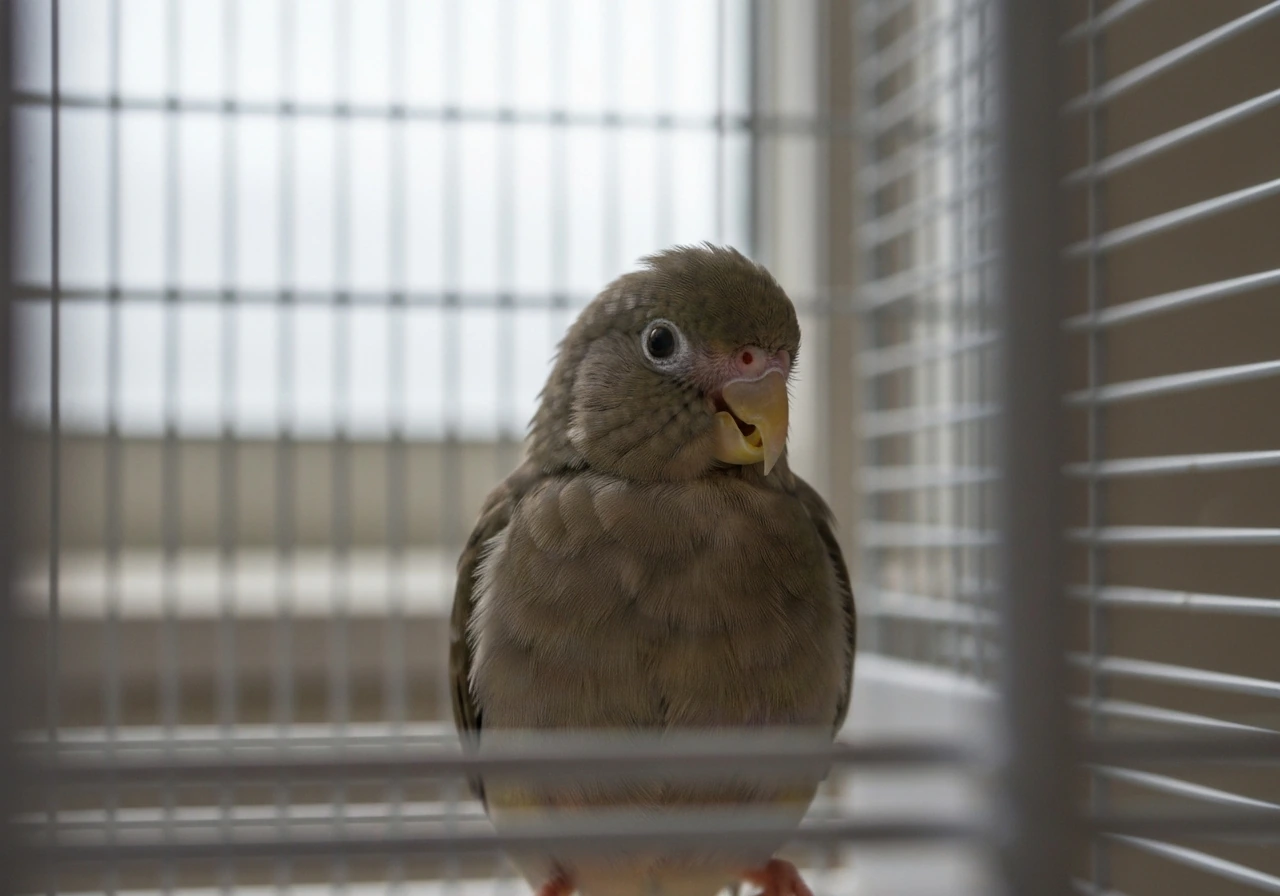
My Bird Is Wheezing: Causes and What to Do Now
Find likely causes of my bird wheezing, spot danger signs, and take safe at-home steps or get urgent vet care.
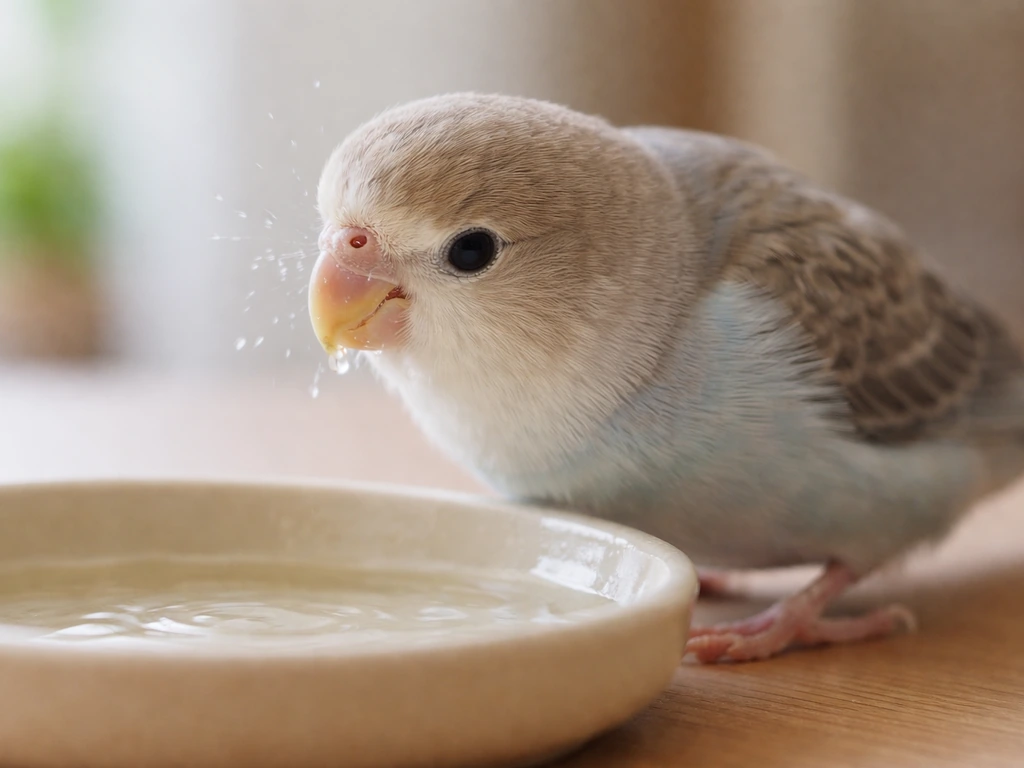
Why Does My Bird Sneeze After Drinking Water? Causes and Fixes
Learn causes and quick fixes for bird sneezing right after drinking, plus red flags needing an avian vet.
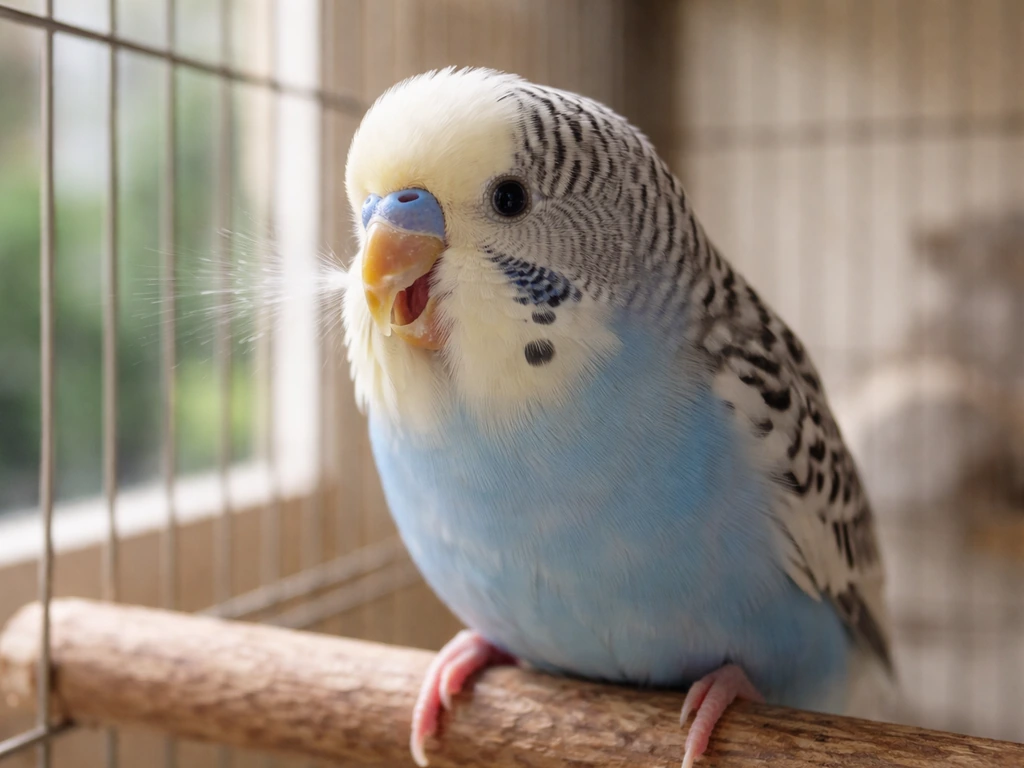
Why Is My Bird Sneezing? Causes, What to Do Now
Learn why birds sneeze, how to check for respiratory trouble, and what to do now plus when to see an avian vet.