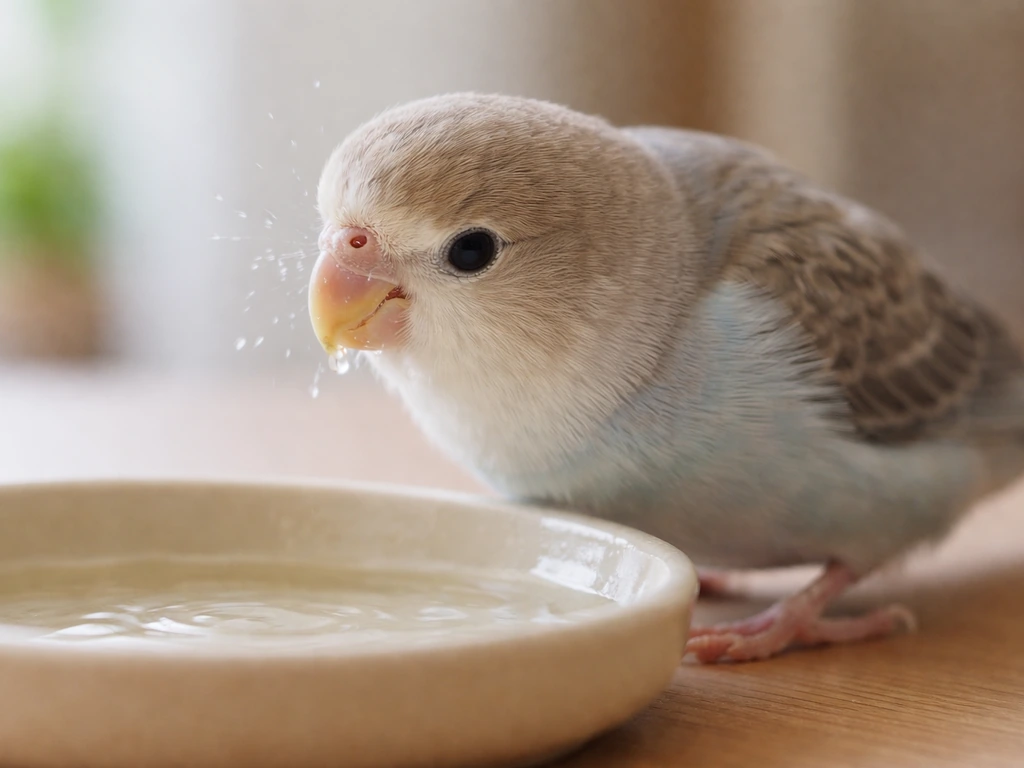
A wheezing bird needs your attention right now. It could be mild irritation from a household spray you used an hour ago, or it could be the start of a serious respiratory infection. The key is knowing which warning signs push it from 'watch closely' to 'call an avian vet immediately.' Read through this guide, check your bird and your environment, and you'll have a clear picture of what to do next.
My Bird Is Wheezing: Causes and What to Do Now

Marcus Chen
20 May 2026
What wheezing sounds actually mean in pet birds
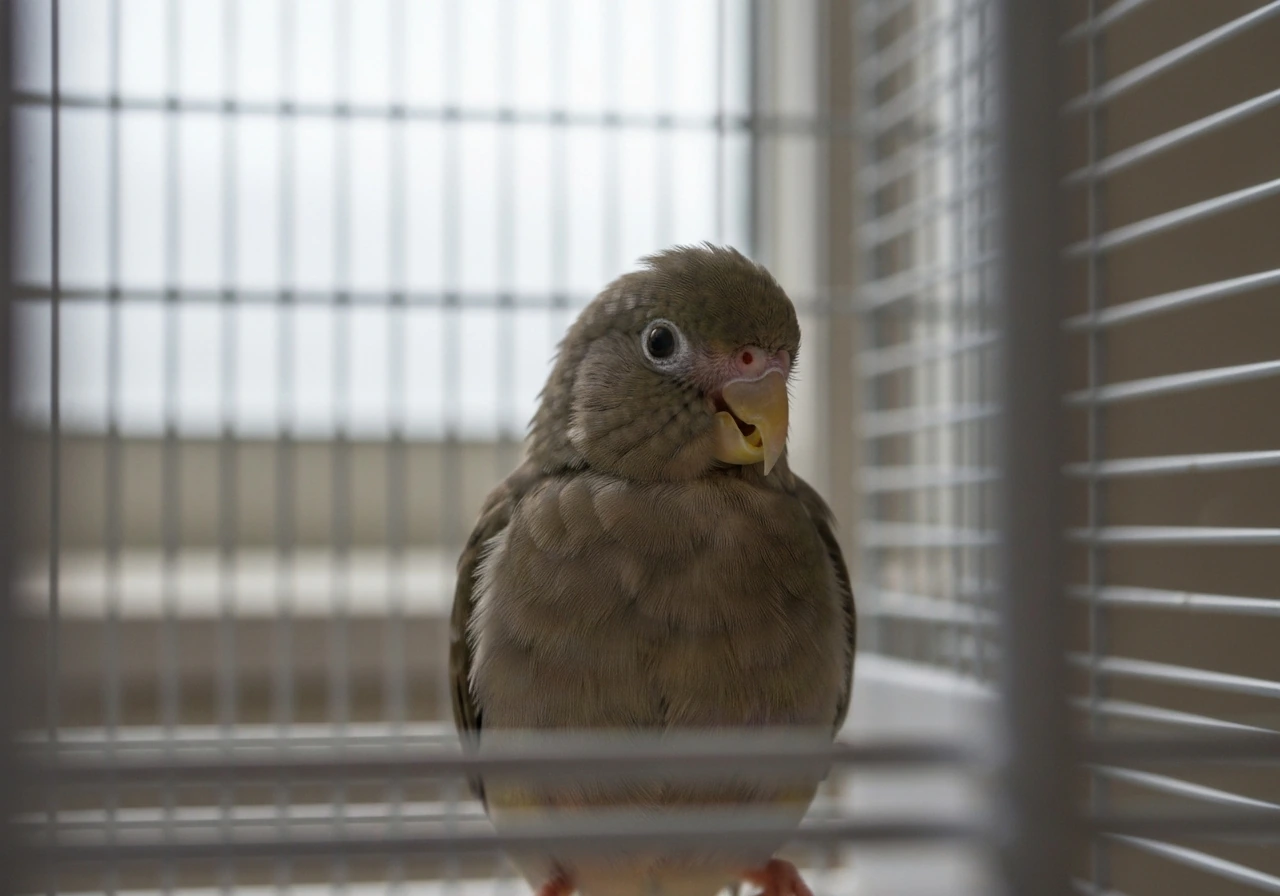
Birds are not noisy breathers by nature. Healthy birds breathe quietly, so any new sound, whether it is a wheeze, a whistle, a click, or a crackling rasp, is worth taking seriously. Wheezing usually means air is moving through a narrowed or partially blocked airway. In birds, that can happen anywhere from the nostrils all the way down to the air sacs deep in the body.
A high-pitched whistle often points to the upper airway, like the nasal passages or trachea. A deeper crackling or clicking sound can suggest fluid or mucus lower in the respiratory tract. Both are abnormal. The sound alone does not tell you exactly what is wrong, but it does tell you something is interfering with normal airflow.
Birds also sneeze and have stuffy noses, and those symptoms often show up alongside wheezing. If you are wondering why your bird sneezes, it can be from the same airway irritation and respiratory infections that cause wheezing and stuffy noses. If your bird is doing all three, the respiratory tract is clearly irritated or infected at multiple points, which raises the urgency.
First checks at home before anything else
Before you do anything else, spend two or three minutes quietly observing your bird from a short distance without picking it up. Handling a bird in respiratory distress can spike its stress level and make things worse. You are looking for a cluster of signs, not just the sound.
Breathing effort and posture
- Is your bird's tail bobbing up and down with each breath? Tail bobbing means the bird is working hard to push air through and is a significant warning sign.
- Is it breathing with its beak open? Open-mouth breathing in a bird that has not been exercising or overheated is a red flag.
- Is the chest or body rocking noticeably with each breath, more than usual? Increased sternal motion suggests effort.
- Is the bird sitting on the bottom of the cage or on a low perch with feathers fluffed and eyes half-closed? A fluffed, hunched posture usually means a bird feels very unwell.
- Is the bird holding its wings slightly away from its body? This can be a sign it is struggling to breathe.
Other symptoms to look for right now
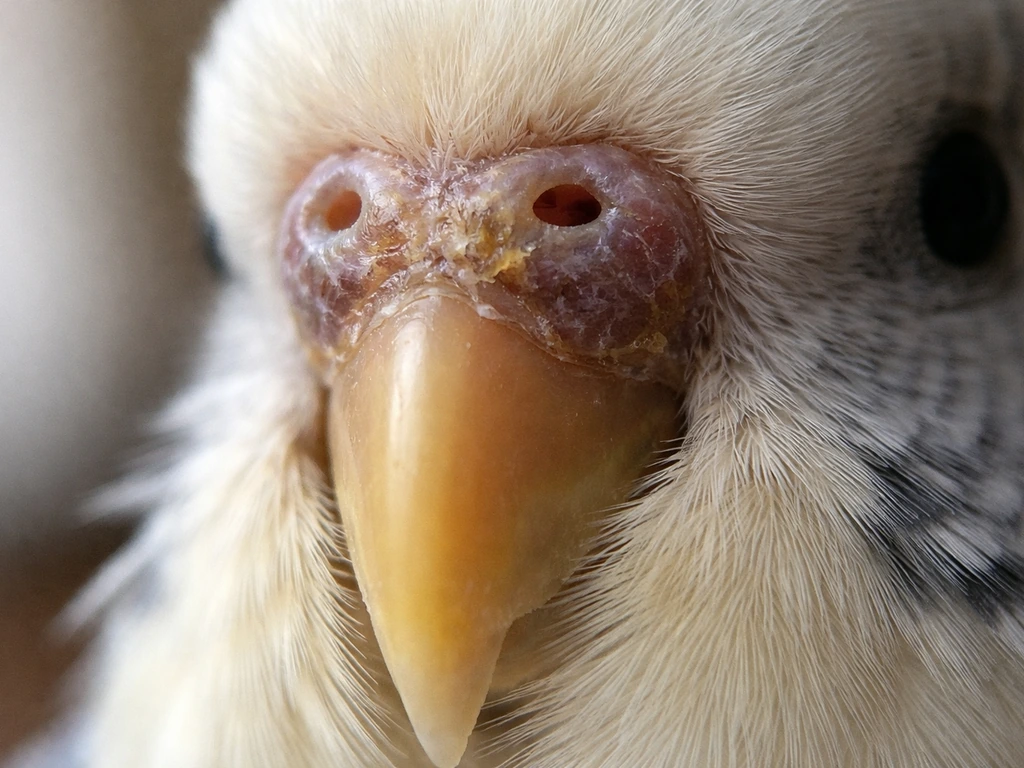
- Discharge from the nostrils or eyes, which may look wet, crusty, or discolored
- Any color change around the beak, nares, or skin: gray, dark pink, or bluish tones can indicate the bird is not getting enough oxygen
- Lethargy or unusual stillness, not reacting to you the way it normally would
- Reduced or no interest in food or water
- Coughing or clicking sounds in addition to wheezing
- Sneezing repeatedly in a short period
The more of these signs you are seeing alongside the wheeze, the more urgent the situation. A bird that is wheezing but is otherwise alert, active, eating, and sitting normally is in a very different position from a bird that is wheezing, blank" rel="noopener noreferrer">tail-bobbing, open-mouth breathing, and sitting fluffed at the cage bottom.
The most common reasons birds wheeze
There are two broad categories to think about: environmental irritation and active infection or disease. Knowing which is more likely helps you decide how fast to act.
Respiratory infections
Bacterial, viral, and fungal infections are common causes of wheezing in pet birds. Bacterial infections like Chlamydiosis (also called psittacosis) can cause sneezing, nasal discharge, and labored breathing. Aspergillosis, a fungal infection, often causes a more subtle but persistent change in breathing sounds and voice. Viral infections can cause rapid deterioration. These infections need a proper diagnosis from an avian vet because treatment depends entirely on the cause, and the wrong treatment can do real harm.
Airway inflammation and irritation
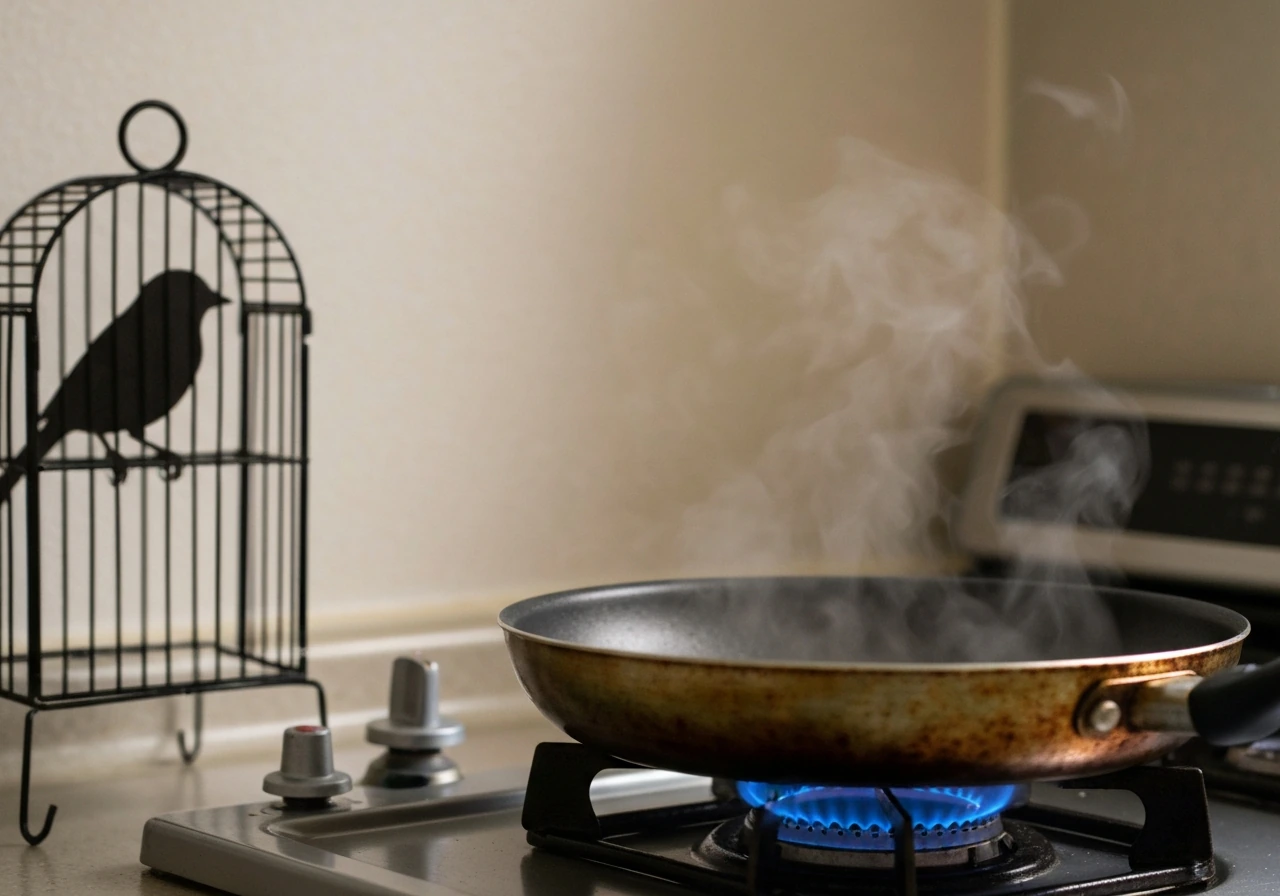
This is the category where environment plays the biggest role. A bird's respiratory system is extraordinarily sensitive. Cooking fumes, non-stick cookware (Teflon) overheating, scented candles, aerosol sprays, cigarette or vape smoke, air fresheners, cleaning products, and even dusty bedding can all cause acute irritation of the airways. If the wheezing started suddenly after you used something in the house, environmental irritation is very likely.
Other possible causes
- Foreign body stuck in the airway or crop (especially in curious, foraging birds)
- Tumors or masses pressing on the trachea or air sacs
- Nutritional deficiencies weakening immune function over time
- Allergies or chronic exposure to low-level irritants like mold or dust
- Parasites affecting the respiratory tract (less common but possible)
Remove these environmental triggers right now
Even if you are not sure the environment is the cause, clearing it is always the right first move. Birds process airborne substances far more efficiently than humans do because of how their respiratory system works, which means things that barely affect you can be lethal to them.
- Move your bird to a different room immediately, ideally one with good fresh air and no recent chemical use. Open a window slightly if the outdoor air is clean and the temperature is safe.
- Turn off any scented candles, incense, plug-in air fresheners, or diffusers running essential oils. Even products marketed as 'natural' can irritate avian airways.
- If you used any sprays in the last few hours, such as cleaning products, hairspray, deodorant, insecticide, or air freshener, ventilate the original room thoroughly before your bird returns.
- Check whether any non-stick cookware was overheated. PTFE (Teflon-type) coatings release fumes when overheated that are rapidly fatal to birds. If this happened, the situation is an emergency.
- If anyone in the household smokes or vapes, ensure the bird is never in a room where this happens, and wash hands before handling.
- Check the bird's environment for dusty substrates, moldy food, or poor ventilation. A cage in a small, poorly aired room with stale air is a chronic irritant.
- If you have added any new toys, perches, or cage materials recently, remove them temporarily to rule them out.
Once the environment is clear, watch your bird for 15 to 20 minutes to see if breathing improves. If it does not improve or gets worse, do not wait longer.
When to treat this as an emergency
Some signs mean you should be calling an avian vet or emergency animal hospital right now, not in a few hours and not tomorrow morning. Birds hide illness well, so by the time you can see obvious distress, the situation is often already serious.
| Sign | What it means | Action |
|---|---|---|
| Open-mouth breathing at rest | Bird is struggling to move enough air | Call avian vet immediately |
| Tail bobbing with every breath | Significant respiratory effort, a major warning sign | Call avian vet immediately |
| Bluish, gray, or dark coloring around beak or skin | Possible oxygen deprivation (cyanosis) | Emergency: go now |
| Sitting on cage floor, fluffed, unresponsive | Bird is in serious distress | Emergency: go now |
| Suspected Teflon/PTFE fume exposure | Potentially fatal within minutes | Emergency: go now |
| Wheezing started suddenly after chemical exposure | Acute toxic irritation | Remove bird, call vet urgently |
| Wheezing plus nasal or eye discharge plus lethargy | Likely active infection | Vet appointment same day or next morning |
| Mild wheeze, bird is alert and eating normally | Possible mild irritation | Remove irritants, monitor closely for 1 to 2 hours |
blank" rel="noopener noreferrer">Upper respiratory issues in birds are actually fairly common and do not always cause a full crisis right away, but they can worsen quickly. Do not let a bird sit in distress overnight if it is showing any of the emergency signs above. If your bird is sneezing at night, treat it as a possible respiratory irritation or infection and act quickly rather than waiting until morning why is my bird sneezing at night. Find an avian vet or an emergency exotic animal clinic.
Safe supportive steps while you arrange care
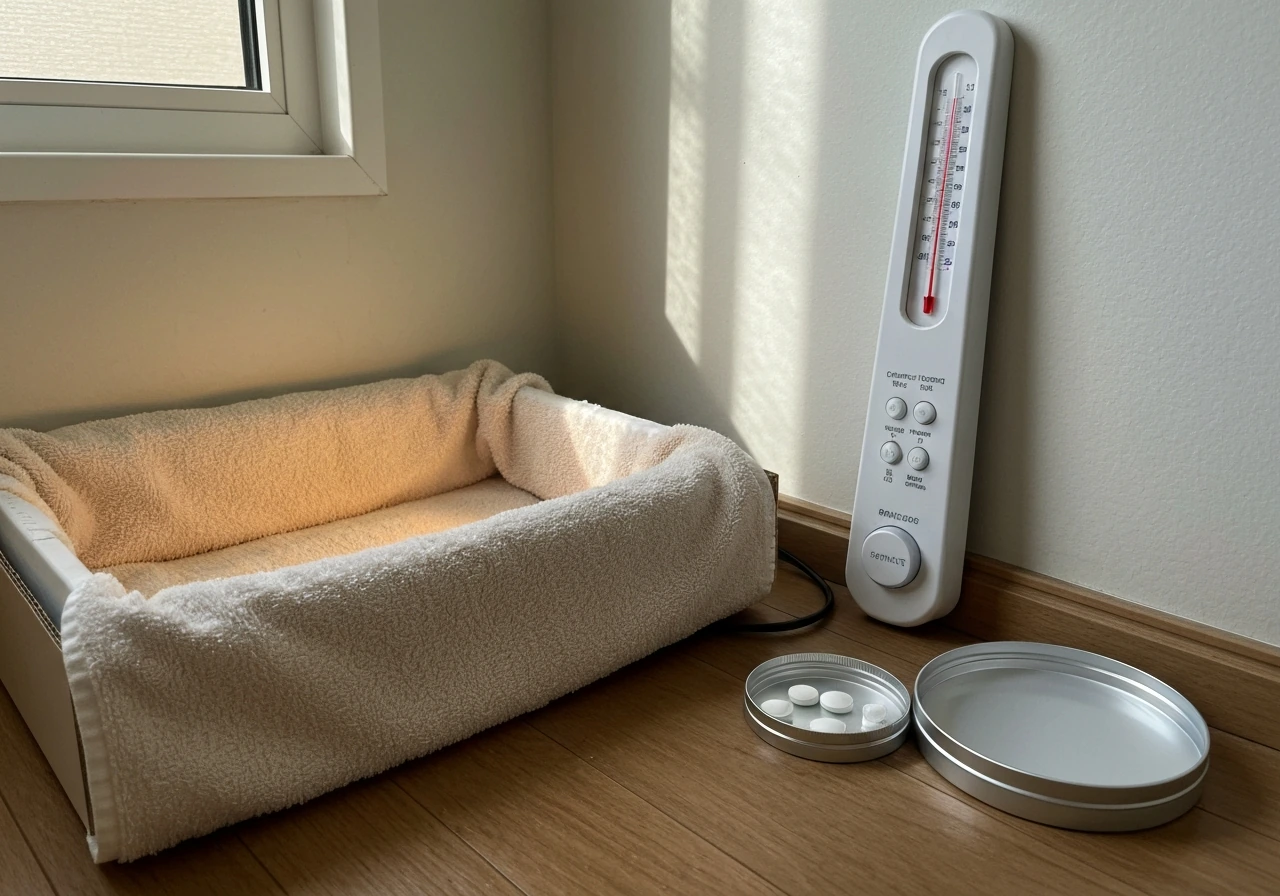
While you are making calls or waiting for an appointment, there are things you can safely do that may help, and things you should absolutely avoid.
What you can safely do
- Keep the room warm and draft-free. Sick birds lose body heat quickly, and being cold makes respiratory illness worse. Around 80 to 85 degrees Fahrenheit (27 to 29 Celsius) is a comfortable target for a sick bird.
- Add a little gentle humidity to the room if the air is very dry. A cool-mist humidifier placed nearby (not directly at the cage) can help ease airway irritation. Do not use steam from boiling water near the bird.
- Minimize handling and stress. Put the cage somewhere quiet, dim the lights slightly, and keep other pets and loud noises away.
- Make sure fresh water is accessible and easy to reach, even if your bird is not perching normally.
- If your bird is weak and sitting low in the cage, lower any food and water dishes to its level so it does not have to climb.
- Keep a close eye on breathing rate and posture, and note anything that changes.
What not to do
- Do not give your bird any human medications, over-the-counter products, or herbal remedies. Many are toxic to birds, and nothing should be given without explicit guidance from an avian vet.
- Do not use a steam bath or hold your bird over a bowl of hot water. This is sometimes suggested online and can cause burns or respiratory shock in an already stressed bird.
- Do not continue using aerosols, sprays, or candles anywhere in the home until you know what is causing the wheezing.
- Do not assume it will resolve on its own and delay getting professional evaluation, especially if any of the emergency signs above are present.
- Do not isolate the bird in a cold space thinking fresh air alone will help. Temperature drops can be dangerous for a sick bird.
What to track and tell your vet
When you do speak with or visit an avian vet, the more specific information you can provide, the faster they can help. Birds cannot tell them what happened, so you are their best diagnostic tool. Here is what to track and document:
- When the wheezing started: was it sudden or gradual?
- Whether anything changed in the home around the same time (new product, cooking, renovation, new cage item, new bird)
- What the sound is like: high-pitched whistle, deeper rattle, clicking, or a combination
- Whether breathing looks labored (tail bobbing, open-mouth breathing, visible chest effort)
- Current posture: is the bird perching normally, sitting low, fluffed, or wings held away from body?
- Appetite and droppings: eating and drinking normally or not? Any changes in dropping color, consistency, or frequency?
- Any discharge from nostrils or eyes, and what it looks like
- Any sneezing or coughing alongside the wheeze
- The bird's normal diet, recent changes to it, and any supplements given
- Whether any other birds in the household are showing similar signs
- Vaccination or recent vet history if applicable
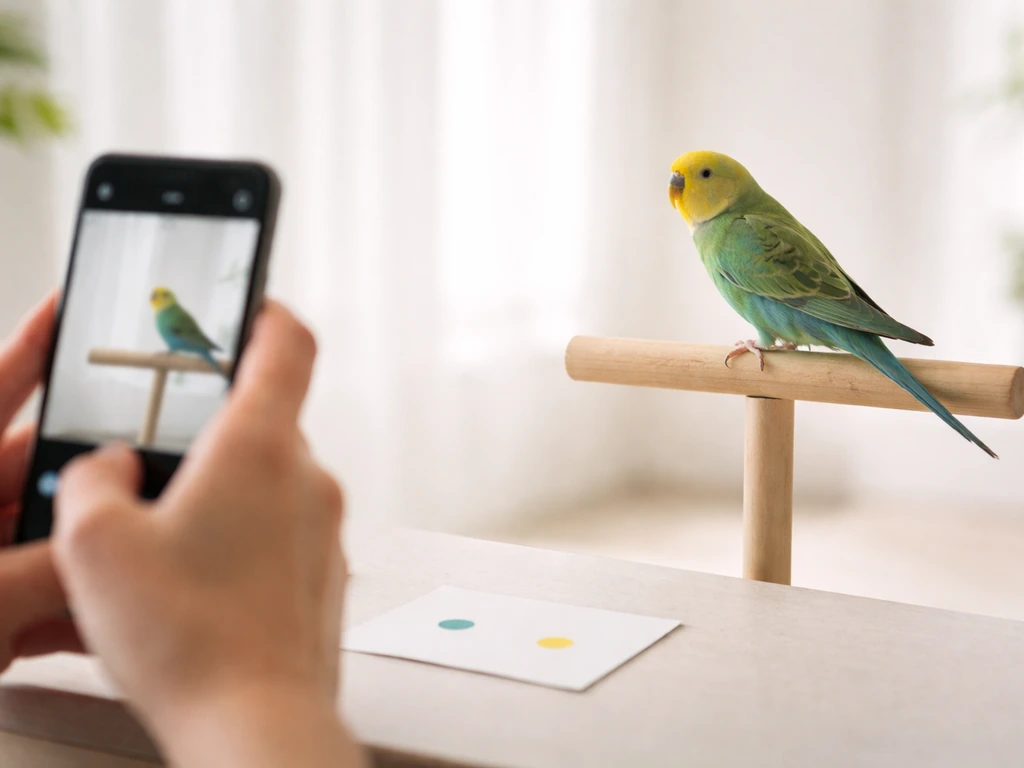
If you can, take a short video of your bird breathing and making the sounds before you go. Vets find this genuinely useful because birds sometimes breathe more normally in a clinic setting due to stress responses masking symptoms.
Wheezing in a bird is always a signal worth acting on. In many cases, removing the environmental trigger quickly and getting to a vet promptly leads to a full recovery. The worst outcomes usually come from waiting too long. Trust what you are seeing, take the steps above, and get professional eyes on your bird as soon as you can.
FAQ
How can I tell if my bird’s wheezing is mild irritation versus something life-threatening?
Focus on the full breathing picture, not just the sound. If your bird is also open-mouth breathing, tail-bobbing, fluffed and sitting on the bottom, or it cannot perch normally, treat it as an emergency. If it is alert, eating, and perching normally with only a faint wheeze, you can still remove triggers immediately and monitor closely, but you should not wait if symptoms progress or don’t improve within 15 to 20 minutes.
Is it safe to use a humidifier or steam to help when my bird is wheezing?
Do not steam a bird or move it into strong humidity right away. While moisture can sometimes ease irritation, it can also worsen certain infections or create conditions that increase fungal growth, and it can delay proper care. If you want to adjust humidity, do it gently in the room where the bird is, and prioritize removing potential airborne irritants and contacting an avian vet if there is no quick improvement.
Should I warm my bird’s cage or add extra heat if it is wheezing?
Light warmth can help a stressed or chilled bird, but avoid overheating. Aim for a comfortable, not hot, environment and keep the bird in a calm, draft-free area. If your bird is breathing with its mouth open or working hard, heat is not a substitute for urgent veterinary care.
What environmental trigger should I suspect first, and how do I reduce exposure fast?
Start with anything airborne that recently changed in the room: aerosols, scented candles, air fresheners, cleaning products, incense, smoke from cigarettes or vaping, and cooking fumes, especially overheated non-stick cookware. Remove the bird to fresh air in another room if possible, ventilate the current room, and stop using the suspected products immediately. Even strong odors that seem mild to humans can be harmful to birds.
Can I give my bird human cough or allergy medicine for wheezing?
No. Do not give human medications unless an avian veterinarian specifically prescribes them for your bird. Dosage and drug selection for respiratory symptoms are species-specific, and many common human meds can be dangerous for birds.
If my bird is wheezing but still eating, should I wait to see if it improves overnight?
If breathing sounds are abnormal and you have any emergency signs, do not wait. Birds often hide illness, and worsening can happen quickly after it looks stable. If there is no improvement within the short monitoring window (around 15 to 20 minutes after removing triggers) or symptoms escalate, contact an avian vet immediately.
Is wheezing ever caused by something that is not an infection, like a blockage?
Yes. Airway obstruction from inhaled particles, dust, or a foreign material can cause wheezing, and that scenario needs rapid assessment. This is another reason to act quickly if wheezing starts suddenly, especially after cleaning, sanding, using aerosols, or exposing the bird to smoke or cooking fumes.
What should I record for the vet besides the wheezing sound?
Track timing (when it started), whether it began suddenly or gradually, whether it is worse at certain times (for example, night), and any associated symptoms like sneezing, nasal discharge, reduced appetite, changes in voice, tail-bobbing, and open-mouth breathing. Also note recent exposures like sprays, candles, new bedding, or cooking incidents, and your bird’s species and age.
How can I safely take a video or observe my bird without stressing it?
Observe from a short distance first, before handling. If you film, keep the camera close enough to hear and see breathing effort, but do not restrain the bird or change its position repeatedly. A calm video showing breathing before the clinic visit can help the vet, especially if symptoms lessen when the bird is calmer.
My bird wheezes after I clean the cage, what mistake could be causing it?
Common issues include residual fumes from cleaners, disinfectants, or scented products, and dusty or strongly fragranced bedding. Rinse items thoroughly, avoid aerosol-based cleaners, and let everything fully air out before the bird returns. If wheezing begins right after cleaning, treat it as a likely exposure problem and remove the bird from the area immediately.
Next Article
Why Does My Bird Sneeze After Drinking Water? Causes and Fixes
Learn causes and quick fixes for bird sneezing right after drinking, plus red flags needing an avian vet.