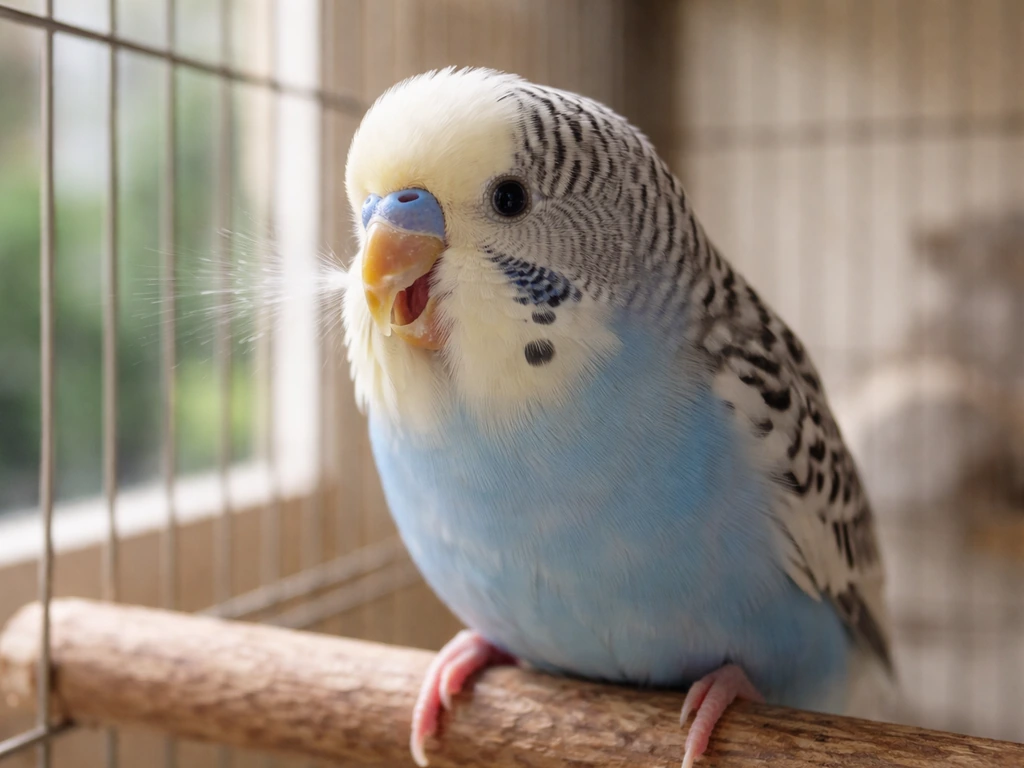
Most of the time, a bird sneezing right after drinking water is completely harmless. Water splashes into the nares (nostrils) during drinking, and the bird sneezes it back out. It's a reflex, same as when you sniff something that tickles your nose. One or two quick sneezes at the water dish with no other symptoms is not a reason to panic.
Why Does My Bird Sneeze After Drinking Water? Causes and Fixes

Marcus Chen
19 May 2026
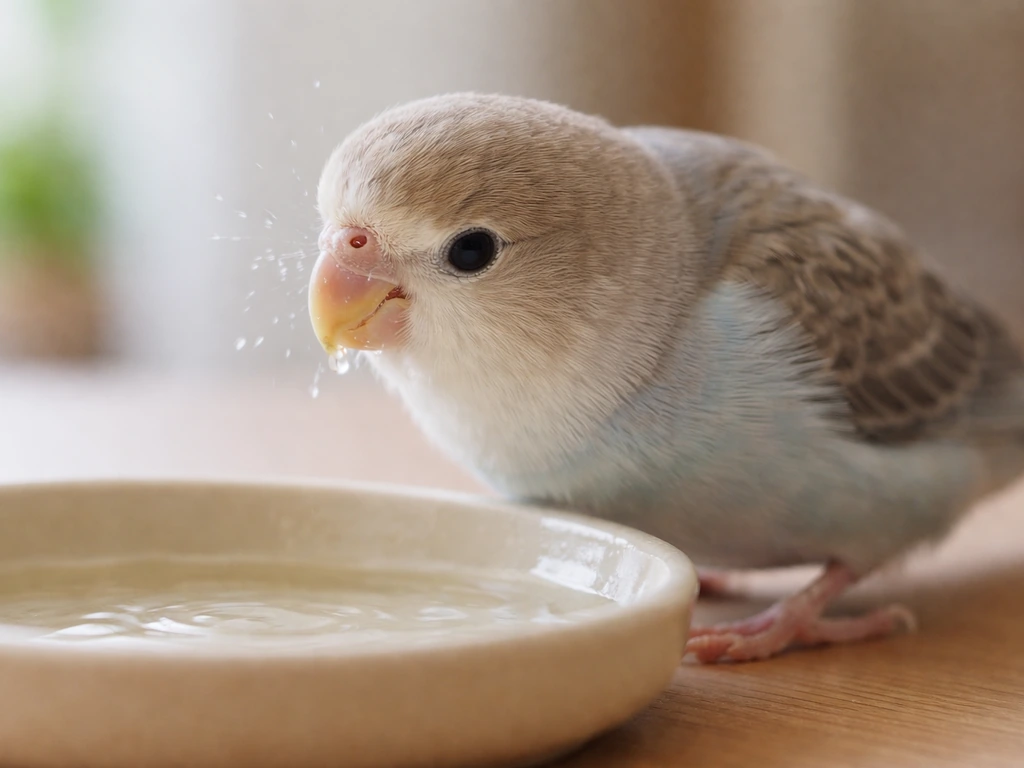
However, if the sneezing is frequent, happening away from the water dish too, or comes with any other sign like discharge, labored breathing, or tail bobbing, that picture changes and you need to take it more seriously.
Chewy also notes that sneezing in birds can indicate more serious nasal or sinus problems when it comes with additional clinical signs like discharge, audible breathing sounds, tail-bobbing, weight loss, changes in vocalizations, or eating habits more serious nasal or sinus problems with additional clinical signs.
Merck Veterinary Manual notes that lung and airway disorders in pet birds can cause signs such as sneezing, discharge from the eyes or nostrils, and difficulty breathing, with more severe cases including clicking or high-pitched noises and open-mouthed breathing discharge, labored breathing, or tail bobbing.
Normal drinking behavior vs. actual sneezing to worry about
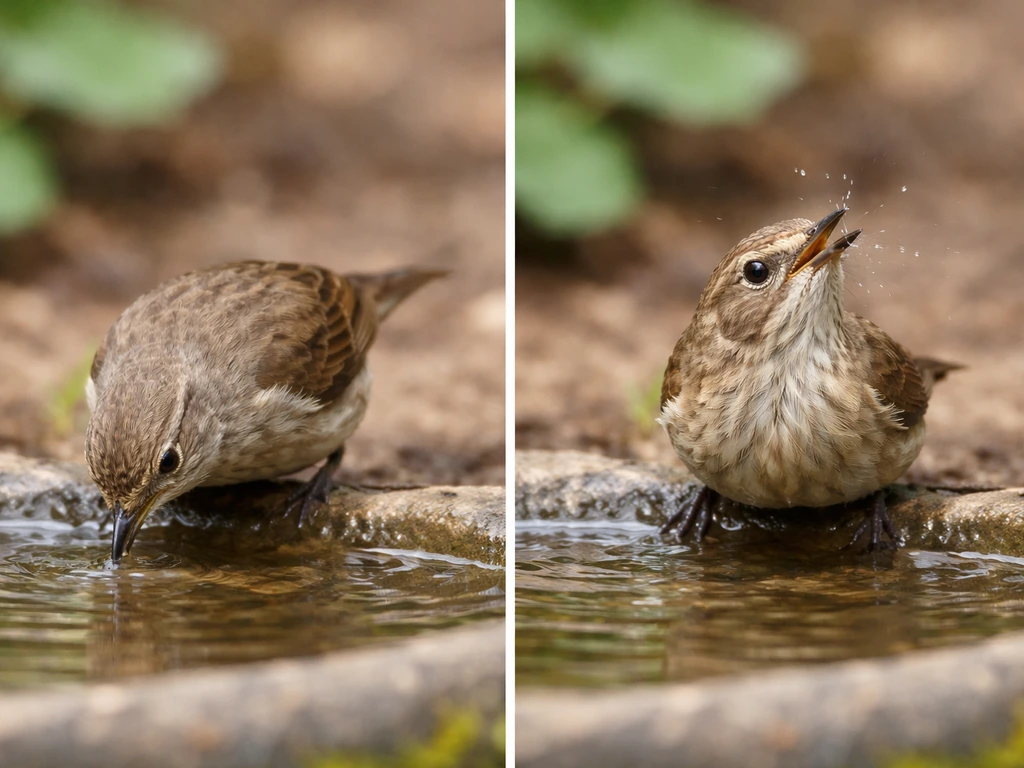
Birds drink by scooping water with their beak, and many species tip their heads back to swallow. During that process, small amounts of water can easily enter the nares. The bird's natural reflex is to expel it with a short, sharp sneeze. This is normal. You'll typically see it happen once, maybe twice, right at the dish, and then the bird moves on like nothing happened. If your bird is sneezing mainly at night, it can be due to nighttime humidity changes, airflow from HVAC, or what the bird is exposed to in the room while the lights are off why is my bird sneezing at night.
The line between normal and concerning is mostly about pattern. A single reflex sneeze tied specifically to drinking is low-risk. Repeated sneezing that continues long after the bird walks away from the water, sneezing throughout the day regardless of drinking, or any sneeze accompanied by visible discharge or unusual breathing sounds is a different story. That's when the sneezing has stopped being a simple mechanical reflex and started signaling something irritating or infecting the nasal passages or respiratory tract.
The most common reasons birds sneeze after drinking
Water getting into the nares
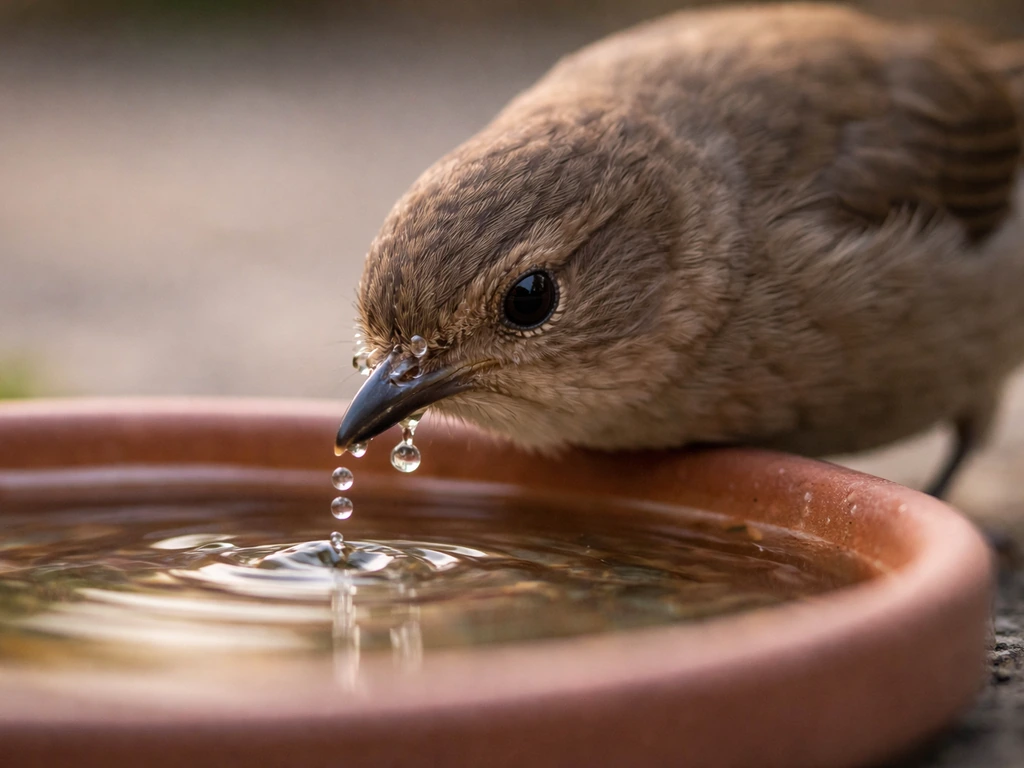
This is the most frequent cause and the most benign one. When a bird dips its beak into a bowl or cup, water easily reaches the nares, especially with enthusiastic drinkers or with wide, shallow bowls that encourage the bird to plunge its whole beak in. The sneeze clears it out. If this is the only time your bird sneezes and it stops immediately after, there is nothing wrong.
Residue or contaminants in the water dish
A dirty water dish is a real irritant. Biofilm, mineral deposits, mold, and algae can all build up quickly, especially in warm rooms. When a bird drinks from a dish with that kind of residue, even a tiny amount contacting the nasal passages can trigger sneezing or lingering irritation. If the sneezing seems more intense or frequent some days than others, check the dish and see when it was last properly scrubbed.
Dust and particulate matter
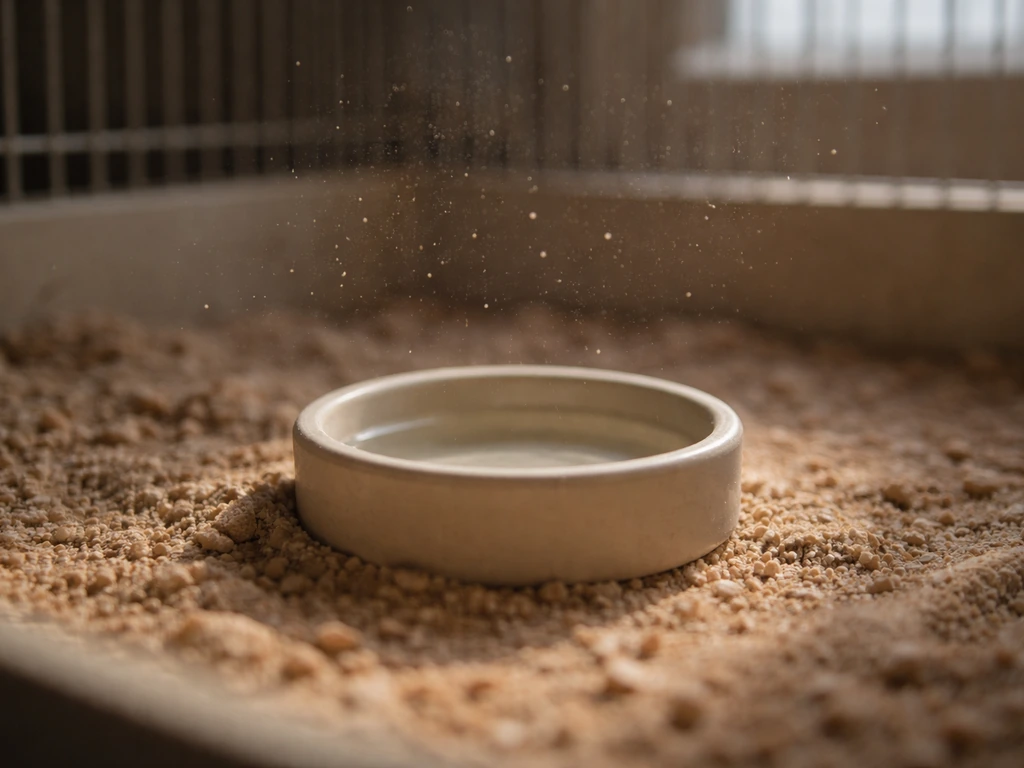
Many birds kick up a lot of dust before or after drinking, especially if they bathe in their water dish. Dusty substrates, dried droppings on or near the dish, or the powdery dander from birds like cockatiels and African greys can all land in the water and end up in the nares during a drink. Corella and cockatiel owners in particular deal with this a lot.
Airborne irritants in the immediate area
If you recently cleaned near the cage, used a spray bottle, burned a candle, or cooked something with strong fumes, those particles settle on surfaces including the water dish. When the bird drinks, it's essentially inhaling that irritant directly. This is a common but easy-to-miss trigger, especially because there's often a delay between you using a product and noticing the bird sneezing.
Check the environment first
Before assuming a health problem, do a quick walk-through of the bird's space. Environmental irritants cause a huge percentage of bird sneezing and are almost always fixable without a vet visit.
- Bedding and substrate: Wood shavings, dusty seed hulls, and corn cob bedding release fine particles constantly. Swap to low-dust options like paper-based bedding or newspaper if you haven't already.
- Aerosols: Hair spray, air fresheners, perfume, deodorant, and scented candles are all serious respiratory irritants for birds. Birds have an extremely efficient respiratory system that also makes them uniquely vulnerable to airborne chemicals.
- Cleaning products: Anything with bleach, ammonia, or heavy fragrance used near the cage can leave residue in the air for hours. Even the fumes from a freshly mopped floor nearby can cause sneezing.
- Non-stick cookware: Overheated PTFE-coated pans release fumes that are toxic to birds. Even at safe cooking temperatures, they can cause irritation.
- Dry air: Low humidity dries out nasal passages and makes birds more sensitive to any irritant. This is especially common in winter when heating systems drop indoor humidity significantly.
- Mold or mildew near the cage: Check walls, windowsills, and the area underneath or behind the cage. Mold spores are a direct respiratory irritant.
Species quirks and individual drinking habits
How a bird physically drinks makes a big difference in how often water reaches the nares. Some species, like budgies and cockatiels, tend to dip quickly and flick their heads. Others, like lovebirds, may submerge their beaks more deeply. Individual birds also have their own drinking styles that develop over time.
Water temperature matters more than most people think. Very cold water can be mildly shocking to the nasal tissue on contact, potentially triggering a stronger sneeze reflex. Room-temperature water is generally easier on birds and tends to cause less of a reaction.
Bowl shape and depth is worth paying attention to. A deep, narrow cup forces a bird to plunge its beak in deeper, increasing the chance of water entering the nares. A shallow, wide dish lets the bird drink from the surface more naturally. Some birds prefer to dunk their whole face, which is normal bathing behavior, and will sneeze after almost every time. If your bird does this, expect sneezing and don't be alarmed by it.
On the topic of bubbles: some birds blow bubbles in their water while drinking. This is usually playful or exploratory behavior, not a health issue, though it does tend to get more water into the nares and may prompt more sneezing afterward.
For budgies specifically, it's worth checking the cere (the fleshy area around the nares) for any crustiness or unusual texture. Budgies can develop a condition caused by mites that affects the nares and surrounding tissue, and changes in that area can sometimes be an early indicator of a problem beyond simple irritation.
What to observe right now
Take five minutes to watch your bird and go through this checklist. Your observations will be genuinely useful whether you end up calling a vet or not.
- How often is the sneezing happening? One or two sneezes only at the water dish is low risk. Sneezing many times in a row, or throughout the day regardless of drinking, raises concern.
- Is it only at the water dish? If sneezing happens at other times too, the cause is likely environmental or health-related, not just a drinking reflex.
- Is there any nasal discharge? Clear and watery can still be normal in small amounts, but thick, yellow, green, or crusty discharge around the nares is a red flag.
- Is there any eye discharge or swelling around the eyes? The nasal and eye passages are connected in birds, and problems in one often show up in both.
- Listen to the breathing. Is it audible? Clicking, wheezing, or high-pitched sounds when the bird breathes are not normal.
- Watch the tail. A tail that bobs up and down with every breath indicates the bird is working harder to breathe than it should be.
- Is the bird holding its feathers fluffed up, sitting low, or less active than usual? Lethargy is one of the earliest general signs that something is wrong.
- Has appetite changed? A bird eating less or differently than normal is a signal worth noting.
- Has the voice or vocalizations changed? Raspy, quieter, or strained sounds suggest something is affecting the airway.
Red flags that mean call an avian vet today
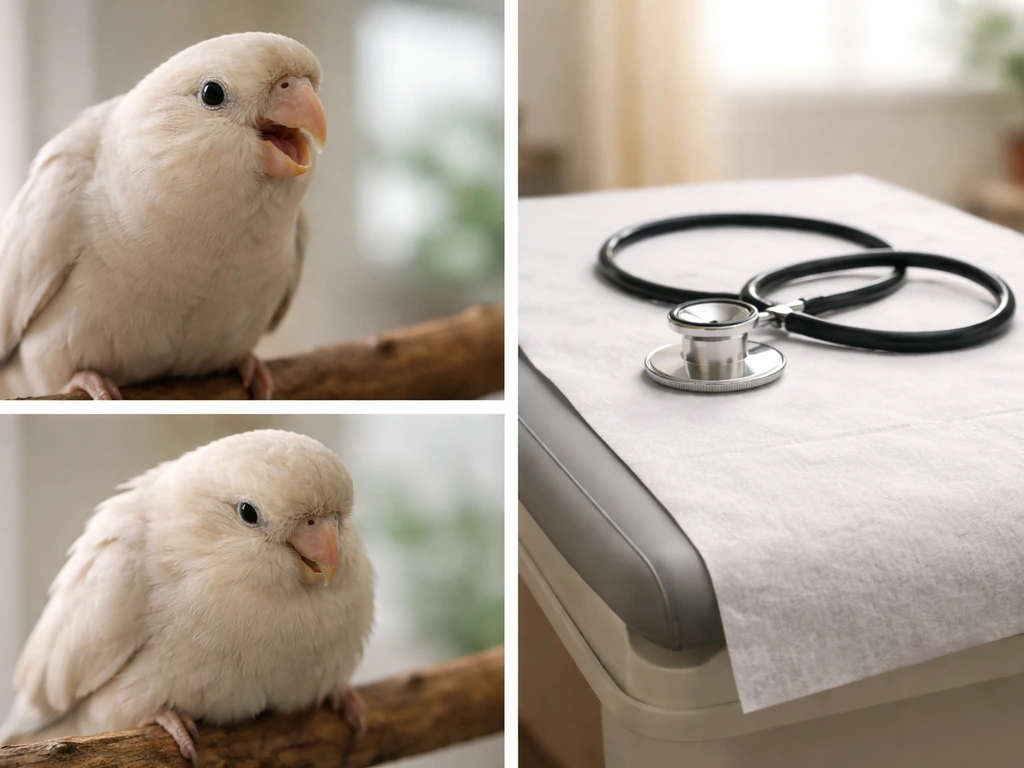
Some symptoms alongside sneezing are urgent and should not be waited out at home. Birds hide illness instinctively, so by the time signs are obvious, things can already be serious. If you see any of the following, contact an avian vet as soon as possible.
- Open-mouth breathing at rest, which signals the bird cannot get enough air through its nose and upper airway.
- Tail bobbing with every breath, a sign of significant respiratory effort.
- Any audible noise when breathing, including clicking, wheezing, or crackling sounds.
- Thick, colored, or bloody nasal discharge.
- Crusty buildup around the nares that was not there before.
- Noticeable weight loss or a keel bone that feels more prominent than usual.
- Lethargy, puffed feathers, or sitting on the cage floor.
- Changes in droppings alongside any of the above.
- Sneezing that is frequent and persistent and started suddenly without any obvious environmental trigger.
Respiratory problems in birds can escalate quickly. Air sac infections, bacterial or fungal respiratory disease, and parasitic infections like blank" rel="noopener noreferrer">air sac mites all start with signs that can look mild. The difference between sneezing with a normal clear reflex and sneezing as an early symptom of something serious is exactly what an avian vet can sort out with a proper exam. When in doubt, call.
Steps you can take at home today
Clean the water dish properly
Wash the water dish with plain dish soap and hot water, rinse extremely thoroughly, and refill with fresh water. Do this daily. A quick rinse is not enough to remove biofilm. Once a week, soak the dish in a dilute white vinegar solution (one part vinegar to four parts water) for 10 to 15 minutes, then scrub and rinse completely before using again. Never use bleach or strong disinfectants and then put the dish straight back without thorough rinsing.
Adjust the water setup
Try switching to a slightly deeper cup-style drinker if you're using a shallow bowl, or vice versa, depending on what your bird tends to do. Position the water dish away from the food bowl to reduce seed husks and debris falling in. Use room-temperature water instead of cold. If your bird bathes in the drinking water, provide a separate shallow bath dish so the drinking water stays cleaner.
Improve air quality around the cage
Stop using aerosols, air fresheners, scented candles, and incense in any room the bird spends time in. When cooking, make sure the kitchen is well ventilated and the bird is in a separate room away from any fumes. Ventilate the home regularly with fresh air if outdoor air quality is reasonable. A small HEPA air purifier placed a few feet from the cage (not blowing directly on it) can make a real difference in removing particulates and dander.
Address dry air if it's an issue
Ideal indoor humidity for most pet birds sits around 40 to 60 percent. If your home runs dry, especially in winter, a cool-mist humidifier in the bird's room can help. Make sure the humidifier itself is kept clean to avoid introducing mold spores into the air.
Monitor for the next 24 to 48 hours
After making environmental changes, watch whether the sneezing improves, stays the same, or gets worse. If it improves and remains only at the water dish with no other symptoms, you've likely identified and addressed the cause. If it doesn't improve after a couple of days of clean water, better air quality, and no irritants, or if any of the red-flag symptoms show up, that's your cue to get an avian vet involved.
| Scenario | Likely cause | What to do |
|---|---|---|
| One or two sneezes only at the water dish, no discharge, normal behavior otherwise | Water entering the nares during drinking (normal reflex) | Monitor, no action needed unless it worsens |
| Sneezing at the dish plus throughout the day, clear discharge only, eating and active normally | Environmental irritant or dusty water dish | Clean dish daily, remove aerosols, improve ventilation |
| Sneezing started after using a cleaning product or spray near the cage | Airborne chemical irritant | Ventilate the room immediately, move the bird temporarily if needed, no more aerosols near cage |
| Sneezing with thick or colored nasal discharge | Possible infection or nasal inflammation | Avian vet appointment as soon as possible |
| Sneezing plus tail bobbing, open-mouth breathing, or audible breath sounds | Possible serious respiratory condition | Call an avian vet today, this is urgent |
If you've noticed other breathing changes alongside the sneezing, it's worth looking into what wheezing in birds sounds like and how a stuffy nose can present in pet birds, since nasal and respiratory symptoms often overlap and understanding the full picture helps you communicate clearly with your vet. If your bird has wheezing along with sneezing, treat it as a potential respiratory red flag and consider an avian vet assessment sooner rather than later what wheezing in birds sounds like. You may also want to review why is my bird sneezing and what patterns suggest it is simply a reflex versus a problem wheezing in birds sounds like.
FAQ
How many sneezes after drinking is still considered normal?
One or two quick sneezes right at the water dish, then no more, is usually a normal reflex. If you see repeated sneezing every time the bird drinks, sneezing starts long after leaving the dish, or it happens away from the water, treat it as more than a reflex and look for irritants or nasal/airway issues.
Does it matter whether the sneezes are loud or involve mucus?
A dry, sharp sneeze that clears and stops is more consistent with water contacting the nares. If you notice discharge (watery, thick, yellow/green) or any nasal crusting, or if the bird sounds congested, that points to irritation or infection rather than simple splash-back.
My bird sneezes only at certain times of day. What should I check first?
Check air movement and humidity at those times. HVAC drafts, a fan, or the room getting drier after lights-off can make sneezing flare. Also look for what changed in that window, like cooking fumes, cleaning products, or scented items being used near the cage.
Can water itself be the problem, like tap water or a water additive?
Yes. Some birds react to very hard water deposits, strong odors, or residues if you ever used conditioners or cleaners on the container. If possible, use fresh, room-temperature water in a thoroughly cleaned dish and see if sneezing drops within a couple of days.
What if I just replaced the dish, but sneezing got worse?
New bowls can have manufacturing residues or coatings, and they may also trap micro-scratches that hold biofilm. Wash the new dish thoroughly with hot water and dish soap before first use, then monitor for a few days to confirm whether it was the trigger.
Should I reduce water because my bird keeps sneezing?
No, do not restrict water. Instead, improve the drinking setup (room-temperature water, cleaner dish, adjust depth or cup shape) and watch for red flags. Dehydration increases stress and can worsen respiratory problems if something more serious is going on.
Could dust or bedding be causing the sneezing when the bird drinks?
Very often. If your bird kicks up substrate, throws dust around during drinking or bathing, or dried droppings are near the dish, particulates can enter the nares. Try a less dusty substrate, keep the area around the water dish clean, and consider moving the dish away from where the bird splashes.
My bird bathes in the same dish it drinks from. Is that likely related?
Yes. Bathing in the drinking dish quickly increases debris, dander, and biofilm, which can trigger more sneezing and lingering irritation. If that happens, provide a separate shallow bath dish so the drinking water stays cleaner.
Is there a specific test I can do at home to rule out a dirty water dish?
Yes. For 2 to 3 days, switch to daily soap-and-hot-water washing plus a weekly vinegar soak, then use room-temperature fresh water. If sneezing improves noticeably and stays tied to drinking only, the dish or water residue was likely the main trigger.
When should I stop troubleshooting and call an avian vet?
If sneezing is frequent or persistent despite clean dish and removal of irritants, if it occurs away from the water dish, or if you see breathing changes like tail bobbing, open-mouth breathing, wheezing, or discharge, contact an avian vet promptly. Birds can worsen quickly, so hesitation can cost time.
Are budgies especially likely to have a nose-related problem if they sneeze a lot?
Budgies should be checked for any crustiness or unusual texture around the cere/nares, especially if sneezing is frequent or not limited to drinking. Mite-related issues can start with changes around the nares, so visual inspection and earlier veterinary guidance are worthwhile if you notice abnormalities.
Next Article
Why Is My Bird Sneezing? Causes, What to Do Now
Learn why birds sneeze, how to check for respiratory trouble, and what to do now plus when to see an avian vet.