Is it normal for a bird to sneeze?
Yes, occasional sneezing is completely normal for pet birds. Just like us, birds sneeze to clear dust, debris, or minor irritants from their nostrils. A sneeze here and there, especially after your bird has been preening or rummaging around in its food, is nothing to worry about. The key word is occasional. A sneeze every now and then is a normal self-cleaning reflex. Sneezing frequently, or sneezing that comes with other symptoms, is a different story.
The concern starts when sneezing becomes persistent, happens in clusters throughout the day, or shows up alongside anything else that seems off, such as discharge from the nostrils or eyes, changes in breathing, or a shift in your bird's energy or posture. That pattern tells you something in the environment or inside your bird's respiratory system needs attention.
Common reasons pet birds sneeze
Most sneezing in pet birds comes down to airborne irritants in the home. Birds have extremely sensitive respiratory systems, and things that barely register for us can be genuinely irritating, or even dangerous, for them. Here are the most common culprits.
Dust and particulates
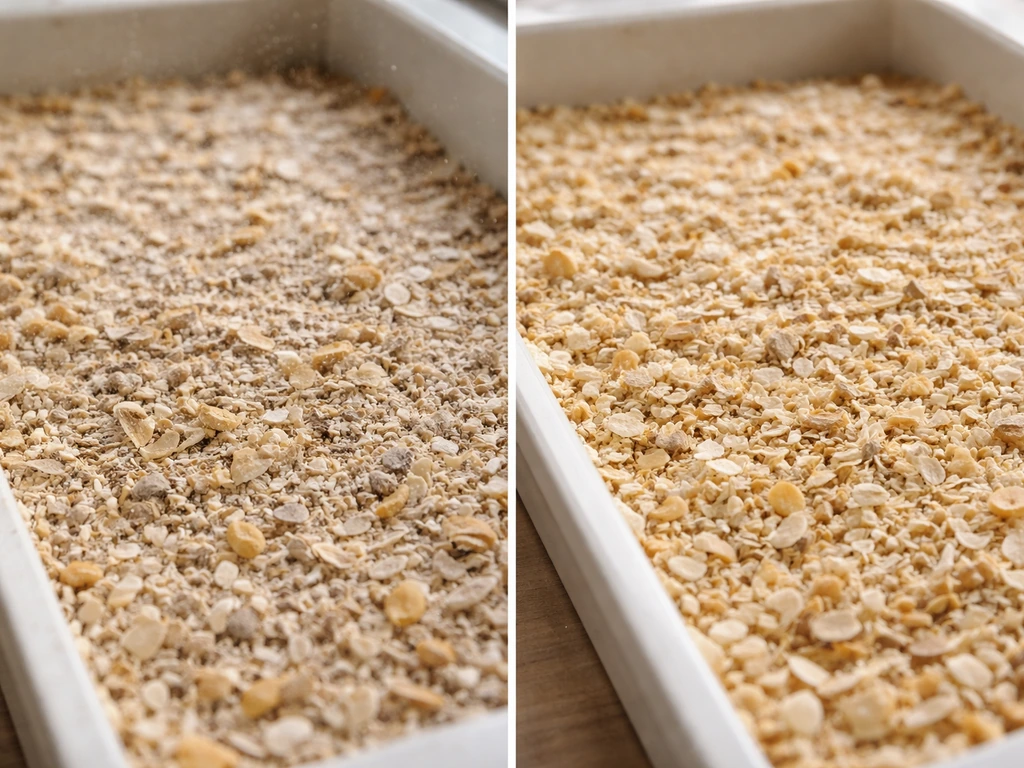
Dry cage bedding, powdery seed husks, dusty pellets, and even feather dander (especially from cockatoos and cockatiels, which produce a fine white powder) can all trigger sneezing. If you recently changed bedding or added a new bag of seed, that timing is worth noting.
Aerosols and household sprays
This is one of the biggest and most underestimated causes. Perfume, hairspray, air fresheners, cleaning sprays, and even dry shampoo used in the same room as your bird can irritate the airway and trigger sneezing. Aerosolized grooming products are a known problem for birds. If you sprayed something in the room an hour ago and your bird started sneezing shortly after, that is almost certainly the connection.
Smoke and fumes
Cigarette smoke is a documented cause of sneezing, sinusitis, and conjunctivitis in birds. But it is not the only smoke-related risk. Burning candles, incense, and essential oil diffusers can all damage the avian respiratory system. Vaping products fall into the same category. If someone smokes or vapes in or near the home, or if you burn candles regularly, that is very likely contributing to your bird's sneezing.
Nonstick cookware fumes (PTFE/Teflon)

This one is serious and deserves its own mention. Overheated nonstick cookware releases fumes that are toxic to birds, even at temperatures that seem normal for cooking. If your bird's cage is anywhere near the kitchen and you use nonstick pans, this is a real risk. Sneezing after cooking can be an early warning sign before more severe symptoms develop.
Dry air
Indoor air dried out by heating or air conditioning can irritate your bird's nasal passages and trigger sneezing. The ideal indoor humidity for most pet birds is around 40 to 50 percent. If your home runs consistently dry, especially in winter, that alone can cause sneezing and nasal irritation.
Infections and illness
Bacterial, viral, and fungal infections can all cause sneezing, often alongside nasal or eye discharge. These require veterinary diagnosis and treatment. You cannot treat a respiratory infection at home with environmental changes, but you can monitor for the signs that point toward infection versus irritant, which is covered in the checklist below.
When sneezing becomes a red flag
Sneezing on its own, even fairly frequent sneezing, is less alarming than sneezing combined with other respiratory signs. The combination that should put you on high alert is sneezing plus wheezing, or sneezing plus any sign of breathing difficulty. Wheezing or wet-sounding breathing tells you the problem is not just in the nose, it is deeper in the respiratory tract, and that is when things can turn serious quickly.
Birds are also wired to hide illness. By the time a bird looks obviously sick, it has often been compensating for a while. That means you cannot always judge severity by how dramatic the symptoms look. A bird that is sneezing constantly, seems quieter than usual, and has a slightly fluffed posture may actually be in worse shape than it appears.
If your bird is sneezing and also wheezing, making clicking sounds when it breathes, or breathing with noticeable effort, treat it as an urgent situation. If you notice open-mouth breathing, tail bobbing, increased breathing noises, a fluffed-up appearance, or weakness, SpectrumCare advises treating it as urgent respiratory distress and calling a vet immediately wheezing or wet-sounding breathing. Those signs together indicate significant respiratory involvement that needs professional evaluation, not home monitoring.
What to check right now
Before you do anything else, run through this checklist. It will help you figure out whether you are dealing with a simple environmental irritant or something that needs same-day veterinary attention.
| What to observe | Likely minor (irritant) | Potentially serious (see vet) |
|---|
| Sneezing frequency | Occasional, a few times a day | Repeated clusters, constant throughout the day |
| Nasal discharge | None, or very small clear drop | Thick, colored, or crusted discharge |
| Breathing sounds | Silent or normal | Wheezing, clicking, or wet sounds |
| Breathing effort | Normal, effortless | Tail bobbing, open-mouth breathing, neck stretching |
| Posture | Upright, alert, normal | Fluffed, hunched, leaning forward |
| Energy and appetite | Eating, drinking, active as usual | Quieter, not eating, sitting on cage floor |
| Eye appearance | Clear and bright | Discharge, swelling, or half-closed |
| Recent exposures | New candle, spray, dusty food | Overheated nonstick pan, heavy smoke exposure |
Tail bobbing is one of the most important signs to watch for. A bird that bobs its tail visibly up and down with each breath is working hard to move air, which is a sign of increased respiratory effort. Combined with sneezing, it means you need to move from home monitoring to a vet call.
What you can do at home today
If your bird is sneezing but otherwise seems fine, alert, eating, and breathing easily, there is a lot you can do right now to reduce irritant exposure and see if the sneezing improves. These steps are safe, practical, and often fix the problem within a day or two.
- Move the cage away from the kitchen, especially if you cook with nonstick pans. Even a single overheating incident can cause serious harm, so distance matters.
- Stop using aerosol sprays, perfume, air fresheners, or cleaning sprays in any room your bird occupies. Switch to spray-free alternatives or apply them in a separate room with the door closed and ventilate before bringing your bird back.
- Remove candles, incense, and essential oil diffusers from the bird's environment entirely. These are respiratory irritants even when they smell pleasant to you.
- Check the humidity in the room. If your home is running below 40 percent, add a plain cool-mist humidifier nearby. Aim for 40 to 50 percent as a baseline.
- Clean the cage thoroughly, replace bedding, and wipe down perches and surfaces to reduce dust and particulate buildup.
- Improve airflow in the room with gentle fresh air ventilation, but avoid cold drafts or blowing directly on the bird.
- Watch for any change in sneezing frequency over the next 12 to 24 hours after making these changes. Improvement is a good sign. No change or worsening means the environment is not the cause.
One thing to avoid: do not use essential oils, either topically or via a diffuser, as a remedy. They are a respiratory irritant for birds, not a treatment. Similarly, do not try to flush your bird's nostrils at home or apply any product without vet guidance.
If you noticed the sneezing started after a specific event, like using a spray, cooking with nonstick, or burning a candle, remove that trigger immediately and move your bird to a well-ventilated area with clean air. Fresh air is the first step after any fume or aerosol exposure.
When to call an avian vet, and what to tell them
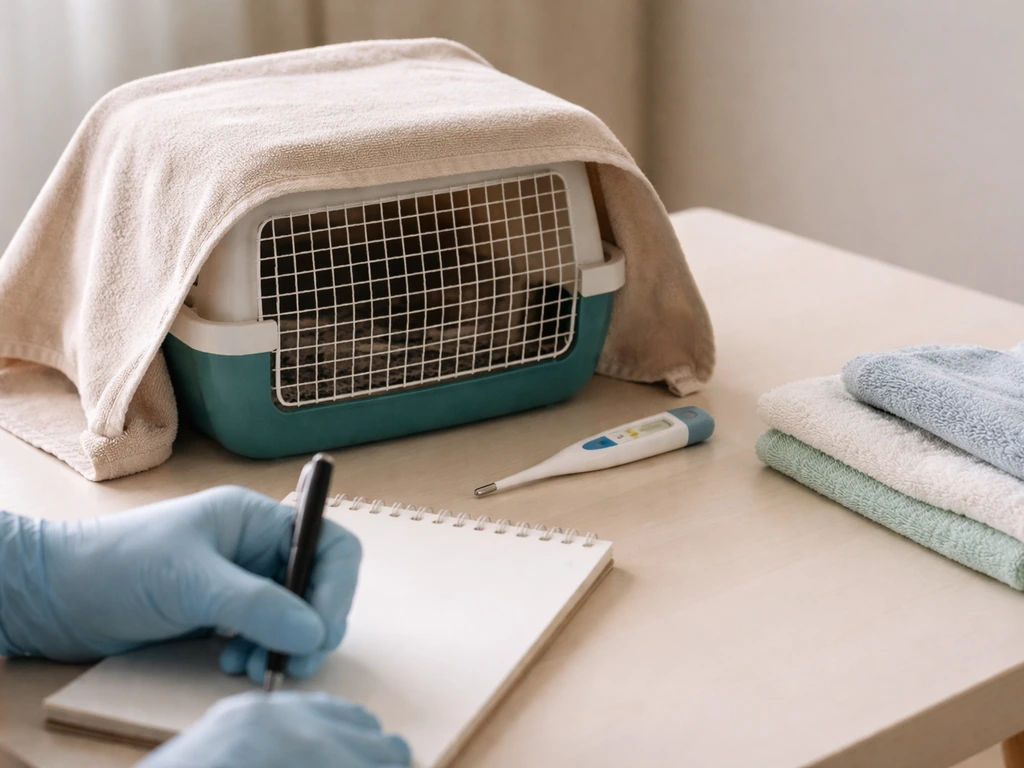
Some situations require a same-day or emergency vet call. Do not wait to see if things improve on their own if any of the following are present.
- Open-mouth breathing at rest (not after exercise or extreme heat)
- Visible tail bobbing with every breath
- Wheezing, clicking, or wet sounds when the bird breathes
- Neck stretching or leaning forward as if straining to breathe
- Nasal discharge that is thick, yellow, green, or crusted
- Swelling around the eyes, face, or sinuses
- Bird is fluffed, weak, or sitting on the cage floor
- Not eating or drinking for more than a few hours
- Sneezing began immediately after exposure to overheated nonstick cookware, heavy smoke, or aerosol fumes
- No improvement, or worsening, after removing all environmental irritants
When you call the vet, be as specific as possible. Tell them how long the sneezing has been happening, how often it occurs, whether there is any discharge and what it looks like, what the breathing sounds like, and whether any environmental changes or exposures happened around the time it started. If there was a possible fume exposure, like overheated Teflon or heavy aerosol use, say that explicitly. It changes the urgency level. The vet may want to examine nasal passages, perform a sinus aspirate, or do a nasal flush to identify the cause, so giving them the full picture upfront saves time.
Mild but persistent sneezing that comes with any reduction in appetite, weight loss, or a quieter demeanor than usual also warrants a prompt visit, even if it does not look like a breathing emergency. A same-day or next-day evaluation is the right call in that scenario, especially if the sneezing is paired with any discharge or if you are also noticing other respiratory sounds. Topics like wheezing or a stuffy nose, or sneezing that only happens at certain times like at night or right after drinking water, can each point toward different underlying causes and may help you give the vet even more useful detail when you call. If the sneezing happens right after drinking water, it can point to an irritant, water contamination, or a nasal problem that may need closer evaluation.
The bottom line: a sneeze or two is normal. Frequent sneezing with no obvious irritant, sneezing with discharge, or any sign of breathing effort is not something to monitor indefinitely at home. Birds deteriorate faster than most people expect once a respiratory problem takes hold, and early attention almost always leads to better outcomes.