If you're asking why your Duolingo bird looks sick, you're probably either seeing a weird animation or glitch in the app, enjoying the meme culture around Duo the owl, or you have a real pet bird that looks unwell and you landed here. All three are worth addressing, because the answers are completely different. Let's sort out which situation you're in and exactly what to do about it.
Why Is My Duolingo Bird Sick? Quick Fixes and Real Bird Signs
Marcus Chen
16 Jun 2026
What 'Duolingo bird sick' usually means: app meme vs. real pet
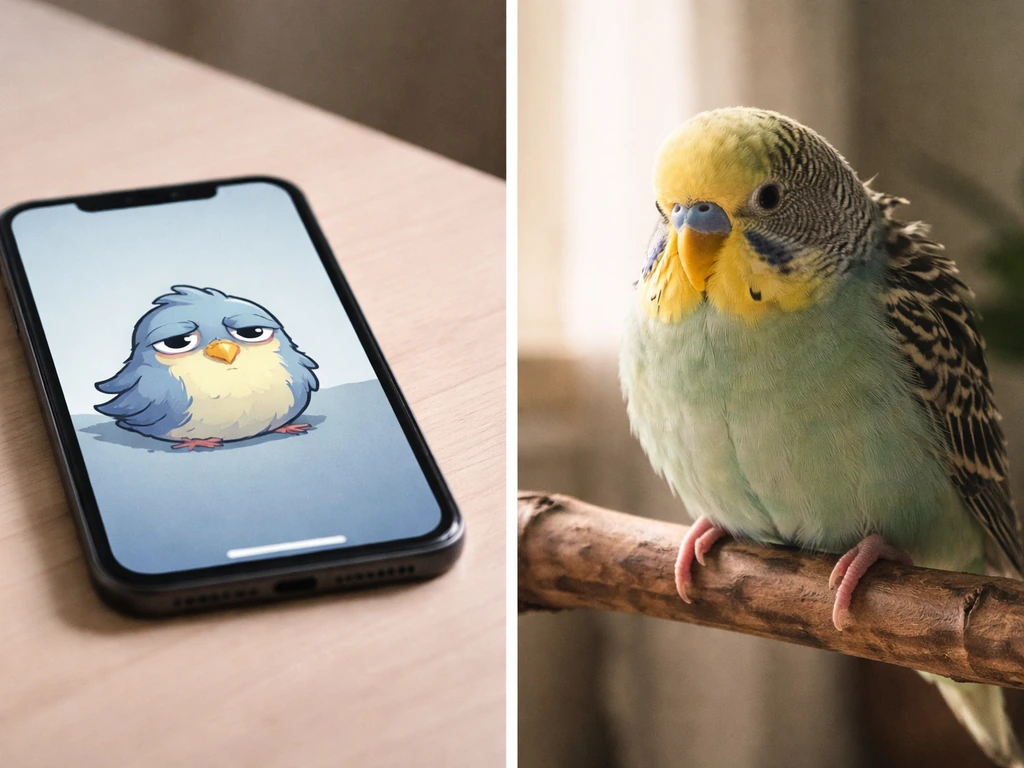
The phrase 'Duolingo bird sick' travels two very different roads online. The first is the meme and pop-culture version, where Duo the owl (Duolingo's green mascot) appears sad, pained, or distressed, usually tied to humor about missing a streak or being guilt-tripped by notifications. This is intentional design: Duo is programmed to express different emotional states based on your app activity. The second road is a technical one, where the bird's animation looks broken, frozen, or visually wrong due to an app glitch, rendering error, or server issue. And then there's the third possibility that matters most on this site: you have a real bird, it looks sick, and you searched here for help. If that's you, keep reading carefully because a sick bird can go downhill fast.
Quick triage: what to check in the first 5 to 10 minutes
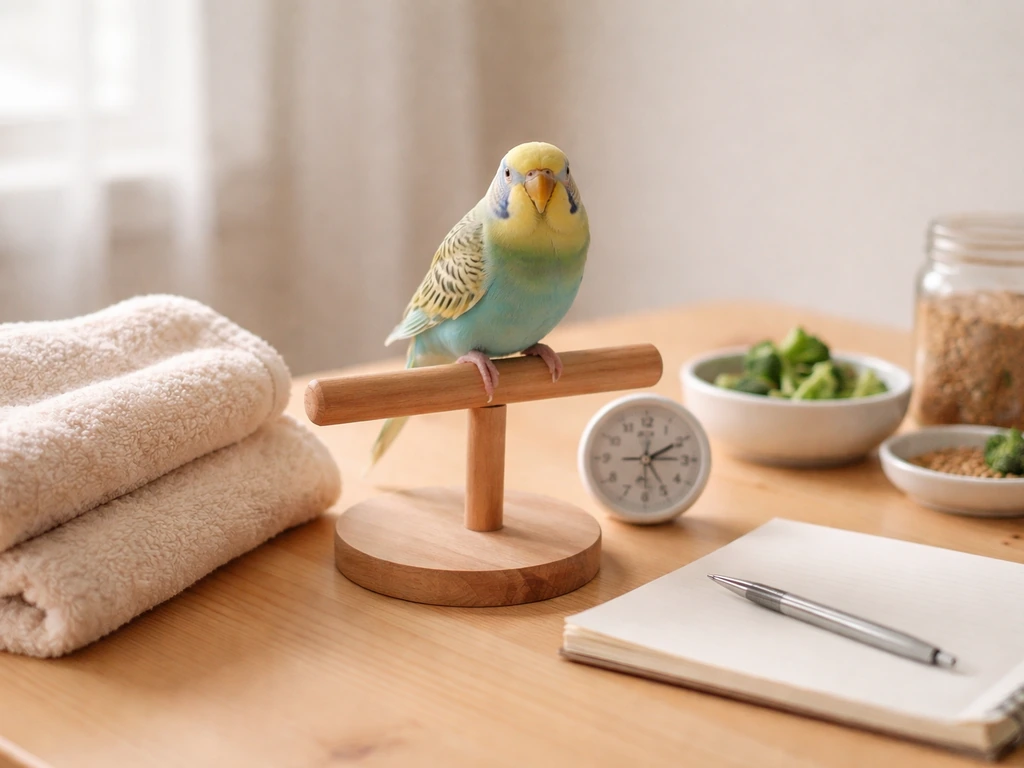
Whether you're dealing with an app issue or a real bird, the first step is to figure out which situation you're actually in. Run through this fast:
- Look at your bird right now, physically. Is it a real, living bird in a cage or on a perch? If yes, skip straight to the real bird sections below and come back to the app stuff later.
- If this is about the Duolingo app, check whether the issue is visual only (animation looks odd, Duo looks sad or frozen) or functional (lessons won't load, the character doesn't respond).
- For a real bird: observe from a few feet away without disturbing it. Note its posture, breathing, and whether it's moving around normally. This 60-second observation is genuinely important.
- For the app: close it completely and reopen it. This alone fixes the majority of visual glitches and odd character states.
- If your real bird is breathing with its beak open, sitting on the cage floor, or has blood visible anywhere, stop reading and call an avian vet or emergency animal clinic right now.
Common reasons a real bird looks 'sick'
Birds are expert at hiding illness, which is a survival instinct left over from the wild. By the time a bird looks obviously unwell to most owners, it's often been sick for longer than you'd guess. That makes early recognition really important. Here are the most common causes of a sick-looking bird:
Stress and environmental changes
A new pet in the house, a moved cage, loud noises, or a disrupted sleep schedule can cause a bird to fluff up, become quiet, or stop eating temporarily. Stress alone can suppress immune function and open the door to secondary infections. Check whether anything changed in the last few days.
Temperature and drafts
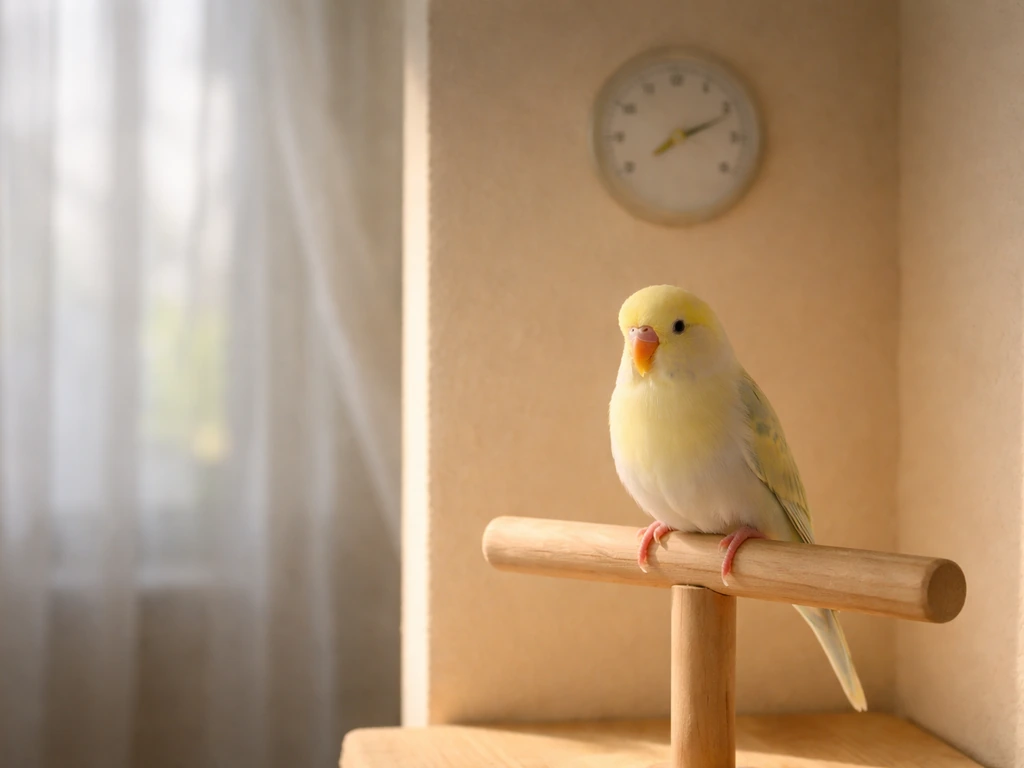
Birds are sensitive to cold drafts and sudden temperature swings. A bird sitting near an air conditioning vent, a window, or in a room that got cold overnight can become chilled quickly. A chilled bird will fluff its feathers to retain body heat, which looks a lot like illness and sometimes leads to it.
Diet problems
A seed-only diet is one of the most common underlying causes of chronic health problems in pet birds. Seeds are high in fat and low in vitamins, especially vitamin A. Signs of vitamin A deficiency include blunted papillae inside the beak and discharge around the nostrils. If your bird has been eating mostly seeds for years, diet is likely part of the picture.
Cage hygiene
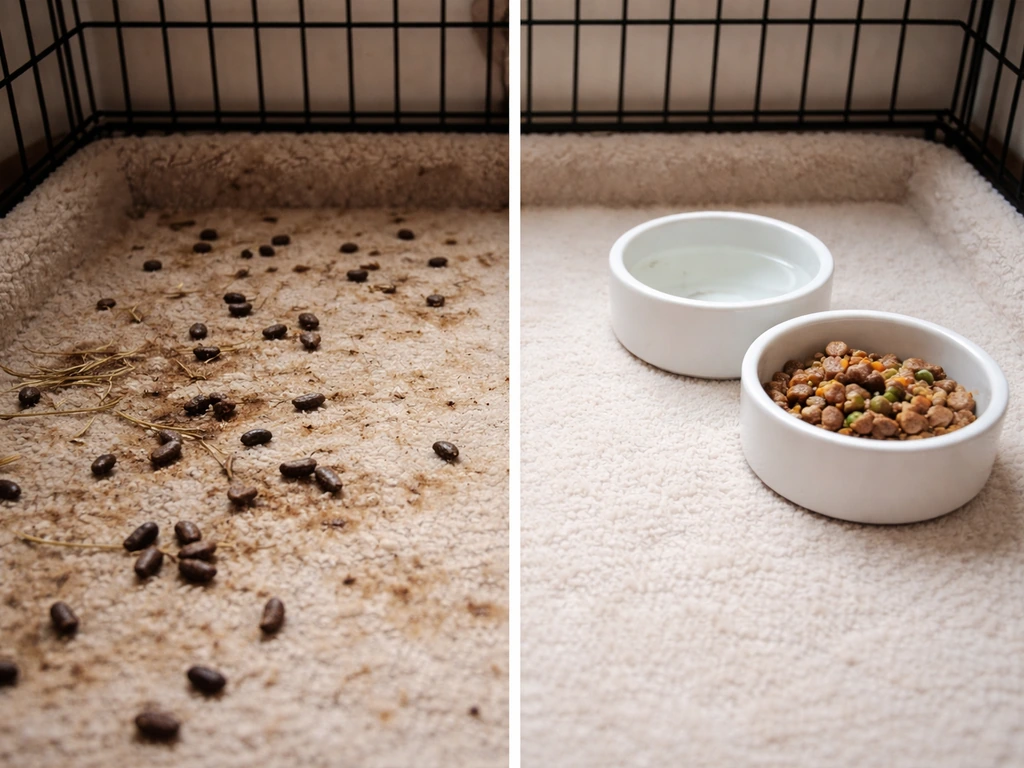
Dirty cages breed bacteria, mold, and parasites. Droppings that sit for days, contaminated water, and mold on soft foods are all real illness risks. Poor cage hygiene is one of the clearest preventable causes of bird sickness.
Toxic fumes
This one is a genuine emergency trigger that many owners don't know about. Overheated non-stick cookware coated with PTFE (polytetrafluoroethylene, sold under the brand name Teflon) releases fumes that can kill a small bird within minutes. Scented candles, aerosol sprays, air fresheners, cigarette smoke, and cleaning products are also dangerous. If you were cooking or using any sprays near your bird before it started acting sick, treat this as an emergency.
Infections and parasites
Bacterial, viral, and fungal infections all cause overlapping symptoms: fluffed feathers, lethargy, appetite loss, and changes in droppings. Parasites like mites can cause restlessness and feather damage. These need a vet diagnosis, not guesswork.
Injury
A bird that flew into a window, was stepped on, or was grabbed by another pet may look fine initially but be in serious internal distress. If you know or suspect a physical trauma happened, err on the side of calling a vet.
Red flags that mean call an avian vet right now
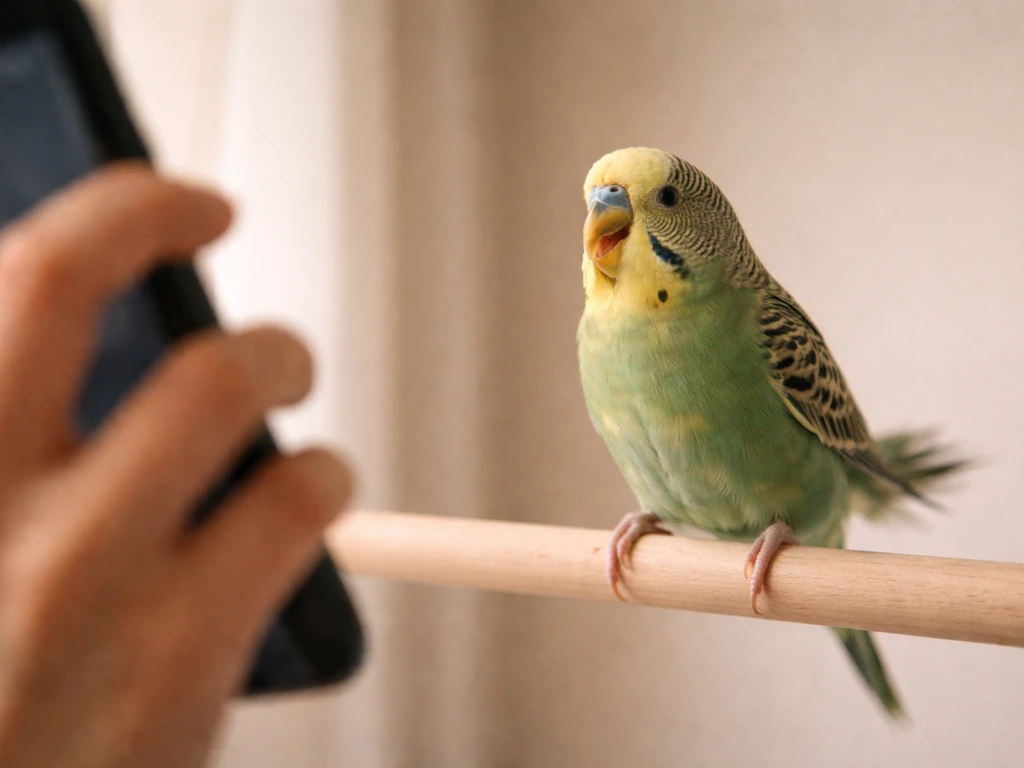
Some signs can't wait. If your bird is showing any of the following, contact an avian vet or emergency animal hospital immediately. If you notice increased respiratory effort such as tail bobbing, provide emergency care before the exam, then contact an avian vet or emergency animal hospital immediately blank" rel="noopener noreferrer">Merck Veterinary Manual. Birds in respiratory distress especially deteriorate very quickly and often need supplemental oxygen that you simply cannot provide at home. Merck Veterinary Manual notes that birds with breathing trouble usually require supplemental oxygen at the veterinary hospital, making respiratory distress an urgent situation blank" rel="noopener noreferrer">often need supplemental oxygen that you simply cannot provide at home.
- Open-mouth breathing or gasping
- Visible tail bobbing with every breath (the tail pumping up and down is the body working hard to breathe)
- Wheezing, clicking, or any audible breathing sounds
- Sitting on the cage floor or unable to perch
- Sudden collapse or seizure
- Visible bleeding
- Suspected PTFE or toxic fume exposure
- Not eating or drinking for more than 24 hours
- Repeated vomiting (distinct from normal regurgitation between bonded birds)
- Droppings that are entirely liquid, bloody, or absent
- Extreme lethargy where the bird doesn't respond to your presence
Fluffed feathers alone can sometimes be a brief resting posture in a healthy bird, but when fluffing is paired with any of the above signs, that combination is what makes it urgent. The pattern of multiple symptoms together is what separates a tired bird from a sick one.
At-home care steps you can do safely today
If your bird isn't showing the emergency signs above, there are reasonable supportive steps you can take while you arrange a vet visit or monitor the situation closely:
- Move the bird to a warm, quiet spot away from drafts. A temperature around 85 to 90°F is often recommended for a sick bird to help conserve energy, but don't overheat. A hospital cage setup with a heating pad on one side (so the bird can move away from it) works well.
- Make sure fresh water and easy-to-reach food are available. If the bird is weak, place food and water at the level it's sitting, not at the top of the cage.
- Remove any potential airborne irritants from the room: candles, sprays, non-stick cookware, cigarette smoke.
- Reduce stress: cover part of the cage, limit handling, keep noise and activity low.
- Do not give any human medications, supplements, or herbal remedies without specific avian vet guidance. Many things that are safe for people are toxic to birds.
- Watch and document carefully (see the tracking section below).
- Call an avian vet and describe what you're seeing. Even a phone consultation can help you decide how urgent the situation is.
Home care is supportive, not curative. You can keep a sick bird stable and comfortable, but you cannot diagnose or treat an infection, vitamin deficiency, or toxin exposure at home. Any treatment should be guided by an avian vet, not guesswork.
If it's the app: what's actually going on with the Duolingo bird
If you're here because the Duo owl in the app looks wrong, sad, broken, or 'sick looking,' here's what's probably happening and how to fix it.
Duo's emotional states are by design
Duo the owl is programmed to react to your streak, your activity, and your lesson progress. If you've missed days, Duo will look sad, droopy, or upset. This is an intentional gamification feature. It's not a bug, it's a guilt trip disguised as a feature. Doing a lesson or repairing your streak will usually return Duo to his happier-looking state.
Animation glitches and rendering errors
Sometimes Duo's animation gets stuck, loads incorrectly, or looks visually off in a way that doesn't match any intentional emotional state. Users have reported seeing broken character appearances after lessons or during slow loading periods. This is a rendering or asset-loading error, not a reflection of your account status.
Troubleshooting steps for the app
- Close the app completely (swipe it out of recent apps) and reopen it.
- Restart your phone or device.
- Check status.duolingo.com to see if there's a known outage or incident affecting the app right now. The incident history page at status.duolingo.com/history shows past issues that may match your timeline.
- Clear the app cache on Android (Settings > Apps > Duolingo > Storage > Clear Cache). On iOS, the equivalent is offloading and reinstalling the app.
- Uninstall and reinstall the app as a last resort. This resolves most stuck visual states.
- Check the Duolingo subreddit or community forums to see if other users are reporting the same thing. A widespread 'Duo looks broken' thread usually means a server-side update is rolling out.
If the visual issue persists after reinstalling and there's no known server incident, it's worth submitting a bug report through the app's Help section with a screenshot attached.
What to track and report to narrow down the cause
If you're dealing with a real sick bird and you're going to call or visit a vet, having structured observations ready makes a real difference. Vets can work much faster with good owner notes. Here's what to track:
| What to observe | What to note specifically |
|---|---|
| Breathing | Is it audible? Open-mouth? Tail bobbing? How fast? |
| Posture | Fluffed? Hunched? Sitting on floor? Wings drooping? |
| Droppings | Color of urates (white vs. green vs. yellow), consistency of feces, amount of liquid, any blood |
| Appetite | When did it last eat? Is it picking at food or ignoring it completely? |
| Activity level | Is it moving around, vocalizing, responding to you? |
| Feather condition | Fluffed, ruffled, broken, over-preened, or unchanged? |
| Recent changes | New food, new cage location, new pet, cleaning products used, cooking with non-stick pans? |
| Timeline | When did symptoms start? Sudden or gradual? |
Bring photos or a short video to the vet if you can. A 30-second clip of your bird breathing or sitting can give an avian vet a lot of information before they even touch the bird. This is especially useful if your bird tends to 'perform' as normal the moment it's stressed by the car ride and the exam room.
If you're trying to figure out whether what you're seeing is actually a health problem at all, comparing symptoms is helpful. If you're trying to figure out whether what you're seeing is actually a health problem at all, comparing symptoms is helpful, and you can also review what's wrong with my bird to match the signs to likely causes. If you think your bird might have autism, talk with an avian vet about behavior changes and possible medical causes, since many conditions can look similar comparing symptoms is helpful. Concerns about whether a bird might be in pain, what general signs look like when something is wrong, or what illness patterns are common in specific species like lovebirds are all questions worth exploring once you've confirmed whether this is a real emergency or something more manageable. If your my love bird is sick, comparing how lovebirds normally eat, breathe, and perch can help you decide whether you need urgent care. Questions like whether your bird is in pain are important because they can change what you do next whether a bird might be in pain.
FAQ
How can I tell if “sick looking” is just stress versus something that needs emergency care right now?
If the bird is a real pet, the safest approach is to treat it as potentially urgent if you see more than one system change at the same time, for example fluffed feathers plus reduced appetite, labored breathing, sitting on the bottom, or droppings that look watery, very dark, or unusually smeared. Birds can hide illness, so waiting for “one more day” often costs you critical time.
My bird is fluffed up but seems alert sometimes, when does it stop being normal resting behavior?
A key clue is what “staying still” means. Healthy birds may pause or puff briefly, but a truly unwell bird often looks weak, stays low or hunched, and shows consistent appetite loss over hours. If your bird is not engaging, is breathing with an obvious effort, or keeps its feathers fluffed for long stretches, plan for a same-day avian vet call.
Can I change my bird’s diet immediately if I suspect it’s vitamin deficiency or a seed-only diet problem?
If your bird recently had a diet change or has been mostly seed-based, do not switch foods abruptly while it is already sick. Instead, offer the diet you know it tolerates while you arrange veterinary advice, because sudden changes can worsen digestive upset. For birds, “seed-only” issues often require a vitamin A and overall nutrition plan that a vet should guide.
What household exposures besides cooking can make my bird look sick?
Yes, environmental toxins can be the cause even if you are not actively cooking. Open bottles or recently used sprays, strong cleaners, new furniture or finishes with fumes, and even some plug-in air fresheners can irritate birds. If you suspect exposure, ventilate the room, remove the bird to a fresh area, and contact an avian vet, especially if breathing seems off.
What should I do at home if I suspect my bird is chilled or overheated?
For hot, humid conditions, birds can overheat and look puffy and tired. Ensure the bird is not in direct airflow from a vent, and provide a cool, stable temperature with fresh water. Avoid blasting with cold air, and do not use ice directly near the cage, overheating and chilling can both worsen symptoms.
My bird’s droppings look different, when is that a “monitor” situation versus an emergency?
For droppings, quality matters as much as color. Watery or consistently abnormal droppings plus fluffed feathers or appetite loss is more concerning than an occasional variation. If you see blood, persistent diarrhea, or a complete stop in droppings, that is urgent and warrants immediate veterinary contact.
If the Duo owl looks broken or stuck, what troubleshooting steps beyond reinstalling actually help?
Reinstalling the app may fix a stuck character animation, but also try forcing a device restart and checking for updates, since asset downloads can fail silently. If it still persists, collect a screenshot or short screen recording showing the timing and which lesson or streak moment you were at, then submit it through the app’s Help with that detail.
How can I tell whether Duo looks sick because of streak behavior versus an app glitch?
If you miss a streak or stop progressing, Duo’s sad expression is expected behavior, not an account problem. To confirm it is intentional, do one or two lessons and watch whether the expression changes with progress. If nothing changes after you progress, it points more toward a rendering or loading issue.
What is safe home stabilization while I arrange an avian vet appointment?
Yes, and it is safer than trying to handle the bird repeatedly. Offer warmth by moving the cage to a draft-free, stable-temperature spot and dim the lights, but do not overheat the area. If your bird is struggling to breathe, warmth can help comfort, but it does not replace professional oxygen support.
What specific information should I gather before calling the vet so they can triage faster?
A good “vet note” includes timing, what changed right before symptoms started (noise, temperature shift, cooking, cleaning, new cage, new seed brand), current appetite, breathing posture, and how droppings changed. Photos plus a brief video of breathing or sitting give vets faster triage because they can spot respiratory effort patterns immediately.
Next Articles
Why Is My Bird Making Whimpering Noises? What to Check
Find reasons for whimpering bird noises, quick home checks, and red flags for urgent vet care plus tracking tips.
Why Does My Bird Make Crunching Noises? Causes and What to Do
Learn why your bird crunches, spot normal beak chewing vs breathing or crop issues, and what to do next.
Why Do Guinea Pigs Make Bird Noises? Listen and Look
Learn why guinea pigs make bird like chirps and whistles, how to spot normal vs stress or illness, and when to see a vet