Birds hide pain and illness incredibly well, which means by the time you notice something is off, your bird may already be more uncomfortable than it looks. The clearest signs to watch for right now are: fluffed feathers combined with lethargy, unusual quietness or sudden aggression, labored or open-mouth breathing, hunching on a perch or sitting at the cage bottom, loss of appetite, and guarding or favoring one body part. If you're seeing any of those, trust your gut and keep reading.
Is My Bird in Pain? Signs, Quick Checks, and Next Steps

Marcus Chen
22 Jun 2026
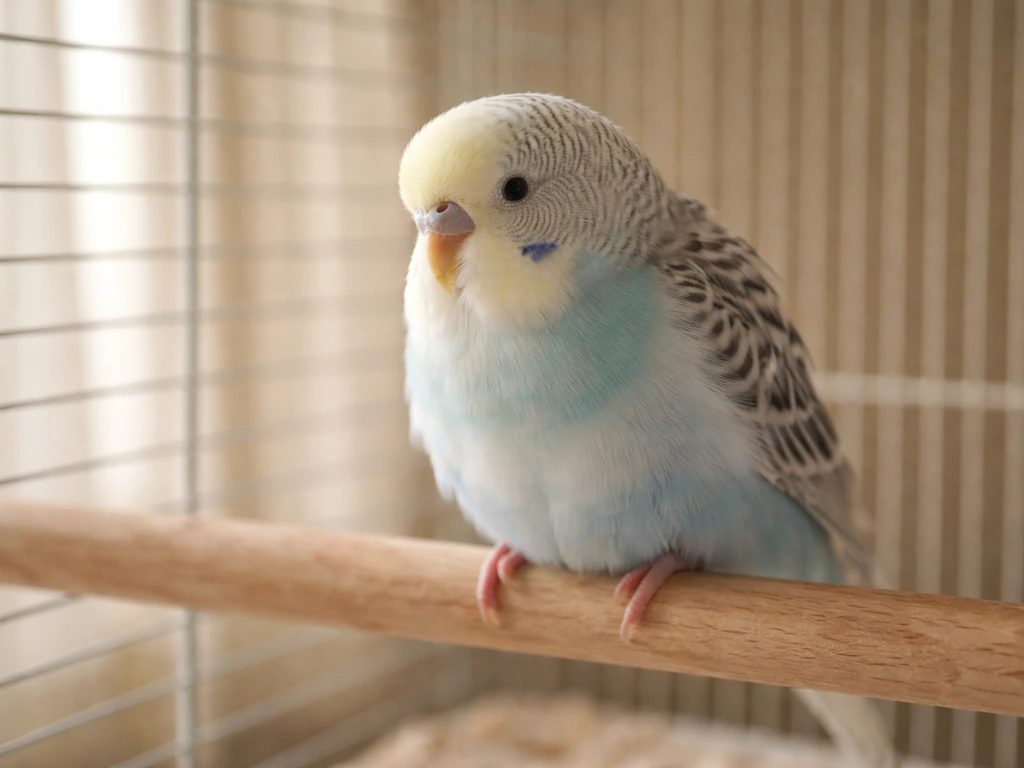
Quick triage: signs your bird may be in pain right now
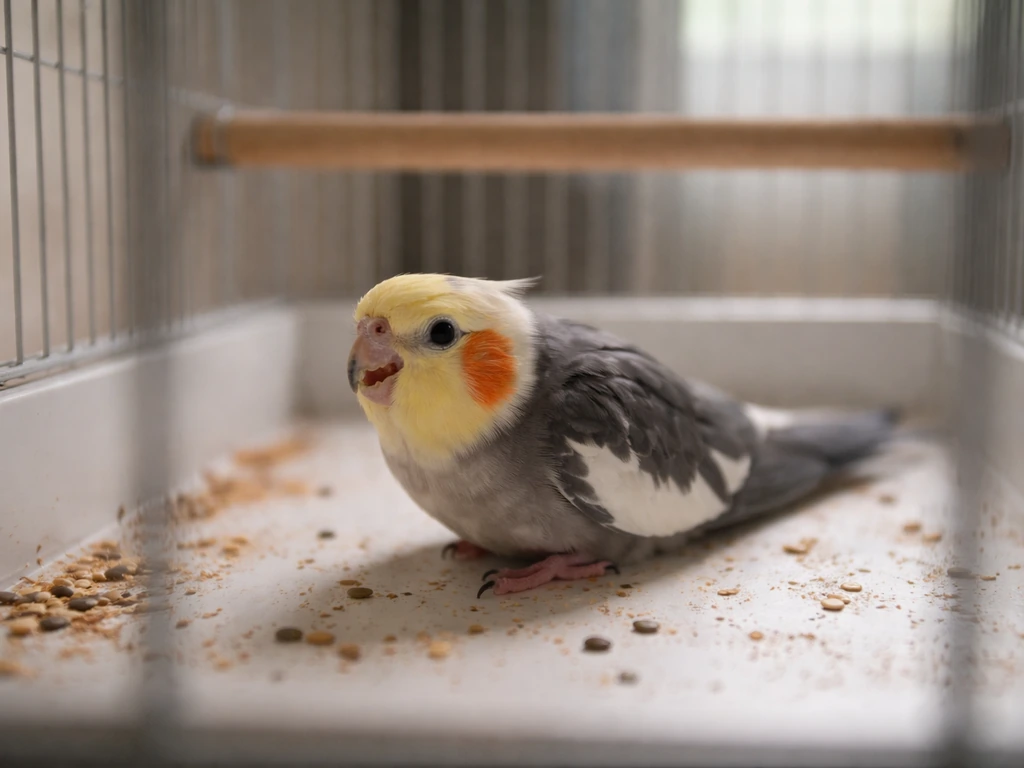
This is your fast checklist. Run through it before anything else. These are the signs that mean something is genuinely wrong and not just a quirky mood.
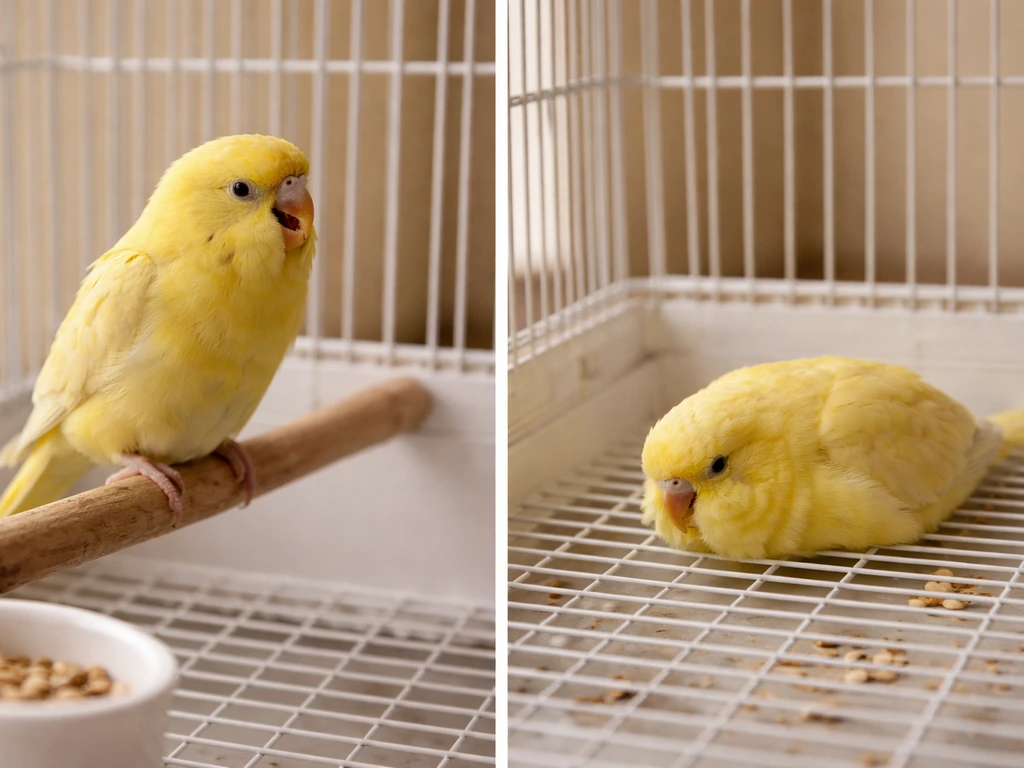
- Sitting at the bottom of the cage instead of on a perch
- Open-mouth breathing or labored breathing at rest
- Tail bobbing up and down with each breath (a sign of respiratory effort)
- Feathers fluffed up and the bird looks "puffed" for hours, not just a few minutes
- Eyes partially or fully closed during the day
- Not eating or drinking for more than a few hours
- Limping, holding a leg up, or refusing to put weight on a foot
- Visible swelling, wounds, discharge from eyes or nares, or a wet vent area
- Sudden aggression when touched near a specific body part
- Falling off the perch, loss of balance, or seizure-like movements
If your bird is breathing with its mouth open, barely moving, or lying on the cage floor, treat that as an emergency. Don't wait to see if it improves by morning. The Merck Veterinary Manual specifically notes that birds showing respiratory distress need warmth and oxygen before anything else, and VCA's guidance is clear: do not wait until your bird is at end-stage illness before acting.
Behavior changes that signal discomfort vs. normal quirks
This is where bird owners get confused. A lot of bird behaviors look alarming but are completely normal, and some that seem subtle are actually serious warning signs. Knowing the difference matters.
Signs that are genuinely concerning
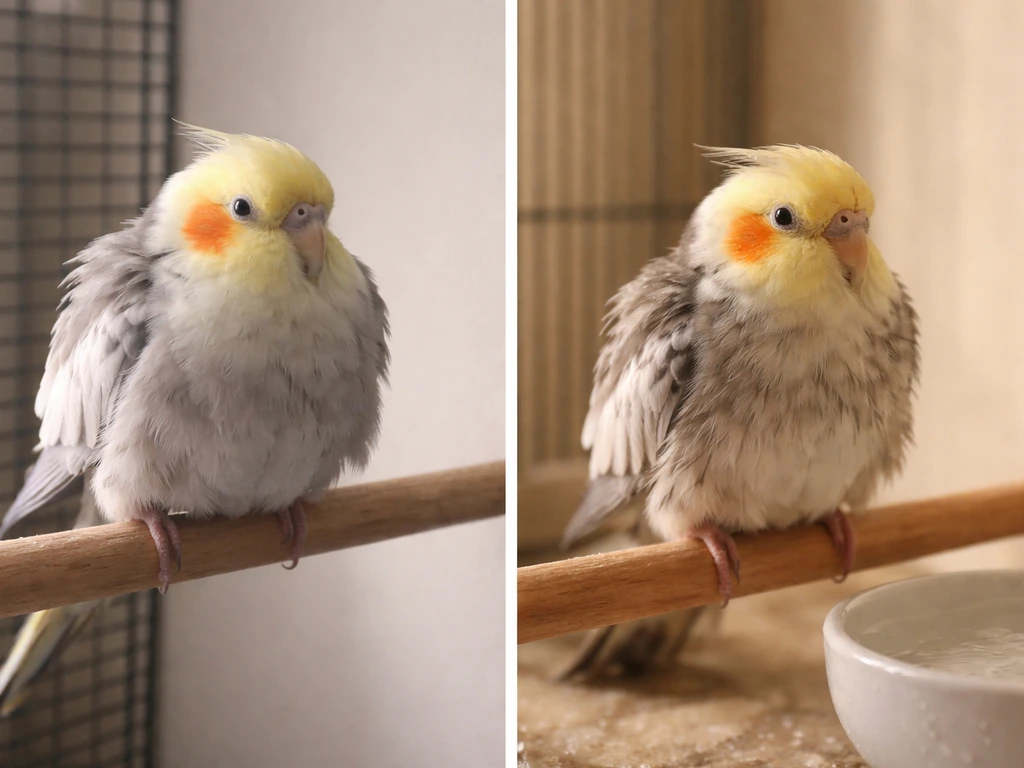
- Fluffed feathers that last for hours and don't improve when the bird is engaged or stimulated
- A bird that used to be active, chatty, or social suddenly becoming withdrawn and unresponsive
- Grinding the beak without being drowsy (beak grinding while falling asleep is normal; grinding while alert and stressed is not)
- Repetitive touching or biting at one specific area of the body
- Sudden change in the sound or frequency of vocalizations, including going completely quiet
- Dramatic drop in droppings or a change in their color, consistency, or smell
Things that can look scary but are often normal
- Fluffing up briefly after a bath or in a cool room (normal temperature regulation)
- Beak grinding right before or during sleep (a sign of contentment)
- Head bobbing, especially in young birds or during feeding displays
- One foot tucked up while resting on a perch (normal resting posture for many species)
- Sneezing occasionally, especially in a dusty environment
The key distinction is duration and context. A bird that fluffs up for five minutes after a shower is fine. A bird that has been hunched, fluffed, and quiet for four hours in a warm room is not. If you're noticing a behavior combination, not just a single quirk, take it seriously.
Common pain causes in pet birds
Pain in birds comes from a shorter list of causes than you might think. Knowing the most common ones helps you narrow down what you're looking at. If you’re worried about unusual behavior patterns, an avian vet can help rule out medical causes and advise on next steps.
Injury and trauma
Collisions with windows, falls, attacks from other pets, and getting a foot or wing caught in cage bars are all common causes of acute pain. Birds can fracture bones, tear muscles, or injure their keel (breastbone) and still look almost normal because they're masking the pain. If you witnessed an accident, assume there's injury even if the bird seems okay.
Illness-related discomfort
Infections, respiratory illness, and organ problems all cause discomfort that looks like general malaise: lethargy, reduced appetite, fluffed feathers, and changes in droppings. Because birds mask illness so effectively, by the time these signs appear the bird is usually already significantly unwell. Anorexia and lethargy together are not disease-specific, but both VCA and avian specialists treat them as serious flags requiring prompt attention.
Bumblefoot (pododermatitis)
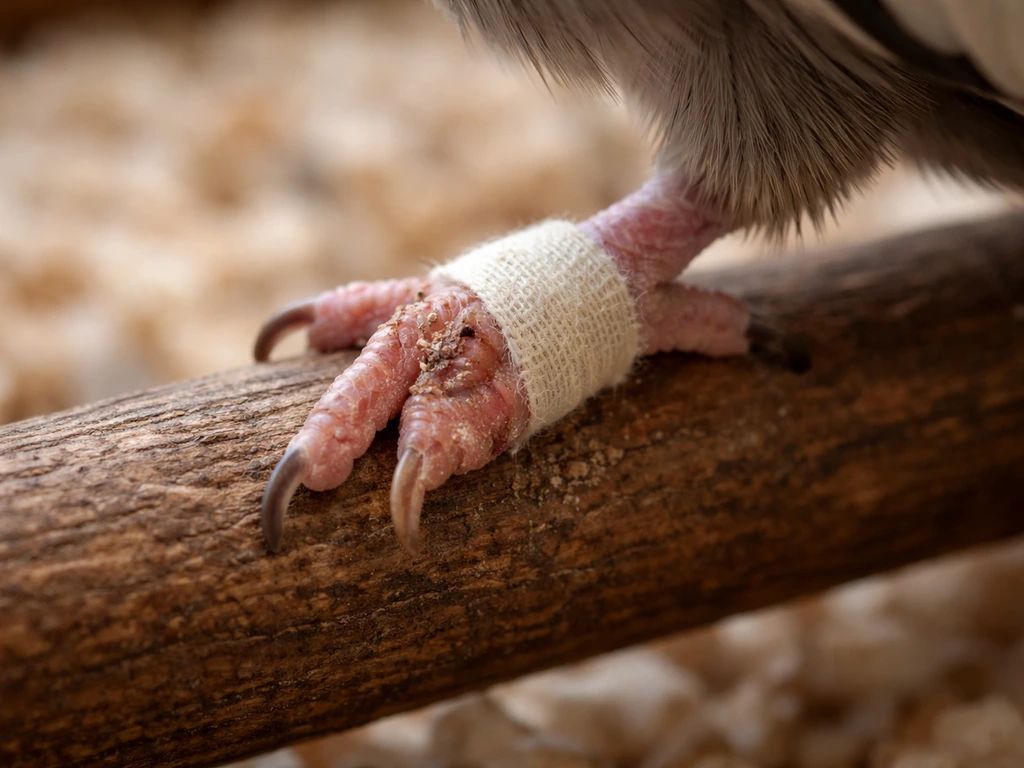
Bumblefoot is a painful foot condition caused by pressure sores that become infected. It's most common in birds kept on inappropriate perch surfaces (sandpaper perches are a major contributor), overweight birds, or birds that aren't very active. Early signs are redness or mild swelling on the bottom of the foot. In more advanced cases you'll see open sores, scabbing, or the bird refusing to stand on one foot at all. This is painful and gets much worse without treatment.
Egg-related pain and reproductive issues
Egg binding is a genuine emergency in female birds. A hen that is straining, sitting at the cage bottom with her tail down, looking bloated in the abdomen, or moving in a stiff, wide-legged way may have an egg that can't pass. This is painful and can be fatal within hours. Reproductive issues more broadly, including chronic egg laying and ovarian cysts, also cause significant discomfort. Any female bird showing these signs needs urgent veterinary attention.
Sore joints, arthritis, and musculoskeletal pain
Older birds and birds with nutritional deficiencies can develop joint pain or gout, which causes visible swelling around the joints, difficulty gripping perches, and reluctance to move. Gout in birds is particularly painful and often shows up as white, chalky deposits around the feet and leg joints.
Feather, skin, and digestive problems
Skin infections, feather cysts (where a feather is trapped under the skin and can't emerge), and crop or digestive issues all cause pain. A bird with a feather cyst may bite repeatedly at one spot. A bird with a digestive problem may regurgitate repeatedly, look uncomfortable after eating, or have abnormal droppings with a strong smell.
How to check safely at home
Before you handle your bird, watch it from a distance for a few minutes. You'll get more honest information that way. Birds often temporarily hide signs of illness when a human approaches because of their natural instinct to appear healthy in front of potential threats.
What to look for without touching
- Posture: is the bird upright and alert, or hunched and drooping?
- Breathing: is the tail bobbing? Is the bird breathing with its mouth open or making a clicking/wheezing sound?
- Eyes: are they bright and fully open, or half-closed and dull?
- Feather condition: smooth and well-groomed, or rough, broken, and fluffed?
- Activity level: is the bird moving around normally, or sitting still in one spot?
- Droppings at the cage bottom: normal amount? Any color changes, lots of urates (white part), or very watery?
A gentle hands-on check
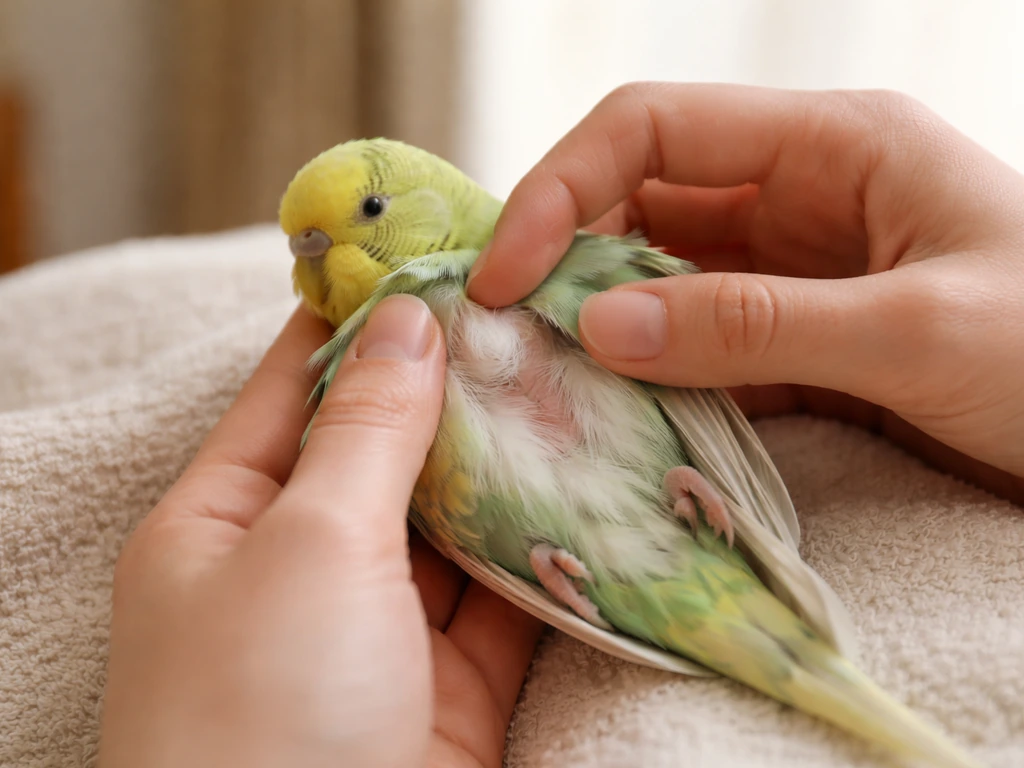
If your bird is tame enough to handle without causing significant stress, you can do a brief visual and tactile check. Part the feathers gently around the body and look for wounds, swelling, or bruising. Run a finger lightly along the keel bone: it should feel like a gentle ridge with muscle on either side. If it feels sharp like a blade with little muscle, the bird has lost significant body condition. Check the feet for redness, sores, or swelling on the pads. Look at the beak and nares for discharge or abnormal growth.
What not to do: don't restrain a bird that is already in respiratory distress. Handling a bird that is struggling to breathe can cause it to go into shock. If your bird is breathing heavily, skip the hands-on check and focus on supportive care and getting to a vet. In a Reddit r/BirdHealth discussion about “breathing heavily” and “barely moving,” commenters treat that combination as urgent and recommend contacting a vet right away blank" rel="noopener noreferrer">If your bird is breathing heavily.
What to do immediately
While you figure out how urgent the situation is, there are a few things you can do right now to support your bird without making things worse.
- Keep the bird warm: most sick or injured birds benefit from a temperature around 85 to 90 degrees Fahrenheit (29 to 32 Celsius). You can use a heating pad on the lowest setting under half the cage, or a heat lamp positioned to one side so the bird can move away if needed. Never cover the entire cage with a heat source.
- Lower the perches or move food and water to the cage floor: if your bird is weak or injured, it may not be able to climb. Make food and water accessible without effort.
- Remove cage mates: other birds can stress a sick bird significantly and may pick on it. Separate them temporarily.
- Reduce stimulation: cover part of the cage, dim the lights, and keep the environment quiet. Stress raises a bird's metabolic demand at a time when it needs to conserve energy.
- Do not give any human pain medications: ibuprofen, acetaminophen, and aspirin are toxic to birds. Do not attempt to medicate at home unless using something specifically prescribed by an avian vet for your bird.
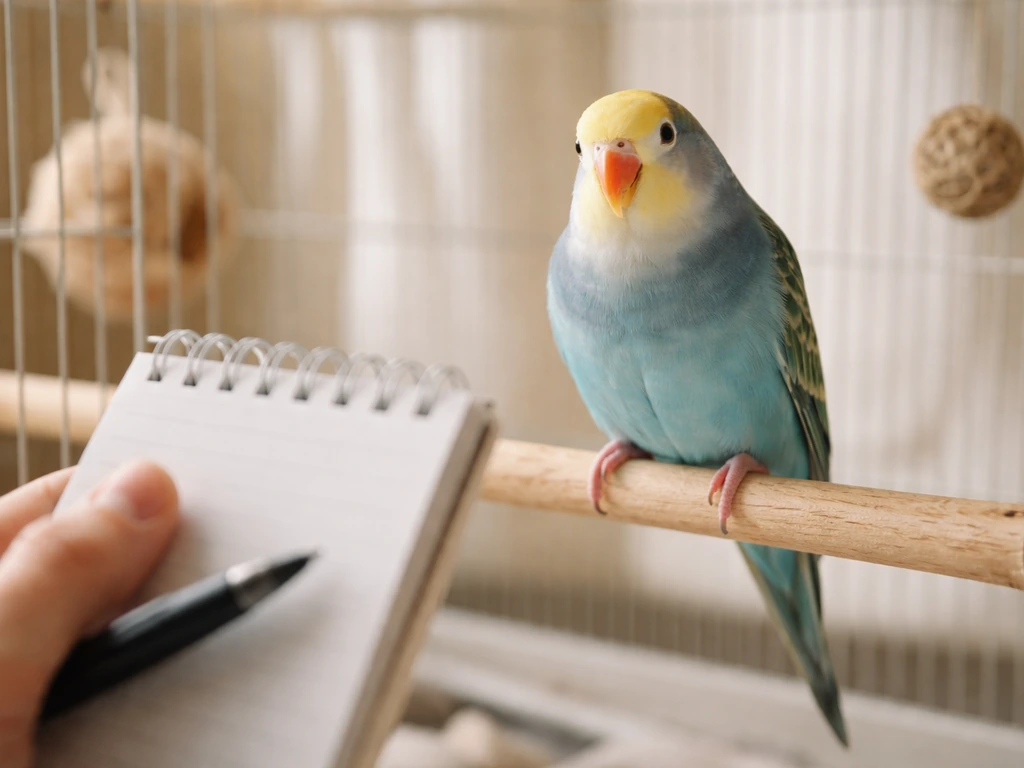
- Start a basic log: write down what you're seeing, when it started, and any changes. This information is genuinely useful to a vet.
What to monitor over the next hours
If the situation is not immediately critical, monitor your bird closely over the next two to four hours. The trends matter more than any single moment. Is the bird getting better, staying the same, or getting worse? Is it eating anything at all? Are there droppings appearing at the cage bottom? A bird that was fluffed and quiet but starts moving around, eating, and improving in posture after warmth and quiet time may have been cold or mildly stressed. A bird that continues to deteriorate needs veterinary attention.
When to call an avian vet urgently
Some situations do not have a 'wait and see' option. Call an avian vet immediately, not tomorrow morning, if you see any of the following.
| Sign | Urgency level | Action |
|---|---|---|
| Open-mouth breathing or tail bobbing at rest | Emergency | Call vet now, keep bird warm |
| Lying on cage floor, unable to stand | Emergency | Call vet now |
| Suspected egg binding (female, straining, bloated abdomen) | Emergency | Call vet now |
| Visible wound, bleeding, or broken bone | Emergency | Call vet now |
| Seizure or loss of balance/coordination | Emergency | Call vet now |
| No eating or drinking for 12+ hours | Urgent (same day) | Call vet first thing |
| Droppings completely absent for several hours | Urgent (same day) | Call vet first thing |
| Severe lethargy with no improvement after warmth | Urgent (same day) | Call vet first thing |
| Swollen, red, or weeping foot sores (bumblefoot) | Soon (within 24-48 hrs) | Schedule vet visit |
| Persistent feather fluffing with mild lethargy | Soon (within 24-48 hrs) | Schedule vet visit |
Finding an avian vet before you need one is genuinely useful because not all general vets are trained to treat birds. If you don't already have one, search now for an avian or exotic animal vet in your area and save the number. If you are wondering why your Duolingo bird seems sick, the safest move is still to contact an avian vet for guidance search now for an avian or exotic animal vet. Many emergency animal hospitals also see birds after hours.
Pain relief and treatment basics
This section is here to give you realistic expectations about what a vet visit might involve, not to help you treat your bird at home. Understanding the options helps you advocate for your bird and make informed decisions.
Avian vets have several safe, bird-appropriate pain medications available. Meloxicam is one of the most commonly used anti-inflammatory and pain-relief medications in birds. Butorphanol, an opioid-type medication, is used for more significant pain in a clinical setting. Tramadol is sometimes prescribed for ongoing pain management in birds recovering from injury or surgery. None of these are things you should source or administer without a prescription and guidance from a vet.
Beyond pain management, treatment depends entirely on the underlying cause. A bird with bumblefoot may need wound care, padded perches, and antibiotics. A bird with a fracture may need splinting or surgery. Egg binding is typically treated with calcium, warmth, and sometimes hormone therapy or manual assistance under sedation. An infection may require a course of antibiotics or antifungals specific to avian species.
The vet will likely start with a physical exam, and may recommend blood work, X-rays, or a crop swab depending on what they find. Being able to describe exactly what you observed at home, including when symptoms started and any recent changes in diet, environment, or routine, will make that appointment significantly more productive.
If you're also trying to figure out what's wrong more broadly, or wondering whether your bird's symptoms point to something specific, working through the full picture with an avian vet is always the right move. Signs of pain rarely exist in isolation, and a sick bird is often dealing with more than one problem at once. The most important thing is not to wait too long. Birds mask discomfort so well that by the time the signs are obvious, they've usually been struggling for a while already.
FAQ
My bird is fluffed up and quiet, could it just be resting (not pain)?
It is generally not a safe bet to assume “sleep” or “being grumpy” when you also see breathing changes, hunching, sitting on the cage bottom, loss of appetite, or guarding a body part. If the bird is fluffed and quiet longer than about a short episode, or the posture looks strained, treat it as illness or pain and contact an avian/exotic vet.
What should I do immediately if I’m worried about breathing trouble?
If your bird is breathing with its mouth open, breathing is labored, the tail is pumping, or the bird is barely moving, you should prioritize warmth and oxygen and go to a bird-experienced emergency vet. Avoid a hands-on check in those cases, because struggling can worsen breathing and push the bird into shock.
My bird seems mostly fine after a fall or getting caught, do I still need a vet?
Yes. Birds can look “okay” after accidents because they mask pain and adrenaline can temporarily reduce visible symptoms. If you witnessed a window collision, fall, attack, or a caught foot or wing, assume injury even if the bird is still perching and move quickly to an avian vet evaluation.
How can I tell early bumblefoot versus “normal” foot behavior?
Bumblefoot is not only about sores. Early redness, mild swelling, and a subtle shift in how the bird grips can be painful already. If your bird is spending more time off the favorite perch, refusing one foot, or the foot looks warmer or more discolored, it is worth treating as potentially painful and scheduling care rather than waiting.
If I suspect egg binding, what signs mean it is truly an emergency?
Egg binding requires urgent action. Straining, tail-down sitting at the bottom of the cage, a bloated abdomen, or stiff wide-legged posture are not things to monitor overnight. If any female bird shows those signs, call an avian vet immediately.
My older bird is moving less, could it be gout or joint pain, and is it still urgent?
Not always. Joint pain and gout often show up as reluctance to grip, slowed movement, or visible swelling around joints, but the bird may still eat at first. If you notice a persistent limping pattern, white chalky deposits, or repeated difficulty using one leg, treat it as pain and get avian-specific guidance.
What pain-related signs might be “in one place” instead of general lethargy?
Yes. Skin infections, feather cysts, and crop or digestive problems can cause localized discomfort. Clues include repeated biting or scratching at one spot, a firm lump under the skin, regurgitation after eating, strong-smelling droppings, or discomfort that appears soon after meals.
Is it ever okay to do a hands-on exam, and when should I stop?
If you must handle, keep it brief and only if the bird is breathing comfortably. For respiratory distress, skip the tactile check and focus on supportive care and transport. The goal is not to “diagnose” at home, it is to avoid stress and prevent worsening while you get the right help.
How warm should I keep my bird while I decide what to do next?
Warmth can help, but overheating is risky. Use moderate, bird-appropriate warmth and quiet, not direct heat that could cause overheating or burns. If the bird is struggling to breathe or open-mouth breathing is present, do not rely on warming alone, coordinate emergency avian care.
What “time window” should I use to decide whether to call the vet?
Time matters for birds. If symptoms are trending worse over a few hours, the bird is not eating at all, or the posture is abnormal (hunched, bottom sitting, guarding), do not wait for routine hours. Contact an avian vet right away using the symptoms and timing you observed.
Should I try feeding medicine or a special diet while waiting for the vet?
Food and supplements are not a substitute for diagnosis. If the bird is not eating, giving tempting foods may delay care, especially if breathing is off or the bird is very lethargic. If you are unsure what is going on, the safest immediate step is supportive monitoring and rapid avian evaluation.
What information should I gather so the avian vet can help faster?
A helpful prep is a short timeline, when you first noticed changes, any recent diet or environment changes, and whether symptoms fluctuate. Also note which body part is being guarded, whether droppings changed in color or texture, and if there was any recent collision, fall, or caught-wing incident.
Next Articles
What’s Wrong With My Bird? A Quick Symptom Checklist
Bird symptom checklist to spot stress, illness, breathing, droppings, feathers, appetite changes, and when to see an avi
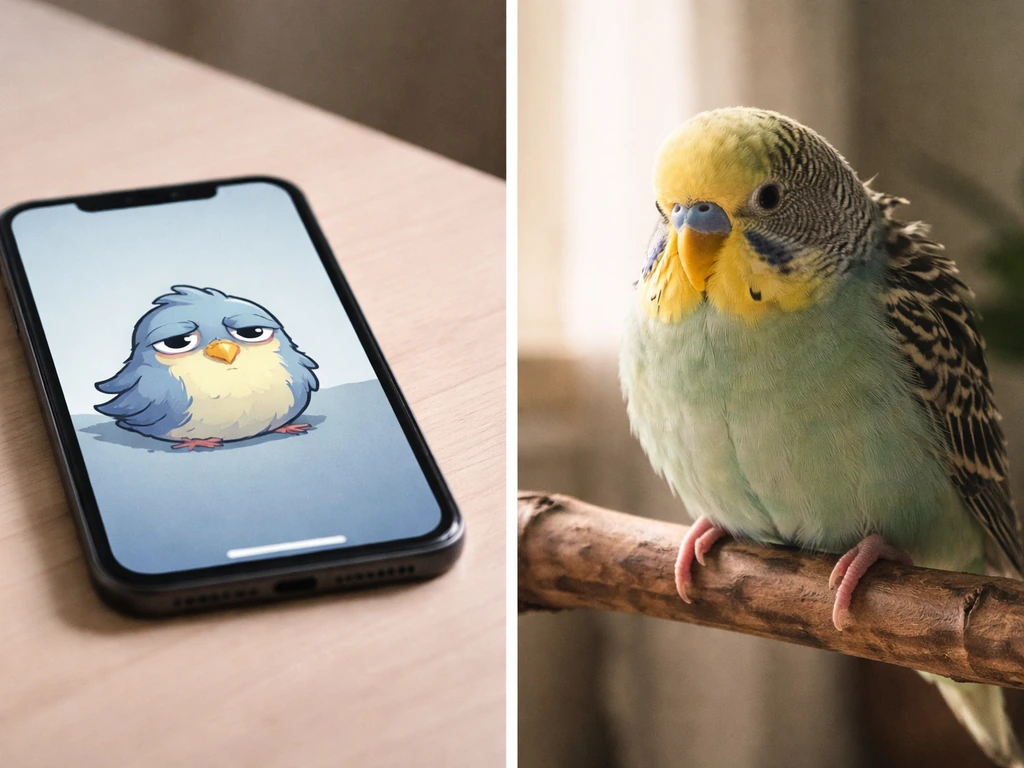
Why Is My Duolingo Bird Sick? Quick Fixes and Real Bird Signs
Fix Duolingo bird looking sick fast, and check real pet bird warning signs with quick triage and vet red flags.
Why Is My Bird Making Whimpering Noises? What to Check
Find reasons for whimpering bird noises, quick home checks, and red flags for urgent vet care plus tracking tips.