
Birds don't get autism. Autism is a human neurodevelopmental diagnosis, and there's no equivalent condition formally recognized in birds. But if you're searching for this, you're probably watching your bird do something that looks repetitive, antisocial, or just plain weird, and you want to understand it. If you want to narrow down what's wrong with my bird, start by comparing the specific behaviors you see with the possible normal causes, stereotypies, and medical red flags. That's completely valid. What you're likely seeing is one of several well-documented things: normal species temperament, a learned repetitive habit called a stereotypy, stress or boredom from a captive environment, poor early socialization, an environmental mismatch, or an underlying health or neurologic problem. The good news is that most of these are things you can assess, address, or at least get clarity on, starting today.
I Think My Bird Has Autism: Checklist and Next Steps

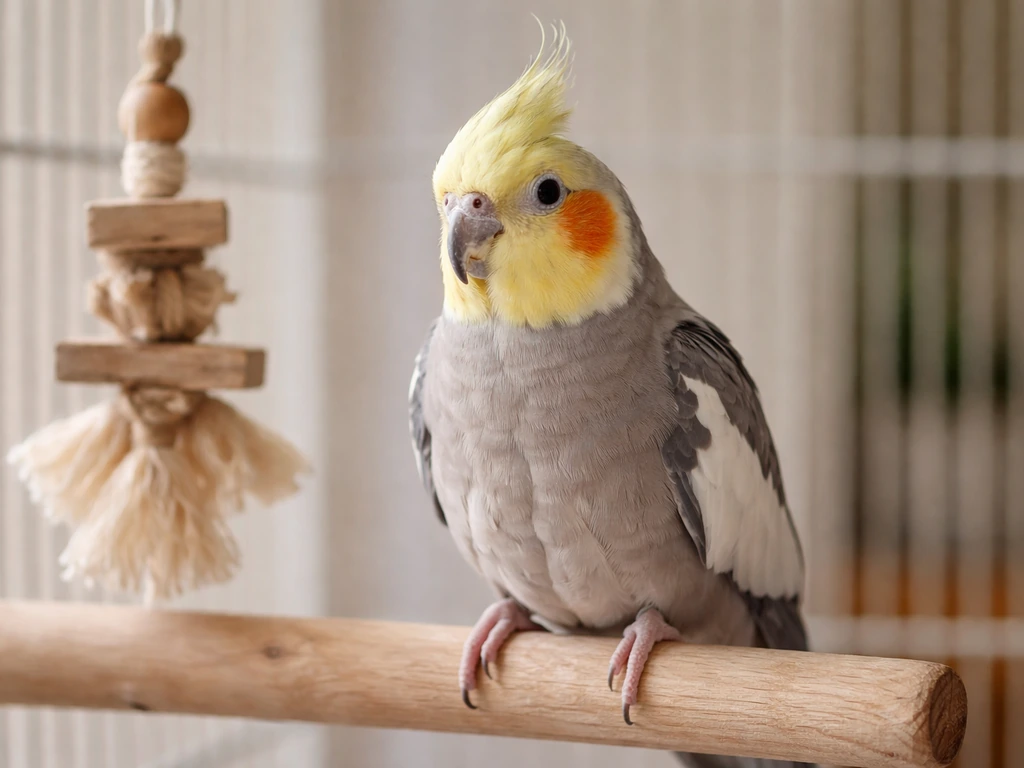
Why people reach for the word 'autism' when describing their bird
When a bird rocks back and forth endlessly, refuses to interact with other birds or people, fixates on one toy, or seems "in its own world," the pattern genuinely resembles what humans associate with autism spectrum behaviors. And because most bird owners know autism better than they know avian behavioral science, the comparison feels natural.
Interestingly, peer-reviewed research has actually explored the overlap. A study published in Physiology & Behavior compared stereotypic behaviors in captive parrots to patterns seen in autism and schizophrenia, suggesting there may be shared neurological mechanisms. But the takeaway there isn't "parrots get autism." It's that repetitive, self-stimulating behaviors in captive birds are driven by real biological and environmental pressures, and they deserve serious attention rather than a label borrowed from human medicine.
The Association of Avian Veterinarians (AAV) calls these behaviors "stereotypies," defining them as repetitive, invariant actions that serve no obvious function. They describe them specifically as coping strategies that develop when a bird's captive environment can't meet its psychological or physical needs. These behaviors are rare in wild birds. When you see them in a pet bird, something in their environment or health is worth investigating.
Common bird behaviors that look like autism
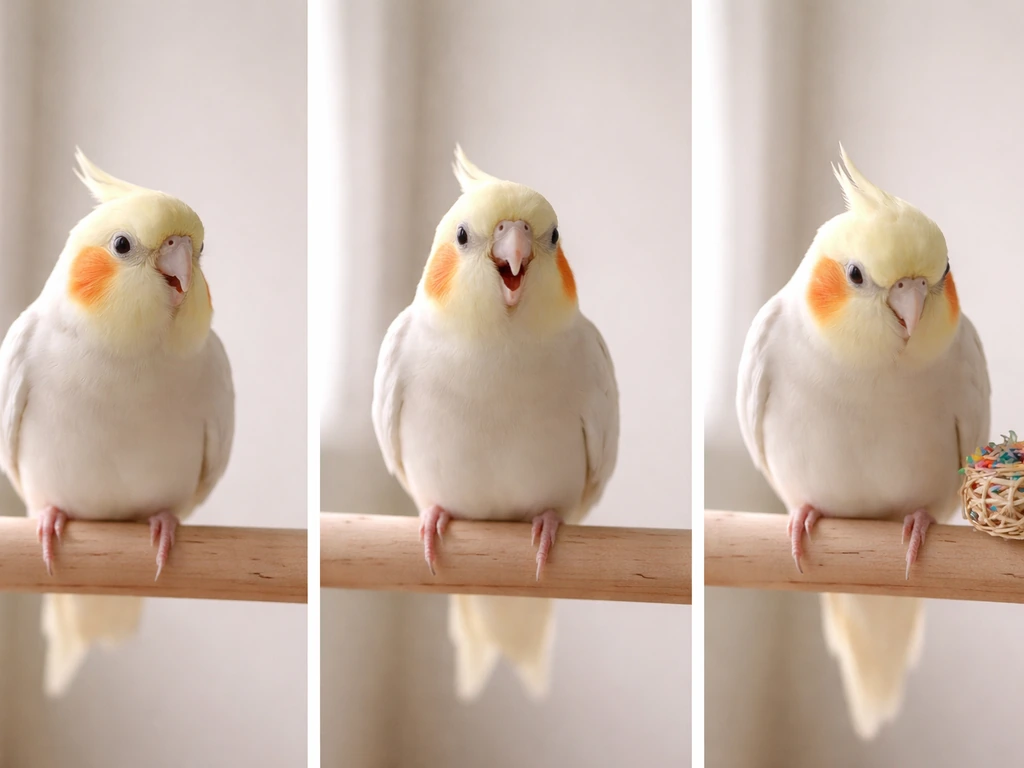
Before assuming something is wrong, it helps to know which behaviors are actually normal for birds and which are genuine red flags. Birds are strange, highly individualized animals. What looks alarming to a new owner is sometimes just Tuesday for a parrot.
- Repetitive vocalizations or sounds: Many birds repeat phrases, whistles, or noises for long stretches. This is often stimulation-seeking or attention-getting behavior, not a sign of neurological dysfunction.
- Head bobbing and weaving: Common in many parrot species, especially cockatiels and conures. Usually a normal excitement or greeting behavior.
- Preference for one person or one spot: Birds bond intensely and can become strongly attached to one individual or corner of a cage. This is normal flock bonding behavior expressed in a captive context.
- Ignoring certain toys or interactions: Birds have preferences. A bird that ignores a new toy or doesn't want to play isn't necessarily impaired.
- Feather arrangement rituals or self-grooming loops: Preening is normal. Extended preening sessions that don't cross into skin damage are usually fine.
- Repeating a physical movement like pacing, swinging, or bobbing: This starts to cross into stereotypy territory, especially if it happens for long periods and seems compulsive.
The line between quirky-but-normal and a genuine welfare concern is frequency, intensity, and whether the behavior is interfering with eating, sleeping, or social engagement. A bird that bobs its head when you walk in is happy to see you. A bird that bobs its head for four hours straight and doesn't stop to eat is telling you something different.
Autism-like symptoms vs. medical causes: knowing the difference
This is the part that matters most. Repetitive or withdrawn behavior in birds can be purely behavioral, but it can also be the surface expression of a medical or neurological problem. You cannot tell the difference by observation alone in many cases. Here's how to think about it.
Behavioral causes (environment and psychology-based)
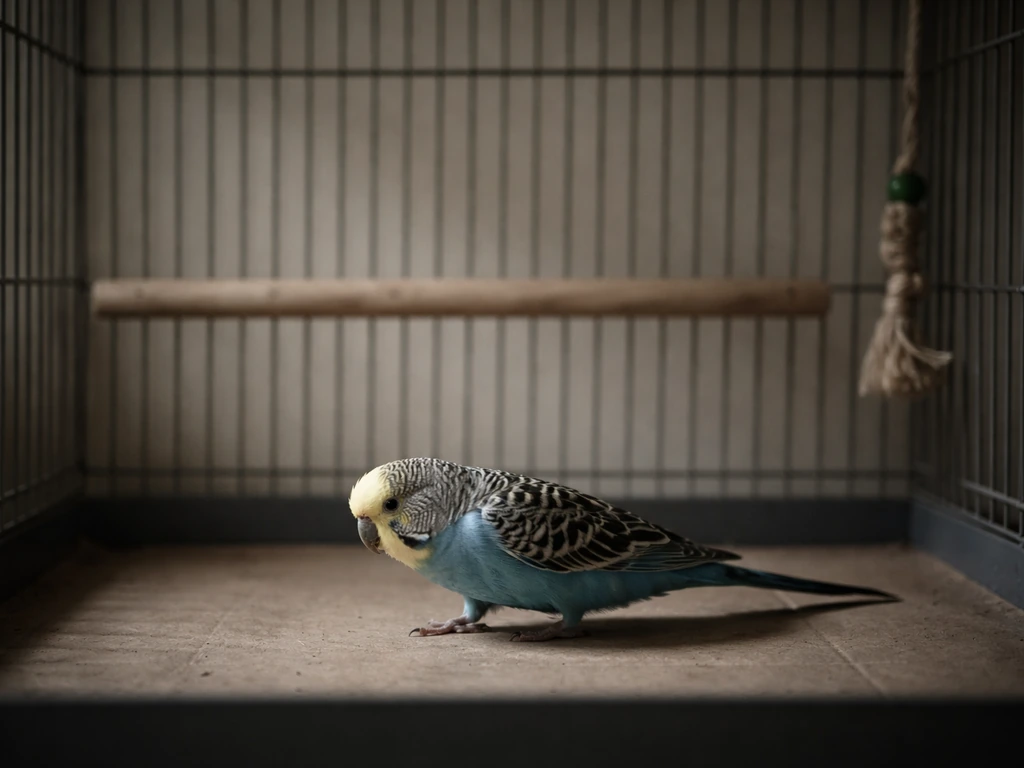
- Repetitive pacing, rocking, or circling with no other symptoms
- Excessive screaming or contact-calling when left alone
- Feather chewing or plucking that started after a life change (new home, loss of a companion, schedule change)
- Withdrawal or reduced interaction following a stressful event
- Over-attachment to one person combined with aggression toward others
Red flags that suggest a medical cause
blank" rel="noopener noreferrer">PetMD and multiple veterinary sources are clear on this: sudden behavioral changes, especially increased aggression or withdrawal, should prompt a vet visit because pain and discomfort are often the real driver. The RSPCA also cautions strongly against chalking up feather plucking to boredom without a full veterinary workup first. Watch for these signs: Watch for these signs: why is my duolingo bird sick.
- Fluffed feathers held for extended periods, especially combined with stillness
- Loss of appetite or noticeable weight loss (you can feel the keel bone becoming sharper)
- Lethargy or sleeping far more than usual
- Abnormal droppings (watery, discolored, or dramatically reduced in volume)
- Sneezing, nasal discharge, or labored breathing
- Disorientation, loss of balance, or falling off the perch
- Feather destruction that reaches the skin, causing wounds or bleeding
- Sudden onset of aggression in a previously calm bird
- Seizure-like episodes or tremors
Any of those physical symptoms puts this beyond a behavioral question. That's a health emergency or at minimum a same-week vet appointment. Repetitive behavior that comes with any of those signs is very unlikely to be "just a quirk."
How to assess your bird right now: a step-by-step checklist
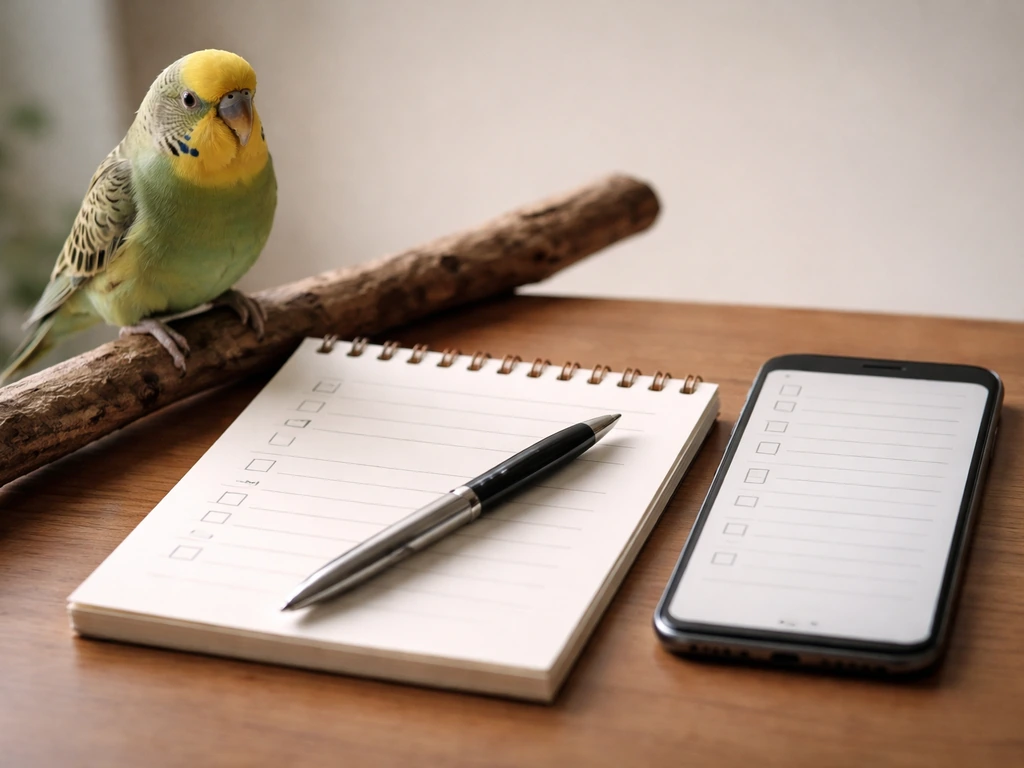
Before you can take any useful action, you need a clear picture of what's actually happening. Spend 2 to 3 days observing your bird with intention rather than casually. Here's what to track:
- Document the specific behavior: Write down exactly what you see. "Acts weird" isn't useful. "Paces left to right on the perch for 20 minutes after I leave the room" is.
- Note when it happens: Morning, evening, when left alone, during feeding, when strangers are present? Timing reveals triggers.
- Identify what immediately preceded it: Did someone raise their voice? Did the TV turn on? Did you change something in the cage? Context before the behavior matters enormously.
- Measure duration and frequency: Is this happening once a day for 5 minutes or for hours across most of the day? Frequency and intensity separate a quirk from a welfare concern.
- Check body language during the behavior: Is the bird alert, with eyes bright and feathers smooth? Or fluffed, with eyes partially closed or tail bobbing? Smooth feathers and bright eyes usually mean the bird is okay. Fluffing during the behavior is a signal something is off.
- Check the basics every day: Weight (ideally with a gram scale), appetite, droppings, and how much water is being consumed. Any noticeable change in these is significant.
- Look at the environment: How much time is the bird out of the cage each day? How much direct interaction with people? How much mental stimulation? What's the light and noise level like?
Once you have 2 to 3 days of notes, you'll have something real to work with, whether that's making changes at home or walking into a vet appointment with actual data.
What you can try at home
If your bird has no physical symptoms and the behavior seems tied to environment or boredom, there's a lot you can do. The research is consistent: stereotypies and stress behaviors in captive birds respond well to environmental improvement and increased mental engagement.
Cage setup and environment
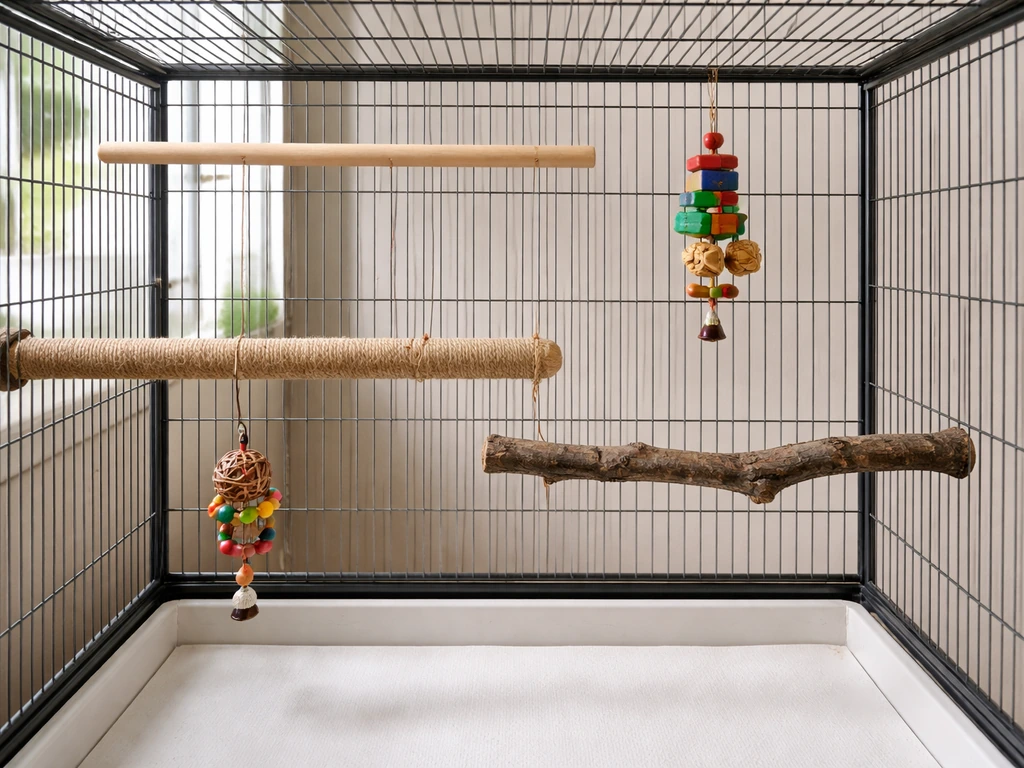
- Make sure the cage is large enough for the species. A bird that can't spread its wings fully or move between perches is already stressed.
- Offer perches of different diameters, textures, and heights. Natural wood perches are better than uniform dowel perches for foot health and stimulation.
- Position the cage where the bird can see family activity without being in the middle of chaos. Birds are flock animals and want to observe social life, but loud and unpredictable environments cause chronic stress.
- Establish a consistent light cycle. Aim for 10 to 12 hours of darkness per night. Disrupted sleep is a real driver of behavioral problems in birds.
- Reduce sudden loud noises or chaotic visual stimuli near the cage.
Enrichment and mental stimulation
- Rotate toys every few days. A bird that sees the same toy for weeks stops engaging with it.
- Offer foraging opportunities: hide food in paper wraps, skewer food on holders, or use puzzle feeders. Foraging is what birds spend most of their time doing in the wild, and captive birds with no foraging outlet often redirect that energy into repetitive behaviors.
- Introduce novel textures and materials safely: cardboard, palm fronds, cork, leather strips.
- Provide "out of cage" time every day. Even 30 minutes of supervised time outside the cage in a safe space makes a measurable difference for most birds.
Social interaction and handling
- Be consistent in your schedule. Birds track time and become anxious when routines break unpredictably.
- Practice calm, low-pressure interactions. Don't force handling if the bird is already stressed. Short, positive sessions are better than long forced ones.
- If the bird is over-bonded to one person, gently involve other trusted household members in feeding and interaction over time.
- Avoid punishing unwanted behavior. Negative reactions often increase anxiety and can make repetitive behaviors worse.
When to see an avian vet and what to bring
If your observation checklist revealed any physical symptoms listed above, go now. Don't wait to try home interventions first when there are signs of illness. If your my love bird is sick or you suspect illness, treat it as a medical issue first and contact an avian vet. If the behavior is purely repetitive with no physical symptoms but has been going on for weeks and isn't improving despite environmental changes, that also warrants a professional evaluation.
It's also worth noting that the line between "behavioral" and "medical" is blurry. A bird engaging in feather plucking might have an underlying skin infection, internal parasite, nutritional deficiency, or hormonal issue driving the behavior. The RSPCA explicitly recommends ruling out physical causes before concluding any repetitive behavior is purely psychological. Avian vets are specifically trained for this, and a general small-animal vet may not have the expertise to evaluate a bird properly.
When you go to the vet, bring:
- Your 2 to 3 days of written observations (what, when, how long, how often)
- A video on your phone of the behavior if possible, since birds often don't perform on demand at the vet
- A fresh droppings sample if you can get one (in a clean bag or container)
- A list of everything the bird eats, including treats and supplements
- A note on any recent changes to environment, routine, diet, or household
Ask the vet specifically about: ruling out nutritional deficiencies, heavy metal toxicity (common in parrots and often causes neurological-looking symptoms), infection, parasites, hormonal causes, and if appropriate, a neurological evaluation. If the vet seems to jump straight to behavioral causes without at least asking about or ruling out physical ones, push back or seek a second opinion from a board-certified avian specialist.
Tracking your bird's progress over time
Once you've made changes, either at home or following a vet visit, you need a way to know whether things are actually improving. Birds can be subtle, and it's easy to think things are better or worse than they are without data.
Keep a simple weekly log. It doesn't need to be elaborate. A note in your phone works. Track the same things you observed initially: how often the repetitive behavior happens, how long each episode lasts, whether there are any physical changes (weight, droppings, appetite, feather condition), and how the bird responds to interaction. If you made a specific change (new foraging toy, different sleep schedule, new perch arrangement), note the date so you can connect cause and effect.
For prevention going forward, the goal is an environment where the bird has enough mental stimulation, social engagement, sleep, and physical space that it doesn't need to develop coping behaviors in the first place. Regular weigh-ins (weekly with a gram scale) are one of the most practical early-warning tools you have, since weight loss is often the first sign something is wrong before other symptoms appear.
If you're also wondering whether your bird might be in pain, or dealing with a broader health concern beyond just behavior, those questions overlap significantly with what's covered here. The approach is similar: observe carefully, document what you see, rule out physical causes first, and take the behavior seriously rather than dismissing it. Birds are good at masking illness, which makes attentive observation one of the most important things you can do as an owner.
| What you're seeing | Most likely explanation | First step |
|---|---|---|
| Repetitive pacing or rocking, no physical symptoms | Stereotypy from boredom or understimulation | Improve enrichment, foraging, and out-of-cage time |
| Withdrawal, reduced interaction, feather changes after a life event | Stress or grief response | Stabilize routine, add gentle interaction, monitor closely |
| Fluffed posture, lethargy, appetite or weight change | Medical issue, possibly infection, deficiency, or pain | Avian vet this week, bring observations and droppings |
| Repetitive behavior that started suddenly with no environmental change | Medical or neurological cause | Avian vet as soon as possible, request full workup |
| Feather plucking reaching skin or causing wounds | Medical and/or behavioral, needs ruling out | Avian vet first, do not assume stress alone |
| Intense bonding with one person, aggression toward others | Over-bonding, poor early socialization | Gradual exposure to other household members, behavioral consistency |
| Head bobbing, vocalizing, apparent fixation on one item | Normal species behavior or mild quirk | Observe for frequency and impact on eating/sleep before acting |
FAQ
How can I tell if my bird’s repetitive behavior is a normal quirk versus a welfare problem?
Use the same three yardsticks every day, frequency, intensity, and impact. If the behavior becomes the dominant activity, lasts unusually long stretches, or disrupts eating, sleep, or social contact, it is more likely a welfare or health issue than a harmless habit. Also note whether it escalates after quiet times (sleep hours) or specific triggers (handling, noise, cleaning), that pattern often separates boredom from discomfort.
My bird acts withdrawn at certain times of day, should I still consider illness?
Yes, especially if the timing coincides with conditions linked to stress or pain, for example after exercise, after meal timing changes, or during colder room temperatures. Birds can mask illness, so if withdrawal comes with any consistent physical change (tail bobbing, fluffed posture, altered droppings, reduced appetite) treat it as medical and contact an avian vet rather than only adjusting enrichment.
What should I do if the behavior is triggered by my presence or handling?
First reduce handling and overstimulation for 24 to 48 hours, then re-check your observation log. If the behavior ramps up during contact, it can be learned fear, poor training history, or pain associated with specific body areas. In the vet visit, ask the clinician to help localize pain with a careful physical exam, not just to label it behavioral, because birds often show pain indirectly through avoidance.
Can I try enrichment changes before seeing an avian vet?
You can try low-risk, reversible environmental improvements if there are absolutely no physical or systemic symptoms, and you set a short trial window (for example 2 to 7 days) with objective tracking. If symptoms include appetite change, weight loss, altered droppings, breathing issues, or aggressive escalation, skip the trial and seek an avian vet the same week.
What if the behavior looks like “self-soothing” but my bird is also plucking feathers?
Treat it as medical until proven otherwise. Feather plucking can involve skin infection, parasites, nutritional imbalance, hormonal issues, and even contact irritation from bedding or cleaning products. Bring a list of recent changes (new toys, sprays, air fresheners, perch material, seed brand) to the vet, because these often explain why a behavior suddenly appears or worsens.
How should I prepare for the vet appointment so I get useful answers?
Bring a brief timeline (when you first noticed the behavior, what changed at home, and whether it is worsening). Include photos or videos of a typical episode, plus your weekly log with frequency and episode duration. Ask the vet to explain what they will rule out first, for example parasites, nutritional deficiency, heavy metals, infection, hormonal disease, and whether they recommend skin scrapings or fecal testing based on your bird’s species and symptoms.
Is it ever appropriate to see a general small-animal vet instead of an avian specialist?
Sometimes for initial triage, but for repetitive or neurological-looking behaviors, an avian-focused clinician is usually the safer choice because they are more familiar with species-specific baseline behavior and the right diagnostic tests. If the first visit relies heavily on “behavior only” without ruling out physical causes, seek a second opinion from a board-certified avian veterinarian.
Could heavy metals or nutritional deficiencies really cause autism-like behaviors?
Yes, they can. Neurological-looking behaviors and irritability can occur with certain toxic exposures (such as heavy metals) and with nutritional problems (like imbalanced diet or deficiencies). That is why the evaluation should include targeted questions about your diet, cookware and household hazards, and the lab work the vet recommends, rather than assuming the behavior is purely psychological.
How long should I wait to see improvement after I make changes at home?
Set expectations using your log, not guesses. Some enrichment and routine adjustments show measurable change in days, while other issues (like adjusting diet, stress recovery, or treating an underlying problem) may take weeks. If there is no downward trend in frequency or duration after your defined trial period, or if symptoms worsen at any point, escalate to an avian vet.
What records matter most if I need to explain the problem to a vet or a trainer?
Record the behavior pattern with numbers (how often per day, how long each episode lasts) and context (before and after specific triggers like feeding, lighting changes, cage cleaning, or social interaction). Also track baseline health metrics weekly, weight and droppings quality, plus any feather condition changes. This turns the appointment from “it seems weird” into actionable data.
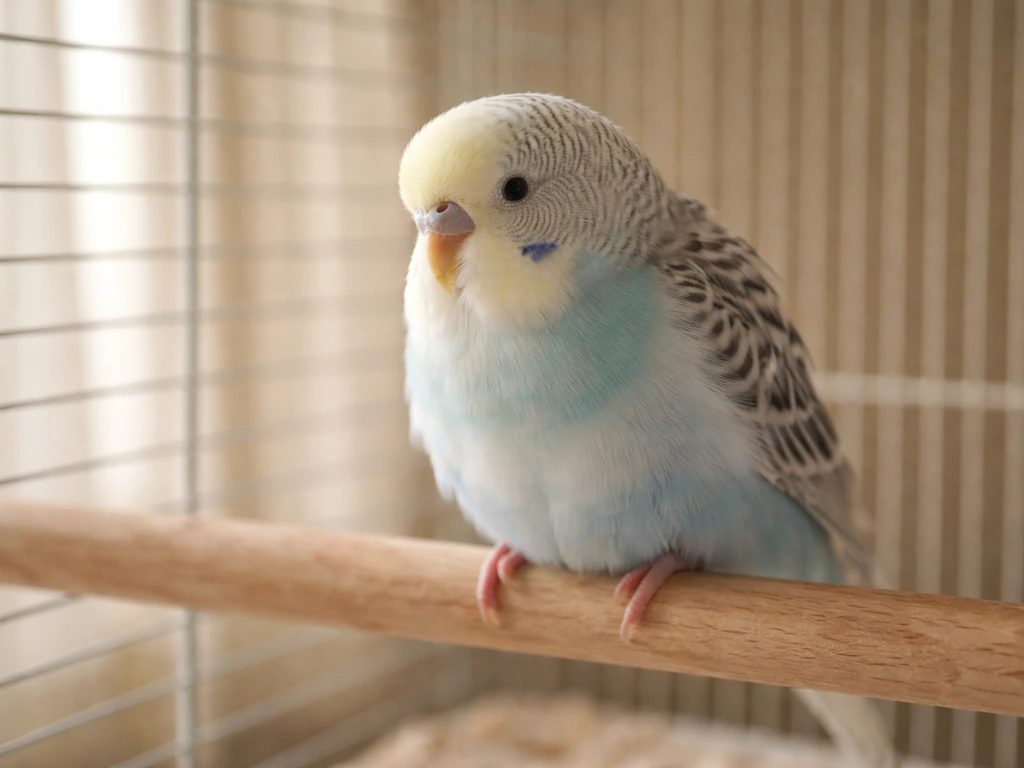
Know if your bird is in pain: quick behavior checks, likely causes, safe first aid, and when to call an avian vet.
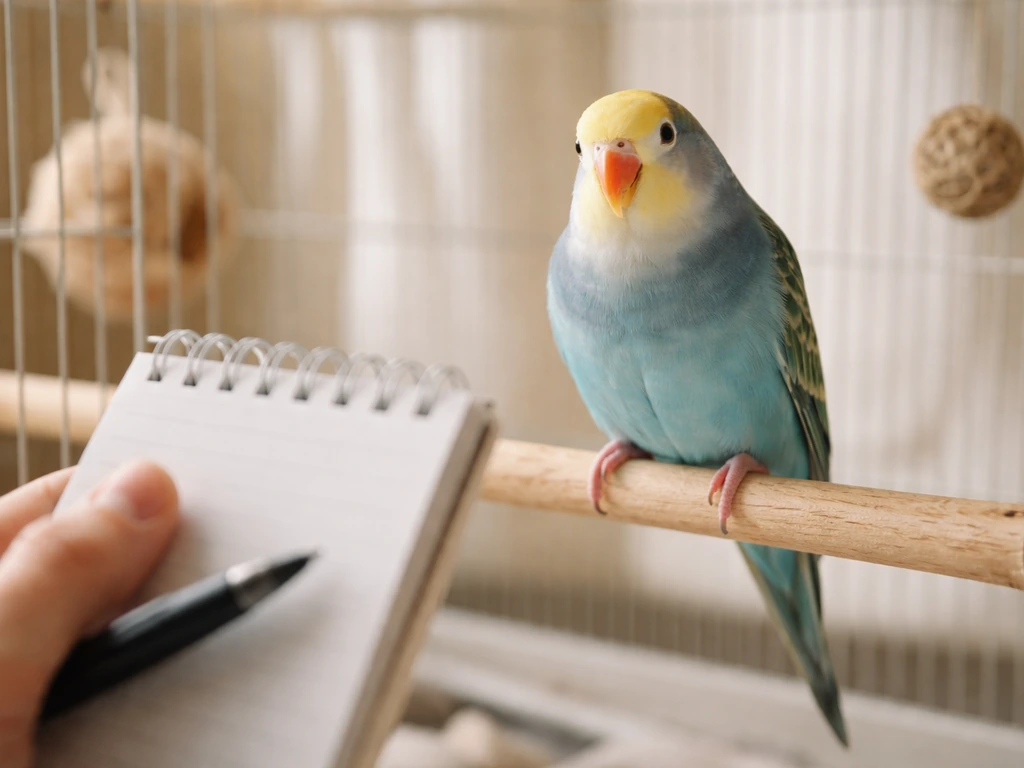
Bird symptom checklist to spot stress, illness, breathing, droppings, feathers, appetite changes, and when to see an avi
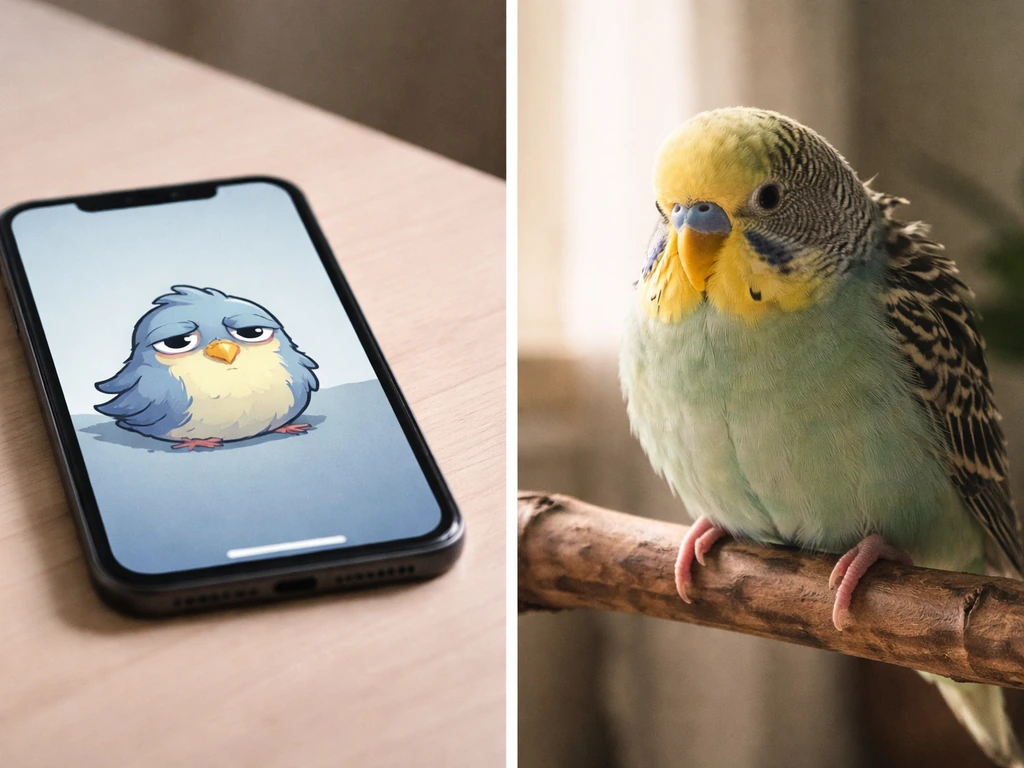
Fix Duolingo bird looking sick fast, and check real pet bird warning signs with quick triage and vet red flags.