If your bird seems "off" today, the most important thing to do right now is stop and watch for about five minutes. If your my love bird is sick, start by watching for warning signs like tail bobbing, open-mouth breathing, or sudden droppings changes. You're looking for specific physical signs: fluffed feathers, tail bobbing with each breath, open-mouth breathing, sitting on the cage floor, or droppings that look dramatically different from normal. If you're seeing any of those, skip the at-home troubleshooting and call an avian vet immediately. If you're not seeing those red flags, you likely have time to work through a structured check to figure out what's going on.
What’s Wrong With My Bird? A Quick Symptom Checklist

Marcus Chen
17 Jun 2026
First, confirm you're seeing a real warning vs normal variation
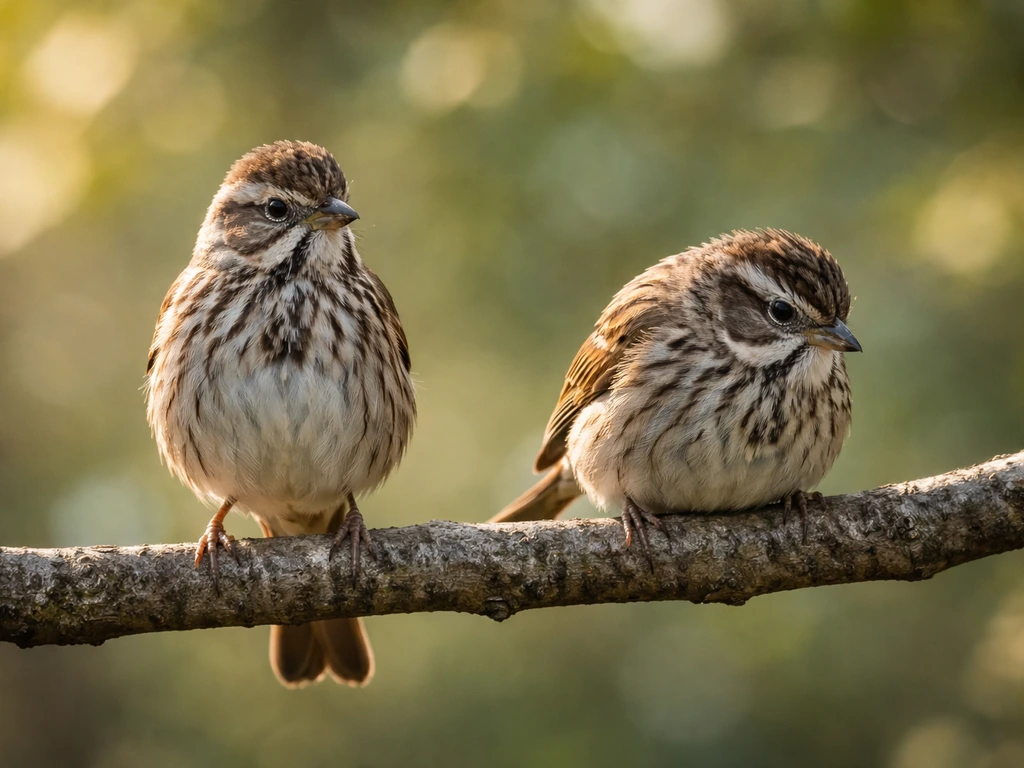
Birds mask illness instinctively. In the wild, looking sick makes them a target, so they hold it together until they physically can't anymore. That means by the time a bird looks obviously unwell to you, something has usually been building for a while. On the flip side, a lot of things that look alarming to new bird owners are completely normal. A single sneeze, briefly fluffed feathers after a bath, or a nap at midday doesn't mean your bird is sick.
The key question is: is this new, and is it persistent? A behavior or physical change that's been going on for more than 24 hours, or that's worsening, deserves real attention. Something you noticed once this morning and hasn't repeated is worth watching, but not panic-worthy. Knowing your bird's personal baseline makes all the difference here. Think about what's normal for your specific bird on a normal day, and measure what you're seeing against that.
Quick symptom checklist
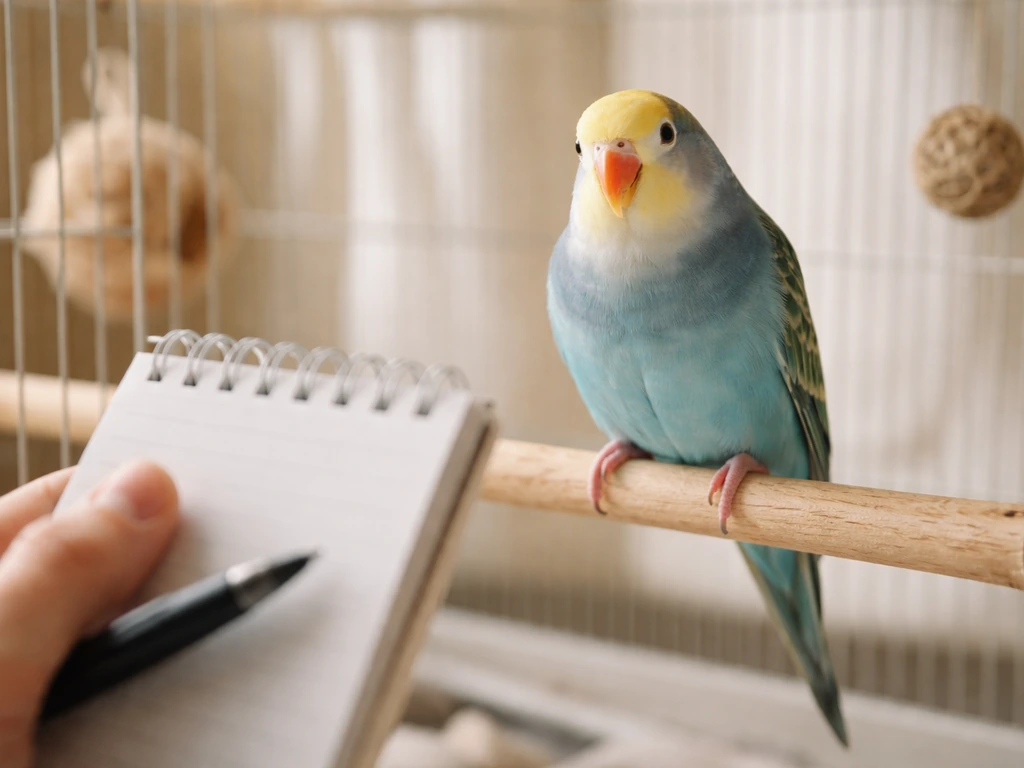
Go through each of these categories and note what you're actually observing, not what you think might be happening. Be specific. This checklist also doubles as your notes for the vet if you end up needing to call.
Behavior
- Is your bird quieter than usual, or has it stopped vocalizing entirely?
- Is it less interested in interacting with you or its toys?
- Is it sitting in one spot for long periods without moving?
- Is it on the cage floor instead of a perch? (This is a serious red flag.)
- Is it sleeping more than normal, and is it hard to wake up?
Posture
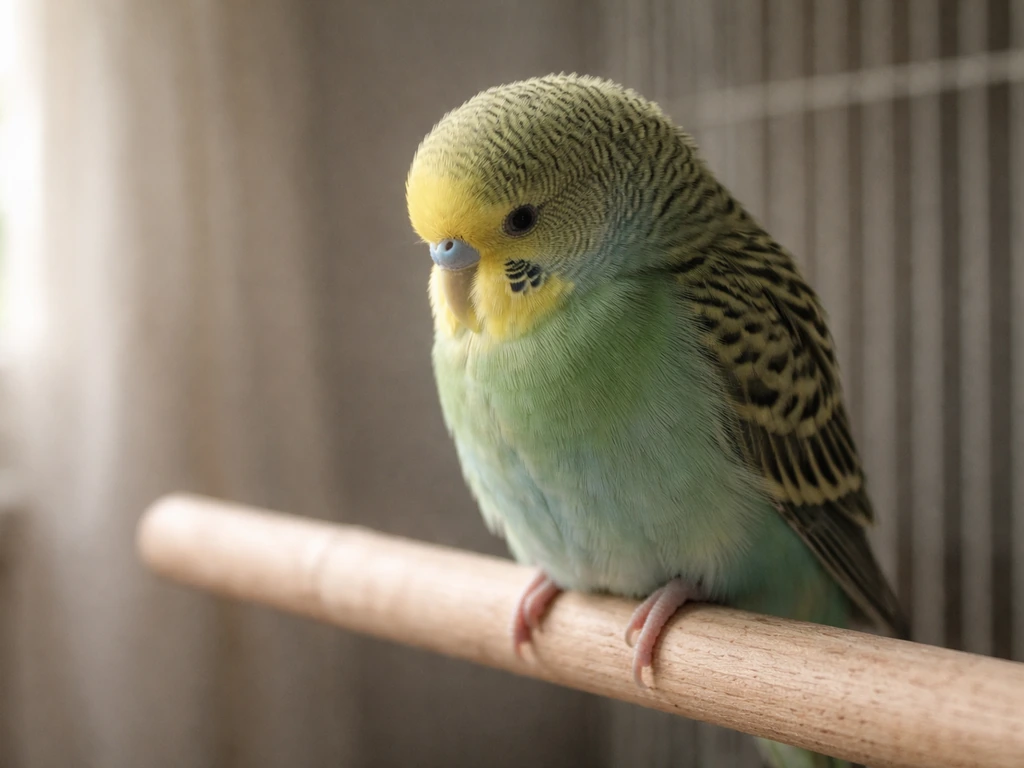
- Are the feathers fluffed up so the bird looks rounder or fatter than usual?
- Is the bird hunched over or leaning forward on the perch?
- Is the head tucked under a wing for extended periods outside of normal sleep?
- Does it look unsteady or have trouble gripping the perch?
Breathing
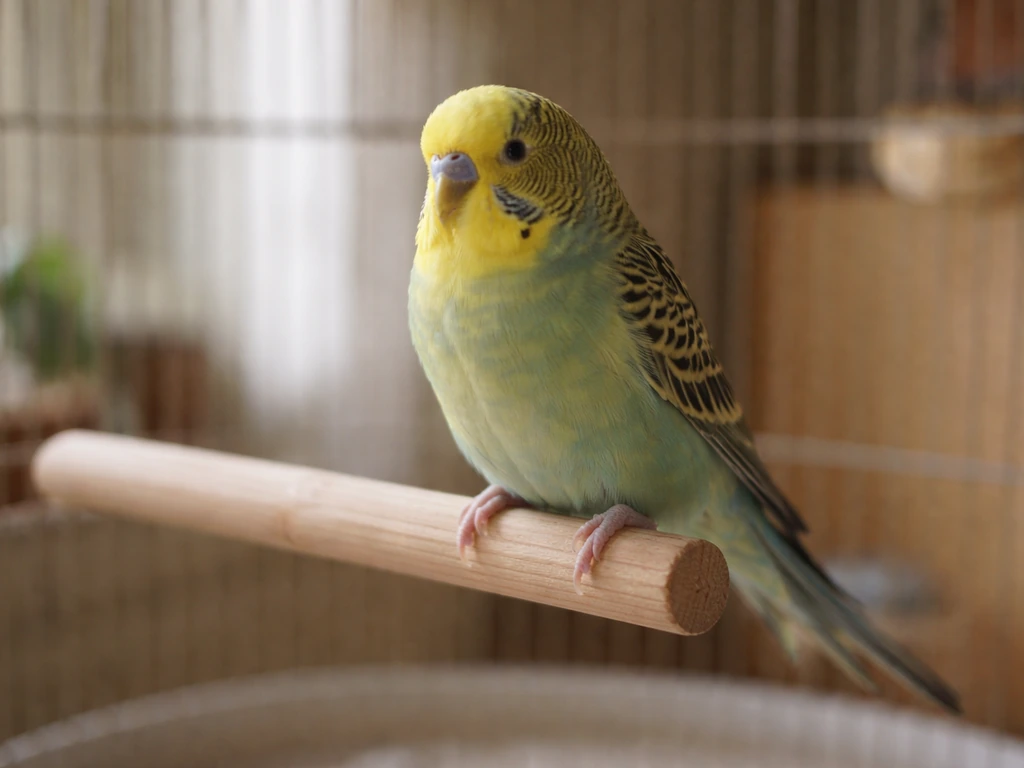
- Is the bird breathing with its mouth open when it's not hot or active?
- Is its tail bobbing up and down with each breath? (This is a key respiratory warning sign.)
- Can you hear wheezing, clicking, or any unusual sound with breaths?
- Does its breathing look labored or like it's working harder than usual?
Appetite
- Has it stopped eating or significantly reduced how much it's eating?
- Is it drinking less water than usual?
- Does the crop look full but not emptying after several hours? A full crop that hasn't emptied overnight is a red flag.
- Have you seen vomiting (food expelled forcefully) vs. normal social regurgitation?
Droppings
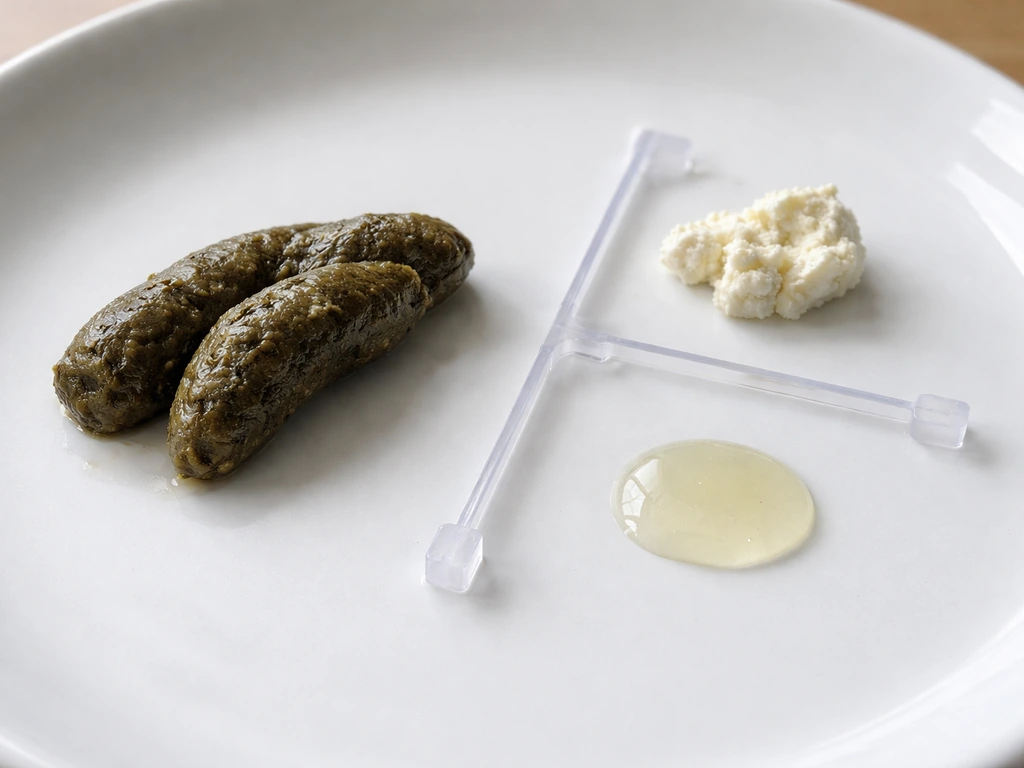
Normal droppings have three distinct parts: a dark green or brown formed fecal portion, white or cream urates, and a small amount of clear liquid urine. Learn what your bird's normal droppings look like, because changes in color, consistency, or volume are one of the earliest illness signals you can catch.
- Are droppings watery, mushy, or unformed (diarrhea)?
- Are the urates yellow, green, or rust-colored instead of white?
- Are droppings tarry black, bright red, or very pale?
- Has the volume or frequency changed significantly?
- If abnormal droppings persist for more than 24 hours, don't wait, call a vet.
Feathers and skin
- Are feathers looking dull, broken, or poorly maintained when grooming is usually good?
- Are there bare patches on the body, wings, or chest?
- Is the bird actively pulling, chewing, or over-preening its feathers?
- Is there any discharge around the eyes, nostrils, or vent?
Common reasons birds look "off"
Stress and environment changes
This is one of the most common culprits when a bird suddenly seems different. A new pet in the house, a moved cage, a change in your schedule, loud construction nearby, or even rearranging furniture in the room can stress a bird enough to affect its behavior and appetite. Stress can also reduce eating and trigger or worsen feather plucking. If something changed in your home recently, that's worth taking seriously as a possible cause.
Boredom and inadequate enrichment
Birds are intelligent, and a bird with nothing to do will start to show it. Feather plucking, repetitive movements, excessive screaming, or general dullness can all stem from not enough mental stimulation, social interaction, or out-of-cage time. This is especially common in highly social species like African Greys, cockatoos, and lovebirds. Behavioral causes for feather destruction like boredom, improper habitat, and lack of socialization are well-documented, but they're also a diagnosis of exclusion. If your bird's repetitive behaviors seem unusual and you're wondering about autism-like signs, discuss that possibility with an avian vet so you can rule out medical causes first i think my bird has autism. You should still rule out physical causes first.
Diet problems
A bird living primarily on seed is likely deficient in vitamins A, D3, calcium, and other nutrients. Malnutrition can cause dull feathers, lethargy, and a weakened immune system that makes other illness more likely. If your bird has been on an all-seed diet for a long time, that's context worth mentioning to a vet.
Respiratory issues
Respiratory illness in birds can progress quickly, and birds have a complex respiratory system (including trachea, syrinx, and air sacs) that makes them vulnerable to a range of infections. Early signs include subtle tail bobbing, increased breathing effort, or a voice change. In an r/BirdHealth thread, people also linked tail bobbing and noisy or abnormal breathing sounds with respiratory problems and recommended urgent evaluation by an avian vet blank" rel="noopener noreferrer">subtle tail bobbing, increased breathing effort, or a voice change. More advanced signs include open-mouth breathing, wheezing, and clicking sounds. Air sac mites, bacterial infections, and fungal infections are all possible causes depending on the species and history.
Digestive issues
Gastrointestinal problems can show up as changes in droppings, a slow or stalled crop, vomiting, weight loss, or weakness. Candida (a yeast overgrowth), bacterial infections, proventricular issues, and parasites are all possible causes. If your bird's crop looked full at night and still looks full in the morning, that's crop stasis and it needs same-day veterinary attention.
Toxin exposure
Birds are extremely sensitive to airborne toxins. Overheated non-stick cookware releases PTFE fumes that can be fatal to birds within minutes. Aerosol sprays, scented candles, air fresheners, cleaning products, smoke, and paint fumes are all dangerous. If your bird suddenly got worse and you've recently used anything like this in the house, treat it as a possible toxic exposure and get to a vet immediately.
When it's urgent: red flags that mean act now
Some signs mean you should stop reading and call an avian vet or emergency animal hospital right now. These aren't watch-and-see situations.
- Open-mouth breathing when the bird is at rest and not overheated
- Tail bobbing with every breath
- Wheezing, clicking, or audible breathing sounds
- Blue or very pale tissue around the mouth or beak
- Sitting on the cage floor, unable or unwilling to perch
- Collapse, seizures, or inability to stand
- Uncontrolled bleeding
- Severe trauma or burns
- Suspected toxin exposure (fumes, aerosols, chemicals)
- Crop hasn't emptied after overnight and bird is weak or cold
- Diarrhea or very abnormal droppings lasting more than 24 hours
- A female bird straining in the abdomen with no egg produced (possible egg binding, which can be fatal within days without treatment)
If you're unsure whether what you're seeing counts as an emergency, call a vet and describe it. Most avian vets or emergency clinics can help you triage over the phone. If you suspect poisoning, the ASPCA Animal Poison Control Center is available 24/7. If you mean the Duolingo bird looks sick in the app, the timing and symptoms you notice can help you figure out what to do next Duolingo bird sick. Don't give your bird any medication, food supplement, or home remedy unless a veterinarian has specifically told you to. That includes over-the-counter bird vitamins and especially anything made for humans.
Safe home steps to take today
If your bird is showing mild or vague symptoms without any of the red flags above, there are things you can do right now while you observe and decide whether a vet visit is needed.
- Move the bird to a quiet, warm spot. Birds under stress or feeling unwell benefit from warmth and low stimulation. A temperature of around 85°F (29°C) is a good supportive target for a bird that seems ill. You can achieve this with a heating pad on low set under half the cage, or by placing the cage near (not directly under) a heat lamp. Always give the bird a way to move away from the heat source.
- Remove stressors from the environment. Cover the cage partially, reduce household noise and activity around the bird, and keep other pets away. Sometimes this alone produces a visible improvement.
- Check the cage setup. Are all perches sturdy and at appropriate heights? Is the cage large enough? Are there any sharp edges, toxic plants, or objects the bird could have chewed on? Look for anything that could have caused an injury you haven't spotted yet.
- Review what it's been eating. Has its diet changed recently? Has it actually been eating, or just scattering food? Remove anything unfamiliar that was introduced in the last few days.
- Observe the droppings carefully. Line the cage bottom with plain white paper towels so you can monitor droppings closely. Note the color, consistency, and frequency of every dropping over the next few hours.
- Watch the breathing. Count breaths per minute at rest if you can, and note any visible effort, tail movement, or sounds. Do this when the bird is calm and hasn't just been handled.
- Do not use aerosols, scented products, or cook with non-stick pans near the bird while it's unwell.
These steps are supportive care, not treatment. They create the best possible conditions for a bird that's struggling, but they don't fix underlying illness. If symptoms aren't improving after a few hours, or if anything on the red flag list appears, move to veterinary care.
How to document for an avian vet and what to ask
Avian vets see a lot of birds and can gather a huge amount of information from a good history. The more specific you are, the faster they can help you. Before you call or go in, take a few minutes to pull together the following information.
| What to document | What to include |
|---|---|
| Timeline | When did you first notice something was wrong? Has it gotten better or worse? |
| Specific symptoms | What exactly are you seeing: posture, breathing, droppings, behavior, feather condition? |
| Droppings sample | If possible, bring a fresh dropping sample in a clean container or sealed bag. Refrigerate, don't freeze. |
| Diet history | What does the bird eat daily? Any recent diet changes? Treats, new foods, or supplements? |
| Environment changes | Any new pets, new household products, moved cage, different people in the home? |
| Toxic exposures | Any non-stick cookware used recently, aerosols, cleaning products, candles, smoke? |
| Weight if known | If you have a gram scale and weigh your bird regularly, bring that data. Weight loss is a key clinical indicator. |
| Age, sex, and species | Include how long you've had the bird and any prior health history or vet visits. |
When you speak to the vet, don't just describe symptoms. Ask: Is this something that needs treatment today, or can we monitor? What should I watch for at home in the next 24 hours? Are there any tests you recommend running now to rule out the most serious causes? What's the likely timeline for improvement if we do treat? These questions help you understand the plan and know what to expect.
Finding an avian-specialist vet matters here. Not all general practice vets have deep experience with birds. The Association of Avian Veterinarians (AAV) maintains a directory of certified avian vets you can search by location. If you don't have an avian vet already, finding one before you're in a crisis is one of the best things you can do for your bird.
If you're trying to understand whether what you're seeing could be pain-related, or you have a lovebird specifically who's been acting unwell, those are slightly different situations with their own specific signs to look for. If you’re wondering, “is my bird in pain,” focus on behaviors like guarding, abnormal posture, or reduced appetite and get a vet’s guidance quickly if it persists pain-related. The same structured approach applies: observe carefully, document what you see, identify red flags, and get professional input when anything serious shows up.
FAQ
How can I tell if my bird’s breathing problem is serious enough for an emergency?
Yes. If your bird’s breathing seems harder, any open-mouth breathing, wheezing, clicking, or tail bobbing is not something to “wait and see.” Birds can worsen quickly, especially overnight, so call an avian vet or emergency clinic for triage even if the bird is still alert.
What droppings changes count as “normal variation” versus a real warning sign?
Use your bird’s baseline. If the droppings suddenly change color, become much more watery, or the amount of white urates or dark formed stool shifts noticeably for more than one urination/poop cycle, treat it as a possible illness signal. If the change is persistent or worsening, contact a vet.
Can I give my bird over-the-counter meds or vitamins if I’m not sure what’s wrong?
No. You should not give human medications, leftover antibiotics, or “human cold remedies.” If your bird is having symptoms that could be toxicity or respiratory trouble, medication at home can mask worsening or cause additional harm. Ask your avian vet for specific instructions before giving anything.
My bird’s crop looked full in the morning, does that always mean crop stasis?
Yes, even one “full crop at night” that remains full in the morning is concerning for crop stasis, which can require urgent treatment. If you see a persistent crop that does not empty, your next step should be same-day veterinary attention, not supportive waiting.
If the symptoms come and go, when should I stop monitoring and call the vet?
Focus on what you can measure: frequency of tail bobbing, time since the last normal activity, and whether appetite and voice have changed. If the pattern continues beyond 24 hours or is escalating, it deserves veterinary evaluation rather than only environmental adjustments.
What should I check in my home right away if my bird suddenly seems worse?
Watch the environment for recent triggers: non-stick cookware used recently, aerosols, scented candles, strong cleaners, smoke, paint, or fumes. If exposure happened and your bird seems suddenly worse, treat it as a potential poisoning scenario and seek immediate avian veterinary care.
Is fluffed feathers ever normal, or does it always mean illness?
A bath-related fluffed look once in a while can be normal, but fluffed feathers combined with dullness, sitting on the cage floor, reduced appetite, or ongoing breathing changes is more concerning. Also consider whether the bird is keeping warm by choice or looks unable to settle comfortably.
If my bird is acting repetitive, how do I know it’s behavioral and not a medical problem?
If repetitive behaviors are new, escalate, or come with appetite loss, weight change, breathing changes, or droppings abnormalities, rule out medical causes first. Behavioral issues are often diagnoses of exclusion, so “autism-like signs” should be discussed with an avian vet after medical causes are considered.
My bird eats mostly seed, could that explain sudden symptoms or only long-term health issues?
Start by confirming the diet details: percent seed vs pellets, brand, how long the bird has been on it, and whether greens or fortified foods are offered. If it’s primarily seed long-term, nutrition deficits can contribute to dullness and immune weakness, so mention diet history to the vet during triage.
How long should I try supportive care before I must schedule a vet visit?
If your bird is not improving after a few hours of supportive conditions, or any red-flag sign appears, transition to veterinary care. Supportive steps are for stability, not a substitute for treatment when symptoms persist or worsen.