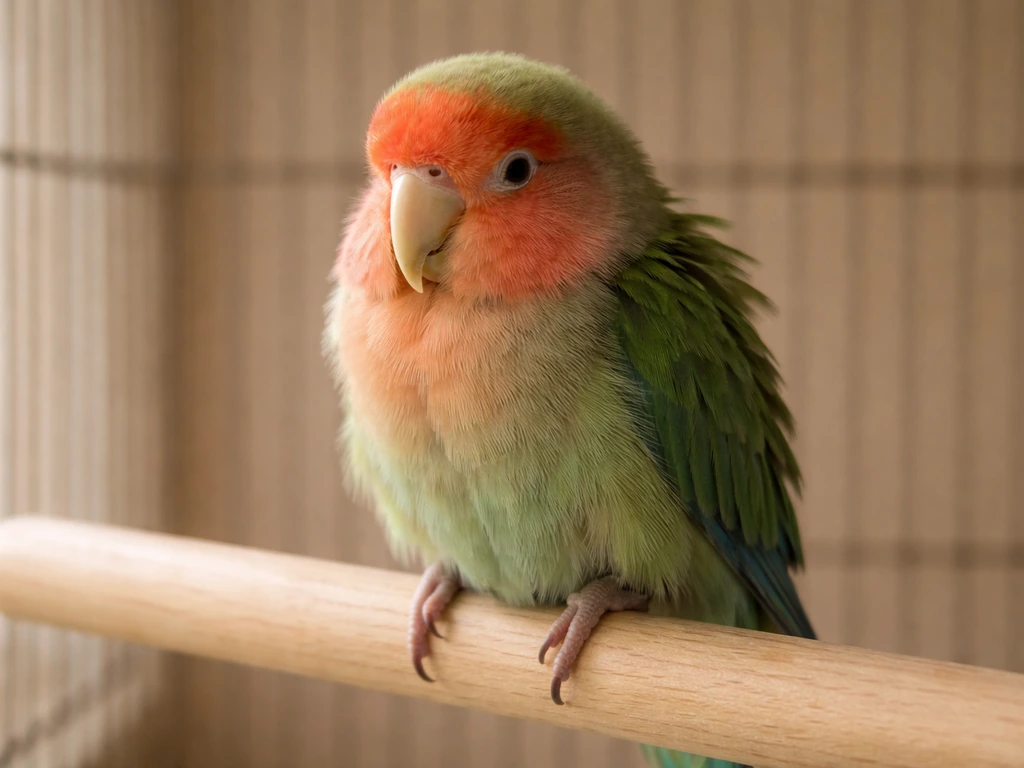
If your lovebird is sitting fluffed up at the bottom of the cage, blank" rel="noopener noreferrer">breathing with its tail bobbing, or refusing food and water, treat it as an emergency and contact an avian vet today. In avian respiratory distress, observation of breathing patterns or respiratory sounds along with a brief physical exam are key tools in the emergency room for diagnosis and treatment decisions blank" rel="noopener noreferrer">observation of breathing patterns/respiratory sounds and a brief physical exam. Those specific signs mean your bird could deteriorate within hours. If the symptoms are milder, like slightly quieter behavior or softer droppings, you have a little time to observe carefully and provide supportive care at home while you arrange a vet visit.
My Lovebird Is Sick: Emergency Signs and What to Do Now
How urgent is it right now?
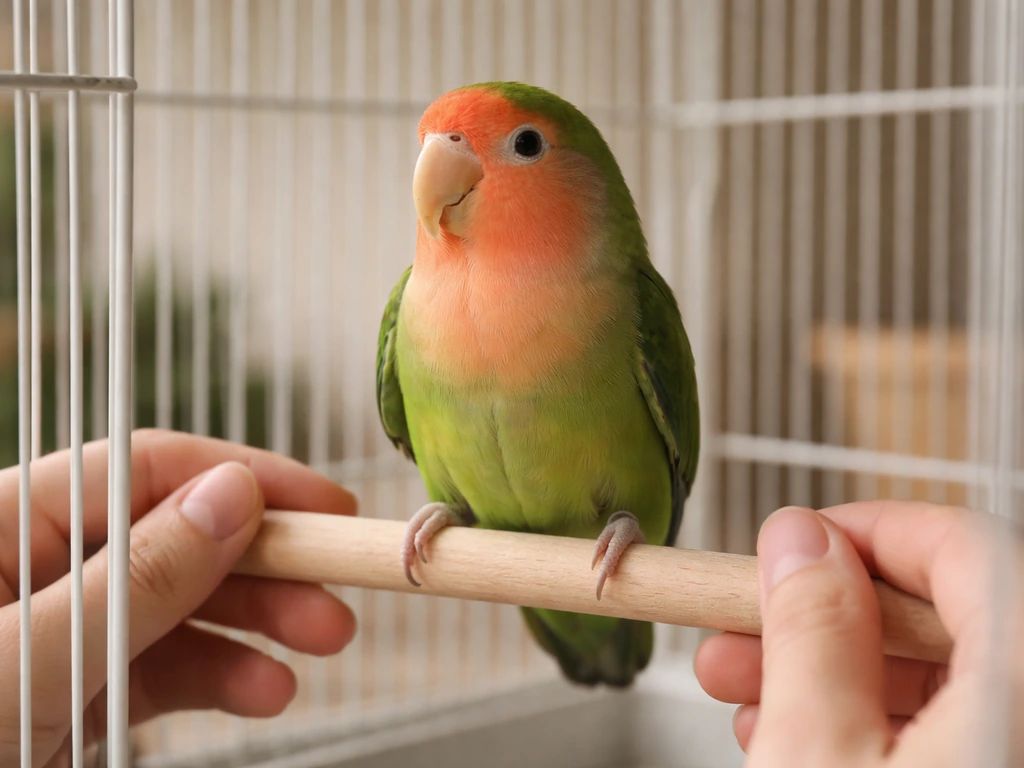
Birds instinctively hide illness until they can't anymore. By the time a lovebird looks visibly sick to you, it has often been struggling for a while. That means you should never take a wait-and-see approach for more than 24 hours, and some signs demand action within the hour.
Use this as your quick triage. If your bird has any of the emergency signs below, stop reading and call an avian vet or emergency animal clinic right now.
- Open-mouth breathing or gasping
- Rhythmic tail bobbing at rest (the tail pumps up and down with each breath)
- Labored breathing with visible chest movement
- Unable to perch, sitting on the cage floor
- Severe weakness or collapse
- Bleeding, suspected poisoning, or toxin exposure
- No food or water intake for more than 12 hours
- Rapid visible worsening over a few hours
If your bird doesn't have those signs but you're noticing something clearly off, like fluffed feathers for over a day, quieter than usual, reduced droppings, or a change in appetite, that's still a vet visit situation within 24 hours. Lovebirds are small and their condition can change fast.
Common illness signs to watch for in lovebirds
Knowing exactly what to look at helps you describe things accurately to a vet and track whether your bird is getting worse or holding steady. Run through each of these.
Behavior
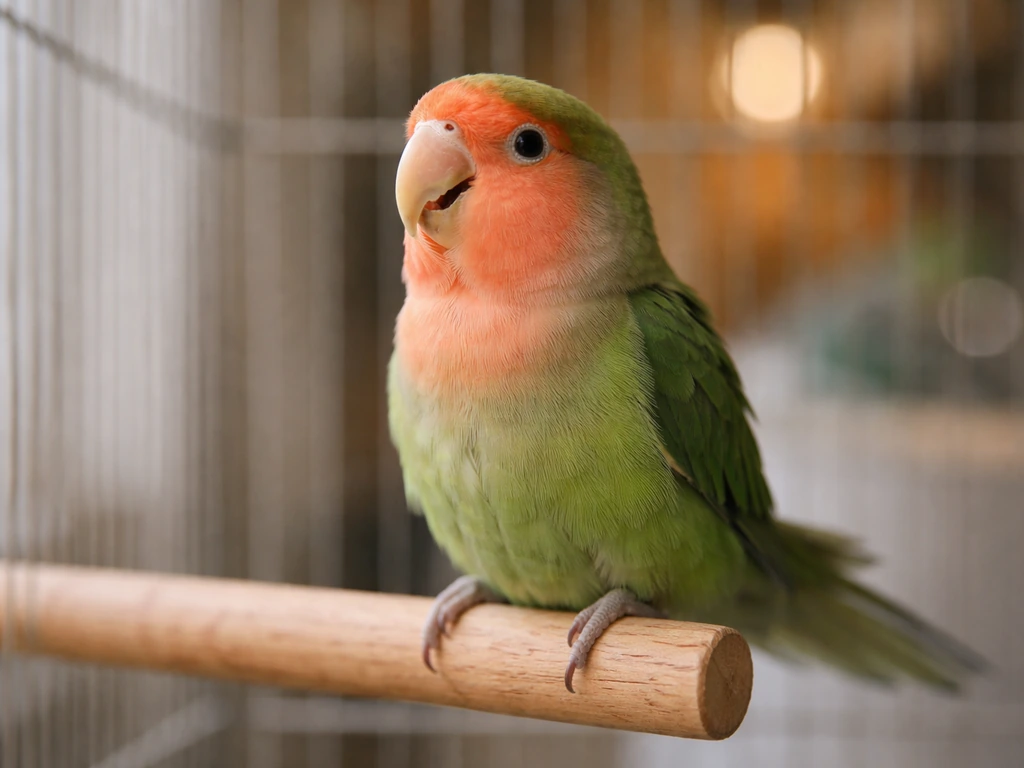
- Fluffed feathers, especially if held for hours or overnight
- Sleeping more than normal or sleeping during active daytime hours
- Reduced vocalizing (a normally chatty bird going quiet is a real red flag)
- Changes in head bobbing patterns (either stopped completely or excessive and unusual)
- Sitting low on the perch or unable to grip it properly
- Resting on the cage floor
Breathing
- Open-mouth breathing at rest
- Tail bobbing in a rhythmic pumping motion while perched
- Audible sounds like wheezing, clicking, or squeaking
- Rapid or visibly labored chest movement
Droppings
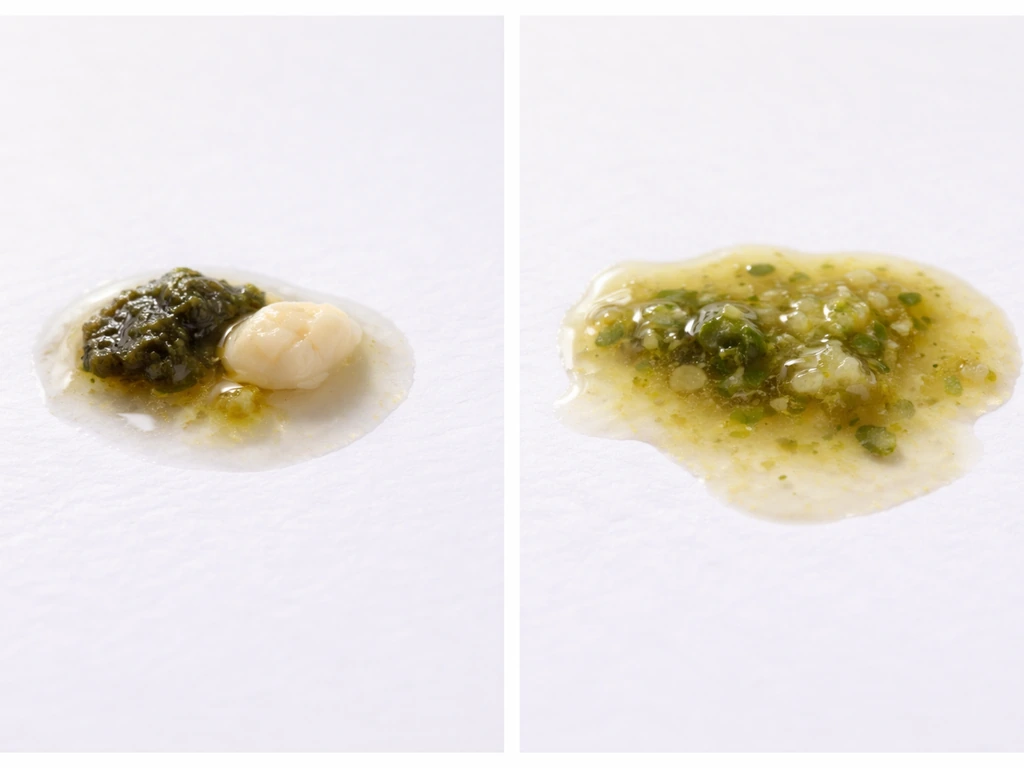
Normal lovebird droppings have three parts: dark green or brown solid waste, white or cream urates, and a small amount of clear liquid urine. Any major change is worth noting.
- Watery or diarrhea-like droppings (some loose droppings after fruit or vegetables is normal)
- Droppings that are entirely liquid
- Black or tarry droppings (possible internal bleeding)
- Bright red blood in droppings
- Yellow or lime-green urates (can suggest liver or kidney issues)
- Significant drop in the number of droppings overall (may mean the bird isn't eating)
Appetite and food intake
- Ignoring favorite foods or treats
- Not cracking seeds or eating pellets
- Regurgitation that isn't directed at a mate or toy (which is bonding behavior) but looks like true vomiting with wet head feathers
- Significant weight loss (feels light when you hold it, keel bone becoming prominent)
What's most likely making your lovebird sick
These are the most common culprits in pet lovebirds, roughly in order of how often they come up.
Stress and environmental change
Lovebirds are sensitive to change. A new pet in the house, rearranged furniture near the cage, a change in your schedule, or even a new person visiting can trigger enough stress to suppress their immune system. This often shows up as fluffing, quietness, and reduced appetite without a clear physical cause.
Diet problems
An all-seed diet is one of the most common underlying reasons lovebirds get sick. Seeds are high in fat and low in the vitamins and minerals lovebirds need. Nutritional deficiencies develop slowly and lower the bird's ability to fight off infections. A sudden switch in food, or accidentally moldy seeds, can also cause immediate gastrointestinal upset.
Respiratory infections
Bacterial, viral, and fungal infections can all affect a lovebird's respiratory system. Chlamydiosis (caused by Chlamydia psittaci) is one infection that lovebirds are particularly susceptible to, and it often presents with breathing issues, eye discharge, and lethargy. These need veterinary diagnosis and treatment, not home management.
Temperature extremes
Lovebirds do best in temperatures between 65°F and 80°F (18°C to 27°C). A cold draft, a cage placed near an air conditioning vent, or overheating in summer can all make a bird sick quickly. A bird that is too cold will fluff up and shiver; a bird that is too hot will hold its wings out and pant.
Household toxins and fumes
This is an emergency category on its own. Birds have highly efficient respiratory systems, which makes them extremely sensitive to airborne toxins. Non-stick cookware (PTFE/Teflon) overheating, scented candles, air fresheners, cleaning products, smoke, and paint fumes can all cause rapid, life-threatening respiratory distress. If your bird suddenly got sick and you've been cooking, cleaning, or painting nearby, this needs immediate vet care.
Parasites
Internal parasites like roundworms and external parasites like mites can affect lovebirds, especially if they've had contact with wild birds or untreated birds from a pet store. Mites often cause feather damage and restlessness; internal parasites can cause weight loss and diarrhea. Both need a vet to confirm and treat properly.
Dehydration
A lovebird that hasn't been drinking, whether because of stress, illness, or a water dish that got contaminated, can become dehydrated within a day. Signs include dry, tacky mucous membranes, sunken eyes, and skin that doesn't spring back when gently pinched. Make sure fresh water is always within easy reach.
Safe at-home care steps while you monitor
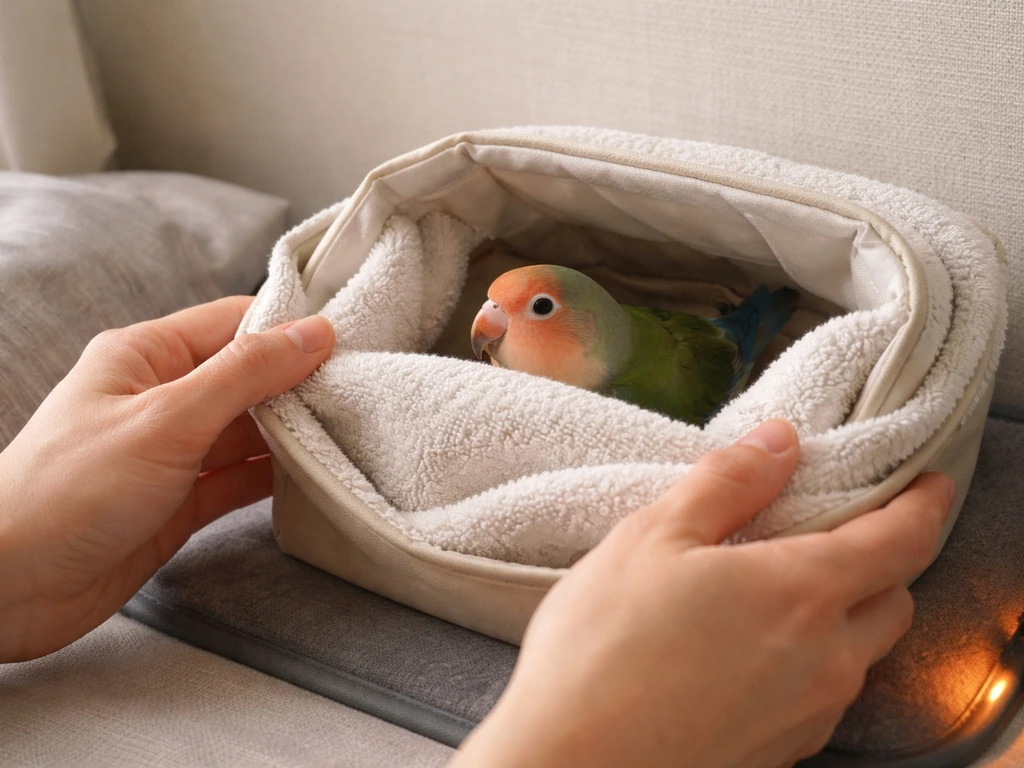
These steps are supportive, not curative. They help stabilize your bird and prevent things from getting worse while you arrange a vet visit. They are not a substitute for professional care.
- Provide warmth. Move your bird to a warm, quiet spot away from drafts. A sick bird benefits from a temperature around 85°F (29°C). You can achieve this by placing a heating pad on the lowest setting under half the cage floor (never the whole floor, so the bird can move away if too warm), or by positioning a lamp nearby. Do not cover the cage tightly as this blocks observation.
- Check food and water access. Make sure both are clean, full, and easy for a sick bird to reach. If your bird is weak and staying low, move food and water dishes to the cage floor.
- Observe but minimize handling. Handling a sick bird causes stress, which makes things worse. Watch from a short distance. If respiratory distress is present, avoid picking the bird up as that alone can be dangerous for a bird struggling to breathe.
- Note the droppings. Put a clean white paper towel on the cage floor so you can clearly see droppings. Take a photo to show the vet. Count them if you can, since a drop in dropping frequency often means the bird isn't eating.
- Isolate from other birds. If you have other birds, move the sick bird to a separate cage in a separate room to reduce the chance of spreading a contagious illness. Use separate food and water dishes.
- Remove potential toxins. Check the room for candles, sprays, non-stick pans, or anything with a strong smell and remove or stop using them immediately.
- Do not give human medications or herbal remedies. Many things that seem harmless, including common vitamins given in incorrect doses, can be harmful to birds. Stick to the supportive measures above.
When to call an avian vet and what to tell them
The honest answer is: if you're searching 'my lovebird is sick,' you should already be looking up an avian vet. If you came here because you’re asking “what’s wrong with my bird,” the safest move is to treat symptoms as urgent and consider an avian vet right away searching 'my lovebird is sick'. A general small-animal vet may not have the specific training or equipment to handle birds well. Search for a vet with avian experience or a board-certified avian specialist.
Call immediately if any emergency signs are present (see the triage list above). Call and book an appointment within 24 hours if symptoms have lasted a full day, even if they seem mild. Do not wait more than 24 to 48 hours for any combination of: fluffed posture, reduced eating, abnormal droppings, and reduced vocalizing.
When you call, be ready to share the following. The more specific you are, the faster and better the vet can help.
- Your bird's age, sex (if known), and how long you've had it
- Exactly what symptoms you're seeing and when they started
- A description or photo of the droppings
- What your bird normally eats and whether that has changed recently
- Any recent changes in the home (new products, cleaning, cooking, new pets, travel)
- Whether any other birds in the house are showing the same symptoms
- Whether the bird has been exposed to anything potentially toxic
- When your bird last ate and drank
The vet will likely want to do a physical exam, and may recommend blood work, a fecal test for parasites, a Gram's stain, or cultures depending on what they find. A crop swab or a chlamydiosis test may be relevant for lovebirds specifically. If you’re wondering why your Duolingo bird is sick, these are the same types of causes a real lovebird’s vet will screen for why is my duolingo bird sick. Don't be surprised if they want to keep the bird for observation. These are all reasonable steps.
How to prevent this from happening again
Once your lovebird recovers, it's worth putting a few habits in place so you catch problems earlier and reduce the chance of a recurrence.
Upgrade the diet
If you're feeding a seed-only diet, now is the time to transition to a pellet-based diet supplemented with fresh vegetables and limited fruit. High-quality pellets designed for small parrots or lovebirds cover nutritional bases that seeds don't. Make the transition gradually over several weeks to avoid digestive upset and stress from sudden change.
Keep the cage clean
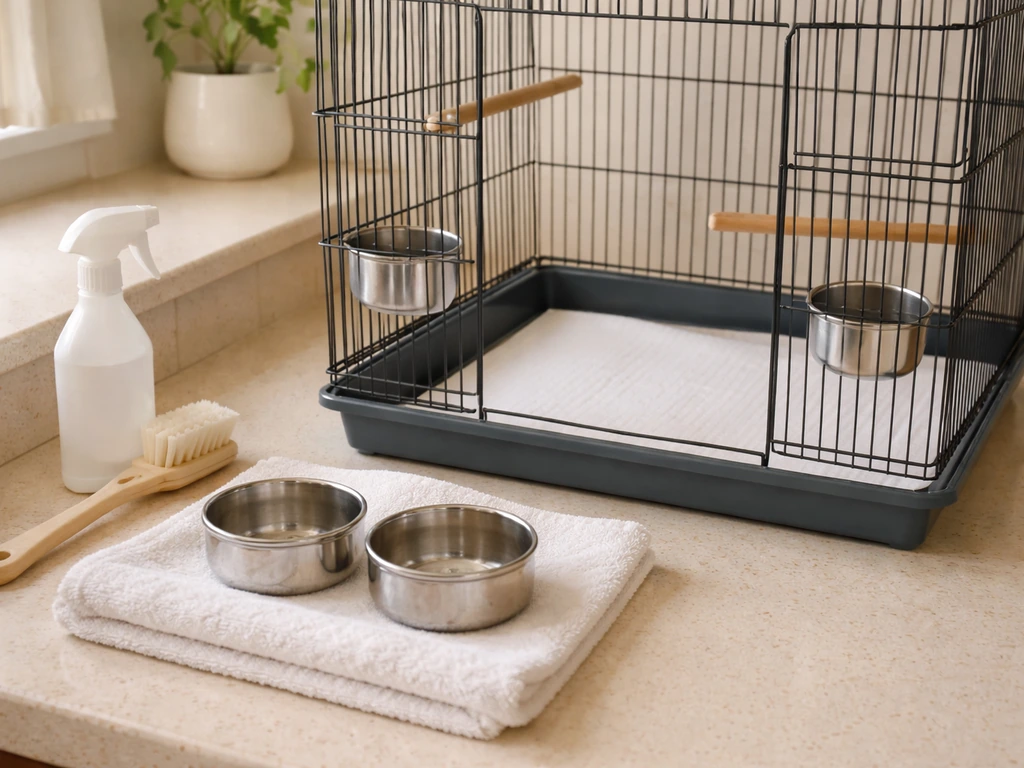
Change cage liners daily, clean food and water dishes every day with hot water, and do a full cage disinfection weekly. Bacteria and fungal spores grow fast in warm bird droppings. A clean cage dramatically reduces the load of potential pathogens your bird is exposed to every day.
Control air quality
Switch to stainless steel cookware and avoid non-stick pans entirely. Don't use aerosol sprays, scented candles, plug-in air fresheners, or strong cleaning products anywhere near your bird. Make sure the room your bird is in has good fresh-air ventilation without cold drafts.
Quarantine new birds
Any new bird coming into your home should be kept in a completely separate room for at least 30 days before having any contact with your existing birds. Get the new bird examined by an avian vet before introduction. This single step prevents most disease transmission between pet birds.
Build a weekly check habit
Pick one day a week to do a quick health check. Hold your bird briefly and check for weight changes (the keel bone shouldn't feel sharp), feather condition, eye and nostril clarity, and any changes in behavior or droppings from that week. If you suspect your bird is acting unusually and keep noticing it, consider asking an avian vet about behavioral concerns that could be described as autism-like i think my bird has autism. Early detection makes a huge difference in treatment outcomes. A bird that's caught early is much easier to treat than one that's been declining for two weeks.
Also worth scheduling: an annual wellness visit with an avian vet even when your bird seems healthy. Baseline bloodwork gives you a comparison point if something does go wrong later, and vets often catch things owners miss during routine exams.
If you're also wondering whether your bird might be in pain or trying to figure out whether a different symptom is something to worry about, those questions about bird pain signals and general bird behavior changes follow a similar framework: watch carefully, act on the concerning signs quickly, and don't try to wait out anything that looks serious in a bird this small.
FAQ
If my love bird is sick right now, can I give it an antibiotic or pain medicine at home?
Do not offer medication or antibiotics unless an avian vet prescribes them. For temporary comfort, keep your lovebird warm (a stable, draft-free setting) and offer easily accessible fresh water and familiar food, but treat symptom onset as urgent if it is progressing, even slightly.
How can I tell if my love bird is having trouble breathing versus just looking tired?
A key decision point is whether you see any change in breathing. If there is tail bobbing, open-mouth breathing, rapid breathing, or wheezing, call an emergency avian clinic immediately, even if your lovebird is still perching and not fluffed.
My love bird has softer droppings, but it's eating some, should I still worry?
Yes, but it should not replace medical triage. If droppings change plus appetite drops, weight loss, or reduced vocalizing are present, arrange an avian vet visit within 24 hours. If droppings are mostly normal and your bird is otherwise active, monitor closely, but still call if anything worsens.
How do I know if my love bird is fluffed up because it is sleeping, or because it is sick?
A “fluffed up on the bottom” posture can be normal if your bird is sleeping, but sleep fluffs usually come with relaxed breathing, steady posture, and normal alertness when disturbed. If the bird stays fluffed, is unresponsive, has tail bobbing, or refuses food, treat it as an emergency.
My love bird isn’t eating. At what point does it become an emergency?
If your lovebird has stopped eating, you should act as if time matters. Provide a calm, warm environment and offer favored foods, but call an avian vet promptly if no eating happens for about 6 to 12 hours, sooner if breathing or droppings look abnormal.
What should I do in the first hour after noticing my love bird is sick, especially while I’m waiting for the vet?
Try to keep the environment stable and calm. Limit handling, avoid cleaning fumes or strong scents, and remove drafts. If you must transport, use a secure, ventilated carrier lined with something non-shedding and keep the temperature comfortable.
Can I force-feed my love bird if it won’t eat?
Do not attempt forced feeding with syringes or small amounts of food, unless your avian vet instructs you to do so. Aspiration is a real risk in sick birds. For now, focus on warmth, water access, and a rapid vet evaluation.
How can I tell if my love bird sick symptoms are from mites versus something else?
Mites can sometimes be visible as tiny moving dots on feathers or skin, but many infestations are subtle early. If you see restlessness, feather damage, or scaling, treat it as a vet visit, because the correct medication depends on the exact parasite and life stage.
My love bird is quieter than usual, is it just stress?
A single night of reduced singing is sometimes stress-related, but reduced vocalizing alongside other changes (fluffed posture, appetite loss, abnormal droppings, or reduced activity) is a stronger warning. If multiple symptoms cluster, do not wait.
What if my love bird got sick after I cooked or cleaned, how urgent is it?
If toxins are involved, rapid action is critical. Remove the bird from the area immediately, ventilate the room, and contact an avian vet or emergency clinic right away, especially if the onset was after cooking, using cleaning chemicals, or exposure to smoke or paint fumes.
What information or samples should I bring to the vet when my love bird is sick?
For best diagnostic accuracy, bring a recent sample if you can. Collect a small amount of droppings in a clean container and note when the change started, what the bird ate, any new foods or treats, and any environmental changes in the last few days.
Once my love bird improves, how do I prevent it from getting sick again from diet changes?
After recovery, avoid abrupt diet shifts. Even when transitioning from seeds, move slowly over weeks, and keep fresh vegetables offered daily. Watch for temporary stool changes, but if droppings become progressively abnormal or appetite drops again, call the vet.