
If your bird is bringing up seeds after eating, it is most likely regurgitating rather than truly vomiting, and the two are very different things with very different causes. Regurgitation can be completely normal (think courtship or bonding behavior), mildly concerning (overeating, feeding too fast), or a sign of a crop infection, blockage, or something toxic. True vomiting is almost always a medical red flag. The key is knowing which one you are actually seeing and what else is going on with your bird right now.
Why Is My Bird Vomiting Seeds? Causes and What to Do

Marcus Chen
18 May 2026
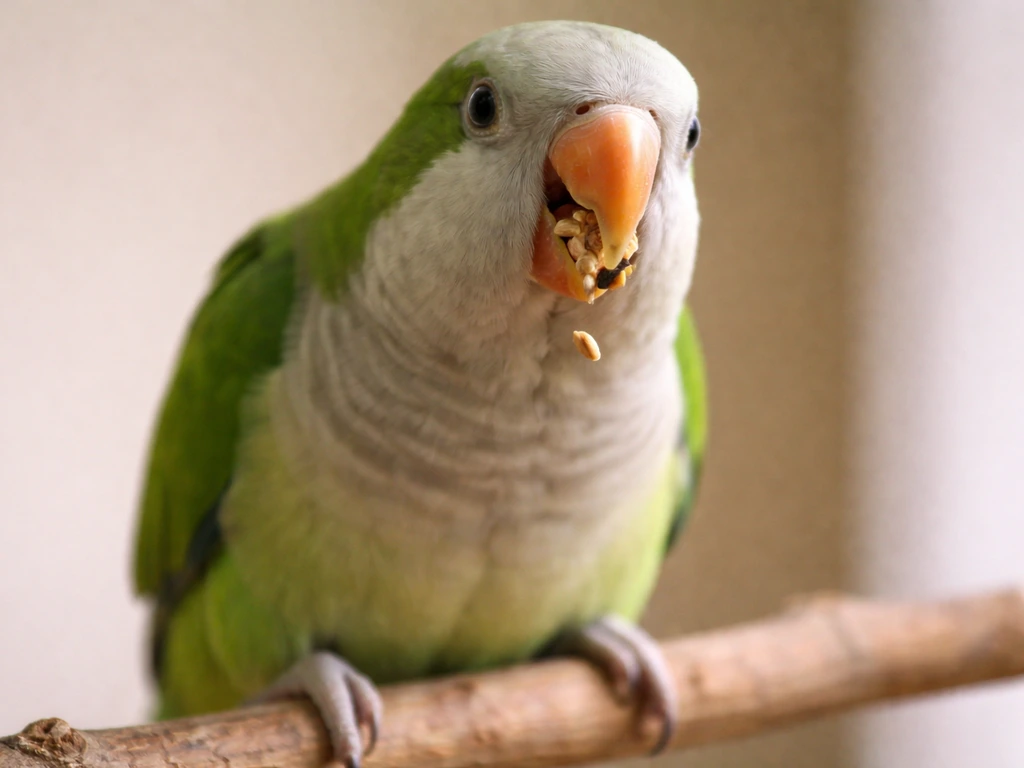
What 'vomiting seeds' usually looks like in birds
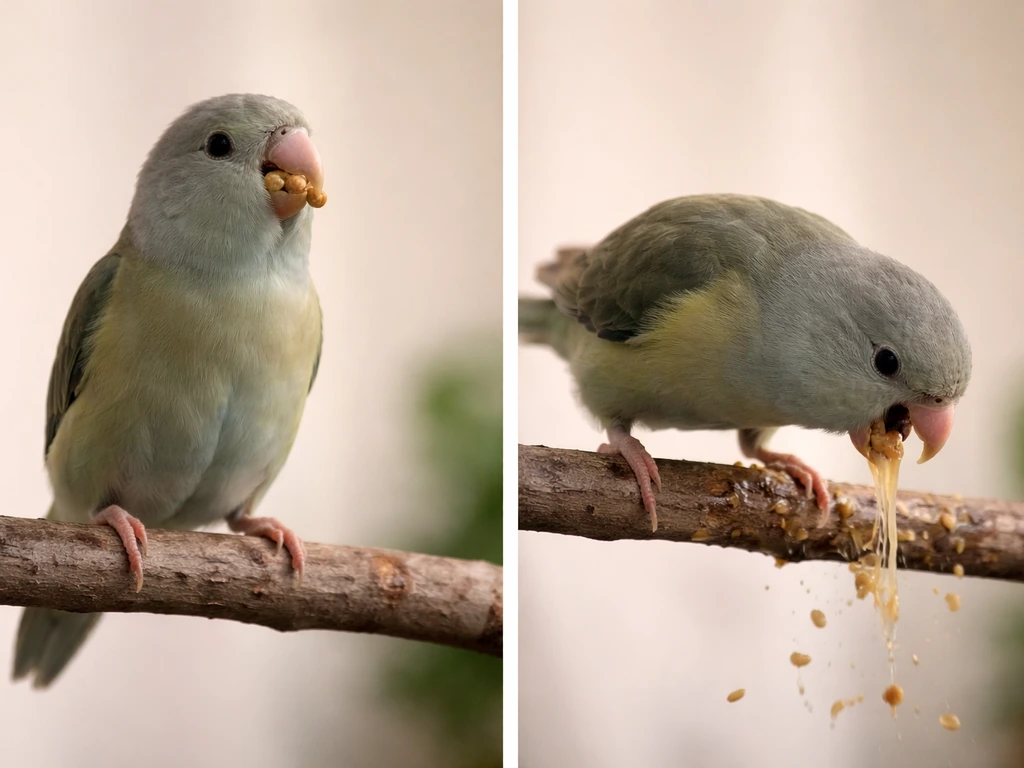
Most of the time when bird owners say their bird is 'vomiting seeds,' what they are watching is regurgitation. The bird stretches its neck out and bobs its head a few times, then brings up whole or barely digested seeds, often depositing them on a perch, toy, mirror, or even on you. The material looks pretty much like what went in: recognizable seeds, maybe slightly damp or partially softened, with little to no smell.
True vomiting looks messier and more forceful. The material gets flung or splattered around, and you may notice a sour or acidic smell because it is coming from further down the digestive tract. You might also see seeds mixed with liquid, mucus, or slime. In vomiting, the bird usually looks distressed and does not appear to be doing it on purpose.
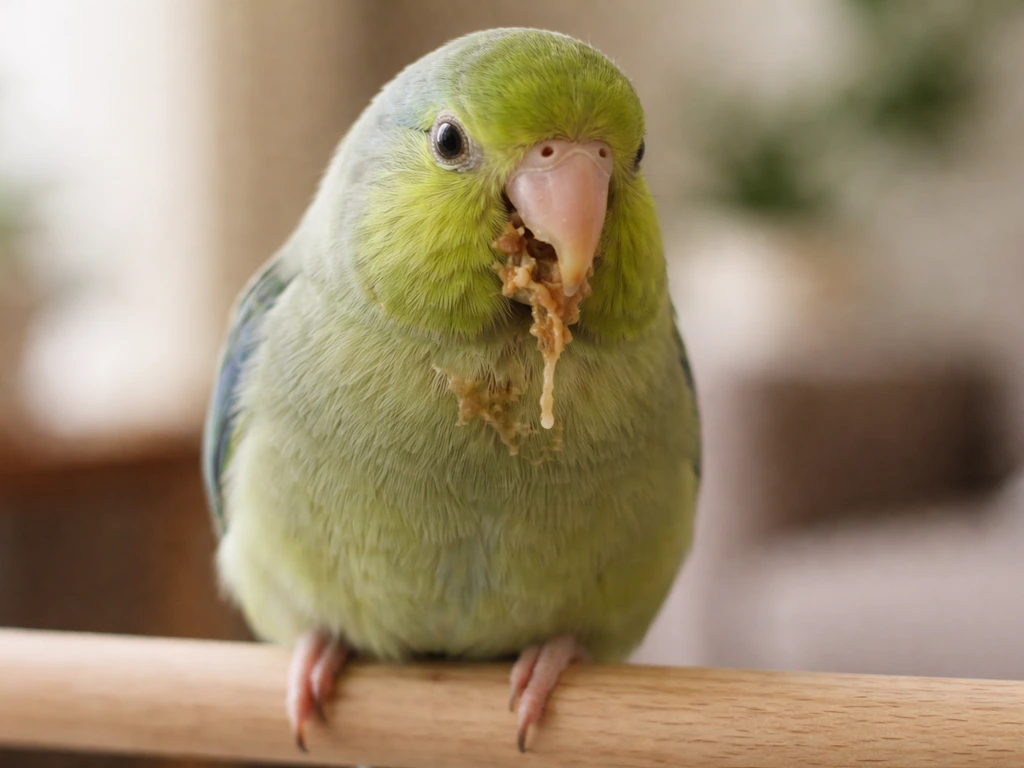
Also pay attention to where the expelled material ends up. A bird that regurgitates neatly onto a favorite toy or toward you is probably doing it deliberately. A bird with food stuck in its feathers around its head, beak, and chest has almost certainly been vomiting or expelling material forcefully and uncontrollably, and that is worth taking seriously.
How to tell regurgitation from true vomiting (and why it matters)
The difference between regurgitation and vomiting is one of the most important things to understand before you decide what to do next. They look similar at a glance but mean completely different things.
| Feature | Regurgitation | True Vomiting |
|---|---|---|
| Head movement | Deliberate head-bobbing, neck stretching | Little or no head-bobbing; more involuntary |
| Material appearance | Whole or lightly softened seeds, minimal odor | Slimy, liquid-mixed, or sour-smelling material |
| Where it lands | Targeted: toy, mirror, perch, person | Scattered, stuck to feathers/beak/chest |
| Bird's demeanor | Alert, calm, may seem proud or focused on a target | Distressed, hunched, fluffed, or lethargic |
| Frequency | Occasional, often linked to social context | Repeated, unpredictable, not context-dependent |
| Medical urgency | Possibly normal; monitor closely | Almost always requires vet evaluation |
Regurgitation is a voluntary act that birds have full control over. Vomiting is not. If your bird is repeatedly expelling material it did not choose to expel, or if the material smells sour or acidic, treat that as a medical situation and move quickly toward a vet call.
Common reasons birds regurgitate seeds (not always serious)
Bonding and courtship behavior
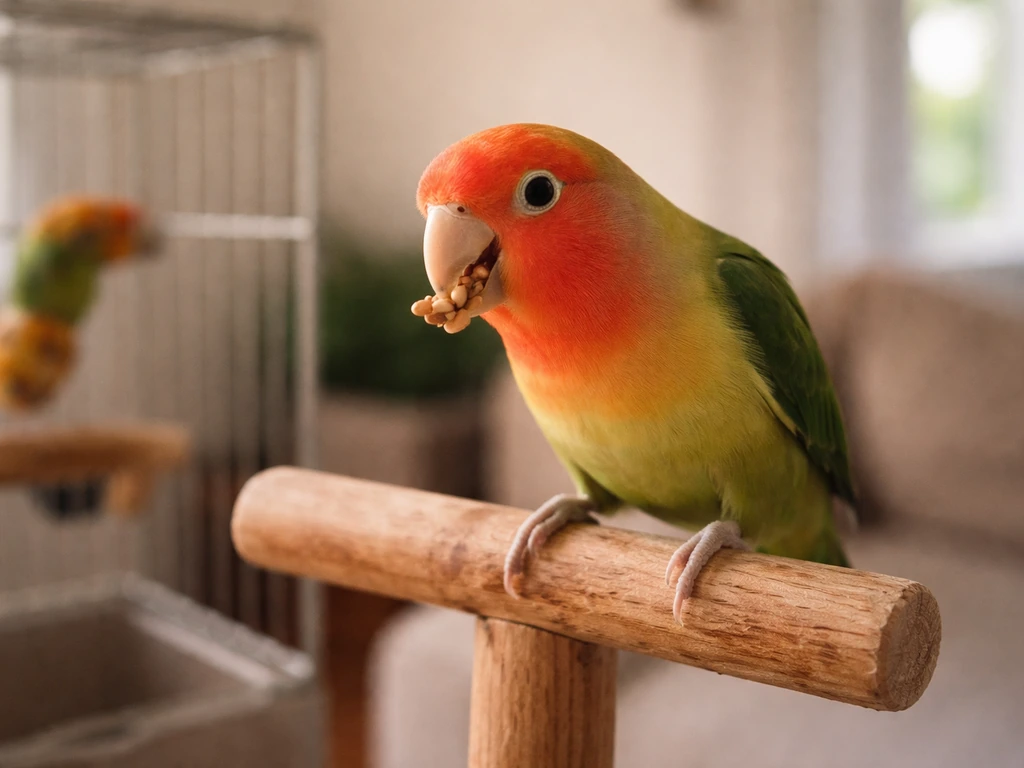
This is probably the most common reason a healthy bird regurgitates. Birds feed each other as a bonding ritual, and pet birds extend this to their favorite people, toys, or mirrors. If your bird bobs its head toward you or its reflection and brings up seeds, it is probably telling you it loves you. This is normal and nothing to worry about on its own.
Eating too fast or too much
Birds that are very food-motivated will sometimes bolt their seeds, fill the crop too quickly, and bring some back up. This can happen after a bird has been without food (or thinks it has), or simply because a favorite food was offered. If it happens once after a big meal and the bird is otherwise acting normally, it is likely just overindulgence.
Breeding season hormonal changes
During breeding season, regurgitation ramps up significantly because it is part of nest-feeding instinct. Both male and female birds can do this. If you notice it happening more in spring or during long-daylight months and your bird is otherwise healthy, hormones are probably driving it.
A new food or diet change
Introducing a new seed mix, a fresh food, or softened/soaked seeds can sometimes cause a bird to regurgitate as its crop adjusts. If you recently changed something in the diet and the regurgitation started around the same time, simplifying back to the usual diet for a few days is a reasonable first step.
Stress
A stressful environment, a new household member, being moved to a new location, or loud disruptions can cause stress-related regurgitation. It is worth thinking about whether anything changed in your bird's environment recently.
Illness red flags: crop problems, infections, parasites, and toxins
Crop stasis and sour crop
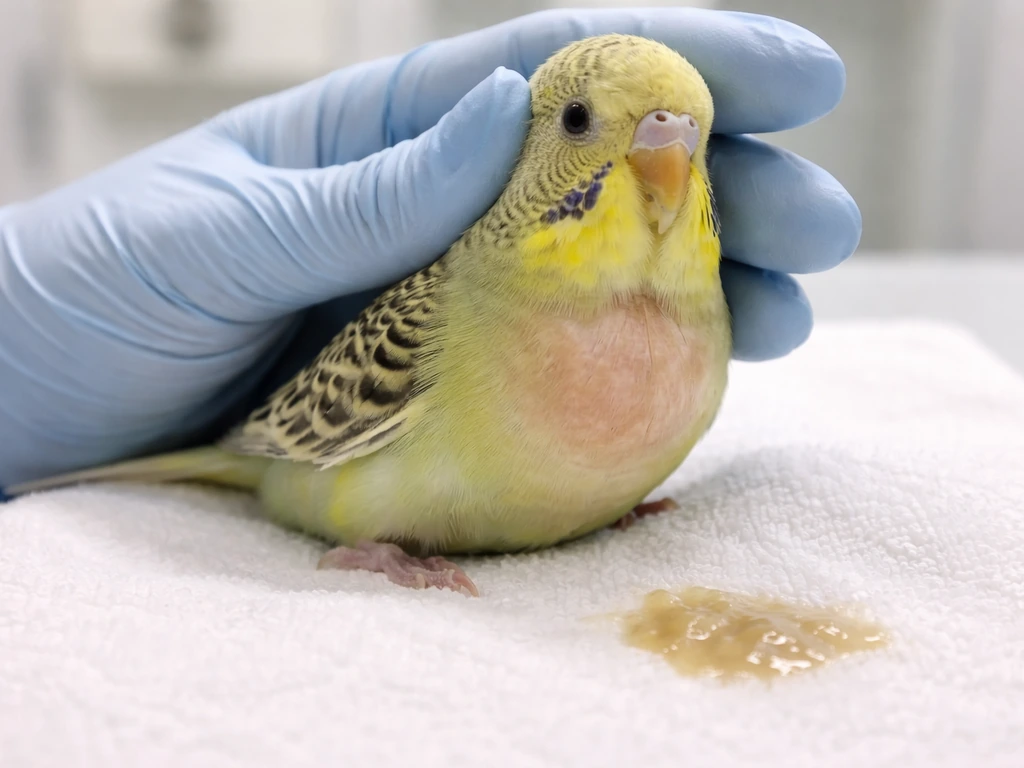
The crop is the pouch at the base of your bird's throat where food sits before moving into the digestive system. Normally the crop empties within a few hours of eating. When it stops emptying properly, that is called crop stasis, and it creates a breeding ground for yeast and bacteria. Signs include a visibly swollen or doughy crop that feels full long after eating, sour-smelling regurgitated material, reduced appetite, lethargy, and dehydration.
This is not something that resolves on its own and needs veterinary attention. SpectrumCare advises immediate veterinary attention when a parakeet has a swollen crop that is not emptying, including signs such as regurgitation, reduced appetite, weight loss, fluffed feathers, or a sour odor, and even more urgently if the bird is weak, sitting low, breathing hard, vomiting repeatedly, or has stopped eating immediate veterinary attention for a swollen crop that is not emptying.
Yeast overgrowth (Candida / sour crop)
Candida is a yeast that can overgrow in the crop, particularly after antibiotic treatment that disrupts normal gut flora, in birds with poor diet, or in young birds. Signs include regurgitation after eating, a distended crop that may feel full of mucus or liquid, fluffed feathers, little to no appetite, and lethargy. Sometimes you can see white or creamy patches in the mouth. This needs antifungal treatment from a vet.
Bacterial crop infections
Bacterial infections in the crop produce very similar signs to yeast: a distended crop, foul-smelling regurgitated material, and a sick-looking bird. The crop may feel fluid-filled when you gently palpate it. These require diagnosis and antibiotic treatment from a vet because the wrong treatment (or no treatment) will make things worse.
Parasites
Trichomoniasis is a parasitic infection that affects the mouth, throat, esophagus, and crop. Signs include difficulty swallowing, drooling, regurgitation, and open-mouth breathing. You may also see yellow-white plaques in the throat. Giardia can cause GI upset and diarrhea, with droppings sometimes described as having a 'popcorn' appearance. Diarrhea can also be caused by intestinal parasites like Giardia, which requires veterinary diagnosis and specific treatment. Both require veterinary diagnosis and specific treatment.
Toxin exposure
Vomiting and regurgitation can also be triggered by toxin exposure. Zinc toxicity (from galvanized wire cages, certain toys, or hardware) is a well-known culprit and can cause regurgitation along with weakness, increased thirst, and weight loss. Lead toxicity causes weakness and neurological signs alongside GI upset. Household hazards like fumes from aerosol sprays, oven cleaners, bleach, ammonia, pesticides, perfumes, certain plants (calla lilies, mistletoe, poinsettia), and gasoline can all cause acute GI and respiratory symptoms. If your bird suddenly became sick and you think it may have been near any of these, that is an emergency situation.
Proventricular dilatation disease (PDD)
If your bird has been regurgitating on and off for weeks or months and you are also noticing weight loss and undigested seeds appearing in the droppings, PDD is a possibility worth raising with a vet. It is a neurological disease affecting the digestive tract that causes chronic, hard-to-explain regurgitation and gradual wasting. It requires veterinary workup to diagnose.
What to check right now: a quick home observation guide
Before you call the vet or try anything at home, spend a few minutes observing your bird carefully. Here is what to look at and what each sign tells you.
- Frequency: Did it happen once after a meal, or is it happening repeatedly throughout the day? Repeated vomiting or regurgitation through the day is a red flag.
- Timing: Did it happen right after eating (possible overeating), hours after eating (possible crop stasis), or unpredictably (more concerning)?
- Appearance of expelled material: Whole, barely-wet seeds with no odor are less alarming. Slimy, sour-smelling, or liquid-heavy material is more concerning.
- Posture and energy: Is your bird sitting upright and alert, or is it fluffed, hunched, or sitting low on the perch? Fluffing and lethargy are illness signals.
- Appetite: Is your bird still eating and showing interest in food, or is it ignoring food entirely?
- Droppings: Are they normal in color and consistency? Watery droppings, very reduced fecal output, or unusual colors can indicate illness. For more on this, diarrhea and watery droppings in birds are closely related concerns worth watching.
- Crop: Look at the base of the throat. Is it visibly swollen hours after eating? Does the area look distended or feel doughy or fluid-filled when gently touched?
- Breathing: Is your bird breathing normally, or do you notice open-mouth breathing, tail-bobbing, or any audible sounds (wheezing, clicking)? Labored breathing alongside vomiting is an emergency.
- Feathers around the beak and head: Staining or crusting suggests uncontrolled vomiting rather than voluntary regurgitation.
- Smell: A sour or foul smell coming from the mouth or the expelled material points strongly toward a crop infection.
What you should do today: safe home steps
If your bird had one episode, is acting completely normal, and the material looked like whole seeds with no smell, start here. These steps are safe to try while you keep watching closely.
- Slow down feeding: If your bird rushes food, try offering smaller portions more frequently rather than one large serving. This reduces the chance of crop overload.
- Simplify the diet temporarily: If you recently introduced a new food, go back to the usual diet for a few days and see if the regurgitation stops.
- Remove mirrors and triggering objects: If the regurgitation seems directed at a mirror or a specific toy, your bird may be over-stimulated. Removing the trigger reduces hormonal or bonding-driven regurgitation.
- Keep feeding calm and routine: Avoid exciting or stressful interactions right around feeding time. A calm, consistent routine helps digestion.
- Make sure fresh water is available: Hydration matters, especially if a bird has lost fluid through vomiting. Keep clean water accessible at all times.
- Watch for 24 to 48 hours: If it was a single episode with no other symptoms, monitor carefully. If it happens again, escalate to a vet call.
- Do not try to massage or squeeze the crop yourself: This is a common impulse but can cause serious harm. Leave any crop manipulation to a vet.
- Do not withhold food entirely: Unless directed by a vet, do not starve the bird thinking it will 'reset' things. Birds have fast metabolisms and can deteriorate quickly without food.
When to call an avian vet (and when to go right now)
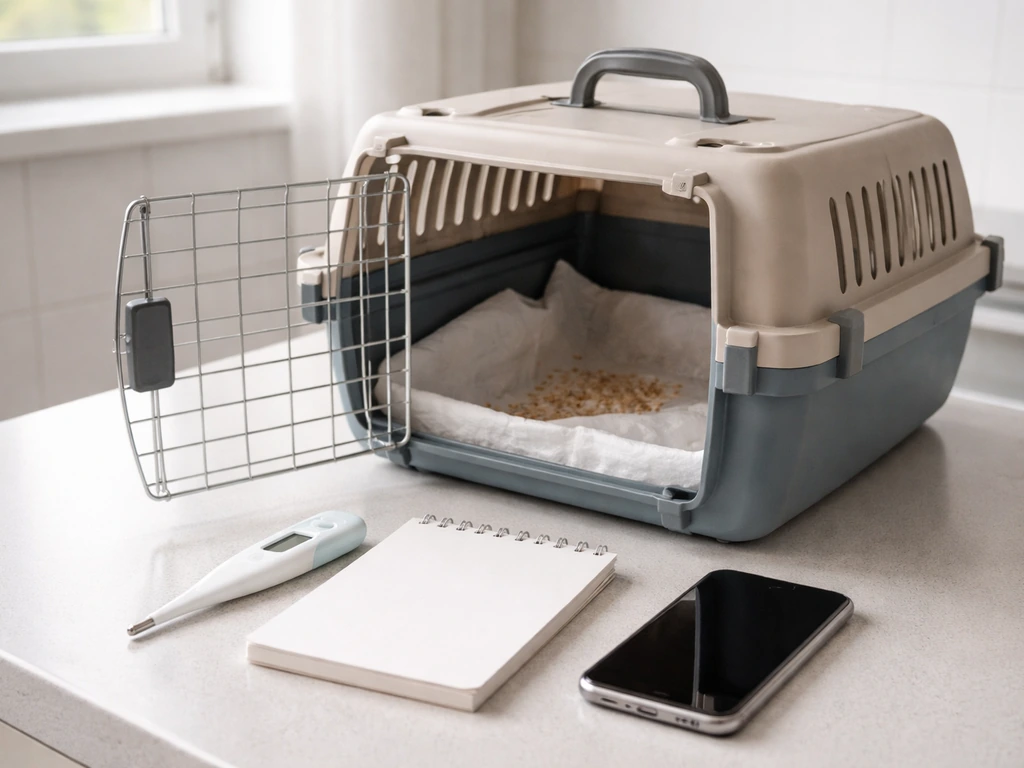
Bird symptoms can escalate fast. They hide illness well because showing weakness in the wild means becoming prey, so by the time a bird looks obviously sick, it has often already been unwell for a while. Do not wait and see if any of the following apply.
Call your avian vet within a few hours or get to an emergency clinic immediately if you see any of these:
- Repeated vomiting or regurgitation throughout the day, not linked to a specific social or feeding context
- Sour, acidic, or foul smell from the expelled material or from the bird's mouth
- Visibly swollen, distended, or firm crop that has not emptied several hours after eating
- Fluffed feathers, lethargy, hunching, or sitting low on the perch
- Open-mouth breathing, tail-bobbing, wheezing, or any other sign of respiratory distress (this is an emergency)
- Stopped eating entirely or showing zero interest in food
- Food or staining matted into feathers around the head and beak (sign of uncontrolled vomiting)
- Suspected toxin exposure: new cage hardware, fumes in the home, access to a hazardous plant or household chemical
- Watery droppings, no droppings at all, or droppings with unusual color or consistency alongside vomiting
- Visible white or yellow plaques in the mouth or throat
- Weight loss you can feel when holding the bird (prominent keel bone)
- Neurological signs: tremors, weakness, loss of coordination
One useful threshold from avian care guidance: if your bird is showing vomiting or regurgitation alongside other illness signs, contacting a vet within eight hours is a reasonable benchmark. If your bird seems to be vomiting repeatedly, it is especially important to treat it as a medical issue and get an avian vet involved promptly vomiting or regurgitation. If breathing is involved or the bird is weak and not responding normally, that is a same-day emergency, not a 'wait until Monday' situation.
Preventing it from happening again
Move toward a more balanced diet
Seeds are high in fat and low in many nutrients birds need, and an all-seed diet is a known factor in crop and overall health problems. Most avian vets recommend transitioning to a high-quality pellet diet as the base, with seeds offered as a smaller portion or occasional treat. Transition slowly, over weeks, mixing pellets in gradually, so the crop has time to adjust and the bird does not refuse food entirely.
Soaking seeds (when appropriate)
For some species, soaking seeds overnight makes them easier to digest and reduces the crop's workload. If you do soak seeds, make sure they are offered fresh and any uneaten portion is removed within a few hours. Wet seeds sitting in a warm environment grow bacteria and yeast rapidly, which can cause exactly the kind of crop infection you are trying to prevent.
Portion control and feeding routine
Offer measured portions rather than a constantly topped-up bowl. This prevents gorging and also lets you monitor how much your bird is actually eating each day, which is one of the earliest indicators of illness. A consistent feeding schedule also reduces anxiety-driven eating.
Keep food and water dishes clean
Dirty dishes are one of the easiest ways for yeast and bacteria to get into your bird's crop. Dirty dishes are one of the easiest ways for yeast and bacteria to get into your bird's crop water dishes clean. Wash food and water dishes daily with hot soapy water and rinse thoroughly. Replace water at least once a day, more in hot weather.
Reduce environmental stressors
Chronic stress suppresses immune function and disrupts digestion. Keep your bird's environment stable: consistent light cycles, a predictable routine, a safe sleeping space away from drafts and predator-like stimuli (including dogs, cats, and loud sudden noises), and regular out-of-cage time if appropriate for your species.
Schedule routine avian vet checkups
Annual wellness exams with an avian vet catch crop problems, yeast overgrowth, parasite loads, and nutritional deficiencies before they become emergencies. Many owners skip these because their bird 'seems fine,' but by the time symptoms appear, problems are often already advanced. A yearly check is one of the best investments you can make in your bird's long-term health.
FAQ
How can I tell if this is regurgitation I can watch versus true vomiting that needs the vet right away?
If it is regurgitation, you can usually pause and observe, then adjust diet or schedule, but if you suspect true vomiting or any red flags (sour smell, mucus or liquid, splattering, repeated forceful episodes, drooling, open-mouth breathing, weakness), treat it as urgent and call an avian vet promptly rather than waiting for it to pass.
My bird only regurgitates with one seed mix or one treat, what should I do?
If the bird is regurgitating after only one specific food, start by removing that item for now (including new seed mixes, soft foods, and soaked seeds) and return to the previous stable diet. Keep other changes (new toys, new location, new cage items) off-limits until you understand whether the trigger is dietary or environmental.
Can I help my bird by flushing the crop, syringing food, or changing feeding right away?
Do not force-feed or try to induce vomiting. Instead, offer normal food choices in small, measured portions and ensure warmth and quiet. If the crop looks swollen, feels doughy, or the bird keeps regurgitating after meals, plan for a same-day avian vet assessment rather than home attempts.
What does a “normal once in a while” episode look like, and when is it no longer normal?
A one-off incident is more likely to be regurgitation from bonding or overfull crop, especially if the bird is bright, breathing normally, and the expelled material looks like recognizable seeds without a sour smell. If it happens repeatedly, increases in frequency, or comes with weight loss, decreased appetite, fluffed feathers, or diarrhea, it is more consistent with a medical problem.
Is it safe to soak seeds overnight if my bird keeps bringing them back up?
Soaked seeds can help some birds, but only if they are fresh, kept cool until feeding, and any leftover is discarded quickly. If you suspect infection, stop soaking temporarily and use your baseline diet, then watch whether symptoms improve over the next few days while you contact a vet if they do not.
Could my pellet transition be causing the “seed vomiting,” and how do I adjust it?
If you are transitioning to pellets, use a slow mix and avoid sudden swaps. If regurgitation starts right after introducing a new pellet brand or texture, revert to the prior pellet routine (or the last tolerated mix) and resume gradual changes with smaller pellet proportions.
Does feeding too many seeds actually make crop problems worse?
Yes. Mixed seeds with high fat or frequent treats can contribute to crop workload and overall nutrition imbalance. Aim for measured portions and prioritize pellets as the base diet, then limit seeds to a smaller daily or occasional amount until a vet has ruled out crop infection or other causes.
What should I write down or photograph for the avian vet when my bird is bringing up seeds repeatedly?
For chronic or repeated episodes, track four things for the vet: time relative to meals, crop size (especially before and after eating), whether expelled material smells sour, and whether there is weight change or droppings that look undigested. Taking a clear photo of the droppings and the expelled material (if safe) can also speed diagnosis.
Could this be poisoning, and how do I figure out what exposure triggered it?
Because plants and household chemicals can be involved, do a quick safety audit: remove access to pesticides, aerosols, scented products, and any chewing access to wires or hardware. If symptoms started right after an exposure you can identify (new spray, fumes, new plants, galvanized items), treat it as an emergency and do not wait for symptoms to improve.
My bird seems to swallow awkwardly and sometimes drools, is that still “just regurgitation”?
If you notice yellow-white plaques, drooling, open-mouth breathing, or clear difficulty swallowing, that pattern is concerning for a throat or esophageal problem and warrants prompt avian vet evaluation. Breathing changes and inability to swallow should be treated as same-day urgency rather than “monitor at home.”
My bird acts mostly normal but has regurgitation episodes for weeks. Should I still seek help even if it is not getting worse fast?
Do not delay wellness care if your bird is otherwise acting normal but episodes are happening on and off. A recurring pattern over weeks can point to crop stasis, yeast or bacterial overgrowth, parasites, or other diseases that still need treatment, not just diet tweaks.
Next Articles
Why Is My Bird Pooping in Water? Causes and What to Do
Bird pooping in water: causes, quick checks, when it signals illness, and exact cage and cleaning fixes.
Why Does My Bird Have Diarrhea? Causes, Red Flags, and What to Do
Identify true bird diarrhea vs mess, find common causes, run a today checklist, and know urgent vet red flags and safe s
Why Is My Bird Regurgitating So Much? Causes and Next Steps
Learn causes of frequent bird regurgitation, how it differs from vomiting, and what to do now or when to see a vet.