If you caught your bird pooping into its water dish, the most likely explanation is simple cage geometry: a perch is positioned directly above or too close to the bowl, and your bird is doing what birds do. That said, "watery" droppings are a different problem entirely, and they can be a genuine health signal. The key is figuring out which situation you're actually dealing with before you do anything else.
Why Is My Bird Pooping in Water? Causes and What to Do
Marcus Chen
13 May 2026
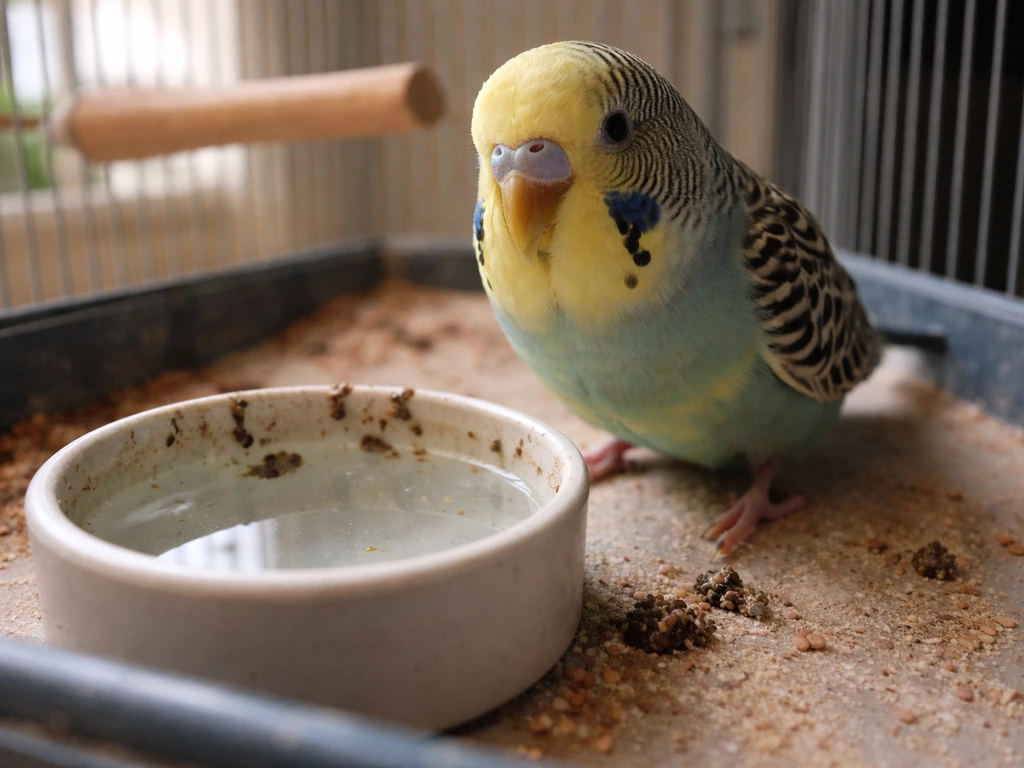
Normal vs. concerning: is this just messy drinking or true "water poop"?
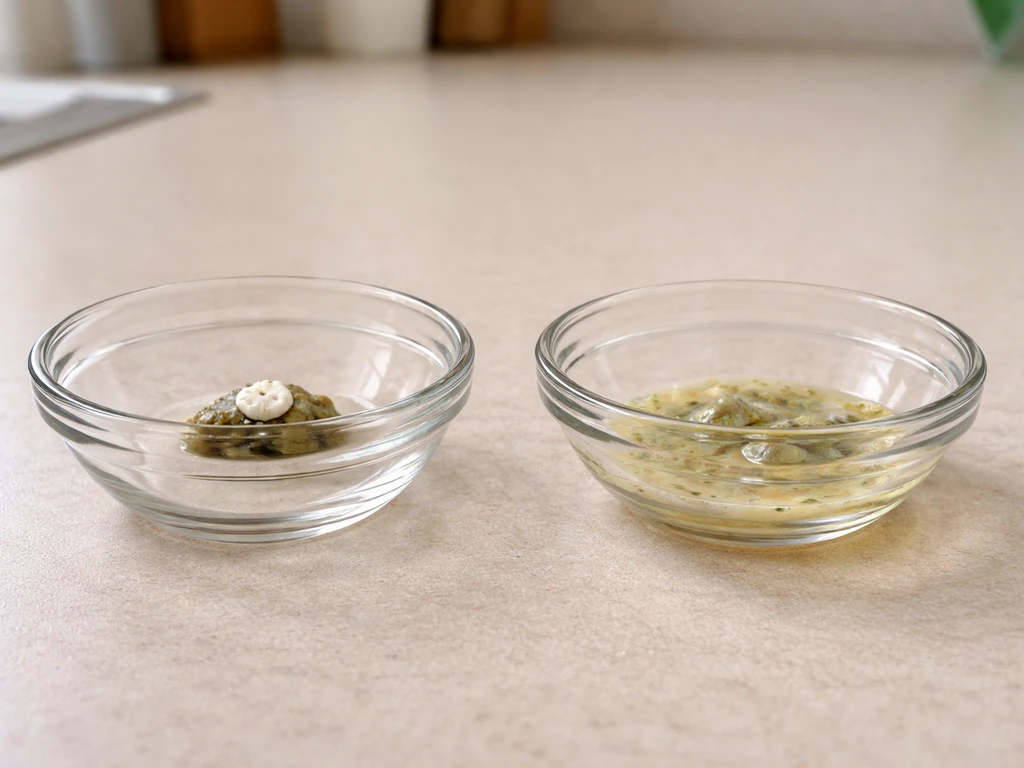
First, a quick clarification on terms. "My bird is pooping water" usually means one of two things: the bird is physically defecating into the water bowl, or the bird's droppings themselves look watery or liquid. These are very different problems and the fix for each is totally different.
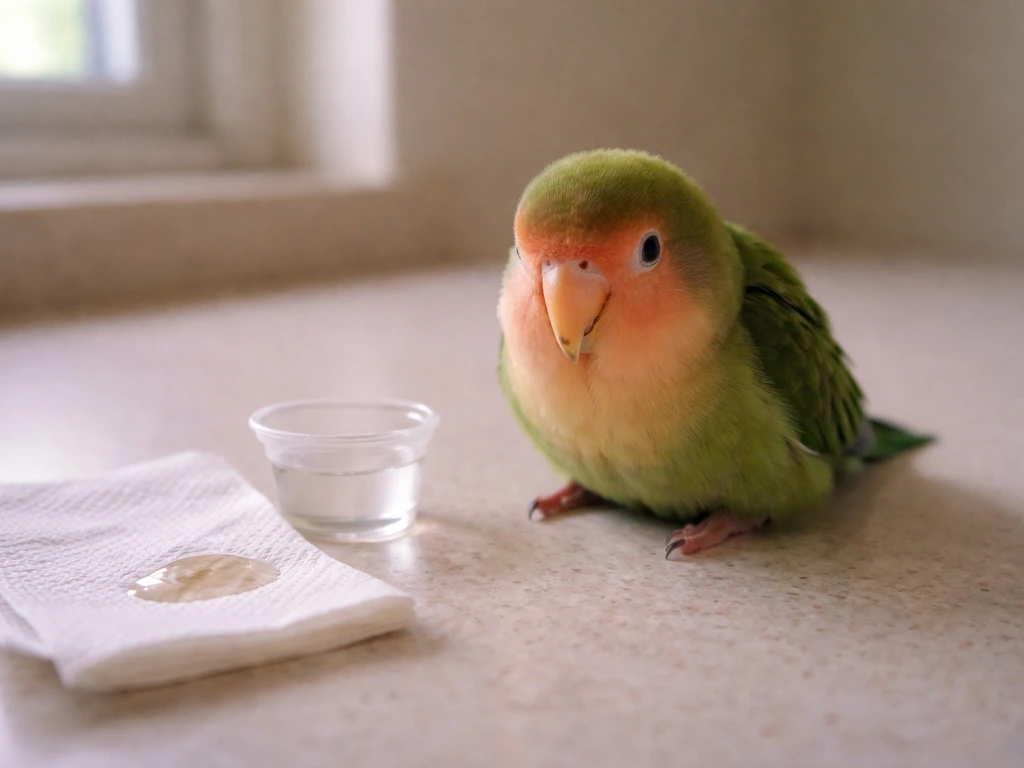
Normal droppings have three parts: a fecal portion (the green or brown solid), urates (the white or beige chalky part), and a small amount of clear liquid urine. If the fecal portion is still well-formed and you're just seeing a little extra liquid around it, that's often not diarrhea at all. It's called polyuria, meaning more urine than usual, and it can happen after your bird eats high-water fruits or vegetables, or simply after drinking more than usual. The feces themselves staying formed is the key reassurance here.
True diarrhea is different. The fecal portion becomes unformed, almost indistinguishable from the urine and urates, and the whole dropping looks like a watery smear. That's when you need to pay closer attention. A one-off loose dropping after a big piece of melon is not the same as droppings that consistently look like puddles with no structure.
Common reasons droppings end up in the water dish
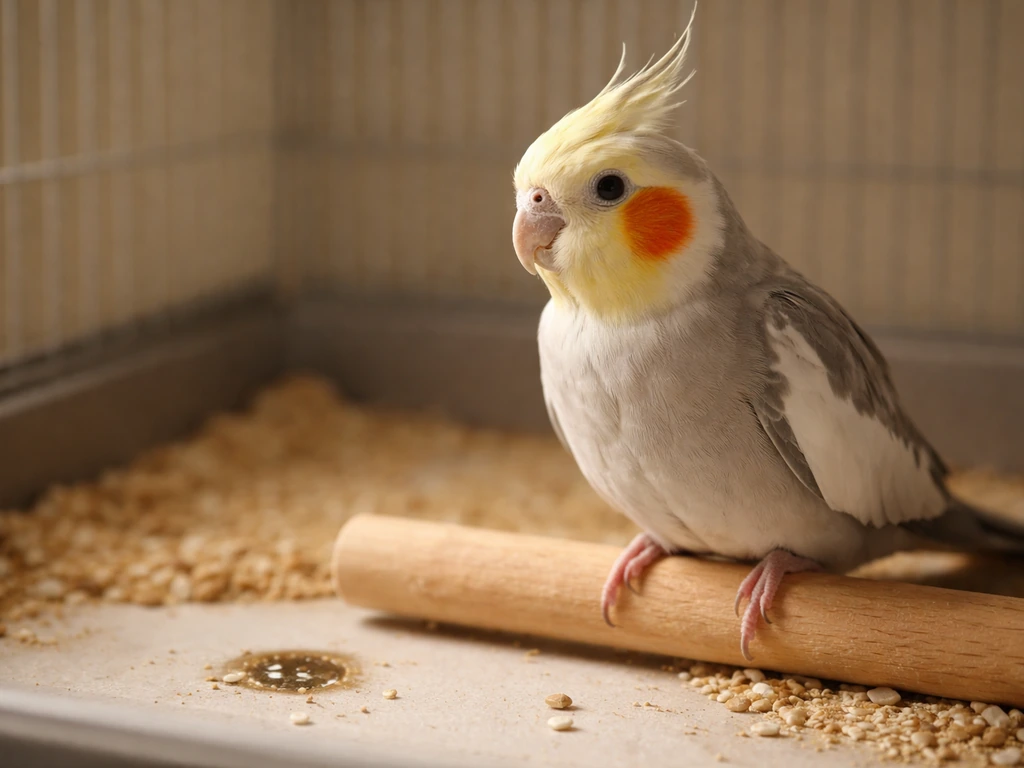
This is the most underrated cause, and honestly it's the one that applies to most people asking this question. Birds poop where they sit, and if a perch runs over or very close to the water bowl, the bowl becomes a target by default. It's not a sign of anything wrong with your bird. It's a cage layout issue.
- A perch is directly above the water bowl, so droppings fall straight in.
- The water dish is placed in a corner or low spot in the cage where droppings naturally accumulate.
- Your bird likes to sit on the edge of the dish while drinking, and ends up pooping there.
- Your bird uses the bowl for splashing and bathing as well as drinking, which increases time spent over or in it.
- A territorial or bored bird deliberately perches near the bowl as a favored resting spot.
None of these reasons signal illness on their own. If your bird is acting normal, eating well, and the droppings themselves look healthy when you catch one on cage paper, this is almost certainly a setup problem rather than a health problem.
Health-related causes of genuinely watery droppings
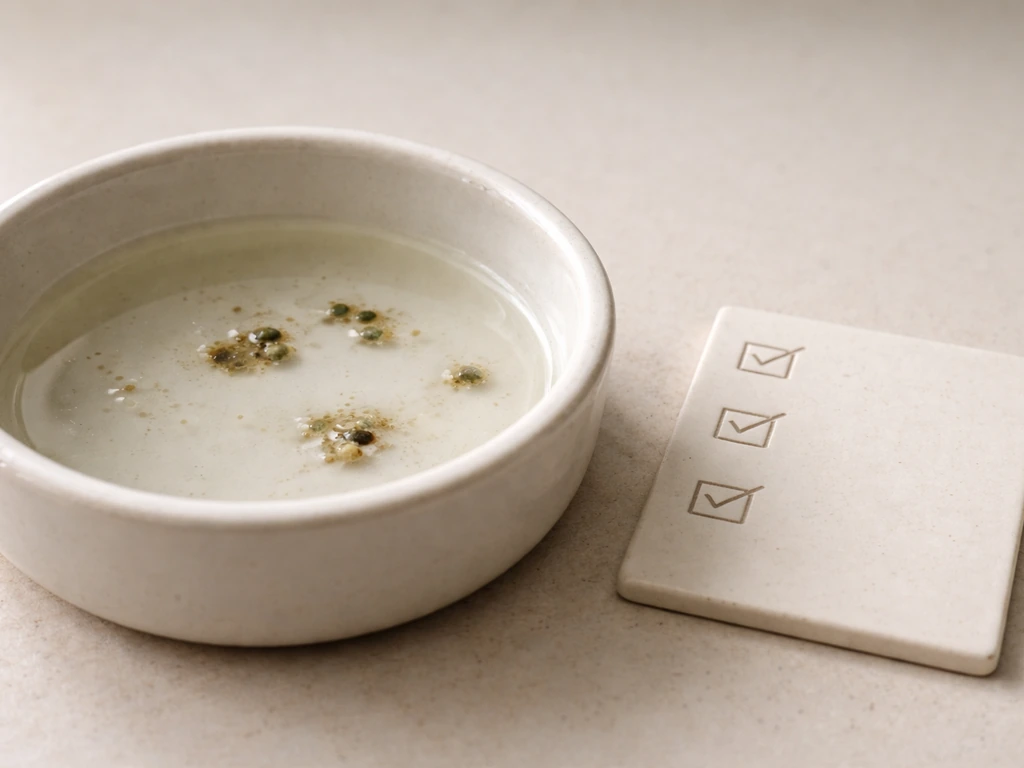
When the droppings themselves are watery or unformed, rather than just landing in the bowl, health causes are worth considering. Here are the main ones:
Diet and temporary digestive upset
A recent diet change, a large serving of watery fruit like watermelon or cucumber, or too many leafy greens can all produce wetter-than-normal droppings. This usually resolves within a day or so once diet goes back to normal. It's one of the most common reasons owners notice looser droppings and it doesn't require a vet visit unless it persists.
Stress
Stress is a real physiological trigger in birds. A new pet in the house, cage repositioning, loud noises, or a change in your schedule can all cause temporary digestive changes including looser droppings. If you've recently changed something in your bird's environment, this is worth factoring in.
Bacterial, yeast, or parasitic infection
GI infections are a real concern when watery droppings persist. Bacteria, yeast overgrowth, and parasites like Giardia can all cause diarrhea in pet birds. Giardia specifically can produce droppings that look bubbly, aerated, or like popcorn, and it spreads through contaminated food, water, and surfaces. This matters because a contaminated water dish can both reflect and worsen a Giardia situation. It's also worth knowing that some avian parasites like Giardia can potentially spread to humans, so keeping the setup clean isn't just about your bird.
Kidney disease or diabetes
Polyuria, where there's a noticeably large amount of clear urine around otherwise normal-looking droppings, can sometimes signal kidney disease or diabetes in birds. If you're seeing this consistently and you haven't changed your bird's diet, it warrants a vet visit. The fecal portion in these cases often still looks normal, which distinguishes it from GI diarrhea.
Liver disease or infection
One of the clearer warning signs is a change in urate color. Urates should be white or beige. If they turn yellow or bright lime green, that's a flag for possible liver involvement or serious infection and needs prompt veterinary attention.
What to check today
Before you call a vet or change anything, spend five minutes doing a quick assessment. You want to gather as much information as possible because it'll help you decide what to do next and help your vet if you do need to call.
| What to observe | What normal looks like | What raises concern |
|---|---|---|
| Fecal portion of droppings | Formed, green or brown, distinct shape | Unformed, smeared, no clear shape |
| Urates | White or beige, chalky | Yellow, lime green, or absent |
| Urine (liquid part) | Small amount of clear liquid | Large pool of liquid surrounding feces |
| Smell | Mild or no odor | Strong or unusually foul odor |
| Frequency of watery droppings | Occasional after fruits/veggies | Consistently watery for 24+ hours |
| Bird's energy and posture | Alert, upright, active | Fluffed, hunched, sitting low on perch |
| Appetite | Eating normally | Reduced interest in food or water |
| Breathing | Quiet, regular | Tail bobbing, labored, or audible breathing |
| Blood in droppings | Absent | Any visible red or black discoloration |
Also look at your cage setup. Is there a perch over the water bowl? Is the bowl in a corner where droppings collect? When did you last clean the dish thoroughly, including scrubbing the corners where bacteria build up fastest? These answers matter as much as what the droppings look like.
How to fix it right now
Move the perches and the bowl
This is the single most effective immediate step for most birds. Reposition perches so none of them sit directly above the water dish. Move the water dish to a location in the cage that isn't underneath any perch at all. Many owners find that attaching the water dish to the side of the cage at mid-height, well away from perching areas, nearly eliminates the contamination problem overnight.
Use a better bowl or a bottle-style waterer
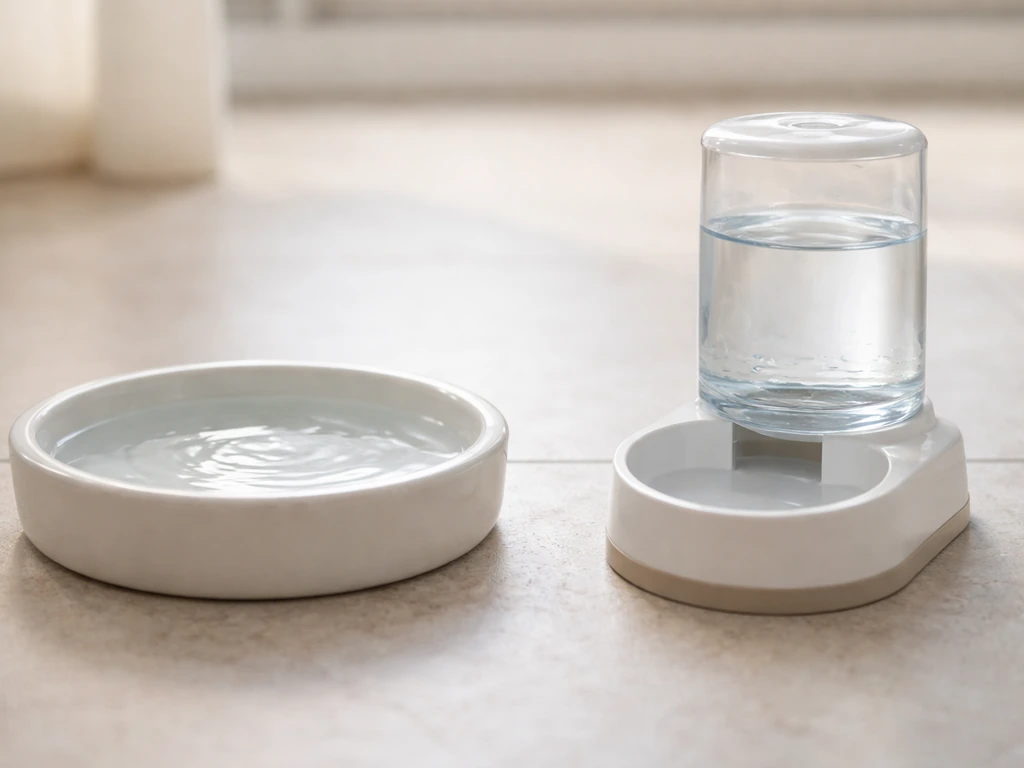
Wide, shallow dishes are the worst offenders because they're easy to land on and easy to poop into. A deeper, narrower cup style dish makes it harder for droppings to land in. Some owners switch to a sipper bottle or a tube-style water dispenser, which eliminates the contamination problem almost entirely. The downside is that some birds need training to use them, so don't pull the bowl until your bird is reliably drinking from the new setup.
Clean the dish properly and on schedule
Water should be changed daily, minimum. A bowl left sitting grows bacteria fast, especially once food particles from your bird's beak or droppings are introduced. The corners of the bowl are the hotspot: bacteria accumulate there and regular rinsing won't fully remove them. Use a small brush to scrub corners and crevices every day, not just a quick rinse. Avoid porous containers like unglazed ceramic or scratched plastic, both of which harbor bacteria even after washing. Stainless steel dishes are the easiest to keep actually clean.
Separate bath time from drinking water
If your bird uses its water dish for bathing, that's another major contamination source. Provide a separate shallow dish for bath time and remove it afterward, rather than leaving it in the cage all day. Keeping drinking water and bathing water separate keeps the drinking source cleaner and gives you better control over both.
When to call an avian vet
Don't wait to see if things improve on their own if any of these are true. PetPlace advises seeking veterinary attention if diarrhea is persistent or recurrent or if other symptoms occur, such as vomiting, lethargy, a change in appetite, or blood in the stool blank" rel="noopener noreferrer">persistent or recurrent diarrhea or other symptoms. If you are also seeing vomiting or undigested seeds, the cause may be more than just messy water droppings, and it is worth discussing with an avian vet why is my bird vomiting seeds. Birds hide illness well, and by the time symptoms are obvious, things can deteriorate quickly.
- Watery or unformed droppings lasting more than 24 hours with no clear dietary explanation.
- Urates that are yellow, lime green, or missing entirely.
- Any blood in the stool, or droppings that look black or tarry.
- Droppings that look bubbly, foamy, or like popcorn (possible parasitic infection).
- Your bird is fluffed up, sitting low, or not moving around the cage normally.
- Reduced appetite or complete refusal to eat or drink.
- Any change in breathing, including tail-bobbing or audible effort.
- Vomiting or regurgitation alongside watery droppings (these sibling symptoms together are a stronger red flag than either alone).
- Sudden weight loss or visible weight change.
When you call or visit an avian vet, bring as much information as you can. Note when the droppings changed, what they look like, how often you're seeing abnormal droppings, what your bird has eaten in the last 48 hours, and any behavioral changes you've noticed. If you can, collect a fresh dropping sample in a clean container or bag to bring with you. Fecal testing is one of the most direct ways a vet can identify bacterial, yeast, or parasitic causes, so a fresh sample is genuinely useful.
Prevention: keeping things clean and your bird's gut healthy
Once you've sorted the immediate situation, a simple routine will prevent most of this from coming back. The combination of good cage layout and a real cleaning schedule handles the vast majority of water contamination problems.
- Change drinking water every single day, no exceptions. Bacteria multiply fast in standing water, especially water contaminated with food or droppings.
- Scrub the bowl daily with a brush, paying special attention to corners and the interior base where biofilm builds up.
- Use stainless steel bowls where possible. They're non-porous, easy to clean, and don't retain bacteria the way plastic or unglazed ceramic can.
- Check perch placement every time you rearrange the cage. No perch should sit directly above any food or water dish.
- Offer fresh fruits and vegetables in moderate portions. Large amounts of high-water produce will reliably cause wetter droppings, which isn't dangerous but can alarm owners who aren't expecting it.
- Keep a baseline mental picture of what your bird's normal droppings look like so you can spot genuine changes quickly.
- If your bird is stressed by a change in environment, address the stressor directly rather than only treating the symptoms in the cage.
- Schedule a routine avian vet check-up at least once a year. Many underlying conditions are easier to catch and treat early before they cause obvious symptoms.
The bottom line is that most birds who end up pooping into their water dish are dealing with a cage setup problem, not a health crisis. But genuinely watery droppings that persist, especially alongside any behavioral changes, are a different story and deserve prompt attention. If you're specifically asking why your bird has diarrhea, persistent watery droppings are one of the key signs that diet, stress, or infection may be involved watery droppings that persist. If your bird is regurgitating, it can signal stress, diet issues, or a medical problem, so it helps to check underlying causes and watch for other symptoms. If your bird is throwing up, that can point to a different problem than just watery droppings, so it is worth assessing the pattern and seeking an avian vet if it keeps happening why is my bird throwing up. Trust your instincts: if something feels off about your bird today, it's always worth a call to an avian vet.
FAQ
How can I tell whether my bird is actually having diarrhea versus just dripping watery urine?
If the droppings are still formed (solid fecal part) but there is extra clear liquid, that pattern fits polyuria rather than true diarrhea. In that case, focus first on recent hydration and watery foods, then monitor for 24 hours after returning the diet to normal. If the dropping becomes unformed and looks like a watery smear repeatedly, switch your focus to possible diarrhea triggers and consider a vet call.
Could a specific food (like watermelon or leafy greens) make my bird’s droppings look watery?
Watery droppings can be triggered by what you fed in the last day or two. To narrow it down, list the exact foods offered (including fruits, leafy greens, and any new treats) and compare them to what you normally feed. If the pattern starts soon after higher-water foods and returns to normal within about a day, that supports a diet-related cause. If it persists beyond 24 to 48 hours or worsens, treat it as a health question rather than a setup issue.
Can dirty water dishes spread germs and make watery droppings worse?
Yes. If you suspect Giardia or another intestinal issue, a contaminated water dish can keep re-exposing the bird through surfaces and pooled water. Practical step: after removing the bowl, scrub with a bird-safe method approved for your situation (or replace the dish), then change the water at least daily, scrubbing corners and crevices every time. Also clean any shared food or bathing areas separately so you do not move contamination from one dish to another.
What if I move the bowl but my bird still poops into the water?
If your bird sits above the bowl, the “solution” needs to change the bird’s default landing behavior, not just the bowl position. Make sure no perch overhangs the bowl, and consider moving the bowl to a mid-height side location away from favored perching. If contamination is still happening, switch to a deeper cup dish or a sipper/tube style so droppings are less likely to land in the drinking reservoir.
Is it normal for some clear urine to be present with droppings?
Do a quick, consistent check: use cage paper or a removable tray insert, then compare one or two fresh droppings to your bird’s usual pattern. Look for three-part structure (fecal portion, urates, and a small clear urine amount). If the urate color changes toward yellow or bright lime green, that is a red flag even if your bird seems otherwise normal.
When should I stop troubleshooting at home and contact an avian vet?
If there is a major change in urate color (yellow or bright lime green), or the watery droppings persist without an obvious diet or stress trigger, call an avian vet sooner rather than waiting. Also call promptly if you notice vomiting, seeds or food coming back up, unusual lethargy, or a marked drop in appetite. Birds can hide illness, so waiting for it to “pass” is risky when symptoms are changing or repeating.
Is it okay to wait a day if I only noticed this once?
A one-time “messy day” can happen after a big watery meal, but you can reduce guesswork by tracking frequency and context. Note when the droppings changed, whether they happened after a specific food or event, and whether the droppings are still formed. If multiple droppings over a day look like puddles or unformed watery smears, that is not the same as occasional extra liquid and is more likely to need medical input.
If I bring a droppings sample to the vet, how should I collect and store it?
When you collect a sample for testing, collect a fresh dropping from cage paper or the liner, using a clean container or bag so you do not contaminate it with old debris. Refrigeration can affect sample quality, so prioritize freshness and get it to the clinic promptly. Also bring the timeline of food and any environmental changes in the last 48 hours to help the vet decide whether to focus on diet, stress, parasites, or bacterial overgrowth.
My bird bathes in the water dish, could that be causing the problem?
If your bird bathes in the drinking bowl, the solution is separation and removal. Provide a separate shallow bathing dish for a set bathing session, then remove it afterward so the cage drinking water stays clean. This prevents a buildup of water, feathers, and contaminants that can mimic or worsen “watery” issues.