
If your bird is regurgitating toward you, a toy, or a mirror, it's most likely a normal social behavior, not a medical emergency. If your bird is regurgitating seeds repeatedly, it helps to understand the likely difference between regurgitation and vomiting. Birds regurgitate as a way of bonding, feeding a perceived mate, or showing affection. That said, regurgitation that happens constantly, looks different from usual, or comes with other symptoms like weight loss, lethargy, or wet feathers on the head can signal a real health problem. The difference matters, and you can usually tell which one you're dealing with by watching how your bird acts before, during, and after the episode.
Why Is My Bird Regurgitating So Much? Causes and Next Steps

Marcus Chen
26 Apr 2026
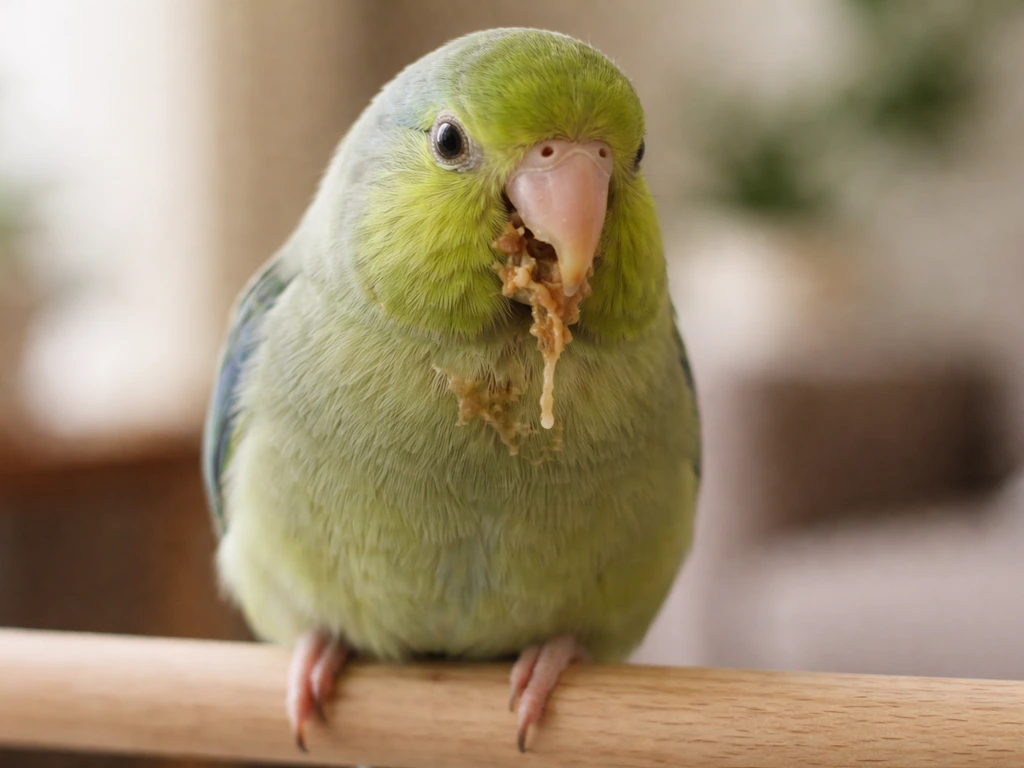
Regurgitation vs vomiting: these are not the same thing
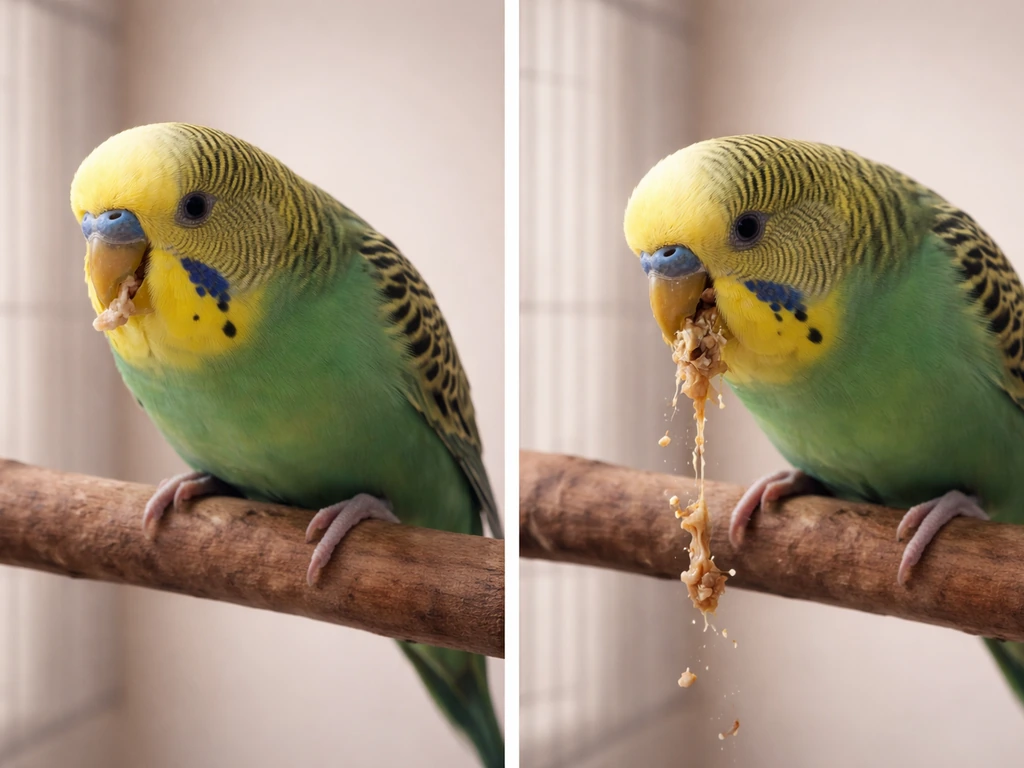
Most bird owners use these two words interchangeably, but they describe very different processes with very different causes. Getting this right is the first step to knowing how worried you should be.
Regurgitation is a voluntary, controlled act. Your bird brings food back up from the crop (a pouch in the esophagus where food is stored before digestion) through its own muscle contractions. The material is typically undigested and not covered in mucus. The bird usually bobs its head rhythmically beforehand and looks calm, even deliberate, about what it's doing. It often targets you, a mirror, a favorite toy, or another bird.
Vomiting is involuntary and forceful. It originates deeper in the digestive tract, from the stomach and upper intestine rather than the crop. When a bird vomits, it usually shakes its head side to side and flings the material, which can end up on the cage bars, the walls, and stuck to the feathers on the bird's head and face. If you're seeing wet, matted head feathers and food splattered around the cage, that's vomiting, not regurgitation, and it needs a vet visit.
| Feature | Regurgitation | Vomiting |
|---|---|---|
| Origin | Crop / upper esophagus | Stomach / upper intestine |
| Bird's control | Voluntary | Involuntary |
| Head movement | Rhythmic bobbing | Side-to-side shaking / flinging |
| Material appearance | Undigested, no mucus | Partially digested, often mucus-covered |
| Food placement | Directed at a target (you, toy, mate) | Scattered, on cage bars and bird's feathers |
| Bird's demeanor | Calm, focused | Distressed, nauseous-looking |
| Urgency level | Usually normal behavior | Warrants prompt vet evaluation |
Why birds regurgitate: the common reasons
Pair bonding and courtship
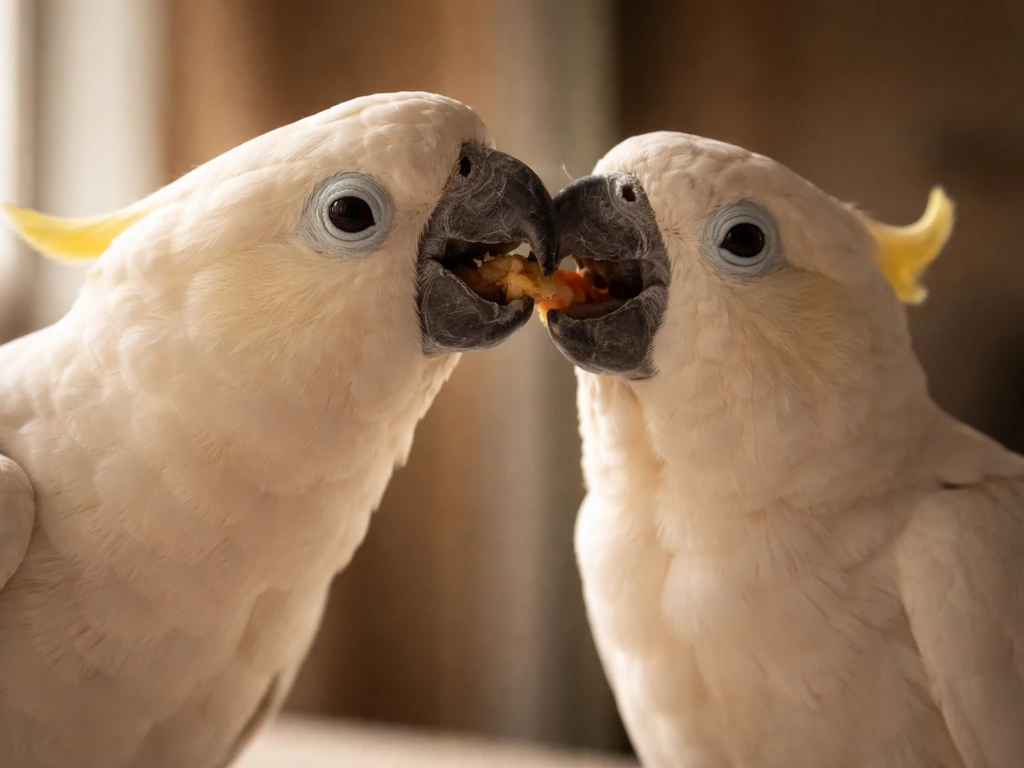
This is by far the most common reason. In the wild, birds feed their mates and their chicks by regurgitating partially processed food directly into the other bird's mouth. Your pet bird may see you, another bird, a mirror, or even a favorite toy as its bonded partner. When it bobs its head and offers you a little pile of seeds, it's essentially saying "I love you" in the only language evolution gave it for this purpose. It's touching, even if it's a bit gross.
Attention-seeking
Some birds figure out that regurgitating gets a strong reaction from their owner, and they repeat the behavior to get that attention. If your bird tends to do this right when you walk in or when you pick it up and make a big fuss, attention reinforcement may be part of what's keeping the behavior going.
Stress or overstimulation
Being petted in certain ways, especially along the back, wings, or vent area, can be sexually stimulating for birds and trigger regurgitation as part of a courtship response. Changes in routine, a new person in the house, a new cage location, or even seasonal light changes can also trigger stress-related regurgitation. The behavior often increases in spring when hormones are naturally elevated.
Diet and feeding habits
Eating too quickly, eating too much at once, or eating certain soft or fermented foods can all lead to regurgitation. Some birds that are fed warm, soft foods by hand (as they might have been as chicks) may associate hand feeding with social feeding and regurgitate in response. Overeating before a long rest period can also cause the crop to expel material.
Why your bird regurgitates and then eats it back
If you've watched your bird bring up food and then immediately eat it again, you're not imagining things. This is actually normal for many species and connects directly to the social feeding behavior described above. In the wild, a bird might offer regurgitated food to a mate who isn't interested, or it may simply be practicing the motion without a recipient. Re-ingesting the food afterward is a natural follow-up, not a sign that something went wrong.
That said, if you notice your bird doing this repeatedly throughout the day or if the re-ingested material smells sour or looks abnormal, it's worth paying closer attention. A crop that isn't emptying properly can cause a bird to repeatedly bring up and re-swallow contents, and that's a different scenario from simple behavioral recycling.
When frequent or unusual regurgitation becomes a red flag
Behavioral regurgitation is usually harmless, but some patterns point toward a medical problem. The key is to notice whether the regurgitation fits the social context or doesn't.
Watch for these warning signs that suggest you should call an avian vet:
- Regurgitation that happens many times throughout the day with no clear social trigger
- Head-shaking or flinging of food material (this is vomiting, not regurgitation)
- Food or mucus stuck to the feathers around the head and face
- A crop that looks swollen, stays full for hours after eating, or feels fluid-filled
- Sour or foul odor coming from the mouth or crop area
- Weight loss, even if the bird still appears to be eating
- Undigested seeds appearing in the droppings
- Lethargy, fluffed feathers, or reduced activity
- Loss of appetite alongside regurgitation
- Regurgitation that starts suddenly in a bird with no prior history of the behavior
Several medical conditions can cause persistent regurgitation. blank" rel="noopener noreferrer">Avian gastric yeast (Macrorhabdus ornithogaster) is one of the more common culprits, causing ongoing regurgitation, weight loss, and sometimes undigested food in the droppings. blank" rel="noopener noreferrer">Crop stasis, where the crop stops emptying properly, can result from infection, a foreign body, or other gastrointestinal obstruction. Candida (yeast) overgrowth in the mouth or crop can produce white plaques and interfere with normal digestion. Any of these conditions require a vet diagnosis and won't resolve on their own.
What to check today
Before calling the vet or panicking, spend some time observing and checking a few things at home. This information will also be exactly what your vet asks you about.
Environment
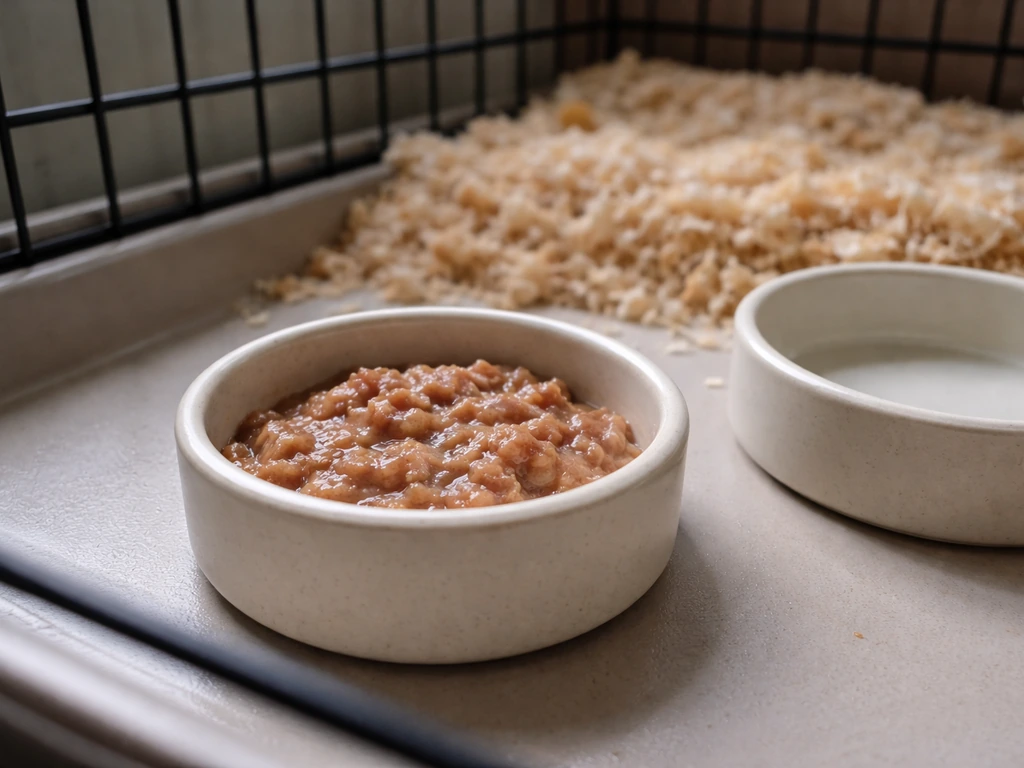
Look at where the regurgitation is landing. If it's mostly directed at a person, toy, or mirror, that's a strong behavioral signal. If it's scattered around the cage with no clear target, and especially if it's on the cage walls or the bird's head, lean toward vomiting. Check for anything new in the environment: a new cage, relocation, a new pet, or a change in the bird's sleep schedule. Hormonal triggers like longer daylight hours or nesting materials in the cage can escalate the behavior.
Diet and feeding routine
Think about whether anything changed recently. A new food, a switch from pellets to seeds, hand-feeding warm soft foods, or a change in feeding time can all be triggers. Check whether your bird is actually eating and whether its weight seems stable. If you have a scale, weigh your bird and note it down. Even a 10 percent weight drop in a small bird is significant.
Behavior cues
Is your bird acting normally in every other way? Alert, vocal, active, eating, and producing normal droppings? If yes, behavioral regurgitation is much more likely. If your bird is quieter than usual, sitting low on the perch, fluffed up, or not interested in food or interaction, combine that with the regurgitation and treat it as a potential medical situation.
Crop check
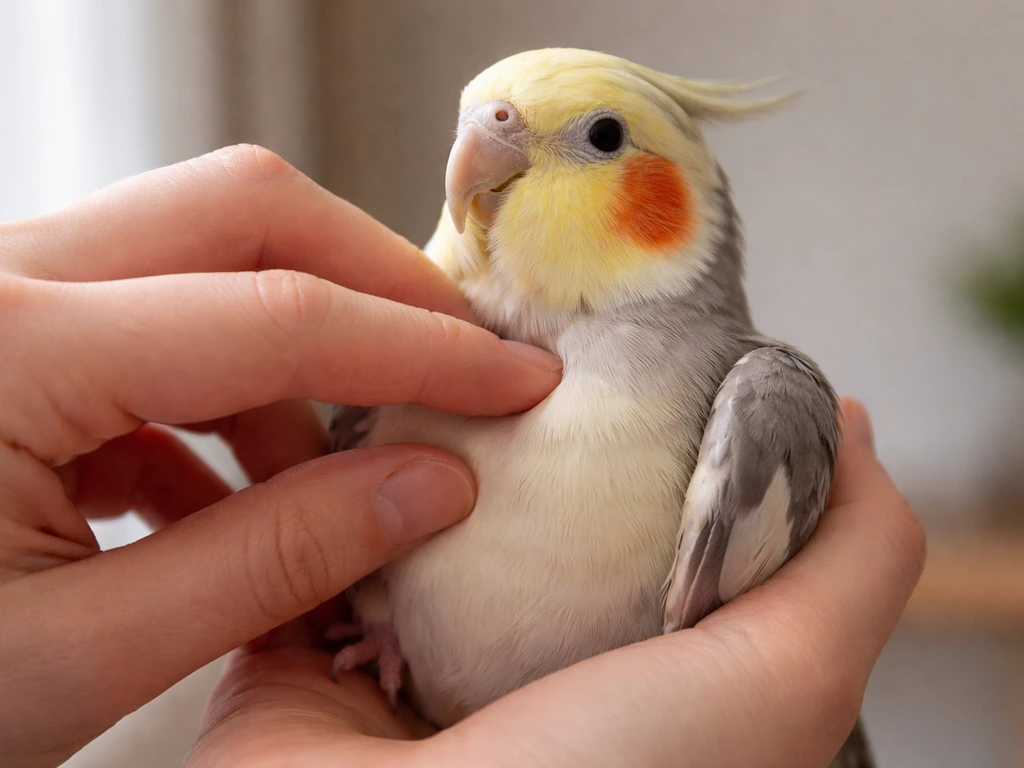
Gently feel the crop area (the soft pouch at the base of the neck, above the chest). After a meal it should feel soft and full, and it should be mostly empty a few hours later. If it feels hard, stays overfull for more than a few hours, has a squishy fluid feel, or if there's a sour smell from the mouth, that's crop stasis territory and warrants a vet call.
What to do next
Steps you can take at home
If the regurgitation looks behavioral (directed at a target, bird is otherwise healthy), there are some practical things you can do right away. Remove mirrors and favorite toys that may be acting as perceived mates. Avoid petting your bird on the back, wings, or tail, and stick to head and neck scratches to reduce sexual stimulation. If the behavior spikes in spring, reduce artificial light exposure to bring the bird's day length closer to 10 to 12 hours. Moving the bird to a different location temporarily can also help break the pattern, since a change of scenery can interrupt the behavioral loop.
Keep a simple log for a day or two: when the regurgitation happens, what the bird was doing beforehand, what the material looks like, and how often it occurs. This kind of record is genuinely useful if you end up calling a vet.
When to call an avian vet
Call an avian vet if you see any of the red-flag signs listed earlier, if you're not sure whether what you're seeing is regurgitation or vomiting, if the behavior is new and escalating, or if your gut tells you something is off. Trust your instincts here. Birds are prey animals that hide illness well, and by the time symptoms are obvious, the problem has often been building for a while. If your bird is vomiting (head-shaking, food on the face), treat it as urgent and aim to get an appointment the same day or the next morning. A 24-hour emergency exotic animal clinic is appropriate if the bird seems in distress, is struggling to breathe, or appears very weak.
What happens at the vet
An avian vet will want to know your bird's full history before running any tests. Be ready to describe when the regurgitation started, how often it happens, whether it's directed at anything specific, what your bird eats, and any recent changes in environment or routine. They'll also ask about droppings, weight trends, and any other symptoms you've noticed. The log you kept at home is valuable here.
A physical exam will typically include palpating the crop, checking the mouth and throat for plaques or foreign material, and assessing the bird's overall body condition. From there, the vet decides what workup makes sense based on what they find. This might include a crop swab or wash to check for yeast or bacterial overgrowth, a fecal exam to look for parasites or undigested material, blood work to assess organ function, or imaging like X-rays if crop stasis or obstruction is suspected.
If avian gastric yeast is suspected, a specific test for Macrorhabdus is often done, since standard fecal cultures can miss it. Treatment for medical causes of regurgitation is very specific to the underlying problem: antifungals for yeast infections, crop emptying techniques or antibiotics for crop stasis, dietary changes for motility issues. The good news is that when the underlying problem is caught and treated, most birds recover well. The key is not waiting too long to get it checked.
If you're also noticing changes in your bird's droppings alongside regurgitation, such as watery or discolored stools, those are worth mentioning to the vet as well, since gastrointestinal issues often present with more than one symptom at once. If you’re also seeing diarrhea, it can point to gastrointestinal problems that need prompt avian care. If your bird is passing watery droppings or pooping water, it's important to bring it up so the vet can check for an underlying gastrointestinal issue watery or discolored stools.
FAQ
My bird regurgitates only when I hold it or talk to it, is that still normal?
It can be normal behavioral feeding if your bird looks calm, bobs rhythmically, and the material is mostly undigested food without food splattered on its face or cage walls. If the behavior ramps up quickly, happens throughout the day, or comes with drooping, poor appetite, or unusual droppings, treat it as more than social regurgitation and call an avian vet.
How can I tell if the bird actually swallowed it again versus just spitting it out?
Behavioral regurgitation often ends with the bird immediately re-ingesting the material and then resuming normal activity. If you regularly see the bird reject it, leave it in the cage, or repeatedly bring up the same material without fully clearing the crop, that pattern can point to crop emptying problems.
Is it safe to feed a bird warm, soft food by hand if it regurgitates during feeding?
Hand-feeding warm soft foods can increase regurgitation because the bird may associate it with social feeding. If regurgitation is limited to the exact feeding moment and your bird remains alert with stable weight, it may be fine. If regurgitation continues after feeding, produces sour-smelling material, or your crop stays full too long, stop the warm soft hand-feeding and get avian guidance.
What does “crop feels hard” mean, how long is too long after eating?
After a meal, the crop should feel soft and full, then gradually empty. If the crop remains hard, overfull, or has a sloshing or squishy fluid feel a few hours after eating, that supports possible crop stasis and is a reason to contact an avian vet promptly.
Can stress or moving the cage location cause regurgitation even if my bird is otherwise healthy?
Yes. Changes in routine, new people or pets, relocation, and altered sleep lighting can trigger regurgitation as a stress or hormonal response. Even if the bird otherwise seems normal, watch closely for escalation over 24 to 48 hours, and keep your home log so you can share timing and context with the vet if it worsens.
My bird targets a mirror or toy, should I remove them permanently?
Temporary removal usually works best first. If the regurgitation stops when those “mate cues” are gone, you can later reintroduce items one at a time to see what triggers the behavior. If you reintroduce a mirror and it immediately restarts at high frequency, keep it out and focus on other enrichment.
Could regurgitation happen because of a bad diet or recent pellet-to-seed switch?
A diet change can contribute, especially if it changes how quickly or how much the bird eats. However, if the material looks abnormal, smells sour, or comes with weight loss or messy head feathers that suggest vomiting, don’t assume it’s just diet. A vet check is appropriate if symptoms persist beyond a short adjustment period.
What if my bird regurgitates but also looks normal, how long should I wait before calling the vet?
If it is clearly social, directed, and limited to a typical trigger (like bonding moments) with normal droppings and normal energy, you can monitor. If it is new, increasing, happens repeatedly across the day, or you cannot confidently rule out vomiting, call an avian vet sooner rather than later.
When regurgitation is medical, what other signs should I specifically look for besides droppings?
Check for changes in breathing effort, mouth or throat plaques, reduced appetite, decreased activity, fluffed posture that lasts, and persistent crop fullness. Also note any odor from the mouth and whether regurgitated material appears undigested or unusually colored.
Should I withhold food or water if I’m worried it’s vomiting or crop stasis?
Don’t make sudden fasting decisions without avian advice. If you suspect vomiting or crop stasis, focus on getting an exam quickly and describe timing relative to meals. Withholding or changing feeding abruptly can complicate diagnosis, so it’s safer to wait for veterinary instructions.
Is it normal for some birds to regurgitate more in spring?
Yes, hormonal and seasonal changes can increase courtship behaviors, including regurgitation. If spring behavior spikes but the bird stays alert, maintains weight, and the crop empties normally, it may be behavioral. Still, monitor because true medical issues can coincide with seasonal hormone changes.
If my bird regurgitates onto its own feathers, does that automatically mean it is vomiting?
Not automatically. Targeted, calm regurgitation can sometimes land on nearby feathers if the bird aims toward you or an object. Vomiting is more concerning when you see forceful expulsion, frequent head shaking, and food splattered on the bird’s face and cage walls. If your bird has persistent wet, matted head feathers, treat it as vomiting and seek urgent avian care.