
If your bird is throwing up, the first and most important thing to figure out is whether you are actually looking at regurgitation or true vomiting. They look similar, but they mean very different things, and getting that distinction right will tell you whether you need to call a vet today or just keep a close eye on things.
Why Is My Bird Throwing Up? Causes and What to Do Now

Marcus Chen
20 Apr 2026
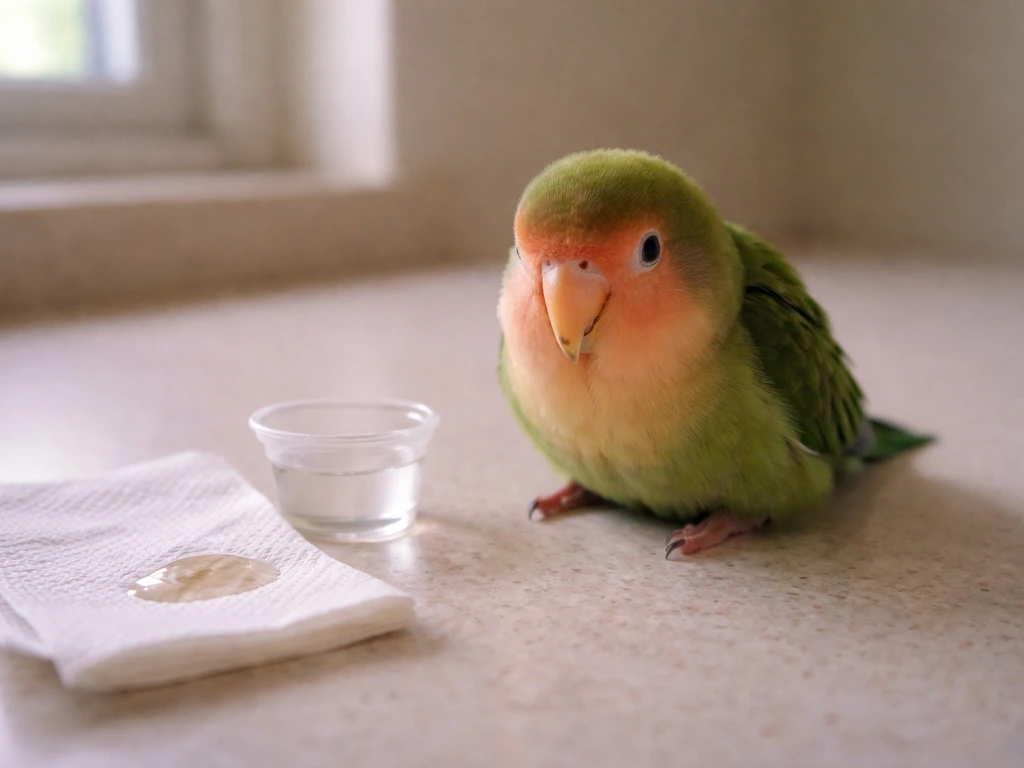
Regurgitation vs True Vomiting: Why the Difference Matters
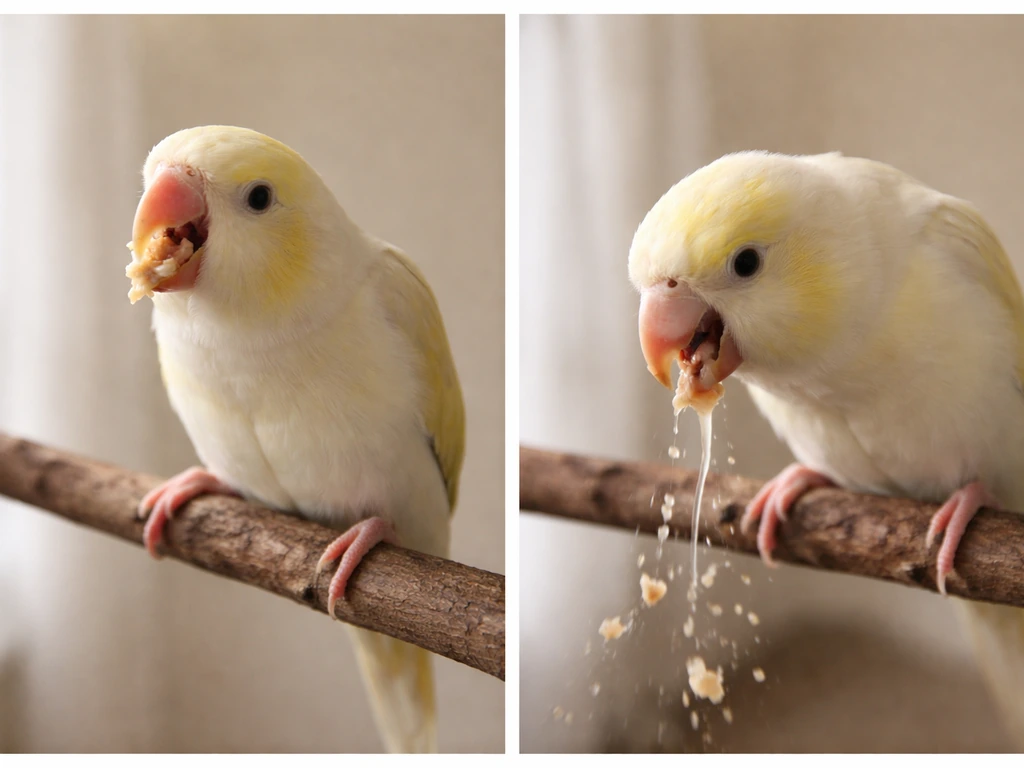
Regurgitation is a controlled, deliberate action. You will see your bird bob its head repeatedly, stretch its neck, and then bring softened or whole food back up into its mouth. It looks almost effortful but calm, and the bird is in charge of the process. The material that comes up is often recognizable: whole seeds, lightly softened food, or a small amount of liquid mixed with food. If your bird is bringing up whole seeds, it can fit either regurgitation or true vomiting, so the details of how it happens matter. This is the mechanism birds use when feeding a mate or chick, and some birds do it toward their favorite person or toy.
True vomiting is different in a way you can usually spot. Instead of the deliberate head-bobbing motion, the bird rapidly flings its head from side to side and spits or expels fluid. The material often ends up on the cage bars, the walls, or scattered on feathers around the beak. If you see wet, sticky feathers around your bird's face and beak, or find material sprayed around the cage, that is a strong sign of true vomiting rather than regurgitation.
Why does this distinction matter? Because regurgitation in the right context (bonding, courtship, feeding behavior) can be completely normal. True vomiting, or regurgitation that happens repeatedly without any obvious social trigger, is almost always a signal that something is physically wrong. Both warrant attention, but vomiting demands faster action.
What Clear Liquid or 'Water' Vomiting Can Mean
When the material your bird brings up looks like clear liquid or watery fluid rather than food, that narrows things down considerably. Passive regurgitation of water or clear liquid is specifically listed in veterinary references as a sign of oral or upper gastrointestinal irritation. This can happen when a bird has been exposed to a toxic plant, a caustic material, or even a medication that is irritating the mouth, throat, or crop lining.
Clear liquid can also come from a crop that has too much fluid sitting in it, which happens with crop infections and crop stasis (when the crop stops emptying properly). In those cases the crop itself may feel squishy or distended, and you might notice a sour or yeasty smell coming from your bird's mouth or from the liquid that came up. That smell is a meaningful clue. If you detect it, take it seriously.
In less urgent cases, a bird that drank a lot of water very quickly can occasionally bring some of it back up. But if the clear liquid keeps coming, or if there are other symptoms alongside it, do not chalk it up to overdrinking.
The Most Common Causes Behind a Bird Throwing Up
Crop and Upper GI Problems
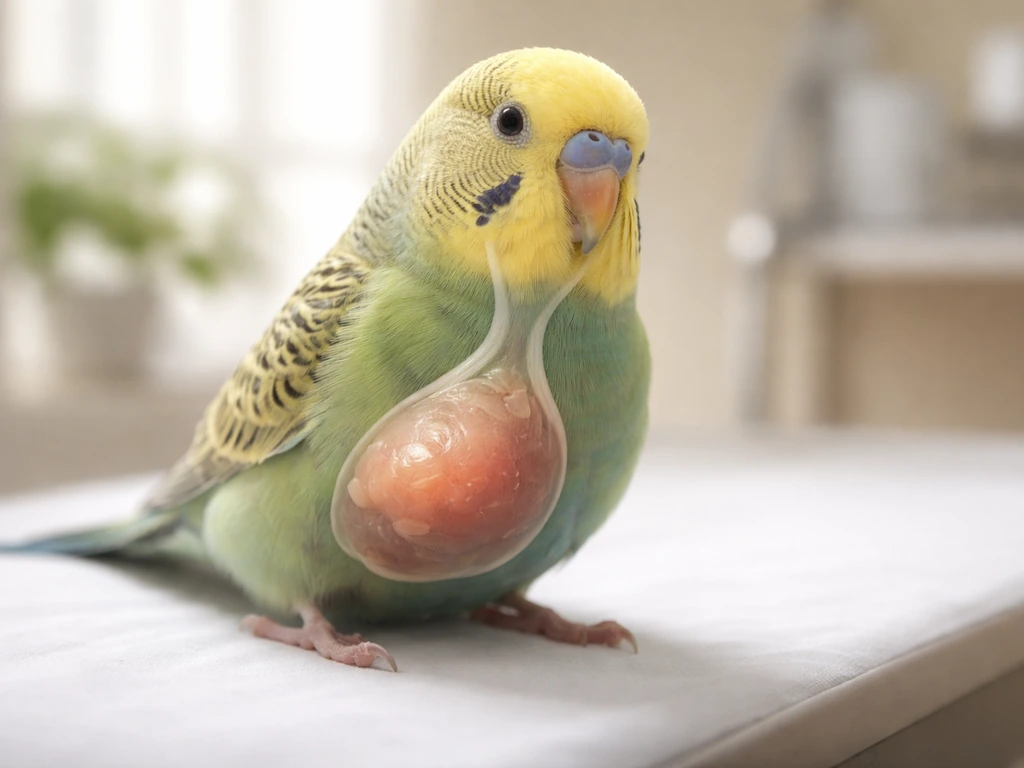
The crop is essentially a storage pouch in the throat, and problems there are one of the most frequent drivers of regurgitation and vomiting in pet birds. Crop infections can be caused by yeast (candida), bacteria, viruses like avian bornavirus or polyomavirus, or parasites like trichomoniasis, which is especially common in budgerigars, cockatiels, and doves. A 2024/2025 review article on avian candidiasis (thrush, sour crop, crop mycosis) notes that typical signs include whitish or yellow caseous pseudomembranes that adhere to the oral cavity, tongue, or palate epithelium. Trichomoniasis often shows up with white matter or mucus inside the mouth or crop, along with regurgitation. A yeast infection may produce that sour, fermenty odor from the mouth.
Crop stasis, sometimes called sour crop, is when the crop stops emptying at a normal rate. The food sits there, ferments, and the bird regurgitates. Signs include a crop that stays visibly full or fluid-filled for hours, a sour smell, poor appetite, weight loss, and lethargy. For reference, a healthy crop should empty within a few hours of a meal.
Foreign objects stuck in the crop or esophagus are another possibility, particularly in curious birds that chew on cage accessories, toys, or household items. A sharp object or a wad of non-food material can physically block passage and trigger regurgitation.
Ingested Irritants and Toxic Exposure
If your bird has had access to houseplants, cleaning products, scented candles, air fresheners, or non-stick cookware fumes, irritant exposure is high on the list. Toxic plants in particular can cause very rapid onset of vomiting, sometimes within an hour of exposure, along with depression and other serious signs. If you suspect your bird got into something it should not have, that is an emergency situation rather than a wait-and-see one.
Diet and Feeding Issues
A sudden change in diet, food that has gone bad, or an imbalanced diet can all irritate the digestive tract enough to cause vomiting or regurgitation. Baby birds being hand-fed formula are especially prone to crop problems if the formula is fed at too high a temperature (causing crop burns) or if feeding equipment is not kept clean. For adult birds, overfeeding or feeding foods that ferment quickly can also trigger regurgitation.
Stress and Behavioral Triggers
Stress can lower a bird's immune defenses and contribute to infections that then cause regurgitation. It can also, in some cases, trigger regurgitation-like behavior on its own. A bird that is anxious, over-bonded to an object or person, or in a hormonal phase may regurgitate as a social behavior directed at a mirror, toy, or human hand. Context here is everything.
Systemic Illness
Vomiting combined with weight loss, persistent lethargy, or other systemic signs can point to more serious conditions affecting the proventriculus, ventriculus, or other organs. These patterns are not something to manage at home for long.
When It Is Normal-ish vs When It Is a Problem
Regurgitation directed at you, a favorite toy, or a mirror, accompanied by the classic head-bobbing motion and whole undigested seeds or food, is almost always social behavior. If your bird regurgitates and then eats the material back up, that is also consistent with normal bonding or feeding instinct rather than illness. Birds do this naturally when feeding mates or chicks.
What makes a pattern concerning is when regurgitation or vomiting happens repeatedly without a social trigger, when the material is mostly liquid or has a sour smell, when the bird seems unwell in any other way (fluffed up, quiet, not eating), or when it happens at random times rather than during interaction. If your bird vomited once, seemed fine afterward, and has been eating and acting normally, that is lower urgency. If it has happened multiple times in a short period, or if the bird seems off, that is worth addressing promptly.
What to Check and Document Right Now
Before you call a vet or make any changes, spend five minutes doing a quick observation and writing things down. The more specific you can be, the better the vet can help you.
- What did the expelled material look like? Clear liquid, watery, whole seeds, partially digested food, mucus, or something with an odor?
- How many times has it happened, and over what time period?
- Did you see head-bobbing and neck extension (regurgitation pattern) or side-to-side head flinging and spitting (vomiting pattern)?
- Is there wet or sticky residue on the feathers around the beak or on the cage bars and walls?
- Is the crop visibly swollen or does it feel fluid-filled when you gently touch the front of the lower neck?
- Does the bird's breath or the expelled material have a sour, yeasty, or unusual odor?
- Has your bird's appetite changed? Is it eating at all?
- Is your bird behaving normally, or does it seem fluffed up, lethargic, sitting low on the perch, or hard to rouse?
- Have there been any recent changes: new food, new toy, access to plants or household chemicals, a new person or pet, or a change in routine?
- What do the droppings look like? Any changes in color, consistency, or whether they contain water (watery droppings alongside vomiting can indicate a bigger problem)?
Home Steps and Feeding Adjustments While You Monitor
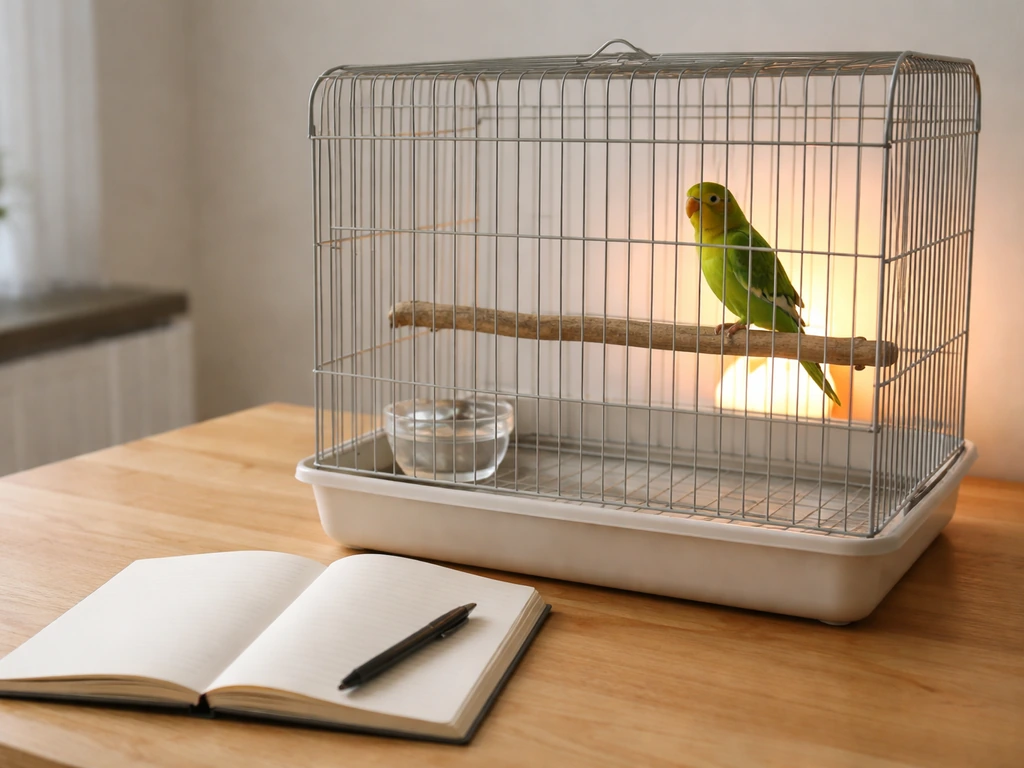
These steps are for a bird that has vomited or regurgitated but is still alert, active, and not showing serious red flags. They are not a substitute for veterinary care if the situation is more serious.
- Remove any food from the cage for one to two hours to give the crop and GI tract a short rest. Do not withhold water.
- Check the food you have been offering. Make sure it has not gone off, there is no mold on pellets or soft foods, and fresh fruits or vegetables were not left in the cage too long (more than a couple of hours in warm conditions).
- Remove any houseplants within reach, any new toys or cage accessories the bird has been chewing on, and check the environment for potential irritants like candles, air fresheners, or cleaning product residue.
- After the brief food rest, offer a small amount of the bird's usual diet rather than a full normal portion. Watch whether it eats and whether it keeps it down.
- Keep the environment warm and calm. Stress makes everything worse. Cover part of the cage if needed to reduce stimulation.
- Monitor for the next two to four hours and keep noting what you observe. Is the vomiting or regurgitation continuing? Is the bird eating and drinking?
Do not attempt to massage the crop, induce further vomiting, or give any human medications or home remedies. These can cause serious harm. Hydration is important: make sure fresh water is available at all times, but do not try to force-feed fluids.
Red Flags: When to Contact an Avian Vet Immediately
Some situations should not wait. Contact an avian vet the same day, or go to an emergency exotic animal clinic, if your bird is showing any of the following:
- Vomiting or regurgitation that does not stop, or keeps repeating despite no food in the crop
- A visibly or noticeably distended, fluid-filled, or doughy crop that is not emptying
- Sour or foul smell from the mouth or regurgitated material
- Lethargy, weakness, difficulty staying on the perch, or a bird that is hard to rouse
- Open-mouth breathing, labored breathing, tail bobbing with each breath, or any change in breathing pattern
- Suspected exposure to a toxic plant, household chemical, non-stick cookware fumes, or any other known toxin
- Blood in the vomit, droppings, or anywhere in the cage
- Significant loss of appetite combined with vomiting over more than 24 hours
- Weight loss that you can feel (a bird that feels lighter or whose keel bone feels more prominent)
- White plaques or lesions inside the mouth, which can indicate yeast infection or trichomoniasis
- Any combination of vomiting with other symptoms like watery droppings, color changes in droppings, or sudden personality changes
When you call or go in, bring your notes. The vet will want to know the timeline of symptoms, what the material looked like, whether the crop feels normal, any recent diet changes, what the droppings have looked like, and whether the bird has had access to anything unusual. That information saves time and helps the vet make better decisions faster.
If you are unsure whether the situation is an emergency, it is always better to call and describe what you are seeing than to wait. Avian vets are used to helping owners triage over the phone. Birds hide illness well, and by the time they look obviously sick, things can be more serious than they appear. Acting early is almost always the right call.
It is also worth noting that vomiting and regurgitation can overlap with other digestive concerns. If you are also noticing changes in your bird's droppings alongside the throwing up, such as watery or discolored stools, those symptoms together paint a more complete picture for a vet to work with. If your bird is also pooping watery droppings, that can point to an intestinal or systemic issue rather than just occasional regurgitation.
FAQ
How can I tell if my bird is regurgitating, or is it something like aspiration or choking?
Choking or aspiration usually comes with sudden breathing changes, open-mouth gasping, coughing, or noisy breathing, and the bird may struggle to stay balanced. Regurgitation typically follows head-bobbing and happens with calmer posture. If you see respiratory distress or the bird cannot swallow normally, treat it as urgent and contact an avian vet right away, since aspiration can worsen quickly even if the throwing up stops.
My bird brought up whole seeds, but it seemed calm. Does that rule out illness?
Not automatically. Whole seeds can appear in either regurgitation or true vomiting, so focus on pattern and context. If it happens repeatedly outside bonding or feeding triggers, if the crop feels distended, or if there is a sour or yeasty smell, assume it could be crop disease and call a vet rather than waiting for it to “maybe be normal.”
What should I check first at home, besides watching the behavior?
Check crop feel after your bird has had time to settle (not right immediately after eating). Note whether the crop is soft and empties over the next few hours, or stays full or squishy. Also look at the beak and facial feathers for wetness, and write down the exact timing, food type, and whether the droppings changed (color or watery).
Is crop stasis always obvious because the crop looks full?
Often, but not always. Some birds can have fluid or partially digested content that feels abnormal even if the crop is not dramatically enlarged. Pay attention to a persistent sour or fermented odor, reduced appetite, lethargy, and continued regurgitation over hours. If those are present, contact an avian vet even if the crop does not look dramatically swollen.
If it was just clear liquid, how long should I monitor before calling a vet?
If clear liquid continues, or if you notice a sour smell, reduced appetite, fluffed posture, or any lethargy, do not wait. A single brief episode in an otherwise bright bird can be watched closely for recurrence, but persistent clear regurgitation or vomiting is a reason to call the same day because it can indicate irritation, infection, or crop fluid issues.
Can a bird throw up after eating too fast or gulping water?
Yes, overdrinking or eating too quickly can sometimes lead to an isolated, mild regurgitation episode. The key difference is whether the behavior is truly a one-off and whether the bird remains alert and returns to normal eating and activity. If it recurs, spreads over multiple episodes, or comes with odor or crop changes, treat it as more than just “drinking too much.”
Should I remove food after regurgitation to prevent it from happening again?
Do not starve the bird for long, especially for small species or any bird that is already acting unwell. Instead, remove any recently introduced questionable food, keep water available, and monitor closely. If episodes are ongoing or the crop seems abnormal, an avian vet should guide what to do about feeding.
Are there any home actions I should avoid even if I’m worried about the crop?
Avoid crop massage, forcing fluids, inducing vomiting, and giving any human medications. Also avoid changing multiple things at once (diet, lighting, cage layout) because it makes it harder to identify triggers. If you suspect exposure to irritants or toxins, stop access immediately and seek veterinary guidance.
What information will an avian vet expect from me?
Bring a short timeline (when the first episode happened, frequency, and duration), a description of the material (seeds, undigested food, clear fluid, foam, presence of odor), whether head-bobbing was seen, and whether the crop feels normal or distended. Also include recent diet changes, new toys or cage items, and what the droppings looked like in the last 24 hours.
Could hormones or stress cause regurgitation without any other illness?
Yes, both can contribute. Social regurgitation often aligns with bonding, courtship, mirrors, toys, or frequent directed feeding behavior, and the bird otherwise looks well. If you see systemic changes such as weight loss, persistent odor, repeated episodes without a clear trigger, or random timing, consider underlying infection or crop problems rather than assuming it is purely hormonal.
If my bird seems fine after one episode, when is it still worth calling the vet?
Call if it happens again within a day or two, if you cannot clearly tie it to bonding or feeding behavior, or if you notice any subtle decline such as reduced appetite, quieter behavior, fluffed posture, or changes in droppings. Early triage matters because birds can look “okay” until crop or digestive issues progress.