
If your bird has diarrhea, the most likely culprits are a sudden diet change, too much fruit or watery produce, stress from a recent environmental change, or a bacterial/yeast infection. In many cases, what looks like diarrhea is actually excess urine in the dropping, which can sort itself out in 24 hours once you stabilize the diet. But true diarrhea, especially when it comes with lethargy, loss of appetite, blood, or a foul smell, needs an avian vet the same day. Here is how to figure out which situation you are in and what to do about it right now.
Why Does My Bird Have Diarrhea? Causes, Red Flags, and What to Do
Marcus Chen
30 Apr 2026
Is it actually diarrhea? How to tell the difference
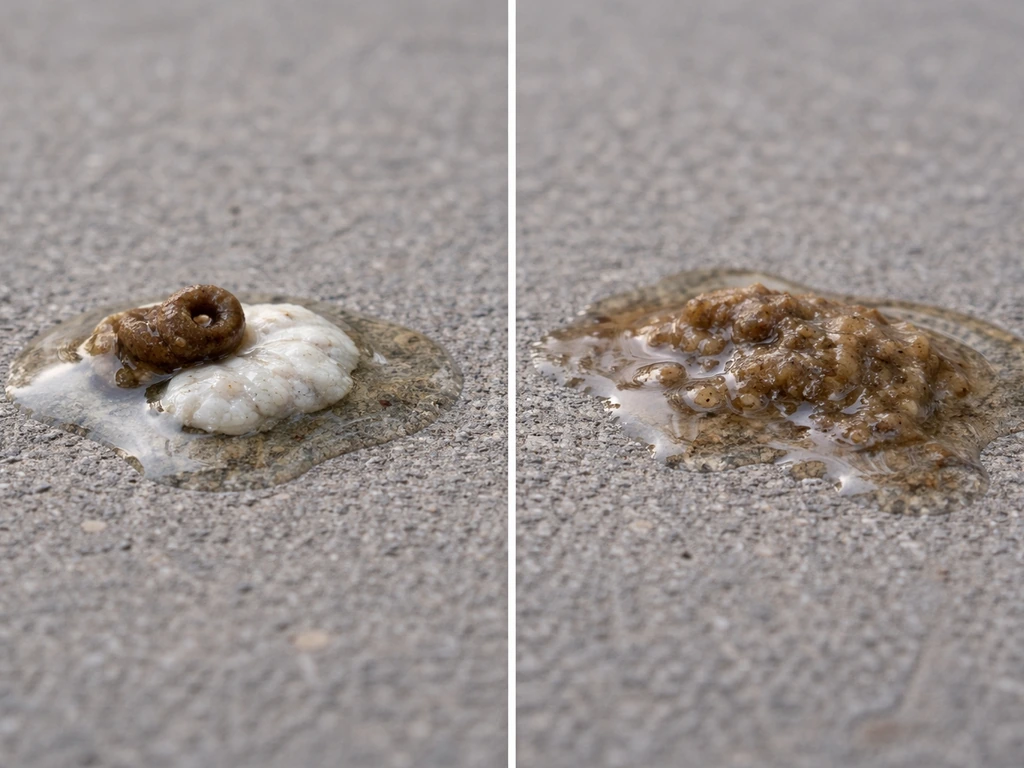
Bird droppings have three separate parts: the fecal component (the formed, coiled piece), the urates (the white or off-white paste), and the urine (the clear watery liquid). What most owners call diarrhea is often just too much urine, which is called blank" rel="noopener noreferrer">polyuria. If you are seeing a lot of clear, watery droppings, it can sometimes be polyuria, which is excess urine rather than true diarrhea. The fecal portion still looks normal and formed, but the dropping is surrounded by a larger puddle of clear liquid. This often happens after eating lots of fruit, drinking more water than usual, or a mild stress response.
True diarrhea is different. The fecal portion itself is unformed, loose, or has a "pea soup" consistency. It may be hard to tell where the feces ends and the urine begins because everything blurs together into one wet mess. The dropping may also smell worse than usual, appear discolored (green, yellow, brown, or black), or contain visible blood. If the fecal portion is the part that has lost its shape, that is true diarrhea and it warrants more serious attention.
One quick tip: remove any cage liner and replace it with plain white paper. Fresh droppings on a clean white surface are much easier to read accurately, and if you do end up calling your vet, you can describe or photograph exactly what you are seeing. The American Association of Avian Veterinarians (AAV) even recommends using wax paper to collect a fresh sample to bring to your appointment.
Common reasons birds get diarrhea
Diet issues
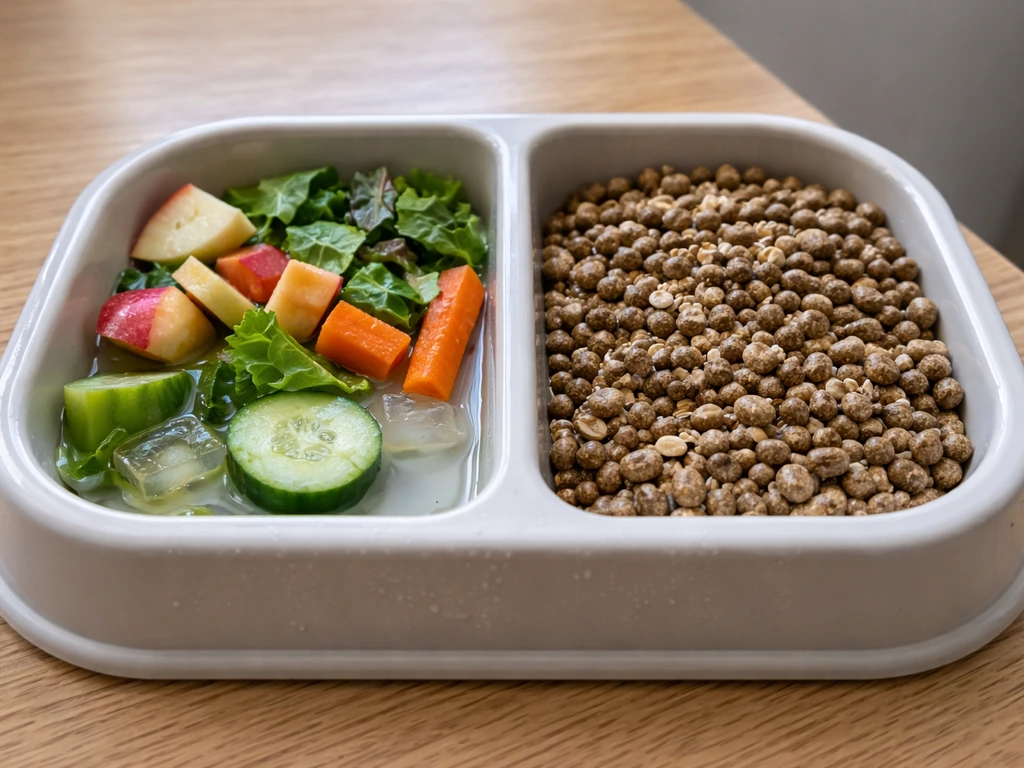
This is the most common and most fixable cause. Too many fruits, vegetables, or watery foods in one sitting floods the digestive system and loosens the stool. A sudden switch from one diet to another, like moving from seeds to pellets without a gradual transition, can do the same thing. Spoiled food is another culprit: anything left in the cage for more than a few hours in warm weather can grow bacteria fast. Antibiotics prescribed for another reason can also disrupt normal gut flora and trigger loose stools.
Stress
Birds are sensitive creatures, and their guts react to stress quickly. A new cage, a new toy placed too close, a move to a different room, a new pet in the house, loud noises, or even a change in your daily schedule can all trigger loose or unformed droppings. This type of stress-related diarrhea often resolves within a day or two once the bird settles, but keep a close eye on it.
Bacterial, viral, and fungal infections
Bacterial infections, yeast overgrowth (commonly Candida), and viral illnesses are serious causes of diarrhea that will not resolve on their own. Psittacosis or chlamydiosis can include gastrointestinal signs such as diarrhea, which is one reason infectious causes should be considered when droppings are abnormal. These tend to produce persistently unformed stools, often with color changes or foul odor, and are usually accompanied by other symptoms like fluffed feathers, low energy, or reduced appetite. Your vet can identify these through a Gram stain or bacterial culture of the stool, and treatment typically requires prescription medication.
Parasites
Giardia and Trichomonas gallinae (the organism behind trichomoniasis) are two parasites known to cause diarrhea and nutrient malabsorption in pet birds. Parasites can be transmitted through contaminated food or water, contact with infected birds, or even from parents feeding their young. A fecal flotation test at your vet's office is the standard way to check for these.
What to check at home right now
Before you call your vet, do a quick but thorough check. The more detail you can give them, the faster they can help. Go through each of these areas:
- Droppings: Are the feces actually unformed (true diarrhea), or just wetter than usual around a still-formed stool (likely polyuria)? What color are they? Any blood? Foul smell?
- Frequency and volume: Are there more droppings than usual, fewer, or about the same?
- Appetite: Is your bird eating and drinking normally? A bird that is not eating is more concerning than one that is still picking at food.
- Energy and behavior: Is the bird active, alert, and responsive? Or sitting low on the perch, fluffed up, eyes half-closed, or quiet?
- Vent area: Is the feathering around the cloaca clean, or is it matted with stool? Matting (called pasting) suggests the diarrhea has been going on for a while.
- Recent diet changes: Did you introduce a new food, switch brands, offer extra fruit, or run out of something and substitute it in the last 24 to 48 hours?
- Water source: Is the water fresh and clean? Has anything changed about the water (new source, different bowl, tap vs filtered)?
- Environmental changes: New cage, new room, new person in the house, a recent car trip, redecorating nearby, or a change in your daily routine?
- Other symptoms: Any sneezing, wheezing, discharge from the nares, vomiting, or regurgitation? (Note: vomiting and regurgitation are separate issues from diarrhea, though they can occur together in serious illness.)
- Bedding and hygiene: Has the cage lining been changed recently? Is there anything the bird could have chewed or swallowed that was unusual?
Red flags: when to call an avian vet immediately
Do not wait 24 hours if you see any of the following. Birds hide illness instinctively, so by the time they look obviously sick, they are often already in serious trouble. Some bacterial infections like salmonellosis can turn critical within 24 to 48 hours.
- Lethargy, sitting at the bottom of the cage, or unable to perch properly
- Fluffed feathers combined with watery or unformed droppings
- No eating or drinking for more than a few hours
- Blood in the droppings (red or black/tarry stool can indicate internal bleeding)
- Foul or unusually strong odor from the droppings
- Vomiting or regurgitation alongside diarrhea
- Swollen or distended abdomen
- Any breathing difficulty, tail bobbing, or wheezing
- Diarrhea that persists for more than 24 hours without any improvement
- Significant weight loss or a bird that suddenly feels lighter when you hold it
- Neurological signs like tremors, loss of balance, or seizures
If the diarrhea is mild, the bird is bright-eyed, still eating, and there have been no red flags above, you have a short window to observe and stabilize at home. But if anything on that list applies, call an avian vet today.
Safe supportive care you can do right now
These steps are not a substitute for veterinary diagnosis, but they can stabilize your bird while you arrange care or monitor a mild case. Why is my bird regurgitating? It can share some triggers with digestive upsets, but the causes and home steps differ from diarrhea. Do not try to treat the underlying cause yourself with herbal remedies or human medications.
Warmth
A slightly warmer environment helps a sick bird conserve energy for healing. Move the cage away from drafts and air conditioning vents, and aim to keep the ambient temperature around 85 to 90 degrees Fahrenheit (29 to 32 degrees Celsius) for a bird that seems unwell. You can use a heat lamp or heating pad positioned on one side of the cage (not underneath it) so the bird can move away from the heat if needed. Do not cover the entire cage.
Water and hydration
Make sure fresh, clean water is available at all times and confirm your bird is actually drinking. Diarrhea causes fluid loss, and dehydration sets in quickly in small birds. Change the water at least twice a day, more often if droppings are landing in the bowl. Do not add electrolyte solutions or sugar water without a vet's instruction.
Simplify the diet temporarily
If you suspect a dietary trigger, pull back to the bird's base diet (plain pellets or seeds, depending on what they normally eat) for 24 hours and cut out all fruits, vegetables, and treats. If vomiting happens along with a seed-heavy diet, the bird may need a temporary diet reset and evaluation to rule out irritation or illness pull back to the bird's base diet. This removes the most likely dietary irritants. Do not starve the bird and do not introduce anything new during this window. If the droppings normalize within 24 hours, you can gradually reintroduce fresh foods one at a time.
Hygiene and spot-cleaning
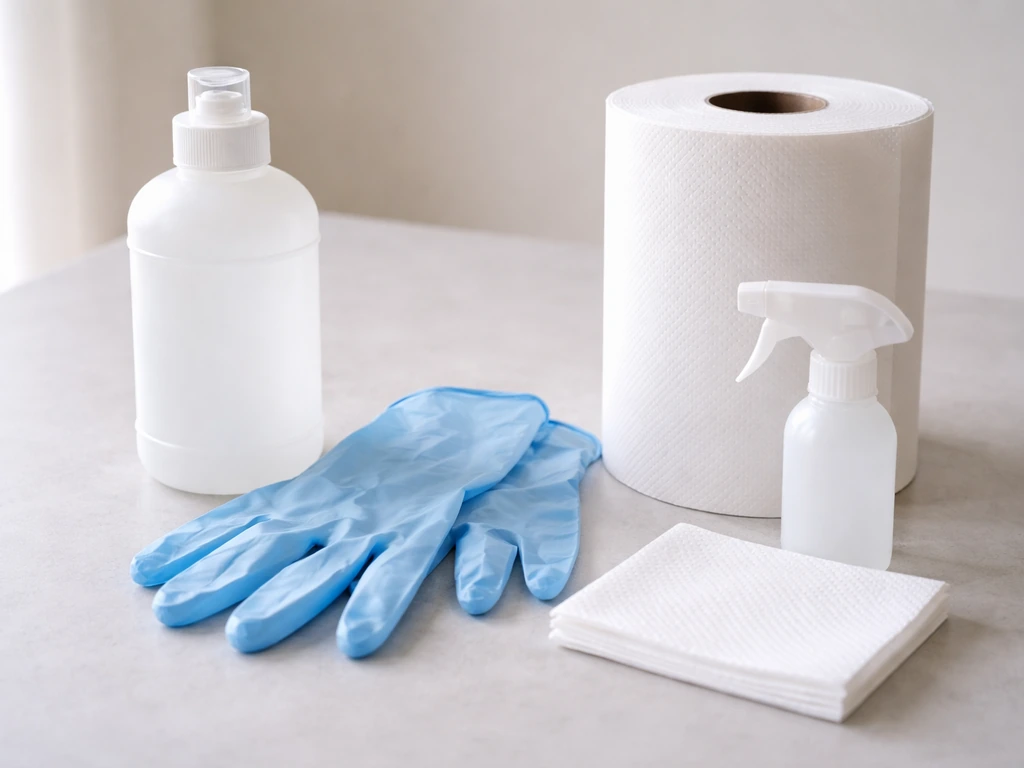
Change the cage liner frequently during a diarrhea episode. Loose droppings accumulate fast, and a bird walking through contaminated material can reinfect itself or make things worse. Clean perches and food/water dishes daily with hot water and a bird-safe disinfectant. Check the vent area for pasting and gently clean it with a warm, damp cloth if needed, but do not pull at stuck feathers.
Reduce stress
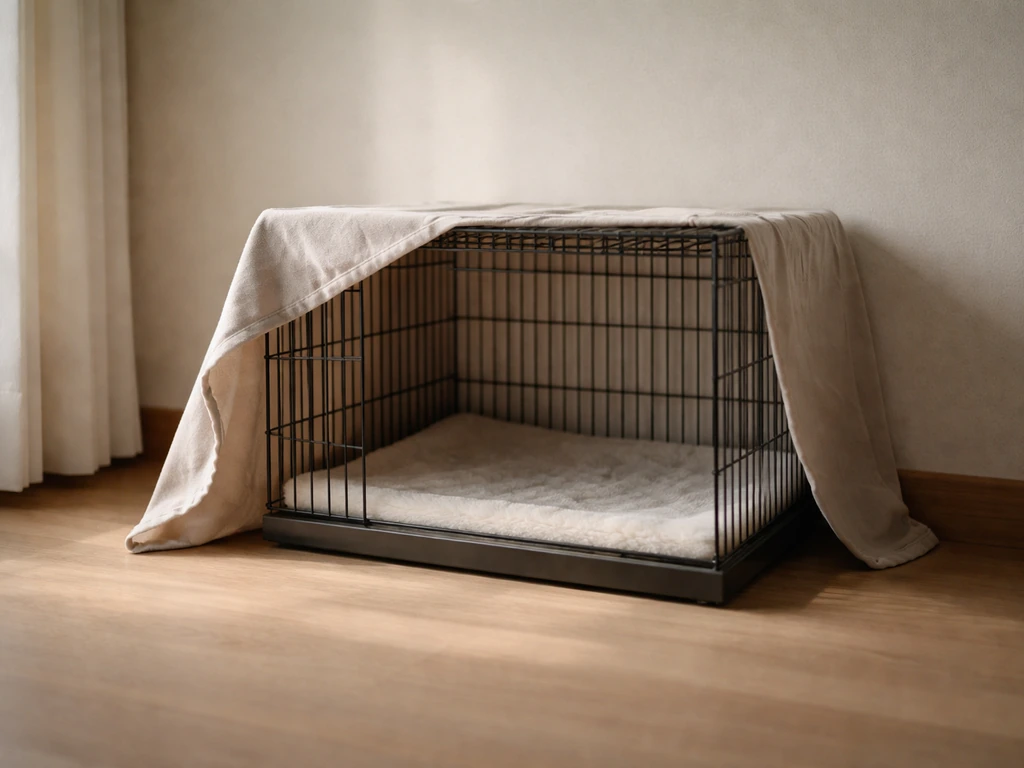
Keep the environment calm and predictable. Cover part of the cage to give the bird a sense of security, minimize handling, and reduce noise and household activity around the cage. If you recently made any environmental changes, consider reverting them temporarily to see if it helps.
What the vet will actually do
When you take your bird in, your vet will likely start with a full history, so bring notes on everything you observed at home: dropping appearance, diet changes, timeline, and any other symptoms. Diagnostics typically include a Gram stain of the stool or cloaca to check for abnormal bacteria or yeast, a fecal flotation test to screen for parasites like Giardia, and possibly a bacterial culture if infection is suspected. For serious or persistent cases, PCR testing can detect specific pathogens like Chlamydia (which causes psittacosis), avian bornavirus, or fungal infections like Aspergillosis. The treatment depends entirely on what is found, which is exactly why home guesswork is risky.
How to prevent diarrhea going forward
Once your bird has recovered, a few consistent habits will significantly reduce the chances of this happening again.
| Prevention Area | What to Do |
|---|---|
| Diet transitions | Change foods gradually over 7 to 14 days, not all at once. Introduce new foods in small amounts alongside familiar ones. |
| Fresh food handling | Never leave fruit or vegetables in the cage for more than 2 hours, especially in warm weather. Discard anything that looks or smells off. |
| Water hygiene | Change water at least once daily, twice in warm months. Scrub the bowl with hot water to prevent biofilm buildup. |
| Cage cleaning | Spot-clean the liner daily and do a full cage wash weekly. Remove old droppings before they accumulate. |
| Stress reduction | Introduce changes to the environment gradually. New toys, new cages, and new housemates should all be introduced slowly and at a calm time of day. |
| Dropping monitoring | Learn what your bird's healthy droppings look like so you can spot changes early. Daily observation takes only a few seconds and catches problems before they escalate. |
| Routine vet checkups | An annual wellness exam with an avian vet includes fecal screening and can catch subclinical infections before they cause visible symptoms. |
Monitoring droppings daily is genuinely one of the most useful things you can do as a bird owner. Changes in color, consistency, frequency, or odor are often the first sign that something is off, sometimes days before a bird shows behavioral symptoms. Getting in the habit of a quick glance every morning makes early detection much easier.
If you are also noticing your bird vomiting or bringing up seeds alongside the diarrhea, those are related but distinct issues that can have their own causes and warrant separate attention when you speak with your vet. The combination of multiple GI symptoms at once generally raises the urgency level and makes professional evaluation even more important.
FAQ
How can I tell the difference between true diarrhea and extra urine in my bird’s droppings?
Yes, but how it presents matters. If the droppings look watery with a normal formed fecal portion inside a bigger clear puddle, that pattern fits polyuria rather than true diarrhea, and it often improves once diet and stress stabilize within about a day. If the fecal portion itself becomes loose, unformed, or “pea soup” and the smell or color worsens, treat it as true diarrhea and contact an avian vet same day.
What home remedies or over-the-counter human meds can I use for bird diarrhea?
Avoid thickening diets, “binders,” or homemade mixtures (for example, rice, bread, yogurt, herbal pastes) unless your avian vet specifically tells you to. Also do not give human anti-diarrhea medicines. For at-home stabilization, the article’s approach is safest: briefly return to the bird’s normal staple diet, remove fruits and watery produce, and focus on hygiene, hydration, and close monitoring.
If my bird seems okay otherwise, how long can I monitor before calling the vet?
If your bird is still eating and acting mostly normal, you may have a short observation window, but dehydration risk is the limiting factor. A good practical check is whether the bird is drinking and whether droppings are becoming less watery over hours, not just “not worse.” If you cannot confirm drinking, or if droppings stay unformed beyond a day, call an avian vet.
What does it mean if the droppings are bloody, black, or very discolored?
Yes, and it can change decisions about urgency. Blood can show up with bacterial infections, irritation, or parasites, and it is a same-day concern. Also, very dark droppings (black or tar-like) can indicate bleeding farther up the gut, which is not something to watch at home.
Should I judge severity by behavior (quiet, fluffed feathers) or by eating?
Treat it as a symptom, not a diagnosis. Some birds will become quiet when unwell, but appetite changes are more informative. Track whether your bird is eating the usual amount, which seeds or pellets are left untouched, and whether fluffed feathers or reduced activity accompanies the loose droppings.
Can my bird catch the problem again from its own droppings?
Reinfection is possible during outbreaks, especially if droppings sit in the cage or on the feet and then get transferred back to the bird. During an episode, remove liner frequently, clean the perches and food and water dishes daily with hot water and a bird-safe disinfectant, and replace water at least twice daily (more often if it becomes soiled).
Can a new pellet, seed brand, or treat cause diarrhea?
Yes. If your bird is on a pelleted diet, switching to seeds, or switching seed types, can upset the gut. Even a short “extra treat” period can be enough to trigger loose stools. The safest approach when you suspect a trigger is to revert to the base diet you normally feed, for about 24 hours, then reintroduce fresh items one at a time.
How warm should the cage be, and is it safe to use a heat pad or heat lamp?
Warmth supports recovery, but overheating is risky. Use heat on one side of the cage so the bird can move away, and avoid placing the heat source under the cage where it could overheat the feet or overconcentrate heat. Aim for the approximate 85 to 90°F (29 to 32°C) range for an unwell bird, while keeping drafts and air conditioning vents away.
If the droppings smell bad but the bird is acting normal, should I still worry?
Do not rely on smell alone. Strong odor can occur with infections, but diet, dehydration, and how fresh the droppings are can also affect smell. The most reliable indicators to watch alongside odor are fecal shape (formed vs unformed), color changes, visible blood, and whether the bird’s energy and appetite drop.
If the stool improves after changing diet, does that mean it was definitely “just food”?
Monitor the pattern and timing. If droppings normalize within 24 hours after removing fruits and returning to the base diet, that supports a dietary or mild stress trigger. If they do not improve, or if unformed stools persist, call an avian vet to evaluate for bacterial, yeast, viral causes, or parasites.
What should I do if I have more than one bird and one has diarrhea?
If you have multiple birds, separate the suspected sick bird and treat it as potentially contagious until a vet rules out infection or parasites. Use separate handling, wash hands after touching cages, and avoid sharing food and water bowls. Many GI pathogens can spread through contaminated food, water, and droppings.