
Most of the time, a bird scratching his head is completely normal grooming behavior. Birds can't reach their own heads with their beaks, so they use a foot to scratch, rub against perches, or solicit scratches from a cage mate or you. That said, if the scratching looks frantic, frequent, or is leaving bald patches or irritated skin, something else is going on and it's worth investigating today. If you are wondering what is scratching bird behavior and when it becomes a sign of trouble, the next steps can help you narrow down the cause scratching looks frantic.
Why Is My Bird Scratching His Head? Causes and Next Steps

Marcus Chen
6 Jul 2026
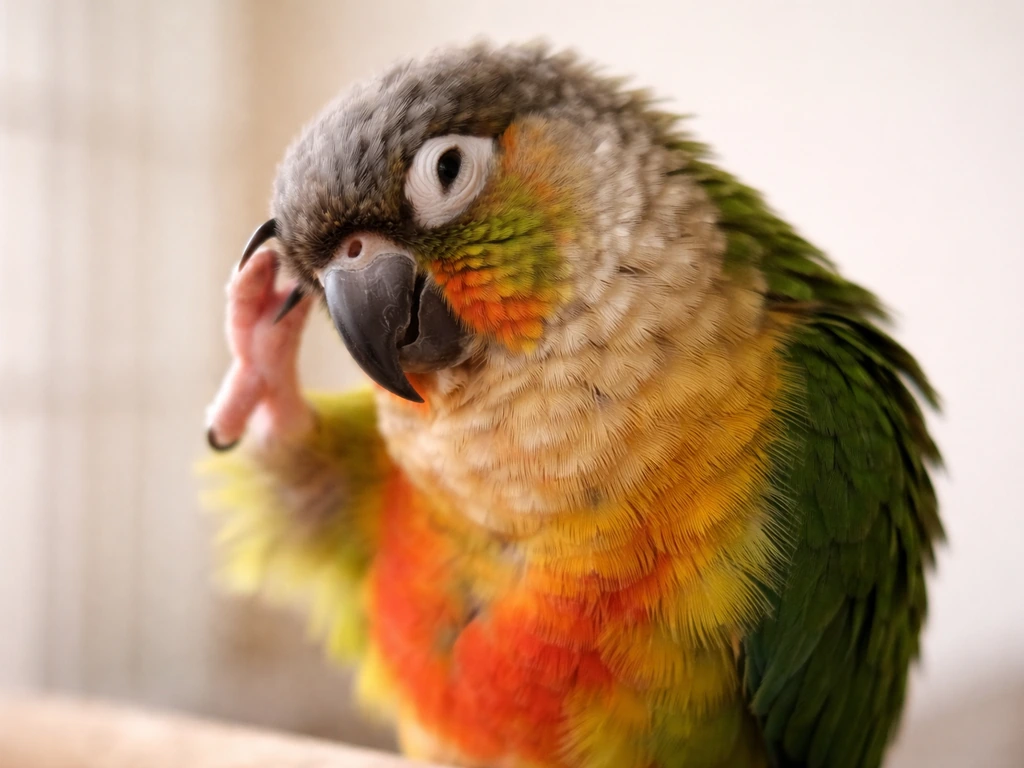
What head scratching usually means in birds
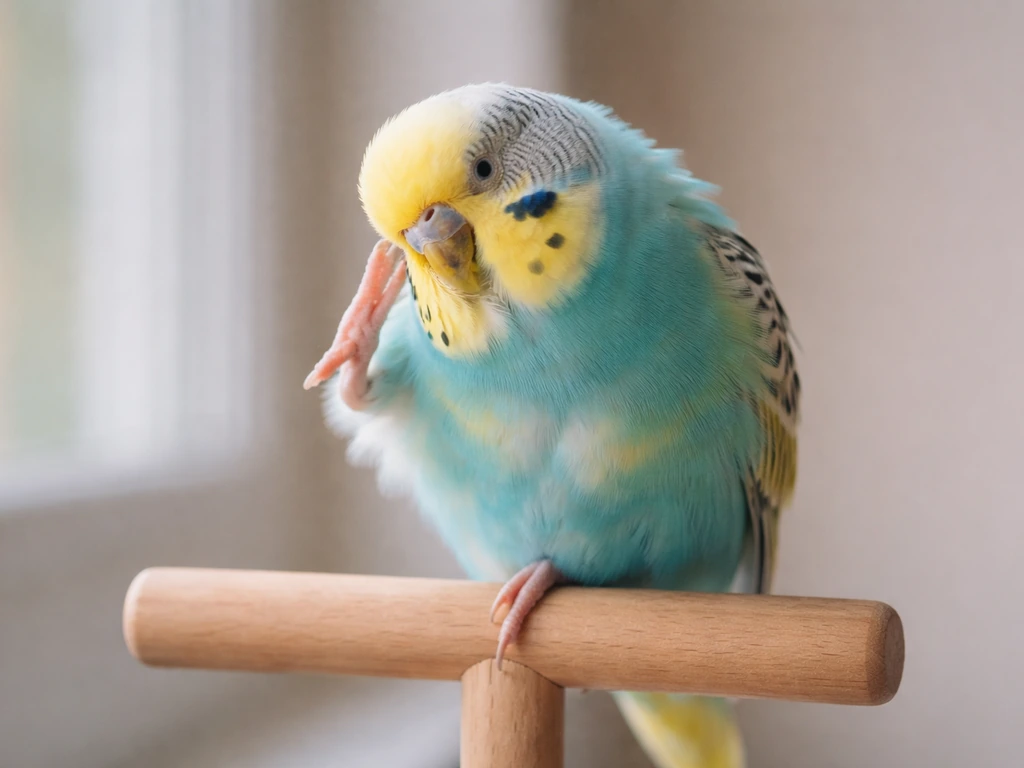
Birds groom constantly. A healthy bird will scratch its head several times a day, especially after eating, bathing, or waking up. This is normal maintenance: removing feather sheaths (the waxy coating on new pin feathers), redistributing oil from the uropygial gland, and just keeping the feathers aligned. You'll also notice birds rub their heads on perches or cage bars as part of the same routine.
What separates normal grooming from a problem is intensity and outcome. Normal scratching is brief, calm, and leaves the feathers and skin looking fine. Problematic scratching tends to be repetitive, urgent-looking, focused on one spot, and often results in feather damage, missing feathers, redness, or broken skin. The key question to ask yourself: does my bird look comfortable and normal afterward, or does it go right back to scratching?
It's also worth knowing that itching (pruritus) in birds is a real clinical sign, not just a quirk. The sensation triggers a desire to scratch, and if the underlying cause isn't addressed, the scratching and skin irritation can become a self-reinforcing cycle. So distinguishing grooming from itch-driven behavior matters.
Quick at-home checklist: what to look for today
Before doing anything else, spend five to ten minutes just observing your bird and doing a basic visual check. You don't need to handle the bird for this first pass.
- How often is the scratching happening? Occasional is normal; every few minutes is a red flag.
- Is your bird scratching one specific spot on the head, or all around? Focused scratching suggests localized irritation or injury.
- Are there any missing feathers, bald patches, or broken feathers around the head and neck?
- Is the skin visible where feathers are missing? Is it red, flaky, crusty, or does it have sores or nodules?
- Are there tiny moving specks in the feathers or on the skin (possible mites or lice)?
- Is your bird fluffed up, lethargic, or sitting on the cage floor? These indicate illness, not just itch.
- Has your bird's appetite changed, are droppings looking different, or is breathing labored? These are urgent warning signs.
- Has anything changed recently in the environment: new bedding, cleaning products, candles, air fresheners, new foods, or a different room?
If you can safely handle your bird, gently part the feathers around the head and neck with your fingers. Look at the skin directly: healthy skin should be smooth and pinkish, not red, flaky, crusty, or broken. In birds with skin disease, visible signs can include redness, scaling, crusting, ulceration, nodules or masses, and feather abnormalities like broken or absent feathers. Check behind the crest (if present), around the ears, and at the base of the beak. Any scabs, raw spots, or unusual texture needs a closer look.
Common causes: mites, lice, and dry skin
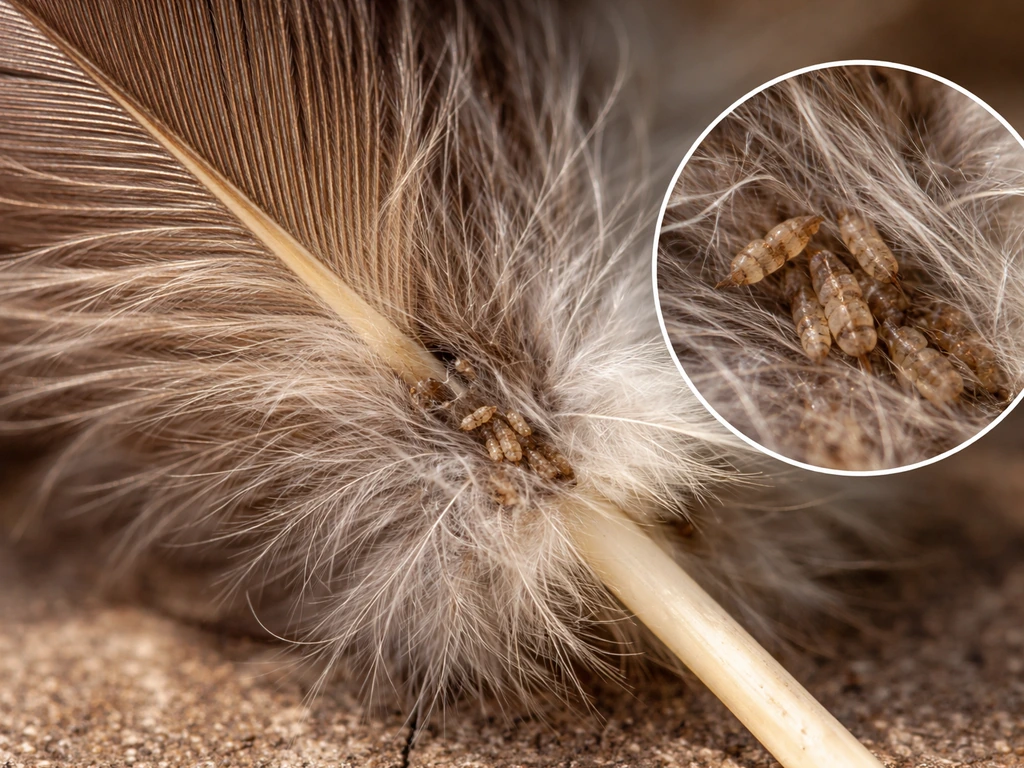
Parasites are one of the first things to rule out when scratching is persistent. Feather mites, red mites, and lice can all cause intense itching, particularly around the head and neck because the bird can't reach those areas to groom effectively. Red mites are especially sneaky because they tend to hide in cage crevices during the day and come out at night to feed. If your bird seems more restless at night or you notice tiny reddish-brown specks on the cage bars or perches, that's a strong clue.
Lice are easier to spot: they're flat, elongated insects that live on feathers and skin, and you can sometimes see them moving when you part the feathers in good light. Scaly face mites (Knemidokoptes) are another common culprit, particularly in budgerigars and parakeets. Parakeet is a scratching bird, so these same head-scratching patterns apply to budgerigars too parakeets. They cause crusty, honeycomb-like deposits around the beak, face, and legs, and they're very itchy. If you see that kind of crust on your bird's face, that's a vet visit, not a wait-and-see situation.
Dry skin is a surprisingly common and underappreciated cause of head scratching, especially in low-humidity homes or during winter when heating systems dry out indoor air. Birds need a certain level of ambient moisture to keep their skin and feathers healthy. If your bird isn't bathing regularly or isn't offered bathing opportunities, flaky, itchy skin follows. A simple fix is offering a shallow dish of lukewarm water daily or misting your bird gently with clean water a few times per week.
Environmental irritants and allergies to rule out
Birds have incredibly sensitive respiratory and skin systems. Things that barely affect us can cause significant irritation for them. If your bird has started scratching more recently and there's no obvious skin problem, think through any changes in the environment over the past few weeks.
- Scented candles, air fresheners, and essential oil diffusers are common irritants for birds.
- New cleaning products used on or near the cage (especially sprays or aerosols).
- Dusty or low-quality bedding that kicks up particulate matter.
- Cigarette or vape smoke anywhere in the home.
- New foods, especially if they've come into contact with spices, oils, or seasonings.
- New cage accessories, toys, or perches made from unfamiliar materials or treated with dyes/coatings.
- PTFE (Teflon) fumes from non-stick cookware heated nearby.
Allergic or irritant reactions in birds can show up as itching and scratching, but they often come with other signs too: sneezing, watery eyes, or labored breathing. If you identify a likely environmental trigger, remove it immediately and move your bird to better ventilation. Improvement within a day or two is a good sign that you found the culprit.
Injury, inflammation, or infection on the head
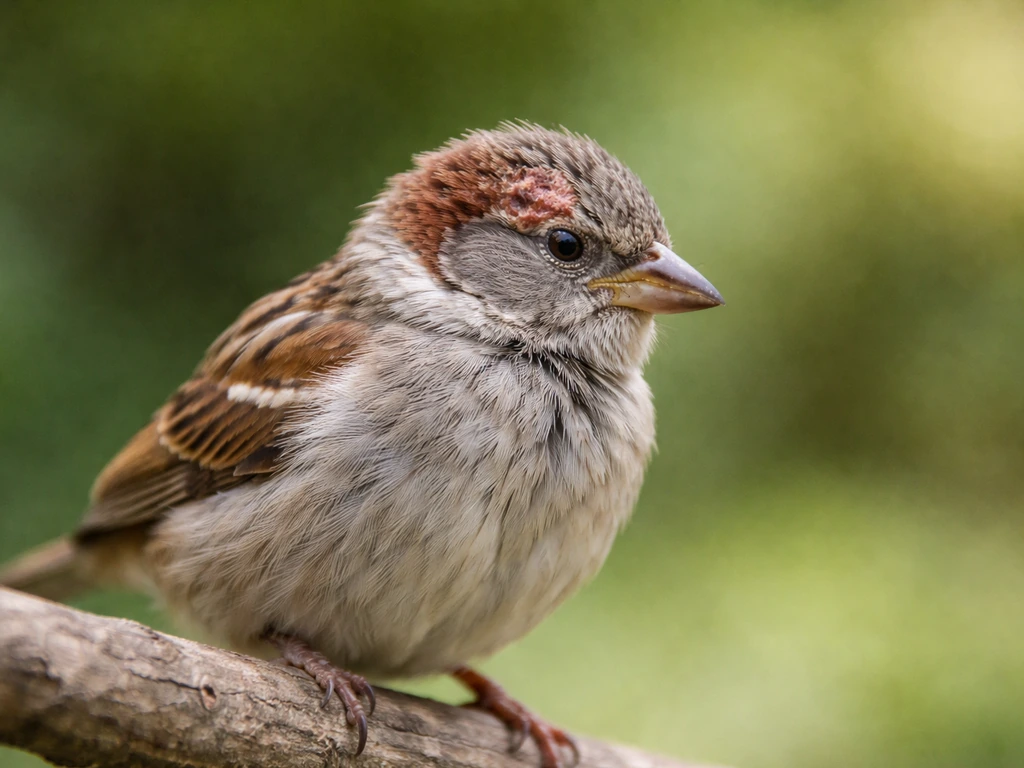
A bird that scratches intensely at one specific spot might be reacting to a wound, a follicle problem, or an infection. Pin feathers (new feathers growing in) are sensitive and sometimes become irritated or infected if they're damaged. A broken blood feather on the head can bleed and cause significant discomfort. If you see a dark-filled quill or a bleeding spot on the head, that's an injury that needs attention.
Feather follicle infections (folliculitis) can cause localized swelling, redness, or small nodules at the base of feathers. You might also notice discolored or oddly shaped feathers growing from the affected area. Bacterial or fungal skin infections tend to produce crusting, scaling, or ulceration. These won't resolve on their own and need veterinary diagnosis and treatment.
Head scratching can also follow a minor injury you didn't witness: a collision with a cage wall, a bite from a cage mate, or something catching the head feathers during play. If you see any cut, scab, swelling, or asymmetry around the head, treat it as a potential injury and get a vet's eyes on it, especially if the area looks infected (pus, bad smell, spreading redness).
Stress and behavioral reasons for head rubbing
Not all scratching is about physical irritation. Birds under stress, dealing with boredom, or seeking attention can develop repetitive behaviors that look like itching. If your bird rubs its head on a perch, the cage bars, or your hand repeatedly and there's no skin abnormality, it may be a behavioral habit or a stress response.
Common stress triggers include changes in the household (a new pet, a new person, a moved cage), reduced social interaction, a lack of mental stimulation, or disrupted sleep from too much light or noise at night. Behavioral scratching or rubbing tends to happen in predictable contexts (when you leave the room, when the house is busy) rather than randomly throughout the day.
The tricky part is that stress can also lower immune function and make birds more prone to real skin problems over time. So even if the scratching looks behavioral, it's worth addressing the underlying stress and monitoring the skin closely. More foraging toys, consistent daily interaction, a proper light/dark cycle (around 12 hours of sleep), and a quiet, stable environment all help. This connects closely to broader concerns about why birds itch and scratch in general, which can be influenced by a mix of physical and emotional factors.
Safe steps you can take at home right now
There are several things you can do today that are safe for most birds regardless of the cause. These won't replace a vet visit if one is needed, but they address the most common triggers and won't make things worse.
- Offer a shallow dish of lukewarm, clean water for bathing, or mist your bird gently with a clean spray bottle. This helps with dry skin and can dislodge mild surface irritants.
- Remove any scented products, aerosols, or candles from rooms where the bird spends time.
- Clean the cage thoroughly with a bird-safe disinfectant, paying attention to perch crevices and cage bar joints where mites hide. Let everything dry completely before returning the bird.
- Check bedding and replace it if it's dusty or old. Use unscented, low-dust options.
- Inspect the cage and toys for sharp edges, rough spots, or unfamiliar coatings that might be irritating the head or skin.
- Increase the humidity in the room if your home is very dry (a simple cool-mist humidifier near the cage helps).
- Spend consistent calm time with your bird daily to reduce anxiety-driven behaviors.
- Take a short video of the scratching behavior to show your vet. It helps them assess frequency and severity.
When to call an avian vet, and when it can't wait
A lot of head scratching resolves once you improve humidity, remove irritants, and treat the environment. But some situations require professional diagnosis, and a few are genuinely urgent. If you notice severe feather or skin damage, such as balding with skin lesions, it should be examined by a veterinarian once recognized severe feather or skin damage should be examined by a veterinarian. Avian vets can run skin scrapings to identify parasites, culture infections, and prescribe treatments that are safe and effective for birds. Over-the-counter pet parasite treatments made for dogs and cats are not safe for birds. Do not use them.
Schedule a vet appointment (within a few days) if you notice any of the following:
- Persistent scratching lasting more than a week with no improvement despite environmental changes.
- Missing feathers or bald patches forming on the head.
- Any visible skin abnormalities: redness, scaling, crusting, nodules, or broken skin.
- Tiny moving specks in the feathers (possible parasites).
- Crusty deposits around the beak or face (possible scaly face mite infection).
- Behavioral changes alongside the scratching: less vocal, less active, or less interested in food.
Go to an avian vet urgently (same day or next day) if you see any of these red flags:
- Open wounds, bleeding, or a broken blood feather on the head.
- Labored or noisy breathing, tail bobbing, or open-mouth breathing.
- Your bird is sitting on the cage floor, unable to perch, or extremely lethargic.
- Seizure-like episodes or loss of coordination.
- Droppings that are drastically different in color or consistency combined with scratching and fluffed posture.
- No eating or drinking for more than 24 hours.
The bottom line: occasional, calm head scratching is your bird taking care of itself. If you’re wondering why is my bird itching, start by checking for parasites, dry or irritated skin, and any recent changes in its environment. Frequent, intense, or skin-damaging scratching is a signal that something needs attention. Work through the checklist, make the safe environmental changes today, and don't hesitate to call a vet if the skin or your bird's overall health is showing signs of strain. Catching things early always leads to better outcomes.
FAQ
How can I tell if my bird is scratching normally after grooming versus something itchy?
Watch the pattern right after eating, bathing, or waking up. Normal grooming is brief and the bird looks settled within a minute or two. Itch-driven scratching usually escalates, repeats the same spot, and you may see skin changes afterward such as redness, flaking, or broken feathers.
Is it safe to use a spray, cream, or antiseptic on my bird’s head if I suspect irritation?
Generally no, because many human products are unsafe for birds (toxicity, residues, or irritation). If you need to treat anything before a vet visit, stick to environmental adjustments first (humidity, remove irritants). Only use medications if an avian vet prescribes them for that species.
Can I use flea, lice, or mite treatments meant for dogs or cats if the problem seems like parasites?
No. Dog and cat parasite products can be dangerous or lethal to birds due to different dosing and ingredients. Use only avian-specific parasite treatments recommended by a vet after identifying the cause.
What should I look for in my bird’s cage that might point to mites, especially red mites?
Check seams, corners, and crevices around perches, cage bars, and under the cage for tiny reddish-brown specks (often more noticeable at night). Also look for signs the bird is more restless after lights-out, which can fit red mite activity.
How soon after changing humidity or bathing options should I expect improvement?
If dry skin is the main driver, you often see less scratching within a few days once bathing opportunities and ambient moisture improve. If scratching remains intense or worsens, assume there is another cause (parasites, infection, allergy) and move toward an avian vet.
My bird scratches mainly at night, what does that usually indicate?
Nighttime restlessness can fit parasites such as red mites, since some feed after dark. It can also point to environmental triggers that become active later (noise changes, drafts, temperature swings). Use a night check for specks and observe when the behavior peaks.
If there’s no visible redness or scabs, could it still be parasites or an infection?
Yes. Some issues start subtly, especially early mite irritation or follicle inflammation, where skin may look nearly normal until scratching damages feathers. If scratching is frequent or focused, do not wait for obvious lesions, ask an avian vet about skin scrapings.
What if the scratching is only in one exact spot, does that change what I should suspect?
Localized, repetitive scratching often points to a specific trigger like a wound, a damaged or infected follicle, a pin feather issue, or a hidden injury you did not notice. If you see swelling, a nodular area, odd feather growth, or broken feathers, prioritize veterinary evaluation.
Can stress cause head scratching even when the skin looks normal?
Yes. Birds may rub or scratch as a repetitive coping behavior when stressed or under-stimulated, especially around predictable moments like when you leave or when the household is noisy. If the bird’s skin stays intact, focus on stabilizing sleep, reducing disruptions, and increasing foraging and interaction, while still monitoring for new skin changes.
How do I do a basic check without making things worse or traumatizing my bird?
Start with observation for 5 to 10 minutes before handling. If you handle, do it gently and briefly, parting feathers only enough to visually inspect the skin around the head and neck. Stop if your bird becomes highly stressed, and consider a vet exam if lesions are unclear or the bird is too reactive.
When should I consider it urgent, and what are the key red flags?
Treat it as urgent if scratching causes bleeding, missing feathers with raw skin, crusting that suggests scaly face mites, signs of infection (pus, spreading redness, bad smell), or breathing changes like sneezing or labored breathing. Same-day to next-day care is warranted if the bird looks unwell, lethargic, or in obvious discomfort.
Next Articles
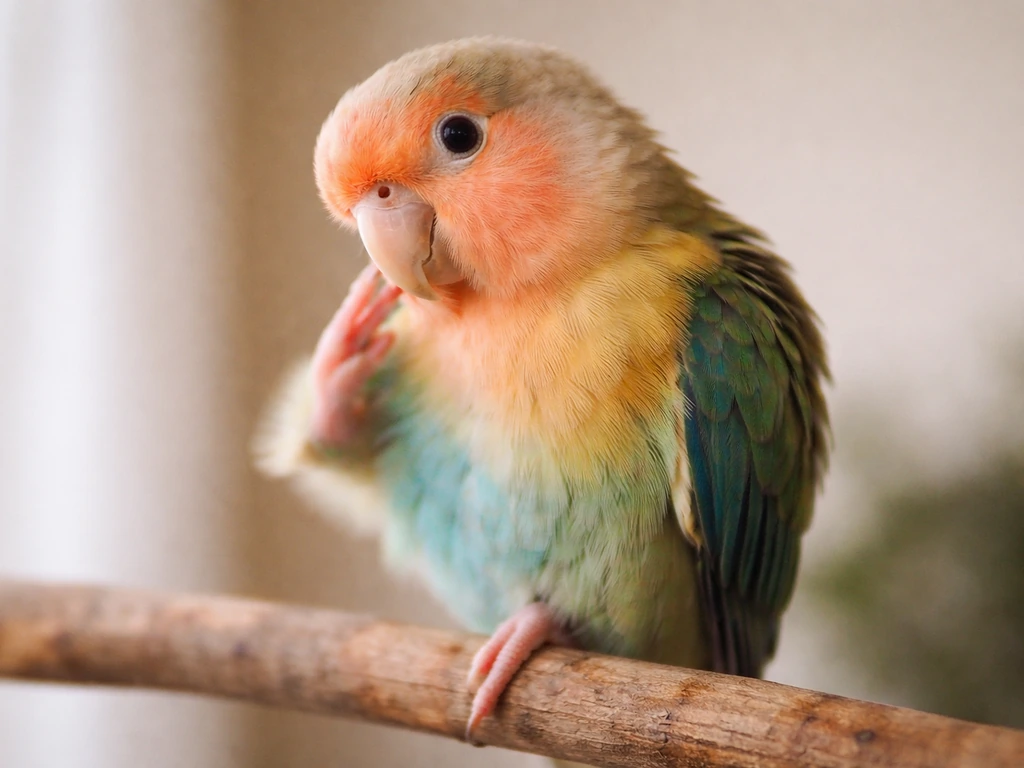
Why Does My Bird Scratch So Much? Causes and What to Do
Learn why your bird scratches so much and what to do today to check mites, irritation, stress, and red flags.
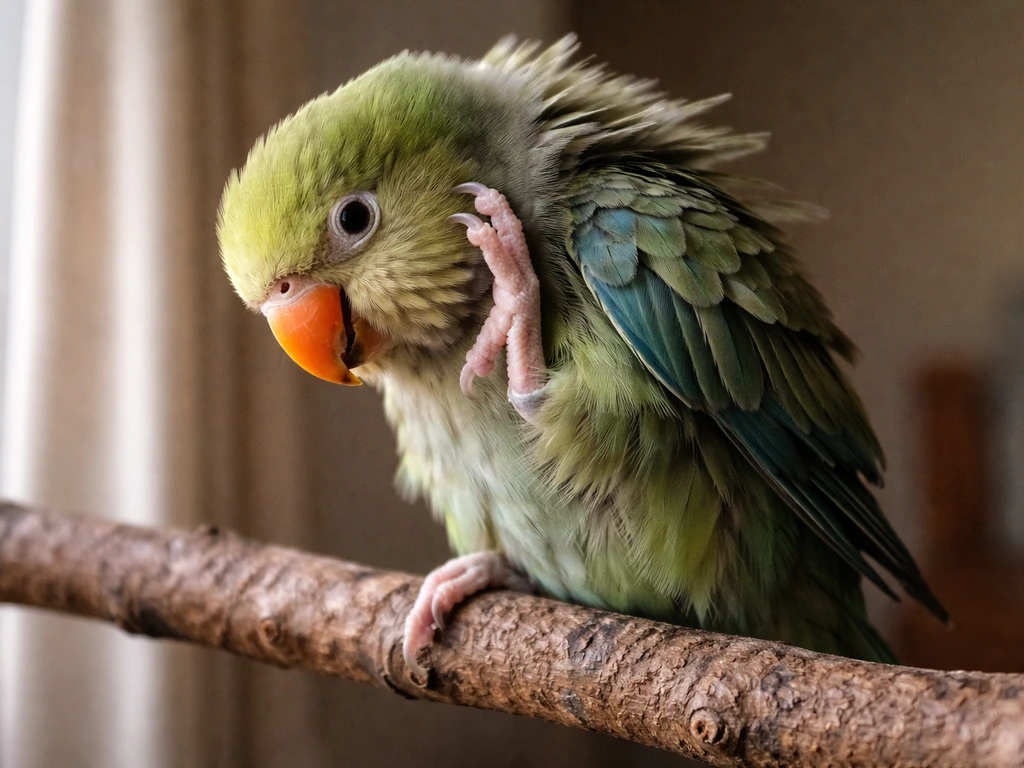
What Is Scratching Bird? Causes and What to Check Now
Learn why pet birds scratch and what to check now for dry skin, feather issues, mites, or irritation. Vet warning signs.
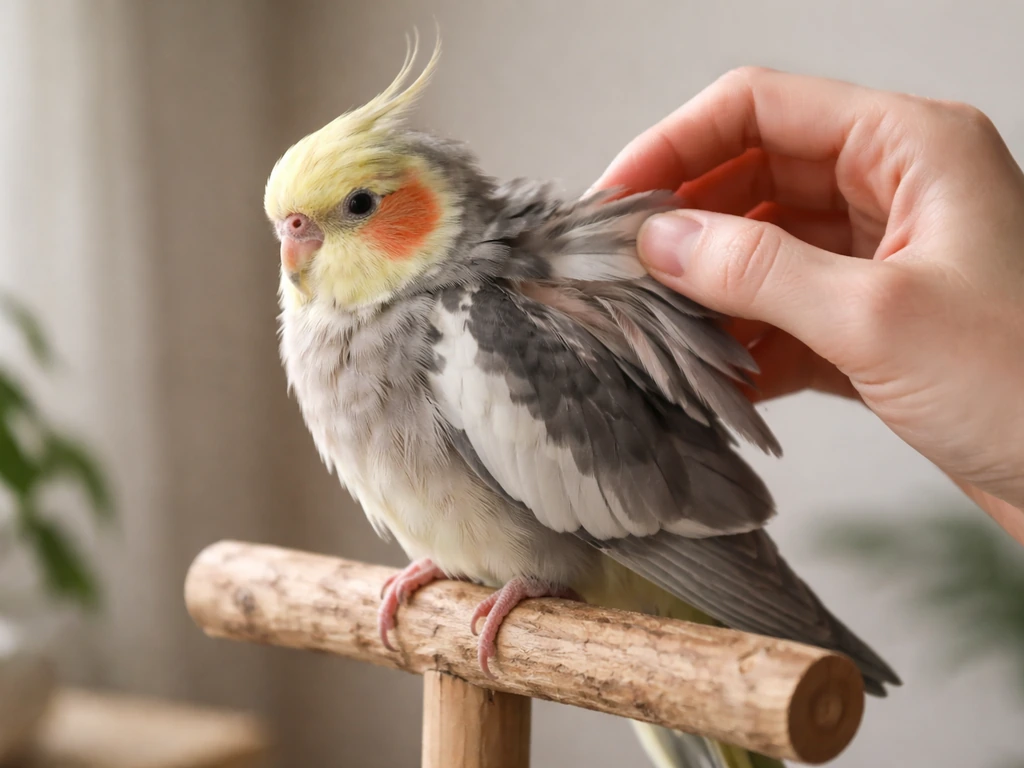
Why Is My Bird Itching? Causes and What to Do Now
Find causes of itchy birds, tell itch vs normal preening, inspect skin for mites or irritation, and know when to see a v