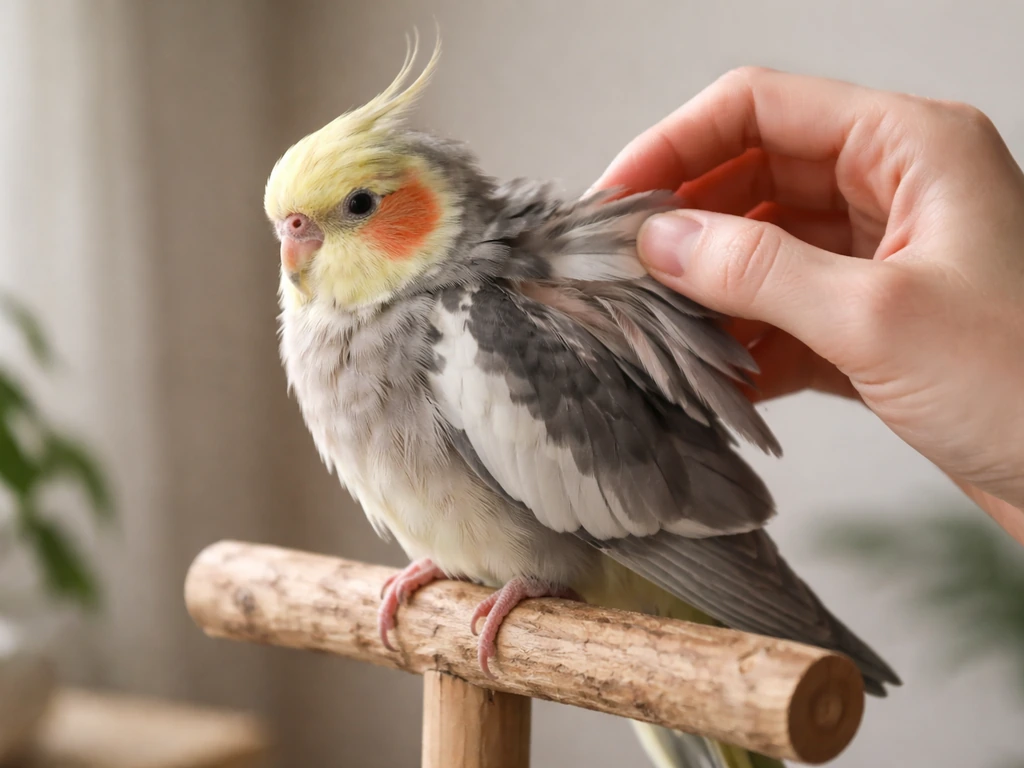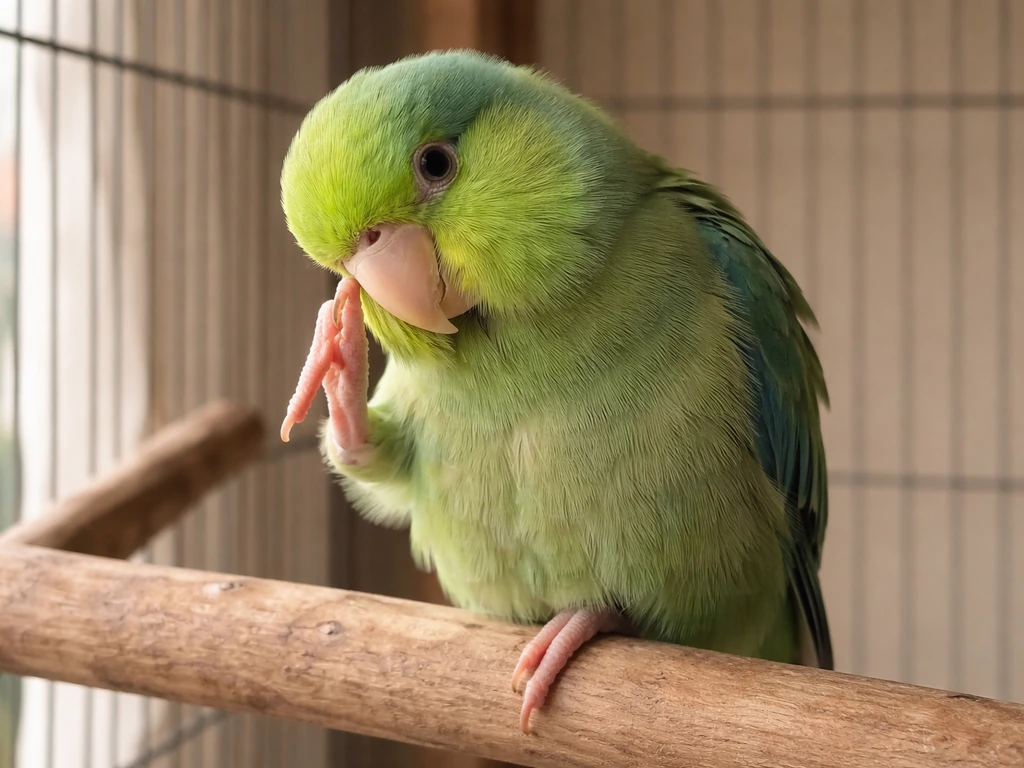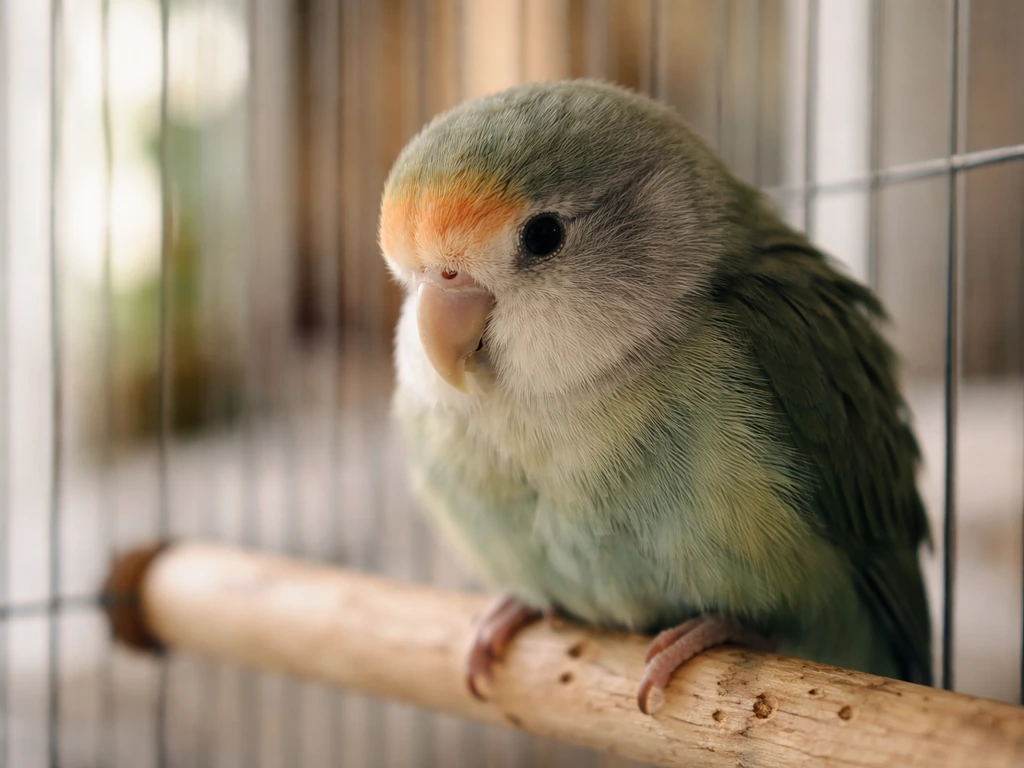
A scratching bird is usually doing one of two things: normal grooming, or signaling that something is irritating its skin or feathers. Most light scratching, head rubbing, and preening is completely healthy. The concern starts when scratching becomes frequent, focused on one spot, or shows up alongside other changes like ruffled feathers, bald patches, or a shift in energy or appetite. Here is how to tell the difference and what to do about it today.
What Is Scratching Bird? Causes and What to Check Now

Marcus Chen
6 Jun 2026
What scratching actually means in birds (normal vs. problem)
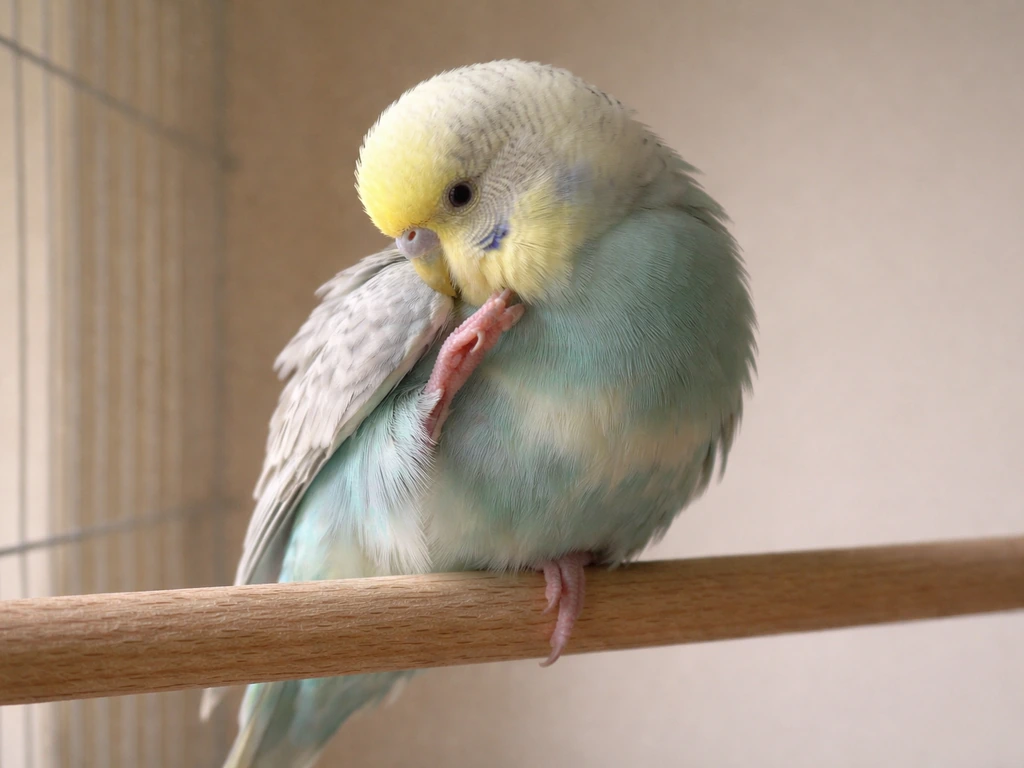
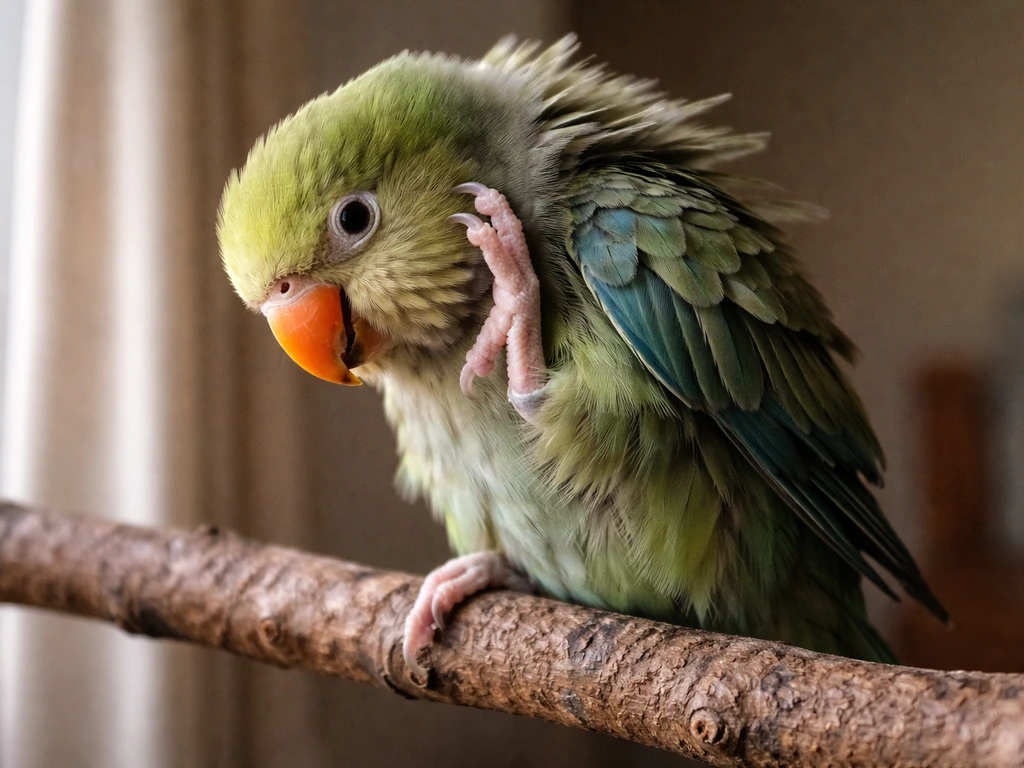
Birds scratch, preen, and rub their feathers every single day. It is how they keep feathers aligned, remove the keratin sheaths from new pin feathers, and stay clean. A bird using its foot to scratch its head, or rubbing its face on a perch, is the bird equivalent of a person brushing their hair. That is normal.
The behavior becomes a red flag when it shifts in quality or frequency. Constant scratching at the same spot, visible damage to feathers or skin, or scratching that seems frantic rather than casual all suggest something is wrong. It is also worth knowing that what looks like scratching from the outside is sometimes feather-destructive behavior, where a bird is actually chewing, pulling, or barbering its own feathers. The two can look similar to a new owner, but they have different causes and need different responses.
One thing that surprises many owners: itching is not always the main driver. A bird can appear to be scratching intensely even when skin irritation is minimal. Pain, anxiety, boredom, or a skin condition that causes discomfort rather than classic itch can all produce the same outward behavior. So the goal is not just to find an itch trigger, but to rule out the full list of causes.
The most common causes to check first
Dry skin and environmental irritants

Low humidity is one of the most overlooked causes of scratching in pet birds. Most parrots and tropical species come from humid climates, and living in a dry house, especially in winter with forced-air heat running, dries out their skin and feathers. The result is mild but persistent itchiness that can look like excessive preening. Aim for indoor humidity around 40 to 60 percent near the cage.
Chemical fumes from nonstick cookware, cleaning products, air fresheners, and candles are another big trigger. Birds have extremely sensitive respiratory systems, and airborne irritants can cause skin and feather reactions even if you never apply anything directly to the bird. Even lotions or perfumes on your hands can transfer to feathers and cause chewing or irritation at the contact spot.
Mites and lice
Parasites are the first thing most owners worry about, and reasonably so. Red mites, feather mites, and lice can all cause intense scratching, especially around the head, neck, and vent area. [Red mites are nocturnal and harder to spot during the day. ](https://vcahospitals.
com/know-your-pet/red-mite-in-poultry) You might notice your bird scratching most at night, or see tiny red or dark specks in the cage corners, on perches, or on a white cloth pressed against the cage bars. Lice are generally visible as small moving specks on the feathers, particularly at the base of the shaft. If you suspect parasites, [examine the bird in good lighting](https://www. petmd.
com/bird/conditions/parasitic/cbdscalyfaceandlegmite? page=1) and also inspect the cage thoroughly. Keep in mind that birds kept strictly indoors with no contact with wild birds have a lower risk, but it is not zero.
Allergies and skin conditions
Birds can develop sensitivities to dust, mold, certain foods, or even the material their cage is made from. A change in diet, a new toy, or a different brand of bedding introduced around the time scratching started is worth noting. Bacterial or fungal skin infections are also possible, often developing in areas where feathers have already been damaged by scratching or plucking. These infections look like reddened, flaky, crusty, or weeping skin and need veterinary treatment.
How to check your bird's feathers and skin safely
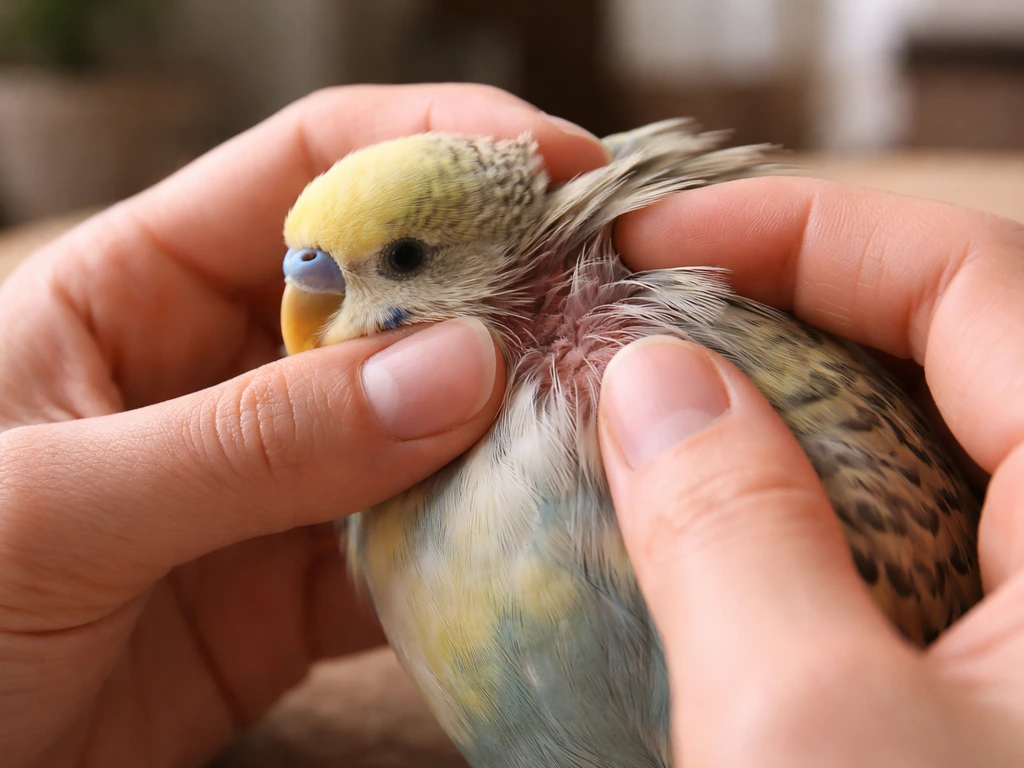
A calm, gentle visual exam at home gives you useful information without causing stress. Pick a time when your bird is relaxed, not right after feeding or when it is already agitated. Work in good natural or bright light.
- Start with the head and neck: Look for missing feathers, pin feathers that appear broken or chewed, redness, or scaly skin around the eyes, beak, and ear openings.
- Check under the wings: Gently lift each wing if your bird tolerates it. The skin on the underside and chest area should be smooth, pink or pigmented depending on species, and free from sores or swelling.
- Look at the vent area: Dirty, matted, or irritated feathers around the vent can indicate infection, parasites, or digestive issues.
- Examine feather quality: Healthy feathers lie flat, have clean edges, and are not broken mid-shaft. Ragged, frayed, or missing feathers in patches are a sign something is wrong.
- Check the skin where visible: Skin that is red, thickened, flaking, or has small bumps or lesions needs a vet's attention.
- Look at the cage: Check perches, cage bars, and corners for mite specks or feather debris that looks chewed rather than naturally shed.
If your bird is very stressed by handling, skip the physical exam and focus on observation. Watch how it scratches, where on its body, how often, and whether it is also chewing at feathers or just using its foot to scratch. Note whether the behavior is constant throughout the day or concentrated at certain times. These details are exactly what an avian vet will ask about.
Red flags that mean call a vet now
Some signs tell you this is beyond a simple environment fix and needs professional evaluation soon, not eventually.
- Visible open sores, bleeding skin, or deep wounds from scratching or biting
- Significant feather loss, bald patches, or large areas of broken or chewed feathers
- Scratching that has increased noticeably over a few days despite no change in environment
- Lethargy, fluffed feathers held for extended periods, or a bird sitting at the bottom of the cage
- Changes in droppings, appetite, or water intake alongside the scratching
- Crusty or scaly skin around the face, legs, or beak (can indicate Knemidocoptes mites)
- Signs of respiratory distress: tail bobbing, open-mouth breathing, or clicking sounds
- Any behavior that is dramatically different from your bird's normal personality
Trust your gut here. You know your bird's baseline better than anyone. If something feels off beyond just the scratching, that instinct is worth acting on. An avian vet, not a general small-animal vet if you can help it, is the right call for bird-specific issues.
What you can do right now at home
While you are assessing the situation or waiting for a vet appointment, there are several supportive steps you can take today that cost nothing and can genuinely help.
- Check and adjust humidity: If your home is dry, move a cool-mist humidifier near the bird's room. Avoid placing it so close that the cage gets damp.
- Offer a bath or mist: Many birds scratch less after bathing. Offer a shallow dish of room-temperature water or lightly mist your bird if it enjoys it. Daily or every-other-day baths can make a real difference.
- Eliminate aerosol products and fumes: Stop using air fresheners, scented candles, nonstick cookware, and spray cleaners near the bird's space immediately. Ventilate the area well.
- Wash your hands before handling: Remove lotions, perfumes, and any chemical residue before touching your bird or its feathers.
- Deep-clean the cage: Remove and scrub perches, toys, and food dishes. Replace cage liner. Inspect every corner for mite signs.
- Review recent changes: New food, new toy, new cage placement near a window with drafts, or a change in your household cleaning products are all worth ruling out.
- Reduce stress triggers: Loud environments, new pets, or disrupted sleep schedules can contribute to feather-related behaviors. Consistent routine helps.
- Increase enrichment: If boredom or stress is a factor, adding foraging toys, new safe chewing items, and more out-of-cage time can reduce the behavior.
What vets typically do and how to stop it coming back
When you bring a scratching bird to an avian vet, the first step is usually a physical exam combined with a detailed history: how long the scratching has been happening, where on the body, any recent changes, diet, and environment. From there, the vet may take skin scrapings or feather samples to check for mites, bacteria, or fungal infections under a microscope. Blood work can rule out systemic illness. In some cases, a biopsy of abnormal skin tissue is done.
Treatment depends entirely on what is found. Confirmed mites or lice are treated with specific antiparasitic medications, applied topically or as a spray in some cases, and the cage must be treated at the same time or reinfestation happens quickly. Bacterial or fungal infections get targeted antimicrobial treatment. Dry skin cases might involve dietary changes like adding omega-3 fatty acids or adjusting humidity. Allergy-related cases require identifying and removing the trigger.
If the scratching turns out to be feather-destructive behavior with a behavioral or psychological component, the treatment plan becomes more involved. This kind of problem is genuinely multifactorial, meaning it usually requires a combination of environmental enrichment, routine changes, sometimes nutritional adjustments, and follow-up visits to track progress. Lafeber Veterinary client education on feather destructive behavior similarly describes multifactorial causes, including both stress factors and systemic disease, and a range of feather-damaging actions such as preening to biting or pulling This kind of problem is genuinely multifactorial. There is rarely a single fix. Regular follow-ups with an experienced avian vet or behavior specialist give you the best outcome.
Preventing recurrence
Once you know the cause, prevention is mostly about consistency. Keep humidity stable, maintain a regular bathing routine, do weekly cage deep-cleans, and stay alert to any new products or changes in the environment that could act as irritants. If parasites were the culprit, ask your vet about a regular monitoring schedule, especially if your bird has any outdoor exposure or contact with other birds. Annual wellness checks with an avian vet are genuinely useful here because many skin and feather issues are caught earlier when a vet already knows your bird's baseline.
Scratching in pet birds covers a wide spectrum, from completely normal daily grooming to early signs of a health issue that needs attention. If you are wondering, “why does my bird scratch himself so much,” start by noticing whether it is normal grooming or a change in frequency, location, or intensity.
If you are dealing with a parakeet that is scratching more than usual, use the same checklist to narrow down whether the cause is normal grooming or a problem parakeet is a scratching bird. If you are wondering why is my bird scratching his head, start by checking whether the behavior is frequent, focused, or paired with other changes scratching in pet birds.
If you are wondering why your bird is itching, start by checking for irritation triggers like dry air, fumes, or potential parasites why is my bird itching. If your bird is itching, the next step is to narrow down the possible causes like mites, allergies, or dry skin why your bird is itching. The key is knowing your bird's normal behavior well enough to notice when something shifts, and knowing which changes are worth acting on quickly.
Whether you have a parakeet, a cockatiel, a parrot, or any other species, the same observation approach applies: check the skin and feathers, audit the environment, and do not delay if the red flags appear.
FAQ
How can I tell if my bird’s scratching is normal grooming or a problem?
Look for pattern changes, if it is mostly light and spread out it is often grooming, but if it is frequent, focused on one spot, or paired with ruffled feathers, bald areas, flaking, or a noticeable drop in energy, that is more consistent with an issue. Also check whether the scratching is worse at specific times (like night) because that can point to mites.
Is it safe to treat my bird for mites if I’m not sure that’s the cause?
Often no. Unnecessary antiparasitic treatments can irritate skin and complicate the exam. A better next step is to inspect closely in good light and, if you suspect parasites, schedule an avian vet visit so they can confirm with skin or feather sampling before choosing a medication.
Can nonstick cookware or cleaning fumes really cause skin or feather scratching?
Yes. Birds can react indirectly through airborne fumes and residue, even without direct contact. If you recently used nonstick pans, aerosol cleaners, air fresheners, scented candles, or strong detergents, pause them and ventilate the room, then monitor whether scratching and feather chewing improve over the next several days.
What humidity level should I aim for, and how do I raise it safely?
A practical target is about 40 to 60 percent near the cage. Use a hygrometer to measure, add a humidifier placed safely away from direct misting onto the bird, and avoid over-humidifying because condensation can encourage mold, which can also trigger irritation.
How should I do a quick home exam without stressing my bird?
Pick a calm time and use bright, natural or bright room lighting. Do not handle aggressively, instead observe posture and scratch location, and only lightly part feathers if your bird tolerates it. If your bird becomes flustered, skip handling and focus on detailed observation for the vet (where, when, and whether there is chewing).
Is chewing or plucking sometimes mistaken for scratching?
Yes. Feather-destructive behavior can look like scratching because birds may use their foot while they chew or pull. A key clue is visible feather breakage, bare patches, or areas where skin looks irritated from biting, not just from rubbing.
Does diet play a role in scratching even if the bird seems to be eating normally?
It can. Switching brands, changing seed-to-pellet ratios, or introducing new treats around the time symptoms started is worth noting. Some cases involve dry or compromised skin that can respond to targeted nutrition, so bring the exact diet schedule to the vet rather than making multiple changes at once.
What bathing or bathing products are safest if my bird is itchy?
Plain water bathing is usually the gentlest option, and the timing matters, offer baths when your bird is relaxed and fully dry afterward in a safe, warm environment. Avoid adding perfumes, oils, or medicated products unless your avian vet recommends them, because residues can worsen contact irritation.
When should I stop waiting and contact an avian vet urgently?
If scratching is escalating rapidly, if there is skin bleeding or weeping, if bald patches are spreading, if the bird becomes lethargic or stops eating, or if you suspect a painful injury or severe skin infection. Those situations are less about minor environmental fixes and more about needing diagnostic treatment soon.
If I find mites or lice, what else needs to be treated to prevent reinfestation?
Treating only the bird is usually not enough. The cage, perches, and nearby items can harbor mites, so follow your vet’s instructions for cleaning and any simultaneous treatment schedule, including timing. Ask specifically about whether bedding, toys, and fabrics need replacement.
How can I prepare for the vet visit so the diagnosis is faster?
Write down when scratching started, how often it happens, the exact body areas involved, and any recent changes (humidity, bedding, cleaning products, toys, diet, cookware use). If possible, note whether it is worse at night and whether the bird is also chewing feathers, this helps the vet decide which tests to prioritize.