
If your bird is scratching, rubbing, or preening constantly and something feels off, the most common culprits are parasites (especially mites), dry or irritated skin, environmental irritants like aerosols or dusty bedding, or the early stages of feather-plucking behavior driven by stress or boredom. If your bird scratches so much that it seems nonstop, the most common step is to consider parasites, dry skin, and recent environmental changes first. Most of these are identifiable with a careful look and a quick review of recent changes in your home. A few situations need an avian vet today, but for most birds, you can gather a lot of useful information right now before making that call.
Why Is My Bird Itching? Causes and What to Do Now

Marcus Chen
19 May 2026
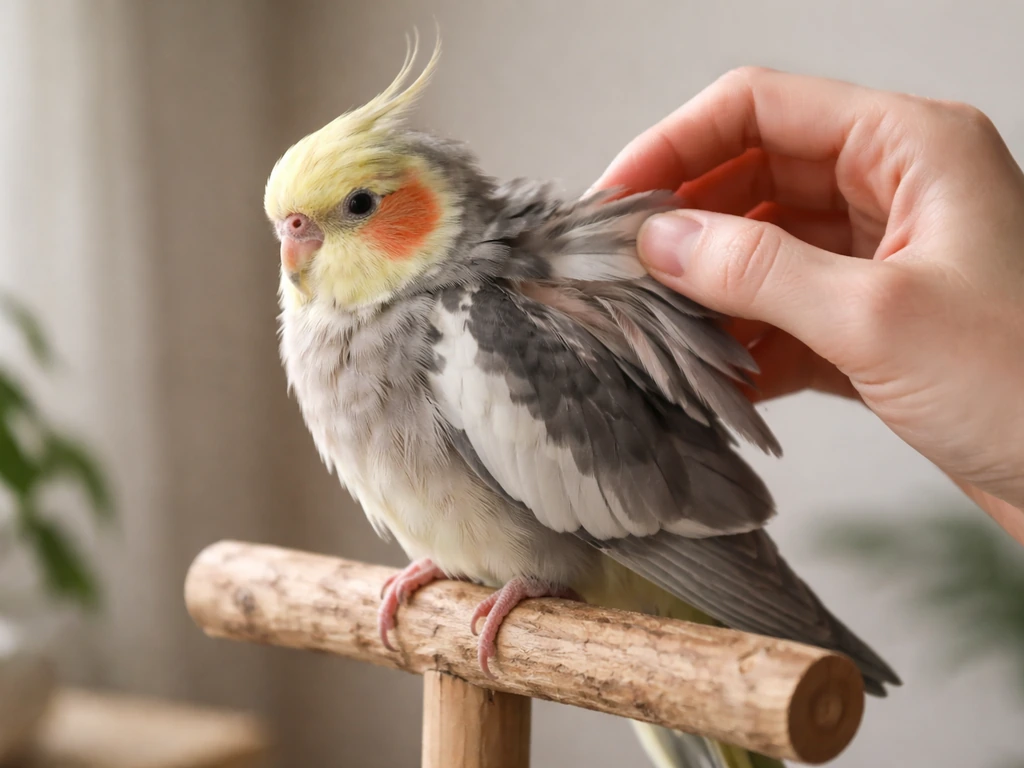
Quick check: is this real itching or just normal grooming?
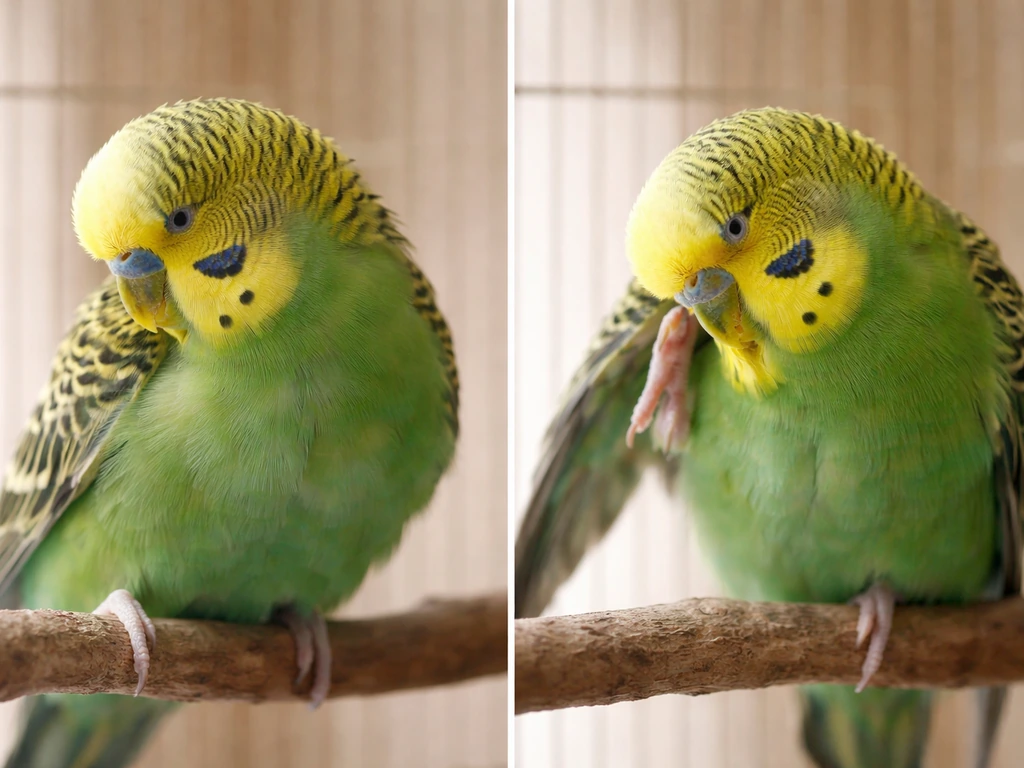
Birds groom themselves every day. Preening, scratching the head with a foot, and occasionally pulling at a feather are all completely normal. If your parakeet is a scratching bird, track where the behavior happens and whether it seems compulsive or just routine grooming preening, scratching the head. The question is whether what you're seeing crosses into something more intense or compulsive.
Normal grooming looks relaxed. The bird works through its feathers methodically, maybe nibbles at the base of a few, and moves on. It's not frantic, it doesn't keep returning to the same spot, and the feathers look intact afterward.
True itching or irritation looks different. Watch for these signs that something more is going on:
- Repeated scratching or rubbing at the same spot on the body, face, or vent area
- Visible feather damage: broken shafts, chewed tips, or thinning patches
- Redness, flakiness, or swelling on the skin, especially around the face, beak, or eyes
- Restlessness, particularly at night when most birds should be calm
- Agitation after preening instead of the usual settled, relaxed posture
- Bald patches or areas where you can see bare skin through the feathers
If you're seeing one or more of those signs, you're likely dealing with real irritation rather than routine grooming. The next step is figuring out why.
Common causes of intense itching in pet birds
There's rarely just one reason a bird is itching nonstop. The causes fall into a few main categories, and more than one can be active at the same time. Here's a practical overview before we dig into each one.
| Cause | What it looks like | How urgent |
|---|---|---|
| Mites or lice | Tiny specs on feathers/skin, restlessness especially at night, possible anemia | See vet soon; confirm with scraping |
| Dry or irritated skin | Flakiness, dull feathers, scratching all over | Moderate; check humidity first |
| Bacterial or fungal skin infection | Redness, lesions, feather loss in localized areas | Vet exam needed |
| Environmental irritants | Sudden onset after a new product/cleaning, respiratory signs too | Remove source immediately |
| Stress or behavioral feather picking | Feather damage on reachable areas, normal skin underneath | Monitor; enrich environment |
| New molt or pin feathers | Itchy during feather regrowth, bird seeks head scratches | Normal; supportive only |
Parasites and skin problems to look for
Mites
Mites are less common in pet birds than most owners assume, but they do happen. Feather mites in particular can make a bird restless throughout the day and noticeably worse at night. In serious infestations, blood-feeding mites can actually cause anemia. Scaly face or scaly leg mites are another type you'll see more often in budgerigars, and they produce a distinctive crusty, honeycomb-like buildup around the beak, cere, eyes, and legs.
You cannot diagnose mites by looking alone. A vet diagnoses them using skin scrapings examined under a microscope, and treatment typically involves antiparasitic medication given orally or by injection. Don't try over-the-counter mite sprays without a confirmed diagnosis since many are ineffective or even harmful to birds.
Lice
Lice live directly on the feathers and skin. They cause constant crawling sensation and can pierce the skin, which creates small wounds that may become infected. A bird with lice often looks persistently uncomfortable rather than just itchy, and you may be able to spot the insects or their eggs (nits) attached to feather shafts if you part the feathers and look carefully in good light.
Bacterial and fungal skin infections
Bacterial or fungal infections can cause itching, redness, and localized feather loss. Sometimes these develop secondary to self-trauma from scratching, meaning what started as itchiness from another cause has now created an open wound that gets infected. Yeast overgrowth is another possibility, especially in birds with immune stress. These infections require a vet to diagnose and treat properly. Keeping skin injuries clean and dry matters a lot while you're waiting for that appointment.
What to look for when you inspect your bird
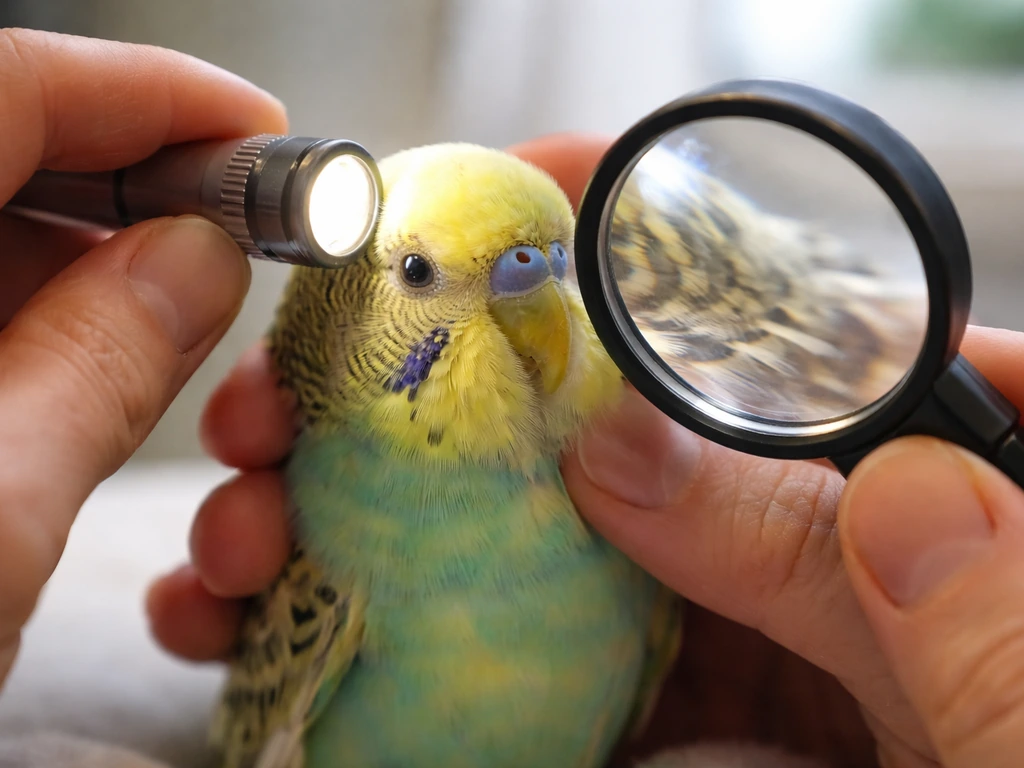
- Part feathers gently in good light and look for tiny moving specs on the skin or feather shafts
- Check around the beak, cere, and eye area for crusty or scaly buildup
- Look at the legs and feet for thickened, raised, or flaky scales
- Note any redness, swelling, or raw-looking patches on the skin
- Check for broken feather shafts or bleeding pin feathers (new feather growth that looks like a small quill)
When feather plucking looks like itching
This one trips up a lot of owners. Feather plucking and stress-related over-preening can look almost identical to a bird with intense physical itching. The bird keeps going back to its feathers, pulls or chews at them, and ends up with visible damage or bald patches. But the driver may be psychological rather than a skin problem.
Behavioral feather picking is linked to boredom, lack of mental stimulation, sexual frustration, stress from household pets, or compulsive habits that develop over time. Some birds never learned appropriate preening behavior from their parents, which can contribute too. The important thing to know is that behavioral picking should only be the conclusion after a medical cause has been ruled out, not the first assumption.
One practical clue: if the feather damage is only in areas the bird can reach with its beak (chest, belly, inner wings, flanks) and the head feathers look perfect, that pattern leans toward self-directed plucking rather than an external cause like mites. But you still need a vet to confirm there's no underlying skin infection, because skin lesions from self-trauma can develop and complicate things quickly.
On the management side, one concrete step that helps reduce anxiety-driven picking is regulating light exposure. Providing no more than 12 hours of light per day and covering the cage for at least 12 hours at night can meaningfully reduce the hormonal and anxiety responses that drive some birds to over-preen.
If you're trying to understand the full picture of scratching and head-rubbing behavior as separate patterns, those are worth looking at alongside this topic since they can point toward different causes. If your bird is scratching his head specifically, the same causes and decision steps (mites, irritation, infections, and stress-related picking) apply. If you also notice scratching or head-rubbing, it can help narrow down whether the issue is irritation, parasites, or dry skin.
Environmental triggers worth checking today
Environmental causes are some of the most actionable ones because you can act on them immediately. If your bird's itching came on suddenly, start here.
Household aerosols and toxic fumes
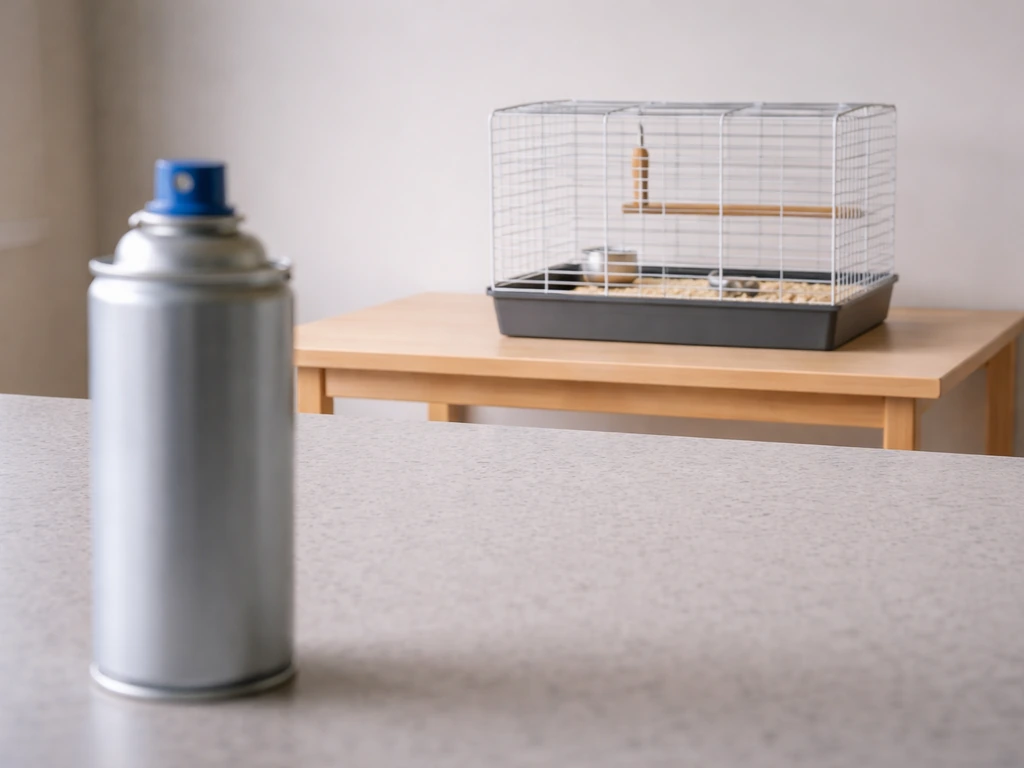
Birds have extremely sensitive respiratory systems, and many common household products are genuinely dangerous to them. Non-stick cookware (containing PTFE/fluoropolymers) begins releasing fumes at around 240°C (464°F) and those fumes can cause respiratory distress, neurological symptoms, and death in birds. Beyond Teflon, hair sprays, scented candles, air fresheners, cleaning sprays, and even curling irons can release fumes that irritate a bird's skin and airway. If you've used any of these near your bird recently, that could easily explain sudden-onset itching or discomfort.
The rule is simple: never use aerosols or spray products anywhere near your bird, and never use non-stick cookware in a kitchen connected to the room your bird lives in unless the ventilation is excellent.
Dusty bedding, liners, and cage substrate
Some cage substrates and liners produce fine dust that settles on feathers and skin. Dusty newspaper print, certain wood shavings, and low-quality paper liners can all be irritants. If you recently changed cage bedding or liner brand, that's worth reversing as a test.
Humidity and temperature
Low humidity is a real and underappreciated cause of itchy, dry skin in pet birds, especially in winter when indoor heating dries the air significantly. Most parrots and tropical birds do best at around 40 to 60 percent relative humidity. If your home is very dry, adding a room humidifier near the cage (not blowing directly at it) can help. Temperature swings from drafts, air conditioning vents, or open windows can also stress a bird's skin and immune system.
New cleaning products on cage surfaces
If you cleaned the cage with a new disinfectant or soap and didn't rinse it thoroughly, residue on perches and bars can irritate skin and feet. Always rinse cage surfaces completely with plain water after using any cleaning product, and avoid anything with strong fragrances or harsh chemical compounds.
What to do today: inspect, track, and adjust
Before calling the vet, spend 10 to 15 minutes gathering information. You'll get a much more useful appointment if you can describe exactly what you're seeing and when it started.
- Do a calm, hands-on feather inspection in good light. Part feathers on the chest, belly, back, and wings and look for bald patches, redness, specs, cysts, broken shafts, or bleeding pin feathers. Check the face, beak, cere, and feet for scaling or buildup.
- Note the pattern of damage. Is it only where the bird can reach with its beak? Is it all over? Is it localized to one area like the face or vent?
- Check for environmental changes in the last 1 to 2 weeks: new cleaning products, new cage accessories, new bedding, use of aerosols or cooking products near the bird, changes in room temperature or humidity.
- Watch for companion symptoms: is the bird still eating and drinking normally? Is its droppings consistent? Is it active and alert, or quieter than usual? These details matter a lot.
- Start a simple symptom log. Note how often you see the scratching or rubbing, which body areas are targeted, time of day (worse at night points toward mites), and anything that seems to make it better or worse.
- Remove obvious irritant sources immediately. Stop using aerosols in the home, switch back to old bedding if you recently changed it, and increase humidity if the air is dry.
- If you spot tiny moving specs, crusty buildup around the beak or eyes, or any bleeding, don't wait. Contact an avian vet.
When to call an avian vet (and what to expect)
Some situations don't need a wait-and-see approach. Contact an avian vet promptly if you notice any of the following:
- Active bleeding or open wounds from self-trauma
- Bald patches or significant feather loss in any area
- Crusty, scaly buildup around the beak, cere, eyes, or legs
- Redness, swelling, or lesions on the skin
- Open-mouth breathing, tail bobbing, or any labored breathing
- Lethargy, fluffed feathers, or a bird sitting low on its perch
- Refusal to eat or noticeable weight loss
- Itching that is getting rapidly worse over a few days
- Any neurological signs like loss of balance or tremors
At the appointment, a good avian vet will do a physical exam of the skin and feathers, likely take skin scrapings to check for mites or fungal organisms under a microscope, and ask you about the bird's diet, environment, and recent changes at home. PetMD notes that scaly face or leg mite disease is diagnosed by taking skin scrapings and examining them under a microscope skin scrapings to check for mites under a microscope. Bring your symptom log because that timeline is genuinely useful. Depending on findings, they may run bloodwork to rule out systemic disease, since feather and skin problems can sometimes be signs of a broader internal issue.
Treatment will depend on the diagnosis: antiparasitic medication for confirmed mites, antifungal or antibiotic therapy for infections, and behavioral or environmental management plans for stress-driven picking. The key takeaway is that you should rule out a medical cause before settling on a behavioral explanation, not the other way around. A bird that's been itching nonstop deserves a proper look, and most causes are very treatable once identified.
FAQ
Should I assume mites if my bird is itching a lot?
If your bird is itching nonstop, treat it as a medical problem until proven otherwise. Do not start mite or lice sprays “just in case,” because many are ineffective for birds and some irritate the skin further. The fastest safe step is to remove any recent sprays or aerosols, switch to dust-free cage materials, and schedule an avian vet (or call one urgently) for a skin scraping exam.
Could kitchen or home products cause itching suddenly?
Yes. A sudden change after using a kitchen product is a key clue. If you used non-stick cookware, heated oils, hair sprays, scented candles, air fresheners, cleaning sprays, or bug sprays in the same space, that timing can match irritation from fumes or residues. Even if the bird seems otherwise okay, stop the product immediately and monitor breathing and energy levels.
How can I tell normal preening from real itching?
Grooming can be normal, but itch-related behavior tends to be repetitive fixation on one spot, frantic scratching, or visible skin damage that keeps worsening. Another helpful check is location, if the bird can only reach certain areas with the beak, that pattern leans toward self-trauma or picking, not parasites that often irritate multiple skin and feather regions. Still, skin infection can develop from self-injury, so a vet visit is important when it is persistent.
What visual clues point more toward mites or lice?
If you see crust, honeycomb-like buildup around the beak, cere, eyes, or legs (often in budgies), scaly mites become more likely. If the bird is uncomfortable and you can part feathers to look for crawling insects or nits attached to feather shafts, lice become more likely. These visual clues help guide urgency, but confirmation still requires a microscope evaluation at the vet.
Can I use an over-the-counter spray to stop mites or lice right away?
Don’t. Many over-the-counter sprays are formulated for mammals or the wrong pest, and they can be toxic or simply not reach the mites effectively. For birds, the safest route is vet diagnosis (skin scrapings for mites, exam for lice) and then the specific antiparasitic or antimicrobial treatment they recommend.
When is itching serious enough to see a vet immediately?
Yes, and it changes what you should do next. If itching is accompanied by decreased appetite, fluffed posture, lethargy, labored breathing, open sores, bleeding, or rapidly spreading feather loss, seek an avian vet promptly rather than waiting. These can indicate infection, severe infestation, or systemic stress where delaying care can worsen outcomes.
What details should I record before the appointment?
To make a vet visit more efficient, write down when the problem started, whether it was sudden or gradual, what products or bedding you changed in the prior week, and where the bird scratches most (head, chest, belly, inner wings, legs). Also note sleep pattern, because mites often worsen at night. If possible, include short photos or a short video showing the behavior.
What can I do safely at home while I’m waiting for the vet?
While waiting, focus on minimizing irritation and preventing new wounds. Use dust-free liner, remove fragrances and aerosols, and keep humidity in the target range (often 40 to 60 percent for many tropical parrots). If there are open scratches, avoid medicated products unless your vet tells you what to use, because some can burn delicate skin.
How does humidity affect itching, and what humidity range should I aim for?
Low humidity is not just “dry skin” comfort, it can directly worsen the itch-scratch cycle. If your home is dry in winter, add a room humidifier near the cage (not blowing directly at the bird) and avoid drafts from vents or open windows. Monitor with a hygrometer if you can, so you are not overshooting humidity.
Can adjusting my bird’s light schedule reduce over-preening?
Light management can help when the underlying driver is hormonal or anxiety-related picking, but it should be used after medical causes are ruled out. As a practical step, keep the daily light schedule consistent and cover the cage so the bird gets a full, uninterrupted night period (often at least 12 hours dark). If behavior rapidly worsens despite changes, that points back to a medical cause.
If the feather damage is where my bird can reach, does that mean it is behavioral picking?
Yes. If feather damage is mostly in areas the bird can reach with its beak, and head feathers look relatively intact, self-directed picking becomes more likely. However, self-trauma can still cause secondary infections, so the safe approach is to have skin checked rather than assuming it is only behavioral.