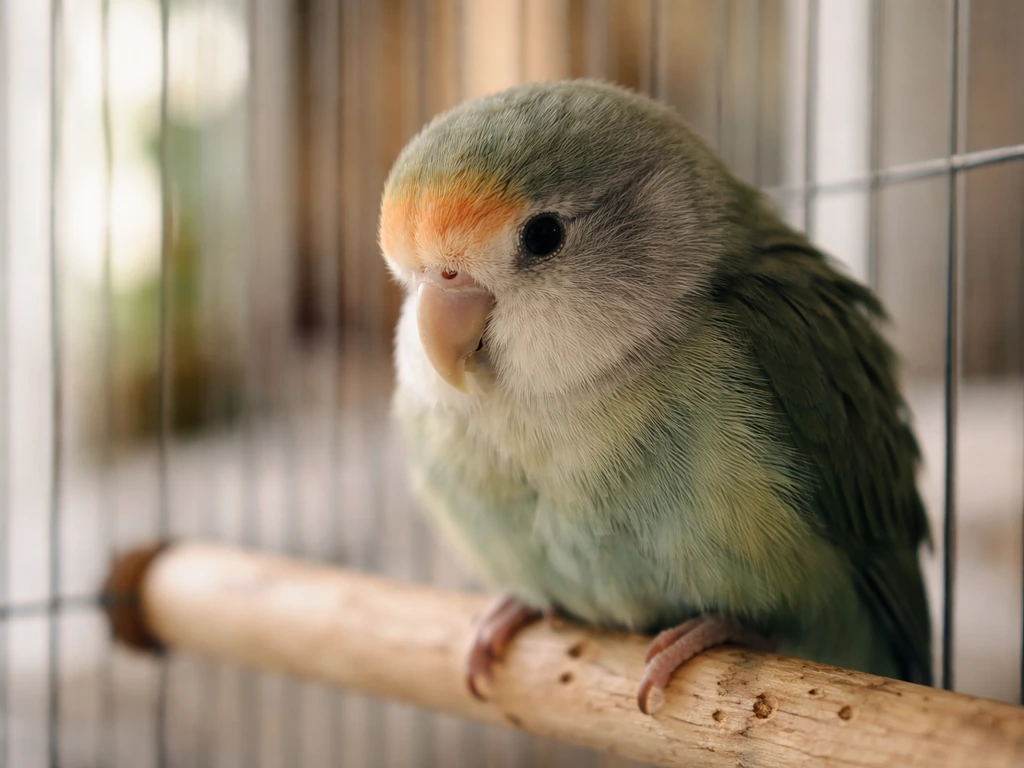
A parakeet scratching itself is usually normal, but the difference between routine grooming and a real problem comes down to three things: how often they scratch, where on the body, and what else is changing. If you’re wondering why does my bird scratch himself so much, focus on frequency, locations, and whether any skin changes or lethargy are showing up.
Parakeet Scratching: Causes, Signs, and What to Do Next

Marcus Chen
16 May 2026
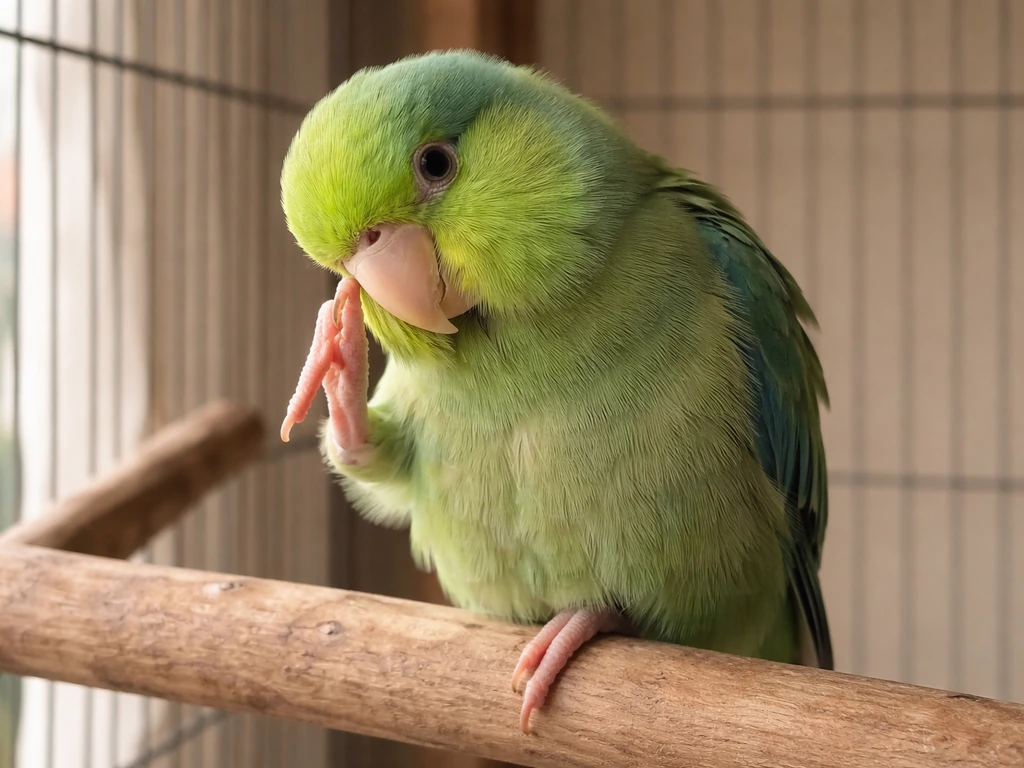
If your bird scratches occasionally, looks healthy, and is acting like their normal self, you're almost certainly watching normal behavior. If they're scratching constantly, losing feathers, developing crusty or scaly patches, or acting lethargic and fluffed, something needs attention. If you’re wondering why your bird is itching, start by distinguishing normal grooming from scratching that happens constantly or comes with other symptoms why is my bird itching.
What scratching actually looks like in parakeets (normal vs. the kind worth worrying about)
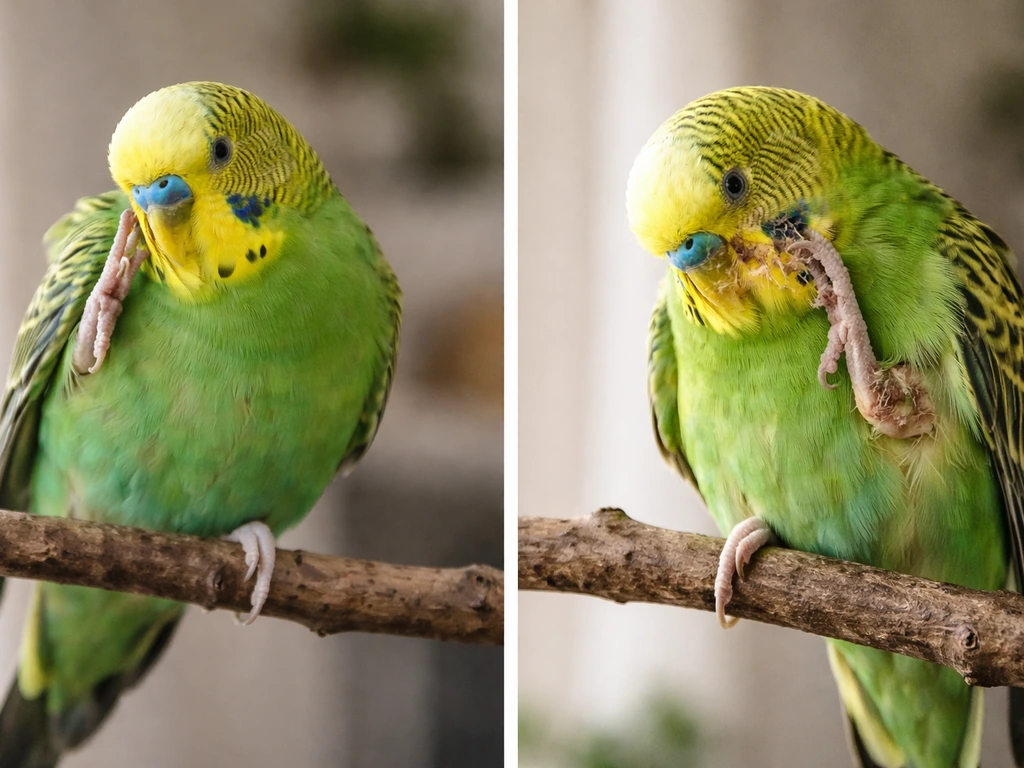
Normal scratching is low-key and brief. Your bird lifts a foot to scratch their head, neck, or face, maybe pauses to ruffle their feathers, then moves on. Head scratching near the ear area is especially common and is thought to be connected to spreading preen oil or responding to minor pressure changes.
Head Scratching notes that the area most frequently scratched is near the ear, which is linked to preen oil spreading or pressure changes involving the eustachian tube [Head scratching near the ear area is especially common and is thought to be connected to spreading preen oil or responding to minor pressure changes. ](https://web. stanford. edu/group/stanfordbirds/text/essays/Head_Scratching.
html). You'll also see birds rub their face on a perch or use their beak to work through feathers on their chest or wings. All of that is just grooming.
Concerning scratching is different in quality and quantity. Watch for scratching that happens many times per hour, scratching that focuses obsessively on one spot, scratching hard enough to break skin or pull feathers, or scratching paired with other symptoms. Restlessness, disrupted sleep, reduced appetite, a consistently fluffed posture, or any change in breathing alongside scratching all push this from routine behavior toward something that warrants a closer look.
| Sign | Likely Normal | Worth Investigating |
|---|---|---|
| Frequency | Occasional, brief | Many times per hour or constant |
| Location | Head, neck, face | Same spot repeatedly, near vent, legs |
| Skin/feather condition | Smooth, intact feathers | Bare patches, broken shafts, redness, scabs |
| Behavior otherwise | Alert, eating, active | Fluffed, lethargic, not eating |
| Duration | Comes and goes | Persisting for days or worsening |
Common non-medical causes: environment, dry skin, and irritants
Before jumping to parasites or infections, check the environment first because most cases of increased scratching in parakeets trace back to something avoidable. Dry air is one of the most frequent culprits. If the room humidity regularly drops below about 35%, your bird's skin and feathers suffer for it. Heating systems in winter are especially bad for this.
Cage hygiene is another big one. Old droppings, dusty cage liners, moldy or damp substrate, and infrequently cleaned perches can all irritate skin and feathers. Parakeets spend their whole lives in that space, so what accumulates in it directly affects their comfort.
Airborne irritants matter more than most people realize. Aerosol sprays including air fresheners, hairspray, deodorant, and cleaning products are genuinely hazardous to birds. Scented candles, cigarette smoke, cooking fumes, and even heavy perfume can irritate a bird's respiratory system and skin. If you've recently introduced any new product into the home and your bird started scratching soon after, that connection is worth taking seriously.
- Low humidity (especially in winter with central heating running)
- Dusty, soiled, or rarely changed cage liners or substrate
- Dirty perches with accumulated droppings
- Aerosol sprays used near the bird's room
- Scented candles, plug-in air fresheners, or diffusers
- New cage accessories made of unknown or treated materials
- Poor nutrition, which can weaken skin integrity and set up secondary inflammation
Parasites and skin problems: what mites, lice, and infections look like
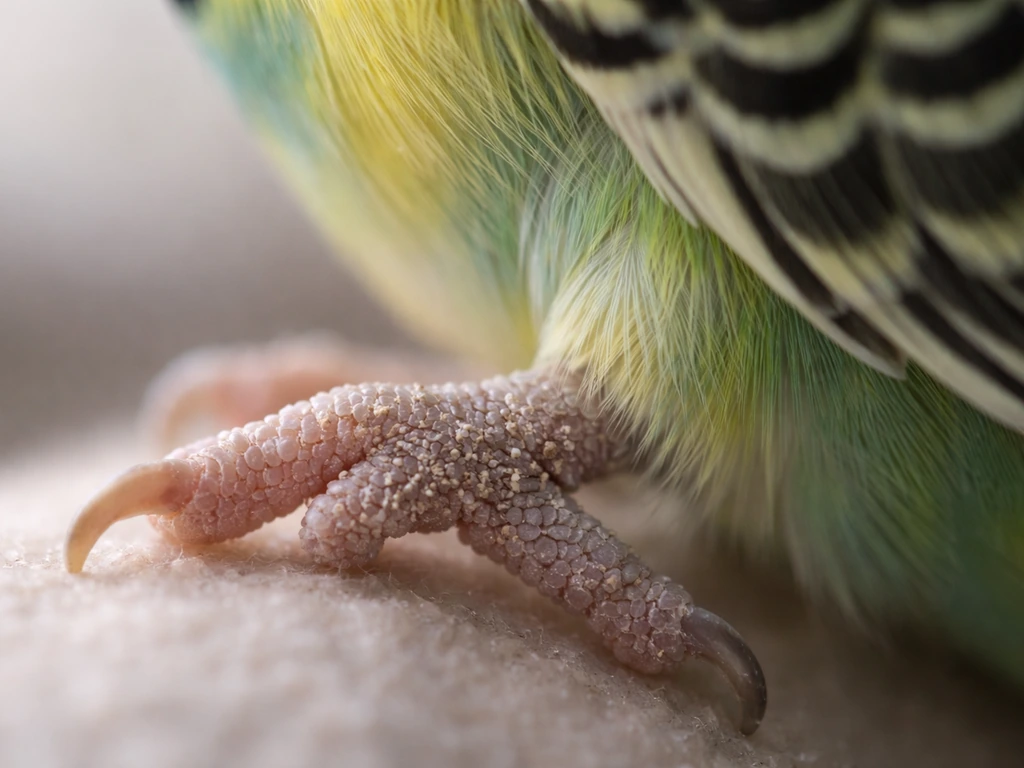
Mites are the most common parasitic cause of scratching in parakeets (budgerigars are specifically noted as prone to them). The one you'll hear about most is Knemidokoptes pilae, the burrowing mite responsible for scaly face and scaly leg disease. Persistent scratching is actually described as one of the earliest signs. As the infestation develops, you'll see a characteristic honeycomb-like crusty buildup around the beak, face, eyes, legs, or around the vent. This is accompanied by intense itching.
Red mites (also called blood-feeding mites) are harder to spot because they're nocturnal. They hide in cage crevices during the day and feed on your bird at night. One detection trick: hang a piece of white cloth in the cage overnight and check it the next morning. Tiny red or brown specks moving on it confirm the presence of red mites. Heavy infestations can also leave visible mite feces and shed skins in the cage.
Lice are another external parasite option, though less common in indoor parakeets. Feather mites can damage feather shafts directly. Beyond parasites, bacterial skin infections (pyoderma) are intensely itchy and lead to self-trauma, meaning the bird scratches so much that it creates open sores. Fungal and yeast infections can also drive itching and are often tied to underlying immune or nutritional issues.
The tricky part is that many different causes can produce the same visible signs: scratching, feather damage, redness. If you see any crusty or scaly skin, feather loss concentrated in one area, broken feather shafts, open sores, or signs of self-trauma, stop treating it as a simple grooming issue and treat it as a health concern.
How to check your bird today: a quick self-assessment
You don't need any equipment for this first pass. Just observe carefully in good light for 10 to 15 minutes and note what you see.
- Where are they scratching? Head and neck is typical. Obsessive scratching around the beak, face, eyes, legs, or vent area is a red flag for mites.
- How often? Count rough episodes over 10 minutes. Occasional pauses to scratch are normal. Constant, repeated scratching is not.
- What does the skin and feather condition look like? Part the feathers gently with a clean finger. Look for redness, bare patches, broken feather shafts, scabs, or any crusty/scaly buildup.
- Is there anything visible in the feathers? Tiny moving specks or white debris near the feather shafts can indicate lice or mites.
- How is the bird otherwise? Note appetite, droppings, energy, posture, and sleep. Fluffing up, sitting on the bottom of the cage, or not eating alongside scratching means this is urgent.
- What changed recently in the environment? New cage items, new food, cleaning products, air fresheners, moving the cage near a heat vent, or a new bird in the home are all worth noting.
- Check the cage overnight if you suspect red mites. Place white cloth or paper in the cage at night and examine it in the morning.
Safe things you can do at home right now
If you're not seeing skin damage or severe symptoms, there are several low-risk steps you can start today that address the most common causes of increased scratching.
Clean the cage thoroughly
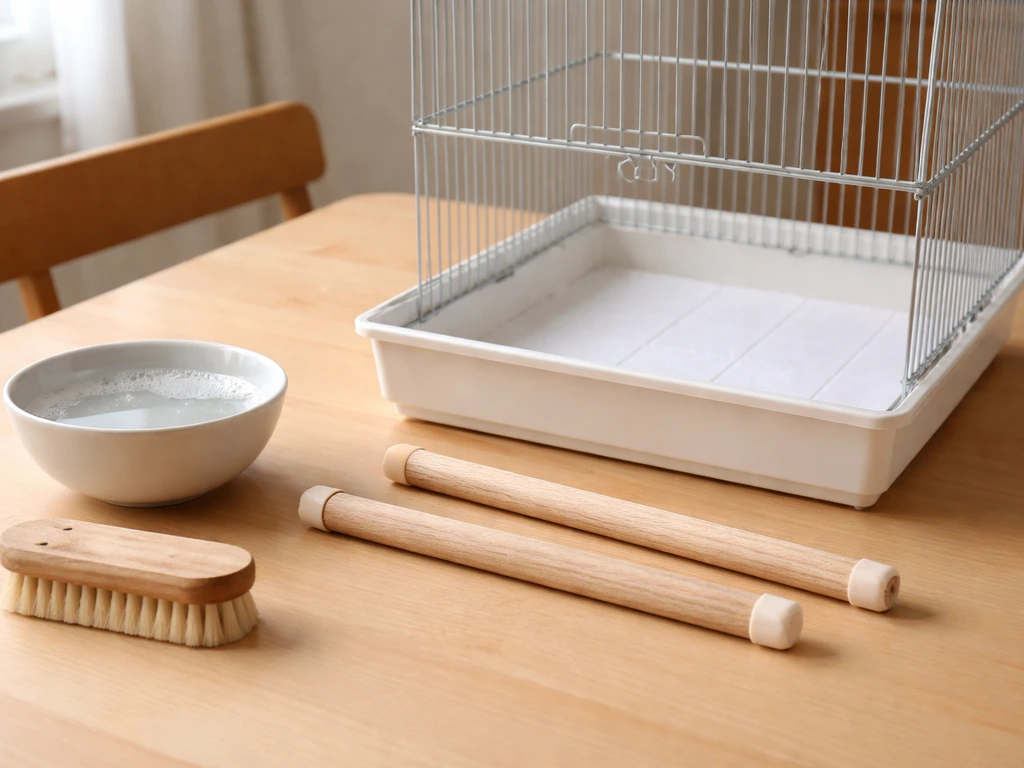
Strip everything out and wash it with mild, unscented soap or a bird-safe disinfectant. Replace cage liners with fresh, unscented paper. Scrub perches and remove any with heavy buildup. Pay attention to corners and crevices where mites can hide. Let everything dry completely before reassembling.
Improve humidity
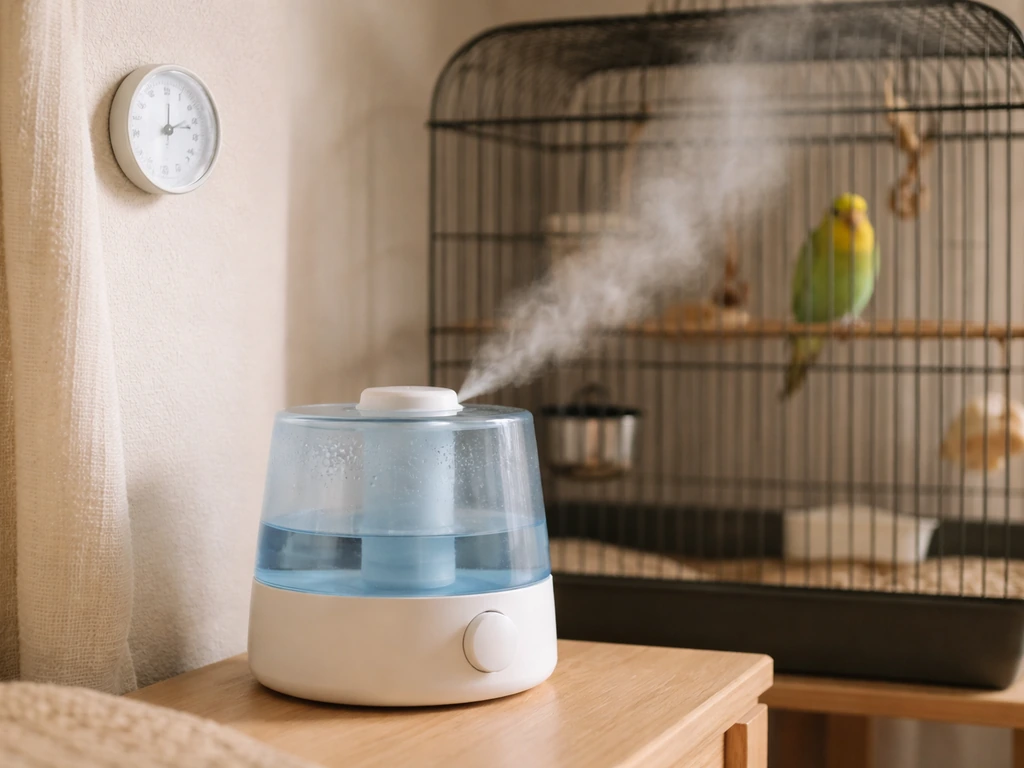
If your home air is dry (below 35% is the rough threshold), add a cool-mist humidifier near the bird's area. Don't aim it directly at the cage. Even modest improvements in ambient humidity can help a bird's skin and feather condition noticeably.
Offer bathing opportunities
A shallow dish of room-temperature water placed in the cage (about 1 cm deep) gives your bird the option to bathe when they want to. Some birds prefer a light misting from a spray bottle. Bathing supports healthy preening and can reduce irritation. Don't force it, don't use any additives in the water, and don't bathe the bird in cold conditions or before bedtime.
Remove airborne irritants
Move any scented products, candles, or aerosol sprays out of the room. Ensure good ventilation without cold drafts. If the cage is near a kitchen where non-stick cookware is used, that's worth addressing too. Even switching to an unscented laundry detergent for the cloth cage cover can matter.
Review their diet
Poor nutrition weakens skin integrity and can set up conditions for secondary infections. If your parakeet is eating only seed, that's likely a nutritional gap. A quality pellet base plus fresh vegetables is the standard recommendation. Don't make dramatic dietary changes overnight, but gradual improvement is worthwhile.
What NOT to do (and when to stop the DIY approach)
This part matters just as much as the steps above. Some well-meaning interventions make things worse.
- Don't apply any topical creams, oils, or human skin products to your bird's skin without veterinary instruction. Many are toxic to birds.
- Don't use over-the-counter mite sprays or insecticides without a vet's guidance. Getting the wrong product or concentration on a small bird can be fatal.
- Don't over-bathe. Daily forced misting can stress some birds and doesn't address the underlying cause.
- Don't ignore systemic symptoms. If your bird is lethargic, not eating, or breathing with effort alongside the scratching, home management is not appropriate.
- Don't assume it's behavioral stress and ignore it. While stress and boredom can drive feather-damaging behavior, medical causes look identical from the outside and need to be ruled out first.
- If you've cleaned the environment and removed irritants and the scratching hasn't improved at all within 3 to 5 days, stop waiting and call an avian vet.
When to contact an avian vet (and what the appointment involves)
Some situations should go straight to the vet without a waiting period. If you see crusty or scaly buildup around the beak, face, eyes, legs, or vent, that's classic for Knemidokoptes mites and needs treatment. If there's skin redness, open sores, or feather loss that's clearly not just a molt, go now. If the bird is showing any systemic signs like lethargy, fluffing, appetite loss, or abnormal breathing at the same time as scratching, that's urgent.
At the vet, expect a hands-on physical exam with attention to feather and skin condition. The vet will likely do a skin scraping from affected areas and examine it under a microscope to check for mites. For some locations on the body (like the legs in passerines), skin scraping is done carefully or avoided due to the risk of causing bleeding. A Gram's stain of superficial skin material can help identify bacterial or fungal involvement. The vet may also use a visual technique like transillumination to inspect the bird's condition.
Treatment depends on what they find. Mite infestations are typically treated with a prescribed antiparasitic medication (usually applied topically or given orally at bird-safe doses). Bacterial skin infections may require antibiotics. Fungal issues need antifungal treatment. If feather-destructive behavior with a psychological component is suspected, that's a separate workup involving environmental and behavioral assessment. The vet will also advise on treating or cleaning the cage environment because mites can live in the surroundings, not just on the bird.
Preventing scratching problems long-term
Once you've addressed an episode of increased scratching, a few habits will significantly reduce the chances of it recurring.
- Clean the cage at least once a week: full liner change, wipe-down of surfaces, and scrub perches every 2 to 4 weeks.
- Keep the room humidity in a comfortable range (roughly 40 to 60% is generally considered good for parakeets).
- Offer regular bathing opportunities two to three times per week.
- Keep aerosols, candles, and scented products out of the bird's room as a permanent rule, not just during a problem.
- Quarantine any new bird for at least 30 days before introducing them to an existing flock or even the same airspace. This is one of the main ways mites and lice spread between birds.
- After any mite or parasite treatment, deep-clean and treat the cage environment as well as the bird, and follow the full course of treatment your vet prescribes.
- Do a quick visual check of your bird's feathers and skin when you clean the cage each week. Catching changes early makes everything easier to treat.
- Monitor after any changes to diet, cage accessories, or household products. If scratching increases after a change, that change is your first suspect.
Scratching in parakeets covers a wide spectrum, from a bird casually grooming near its ear to a bird in genuine distress from a mite infestation or skin infection. If you're wondering what scratching bird behavior really means, the key is to compare normal grooming against symptoms that suggest an underlying problem Scratching in parakeets. The good news is that most of the time a clear-eyed look at your bird and their environment will tell you which you're dealing with.
If you're wondering why your bird is scratching his head, start by looking for how often it happens and whether there are other symptoms like fluffed posture or skin changes why is my bird scratching his head. Start with the home checks and environmental improvements, watch for the red flags, and get a vet involved whenever the skin or feathers are visibly damaged or your bird seems unwell. Catching problems early, especially with mites, makes treatment much more straightforward.
FAQ
How can I tell if my parakeet is scratching from normal grooming versus itch from irritation of a specific area (like the head or feet)?
Normal grooming tends to be brief and moves around the body, while itch from irritation usually concentrates on one location repeatedly (many times per hour) and may be followed by visible skin changes such as redness, crusting, broken feather shafts, or self-trauma that worsens over days.
Should I bathe my parakeet more often if it seems itchy?
Bathing can help because it supports preening, but it should be optional and gentle. Use room-temperature water and avoid forcing baths, additives, or misting immediately before bedtime. If scratching spikes after bathing, stop and reassess for infections or mites instead of escalating bathing.
Is it safe to use over-the-counter anti-itch creams or sprays on the skin?
Generally no. Many human or pet products are not formulated for birds and can irritate airways or be toxic if the bird ingests residue during preening. For any visible crusting, sores, or ongoing itching, the safer next step is a targeted environmental clean and a vet exam rather than topical medications.
What is a practical way to check for red mites at home, and when should I treat the cage too?
A common at-home check is hanging a piece of white cloth in the cage overnight and looking for tiny moving red or brown specks the next morning. If you confirm red mites, treat the bird under vet guidance and also clean and treat the cage and crevices, because mites hide in surroundings and will re-infest.
My bird scratches but I do not see feather loss or scabs yet, should I still be worried about mites?
You should still investigate if scratching is persistent or worsening, even before visible damage. Early mite cases can start with itch, and waiting until skin looks severe can make treatment more difficult. If scratching is frequent, focus on environmental triggers first, then schedule a vet visit if it does not improve quickly.
How quickly should I expect improvement after changing humidity and cleaning the cage?
If dryness or simple environmental irritation is the cause, many birds show improvement within several days once the trigger is removed and the cage is thoroughly cleaned. If scratching continues at the same intensity for about a week, spreads to new areas, or comes with posture changes or breathing changes, move to a veterinary workup.
Can cage disinfectants or cleaning products cause scratching even if my bird seems otherwise fine?
Yes. Residues and fumes from scented disinfectants, air fresheners, aerosols, and some household cleaners can irritate skin and affect breathing. Use mild, unscented products when cleaning, rinse well where appropriate, let items dry completely, and ventilate the room before returning the bird.
What household heat sources or seasonal changes are most likely to make scratching worse?
Dry indoor heating in winter is a frequent driver, especially when humidity drops below about 35%. In addition, keep the bird away from direct airflow from vents, because drafts can dry skin and make feather condition worse even when the room humidity is acceptable.
My parakeet keeps scratching at one spot near the vent, what should I check first?
Scratch behavior near the vent can be linked to skin irritation and also to parasite or infectious issues. Since this area can become quickly problematic, treat it as a red flag if the scratching is frequent or you notice redness, moisture, crusting, or disrupted droppings, and consider a prompt vet visit rather than home trial changes alone.
Could scratching be behavioral rather than medical, and how do I know when to still see a vet?
Some feather-destructive or stress-linked behaviors can include excessive preening or scratching, but you cannot safely assume it is purely behavioral if there are any skin lesions, crusting, broken feathers, or abnormal breathing. When visible skin or feather damage is present, prioritize a medical evaluation and rule out mites and infections first.
Next Article
Why Is My Bird Making Whimpering Noises? What to Check
Find reasons for whimpering bird noises, quick home checks, and red flags for urgent vet care plus tracking tips.