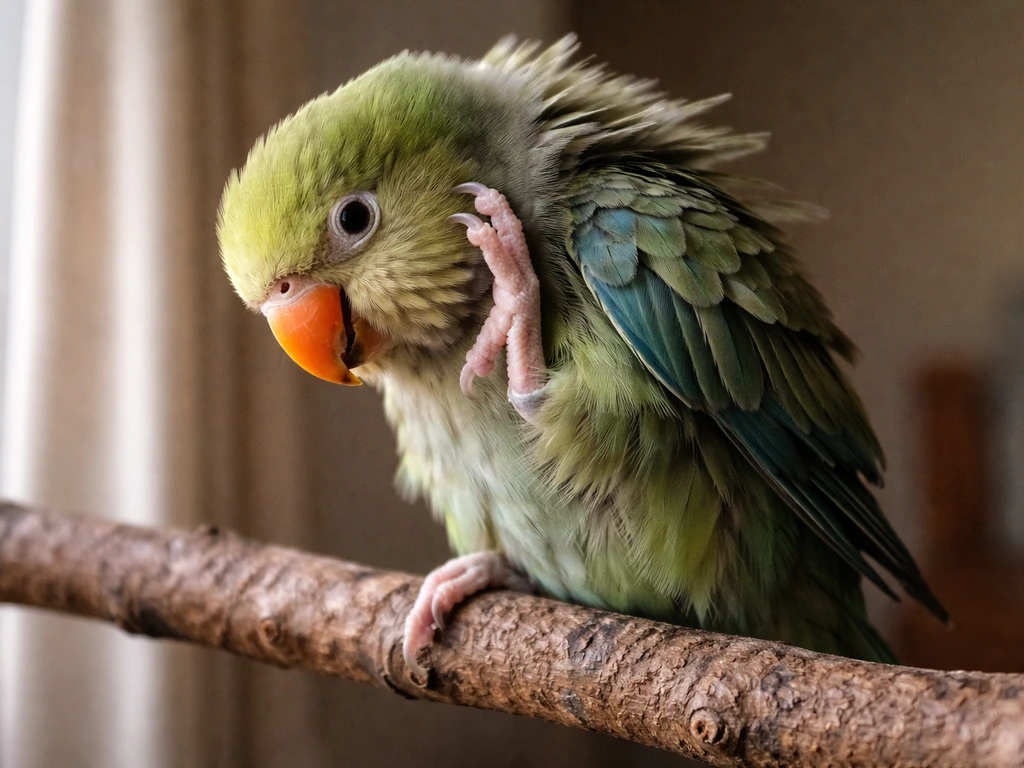
Most birds scratch themselves every single day, and the majority of the time it's completely normal. Birds use their feet and beak to preen, reach itchy spots during a molt, and keep feathers in good shape. But when the scratching looks frantic, happens in one spot over and over, or comes with other changes like feather loss, flaking skin, or a shift in behavior, that's worth paying closer attention to. Parakeets, like other pet birds, may scratch more when their skin is irritated, dry, or affected by parasites. If you are wondering what a scratching bird might be trying to tell you, the next step is to look for patterns and other symptoms that go beyond normal grooming. The most common culprits are a molt in progress, dry or irritated skin, mites or other parasites, airborne irritants in the home, stress or boredom, and nutritional gaps that affect feather and skin quality.
Why Does My Bird Scratch So Much? Causes and What to Do

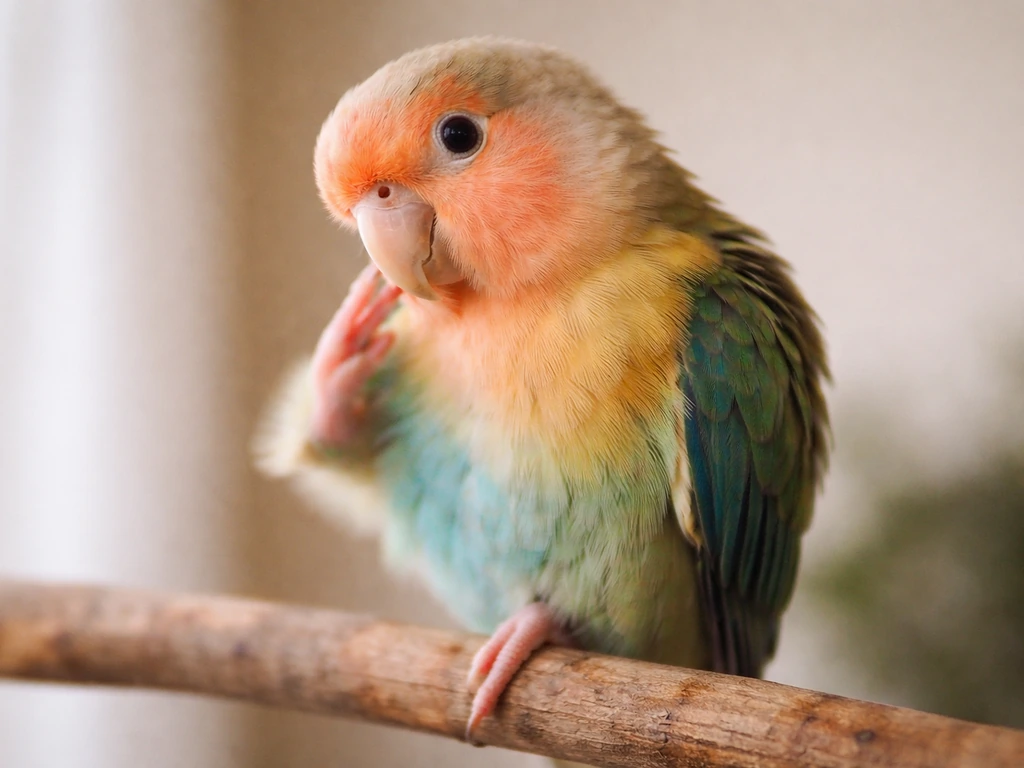
Normal scratching vs. something worth worrying about
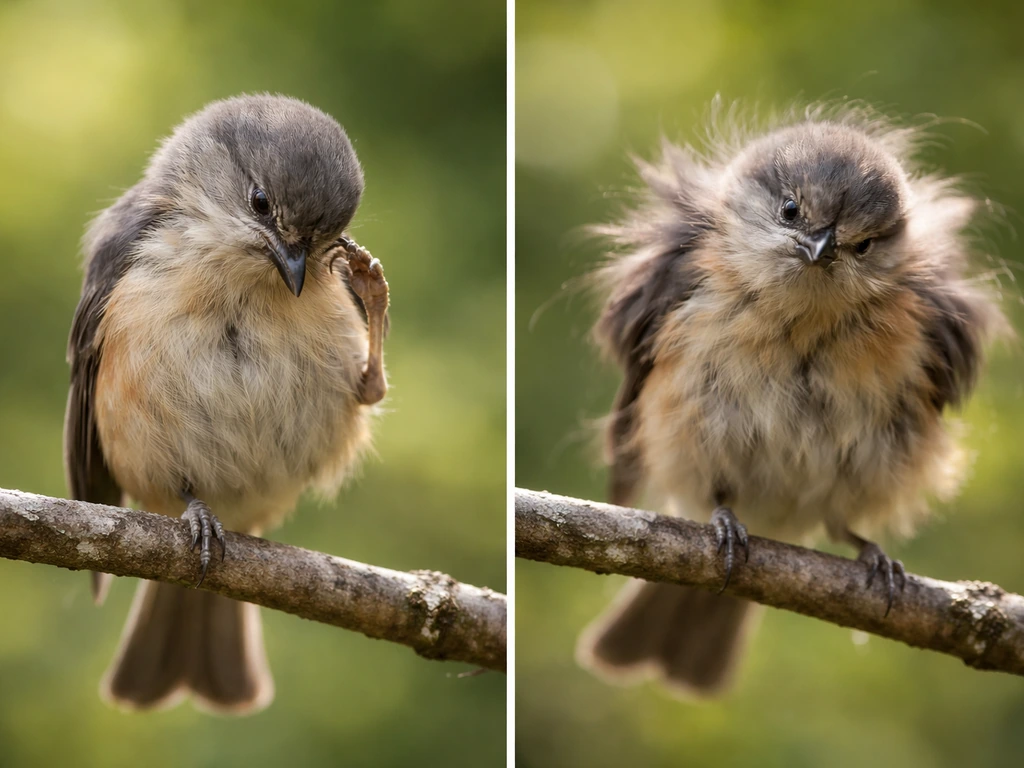
A bird scratching its head with a foot, running its beak through feathers, or giving itself a vigorous shake after a bath is just good grooming hygiene. The head is a spot birds literally cannot reach with their beak, so using a foot to scratch there is perfectly normal. Same goes for a quick back-and-forth scratch under a wing or along the belly.
The line between normal and concerning isn't really about frequency in isolation. It's about the whole picture. Ask yourself: is the skin underneath the feathers looking healthy and normal? Is your bird eating, drinking, and acting like itself? Are the feathers coming in cleanly, or are you seeing bald patches, broken shafts, or bleeding quills? Mild restlessness and extra scratching during a seasonal molt is expected. Scratching that leaves wounds, causes visible skin changes, or comes alongside lethargy, breathing changes, or weight loss is a red flag.
| Sign | Likely Normal | Worth Investigating |
|---|---|---|
| Scratching frequency | Regular but not obsessive | Constant, focused on one area |
| Skin appearance | Normal color, no flaking or scabs | Redness, crusting, scaling, wounds |
| Feather condition | Intact, coming in evenly | Bald patches, broken or missing feathers |
| Behavior | Active, eating well, social | Lethargic, hiding, appetite changes |
| Timing | After baths, during molt season | After new products, cage cleaning |
| Other symptoms | None | Sneezing, breathing changes, discharge |
The most common causes: mites, dry skin, and irritants
Mites and parasites

Mites are one of the first things people think of, and they do genuinely cause serious itching. The most recognizable in pet birds is Knemidokoptes (sometimes called scaly face or cere mites), which causes a distinctive honeycomb-textured crusty buildup on the cere, around the beak, near the eyes, and sometimes on the legs and feet. If you see that kind of scaly, pitted crusting, mites are a very likely cause. A vet can confirm with a simple skin scraping looked at under a microscope.
Red mites are a different story. They hide in cracks and crevices of the cage during the day and only come out at night to feed, so you might never see them on your bird directly. If your bird seems especially restless or scratchy at night and you find tiny reddish-brown specks in cage seams when you look carefully, red mites are worth considering. Lice, by contrast, actually live on the bird and are easier to spot by parting feathers and looking at the skin.
Dry skin
Low indoor humidity, especially in winter when heating systems run constantly, can dry out a bird's skin and make it itchy. Birds that don't bathe regularly or live in very warm, dry rooms are particularly prone to this. Adding a light misting a few times a week or offering a shallow bath dish can make a noticeable difference.
Irritants and airborne toxins
Birds have an extremely efficient respiratory system that makes them far more sensitive to airborne irritants than we are. Common household culprits include aerosol sprays, scented candles, incense, cleaning products like bleach and ammonia, cigarette smoke, and fumes from non-stick cookware (Teflon/PTFE). These don't just cause respiratory problems. They can irritate skin and feathers too. Even something as subtle as hand lotion on your fingers can transfer to a bird's feathers and cause skin irritation. Certain bedding materials, especially aromatic woods like cedar or pine, can also release irritating compounds.
Feather-related reasons: molting, overpreening, and damage
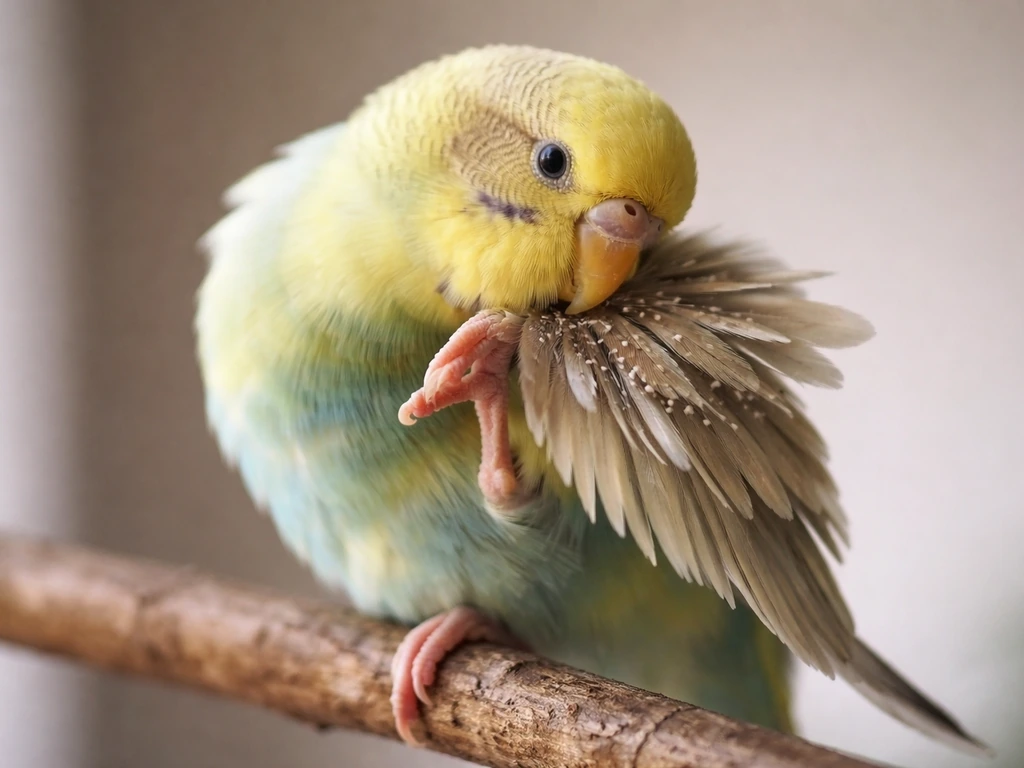
Molting is the single most common reason a bird scratches more than usual, and it happens on a regular cycle throughout a bird's life. As old feathers fall out and new pin feathers push through, the skin can feel itchy and sensitive. Pin feathers (sometimes called blood feathers when they're actively growing) have a blood supply running through the shaft, and they can be uncomfortable. A bird that looks a bit "spiky" with lots of new quills coming in all over is just mid-molt. The key check: look at the skin where feather loss is visible. If the skin looks normal in color and texture with no crusting or redness, molting is almost certainly the explanation.
Molting also puts real physiological demands on a bird. Growing all those new feathers takes energy and nutrients, which is why some birds become a little grumpier, scratchier, or more sensitive to being touched during this period. This is normal and should pass as the molt completes.
Overpreening or feather destructive behavior is a different category altogether. This ranges from excessive preening that damages feather tips to active pulling of feathers, and in severe cases to self-mutilation. The Merck Veterinary Manual describes this spectrum from mildly excessive preening all the way to serious self-injury. The important point is that feather destructive behavior has both medical and behavioral causes, and vets consistently recommend ruling out medical causes first before assuming it's purely psychological.
Stress, boredom, and environmental triggers
A bored or stressed bird will often channel anxiety into repetitive behaviors, and scratching or overpreening is one of the most common outlets. Changes in the household, a new pet, an altered daily routine, too little out-of-cage time, or even a new toy or cage rearrangement can set this off. Some birds start scratching noticeably after environmental changes that seem minor to us.
Temperature and humidity extremes also play a role. A cage placed near a drafty window, a heating or air conditioning vent, or in a room with very low humidity can create physical discomfort that shows up as scratching. Overcrowded cages, inadequate sleep (birds need 10 to 12 hours of dark, quiet rest), and lack of mental stimulation all contribute to stress-related scratching.
Diet matters here too. Vitamin A deficiency is a well-documented problem in pet birds and can cause poor feather quality alongside symptoms like nasal discharge, sneezing, and feather picking. A bird eating primarily seeds without much variety is at real risk. Malnutrition in general links to multiple health problems, and skin and feather condition are often one of the first visible signs that something is off nutritionally.
Triage today: what to look at and where
Before you do anything else, spend five to ten minutes just observing your bird carefully. You want to gather specific information because it will help you figure out what's happening and give a vet useful details if you end up needing one.
- Where exactly is your bird scratching? Head, under wings, belly, vent area, legs, or all over?
- Is the skin visible in any scratched area? Does it look normal (smooth, lightly pigmented) or are there red patches, scabs, flaking, or crusty buildup?
- Are there any bald spots, broken feathers, or feathers that look chewed at the tips?
- Look at the cere (the fleshy area at the base of the beak) and around the eyes and legs for any honeycomb-textured scaling or crusty growth.
- Check the cage seams and perches at night with a flashlight for tiny moving specks (potential red mites).
- Has anything changed recently? New cleaning products, new bedding, new toys, a new food, moving the cage, changes in your household routine?
- Is the scratching worse at a certain time of day, or did it ramp up around a particular event like cage cleaning?
- Is your bird eating, drinking, and producing normal droppings? Is it active and social or hiding and puffed up?
Write these observations down. Timing, location, and context are genuinely useful diagnostic information. A vet will ask most of these same questions, so having the answers ready saves time.
What you can do right now at home
There are several safe, sensible steps you can take today that won't make things worse and may help significantly if the cause is environmental or related to dry skin.
- Offer a shallow bath dish or lightly mist your bird with plain, room-temperature water. Many birds will bathe on their own and this helps with dry, itchy skin during molts.
- Check the humidity in the room. Ideal indoor humidity for most pet birds is around 40 to 60 percent. A simple humidifier near (not directly on) the cage can help in dry climates or winter months.
- Remove any aerosol sprays, scented candles, air fresheners, or incense from the room. Stop using these near your bird entirely until you know they're not the cause.
- Switch to unscented, bird-safe cage cleaners. Rinse the cage thoroughly after cleaning and let it dry completely before returning your bird. Avoid bleach and ammonia near your bird.
- Review the cage bedding or liner. Remove aromatic wood chips (cedar, pine) and replace with plain paper liners or unscented paper towels.
- Wash your hands before handling your bird and avoid applying hand lotions, perfumes, or anything scented before contact.
- Look at the diet. If your bird is primarily eating seeds, try gradually introducing a high-quality pellet and fresh vegetables. This is a longer-term fix, but it matters.
- Add enrichment to reduce boredom: foraging toys, varied perches, extra time out of the cage, or social interaction.
- Move the cage away from vents, drafts, direct sun, or windows that get very cold at night.
- Make sure your bird is getting enough sleep, 10 to 12 hours of quiet darkness, by covering the cage if needed.
One thing to avoid: don't apply any creams, oils, or over-the-counter treatments directly to your bird's skin without a vet's guidance. Some products are outright toxic to birds, and even well-meaning interventions can cause more irritation.
When to call an avian vet and what to ask for
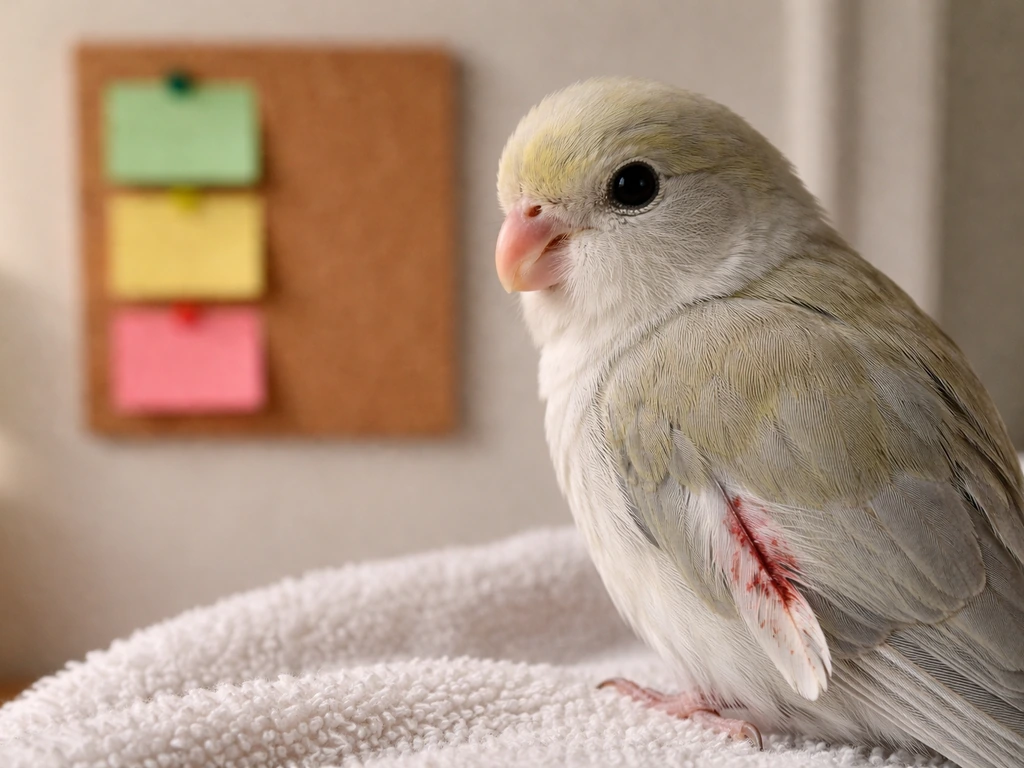
Some situations can't wait for home remedies to work, and recognizing them matters. If you see any of the following, contact an avian vet as soon as you can, ideally within 24 to 48 hours or sooner if symptoms are severe.
- Visible wounds, bleeding, or broken blood feathers from scratching
- Significant feather loss beyond what a normal molt explains, especially bald patches
- Crusty, honeycomb-textured scaling on the cere, around the beak, near the eyes, or on the legs
- Redness, swelling, or discharge from skin in scratched areas
- Breathing changes: tail bobbing with each breath, open-mouth breathing, clicking or wheezing sounds
- Lethargy, puffed-up posture, or sitting at the bottom of the cage
- Significant appetite or weight changes
- Scratching that has continued for more than two weeks without improvement despite environmental changes
When you call, mention specifically that you're concerned about excessive scratching and ask whether the vet has avian experience. Not all general vets are comfortable treating birds. An avian vet or an exotic animal specialist is your best bet. When you get there, a thorough evaluation for excessive scratching or feather problems typically includes a physical exam, a detailed history (which is why your notes from the observation step matter), and possibly a skin scraping to check for mites under a microscope, blood work to check for infection or nutritional deficiencies, and depending on what they find, a skin biopsy or imaging.
Don't be afraid to ask: "Can we do a skin scraping to rule out mites?" and "Should we check for a nutritional deficiency?" These are standard, reasonable diagnostic questions for this kind of presentation.
Your action plan and monitoring checklist
Here's a simple way to think about next steps. Start with the environmental checks today, watch closely for one to two weeks if symptoms are mild, and escalate to a vet if you see red flags or no improvement.
- Day 1: Observe and document. Note where, when, and how often scratching happens. Look at the skin and feathers carefully. Check for anything that changed recently in the bird's environment.
- Day 1: Remove likely irritants. Take out aerosol products, scented items, aromatic bedding, and switch to unscented cage cleaners.
- Day 1-2: Improve humidity and offer bathing opportunities. Mist your bird or provide a bath dish.
- Day 1-7: Move the cage if it's near a vent, draft, or extreme temperature source.
- Week 1-2: Monitor daily. Is the scratching getting better, staying the same, or getting worse? Are feathers coming back in normally? Is the bird eating and acting normally?
- Week 2: Reassess diet. Start introducing pellets and fresh vegetables if the diet has been seed-heavy.
- Ongoing: If scratching has improved and there are no other symptoms, continue monitoring and maintain the environmental changes.
- Call a vet immediately if: you see bleeding, wounds, heavy feather loss, skin changes, breathing problems, or lethargy at any point. Call a vet at two weeks if the scratching hasn't improved despite your changes.
Most birds that scratch a lot are dealing with something fixable: a molt, a dry environment, a cleaning product that irritated them, or a diet that needs improving. But the cases that aren't fixable at home do need professional attention, and getting there sooner rather than later makes a real difference. When in doubt, a quick call to an avian vet to describe what you're seeing is always worth it.
FAQ
How can I tell if my bird’s scratching is normal preening versus a problem?
Not necessarily. Frequency alone is a weak signal. If the bird scratches until skin is pink, raw, bleeding, or crusty, or if feather shafts look broken, that suggests an underlying problem rather than normal grooming.
What observations should I write down to figure out why my bird scratches so much?
Try to capture when it happens (morning, after bathing, at night, right after cleaning), where it targets (cere, around eyes, feet, belly, under wings), and what your bird does immediately before (cage cleaning, new spray, new food). This pattern helps distinguish mites, dry-skin irritation, stress, and contact irritation.
Can household products or bedding really cause scratching even if my bird looks otherwise okay?
Yes. Cedar and pine can bother some birds, and even unscented products can leave residue that irritates skin or feathers. If scratching started after switching bedding, air fresheners, soaps, or cleaners, treat that as a likely trigger and revert to the previous items while you monitor.
What’s the safest way to help if the issue seems like dry skin?
Offer a shallow, nonmedicated bath dish and keep things simple, clean, and warm. Avoid adding oils, Epsom salts, or medicated products to the bath unless a vet tells you to, since many ingredients are irritating or unsafe for birds.
Can I put lotion, oil, or anti-itch cream on my bird to stop the scratching?
You should not. Many human creams, essential oils, and over-the-counter anti-itch products can be toxic or worsen irritation in birds. If you suspect an itchy problem, focus on environmental changes first and call an avian vet for targeted treatment.
How do I tell if scratching is from molting or something like mites?
Molting often looks different from irritation: you may see many pin feathers at once and the skin usually stays the normal color without crusting or redness. If you see scaly buildup, pitted crust, or inflamed skin in one spot, that points more toward mites, infection, or contact dermatitis than molt alone.
My bird scratches more at night, but I can’t see mites. Could it still be parasites?
Often, yes. Red mites can cause restlessness and scratching that seems worst at night, and the bird may not look obviously infested. Check cage seams and crevices carefully for tiny reddish-brown specks after lights out, and seek avian guidance promptly if suspected.
If my bird is pulling feathers, does that automatically mean it’s behavioral?
A bird can show feather damage from overpreening, but self-destructive behavior still deserves medical ruling-out. Vets typically focus first on skin conditions, parasites, and nutritional issues before concluding it’s purely behavioral, because treatable medical causes can look like “habit” behavior.
Could diet, like low vitamin A, be the reason my bird scratches so much?
If vitamin A deficiency is present, you may see additional signs like sneezing, nasal discharge, or more generalized poor feather quality, not just scratching. A diet with mostly seed without variety increases risk, so asking the vet whether bloodwork or a diet plan is needed is worthwhile.
What symptoms mean I shouldn’t wait and should see an avian vet right away?
If you notice any red flags, don’t wait for the one to two week observation window: bleeding, wounds, crusting that spreads, visible skin inflammation, lethargy, breathing changes, weight loss, or rapidly worsening feather loss. Those situations justify a vet visit within 24 to 48 hours, sooner if severe.
What Is Scratching Bird? Causes and What to Check Now
Learn why pet birds scratch and what to check now for dry skin, feather issues, mites, or irritation. Vet warning signs.