
If your bird has stopped preening or is preening much less than usual, that is a real problem worth taking seriously today. Preening is not just a quirky habit. It is how birds keep their feathers functional, their skin healthy, and their body temperature regulated. When a bird stops doing it, feathers deteriorate quickly, and more often than not, something is wrong physically or emotionally. Here is what actually happens, what to look for, and exactly what to do next.
What Happens If a Bird Doesn’t Preen and What to Do

Marcus Chen
23 Mar 2026
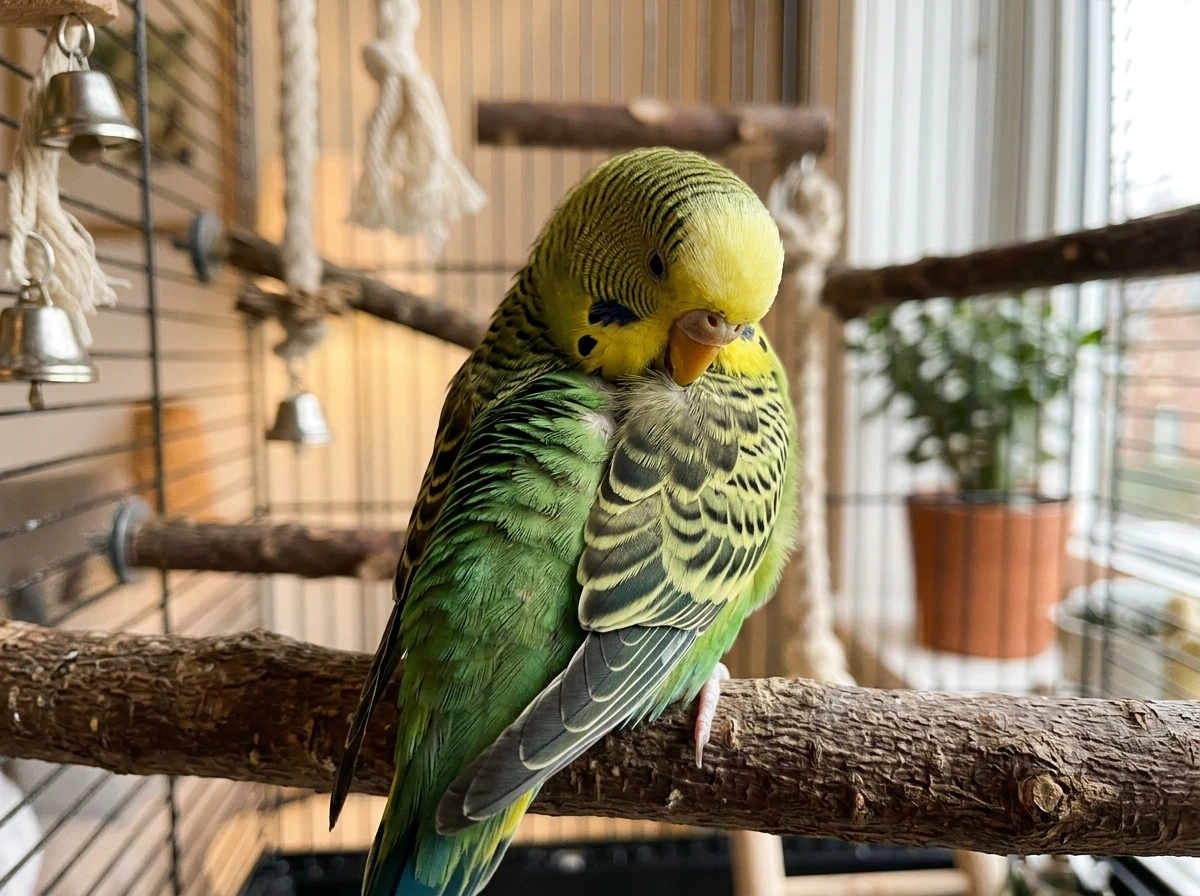
What preening does for birds and why it matters
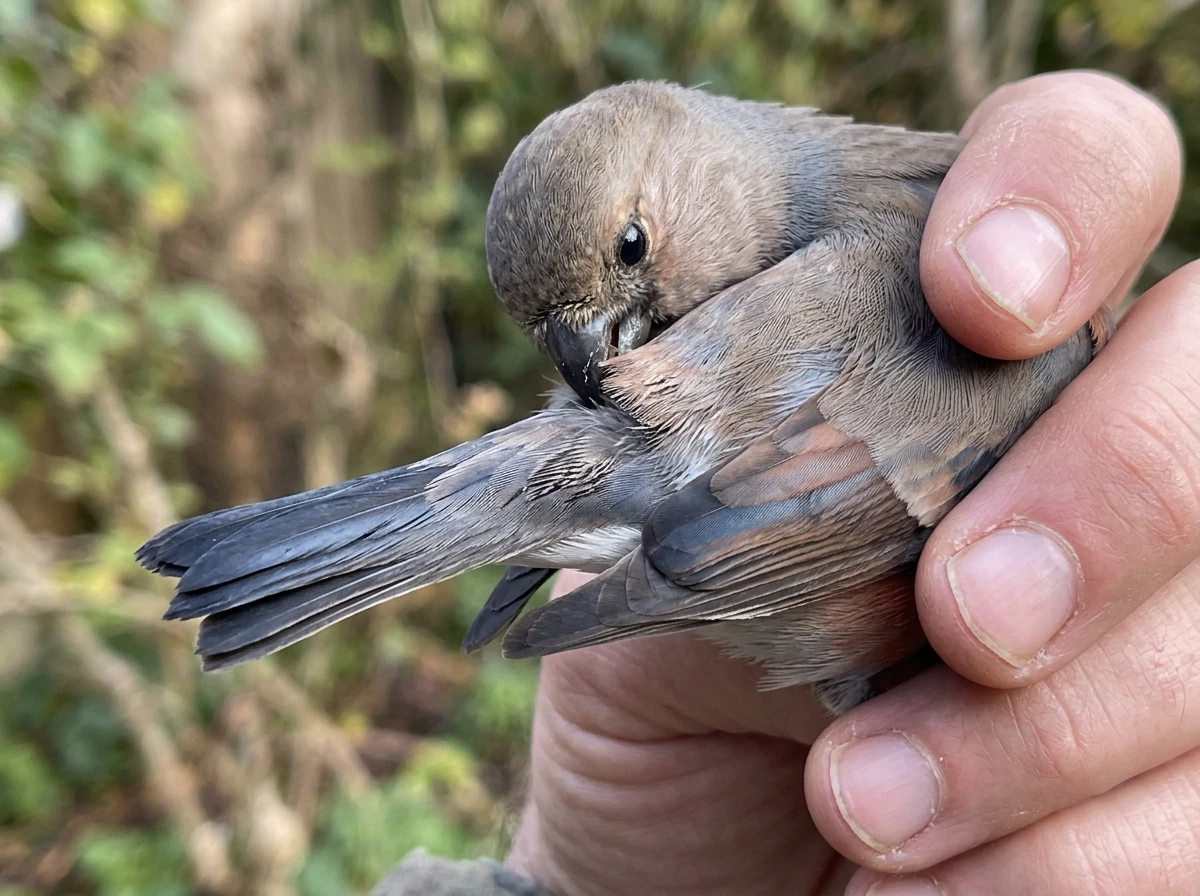
Preening is a full-body maintenance routine. Your bird uses its bill to collect a waxy oil secreted by the uropygial gland (sometimes called the preen gland), located just above the base of the tail. It then distributes that oil across its feathers, skin, legs, and feet. The result is feathers that stay flexible, aligned, and water-repellent instead of dry, brittle, or matted.
The oil does more than just waterproof. It helps keep feathers from drying out and breaking, supports the microscopic structure of each feather so it locks together properly for insulation and flight, and actively reduces bacteria, fungi, and parasites like lice on the feather surface. Birds also use preening to realign the tiny barbules on each feather, the same way a zipper has to be closed correctly to work. A feather that has not been preened looks ragged and flat, not because it is damaged beyond repair, but because it has not been maintained.
All of that stops when preening stops. Feathers dry out and become brittle. The insulating layer breaks down, making it harder for the bird to stay warm. Waterproofing fails, which matters even for indoor birds because a bird with compromised feathers is more vulnerable to chilling after a bath or in a cool room. And without the antimicrobial effect of preen oil being spread regularly, the skin and feather follicles are more exposed to bacterial and fungal issues over time.
Signs your bird is not preening enough
You may not catch your bird skipping preening in real time. What you will see is what happens to its feathers when preening stops. Here is what to look for:
- Dull, flat, or lackluster feathers that have lost their sheen
- Frayed, tattered, or broken feather edges, especially on the wings and tail
- Feathers that look unzipped or splayed rather than smooth and aligned
- Dirty-looking plumage, particularly around the face and vent area
- Dry, flaky skin visible between feathers or around the legs and beak
- Feathers that look matted or clumped together
- An overall unkempt appearance that is different from your bird's normal look
Some of these signs can overlap with normal molting, where old feathers are shed and new pin feathers grow in. If you suspect it might be plucking instead of a natural molt, focus on the behavior and triggers and consider getting a vet’s input molt versus plucking. If you are unsure whether what you are seeing is a molt or something more concerning, it is worth looking at a dedicated resource on how to tell if your bird is molting versus plucking, since those situations call for different responses.
The key difference is context. A bird in a healthy molt may preen less in some moments but will still engage in some grooming, will have a normal energy level and appetite, and you will see new feather growth. A bird that has genuinely stopped preening usually shows other behavioral or physical changes alongside the feather changes.
What causes a bird to stop preening
There is no single answer here because a lot of different things can shut down preening behavior. Working through the most common causes will help you figure out where to focus first.
Stress and behavioral causes
Stress is one of the most common reasons a bird stops grooming, so if you’re wondering why is my bird preening so much, it’s worth thinking about what might be stressing your bird. A new pet in the home, a move, a change in schedule, a new cage location, loud noises, or even losing a companion bird can all trigger behavioral changes that include reduced preening. A stressed bird may also swing the opposite way and over-preen or begin feather plucking, which is a different but related problem worth understanding on its own.
Environmental problems
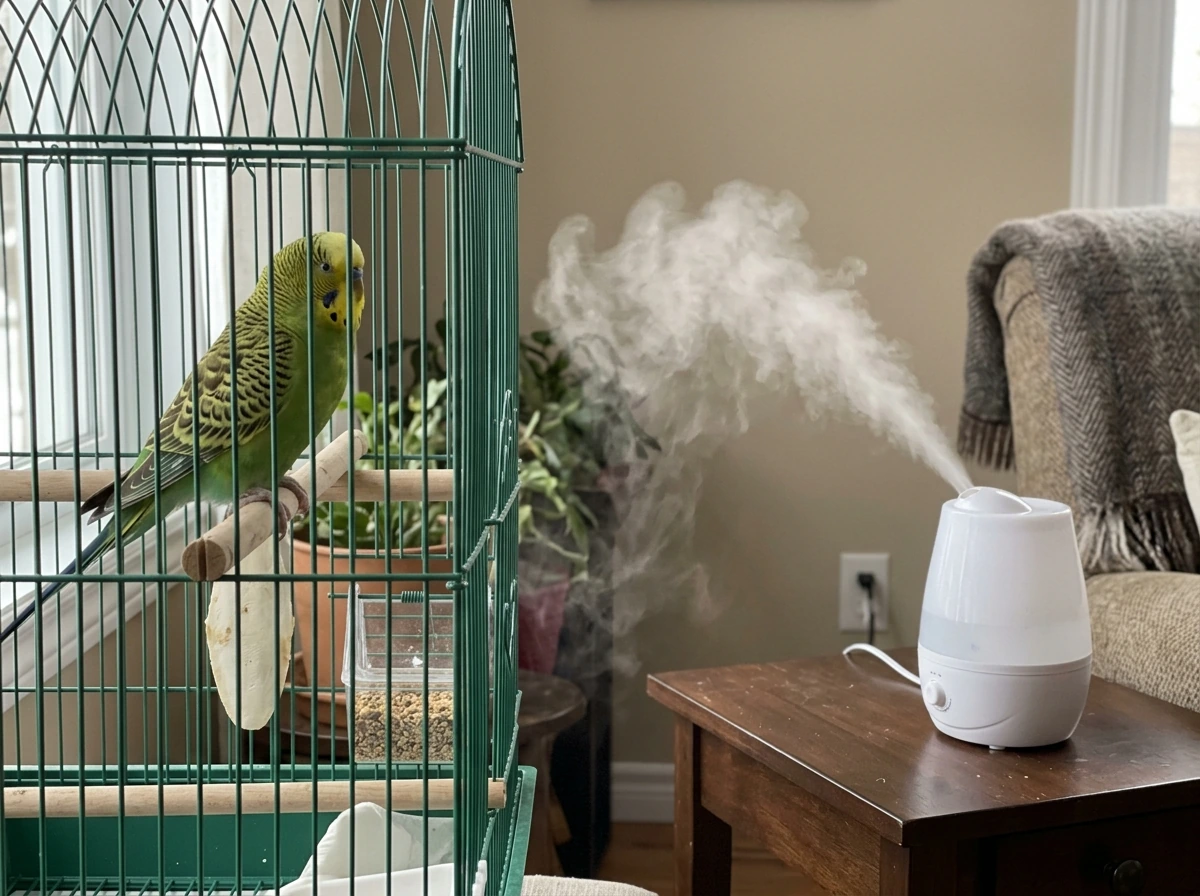
Low humidity is a big one, especially in winter when indoor heating dries out the air. When the environment is too dry, birds can develop dry, itchy skin that makes preening uncomfortable rather than relieving. A dirty cage is another factor. Accumulated droppings, old food, and soiled perches are not just unpleasant. They actively contribute to bacterial and fungal load that can affect skin and feather condition. Birds on rough or poorly sized perches can also develop sore feet, which makes the physical act of preening harder.
Molting
During a heavy molt, some birds preen less or behave differently because the new pin feathers coming in are sensitive and uncomfortable to touch, often answering <span>why is my bird molting so much</span>. This is usually temporary. However, if molting seems to be happening outside of its normal timing or is unusually heavy, that can sometimes point to a nutritional or management issue rather than a natural cycle.
Pain or physical difficulty
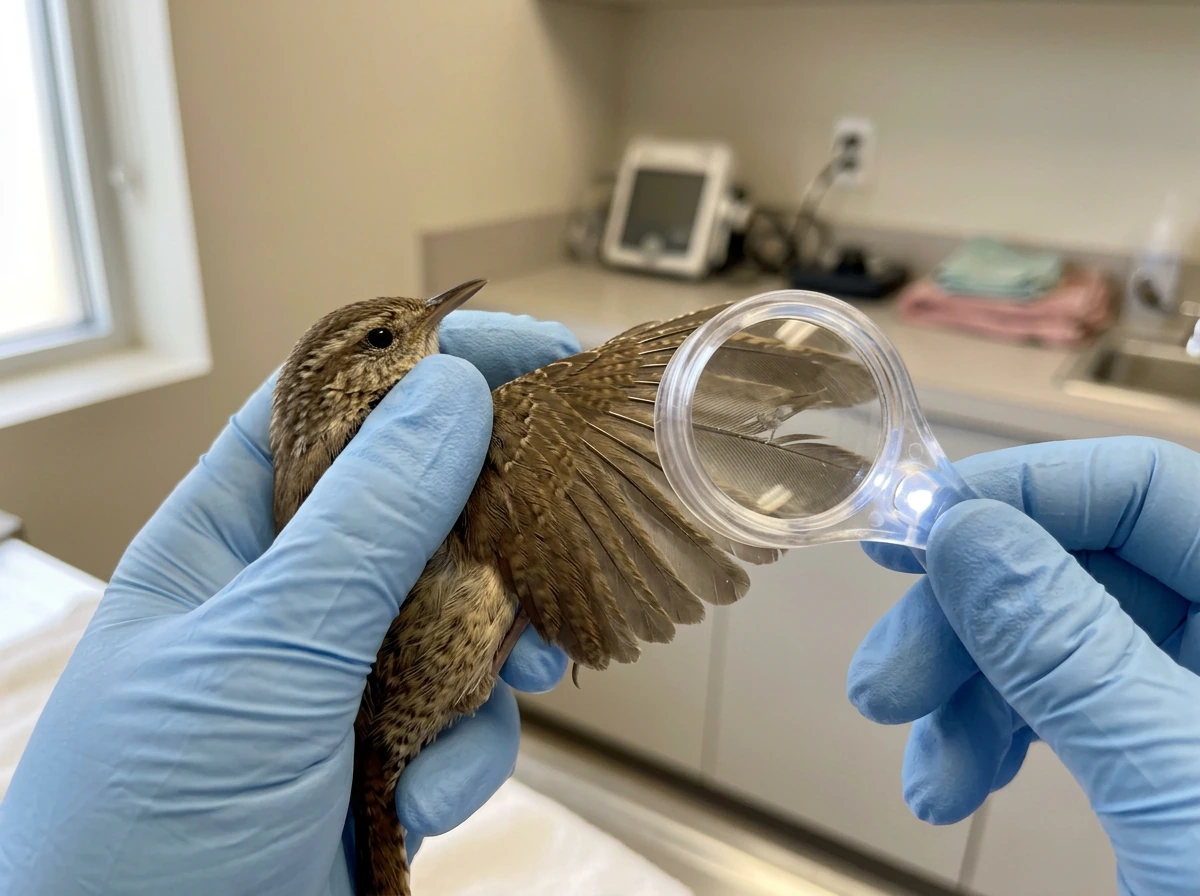
A bird that is in pain simply may not be able to preen normally. Arthritis, wing or joint injuries, obesity, or any condition that limits mobility can make it physically difficult for the bird to reach parts of its body. If your bird seems reluctant to move, shifts weight constantly, or favors one side, pain may be contributing.
Parasites
Feather mites and lice are real possibilities, especially if your bird has had any exposure to other birds. Lice are generally host-specific and cause feather damage under heavy infestation. Feather mites can cause itchiness, crater-like skin lesions, and skin thickening. The scaly face and leg mite (Knemidokoptes) burrows into skin and causes visible pitting and crusty changes around the beak and feet. If you see any of that, it warrants a vet call.
Illness and infection
This is the most serious category. Bacterial, viral, and fungal infections, as well as systemic disease, can all suppress a bird's interest in or ability to preen. A sick bird puts its energy into survival, not grooming. Medical causes of feather problems in birds include skin and feather disease, toxin exposure, infections of all types, and parasites. If your bird is also lethargic, fluffed up, sitting low in the cage, or eating less, illness is very likely in the picture.
Preen gland issues
The preen gland itself can sometimes become blocked, infected, or impacted, which is especially noted in budgerigars. If you notice unusual swelling, discharge, or a crusty buildup at the base of the tail where the gland sits, that area needs a vet's attention. A healthy preen gland is barely noticeable. Anything more prominent than a very slight swelling is worth flagging.
Quick at-home assessment: what to check right now
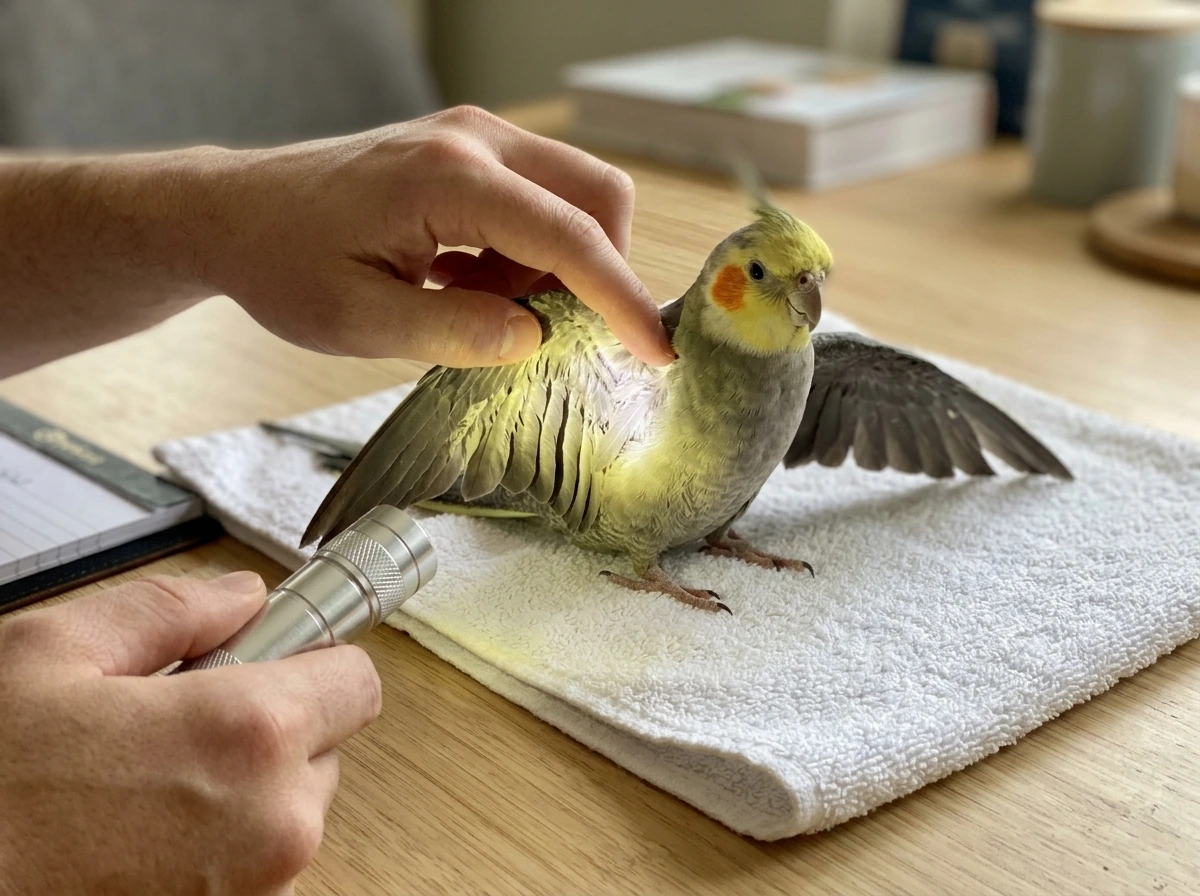
Before calling the vet or jumping to solutions, spend five to ten minutes doing a calm, focused observation of your bird. You are not diagnosing anything. You are gathering information that will help you figure out how urgently to act.
- Feathers: Are they dull, frayed, or splayed? Are there any bald patches or broken feathers? Do you see any crusty or discolored areas near the skin?
- Skin: Look at the legs, feet, and any exposed skin near the face. Is there flaking, redness, unusual swelling, or pitting around the beak?
- Posture and behavior: Is your bird fluffed up and sitting lower than usual? Is it sitting on the cage floor? Is it sleeping more than normal or at unusual times of day? Is it reluctant to move or favoring one side?
- Droppings: Check the cage floor. Normal droppings have a solid green or brown component, a white urate portion, and a small amount of clear liquid. Mushy, watery, discolored, or very odorous droppings are a red flag.
- Appetite: Has your bird been eating today? Reduced interest in food alongside reduced preening is a significant combined warning sign.
- Breathing: Watch for open-mouth breathing, tail bobbing, wheezing, or any visible effort to breathe. This is an emergency sign.
- Eyes and nares: Discharge, swelling around the eyes, or blocked nostrils are illness indicators.
Write down what you observe. If you end up calling an avian vet, having specific notes about when you first noticed changes, what the droppings look like, and how the bird is behaving will help them help you faster.
What you can try today to help
If your bird does not have any of the emergency signs listed below and seems otherwise stable, there are practical things you can do right now that may help.
Offer a bath
Regular bathing is one of the most important things you can do for a bird's feather and skin health. It mimics rainfall, loosens debris, relieves dry or itchy skin, and often stimulates preening behavior afterward. Use a fine mist spray bottle with warm (not hot) water, or offer a shallow dish of water the bird can step into. Some birds prefer one over the other. Change the cage paper after misting since wet, soiled paper can become moldy quickly. Do not force it. Just offer the option and see how your bird responds.
Check and improve humidity
If your home's air is very dry, especially in winter, consider a cool-mist humidifier near (but not directly on) the cage. Low humidity contributes to dry, uncomfortable skin and poor feather condition. This is a particularly overlooked factor for birds kept in climate-controlled homes year-round.
Clean the cage thoroughly
Spot-clean daily and do a full clean as soon as possible if you have fallen behind. Pay attention to perches, because rough, dirty, or poorly sized perches cause sore feet, and sore feet make preening harder. Replace any perches that are cracked, frayed, or covered in dried droppings.
Reduce obvious stressors
Think about what has changed recently in your bird's environment. New pets, new people, relocated cage, different lighting schedule, or changes in your own routine can all trigger stress. Try to restore some consistency. Cover part of the cage if the bird seems anxious. Maintain a predictable light-dark cycle close to 12 hours each.
Check food quality and variety
Nutritional deficiencies can show up in feather condition and overall grooming behavior. Make sure your bird is getting a balanced diet and not just subsisting on seeds. If it has not been eating much lately, that information is important for your vet.
When to call the avian vet and how urgently
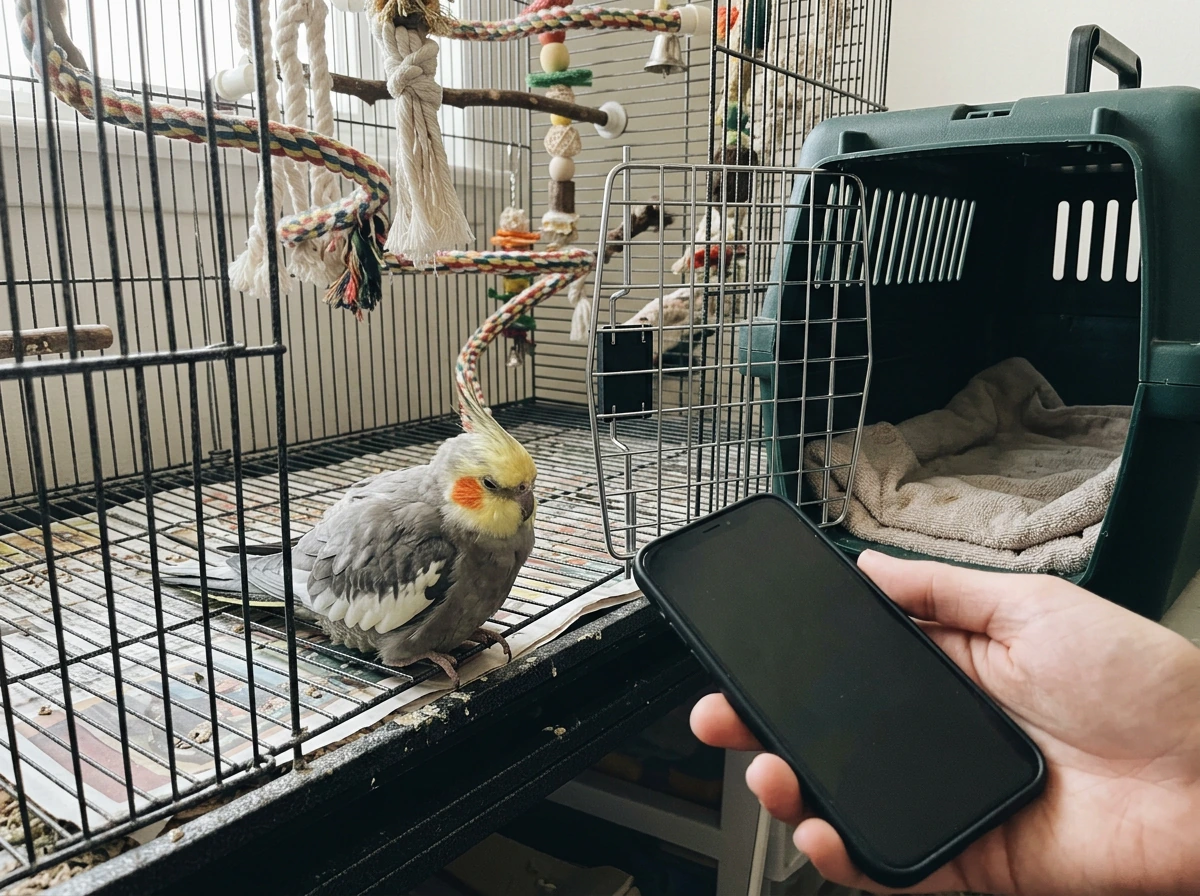
Birds are prey animals and they hide illness well. By the time symptoms are obvious, a problem is often already significant. Do not wait to see if things improve on their own if you are seeing concerning signs.
| What you're seeing | How urgently to act |
|---|---|
| Open-mouth breathing, tail bobbing, gasping, wheezing | Emergency, go now or call an emergency avian vet immediately |
| Bird sitting on the cage floor or unable to perch | Emergency, same day |
| Bleeding that cannot be stopped (including broken blood feathers) | Emergency, go now |
| Vomiting (not regurgitation, actual vomiting) | Same day, urgent |
| Completely stopped eating for more than 24 hours | Same day or next day |
| Fluffed up and lethargic with multiple symptoms combined | Same day |
| Visible skin parasites, crusty beak/legs, crater lesions | Schedule within a few days |
| Dull, frayed feathers with no other symptoms and normal behavior | Monitor and schedule soon |
| Swelling or discharge at the preen gland area | Schedule within a few days |
| Feathers not improving after environmental changes over 1 to 2 weeks | Schedule a vet visit |
Subtle signs can precede serious illness by hours or days. If your gut says something is wrong and your bird looks off in multiple ways at once, trust that instinct and call sooner rather than later. An avian vet can do a physical exam and, if needed, lab work to rule out infections, parasites, or other medical causes.
Mistakes to avoid and how to monitor going forward
There are a few things people commonly do when they notice a bird not preening that can actually make things worse.
- Do not try to physically groom or pull at the bird's feathers yourself. You can damage pin feathers (the new, blood-filled feathers growing in), which is painful and can cause bleeding.
- Do not use any products on your bird's skin or feathers unless specifically recommended by an avian vet. Many sprays, oils, and home remedies are harmful to birds.
- Do not over-clean with harsh chemical disinfectants inside the cage while the bird is in it. Fumes are dangerous. Use bird-safe cleaning products and ventilate well.
- Do not assume the problem will resolve itself without doing anything. A bird that has stopped preening for more than a few days without an obvious simple explanation (like a very recent stressful event) deserves a closer look.
- Do not delay a vet visit if you are seeing multiple symptoms together. The combination of reduced preening, reduced eating, fluffed posture, and low energy is not a wait-and-see situation.
For monitoring, check your bird at the same time each day and keep brief notes. Look at feather condition, droppings, appetite, posture, and activity level. If you made environmental changes (humidity, bathing access, cage cleaning), give them about one to two weeks to show an effect on feather condition, but watch daily for any signs of worsening. Feather quality improves slowly. Behavioral improvement from stress reduction can happen faster.
...over-preening, obsessive grooming, or actual feather plucking rather than simply not preening... Both deserve attention, and understanding the difference between normal preening, excessive preening, and feather plucking will help you describe what you are seeing accurately when you talk to a vet.
Your action plan based on what you are seeing
Use this as a starting point based on your observation today.
- If you see open-mouth breathing, the bird is on the cage floor, or there is active bleeding: call an avian emergency vet right now.
- If you see fluffed posture, lethargy, no eating, vomiting, or abnormal droppings combined with not preening: call your avian vet today.
- If you see dull or frayed feathers, slightly less preening, and no other alarming symptoms: offer a bath today, improve humidity, clean the cage, reduce stressors, and watch closely for 5 to 7 days.
- If feathers look dry, the bird seems itchy, and you notice crusty skin or changes around the beak or feet: schedule a vet visit within a few days to check for parasites or a preen gland problem.
- If the bird seems otherwise fine but has not been bathing or preening much: start with a misting session today, improve the environment, and reassess in one week.
The bottom line is this: preening is essential, not optional, for a bird's health. When it stops, something is driving that change. Start with the environment and observe carefully, but do not wait long to involve a vet if you are seeing anything beyond just dull feathers. You know your bird. If it looks off to you, it probably is.
FAQ
How urgent is it if a bird suddenly stops preening?
If your bird suddenly stops preening but is otherwise alert, eating, and warm, start by checking for immediate triggers (recent cage move, noisy events, new cleaning products, overly dry air, dirty perches). However, if you also see fluffed posture, sitting low, breathing changes, reduced appetite, or rapid deterioration in feather texture, treat it as urgent and contact an avian vet the same day.
Can molting look like a bird that is not preening?
In a molt, feather changes can look messy, but you should still see some grooming and normal daytime energy. A useful check is appetite and activity, if those remain steady and you see new pin feathers forming, a molt is more likely. If grooming drops to near zero and the bird looks unwell, that points beyond normal molting.
What if my bird seems itchy but isn’t preening?
Yes. If a bird has itchy skin from mites, lice, or fungal issues, it may groom less because it is uncomfortable, or it may switch to targeted chewing and picking. Look for localized crusting, feather loss patches, or scaly changes on the feet or face, those are more consistent with a parasite or skin problem than with dryness alone.
Is it safe to bathe or mist a bird that has stopped preening?
Do not rely on “more misting” if you suspect infection or heavy mite problems. Excess moisture can worsen some skin conditions, and soaking can stress birds that are already sick. Use bathing options gently for comfort, then reassess, if feather quality and behavior are not improving within a few days, get an avian vet exam rather than escalating home treatments.
Could low humidity alone explain a bird that won’t preen?
A dry room can reduce comfort, but humidity is not a complete fix if there is an underlying disease, pain, or parasite load. If you can improve air dryness and the bird still refuses grooming, or feathers keep worsening, that suggests you should investigate medical causes instead of focusing only on humidity.
What should I do if I see buildup near the base of the tail?
If you find stuck or crusty material, such as debris around the nostrils, feet, or the preen gland area, do not attempt to remove it with force or oils. Gentle bathing can soften loose debris, but persistent crust, swelling, or discharge near the base of the tail needs a vet because it can indicate an impacted or infected preen gland.
Can sore feet or poor perches cause a bird to stop preening?
Rough, dirty perches can make the bird avoid grooming because sore feet make reaching and standing uncomfortable. Check perch diameter and surface texture, replace cracked or frayed perches, and ensure droppings are cleaned promptly. If the bird shows limping, constant repositioning, or reluctance to step onto perches, pain may be the barrier to preening.
How can I tell if the cause is nutritional versus something medical?
If diet is deficient, you may see dull feathers, brittle texture, and reduced grooming, but nutritional issues usually develop gradually rather than overnight. Still, review the full diet (pellets versus seed-only), add no supplements without guidance, and tell the vet if appetite has changed, because secondary illness can look similar.
What if my bird is not just not preening, it is pulling feathers?
Over-preening and true feather plucking can be triggered by stress, mites, allergies, or boredom, and the treatment differs from simple “not preening.” If you see broken shafts, missing feathers, or skin damage, treat it as a separate problem, consider a vet check for parasites and skin inflammation before trying behavioral fixes only.
What exactly should I track each day to help a vet?
A practical monitoring plan is to write down, once daily: feather condition (matting, ragged edges), posture (fluffed or normal), activity, appetite, and droppings appearance. Also note any environmental changes you made and when, if things are improving you should see gradual feather improvements over 1 to 2 weeks, while behavior or appetite changes can show sooner.
How can I tell if my bird is skipping preening because it hurts to reach its feathers?
If your bird is not preening because it is unable to reach, you may notice one-sided favoring, difficulty climbing, or reluctance to move. Arthritis, fractures, or obesity can all limit access. If you observe reduced mobility or uneven weight bearing, avoid waiting, arrange an avian vet assessment focused on pain and mobility.
Next Articles
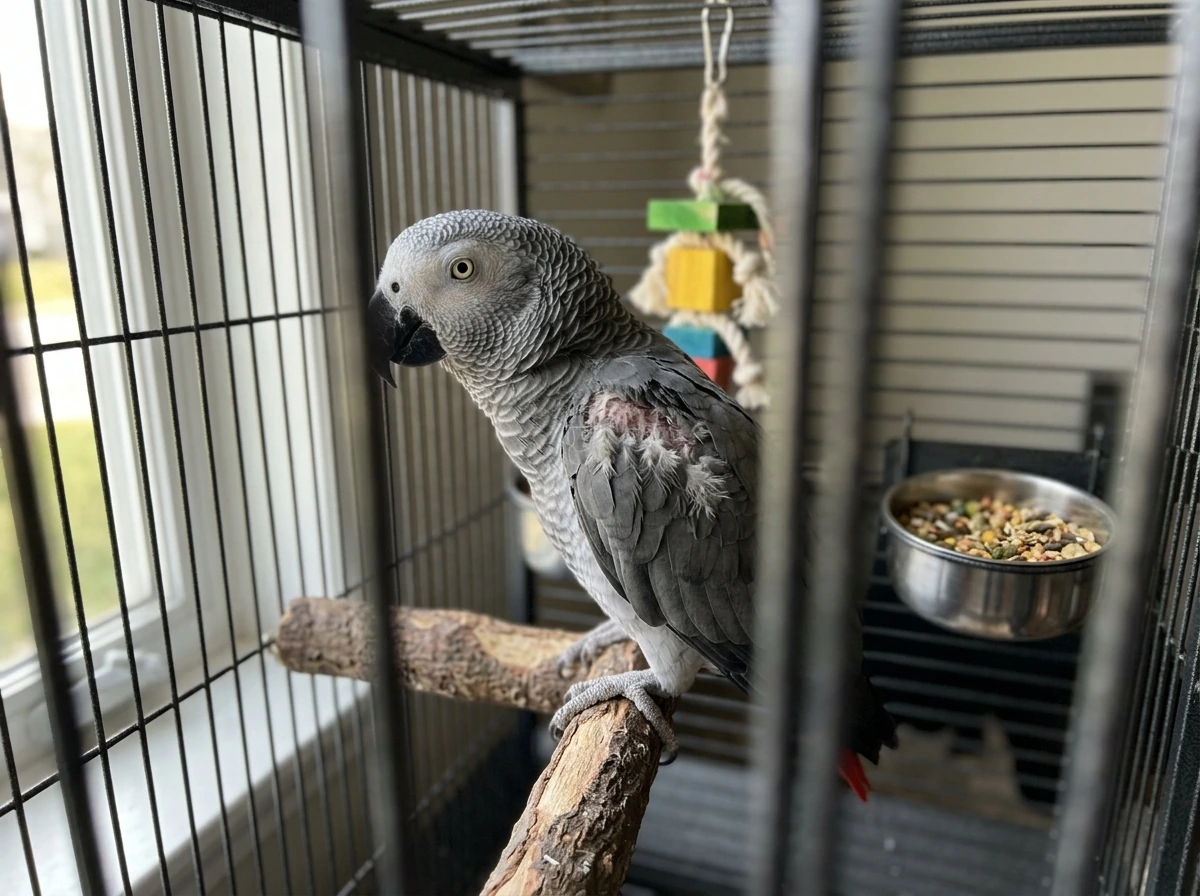
Why Does a Bird Pluck Its Feathers? Causes and Steps
Learn why birds pluck feathers, how to spot stress or medical causes, and step-by-step at-home checks and next actions.
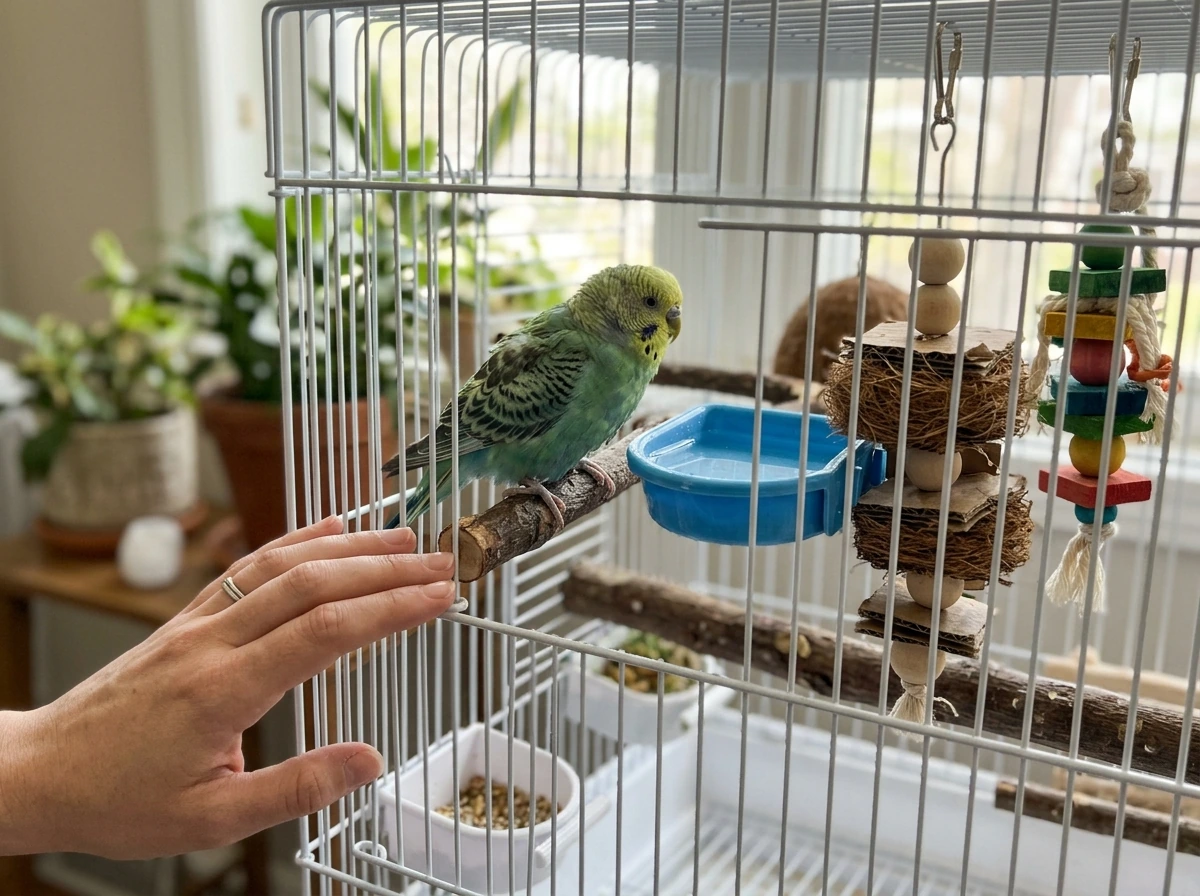
How to Tell If Your Bird Is Over Preening and What to Do
Spot over-preening vs normal grooming, check for feather damage and stress signs, and get safe next steps.
Why Is My Bird Making a Clicking Noise? Causes and Next Steps
Learn why your bird clicks, how to spot normal vs respiratory red flags, and the immediate vet-ready next steps.