
What you're seeing is most likely feather dust or normal dander, which is completely harmless and actually a sign of healthy feather production in many species. But if the flaking is concentrated around the face, beak, feet, or vent, looks crusty rather than powdery, or your bird is scratching constantly and looking rough, that's a different situation worth taking seriously today. Balding or patchy feather loss in birds can also be caused by skin irritation, mites, or stress, so it helps to look closely at the skin and pattern of the flakes.
My Bird Has Dandruff: Causes, Checks, and What to Do Now

Marcus Chen
6 Jul 2026
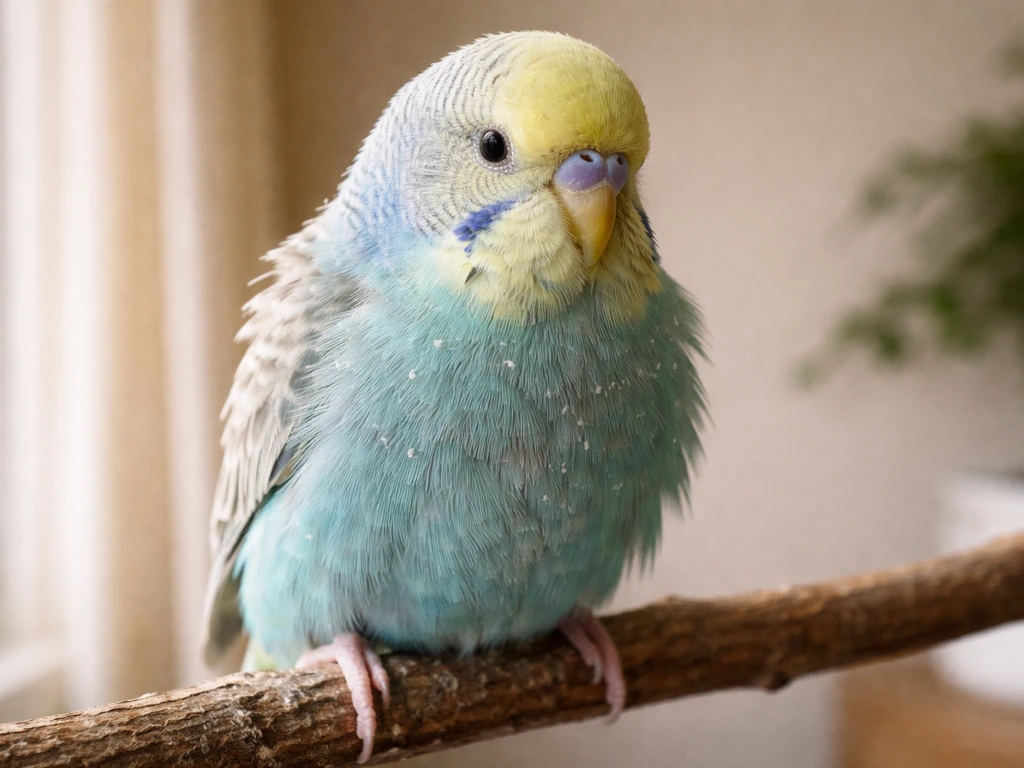
What bird "dandruff" actually looks like vs. normal shedding
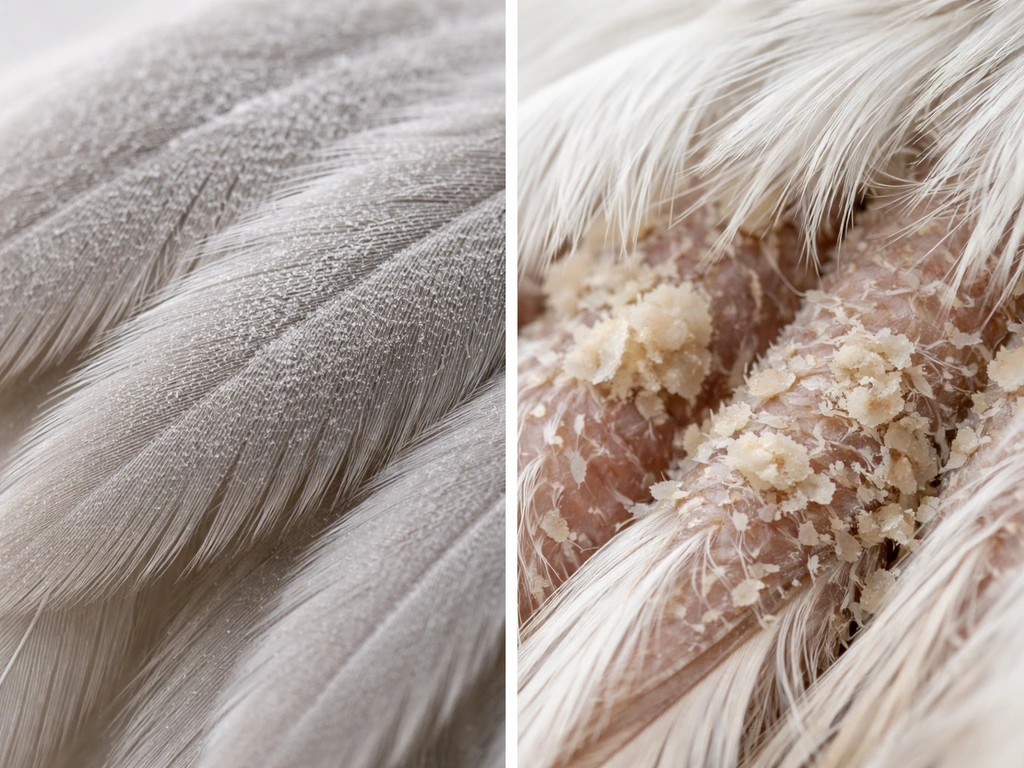
Normal feather dust is a fine, white or grey powder that coats your bird's feathers and your furniture. Cockatiels, cockatoos, and African greys produce a lot of it because they have special powder-down feathers that continuously break down into this dust. It's soft, uniform, and spreads everywhere. If you hold your bird and rub its feathers gently, you'll see a puff of this powder come off. That's not dandruff. That's your bird doing exactly what it's supposed to do.
True skin flaking looks different. It tends to be larger, irregular flakes or white crusty patches sitting on or near the skin rather than floating off the feathers. You might notice it around the cere (the fleshy area above the beak), the corners of the mouth, the eyelids, the legs and feet, or the vent area. If you see raised, rough, or porous-looking encrustations in those specific spots, that's not normal dander. It's a sign something is irritating or infecting the skin directly.
During a normal molt, birds also shed feather sheaths, which are the small white waxy casings that encase new pin feathers as they grow in. These break apart and fall off as the feather matures. They can look a bit like flaky debris near the base of feathers, especially on the head. This is normal, just part of the feather cycle. If your bird is in a molt right now and seems otherwise healthy, that's almost certainly what you're seeing.
The most common reasons birds develop actual skin flaking
Dry air and low humidity
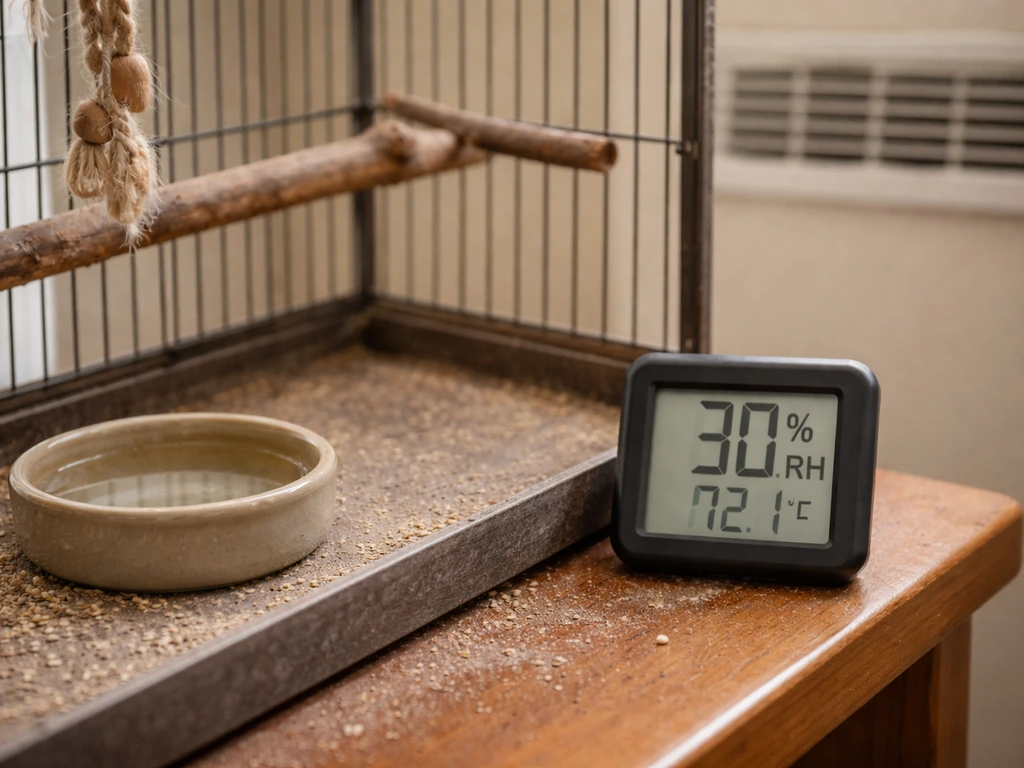
This is the number one cause of genuine dry, flaky skin in pet birds, and it's almost always overlooked. Most pet birds are tropical species. They evolved in environments with 60 to 80 percent humidity. The average home, especially in winter with central heating running, can drop to 20 to 30 percent. That's desert-level dryness for a bird. Over time, the skin dries out, loses elasticity, and starts to flake. You'll usually see it on the legs and feet first, and the feathers can look dull and brittle as well.
Mites and external parasites
Scaly face mites (Knemidocoptes) are a very real concern, particularly in budgerigars. These microscopic mites burrow into the skin and cause the characteristic honeycomb-textured, white or grey crusty growths around the beak, cere, eye area, legs, and vent.
UF/IFAS Extension notes scaly face and scaly leg in caged pet birds, with mites invading feather follicles and the epidermis, leading to these characteristic crusts around areas like the beak, eyelids, throat, vent, and legs honeycomb-textured, white or grey crusty growths.
If you look closely and see raised, porous, almost coral-like encrustations in those specific spots, mites are a strong suspect. Red mites are trickier because they hide in the cage at night and only come out to feed on your bird while it sleeps, so you might not see them on the bird at all during the day.
A bird with red mites will often look restless at night, scratch more than usual, and may become anemic if the infestation is heavy.
Fungal or bacterial skin infections
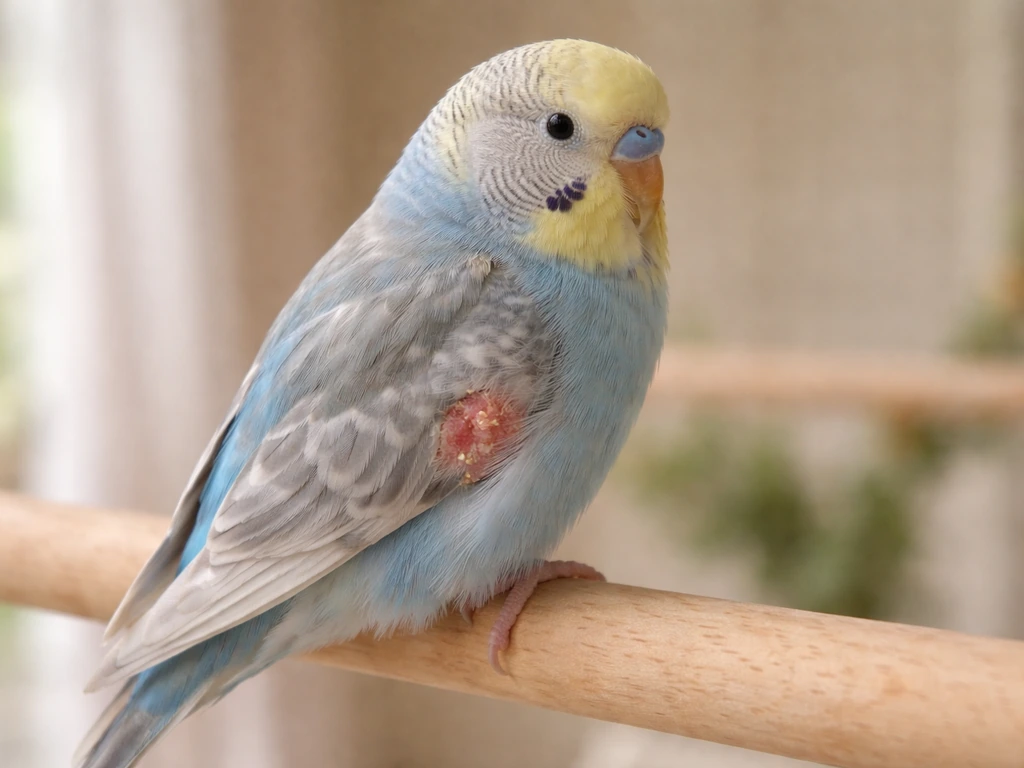
Skin infections can cause localized flaking, crusting, or scaling, often alongside redness, swelling, or discharge. If you suspect bleeding from your bird's vent, it is important to get her checked by an avian vet as soon as possible why is my bird bleeding from her private. These usually show up in one specific area rather than generally across the body. A bacterial or fungal infection won't clear up with home care, and trying to treat it without a proper diagnosis can make things worse. If the skin looks raw, inflamed, or wet in addition to flaky, an avian vet visit is the right move.
Poor diet and nutritional deficiencies
A diet of mostly seeds is the single biggest nutritional mistake bird owners make. Seeds are high in fat and low in the vitamins and minerals birds need for healthy skin and feathers. Vitamin A deficiency in particular leads to poor skin condition, dull feathers, and increased susceptibility to infection. Birds eating a varied diet with quality pellets, fresh vegetables (especially leafy greens and orange-yellow vegetables), and limited seeds have noticeably better skin and coat condition.
Allergies and environmental irritants
Birds can react to cigarette smoke, scented candles, air fresheners, non-stick cookware fumes, cleaning products, and even certain types of dust. Skin irritation and increased scratching or preening can be signs that something in the bird's environment is bothering it. If you've recently changed something in the room, introduced a new product, or if the flaking started after a move or renovation, environmental irritants are worth considering.
Stress and psychological factors
Stress doesn't directly cause dandruff, but it does compromise immune function and can lead to over-preening or feather-destructive behavior that damages the skin. A stressed bird may also have disrupted sleep and eating patterns, both of which affect overall condition. If your bird is also plucking, barbering feathers, or showing other signs of distress, the skin issues may be secondary to a bigger behavioral or environmental problem.
Bathing habits
Both too little and too much bathing can cause problems. A bird that never bathes can develop dry, flaky skin and dull feathers. But bathing with soap or any product not designed for birds, or bathing in water that's too hot or too cold, can strip the skin's natural oils and cause irritation. Most birds do well with plain lukewarm water a few times a week.
How to check your bird right now
Before you do anything else, do a quick but systematic check. You don't need any equipment, just good lighting and a calm bird. If you notice one specific feather sticking out, that can be a sign your bird is having a skin or feather issue, so take a closer look.
- Look at the cere, beak corners, and around the eyes. Any raised, crusty, or porous-textured growths here are a red flag for mites. Normal cere should be smooth and clean.
- Check the legs and feet. Healthy bird legs have smooth, even scaling. If the scales look lifted, rough, or are covered in a crusty white material, that's abnormal.
- Part the feathers gently on the chest and back. Look at the skin underneath. Healthy skin is smooth, slightly pink or grey, and dry. Red, flaky, or irritated skin needs attention.
- Watch how much your bird is scratching or preening. Some preening is normal and healthy. Constant scratching at the head or body, rubbing against cage bars, or frantic preening suggests something is irritating the skin.
- Check the droppings. Healthy droppings have a solid dark portion, a white or cream urate portion, and a small amount of clear liquid. Changes in color, consistency, or frequency can indicate illness that may be connected to skin issues.
- Look around the cage at night with a flashlight. If you see tiny red or brown moving specks on the cage bars, perches, or walls, those are red mites.
- Review the environment. Note the temperature and humidity if you have a monitor, check for any new scented products, and think about whether anything changed recently.
Things you can safely do at home today

Improve humidity and air quality
If you don't have a humidifier in the room where your bird lives, consider getting one. Aim for 50 to 60 percent relative humidity. If you have a cheap hygrometer, put it near the cage and check. Also make sure the cage isn't sitting directly under an air conditioning or heating vent, which creates a constant stream of dry air. Remove any scented candles, air fresheners, or aerosol sprays from the room entirely.
Offer regular baths
If your bird hasn't been bathing regularly, start offering a shallow dish of lukewarm plain water two to three times a week. Some birds prefer to be gently misted with a spray bottle. Let the bird choose what it's comfortable with. Never use soap, dish detergent, or any commercial bird "conditioning" spray unless it's been specifically cleared by a vet, as these can cause more irritation than they fix. After bathing, let your bird dry in a warm, draft-free area.
Clean and disinfect the cage
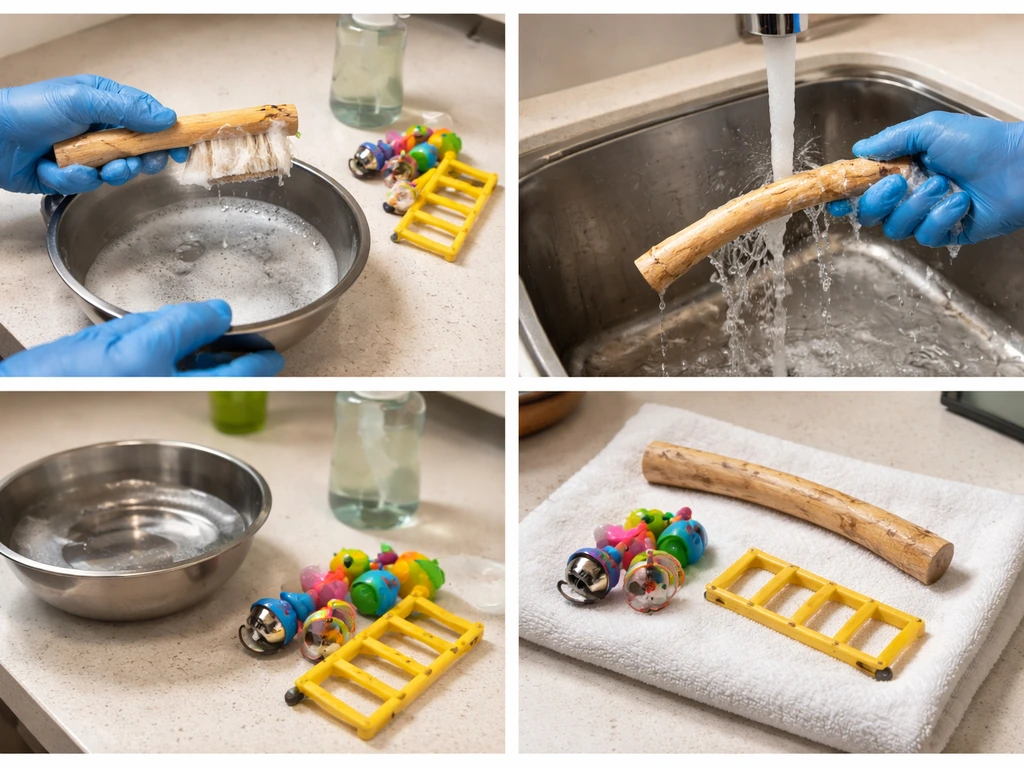
Clean the cage thoroughly today. Remove everything, scrub all surfaces, perches, and toys with hot water and a bird-safe disinfectant, then rinse completely and let everything dry before putting the bird back. This is especially important if you suspect mites, since red mites hide in cage crevices during the day. Pay close attention to cracks in wooden perches and any fabric toys, as these are prime hiding spots.
Improve the diet
If your bird is eating mostly seeds, start transitioning to a higher-quality diet now. Introduce a good-quality pellet as the base (this takes time and patience, but it's worth it), and add fresh vegetables daily. Dark leafy greens like kale, spinach, and romaine are excellent. Orange and yellow vegetables like sweet potato and carrot are high in beta-carotene, which converts to vitamin A and is critical for skin health. Avoid avocado, onion, chocolate, and caffeine, all of which are toxic to birds.
Reduce stress where you can
Make sure your bird is getting adequate sleep, typically 10 to 12 hours of darkness per night. Cover the cage at night if there's ambient light in the room. Ensure the bird has enough mental stimulation during the day with foraging activities and social interaction. If you have multiple birds and one is being bullied, that stress will show up in its physical condition.
Signs this is probably mites or an infection, not just dry skin
Dry skin from low humidity responds to improved bathing and humidification within a few weeks. If you make those changes and see no improvement, or if any of the following are present, the problem is likely beyond what home care can fix.
- Honeycomb-textured, porous, or coral-like white/grey encrustations around the beak, cere, eyes, legs, or vent (classic scaly face/leg mite pattern)
- The beak is deformed, overgrown, or changing shape
- Tiny moving specks visible on the cage at night
- Your bird is visibly uncomfortable at night, restless, or sleeping poorly without another explanation
- Skin looks raw, inflamed, wet, or has discharge
- Feathers are falling out in patches beyond normal molt, which may connect to the feather loss and balding concerns covered in related topics
- The bird is lethargic, fluffed up for extended periods, eating less, or the droppings have changed significantly
- The flaking is getting worse despite two to three weeks of improved humidity, bathing, and diet
If mites are confirmed or suspected, a vet can examine a skin scraping under a microscope to identify the specific parasite and prescribe the right treatment. Do not use over-the-counter mite sprays sold in pet stores without veterinary guidance. Many contain ingredients that are harmful to birds, and using the wrong product can make your bird seriously ill.
What to bring to the vet appointment
When you call to book, ask specifically for an avian vet or an exotic animal vet with bird experience. A general small animal vet may not have the training to diagnose or treat bird skin conditions accurately. When you go, bring a photo or video of the affected areas if your bird gets stressed at the clinic and the flaking is hard to spot in the exam room. Also bring a sample of your bird's typical daily diet, a description of when you first noticed the problem, any changes you've made to the environment recently, and a fresh dropping sample if possible.
A long-term plan for healthy skin and feathers
Once you've addressed the immediate problem, a consistent routine will go a long way toward preventing a recurrence. Here's what ongoing bird skin and feather care looks like in practice.
| Care Area | What to Do | How Often |
|---|---|---|
| Humidity | Keep room humidity between 50 and 60% using a humidifier | Monitor daily, adjust seasonally |
| Bathing | Offer lukewarm plain water baths or gentle misting | 2 to 3 times per week |
| Diet | Feed quality pellets, fresh leafy greens, and limited seeds | Daily |
| Cage cleaning | Wipe surfaces, replace liner, wash food/water dishes | Daily for dishes, full clean weekly |
| Deep cage disinfection | Full scrub with bird-safe disinfectant, replace old wooden perches | Monthly |
| Feather and skin check | Part feathers and inspect skin, check beak, feet, and cere | Weekly |
| Vet check | Routine wellness exam with an avian vet | Once a year minimum |
Keep an eye on anything that changes suddenly. A bird that develops flaking after you start using a new cleaning spray, move the cage to a different room, or bring home another pet is telling you something about its environment. Birds are sensitive enough that environmental changes often show up in their feathers and skin before any other signs of stress appear.
The good news is that most cases of bird "dandruff" turn out to be normal feather dust or mild dryness that responds quickly to simple changes. Pay attention to where the flaking is, what the skin looks like underneath, and how your bird is behaving overall. Those three things together will usually give you a clear enough picture to know whether you're dealing with something harmless, something you can fix at home, or something that needs a vet's eyes on it.
FAQ
How can I tell if it’s normal feather dust versus real skin dandruff when I only see powder on the cage and furniture?
Look for movement and location. If the “dust” floats off or spreads from the feathers when you gently rub the plumage, it’s usually feather down. If you see thicker, irregular crusts sitting on the skin around the face, eyelids, feet, or vent (and the bird is itchy or keeps preening that spot), treat it as skin flaking rather than normal dust.
My bird’s flaking is only on one side of the face, is that still just dryness?
One-sided flaking is less typical for general low-humidity dryness. Dryness is often most noticeable on legs and feet first, with dull feathers. Localized, one-spot crusting can fit mites or infection, so you should monitor the skin closely and plan an avian vet visit if it persists beyond a short home-humidity trial.
Can I use coconut oil or other oils to moisturize my bird’s skin?
Avoid putting oils on your bird unless a vet specifically recommends it. Oils can trap debris, potentially worsen mite or fungal issues, and can be hard to clean from feathers. If humidity and safe bathing don’t help, the next step is diagnosis rather than adding skin products.
Is it safe to use a regular human moisturizer, steroid cream, or anti-itch cream if my bird seems irritated?
No. Human creams and over-the-counter anti-itch products can be toxic or harmful to birds, and steroids can mask or worsen infections. For persistent scratching, redness, wet skin, or crusty lesions, go to an avian or exotic bird-experienced vet instead.
How long should I try humidity and bathing before I assume it needs a vet?
If the issue is mainly dry skin, improvement is often noticeable within a few weeks after you raise humidity and improve bathing. If there is no change after that window, or if flaking is crusty, spreading quickly, very itchy, or paired with feather loss, it’s time to seek a microscopic skin evaluation.
What bathing schedule is safest if my bird gets flakey easily?
Start with a shallow dish of lukewarm plain water two to three times per week, or gentle misting if your bird prefers it. Skip soap and additives, and never bathe in water that feels hot or cold to you. Make sure the bird can fully dry in a warm, draft-free area.
Do I need to change my cleaning routine if I suspect mites or skin irritation?
Yes. If mites are suspected, remove everything from the cage, scrub with hot water and a bird-safe disinfectant, rinse thoroughly, and dry completely before reassembling. Pay attention to cracks in perches and fabric toys, since red mites hide in crevices during the day. Also remove potential irritants like aerosols, scented candles, and air fresheners.
Can red mites be present even if I don’t see them during the day?
Yes. Red mites hide in cage crevices during daylight and come out to feed at night, so you might not spot them on your bird in the clinic daytime. Watch for restlessness at night, increased scratching, and signs of anemia if infestations are heavy.
If my bird is molting, should I still worry about flaking?
Sometimes flaking during molt is normal, especially when it comes from feather sheaths near the base of pin feathers. The key is overall behavior and skin appearance. If you see crusts or raised, porous growths on specific bare-skin areas, or your bird is very itchy, assume it may be something more than normal molt.
Could my bird be reacting to something in its diet rather than the environment?
Diet can contribute, especially seed-heavy feeding that leads to vitamin A deficiency and weaker skin barriers. If the diet has changed recently or you suspect low-quality pellets and lots of seeds, focus on transitioning to a pellet-based diet plus daily vegetables before spending money on treatments for “dandruff.”
What should I prepare for an avian vet visit to speed up diagnosis?
Bring clear photos or short videos of the affected areas, a description of when you first noticed the problem and whether it started after any move or new product, and a sample or list of the bird’s typical daily diet. If possible, bring a fresh dropping sample and note bathing habits and humidity conditions in the room.
Are there at-home tests I can do to confirm mites or infection?
Most confirmation requires a vet to examine skin scrapings under a microscope. At-home “spot treatments,” especially over-the-counter mite sprays, are risky because the wrong ingredient can make birds ill or delay proper care. A safer home step is improving humidity, removing irritants, and scheduling an avian vet if crusts or itching persist.
Next Articles
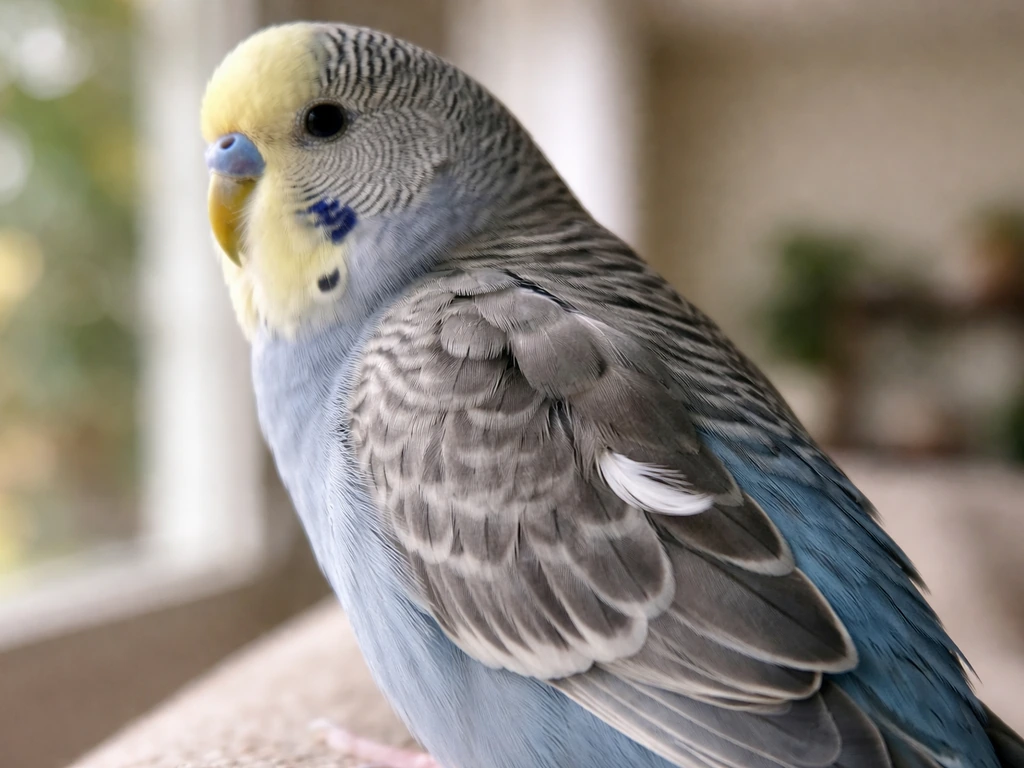
My Bird Has a Feather Sticking Out: What to Check
Quick checklist to spot why a bird feather sticks out, what to do safely, and when to see an avian vet.
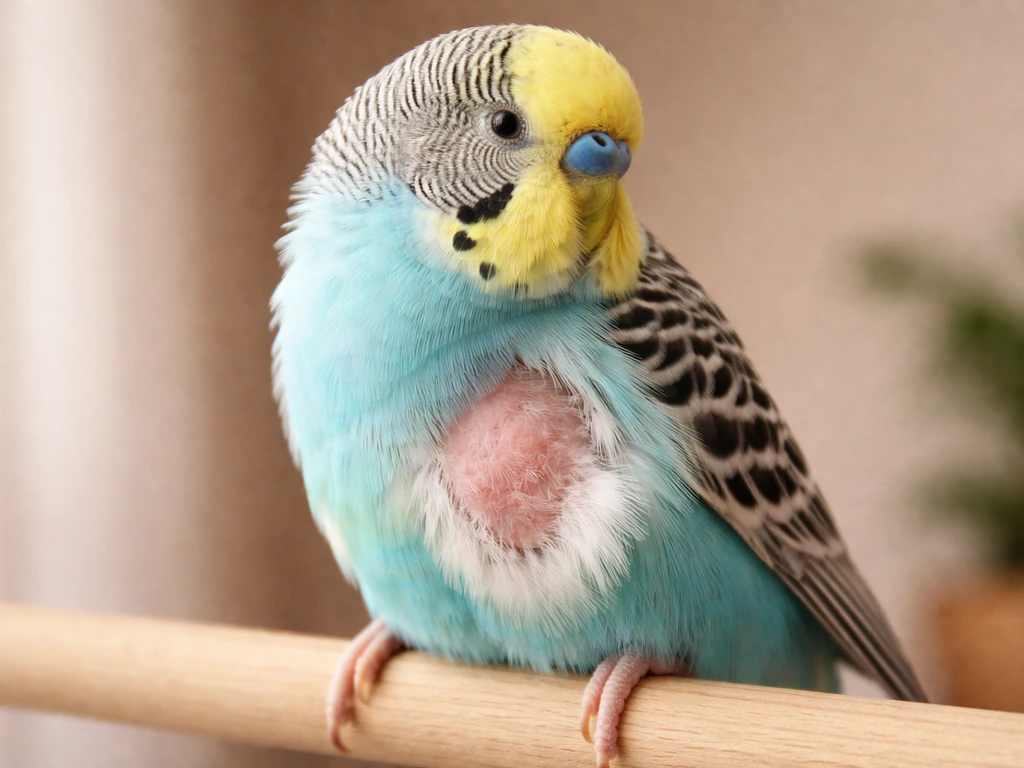
Why Is My Bird Balding? Causes and Safe Fix Checklist
Find the cause of a bald spot by location, symptoms, and triggers, plus a safe home triage checklist.
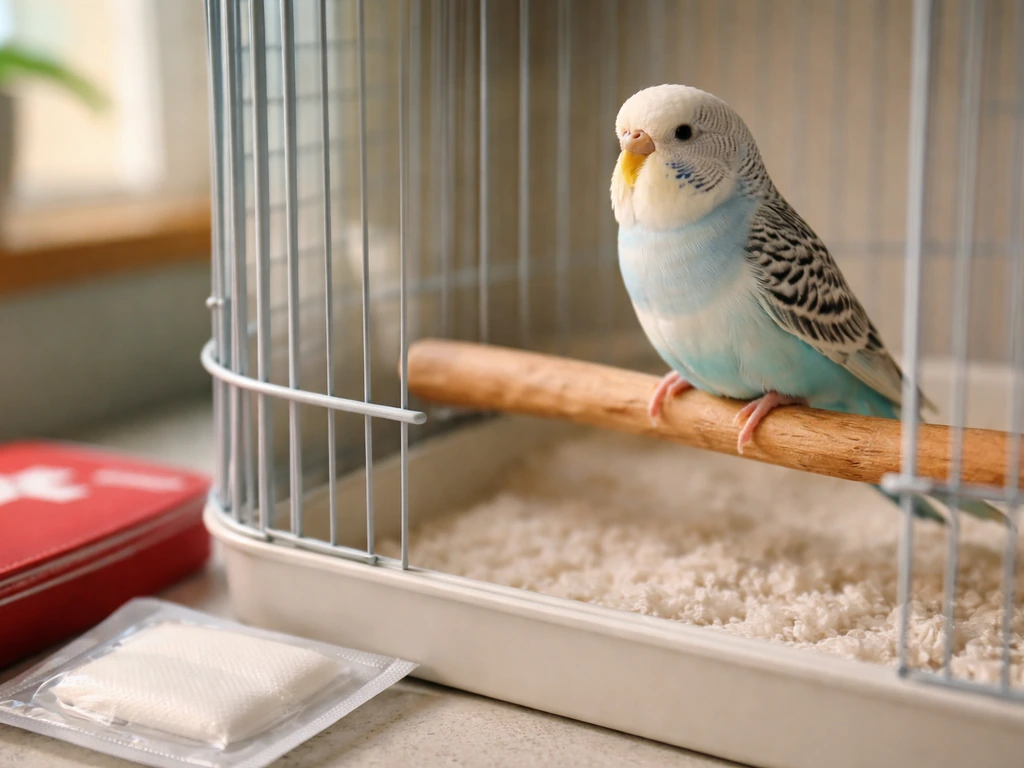
Why Is My Bird Bleeding From Her Private? Causes and Urgent Steps
Causes of genital vent bleeding in pet birds plus urgent first steps, red flags, and when to see an avian vet.