If your bird is losing feathers, the most likely explanation is a normal molt. But the location, the pace, and what the feathers look like when they fall can tell you a lot more. Some feather loss is completely routine. Some of it is a signal that something is wrong, either with your bird's environment, diet, or health. This guide will help you figure out which one you're dealing with and what to do about it today.
Why Is My Bird Losing Feathers? Causes and Next Steps

Marcus Chen
19 Apr 2026
Normal shedding and molting: what's actually typical
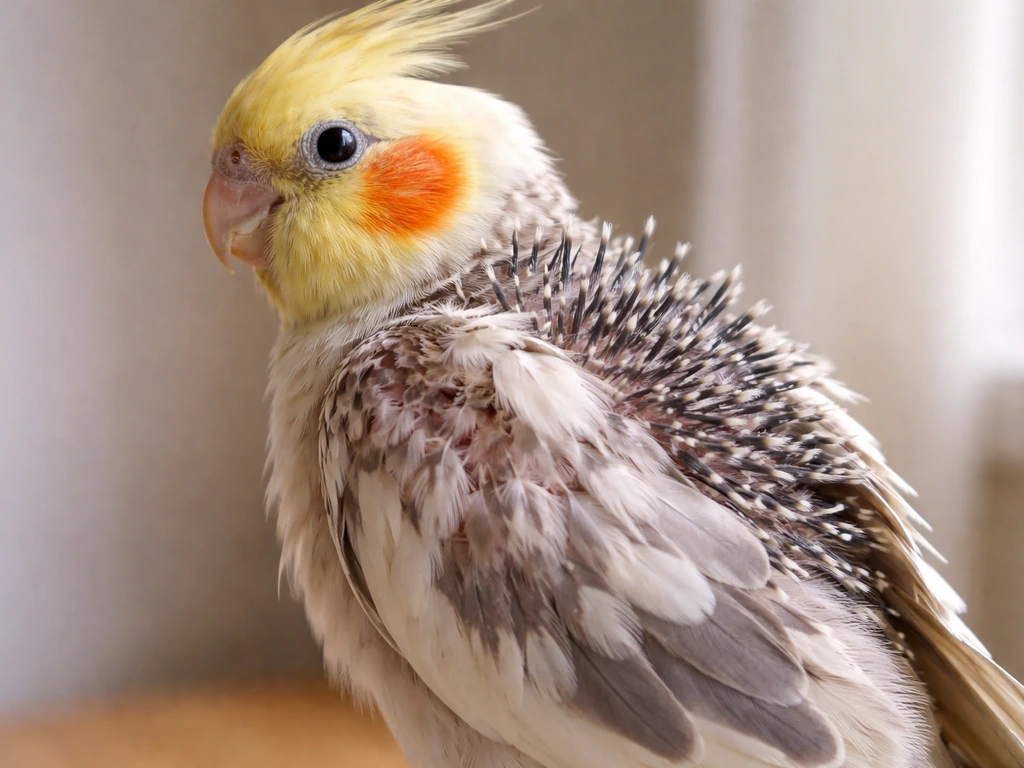
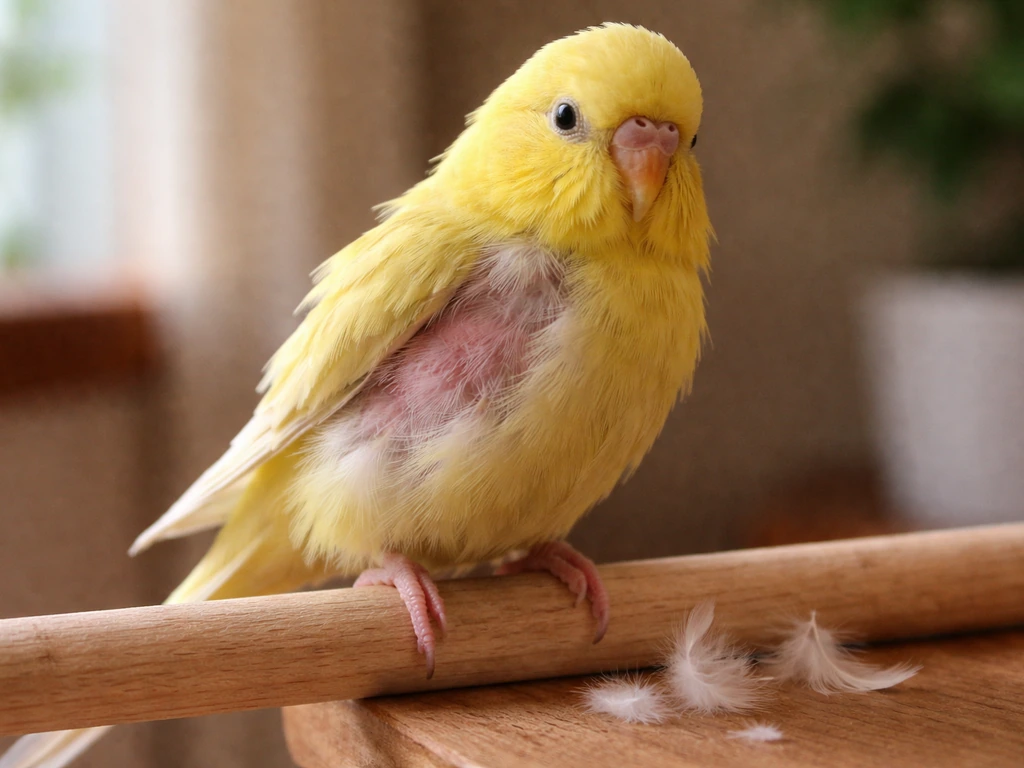
Molting is how birds replace old, worn feathers with new ones. It's a completely normal biological process, and every healthy bird does it. What surprises a lot of owners is how gradual it usually looks. A normal molt typically unfolds over two to six months, and feathers don't all fall out at once. You'll notice scattered feathers at the bottom of the cage and maybe some new pin feathers (those small, waxy-tipped shafts coming in) on your bird's body.
Timing can vary by species and individual bird. Old World parrots, including cockatiels, often go through a noticeable drop in early September, but captive birds don't always follow a predictable seasonal schedule. That's because they're not exposed to the same natural changes in day length that trigger molting in the wild. Your bird might molt at a seemingly random time of year, or even more than once annually. That's not automatically a problem.
During a molt, it's also normal for your bird to act a bit grumpy or less interested in being touched. Pin feathers are sensitive, and your bird may avoid head scratches it normally loves. That temporary temperament shift is part of the process.
The most common reasons birds lose feathers
Feather loss in pet birds falls into two broad categories: normal feather replacement (molting) and feather-destructive disease or behavior. The second category is where things get more complicated, because there are quite a few different drivers, and sometimes more than one is happening at the same time.
Medical causes
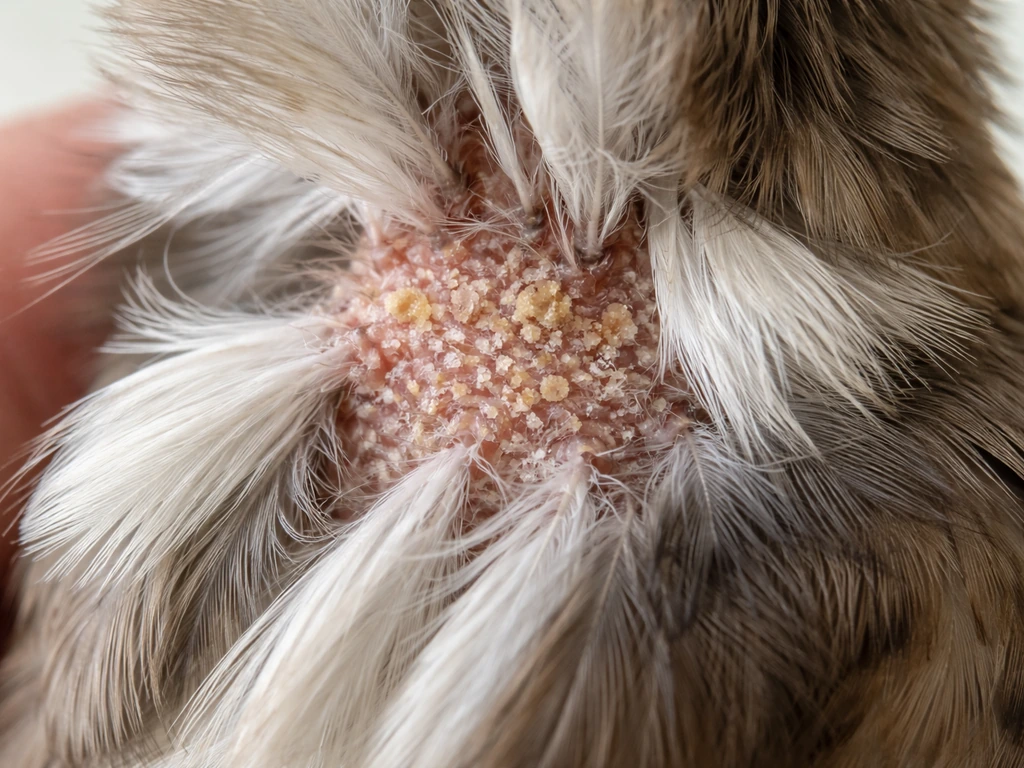
- Bacterial or fungal skin infections: These can cause patchy feather loss, scaling, crusting, and skin irritation. Fungal infections like ringworm can look surprisingly similar to other skin conditions, so don't try to diagnose this at home.
- Psittacine Beak and Feather Disease (PBFD): This is a serious viral disease caused by a circovirus. It damages developing feathers by disrupting blood supply, and in some cases can lead to dramatic or complete feather loss over the head. It's diagnosed with DNA/PCR testing using blood, feather pulp, or cloacal swabs. If your vet suspects PBFD, testing is essential.
- Parasites: Feather mites and burrowing mites (Knemidocoptes) are worth knowing about. Mites can cause honeycombed skin lesions, feather loss around the neck, keel, and abdomen, and intense itchiness. Birds with mite infestations often become restless, especially at night, and can develop anemia from blood loss. That said, parasites are not the most common cause of feather loss overall.
- Systemic illness: Liver disease, kidney failure, tumors, hormonal disorders, and respiratory infections can all contribute to feather loss or trigger self-trauma. If your bird is losing feathers alongside other symptoms (lethargy, appetite changes, changes in droppings), illness is high on the list.
- Malnutrition: A poor diet, especially one that's low in key vitamins and minerals, can weaken feather quality and disrupt the normal growth cycle.
- Toxin exposure: Airborne toxins are a real risk for birds. Overheated nonstick cookware (PTFE/Teflon) releases fumes that can be rapidly fatal. Smoke, aerosols, air fresheners, and hair products are also harmful to a bird's respiratory and skin health.
Behavioral and environmental causes
- Feather plucking: This is intentional self-removal of feathers, often driven by stress, boredom, sexual frustration, or an underlying medical problem that hasn't been found yet. It's one of the most common and frustrating issues in pet parrots.
- Stress: Changes in the household, a new pet, a new schedule, or even rearranging the furniture can stress a bird enough to trigger feather-related behavior.
- Boredom and under-stimulation: Birds are intelligent animals that need mental engagement. A bird left alone with nothing to do for long periods may start overpreening or plucking.
- Improper feather trimming: Flight feathers that are trimmed incorrectly can irritate the bird, leading to chewing at the affected area.
- Skin irritants: Tonics, oils, or ointments that get onto feathers can cause itching and excessive preening that damages feathers.
What the location of feather loss is telling you
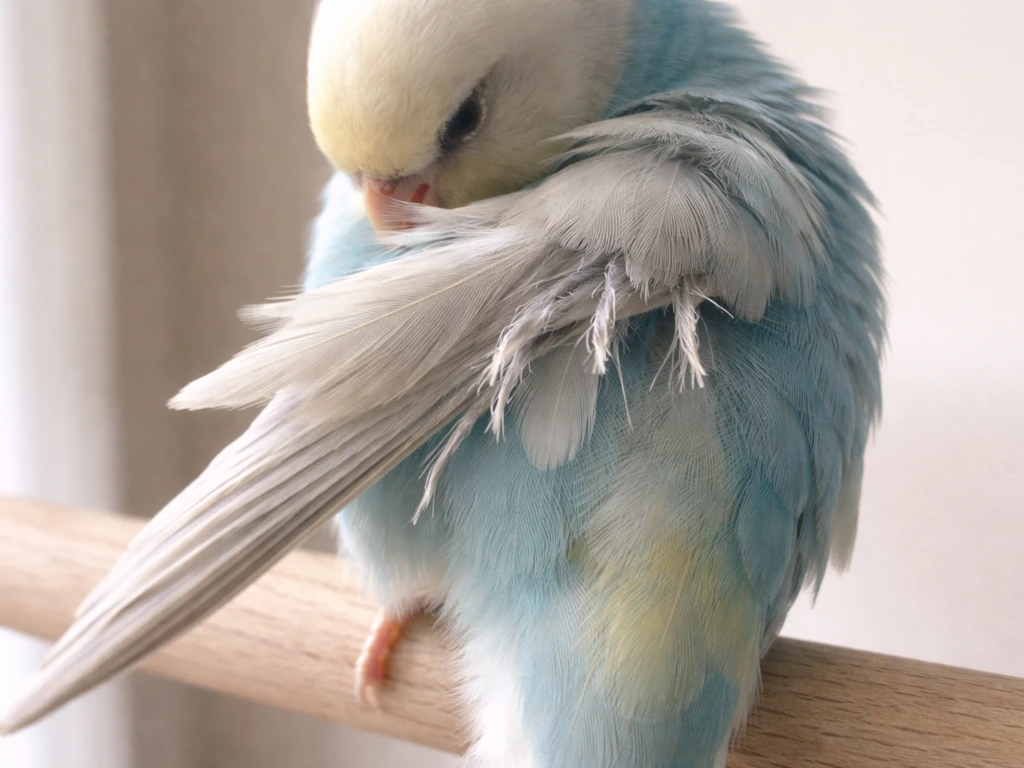
Where your bird is losing feathers is one of the most useful clues you have. A Cornell Center for Wildlife Health fact sheet notes that abnormal feather loss may be linked to feather mites, lice, or nutritional deficiencies, so use the pattern and location of loss along with skin and parasite signs to help tell normal blank" rel="noopener noreferrer">molting from disease. If you notice a feather sticking out, look closely at whether the surrounding feathers and skin look normal for molting or seem disturbed. Here's how to read it.
| Location | What it might mean | Notes |
|---|---|---|
| Head and neck | Often normal molting, but could indicate feather plucking by a cage-mate, or in severe/complete cases, PBFD | A bird cannot reach its own head to pluck — if head feathers are missing, another bird is doing it, or it's a medical/viral cause |
| Chest and breast | Most common site for self-directed feather plucking | UC Davis notes plucking most commonly affects the breast and neck — these are within easy beak reach |
| Neck | Can be molting, plucking, or a sign of mite infestation or infection | Burrowing mites have been linked to feather loss around the neck and ventral abdomen |
| Tail feathers | Often molting or trauma from cage bars/narrow perches; can also be stress-related or from a cagemate chewing | Check if feathers are cleanly shed or broken/frayed at the base |
| Wings and body (patchy) | Could be fungal infection, PBFD, or generalized plucking | Patchy irregular loss with skin changes (scaling, crusting) warrants vet evaluation |
| Face/legs (crusty lesions) | Possible Knemidocoptes mite infestation | Look for honeycombed or thickened skin texture alongside feather loss |
One thing worth noting: if your bird is completely bald in specific spots and you're not sure whether it's molting or something else, the sibling topic on balding in birds goes deeper on what patchy vs. If you’re asking why is my bird balding, this section on patchy versus complete bare skin is a helpful related starting point balding in birds. complete bare skin typically signals.
How to tell if it's plucking vs. normal shedding
This is the question most owners get stuck on, and it's a fair one. Normal shedding and feather plucking can look similar at first glance. Here's what to look for to tell them apart.
| Sign | Normal shedding/molting | Feather plucking or damage |
|---|---|---|
| Feather condition | Whole, intact feathers on cage floor | Broken, chewed, or frayed feathers; feather shafts with pulled ends |
| Skin appearance | Normal, healthy-looking skin underneath | Red, irritated, bleeding, or bare patches of skin |
| Pin feathers present? | Yes, new feathers coming in alongside loss | Pin feathers may be absent, or present but being pulled out |
| Location of loss | Symmetrical, gradual across the body | Concentrated in areas the beak can reach (chest, flanks, inner wings, neck) |
| Head involvement | Some head feathers shed and regrow | Complete or severe head loss more likely medical or from a cage-mate |
| Bird's behavior | Slightly grumpy but otherwise normal | Actively observed plucking, over-preening, restlessness, or distress |
| Speed of progression | Gradual over weeks to months | Rapid, spreading bald patches appearing over days |
If you actually catch your bird in the act of pulling feathers, that's your answer. But many owners don't witness it directly. In that case, the feather condition on the cage floor is your best clue. Intact, clean feathers suggest molting. Chewed, broken, or ragged ones suggest the bird is working on them.
It's also worth knowing that dandruff-like flaking around a molting bird is actually common and normal as feather sheaths break down. If you've noticed white flakes alongside feather loss, that's typically not a concern on its own, but if the skin underneath looks irritated or crusty, that's a different situation.
A quick home check you can do right now
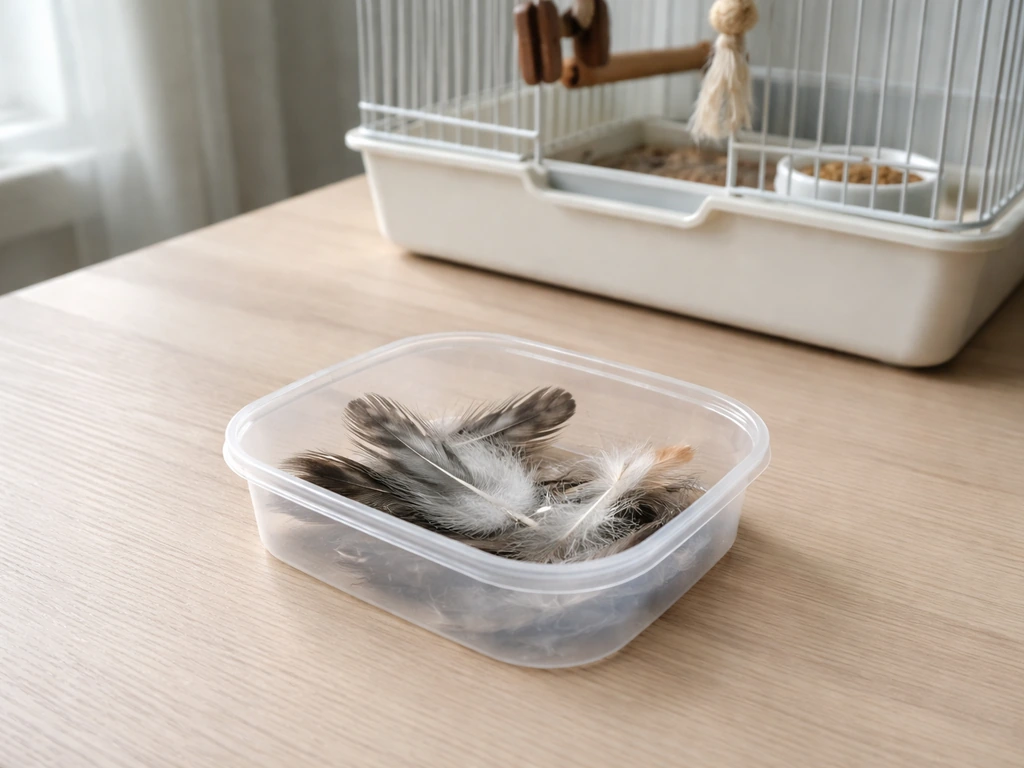
Before you call your vet or spiral into worry, take ten minutes to do a structured home observation. You'll gather useful information either way.
Observe your bird
- Look at the feathers on the cage floor. Are they intact or damaged? Count roughly how many you're seeing per day.
- Check the bald areas. Is skin visible? Is it pink and healthy or red, irritated, or bleeding?
- Look for pin feathers. Are new feathers actively growing in the bald spots?
- Watch your bird for 10 to 15 minutes. Is it actively plucking or biting its feathers? Or just preening normally?
- If you have more than one bird, watch for cage-mate chewing on another bird's feathers, especially the head and neck area.
- Note any other symptoms: changes in droppings, reduced appetite, unusual lethargy, sneezing, or changes in breathing.
Review the environment
- Has anything changed recently? New pet, new person in the house, moved cage location, new schedule, different noises?
- What cookware are you using? Nonstick (PTFE/Teflon) pans overheated in the kitchen can release fumes that are acutely toxic to birds and may contribute to skin and feather problems at lower exposure levels.
- Are you using air fresheners, scented candles, aerosols, hair sprays, or cleaning products near the bird? These are airborne irritants.
- Is the cage placed in direct sunlight or a draft? Both extremes cause stress.
- How much time does your bird spend out of the cage and interacting with you?
Review the diet
- Is your bird on a seed-only diet? Seeds alone are nutritionally incomplete and a common cause of malnutrition-related feather problems.
- Is the bird eating a variety of foods, or only picking out favorites?
- When did you last offer fresh vegetables, leafy greens, or a formulated pellet diet?
Changes you can make today
If the home check points toward stress, environment, or diet as likely contributors, there are concrete things you can do right now while you continue monitoring.
Reduce stress and improve the environment
- Move the cage to a quieter, stable location if it's currently near high-traffic areas, TVs, or kitchen fumes.
- Establish a consistent daily routine. Birds thrive on predictability: same wake-up time, same feeding time, same out-of-cage time.
- Make sure your bird is getting 10 to 12 hours of uninterrupted sleep in a dark, quiet room. Sleep deprivation increases stress significantly.
- If you have a cagemate, watch closely for bullying or overcrowding. Separate birds if one is pulling feathers off the other.
- Remove any scented products from the room the bird lives in. No plug-in air fresheners, scented candles, or sprays.
Boost enrichment and interaction
- Add foraging toys that make your bird work for food. This is one of the most effective ways to redirect a bored or anxious bird's energy.
- Rotate toys regularly so the environment doesn't feel stale.
- Increase daily out-of-cage time and hands-on interaction if your schedule allows. Boredom and loneliness are real drivers of feather-destructive behavior.
- If sexual frustration may be a factor (for example, a single mature parrot showing hormonal behavior), speak to a vet about management strategies. In some cases, introducing a companion bird has resolved plucking when this was the cause.
Address diet basics
- If your bird is on a seed-only diet, start transitioning to a quality pellet-based diet supplemented with fresh vegetables. This won't fix everything overnight, but nutritional deficiencies do affect feather health.
- Offer leafy greens, carrots, bell peppers, and other bird-safe vegetables alongside the usual food.
- Make sure fresh water is available and clean daily.
Hygiene and cage care
- Offer regular bathing opportunities (misting, a shallow dish, or a gentle shower). Some birds feel relief during molts from a light mist.
- Clean the cage thoroughly to rule out any residual irritants, mites, or bacteria on surfaces.
- Avoid applying any tonics, oils, or topical products to your bird's feathers unless directed by a vet. These can cause skin irritation and trigger over-preening.
When to call an avian vet (and how urgently)
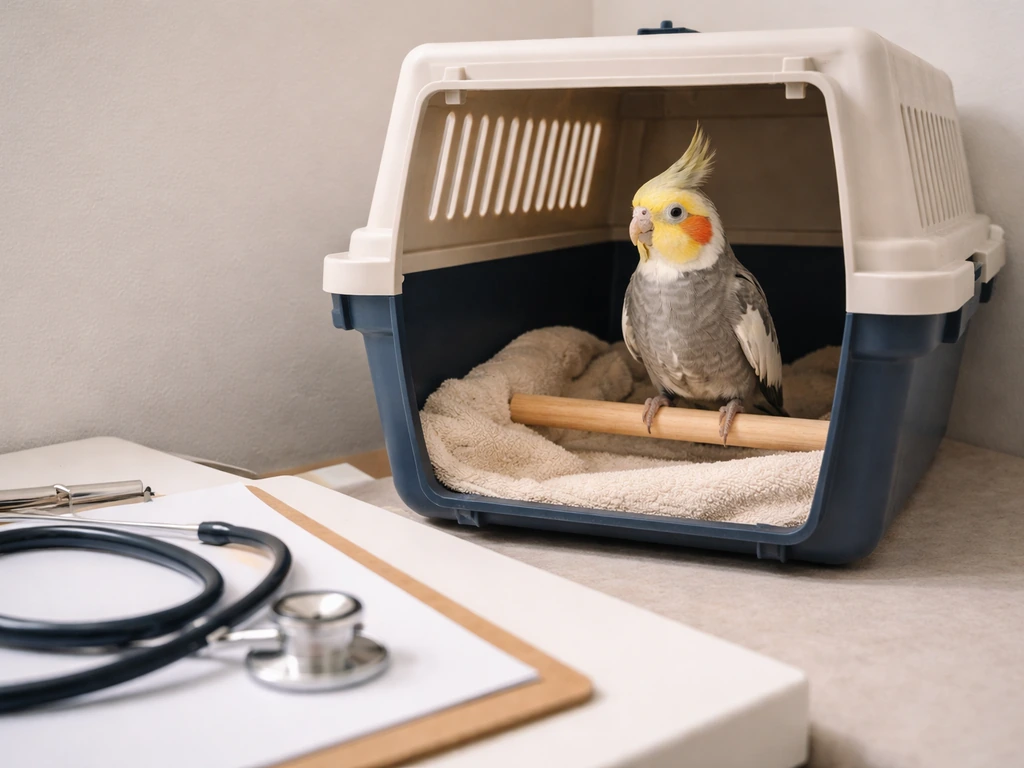
Some feather loss situations genuinely need professional evaluation. An avian vet can perform a full physical exam and, if needed, run blood work (including a complete blood count, biochemistry panel for liver and kidney function, and tests for infections or viral diseases) to rule out medical causes before concluding the issue is behavioral. Don't assume it's just stress without ruling out physical causes first.
Contact an avian vet promptly if you notice any of these signs.
- Bleeding skin or active self-mutilation: this is an emergency, not a wait-and-see situation.
- Feathers falling out rapidly over just a few days, leaving large bare skin areas.
- Abnormally shaped feathers that fall out easily, which may point toward PBFD.
- Any feather loss accompanied by lethargy, appetite changes, labored breathing, or abnormal droppings.
- Crusty, thickened, or honeycombed-looking skin on the face, legs, or body alongside feather loss (possible mite infestation).
- Complete or near-complete feather loss over the head, which is not consistent with normal molting and can indicate viral disease.
- A bird that has been shedding full, intact feathers without any new pin feathers growing back.
- Feather loss that has been ongoing for more than a few weeks without improvement or without an obvious molt pattern.
One important note: if you suspect your bird has been exposed to nonstick cookware fumes, smoke, or any airborne toxin and you're seeing feather changes alongside respiratory symptoms (open-mouth breathing, tail bobbing, weakness), treat this as an emergency. Acute toxicosis has been reported in budgerigars exposed to pyrolysis products from heated PTFE, including acute respiratory distress and rapid death blank" rel="noopener noreferrer">nonstick cookware fumes, smoke, or any airborne toxin. If you notice bleeding from your bird’s vent area, contact an avian vet promptly to rule out injury, infection, or other urgent causes feather changes alongside respiratory symptoms. These toxins can act extremely fast in birds.
Also keep in mind that feather plucking can lead to secondary bacterial or fungal skin infections if left unaddressed, and a bird that's plucking may eventually become lethargic and stop eating. Getting ahead of it early gives you and your vet far more options.
The honest truth about feather plucking is that it can be hard to pin down to a single cause, and getting to the bottom of it often takes multiple rounds of evaluation. A reduction in frequency or severity is a realistic and worthwhile goal, not necessarily a complete cure. But that process starts with a vet visit, not just home adjustments, once you've ruled out the simple explanations.
FAQ
How can I tell the difference between molting and feather plucking if I never see my bird pull feathers?
A molt usually shows scattered feathers plus new “pin” feathers (small, developing shafts), and the skin under falling areas generally looks smooth rather than inflamed. Plucking often produces ragged, chewed feather remains and may leave one or two patches that stay persistently bare. If you see broken shafts at the cage floor but no pin feathers coming in, plucking becomes more likely than a routine molt.
What home monitoring should I do, and for how long, before I contact an avian vet?
Give your bird a predictable, low-stress “molt environment” check, mainly stable temperature, minimal drafts, and consistent humidity. Then track feather changes for 2 to 4 weeks with photos of the same spots under the same lighting. If the feather loss is rapidly spreading or the skin looks irritated during that window, switch from “watch and wait” to scheduling an avian vet visit.
Can a normal molt look patchy or uneven, and when does patchiness become a red flag?
Yes, but the pattern matters. Molts can be uneven, however a healthy molt typically brings gradual regrowth of new feathers. If bald areas do not show any new pins after a couple of months, or the bird keeps losing feathers in the exact same spots repeatedly, that suggests a non-molt cause such as plucking, skin disease, or irritation.
Could my routine changes (light schedule, room changes) trigger feather loss that looks like molting?
Re-starting a molt is possible if the bird’s day length or routine changes abruptly (for example, frequent lighting at night, moving rooms, or changing schedules). Make sure your bird gets consistent darkness each night and avoid bright lights or TVs left on late. If the feather loss continues beyond the expected timeframe for that bird and season, you still need to investigate health and diet.
What dietary mistakes commonly cause feather loss or worsen molting?
Feeding only seed can increase risk because it may be missing key nutrients used for feather growth. If your bird is on a limited diet, discuss a gradual shift toward a balanced pellet or veterinarian-recommended diet plus measured fresh foods with your avian clinician. Also avoid suddenly switching foods while you are already dealing with stress, because appetite changes can worsen overall condition.
How do humidity, bathing, and cage cleaning affect feather loss, and what should I avoid?
Overbathing can contribute to skin irritation, while under-cleaning can increase exposure to dander and irritants. Instead, aim for gentle, infrequent bathing suited to your bird’s preferences, and keep the cage and perches clean without harsh residues. If flakes increase after cleaning products, stop using fragrance or strong cleaners near the bird and switch to bird-safe methods.
What should I do immediately if I suspect fumes or smoke exposure related to feather changes?
Nonstick fumes and smoke can cause sudden respiratory distress and rapid decline. If you suspect exposure, move your bird to clean, well-ventilated air immediately and contact an avian vet right away, even before you see major symptoms like tail bobbing. Bring the product name or packaging if you can, since the vet may need to identify the likely compound.
Why does plucking sometimes keep getting worse even after I remove obvious stressors?
Yes. Feather plucking can lead to skin damage and secondary infections, which can then drive even more scratching and chewing. Watch for redness, scabs, odor, heat to the touch, or crusty skin beneath the feather loss area. If any of these appear, treat it as medical rather than purely behavioral.
When does feather loss stop being “normal molt behavior” and become an emergency?
Some birds show “molt grumpiness” and reduced touch interest, but they should still eat, perch comfortably, and remain alert. If your bird is hiding, refusing food, breathing with effort, or becomes notably weak, that points to something beyond normal molt. Those are immediate triggers for an avian vet evaluation.