
Bleeding from your bird's vent (the single opening birds use for digestion, urination, and reproduction) is always a reason to act fast. It is not something to watch and wait on overnight. The most likely causes in a pet hen are egg-related stress or binding, blank" rel="noopener noreferrer">cloacal prolapse, straining from constipation, irritation or infection around the vent, or a self-inflicted injury from picking. Some of these are manageable with quick home steps plus a same-day vet call. Others, like a true cloacal prolapse or a stuck egg, are emergencies where delays of even a few hours can make things much worse.
Why Is My Bird Bleeding From Her Private? Causes and Urgent Steps

Marcus Chen
24 Apr 2026
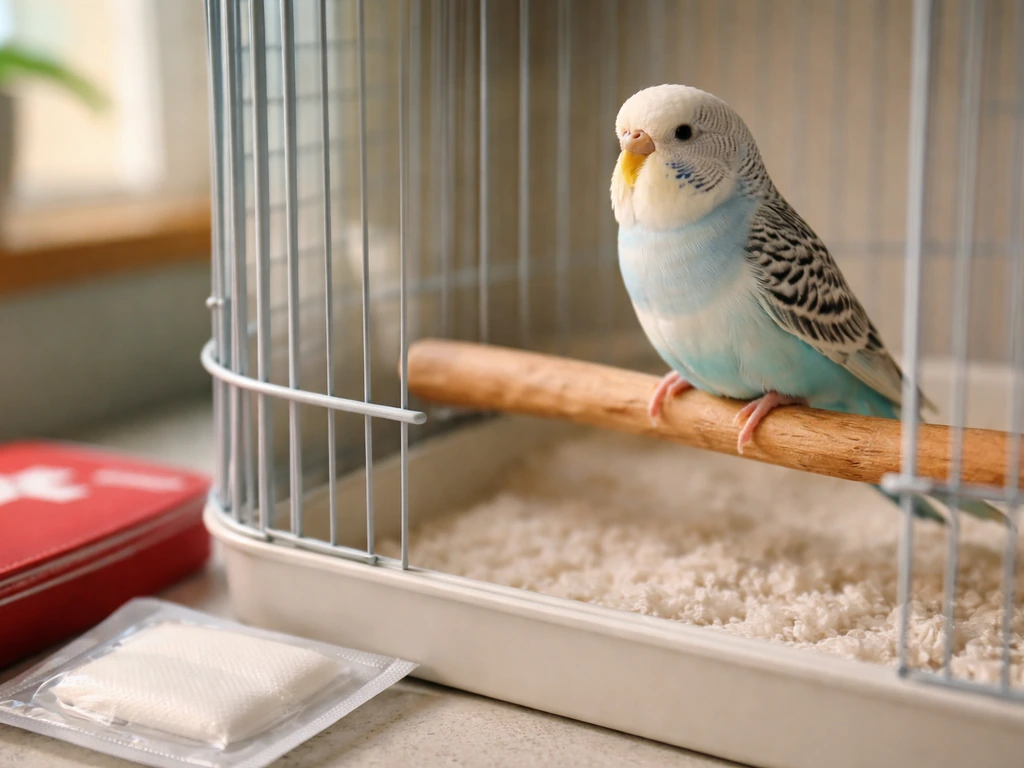
Why vent bleeding is always urgent
Birds have one opening called the cloaca (most owners call it the vent) that handles everything: droppings, urine, egg-laying, and reproductive discharge. Because these systems all share the same exit, bleeding there can signal a problem in any one of them. That overlap is exactly why vent bleeding deserves immediate attention rather than a "let's see how she does tomorrow" approach.
Two scenarios in particular escalate fast. First, cloacal prolapse (where tissue from inside protrudes out of the vent opening) can dry out, swell, and start to die within hours. If you notice signs like cloacal prolapse/eversion or bleeding from the vent, or egg-binding signs such as straining and difficulty producing an egg, contact a veterinarian promptly egg binding can cause straining. Second, egg binding (a stuck egg pressing against internal tissue) can cause straining, vascular damage, and circulatory shock if the egg isn't passed or removed. Neither of these gives you much runway, so early action matters a lot.
Quick home assessment: where is the blood coming from?
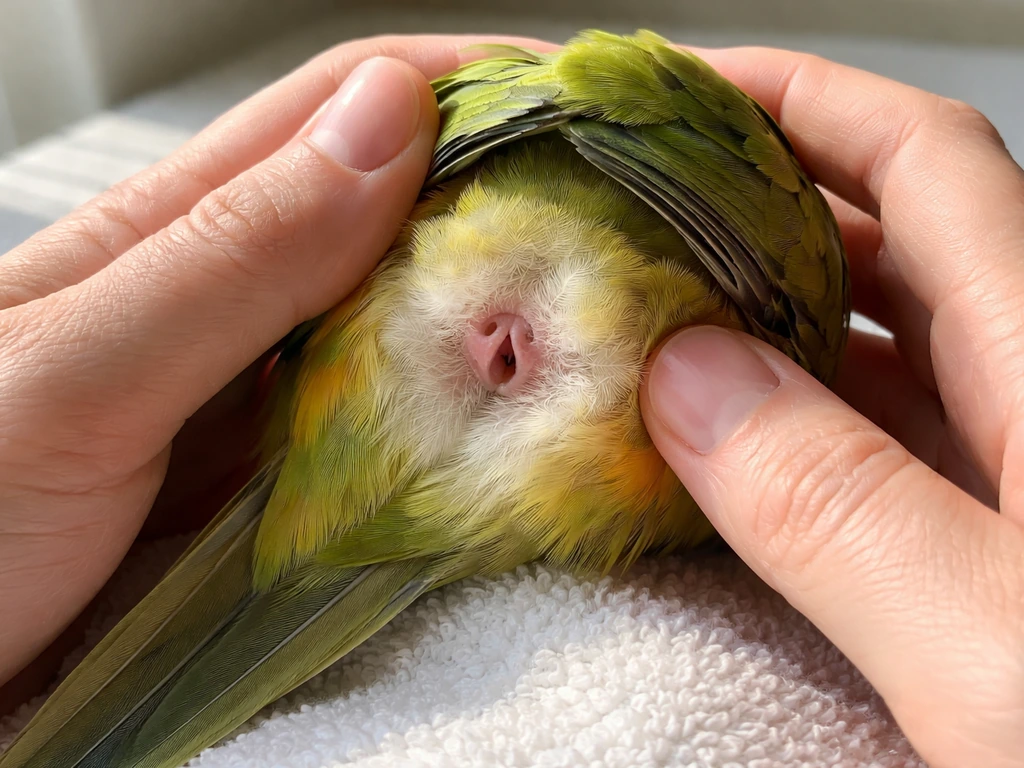
Before you panic completely, take 60 seconds to look carefully. You want to answer three things: Is the blood actually coming from the vent, how much is there, and does anything look abnormal around the vent opening itself?
Gently examine the vent area under good light. Look for these specifics:
- Bright red blood on feathers directly around the vent, on the perch below her, or in fresh droppings
- Dark red or black coloring mixed into droppings (this can signal internal bleeding higher up the digestive tract)
- Pink, red, or purplish tissue bulging out of or just inside the vent opening (prolapse)
- Swelling, redness, or rawness around the vent rim itself
- Normal-looking droppings with only a small red streak on the outside (less urgent, but still worth monitoring closely)
Also check whether the blood might be coming from somewhere else entirely. A broken blood feather near the tail, a skin wound on the belly, or even a foot injury can drip blood near the vent and look alarming. A broken blood feather near the tail, a skin wound on the belly, or even a foot injury can drip blood near the vent and look alarming my bird has a feather sticking out. Part the feathers gently and trace where the fresh blood is actually wet. If you can confirm the source is the vent itself, treat it seriously.
One more look-alike worth ruling out: urates (the white part of bird droppings) sometimes turn pinkish or orange-red from certain foods like beets, berries, or colored pellets. Check what she ate in the last 24 hours. If the discoloration matches a recent food change and she is acting completely normal, that's worth noting. But if she seems off at all, treat it as real blood until you know otherwise.
Common causes of vent bleeding in pet birds
Egg binding or egg-related stress
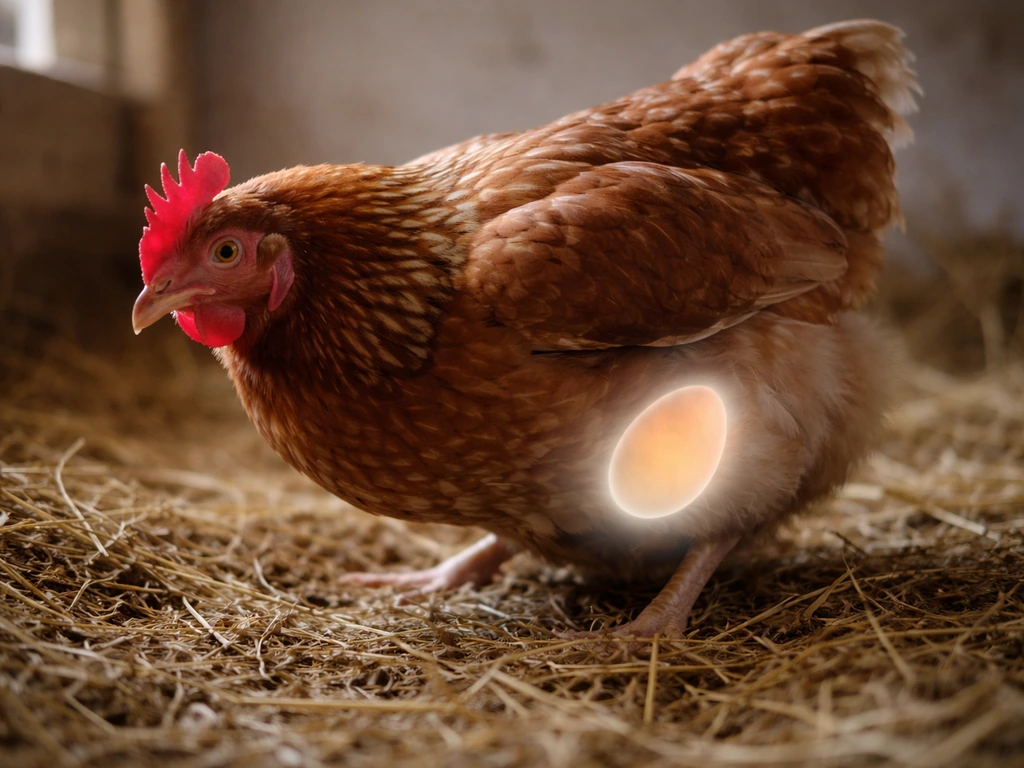
This is one of the most serious possibilities for a hen. Egg binding happens when an egg gets stuck and can't pass through the reproductive tract normally. The pressure and straining can cause small blood vessels to rupture, producing bloody droppings or visible bleeding at the vent.
Signs that often go along with this include sitting on the cage floor (birds rarely sit on the ground unless something is wrong), visible straining or tail-bobbing, a swollen or rounded lower abdomen, weakness, and labored breathing in severe cases.
Merck Veterinary Manual also notes that egg binding can be accompanied by signs such as a bird sitting on the cage floor, depression with closed eyes, tail bobbing, and dyspnea Signs that often go along with this include sitting on the cage floor. If you see this combination, you're looking at a vet call right now, not tomorrow.
Cloacal prolapse
Prolapse means tissue from inside the cloaca has slipped out through the vent opening and is now exposed. It looks like a pink, red, or dark red fleshy mass protruding from the vent. It can be intermittent (you see it, then it disappears back in) or persistent. Either way, it's an emergency.
Exposed tissue dries out quickly, can swell from handling or air exposure, and starts to die if it goes without treatment too long. Birds with prolapse often strain repeatedly, may pick at the area, and will sometimes have bloody droppings. Contributing factors include chronic straining, loss of normal muscle tone around the vent, and sometimes behavior-related issues like a bird that's been inadvertently trained to hold droppings for extended periods (which stretches the vent over time).
Constipation and straining
A bird who is straining to pass droppings can develop small tears or irritation around the vent, especially if she's been at it for a while. Constipation in birds can stem from dehydration, a seed-only diet low in fiber and moisture, or an underlying illness. You may see her hunched up, straining repeatedly with little or no output, or passing very small, hard droppings. A little blood from the strain is possible in this situation, though it's less catastrophic than prolapse or egg binding if caught early.
Irritation, infection, or inflammation
Bacterial or yeast infections around the cloaca can cause redness, swelling, discharge, and sometimes bleeding. This is more of a gradual-onset issue than a sudden one. You might notice the vent area has looked irritated or dirty over a few days before bleeding starts. Papilloma (a wart-like growth inside or near the cloaca) is another possibility, particularly in certain parrot species like macaws and Amazon parrots. These can bleed when irritated or when the bird strains.
Self-inflicted injury or cage-related trauma
Some birds pick at their own vent area, especially if it's already irritated, during a hormonal phase, or as part of a feather-destructive behavior pattern (which is worth reading about separately if you're also noticing feather loss or bald patches). Rough or sharp cage elements, wire flooring, or an abrasive perch placed low in the cage can also cause minor abrasions in that area. These injuries are usually minor but need to be kept clean so they don't get infected and worsen.
Symptoms that change how fast you need to move
Not every case is equally urgent, but you need to escalate quickly based on what else you're seeing. Here's a practical breakdown:
| What you see | Urgency level | What it likely means |
|---|---|---|
| Tissue protruding from vent (any amount) | Emergency: call vet immediately | Cloacal prolapse — tissue can die within hours |
| Bird on cage floor, straining, swollen abdomen, labored breathing | Emergency: call vet immediately | Likely egg binding — can become fatal quickly |
| Steady or pooling bright red blood | Emergency: call vet immediately | Active vascular bleeding needs urgent care |
| Bloody droppings plus lethargy and no food/water intake | Urgent: same-day vet visit | Could be internal issue, infection, or early binding |
| Small blood streak in droppings, bird acting normal, eating and alert | Monitor closely: vet call same day or next morning | Minor irritation possible, but rule out bigger issues |
| Redness/swelling around vent, no active bleeding | Contact vet today for guidance | Infection or irritation needs examination |
The key rule is this: if she is fluffed up, sitting low, not eating, straining without result, or has visible tissue outside the vent, do not wait. Birds hide illness well, and by the time they look sick, they are often already in distress.
Immediate first aid you can do right now
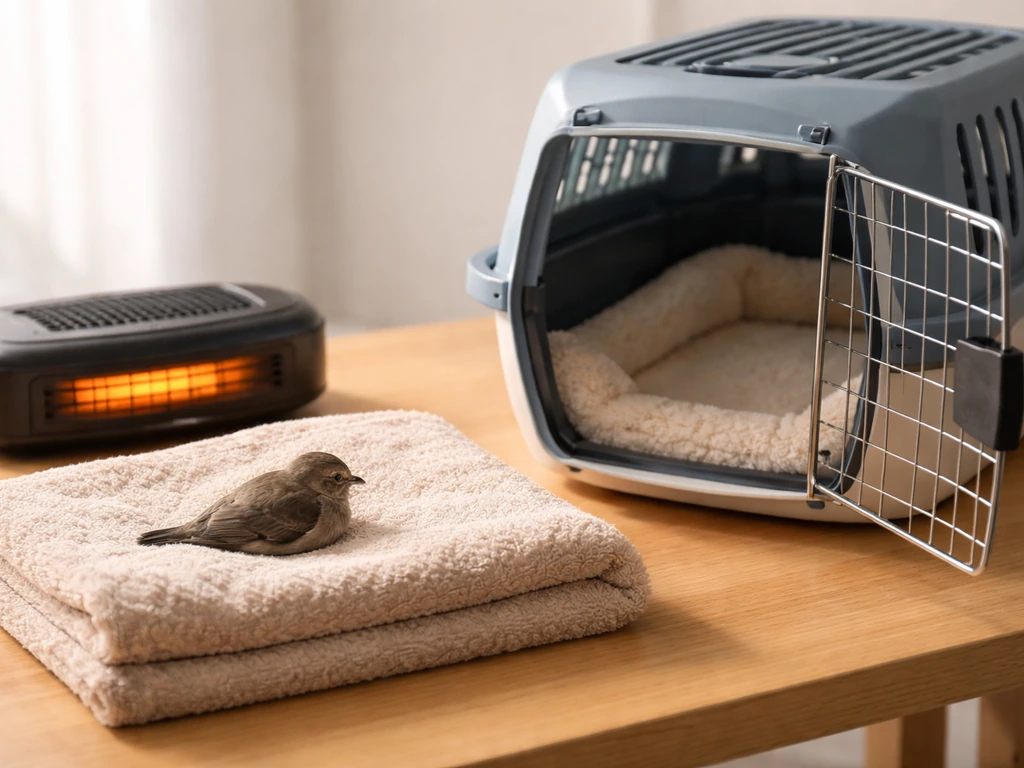
While you're making calls or waiting for a vet appointment, these steps can make a real difference. They won't fix the underlying problem, but they keep things from getting worse.
- Keep her warm. Birds in distress lose body heat fast, and cold stress makes everything harder. Move her to a quiet spot and bring the ambient temperature near her up to around 85 to 90 degrees Fahrenheit using a heating pad set on low under half of the cage, a heat lamp positioned to one side (not directly on her), or a warm room. Make sure she can move away from the heat source if she needs to.
- Minimize handling. Every time you handle her, her stress response spikes, which burns energy and can worsen straining. Keep interaction gentle and brief — only what's necessary to assess and move her.
- Gently clean the vent area if it's soiled with blood or feces. Use a clean cloth or cotton ball dampened with warm (not hot) water. Don't scrub. The goal is to remove debris that could harbor bacteria and to get a clearer look. Do not apply any ointments, creams, or hydrogen peroxide unless specifically directed by a vet.
- If tissue is protruding, do not push it back in yourself. Keep the exposed tissue moist with a damp cloth or saline-dampened gauze, and get to a vet as fast as possible.
- Remove any cage elements that could cause additional trauma. Take out rough perches positioned near the cage floor, wire grating if she's sitting on the bottom, or anything she could catch the vent on.
- Offer fresh water within easy reach. Hydration supports everything, and a dehydrated bird has a harder time passing eggs or droppings.
- Keep the environment dim and quiet. Reduce noise, cover part of the cage, and keep other pets away. Calm = less straining = less risk of making a prolapse or injury worse.
When to call an avian vet right now vs. when you can monitor
Call an avian vet (or emergency animal clinic with bird experience) immediately if any of these are true:
- Tissue is visible outside the vent opening, even a small amount
- She's been straining repeatedly for more than 30 to 60 minutes without passing a dropping or egg
- She's sitting on the cage floor, can't perch, or seems unable to hold herself upright
- Active bleeding that isn't stopping within a few minutes
- Her abdomen looks swollen or rounded and she seems in pain or is tail-bobbing
- She's not responding to you normally, is unsteady, or her breathing looks labored
- Blood in droppings combined with not eating or drinking for more than a few hours
If the bleeding was a single small streak, she's eating and drinking, perching normally, acting alert, and her droppings look mostly normal, you can monitor closely for a few hours while you call your avian vet for same-day guidance. Even in this lower-urgency scenario, call the vet today. Don't just watch and hope. A phone consultation can help you decide whether she needs to come in immediately or can be seen first thing tomorrow.
One important note: find an avian vet specifically, not just a general small-animal practice if you can help it. Birds are physiologically very different from dogs and cats, and a vet unfamiliar with avian patients may miss something important or not have the right diagnostic tools on hand.
Prevention and long-term care
Diet and hydration
A seed-only diet is one of the most common underlying contributors to vent and reproductive problems in pet birds. Seeds are high in fat and low in key nutrients like calcium, vitamin A, and fiber. A hen who is chronically deficient in calcium is much more likely to have difficulty laying eggs or to develop reproductive tract issues. Transitioning to a high-quality pelleted diet supplemented with fresh vegetables is one of the most protective things you can do. Make sure fresh water is always available, and consider adding moisture-rich foods like cucumber, leafy greens, and cooked sweet potato.
Reproductive health awareness for hens
If you have a female bird and she lays eggs (even without a mate), reproductive health should be on your radar year-round. Chronic egg-laying wears a bird down physically, depletes calcium, and increases the risk of egg binding over time. Reducing stimuli that trigger hormonal behavior helps: limit nesting opportunities, avoid petting your bird in areas other than the head and neck (stroking the back and under the wings mimics mating behavior and triggers hormonal cycles), and regulate light exposure so she isn't getting more than 10 to 12 hours of light per day. In some cases, a vet may recommend hormonal management.
Cage setup and hygiene
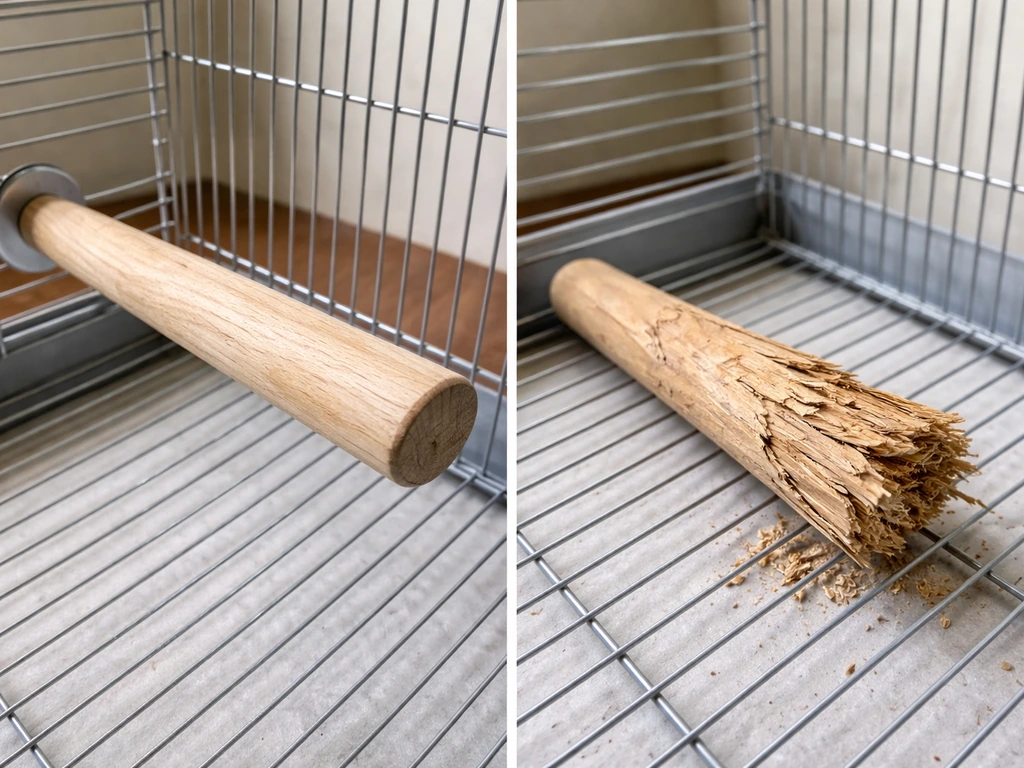
Rough or splintered perches, wire cage flooring, and sharp cage accessories can all cause physical irritation and abrasions near the vent. Use smooth, appropriately sized natural wood perches, and clean the cage regularly so fecal buildup doesn't cause bacterial dermatitis around the vent area. If your bird tends to sit on the cage floor (which itself can signal illness, so watch for it), check that the surface isn't abrasive.
Bathing and skin care
Regular bathing or misting helps keep skin and feathers healthy, including in the vent area. If you notice feather loss along with vent-related bleeding or irritation, it can point to skin problems or stress that also affects feather health why is my bird losing feathers. Bald patches can also be related to stress, hormonal changes, or skin irritation, so it is worth looking for a vent issue as well why is my bird losing feathers.
Most birds benefit from a light misting or shallow bath two to three times a week. This keeps feathers from becoming brittle, helps with skin condition, and reduces the chance of dried fecal matter accumulating around the vent and causing irritation. If you’re also noticing flaking or “dandruff,” see my bird has dandruff for related skin-care causes and what to watch for.
Stress reduction
Chronic stress is a real contributor to both physical and reproductive health problems in birds. Disrupted sleep, excessive noise, unstable routines, and misplaced sexual frustration (a bird bonded to a human or mirror rather than another bird) can all increase hormonal drive and straining behaviors. Giving your bird a predictable daily routine, consistent sleep in a dark and quiet space, and appropriate enrichment goes a long way toward keeping her system stable.
Routine vet check-ins
Annual wellness exams with an avian vet are the best early-warning system you have. Many reproductive and cloacal problems develop gradually, and a vet can spot changes in weight, muscle tone, and cloacal health before they become emergencies. If your bird is a known egg-layer, twice-yearly checks are worth considering. Catching something like a papilloma growth, early infection, or low calcium before a crisis hits is far easier (and cheaper) than treating the emergency version.
FAQ
How can I tell if the blood is truly coming from the vent versus dripping from another injury?
Part the tail and vent feathers under bright light and trace where the fresh wetness starts. If the skin or a broken blood feather on the tail or belly is the first visible source, the vent may only look stained. If you see fresh bleeding at the vent opening itself, treat it as vent bleeding even if there is also a separate minor wound.
My bird is laying eggs and there was only a tiny streak of blood. Do I still need urgent care?
Yes, you should contact an avian vet the same day for guidance, even if the blood was one small streak. The decision to monitor versus go in depends on whether she is straining, sitting low, not eating, breathing with effort, or showing any protruding tissue.
What should I do right now to keep her comfortable while I wait for the vet?
Keep her warm (no cold drafts), reduce stress (dim lights, quiet room), and avoid handling the vent. If you need to move her, use gentle support rather than grabbing near the cloaca. Do not apply ointments, powders, or disinfectants to the vent unless your avian vet instructs you, because some substances can worsen irritation or interfere with treatment.
Is it ever safe to try to push a prolapse back in at home?
Do not attempt it. Prolapsed tissue can tear, swell, or lose blood supply quickly, and forcing it back can cause additional damage or bleeding. If you see any protruding fleshy mass, treat it as an emergency and go for immediate avian care.
How do I tell constipation-related bleeding from egg binding or prolapse?
Constipation signs often include repeated straining with little or no output and small hard droppings, with the vent not showing protruding tissue. Egg binding is more likely when there is a rounded or swollen lower abdomen, persistent straining or tail bobbing, weakness, or labored breathing. If you see obvious vent protrusion, assume prolapse and seek emergency treatment.
Could pink or red droppings be from food rather than bleeding?
Yes. Some foods and colored pellets can make urates look pinkish or orange-red. Check her last 24 hours of diet for recent changes, and compare it to her usual droppings. If she is acting unwell, straining, or the blood is clearly wet and coming from the vent opening, treat it as real bleeding regardless of diet.
What observations should I report to the vet to speed up the triage decision?
Tell them when the bleeding started, whether it is continuous or intermittent, the approximate amount (streak versus active dripping), whether you saw vent tissue protruding, her eating and drinking status, any straining or tail bobbing, and what her droppings look like (color, consistency, any urate changes). Also mention diet changes, nesting behavior, and time under lights (day length).
My bird picked at the vent. Can self-injury cause bleeding, or is it always a medical emergency?
Self-injury can cause bleeding, especially when the vent is already irritated or itchy from infection, hormonal changes, or skin abrasion. That said, bleeding from the vent is still high risk because it can be a sign of egg binding or prolapse. If picking is accompanied by straining, low posture, reduced appetite, or any protruding tissue, treat it as urgent.
What not to feed or give before the vet visit if I suspect egg binding?
Avoid supplements or home remedies aimed at “stimulating” egg passage unless your avian vet tells you to. If she is actively straining or seems weak, do not offer large amounts of high-calcium foods as a substitute for care. In the meantime, provide fresh water and a calm environment, and focus on getting avian guidance immediately.
If I have other birds, should I separate them after I notice vent bleeding?
Separate if there is any chance of aggression, mounting, or stress from other birds, since stress can worsen straining behavior. However, do not keep her isolated in a cold or poorly lit area. The priority is rapid avian medical assessment, while keeping her warm and calm during transport or waiting.
How can I prevent this from happening again after she recovers?
For prevention, prioritize a balanced diet (not seed-only), ensure consistent access to fresh water, and reduce nesting and hormonal triggers (limit dark hiding spots, avoid stroking the back and under wings, and keep light to about 10 to 12 hours). Also use smooth perches and avoid abrasive cage surfaces, since repeated irritation can start a cycle of picking and vent inflammation.