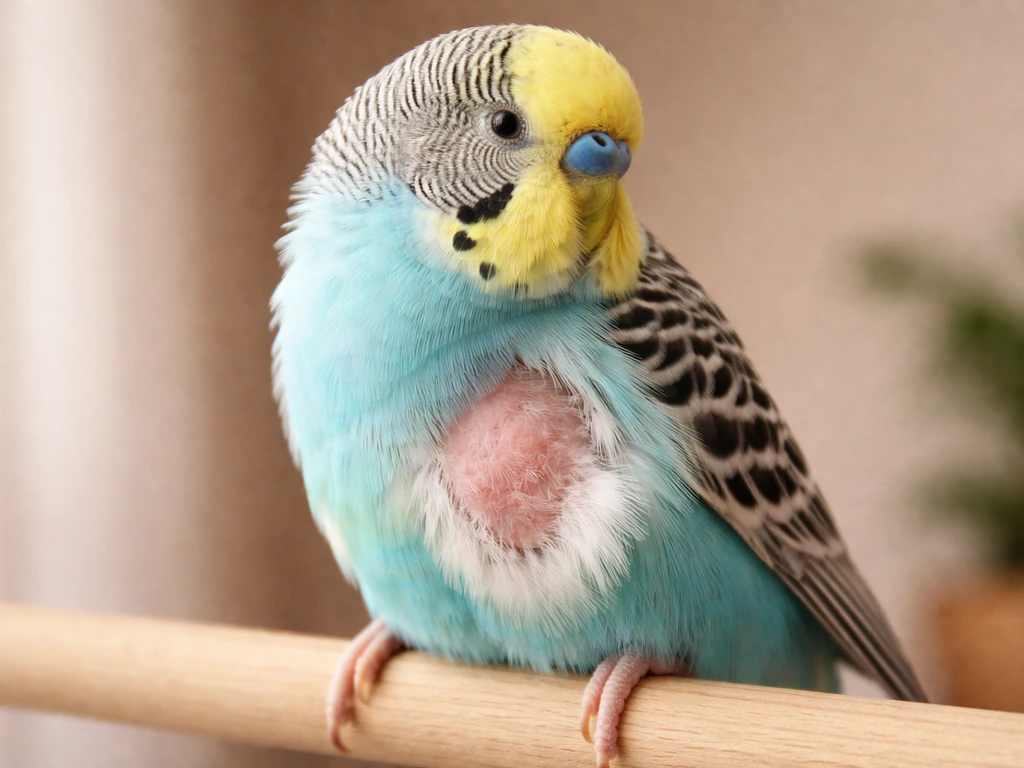
A single feather sticking out is usually nothing to panic about. Most of the time it's a pin feather coming in during a molt, a resting feather that shifted out of place, or a slightly bent feather from rubbing against the cage. But occasionally it signals something worth paying attention to, like a broken blood feather, early feather destructive behavior, or a skin problem. The key is knowing which one you're dealing with, and you can figure that out in just a few minutes at home.
My Bird Has a Feather Sticking Out: What to Check

Marcus Chen
18 May 2026
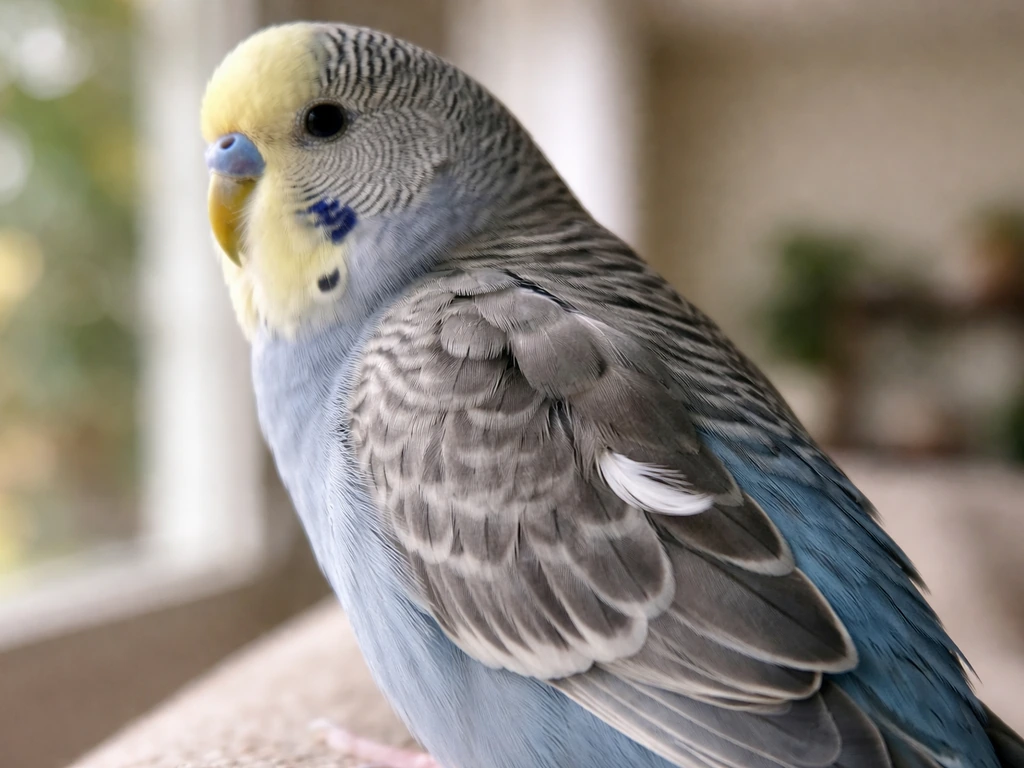
What it likely means: normal quirk vs. real problem
Birds' feathers shift constantly. A feather can stick out after your bird has been sleeping on one side, after a play session that involved a lot of wing stretching, or simply because it's mid-molt and new feathers are pushing through at odd angles. During a molt, pin feathers (also called blood feathers) emerge from the follicle as a waxy-looking dark shaft before they unfurl into a normal feather. These often poke out at angles that look wrong but are completely normal.
The situation shifts to a potential problem when the feather sticking out is broken, the shaft shows blood or dark discoloration, the surrounding skin looks irritated or bare, or your bird is actively chewing or picking at that spot. A single out-of-place feather with no other symptoms is almost always benign. Add other signs, and it's worth taking a closer look.
Common reasons a feather sticks out
- Normal molt: New pin feathers grow in at stiff, angular positions before they open up. They can look like they're sticking straight out from the wing, chest, or head.
- Mechanical damage: A feather that got bent, caught on a cage bar, or compressed during sleep can splay outward. The feather itself is intact but just misaligned.
- Broken blood feather: A growing feather has an active blood supply running through the hollow calamus (the bare base of the shaft). If this breaks, blood pools in the shaft and the feather may stick out at an unusual angle with a dark or red core.
- Fright molt: Startled birds sometimes drop or partially dislodge feathers, leaving a ruffled or protruding feather in the affected area.
- Feather cyst: A growing feather that can't break through the skin curls inside the follicle. Early on this can appear as a lump with a feather tip sticking out at a strange angle.
- Feather barbering or plucking: If your bird or a cage mate has been chewing at feathers, the broken shaft may protrude rather than lie flat.
- Skin irritation or follicle infection: Bacterial or fungal infections of the feather follicle can produce abnormal pin feathers, including ones that are constricted, clubbed, or stunted, and that don't lie properly.
How to quickly assess your bird at home
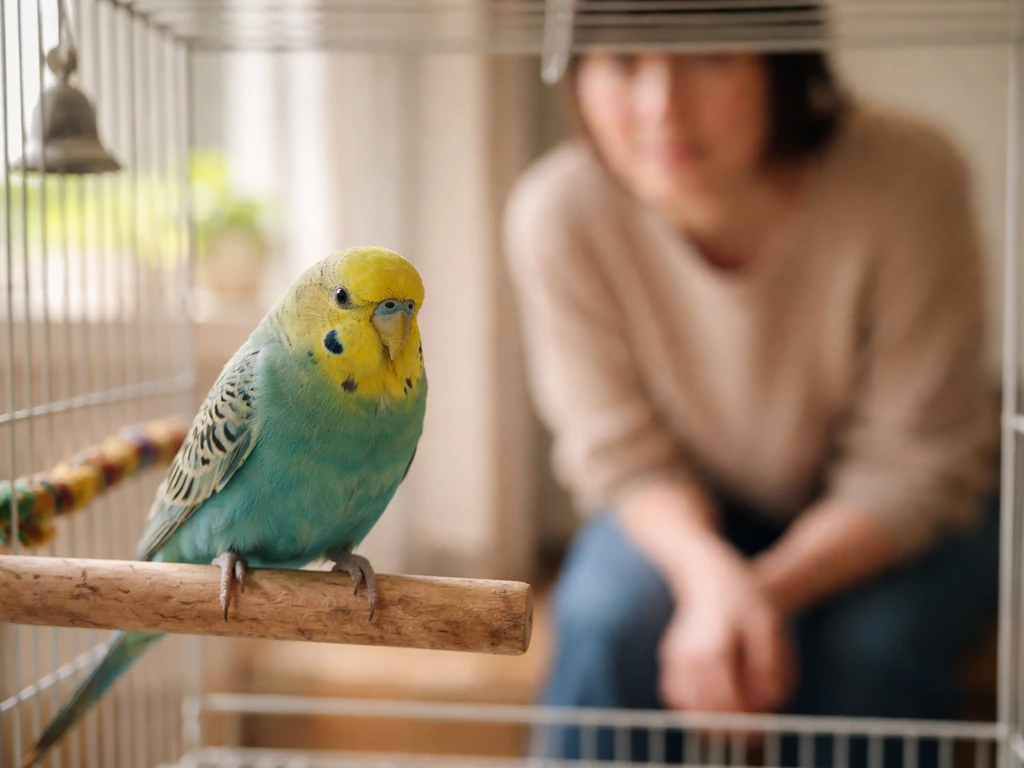
Before touching anything, just watch your bird for a couple of minutes from a normal distance. Behavior tells you a lot before you even get close.
Step 1: Check your bird's overall posture and behavior
- Is your bird alert, eating, and active? That's a reassuring sign.
- Is your bird fluffed up, sitting low on the perch, or unusually still? Fluffing is a classic sign a bird feels unwell.
- Any labored breathing, tail bobbing up and down with each breath, or clicking sounds? These are red flags unrelated to feathers but important to note.
- Has your bird's appetite changed today or over the past few days?
- Is your bird restless, especially at night? That pattern can be linked to feather mites.
Step 2: Look at the feather itself
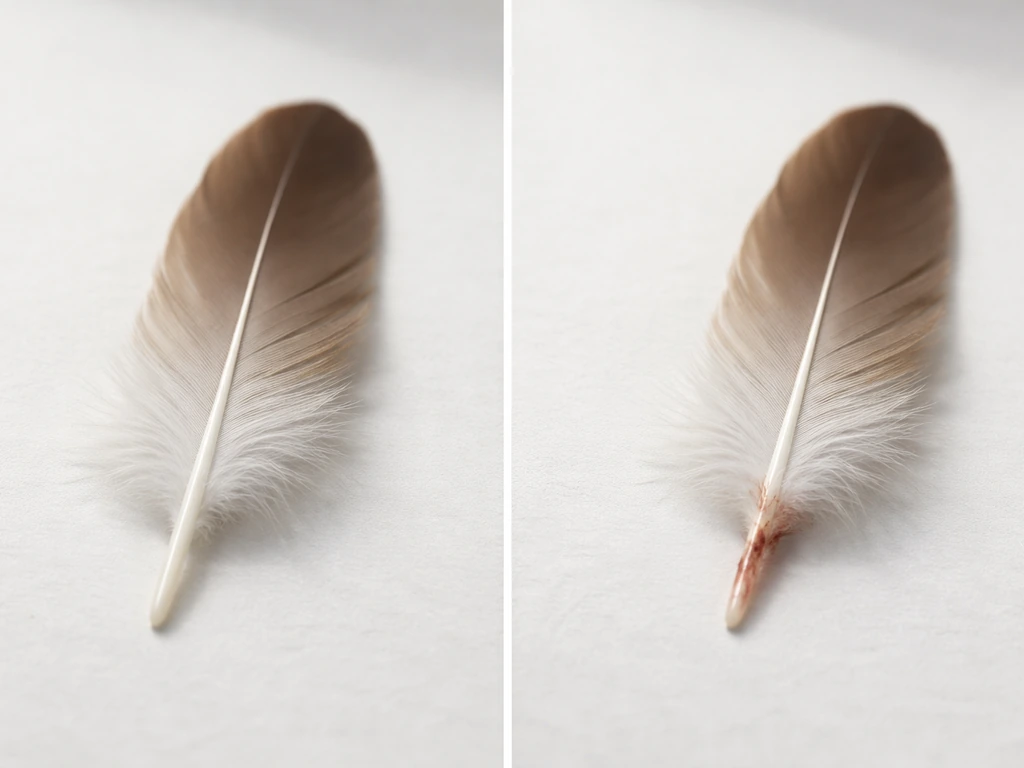
- Is the shaft intact or snapped? A clean, intact feather that's just out of position is low concern.
- Do you see blood in the shaft or at the base? A dark, reddish, or wet-looking shaft means it may be a broken blood feather.
- Is the feather a waxy-looking pin feather that hasn't opened yet? That's likely a normal molt feather in progress.
- Is the shaft chewed, frayed, or bitten off short? That points to barbering or plucking behavior.
- Is there only one feather out of place, or are there patches of feathers missing, sparse, or abnormally distributed?
Step 3: Check the surrounding skin
- Is the skin underneath the feather normal-colored or red and inflamed?
- Do you see any lumps, scabs, or swelling near the feather base? A lump with a feather partially sticking out may be a feather cyst.
- Is there any visible discharge or crust at the follicle?
- Are there signs of powder or dander loss in species that should produce it (like cockatiels or cockatoos)?
Step 4: Watch for active picking or chewing
Note whether your bird is actively going after that specific feather with its beak. There's a difference between normal preening, which is smooth and rhythmic, and obsessive picking, which involves repeated biting at one spot, contorting to reach an area, or visibly pulling. Also watch whether a cage mate is preening that area, since barbering by another bird looks identical to self-inflicted feather damage but has a very different cause.
When to worry: pain, illness, bleeding, or picking
Contact an avian vet the same day or seek urgent care if you see any of the following:
- Active bleeding from a feather that won't stop within a few minutes with gentle pressure
- A broken blood feather with a visibly cracked or snapped shaft and blood pooling inside it
- The bird is fluffed, lethargic, not eating, or showing breathing difficulty alongside the abnormal feather
- Skin that looks raw, deeply inflamed, or wounded from picking
- Multiple areas of feather loss rather than one isolated feather
- Rapid progression, meaning the feather situation has worsened noticeably over just a day or two
- Any sign of self-mutilation (open wounds, bleeding skin, exposed tissue)
It's also worth scheduling a non-urgent vet visit if you notice a gradual pattern of feather damage, bald patches developing, or your bird becoming increasingly focused on chewing its feathers over a period of days or weeks. If you are also wondering why your bird is balding, the next step is figuring out whether it is a medical issue or feather-destructive behavior bald patches. Feather destructive behavior is a symptom, not a diagnosis. Medical causes like skin infections, systemic illness, nutritional deficiencies, or even allergic responses can look exactly like behavioral plucking, and an exam is the only reliable way to tell them apart. PetMD also notes that parasitic feather mite infestations can be part of these medical causes and include a diagnostic section to confirm the condition Medical causes like skin infections, systemic illness, nutritional deficiencies, or even allergic responses can look exactly like behavioral plucking, and an exam is the only reliable way to tell them apart.. This is different from the general feather loss or balding patterns you might see in other feather-related conditions.
What to do right now
If the feather looks normal and your bird seems fine
Leave it alone. A feather that's simply out of alignment will usually sort itself out through normal preening. Don't try to push it back into place, trim it, or pull it. Interfering with a healthy feather, especially a growing pin feather, is uncomfortable for the bird and unnecessary.
If the feather is broken but not bleeding
Keep an eye on it and don't handle that area more than you need to. If the feather is a mature one (fully grown and no longer receiving blood supply), a break is just a cosmetic issue that resolves at the next molt. If it's a pin feather that's mostly emerged (more than roughly half the feather has opened), HARI notes it may be manageable in some cases, but determining that safely really requires a vet's assessment.
If the feather is a broken blood feather that's actively bleeding
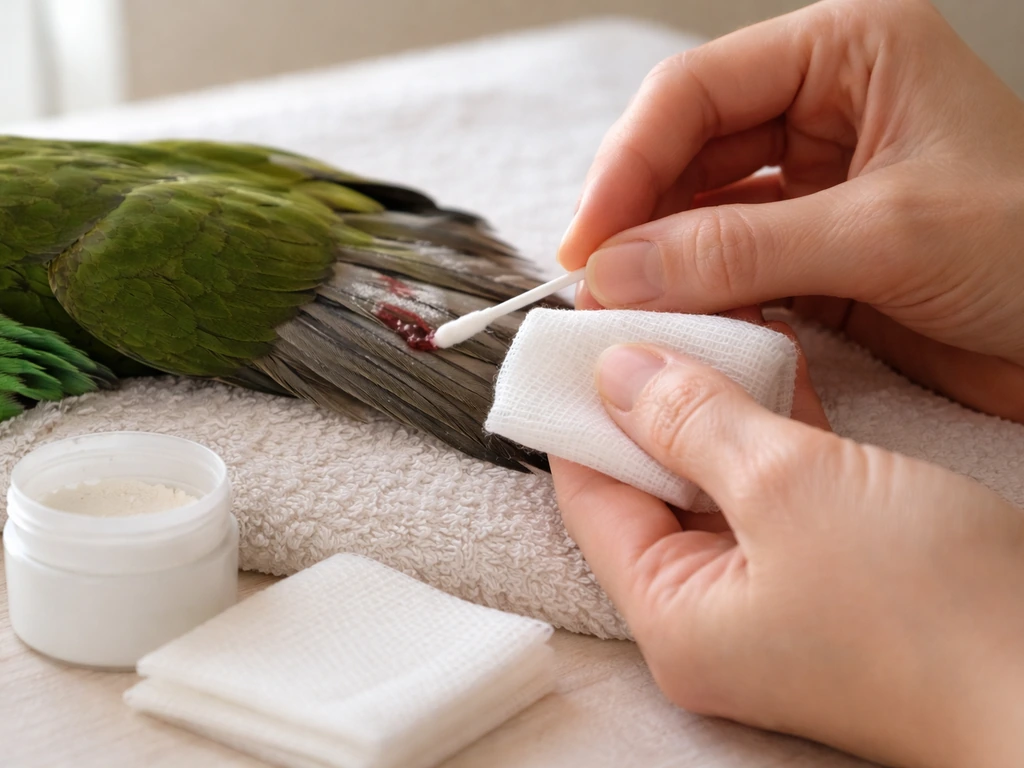
Apply styptic powder or gel directly to the shaft and hold gentle direct pressure for a few minutes. Do not attempt to pull the feather out yourself. Multiple veterinary sources, including Lafeber and VCA, are consistent on this point: pulling a blood feather at home is risky because gripping incorrectly can tear surrounding tissue, and removal should be done by a vet who can grip the shaft correctly and manage any complications. If bleeding doesn't slow within a few minutes, treat it as an emergency and call an avian vet immediately. If you suspect bleeding from your bird's private area, contact an avian vet right away for guidance and an exam why is my bird bleeding from her private.
Things to avoid
- Don't apply human antiseptic creams, ointments, or any human medication to the feather or skin. These are not safe for birds.
- Don't try to trim or cut a blood feather.
- Don't leave a severely broken blood feather shaft inside the follicle without veterinary guidance, since a retained broken shaft can cause a feather cyst or infection over time.
- Don't assume a bird that seems calm is not in pain. Birds mask illness as a survival instinct.
At the vet: what to expect and what to ask
An avian vet visit for a feather concern usually starts with a thorough physical exam. The vet will look at feather distribution across the whole body, the condition of individual feathers (are shafts chewed, plucked, broken, or abnormal in structure?), and the skin underneath. They'll distinguish between feathers that were bitten off at the shaft, fully plucked out, or chewed along the length, since the pattern reveals a lot about cause.
Depending on what they find, diagnostic steps can include blood work (CBC and biochemistry panel), skin cytology, skin scraping to check for parasites like mites, fecal testing, and in some cases radiographs or a feather/skin biopsy. If there's a history of exposure to metals, zinc or lead testing may be recommended. The diagnostic approach is built around ruling out medical causes before concluding the issue is purely behavioral.
Questions worth asking at your visit:
- Is this feather change consistent with a normal molt, or does something look abnormal?
- Could this be a follicle infection, and if so what does treatment look like?
- Does my bird show any signs of feather destructive behavior, and what's the next step if the cause is behavioral versus medical?
- Should the broken blood feather be removed, and can you do that here today?
- Are there any diet or environment changes I should make based on what you're seeing?
Keeping feathers healthy and preventing problems
Feather problems rarely come from one single cause. The most reliable way to reduce them is to address the main contributors: nutrition, environment, stress, and physical hazards.
- Feed a varied, species-appropriate diet. Nutritional deficiencies are a documented contributor to poor feather quality and abnormal molt. Seed-only diets are particularly limited. Fresh vegetables, pellets appropriate for your species, and limited fruit give feathers the building blocks they need.
- Offer regular bathing or misting. Humidity helps feather condition and the emergence of pin feathers. Many birds benefit from a light mist spray two to three times a week.
- Reduce cage-related trauma. Check that cage bar spacing, toys, and perch placement don't create spots where feathers regularly get caught, bent, or rubbed. Wing-clip techniques that leave sharp quill stubs can rub against the body and cause irritation.
- Minimize stress triggers. Changes in routine, new animals in the household, lack of sleep (birds need 10 to 12 hours of dark, quiet time), and boredom are well-established contributors to feather destructive behavior. A consistent daily routine matters more than most owners realize.
- Provide mental enrichment. Foraging toys, rotation of enrichment items, and regular out-of-cage time help prevent the boredom that can escalate into picking.
- Schedule regular avian vet checkups. Annual exams catch early skin or follicle problems, nutritional gaps, and early feather changes before they become serious.
- Watch for early molt signs. A scruffy, temporarily disheveled appearance during molt is normal. If your bird looks scruffy outside of a molt period, or the molt seems to go on much longer than usual, that's worth mentioning to a vet.
Feather health connects closely to overall health. Birds that are losing feathers broadly, developing bald patches, or showing signs of skin irritation alongside a single protruding feather may be dealing with something more systemic. If you suspect dandruff or flaky skin, have your vet check for underlying skin problems so you can treat the real cause. Broad feather loss and bald patches can also point to medical causes like infection, parasites, or nutritional issues, so it's worth getting to the root of why it’s happening why is my bird losing feathers. If any of those patterns sound familiar, they're worth exploring further with your vet.
FAQ
My bird looks fine otherwise, can I just leave the feather sticking out?
If only one feather is sticking out and your bird is behaving normally, preening normally, and the surrounding skin looks intact, you can usually monitor it without handling. What changes this advice is seeing blood, a darkened shaft, bare or irritated skin, or repeated beak targeting at the same spot (those signs point to a problem that needs first-aid or a vet call).
How can I tell if a cage mate, not my bird, is causing the feather damage?
Yes, other birds can cause the same-looking damage. Watch whether your bird is getting harassed or whether a cage mate repeatedly picks at that exact area. If feather loss or scabbing appears in the same direction across multiple sessions, or your bird avoids that spot, you may need to separate them temporarily and bring it up at the avian vet visit.
What should I do if the sticking-out feather seems to be a pin feather?
If you suspect it is a growing pin feather (more than about half open) and you see bleeding or the feather looks like it is actively emerging, do not pull or trim. For minor alignment-only issues, leave it alone. For suspected blood feather bleeding, use gentle direct pressure with styptic on the shaft and call for avian guidance if bleeding does not slow within a few minutes.
Is it safe to trim a protruding feather to prevent it catching on things?
Nail trimming or trimming the wrong part of a feather can increase discomfort and can worsen bleeding if the feather is still vascular. Avoid trimming feathers that are protruding or potentially broken, especially during molt. If the feather is fully mature and there is no bleeding, the safest option is still usually to monitor until the next natural shed.
How do I know if the feather is actually broken versus just bent or out of place?
Before touching, look for a true open “shaft bleed” or wetness at the base, not just a feather that is bent. A feather that is broken but not bleeding often becomes a cosmetic issue. If you see blood, dark crusting quickly forming, or your bird keeps chewing at it, treat it as a medical risk for that day, not something to wait on.
What if I’m seeing blood but I cannot tell where it’s coming from?
Bleeding concerns are different by location. Bleeding from the skin around the feather area may slow with pressure and styptic, but bleeding from the vent or private area needs immediate avian guidance because causes can be more urgent. If you are not sure where the blood is coming from, assume it could be serious and contact an avian vet the same day.
At what point does a single feather incident turn into “this might be bigger than one feather”?
Yes. Increase monitoring if it is the same spot over several days, if you see a widening patch of missing or chewed feathers, or if your bird’s grooming becomes focused and intense. Those patterns raise the odds of feather destructive behavior triggered by stress or underlying medical issues, and they are more appropriate for an exam rather than ongoing home treatment.
Could the cage or routine be causing my bird to pick at that feather?
Watch for stress and environmental triggers that can amplify chewing or irritation. Common factors include poor sleep routine, overcrowding, inadequate enrichment, steady drafts, or rough cage surfaces. If you find the area is repeatedly snagged by toys, perches, or cage bars, adjust the setup and discuss the environment and timing with your vet.
My bird seems to have flaky skin too, does that change what I should do?
If your bird is picking a specific area, check whether the skin is dry, flaky, scabby, or has any mites-like debris, and note whether the rest of the body also looks dull or flaky. Broad dandruff or multiple irritated spots often signals an underlying skin issue that can be mistaken for behavior, so it is worth having the vet examine the skin, not only the feather.
What are the best questions to ask an avian vet when one feather is sticking out?
A practical script is, “Is this a blood feather, a molt pin, or a plucked/chewed feather? Could this be irritation, infection, parasites, or nutrition-related? What tests would you recommend, and what would change the plan based on the results?” Also ask how to confirm bleeding has truly stopped and whether you should isolate the bird or adjust the environment while you wait.
Next Article
Why Is My Bird Balding? Causes and Safe Fix Checklist
Find the cause of a bald spot by location, symptoms, and triggers, plus a safe home triage checklist.