
Birds don't urinate the way mammals do, so when your bird seems to be "peeing a lot," what you're actually seeing is an increase in the watery liquid part of their droppings. This is called polyuria, and it's different from diarrhea. Most of the time it's caused by something simple like too much fresh fruit, a diet change, or stress.
Why Is My Bird Peeing So Much? Causes and What to Do

Marcus Chen
1 Jun 2026
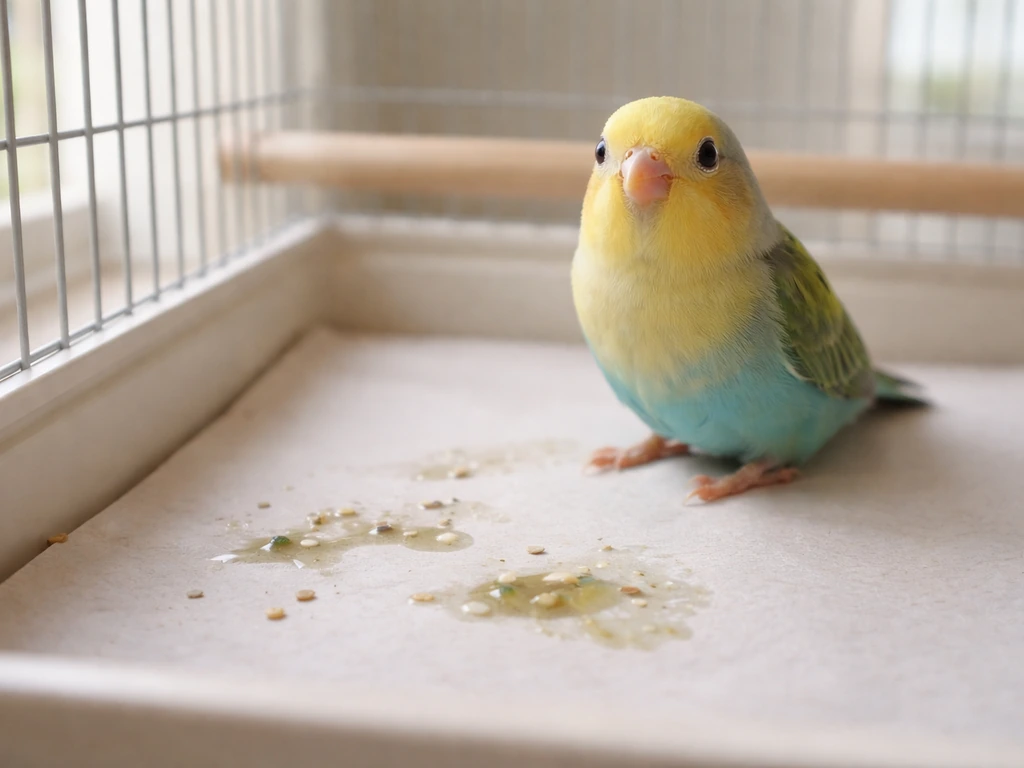
Purdue University also notes that dropping components, frequency, consistency, and color can change with diet (the type of food eaten), water consumption, and stress or mood changes [Most of the time it's caused by something simple like too much fresh fruit, a diet change, or stress. ](https://vet. purdue. edu/hospital/small-animal/documents/exotic-animals/general%20husbandry%20of%20caged%20birds.
pdf). But if the watery output is constant and you can't point to an obvious dietary reason, it's worth taking seriously because kidney disease, infection, diabetes, and a few other real health problems can look exactly the same.
What "peeing a lot" actually means in birds
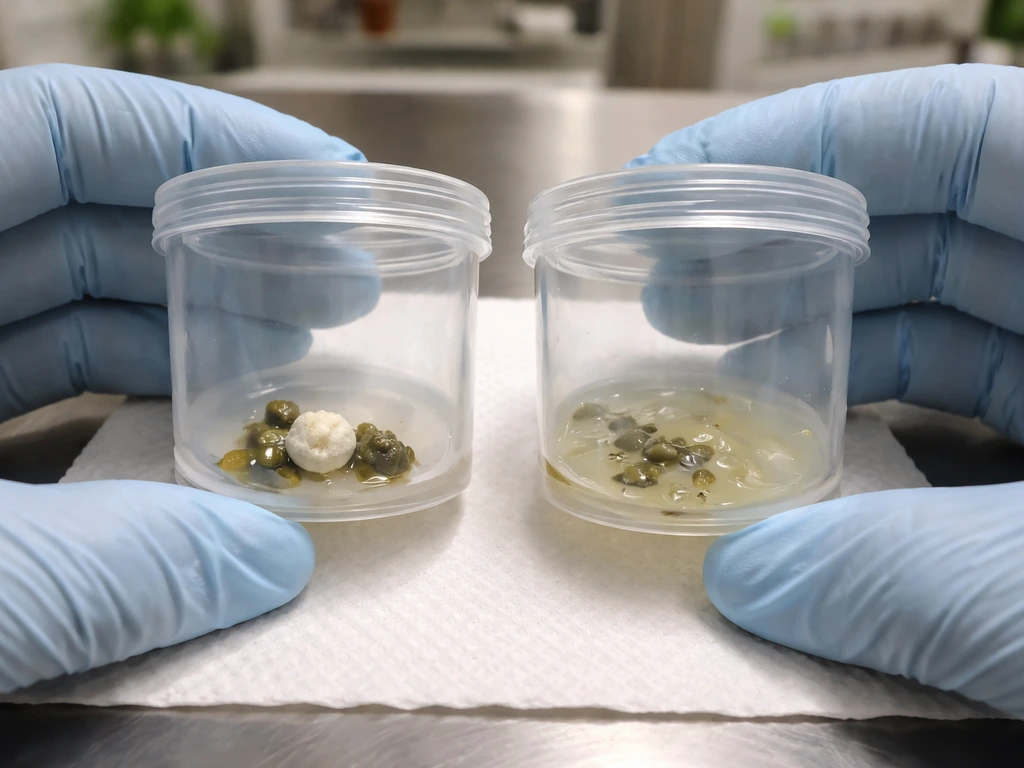
A normal bird dropping has three parts: a dark green or brownish solid fecal portion, a chalky white or off-white urate portion (that's uric acid processed through the liver and kidneys), and a small amount of clear, watery urine. All three come out together in one dropping. When people say their bird is peeing too much, they almost always mean the clear liquid portion has dramatically increased, spreading out as a wet ring around an otherwise normal solid portion.
This is technically polyuria, not diarrhea. True diarrhea changes the actual fecal component: it becomes soft, formless, or discolored. Polyuria leaves the fecal and urate portions mostly intact but surrounds them with a big wet puddle. The distinction matters because the causes and urgency are different. Once you know what you're looking at, you can read your bird's cage paper like a health report.
Normal vs. concerning: a quick checklist
Before you worry, run through this checklist. Most watery dropping situations fall clearly into one category or the other once you look at the full picture.
| Factor | Likely Normal | Potentially Concerning |
|---|---|---|
| Fecal portion | Solid, well-formed, normal color | Soft, runny, discolored, or absent |
| Urate portion | White or off-white chalky spot | Yellow, green, red, or absent |
| Clear liquid | Small to moderate ring, started after diet change | Large puddle, no diet change to explain it |
| When it started | After introducing fruit, veggies, or new food | Sudden onset with no diet change |
| How long it's lasted | 24-48 hours or less, improving | Persistent, constant, or getting worse |
| Bird's behavior | Active, alert, eating, singing/talking normally | Lethargic, fluffed, quiet, not eating |
| Other symptoms | None | Weight loss, straining, bad odor, mucus, blood, labored breathing |
If everything in your "likely normal" column matches, monitor for another 24 hours and adjust the diet. PetPlace notes that polyuria may be normal when it is associated with increased liquid intake, such as a few droppings with clear, colorless urine and no other symptoms, and recommends tracking when it began, how much the bird drinks, and diet details. If even one item lands in "potentially concerning," keep reading and lean toward calling an avian vet.
Diet, water, and stress: the most common culprits
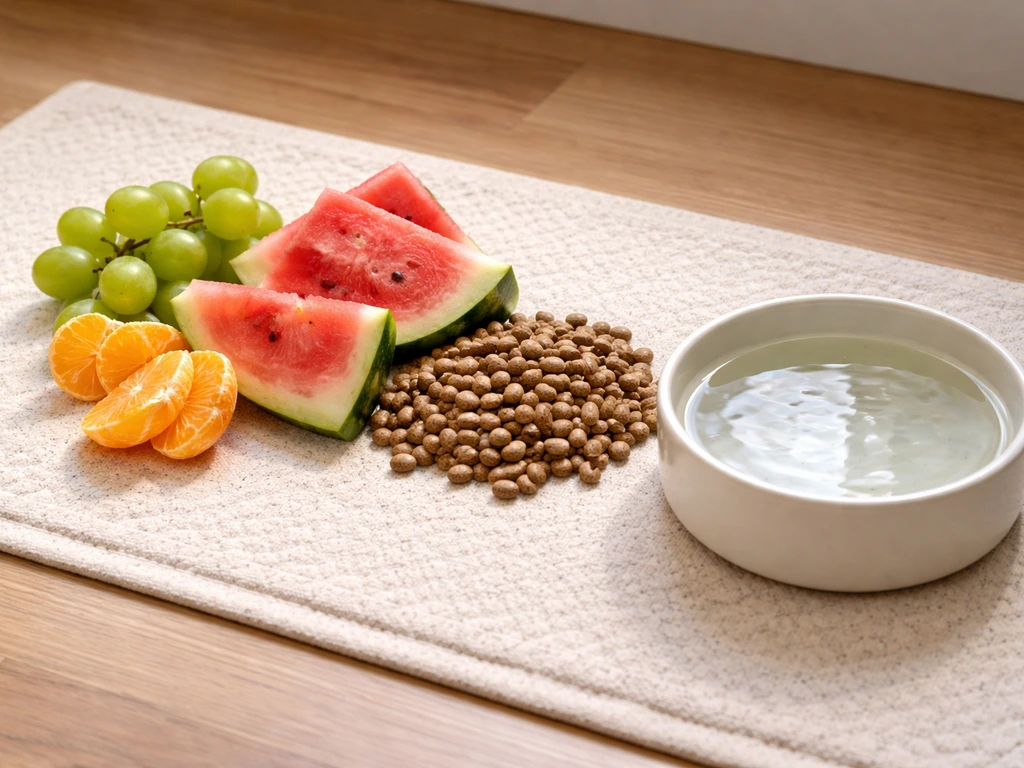
The single most common reason for watery droppings is a high-water-content diet. Fruits like grapes, watermelon, and oranges are basically liquid in solid form. Vegetables like lettuce, cucumber, and celery are the same way. If you recently started offering these or gave more than usual, the extra urine is your bird flushing out the extra water. This is completely normal physiology, not a problem.
A few other diet-related triggers are worth knowing. Switching to a pelleted diet can temporarily increase water intake in some birds because pellets have a different moisture balance than seeds, and more water intake means more urine output. It's usually short-lived and nothing to panic about.
Water quality and source changes matter too. If you switched from tap to filtered water, changed the water bowl, or the water has been sitting longer than usual and developed bacteria, droppings can change. Dirty water is also a real risk for intestinal upset, which can overlap with polyuria in how it looks.
Stress is underrated as a cause. Moving a cage, introducing a new bird, loud household disruptions, or even rearranging furniture near the cage can produce watery droppings that resolve on their own within a day or two. A single loose or wet dropping after something stressful happens isn't a red flag. Constant watery output that persists after the stressor has passed is.
Health problems that show up as watery droppings
When diet and stress don't explain what you're seeing, several health conditions can produce the same-looking wet droppings. Knowing what else to look for helps you triage the situation.
Kidney disease
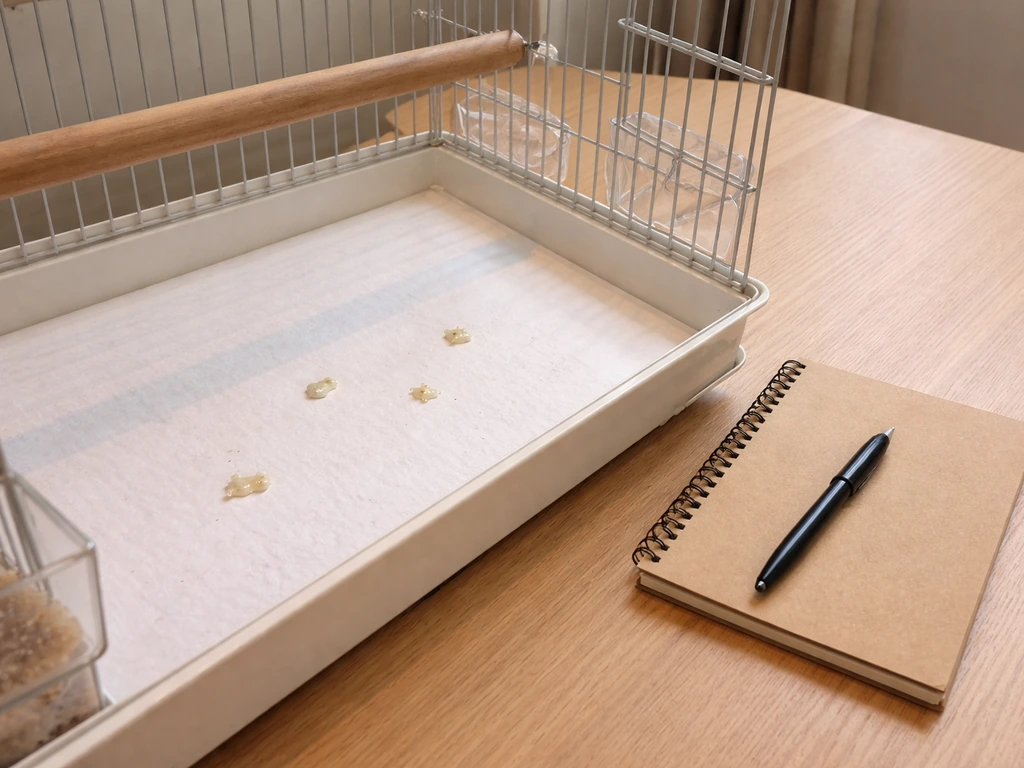
The kidneys process and excrete uric acid, which is what forms the white urate portion of droppings. When kidneys aren't working well, urine production can increase significantly. If your bird's dropping has a huge clear liquid component and you haven't fed any fruit or high-water foods in the past 24 hours, kidney involvement becomes a real possibility. Weight loss and changes in the urate color (yellow or lime-green urates are a red flag) often accompany kidney disease.
Diabetes
Diabetes in birds can cause both excessive thirst (polydipsia) and excessive urination (polyuria) together. If you notice your bird drinking far more water than usual alongside the watery droppings, and especially if the bird is also losing weight, that combination warrants a vet call. Seizures are another symptom that needs urgent veterinary attention, so don't wait to get help if your bird is having seizures along with abnormal droppings urge a vet call. This is more of a blood-test diagnosis than something you can identify at home, but knowing the pairing helps you describe what you're seeing.
Liver disease and infections
The liver is involved in uric acid production, so liver disease can change the look of both the urate and urine portions of droppings. Green or yellow-stained urates are sometimes associated with liver problems. Bacterial or viral infections can produce watery droppings alongside other signs like lethargy, puffed feathers, and loss of appetite. If multiple symptoms are happening at once, infection is high on the list.
Parasites
Giardia and other intestinal parasites can cause droppings changes and weight loss. Giardia in particular sometimes produces droppings with a frothy or "popcorn-like" texture mixed in with the wet output. Parasites can spread through contaminated food and water, so hygiene is both a cause and a prevention factor here.
Egg binding in female birds
If you have a female bird and she's straining, showing abdominal distension, and producing large wet droppings while seemingly struggling to defecate or lay, egg binding (dystocia) is a medical emergency. This is one of the situations where you do not wait and monitor. Call an avian vet immediately.
Toxin exposure
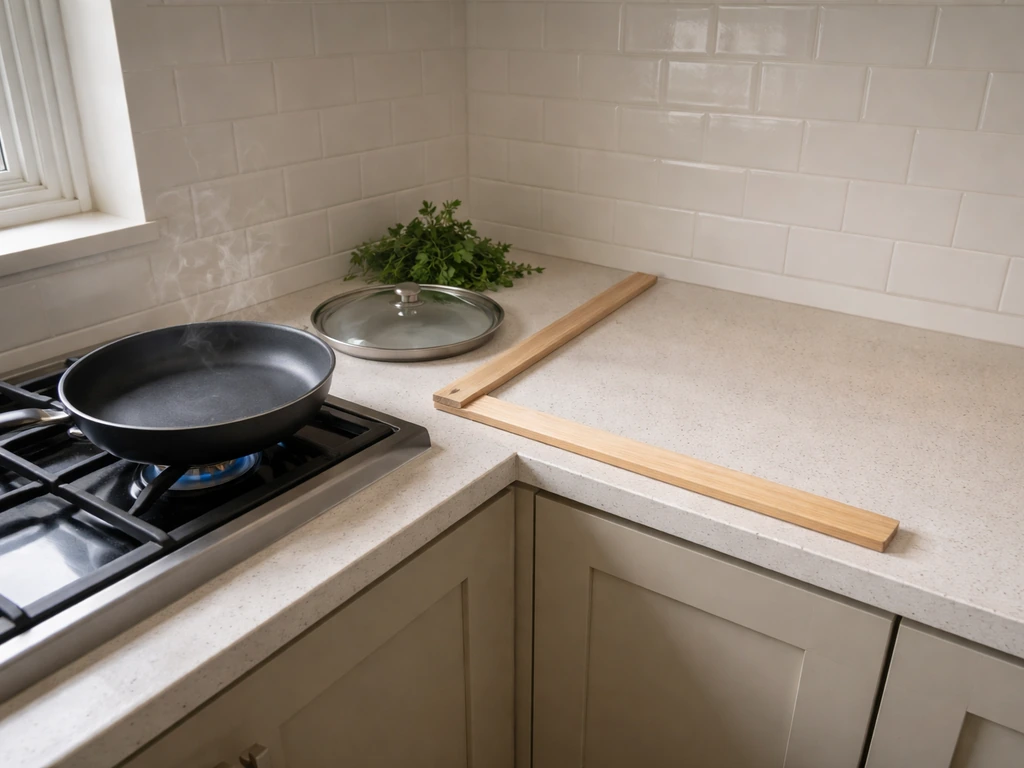
Sudden illness including altered droppings can result from toxin exposure. Common household dangers include Teflon and other non-stick cookware fumes, avocado, lead from old paint or jewelry, and zinc from galvanized cage parts. If your bird was fine and then suddenly isn't, think through whether anything changed in the household environment, not just the diet.
At-home steps you can take today
Before you call the vet or decide everything is fine, do a quick at-home assessment. This takes about 15 minutes and will give you much better information either way.
- Change the cage paper right now so you have a clean baseline, then check it every 2-3 hours to track whether droppings are consistently watery or only occasionally wet.
- Write down everything your bird ate and drank in the last 24-48 hours, including treats, fruit, vegetables, and any new foods. This is the single most useful piece of information for ruling out a dietary cause.
- Check the water bowl. Is it clean? Has it been sitting out for more than 12 hours? When did you last notice your bird drinking, and did it seem like more than usual?
- Look at your bird from a few feet away without disturbing it. Is it sitting normally, perching well, and alert? Or is it fluffed up, sitting low, closing its eyes during the day, or sitting on the cage floor? Behavior is often the first and clearest sign that something medical is happening.
- Weigh your bird on a small kitchen scale if you have one and if your bird tolerates it. A loss of even a few grams compared to its normal weight can signal illness that isn't visible yet.
- Think through recent environmental changes: new cage location, temperature swings, new people in the home, a new pet, recent bathing (wet feathers can temporarily show up as wet droppings on paper if the bird sits after a bath), loud noise, or anything out of routine.
- Look around the bird's environment for potential toxin sources: peeling paint, new pots or pans used nearby, anything chewed on recently, or new houseplants.
After running through these steps, most owners find a clear dietary explanation or notice a behavioral symptom they missed before. Either way, you'll have concrete details to share if you do need to call a vet.
When to call an avian vet urgently
Some situations don't need the 24-hour wait-and-see approach. Call an avian vet the same day if you see any of the following:
- Your bird is lethargic, fluffed, or sitting on the cage floor
- It hasn't eaten or eaten very little for more than 24 hours
- There is blood in the droppings or around the vent
- The urates are bright yellow, lime green, or absent
- Your female bird is straining and appears to be trying to pass something
- There is any visible swelling around the abdomen
- The droppings smell strongly foul or have mucus in them
- You suspect toxin exposure of any kind
- The bird has labored or open-mouth breathing
- Watery droppings have persisted for more than 48 hours with no dietary explanation
When you call or go in, bring as much information as possible. Take photos or a short video of the droppings (the cage paper works perfectly for this). Write down when you first noticed the change, what the bird has been eating and drinking, any recent environmental or household changes, and a list of any symptoms beyond just the droppings. The more context you bring, the faster the vet can narrow the cause. Your vet will likely want to run a fecal examination and possibly bloodwork to check kidney and liver function, rule out infection, and look for parasites.
It's also worth noting the overlap with a few related patterns. If your bird is drinking dramatically more water than usual, that drinking behavior itself can be the driver of watery droppings rather than a disease causing both independently. To figure out why your bird is drinking so much, compare the amount of watery droppings, recent diet and water changes, and whether the thirst started suddenly drinking dramatically more water than usual.
If your bird has not started drinking at all, that lack of drinking along with watery droppings is still worth discussing with an avian vet drinking dramatically more water than usual. Similarly, if your bird has completely stopped passing droppings rather than producing watery ones, that's a different but equally urgent concern. Both extremes of the spectrum can signal serious health issues.
How to prevent this from becoming a recurring problem
Once you've figured out what caused this episode, a few consistent habits will make it much less likely to happen again and much easier to catch early if it does.
Balance fresh food portions
Fresh fruits and vegetables are healthy for most pet birds, but volume matters. Offering a small portion of high-water fruits and veggies alongside a balanced pellet or seed base keeps hydration reasonable. If you want to add more variety, introduce new foods gradually over several days so you can connect any dropping changes to a specific food.
Keep water fresh and clean
Change your bird's water at least once daily, and clean the water dish with soap and hot water every day. Bacteria in stagnant water can cause digestive upset and can also encourage your bird to drink less, which creates a different set of problems. Giardia and other parasites spread through contaminated water, so hygiene here is directly connected to preventing watery droppings from an infectious cause.
Monitor droppings routinely
Change cage paper frequently, ideally daily, so you can actually see what's going on. A bird that develops kidney disease or a liver problem will often show changes in dropping consistency and urate color before it shows visible illness. Catching that early is only possible if you're actually looking. Most experienced bird owners develop a baseline picture of what their bird's normal droppings look like, which makes spotting changes much faster.
Reduce and manage stress
Enrichment, consistent routine, and a stable cage location all contribute to fewer stress-related dropping changes. If you need to move the cage or introduce a change, do it gradually. A bird that feels secure in its environment will have more consistent droppings and will be easier to monitor because baseline is more stable.
Know your household toxins
Review your kitchen and living space from a bird-safety standpoint. Avoid cooking with non-stick cookware when the bird is nearby, keep it away from avocado and other toxic foods, and check that cage materials don't contain lead or zinc. Toxin exposures often come on suddenly and can be severe, but many are entirely preventable with some advance awareness.
Most of the time, a bird with suddenly watery droppings is just reacting to diet, water, or a stressful moment. But because the same symptom can also mean kidney disease, infection, diabetes, or egg binding, it's worth doing a proper 24-hour check before deciding everything is fine. If you are also asking why your bird is not pooping, that can signal a different urgent problem than watery droppings, so it is worth treating it as its own situation. The at-home steps above give you a clear-eyed look at what's actually happening, and the urgent symptom list tells you exactly when to stop monitoring and pick up the phone.
FAQ
How can I tell if my bird’s watery droppings are polyuria or just a weird poop from diet?
Focus on whether the dark fecal portion and chalky urate are still present in the same dropping, with the clear liquid forming a wet ring around them. If the fecal portion looks unchanged and only the watery portion increases, it’s more consistent with polyuria, often diet or hydration related. If the fecal part becomes formless, smeared, or discolored, that leans more toward true diarrhea.
What if the watery droppings happen only once or twice? Do I still need to worry?
A single loose or very wet dropping after a clear trigger, like a stressful event or a higher-water treat the previous day, is usually not an emergency. If the watery pattern stops after the trigger passes and your bird otherwise acts normal (eating, resting normally, normal weight), monitor rather than escalating immediately. If it repeats over more than 24 hours or gradually worsens, treat it as potentially concerning.
Does age or species (budgie vs. cockatiel vs. conure) change how I should interpret watery droppings?
You should assume the same core pattern, clear liquid plus intact fecal and urate parts points toward polyuria, but risk levels can differ. Older birds are more likely to have kidney or liver issues, so persistent watery output is more urgent in a senior bird even if the diet seems “mostly normal.” If you have a young bird and the change follows dietary or water changes, it’s more likely behavioral or diet related, but infections and parasites can still occur.
My bird is peeing a lot but not drinking much, what does that suggest?
Watery droppings without increased drinking still can happen when the kidneys or liver are involved, because they can change uric acid handling and urination volume. It’s also possible the bird’s water intake went up earlier and is now normal again, so track drinking for a few hours, not just once. If watery droppings continue despite no obvious diet cause and drinking is not elevated, it’s a strong reason to contact an avian vet.
How should I check whether the water in my cage is contributing to the problem?
Use a simple comparison: note when the water dish was last cleaned, whether you changed the type of water (tap, filtered, spring), and whether the dish sits long enough for visible film or odor. If you recently started using a new bowl material or left water out longer than usual, that can shift droppings. Bacteria and parasites often track with poor water hygiene, even when the food looks fine.
Could supplements or medications cause watery droppings?
Yes. Certain supplements can indirectly increase water intake or change digestion, and some medications can irritate the GI tract or affect liver and kidney function. If your bird recently started, changed, or missed a medication, include the exact product name, dose, and start date when you talk to a vet. Do not stop prescription treatments without veterinary guidance, especially if the droppings change coincided with the new medication.
When should I collect samples for a vet, and how?
If you’re going in the same day, collect fresh droppings as soon as possible using clean paper or a container and keep them dry. If you suspect parasites, a fecal exam is most useful with a recent sample, so prioritize freshness over perfect volume. Take photos or short videos across a couple of droppings if possible, because urate color (yellow or lime-green) and consistency can shift during illness.
What temperature or recent household changes could make droppings look more watery?
Sudden temperature changes, drafts, or recent relocation can increase stress and sometimes alter appetite and hydration behavior. Even without new foods, stress can produce more watery output for a short period. If the environment changed (HVAC repairs, smoke, heavy cleaning chemicals, new fragrance), consider inhalation or toxin exposure risk alongside stress.
Is “chalky white urates” always normal, or should I worry if the urate color changes with watery droppings?
Any color shift in urates is more significant when paired with increased clear liquid. Yellow or lime-green urates, especially when persistent and not explained by diet, increase concern for liver or metabolic issues. Take a clear photo when you first notice the color change, because it can help the vet decide whether this is more likely dietary or systemic.
My female bird seems to strain, is watery output always egg binding?
Watery, large droppings plus straining can overlap with egg binding (dystocia), but not every straining episode is egg-related. Egg binding is the emergency scenario, especially if you also see abdominal distension or difficulty passing anything. If you suspect she is trying to lay and seems uncomfortable, contact an avian vet immediately rather than waiting to see if the watery droppings resolve.
What’s the most common mistake people make when deciding whether to monitor or call the vet?
Relying on just one dropping, or assuming “no diarrhea” means “no problem.” Watery droppings can be polyuria with intact fecal portions, and that still can signal kidney, liver, infection, diabetes, or parasites. A better approach is to track droppings over at least a day, note diet and water changes from the prior 24 to 48 hours, and compare overall behavior and drinking level.
Next Articles
My Bird Is Not Drinking Water: Causes and What to Do Now
Troubleshoot why your bird won’t drink, check dehydration signs, adjust water setup, and know when to see an avian vet.
Why Is My Bird Having Seizures? Causes and What to Do Now
Spot seizure vs fainting in birds, identify causes, act safely at home, and know when to call an avian vet now.
Why Is My Bird Not Pooping? Causes and What to Do Now
Figure out why your bird isn’t pooping, spot red flags, check droppings, and know when to call an avian vet.