
Seizures in pet birds are a genuine emergency, and the most common causes are toxin exposure (especially heavy metals like lead), metabolic problems like low calcium or blood sugar, nutritional deficiencies, infections, head trauma, and primary brain disorders. If your bird is seizing right now, the single most urgent thing you can do is make the environment safe, reduce stimulation, and call an avian vet immediately. Do not wait to see if it passes on its own.
Why Is My Bird Having Seizures? Causes and What to Do Now

Marcus Chen
23 May 2026
What a seizure actually looks like in a bird (and what it isn't)
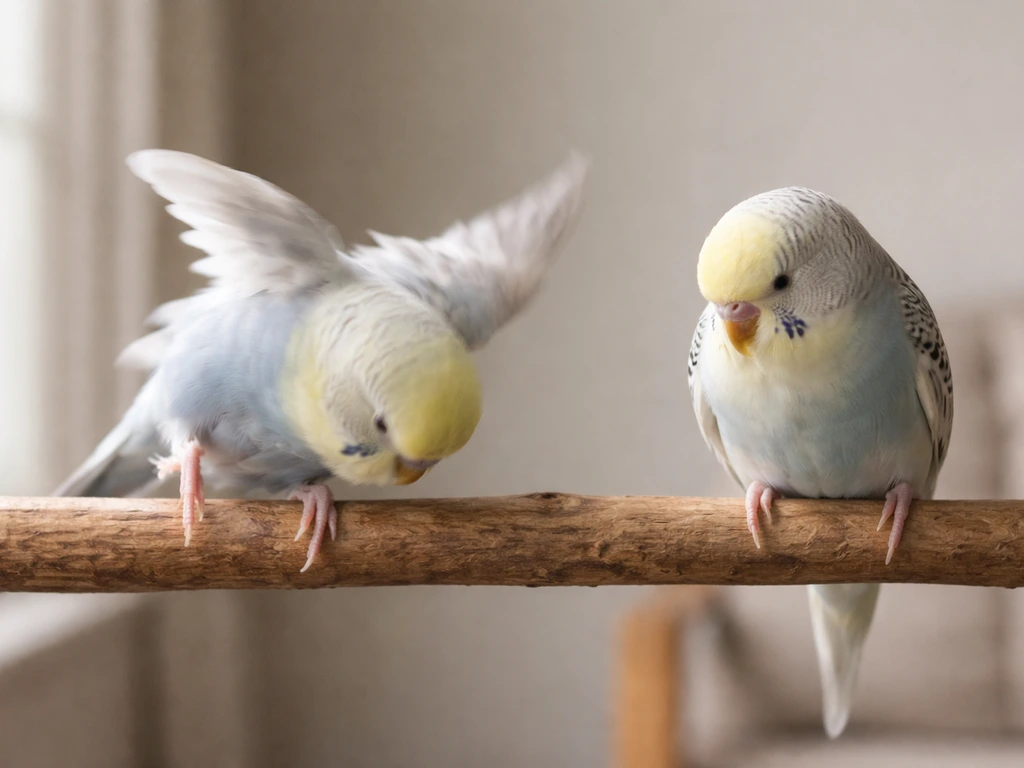
Birds show seizures differently than dogs or cats, which makes them easy to misread. A true seizure typically involves sudden loss of balance or falling off the perch, uncontrolled muscle movements, rigid or convulsing limbs, rapid paddling or flapping with no purposeful direction, loss of consciousness or awareness, and sometimes clenched toes. The episode usually lasts seconds to a couple of minutes, and the bird may appear dazed, weak, or disoriented for a while afterward.
The tricky part is that several other conditions look a lot like seizures. Here are the most common look-alikes you should be aware of:
- Night frights: A bird startled in the dark will thrash, flap frantically, and crash into cage walls. It looks alarming but the bird recovers quickly and regains full awareness almost immediately.
- Overheating or heatstroke: A bird that is too hot may collapse, pant with wings held away from the body, and lose coordination. This is still an emergency but the trigger is temperature.
- Choking or respiratory distress: Gasping, tail bobbing with every breath, and loss of balance can look like a seizure. Check whether breathing appears labored.
- Extreme weakness or collapse: A very sick or severely malnourished bird may simply fall and not be able to get up, without true convulsive activity.
- Tremors: Fine, rhythmic shaking of the head or body can indicate low calcium, toxin exposure, or neurological disease, and may precede a full seizure.
- Ataxia: Staggering, wobbling, or incoordination without full loss of consciousness is a neurological sign that warrants the same urgent attention as a seizure.
The key distinction is awareness during the episode. In a true seizure, the bird is not responding to you at all. In a night fright, it typically calms quickly when the lights come on and you speak calmly. When in doubt, treat any sudden collapse or loss of control as a potential seizure and act accordingly.
What to do right now if your bird is seizing
The goal in these first few minutes is to prevent injury and reduce anything that could make things worse. Work quickly but stay calm.
- Remove food and water dishes immediately. A bird that is seizing or still disoriented can inhale food particles or water into its airway, which can cause serious secondary problems.
- Remove perches, swings, and toys from the cage. Lower the bird to the cage floor if it is still on a perch, or pad the floor with a soft towel. You want it as close to a flat, padded surface as possible so a fall does not cause injury.
- Dim the lights and reduce noise. Bright light and loud sounds can prolong or trigger additional episodes. Turn off the TV, speak quietly, and move other pets out of the room.
- Keep the environment cool. Seizures raise body temperature, so a warm room makes things harder. Aim for a comfortable, not hot, room temperature.
- Do not restrain the bird. Trying to hold a seizing bird can cause injuries to both of you and can increase stress. Let it ride out the episode on the padded floor.
- Do not offer food, water, or any oral medication during or immediately after the episode.
- Time the episode if you can. Note when it started, how long it lasted, and what the bird did during it.
- Call an avian vet or emergency animal hospital immediately. Even if the bird appears to recover, it needs same-day evaluation.
The most common reasons birds have seizures
There is a fairly well-defined list of culprits, and knowing them helps you give the vet useful information fast.
Toxin exposure, especially heavy metals

This is one of the most common causes in pet birds, and it is frequently missed by owners because the source is not obvious. Lead is found in old paint, certain bird toys, costume jewelry, the backing on some mirrors, window blinds, curtain weights, and hardware cloth. Zinc is found in some galvanized cage materials and certain hardware. Birds chew on everything, and it does not take much metal to cause toxic effects. Clinical signs include neurological symptoms like tremors, head shaking, seizures, and sudden disorientation. If you have any reason to suspect metal exposure, tell the vet immediately. Tobacco products are another serious toxin that can cause hyperexcitability, seizures, and death.
Metabolic problems: low calcium and blood sugar
Acute hypocalcemia (low blood calcium) is a well-known cause of seizures in birds, and it is especially common in African grey parrots fed an all-seed diet. Seeds are low in calcium, and without dietary variety, fresh vegetables, and appropriate supplementation, calcium levels can drop to the point where neurological function is affected. Low blood glucose is another metabolic trigger, particularly in small birds that have gone without food or are dealing with liver disease or other systemic illness.
Head trauma
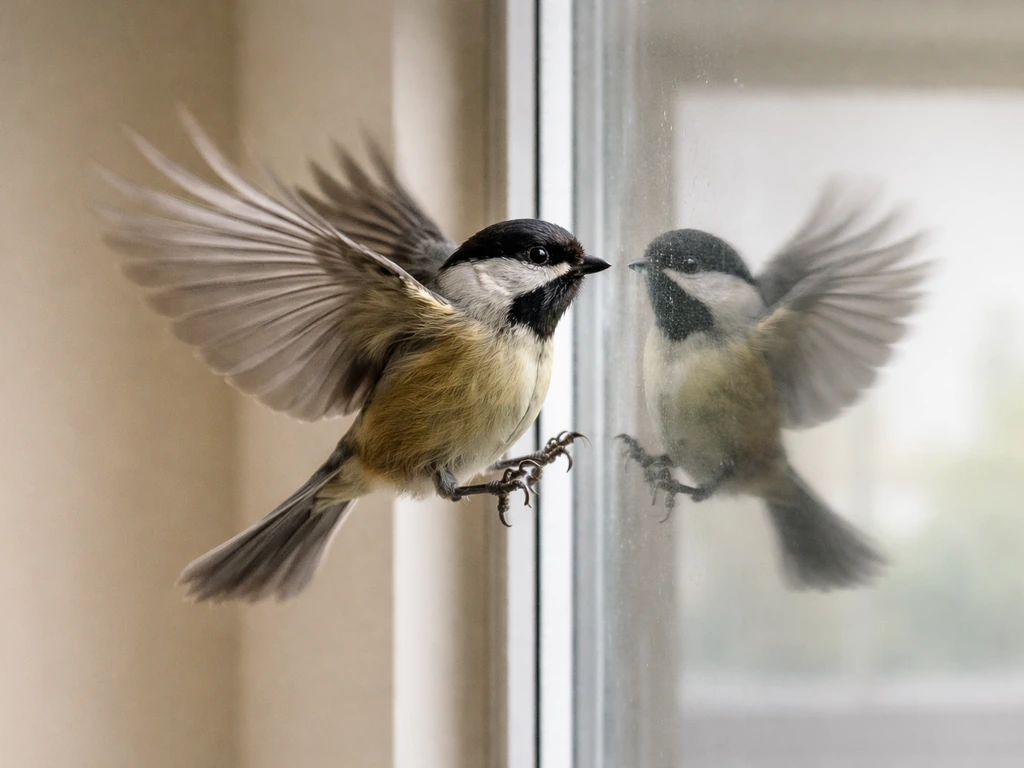
Birds that fly into windows, mirrors, walls, or ceiling fans can sustain serious head injuries. A bird that hit something hard and then shows seizure activity or disorientation has a head trauma emergency. This type of injury can cause brain swelling or bleeding that produces seizures minutes to hours after impact.
Infections affecting the brain
Bacterial, viral, fungal, and chlamydial infections can all reach the brain and trigger seizures. Psittacosis (Chlamydia psittaci) is one example that affects many parrot species and can have neurological involvement. Certain viral infections and aspergillosis (fungal) are others. These tend to develop alongside other signs of illness like lethargy, changes in droppings, or respiratory symptoms.
Primary brain disorders
Brain tumors, vascular events (similar to a stroke), and idiopathic epilepsy can all cause seizures in birds. These are less common than toxic or metabolic causes but are more likely in older birds or birds that have recurrent episodes with no identifiable external cause.
Heatstroke and environmental stress
A bird left in direct sunlight, placed near a heat vent, or kept in an overheated room can develop heatstroke rapidly. Seizures are a serious sign of severe heatstroke and represent a collapse of normal neurological function. Temperature regulation is something bird owners sometimes overlook, especially during summer. PDSA advises keeping the room as cool as possible because seizures often cause a rise in body temperature Temperature regulation is something bird owners sometimes overlook, especially during summer..
What to observe and record during and after the episode
Your observations are genuinely valuable clinical data. A clinical review of avian seizure management identifies client history as the single most important diagnostic tool for figuring out the cause. If you can, record a video on your phone. Beyond that, try to note or remember the following:
- How long did the episode last? Seconds, a minute, longer?
- Was the bird completely unresponsive, or did it seem aware of surroundings?
- What did the body do: rigid, paddling, convulsing, limp, one side more affected than the other?
- Did the eyes look normal, fixed, or rotating (nystagmus)?
- How long did recovery take? Did the bird return to normal perching and alertness within minutes, or is it still wobbly hours later?
- Any changes in the last 24 to 72 hours: new cage materials, new toys, cleaning products used in the room, new foods, new supplements, access to anything it could chew on?
- Did the bird hit anything recently, like flying into a window or wall?
- Has the bird been eating and drinking normally? Any changes in droppings, energy level, or posture before this happened?
- Is the environment temperature normal, or was the bird exposed to heat or cold?
Changes in droppings, drinking habits, or appetite in the days leading up to a seizure can point toward metabolic or systemic illness. Changes in droppings, drinking habits, or appetite can also signal an underlying issue, so if you notice your bird is not drinking water, mention that right away.
If your bird is also having droppings changes or isn't producing normal poop, that can point to a digestive or systemic problem that should be checked alongside the neurologic issue why is my bird not pooping. If you’re noticing that your bird is drinking much more water than usual, that pattern is worth discussing with your avian vet right away Changes in droppings, drinking habits, or appetite.
If you have noticed your bird drinking more or less than usual, eating less, or producing abnormal droppings, mention all of that to the vet. Excessive peeing in birds can also be related to hydration, urine and droppings changes, kidney or liver issues, and stress, so it helps to get an avian vet involved.
When to go to an avian vet right now vs when to monitor closely
The honest answer is that a seizure in a bird almost always warrants same-day veterinary contact, at minimum. Birds are skilled at hiding illness, and by the time they show dramatic neurological signs, the underlying problem is often advanced. That said, here is how to triage urgency:
| Situation | What to do |
|---|---|
| Active seizure happening right now | Make environment safe, call an emergency avian vet immediately |
| Second seizure within hours or cluster of episodes | Emergency vet, do not wait |
| Breathing has changed after the episode (labored, tail bobbing) | Emergency vet now |
| Bird is injured from falling or hitting cage | Emergency vet now |
| Bird has not recovered normal balance or awareness 30+ minutes after episode | Emergency vet now |
| Single short episode, bird recovered fully, acting normally | Call avian vet for same-day or next-morning appointment, monitor closely |
| Suspected toxin or metal exposure at any point | Do not wait, call vet and report the exposure immediately |
Even if your bird bounces back quickly and seems fine, that first episode is a warning that something is wrong internally. It is not safe to just watch and hope it does not happen again.
What the vet will check and how they figure out the cause
An avian vet will start with a complete history and a thorough physical exam, including the bird's weight. The Merck Veterinary Manual for pet birds also emphasizes that taking a detailed medical history is an important diagnostic tool for identifying likely causes, including how bird acquisition or exposure history relates to infectious disease risk complete history. Weight loss that an owner has not noticed is often significant. From there, the workup typically depends on what the history and physical suggest, but here is what to expect:
- Bloodwork: A comprehensive panel will often include glucose, calcium, phosphorus, total protein, uric acid, AST, bile acids, and CK (creatine kinase). These markers help identify metabolic causes like hypocalcemia or hypoglycemia, liver involvement, and muscle damage from prolonged seizure activity.
- Blood lead and zinc levels: If toxin exposure is on the table, specific heavy metal testing will be ordered.
- Hematology: A blood smear and complete blood count can show signs of infection, anemia, or other systemic disease.
- Imaging: X-rays can reveal metal fragments in the GI tract, which is a major clue for heavy metal toxicosis. They can also show organ enlargement, masses, or skeletal abnormalities.
- Infectious disease testing: Depending on the bird's history and exposure, the vet may test for chlamydiosis, specific viral infections, or fungal disease.
- Additional neurological evaluation: If primary brain disease is suspected and initial workup is unrevealing, more advanced imaging may be discussed.
Bring everything you can to the appointment: a video of the episode if you have one, a list of foods and supplements the bird receives, the brand names of any cleaning products or air fresheners used in your home, information about cage materials and any new toys or items added recently, and a timeline of when symptoms started. This is not busywork; it genuinely changes what the vet tests for first.
Treatment, aftercare, and how to prevent it happening again
How treatment works
Treatment depends entirely on the cause, which is why diagnosis matters so much before jumping to management. That said, the general approach follows a predictable path.
Stabilization comes first: the vet will address immediate threats like active seizure activity, dangerously low calcium or glucose, or severe dehydration with supportive care including warmth, fluids, and emergency medications as needed.
If heavy metal toxicosis is confirmed or strongly suspected, chelation therapy is used. The standard protocol involves calcium EDTA given by the vet, followed by DMSA (dimercaptosuccinic acid) as an oral chelating agent. This is not something to attempt at home. Any metal fragments visible on imaging may need to be removed endoscopically or surgically.
For hypocalcemia, calcium supplementation is given immediately and the bird's diet is restructured. An all-seed diet needs to be replaced with a balanced pellet diet plus fresh vegetables and appropriate calcium sources. For African grey parrots especially, dietary calcium is something that needs ongoing attention.
For infectious causes, targeted antimicrobial or antifungal therapy is used based on what the testing identifies. For head trauma, supportive care and anti-inflammatory treatment are the mainstays. For epilepsy or primary brain disorders, long-term anticonvulsant management may be discussed.
Aftercare at home
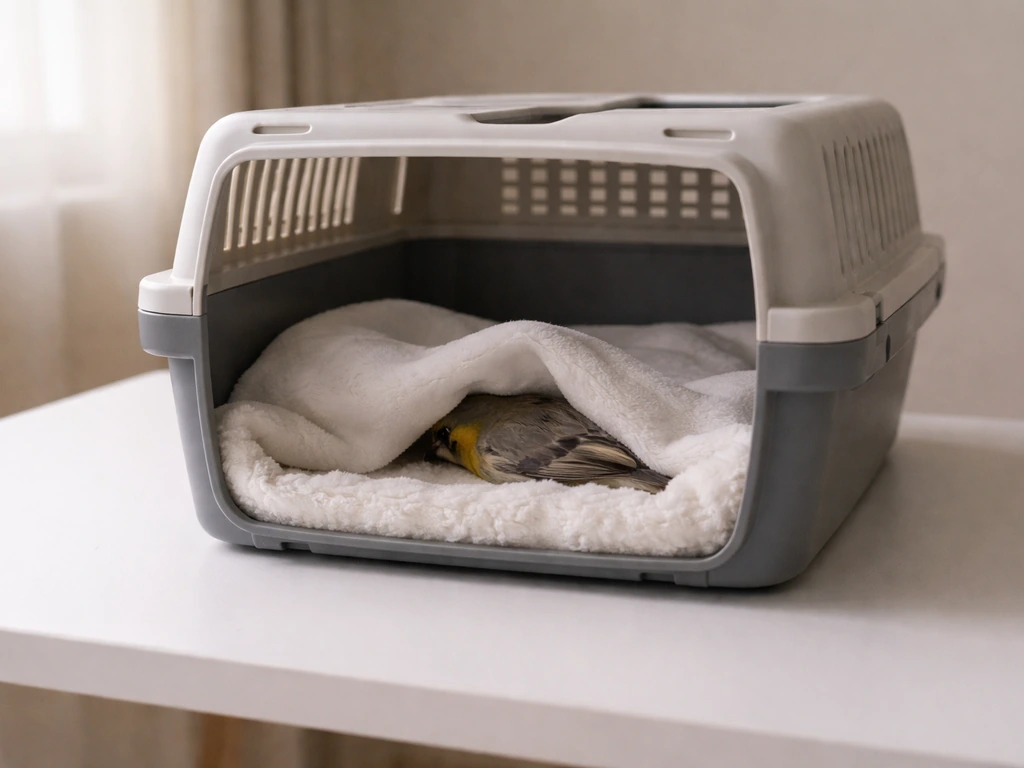
While the bird is recovering, keep it in a hospital-style setup: a smaller, lower cage or a carrier with soft bedding on the floor, no perches until it can stand and balance reliably, no food or water dishes elevated until it is fully alert. If your bird is drinking a lot of water, it may be a sign of an underlying issue that should be evaluated by your avian vet, especially alongside other symptoms why is my bird drinking so much water. Keep it warm, quiet, and away from other pets. Stress alone can trigger another episode in a fragile bird.
Preventing recurrence
Once the immediate cause is treated, the focus shifts to making sure it does not happen again. Here is a practical checklist:
- Audit the cage for metal hazards: check that hardware, clips, chains, and cage bars are made of stainless steel or powder-coated materials with no peeling. Remove any galvanized items, old painted items, or toys with unknown metal components.
- Switch to a species-appropriate balanced diet if you are currently feeding seeds as a staple. Pellets plus fresh vegetables address most nutritional gaps, including calcium.
- Never use aerosol sprays, scented candles, air fresheners, non-stick cookware fumes (PTFE/Teflon is toxic to birds), or tobacco products anywhere near your bird.
- Ensure the cage is never in direct sunlight without shade, and never near heating vents, radiators, or cooking areas where temperature spikes can occur.
- Bird-proof the flight area: cover mirrors and windows with decals or curtains so the bird cannot fly full speed into a hard surface.
- Make any diet or supplement changes gradually. Sudden shifts can stress the bird's system.
- Have regular wellness checkups with an avian vet, not just visits when something goes wrong. Blood panels catch metabolic imbalances early.
- Know the warning signs that mean go now: any second episode, any labored breathing, failure to recover normal posture within 30 minutes, and any suspected toxic exposure.
A bird that has had one seizure episode can often live a normal life with the right diagnosis and management. The key is not letting it go uninvestigated, because the causes that are most treatable (like metal toxicosis or calcium deficiency) are also the ones where time genuinely matters.
FAQ
How long should I wait after a bird’s seizure before calling the vet?
Do not wait. Treat any seizure or seizure-like episode as an emergency, call an avian vet (or emergency hospital) right away, and keep the bird monitored from a safe distance. Even if it stops quickly, the underlying cause can still be life-threatening.
Is it safe to pick up or restrain my bird during the seizure?
Avoid grabbing or restraining. Instead, reduce stimulation, dim lights, and protect the bird from injury by clearing nearby hazards. Restraining can stress the bird and increase the chance of injury if it flails or loses balance.
Should I try to give food, water, or supplements right after the episode?
Do not force feeding or water while the bird is weak, disoriented, or not swallowing normally. Once it is fully alert and standing steadily, you can offer water and an appropriate, familiar diet, then follow the avian vet’s specific directions for any calcium or medication plan.
What’s the best thing to record for the vet besides a video?
Along with a video, note the exact start time, approximate duration, whether the bird was on the perch or fell, breathing pattern, and what happened immediately before (stress, chewing, new toy, fumes, heat exposure). Also note if the toes were clenched and whether the bird responded to your voice.
My bird is clinging or making weird movements, could that be a seizure even if it seems aware?
Possibly, but awareness is the key clue. If the bird is still responsive to you, calmly settles when the lighting changes, or looks like it is actively defending itself, it may be a night fright or another event. When in doubt, treat it as seizure-like and seek urgent avian care.
What household exposures should I suspect first?
Common culprits include old paint or weights and hardware cloth with metal components, galvanized parts, costume jewelry, mirrors or mirror backing, some blinds and curtain weights, and any recent air fresheners or cleaning sprays. Tobacco smoke and scented products can also trigger hyperexcitability and seizures.
If the seizure was triggered by low calcium, why is it happening now?
It often reflects a diet that lacks balanced calcium and vitamin D support, frequently seen with seed-only diets, poor supplementation practices, or inconsistent access to fresh calcium sources. The vet may check diet composition and also screen for underlying illness that can worsen calcium regulation.
Can bright lights or bedtime routines cause seizures?
They can contribute to “night fright” or stress-related episodes, but true seizures are not just from light or sound. If your bird repeatedly has nighttime episodes, keep the environment consistent (quiet, stable temperature) while still contacting a vet promptly to rule out toxins, metabolic problems, and infections.
My bird has seizures only once, then acts normal. Does that mean it’s over?
Not necessarily. Birds can return to baseline after the episode, but a first event is still a warning sign that something internally is not stable. Same-day veterinary contact is recommended, especially because treatable causes like toxin exposure and electrolyte problems can progress or recur.
Could heat or overheating look like a seizure?
Yes. Severe heatstroke can cause neurological collapse that may appear like seizures. If you suspect heat exposure, cooling should be gentle and gradual while you arrange emergency care, and you should tell the vet the approximate temperature conditions and how long the bird may have been overheated.
What should I do if I notice a “seizure-like” episode after my bird chewing a toy or cage part?
Treat it as possible toxicosis. Remove the suspected item from reach and bring the toy, cage parts, and any packaging to the appointment if you can. Tell the vet exactly when chewing started and when the neurologic signs began.
What tests are commonly needed after a seizure?
Expect a focused workup based on history and exam. Often this includes bloodwork and metabolic checks, a calcium and glucose assessment, and sometimes imaging or additional tests to evaluate infection, organ disease, and toxin exposure. A video and detailed exposure history help determine which tests come first.
Can another pet or household situation be a cause?
Yes. Stress from other animals can lower the threshold for episodes, but seizures still need medical evaluation. Also consider household chemicals from cleaners, diffusers, and aerosol products, because inhaled fumes can contribute to systemic illness that leads to neurologic signs.
Next Articles
Why Is My Bird Not Pooping? Causes and What to Do Now
Figure out why your bird isn’t pooping, spot red flags, check droppings, and know when to call an avian vet.
Why Is My Bird Making Whimpering Noises? What to Check
Find reasons for whimpering bird noises, quick home checks, and red flags for urgent vet care plus tracking tips.
Why Does My Bird Make Crunching Noises? Causes and What to Do
Learn why your bird crunches, spot normal beak chewing vs breathing or crop issues, and what to do next.