If your bird is suddenly drinking more water than usual, it can mean something as simple as a diet change or a warmer room, or it can be an early sign of a health problem like kidney disease or diabetes. Most of the time there's a benign explanation, but increased thirst paired with lethargy, weight loss, or abnormal droppings is a red flag that needs a vet the same day or the next morning. The goal right now is to figure out which category you're dealing with.
Why Is My Bird Drinking So Much Water? Causes and Next Steps

Marcus Chen
10 Jun 2026
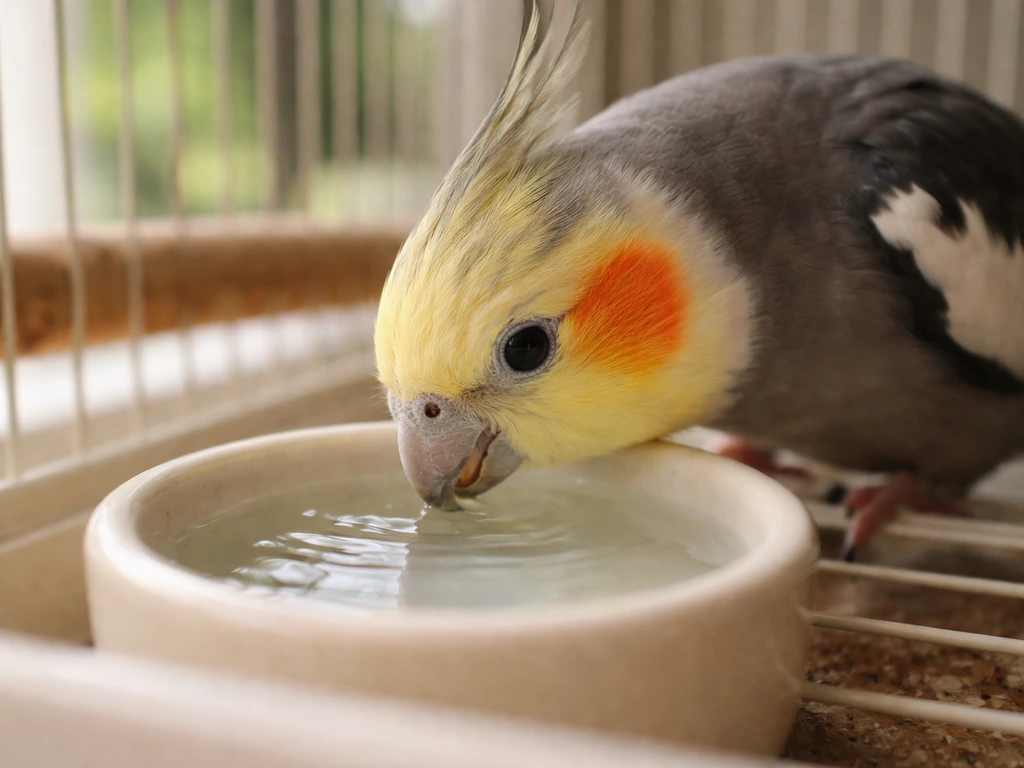
What's normal drinking for a pet bird?
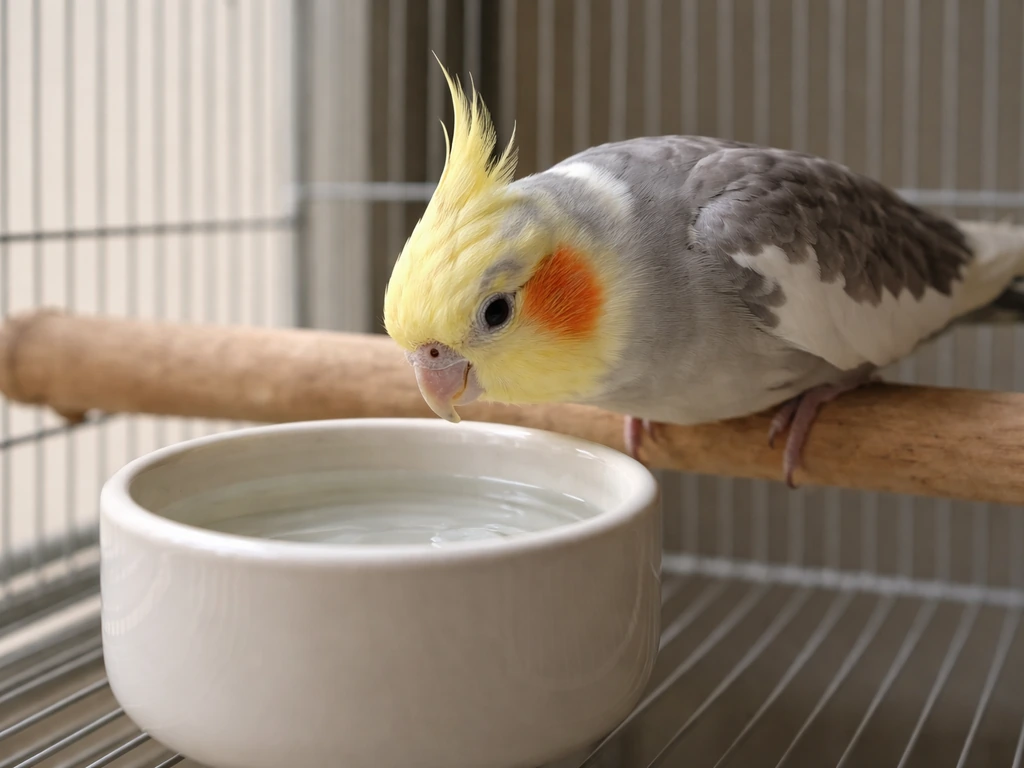
Birds don't drink enormous amounts of water to begin with, so any noticeable increase tends to catch owners off guard. A rough benchmark for cockatiels is around 5 mL per 100 g of body weight per day, which works out to roughly one teaspoon per 100 g. A 90 g cockatiel might drink about 4–5 mL on a cool, quiet day and noticeably more on a hot or active one. Budgerigars and other small parrots fall in a similar range, though exact amounts vary by species, diet, and environment.
Drinking is also spread throughout the day and isn't constant, so seeing your bird at the water dish multiple times isn't automatically a problem. What matters is whether the total volume or frequency has genuinely increased compared to that bird's personal baseline, not whether it matches some generic number.
Seasonal shifts matter too. Birds drink more in summer or when the room is warmer and drier. They also drink more after active play, foraging sessions, or a lot of vocalization. If nothing else has changed except the temperature ticking up, that's almost always the explanation.
Diet and environment are the most common culprits
Before going to a medical explanation, run through the list of everyday factors that genuinely change how much a bird drinks. These are easy to overlook because the changes feel minor to us, but birds respond to them quickly.
- Switched to more pellets or dry seed: Pellets and dry seed have very little moisture content compared to fresh foods. Birds on pellet-heavy diets consistently drink more water to compensate. If you recently started a diet transition, this is likely your answer.
- Salty or high-sodium treats: Crackers, chips, or processed human foods drive water intake up fast. Even small amounts matter for a small bird.
- Less fresh food: Fresh fruits and vegetables contain a lot of water. Cutting them back or not offering them as often means the bird drinks more from the bowl.
- Heat and low humidity: A warmer room, direct sunlight on the cage, a nearby heating vent, or just summer weather all increase water needs.
- More activity or stress: A new bird in the house, rearranged furniture near the cage, or simply more play time can increase drinking.
- Water bowl placement: If the dish was moved to a spot the bird prefers, or made more accessible, it can look like increased drinking when it's really just easier access.
- Water quality changes: Tap water that smells or tastes different (chlorine fluctuations, for example) sometimes causes birds to drink more from a fresh refill or to splash and play more.
One thing that trips owners up: birds sometimes dip their beaks repeatedly while playing in their water dish or preening near it, and this looks like heavy drinking when it's mostly bathing behavior. Watch a few sessions closely and see if your bird is actually swallowing or mostly splashing.
Medical causes worth knowing about
When diet and environment don't explain the drinking, you need to think about medical possibilities. The vet term for drinking too much is polydipsia, and it often comes alongside polyuria (peeing more than usual). These two signs together narrow the list of likely causes significantly.
Diabetes mellitus
Avian diabetes causes excessive thirst, large urine output, and weight loss despite normal or increased appetite. Diagnosis requires blood glucose above 700–800 mg/dL on persistent testing, plus glucose in the urine. It's not the most common diagnosis, but it does happen and the trio of increased drinking, increased urination, and weight loss should always prompt a vet visit.
Kidney disease
Kidney disorders in birds can show up as increased or decreased thirst, and the accompanying signs often include fluffed feathers, listlessness, loss of appetite, weakness, and weight loss. If your bird's increased drinking is paired with any of those, kidney disease is high on the differential list and warrants testing.
Liver disease
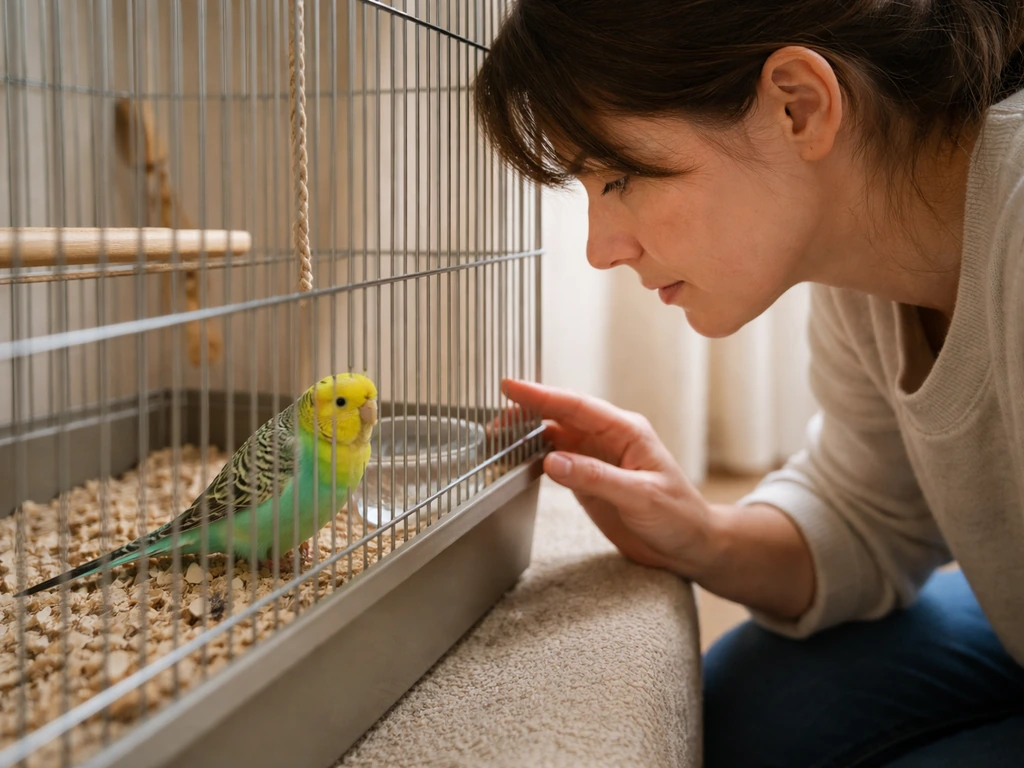
Liver problems can disrupt fluid balance and cause compensatory drinking. Birds with liver disease often look generally unwell: they may be quieter than usual, have changes in droppings (especially urates that appear green or lime-colored), and may show abdominal changes over time.
Infections and fevers
Any systemic infection can raise a bird's metabolic rate and fluid needs. If your bird is drinking more and also seems warmer, is breathing faster, or has discharge anywhere, infection is a strong possibility.
Dehydration and catch-up drinking
If the water dish ran dry for several hours, or if the bird was very active in a hot room, you might see heavy drinking as a rehydration response. This is normal recovery behavior. The drinking should taper off within an hour or two once the bird is rehydrated.
Hormonal and reproductive issues
Hormonal changes, especially in female birds during breeding season or with chronic egg-laying, can alter fluid balance. If your bird is female and showing nesting behavior alongside the increased drinking, mention this to your vet.
Checking hydration and water balance at home
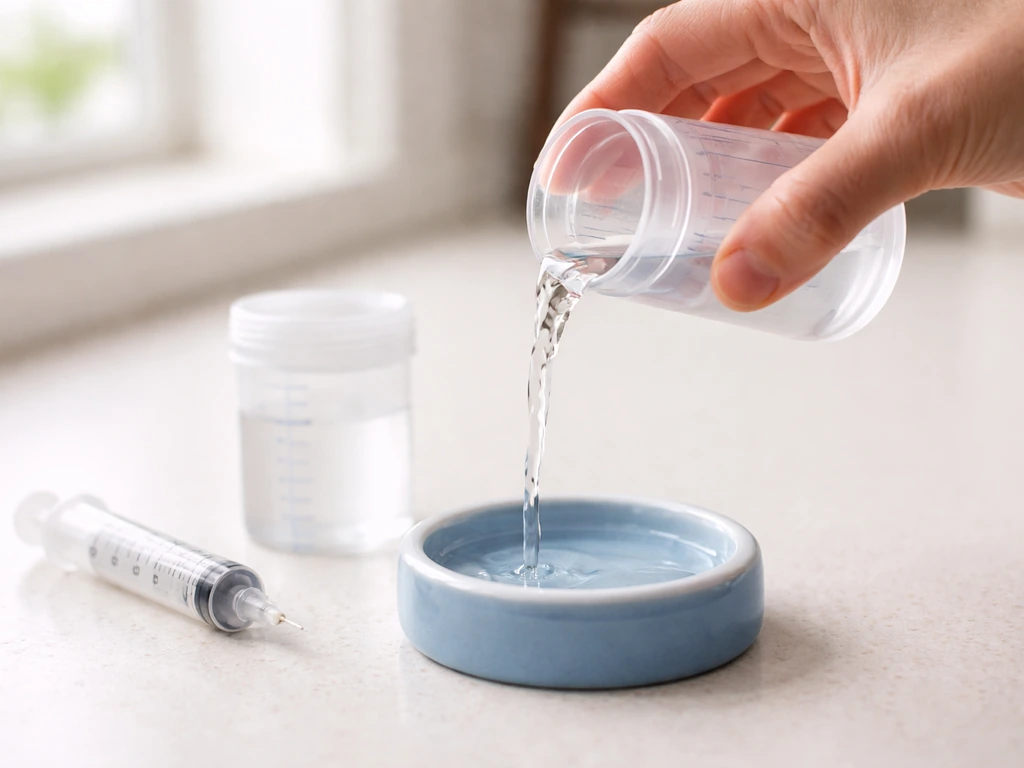
You can't fully assess your bird's health from the outside, but there are several things you can observe right now that will help you decide how urgent this is.
Measure actual intake
Use a measuring syringe or a marked container to put a known amount of water in the dish each morning, then measure what's left at the end of the day. If your bird is not drinking water at all, it can signal dehydration or another urgent problem, so it's important to assess drinking closely. Do this for two to three days. This gives you real numbers instead of a vague impression, and it's exactly the kind of information your vet will ask for. In a controlled budgerigar study, researchers also quantified water consumption in mL per bird over the day rather than relying on anecdotal impressions blank" rel="noopener noreferrer">real numbers instead of a vague impression.
Look at the droppings
Bird droppings have three parts: the dark or green feces, the white urates, and the clear urine. Watery droppings where the clear urine portion is excessive can reflect high water intake from diet or from a medical problem. If the droppings look abnormally wet or the urates are discolored (yellow, lime green, or absent), that's a flag. Droppings that stay watery for more than 24 hours, or that come with other symptoms, need a vet.
Check for physical dehydration signs
This sounds counterintuitive, but a bird can drink a lot and still be dehydrated if fluid loss is outpacing intake. Signs to look for include sunken or dull eyes, tacky or dry tissue around the mouth, and decreased skin elasticity. Keep in mind that bird skin is relatively inelastic compared to mammals, so the classic skin-tent test used for dogs and cats is less reliable in birds. Your observations are useful but not definitive, which is why a vet exam matters when you're uncertain.
Observe overall behavior
Track appetite, activity level, sleep patterns, posture, and breathing over the next 24 hours. A bird that is drinking more but still alert, chatty, eating well, and perching normally is a much lower concern than one that is fluffed up, sitting on the cage floor, or sleeping more than usual.
What to do right now
If your bird seems well otherwise, here's a practical plan for the next 24 to 48 hours.
- Keep the environment stable: don't change the diet, the cage location, or the temperature while you're monitoring. You want a controlled window to see if the drinking normalizes.
- Measure water intake today and tomorrow using a marked container so you have real numbers.
- Review everything that changed in the last one to two weeks: new food brand, diet transition, treats, room temperature, humidity, cage accessories, or anything else.
- Clean the water dish thoroughly with hot water and soap, rinse well, and refill with fresh water. Dirty water or biofilm can make birds drink oddly.
- If you added any salty or processed foods recently, remove them now.
- Photograph or video the drinking behavior so you can show it to a vet if needed.
- Weigh your bird if you have a gram scale. A baseline weight today gives you something to compare against in 48 hours.
- Watch the droppings carefully. If they're very watery or discolored and stay that way past 24 hours, move to calling a vet rather than continuing home monitoring.
If you identify a clear non-medical reason (recent switch to all-pellet diet, much hotter room, no fresh foods lately), address that factor, keep monitoring, and see if drinking normalizes within a day or two. Many owners find this resolves on its own once the trigger is removed.
When the drinking is connected to increased urination
Drinking more and urinating more often go hand in hand, and it's worth paying attention to whether you're seeing both at once. Watery droppings where the clear urine portion dominates is the bird equivalent of frequent urination. Because peeing so much often comes with increased thirst, it can point to polydipsia and polyuria from medical causes like kidney disease or diabetes. If you're seeing both increased drinking and noticeably wetter droppings or a wet cage floor under the perch, that pattern is more medically significant than increased drinking alone. This combination (polydipsia and polyuria together) is what vets investigate for kidney, liver, and endocrine causes.
When to call an avian vet
Call an avian vet the same day or first thing the next morning if you see any of the following alongside the increased drinking: If your bird is having seizures, treat that as an emergency and contact an avian vet right away.
- Lethargy, weakness, or sitting on the cage floor
- Fluffed feathers or a puffed-up posture that isn't related to sleeping or cold
- Loss of appetite or refusal to eat for more than a day
- Noticeable weight loss (this is why a gram scale is so useful)
- Labored breathing, tail bobbing, or open-mouth breathing
- Vomiting or regurgitation that isn't courtship behavior
- Abnormal droppings: very watery, dark or bloody, lime-green urates, or no urates at all
- Watery droppings persisting beyond 24 hours even without other symptoms
- Rapid progression where drinking seems to intensify over hours rather than days
If none of those are present and you've identified a plausible dietary or environmental cause, you have a reasonable 24 to 48-hour window to monitor at home. But if the drinking doesn't improve after you've addressed the obvious triggers, or if you simply can't find a non-medical explanation, book the appointment anyway. Catching kidney disease or diabetes early makes a meaningful difference in outcome.
What to tell the vet and what to bring
Avian vets appreciate prepared owners because birds often look relatively normal during exams even when something is wrong. Come ready with this information:
- When you first noticed the increased drinking and whether it was sudden or gradual
- Your measured water intake numbers if you have them
- Photos or short videos of the drinking behavior
- A description or photos of the droppings over the past few days
- Current diet: exact food brand, pellet vs seed ratio, fresh foods offered, any treats
- Recent changes to diet, environment, temperature, humidity, or cage setup
- Any weight readings if you've been tracking them
- Other symptoms you've noticed, even minor ones like sleeping slightly more or being quieter
At the appointment, the vet will do a physical exam checking hydration status, body condition, and organ size. Expect bloodwork to evaluate kidney and liver function and blood glucose levels, and possibly a urinalysis. If diabetes is suspected, glucose above 700–800 mg/dL on a persistent basis along with glucose in the urine confirms the diagnosis. For kidney or liver concerns, imaging like radiographs or ultrasound may also be recommended. None of these tests are unusual or alarming, they're just how you get a real answer instead of guessing.
A quick comparison: benign vs concerning increased drinking

| Factor | Likely benign | Warrants vet visit |
|---|---|---|
| Onset | Gradual, tied to a recent change | Sudden with no obvious trigger |
| Other symptoms | None, bird seems normal | Lethargy, fluffed feathers, weight loss, abnormal droppings |
| Droppings | Slightly wetter but otherwise normal | Very watery, discolored urates, or persistent beyond 24 hours |
| Appetite | Normal or slightly increased | Reduced or absent |
| Activity | Normal alertness and vocalization | Quieter, weaker, or sitting on floor |
| Identifiable cause | Diet change, heat, low humidity, less fresh food | No clear environmental or dietary explanation |
| Duration | Improves within 1–2 days after cause addressed | Persists or worsens despite corrections |
Most birds that suddenly seem to drink more turn out to have a straightforward reason behind it. But birds are good at masking illness, so when the pattern doesn't fit a benign explanation or when other symptoms pile on, treating it as urgent is always the safer call.
FAQ
How can I tell if my bird is drinking more, or if the water is just getting spilled or wasted?
Look for whether the total water level actually drops using a measured fill, not just whether you see the dish refilling or mess. Also check feeding bowls and play time, if your bird bathes or dips the beak without swallowing, you may see wet bedding without true polydipsia. If possible, record water added and remaining after 24 hours for two days to separate drinking from spillage.
Does giving fruit or fresh vegetables make it look like my bird is drinking too much?
Yes. High-moisture foods can increase the clear urine portion and overall wetness in the cage, even if thirst is not elevated. The key distinction is whether the bird also initiates water drinking more often than its normal pattern, and whether weight is stable. If droppings become watery mainly after diet changes but appetite and activity stay normal, it is less suggestive of diabetes or kidney disease.
My bird is drinking more but not urinating more. Should I still worry?
Less urgency, but it is not automatically reassuring. Some conditions can increase thirst without dramatic urine changes early on, and dehydration from sweating, heat stress, or mild illness can also drive extra drinking. If drinking continues beyond 48 to 72 hours or you notice any lethargy, weight change, fluffed posture, or abnormal droppings, plan an avian vet visit.
What if my bird drinks a lot after being out of the cage or after training?
That can be normal behavioral rehydration, especially after active play, vocalizing, or being stressed. Watch whether the drinking tapers within about an hour or two once your bird settles and the room is not hot or dry. If it keeps escalating every session or happens even in cool, calm periods, treat it as more than training-related thirst.
Is it possible my bird is dehydrated and drinking so much at the same time?
Yes. Birds can have increased drinking as a response to dehydration when fluid loss is outpacing intake. Pay attention to dehydration indicators like dull or sunken eyes and dry or tacky mouth tissue. Do not rely on the skin-tent test, it is much less reliable in birds, and measurements of water intake versus baseline are more informative.
Can my bird be drinking excessively but still seem energetic and perching normally?
It can happen, especially with heat, diet changes, or increased activity, and some birds remain alert during early stages of illness. However, if the drinking increase persists beyond a short trigger window (about one to two days) or you see subtle shifts like more quiet behavior, changes in droppings, or altered sleep, you should still contact an avian vet.
What droppings changes are most concerning with increased water intake?
Watery droppings where the clear urine portion dominates, or urates that are discolored (for example, yellow or lime green) or absent, are more concerning than occasional loose stool. If watery droppings persist beyond 24 hours or the cage becomes consistently wet under perches, that pattern supports investigating medical causes rather than only environmental explanations.
My water dish is hard to measure. What information should I track for the vet besides total water consumed?
Track frequency (how many times your bird approaches the dish), timing relative to meals and activity, and whether the behavior looks like swallowing versus splashing or bathing. Also note stool appearance (watery versus normal, urate color) and any weight change if you have a reliable kitchen or pet scale. These observations often help the vet triage urgency even when exact mL measurements are imperfect.
Could there be a water contamination or setup issue causing excessive drinking?
Occasionally. Leaks from the cage, water quality issues, or a dish design that encourages splashing can create misleading “drinking-like” behavior. Make sure the dish and tubing (if you use one) are clean, fix any leaks, and confirm the bird is not just wetting itself repeatedly without swallowing. If behavior persists after correcting setup and cleaning, move toward a medical evaluation.
When should I treat this as an emergency instead of monitoring at home for 24 to 48 hours?
Use the same-day or next-morning call if increased drinking is accompanied by serious symptoms like seizures, significant weakness, rapid breathing, visible discharge, or major decline in activity or posture. Even without those, do not wait if you cannot find any diet or temperature trigger and the drinking continues to climb, because kidney, liver, and endocrine causes are time-sensitive.
If the vet orders bloodwork, what results are they specifically looking for in this situation?
They typically assess kidney and liver function via blood chemistry, and evaluate endocrine causes by measuring persistent blood glucose. Diabetes is supported when blood glucose is very high on persistent testing and glucose is also present in the urine. For kidney or liver concerns, they may add imaging, since organ changes can exist even when the droppings look only mildly abnormal early on.