Most birds that appear to have stopped drinking are actually getting fluids somewhere else, whether from fresh fruits, vegetables, or wet foods in their diet, or they're simply drinking when you're not watching. That said, a bird that genuinely isn't drinking is a real concern, and if it's been more than 24 hours with other warning signs showing up, you shouldn't wait. This guide walks you through how to confirm what's actually happening, the most likely causes (both boring and serious), and exactly when to pick up the phone and call an avian vet.
My Bird Is Not Drinking Water: Causes and What to Do Now
Marcus Chen
30 May 2026
How to tell if your bird is really not drinking
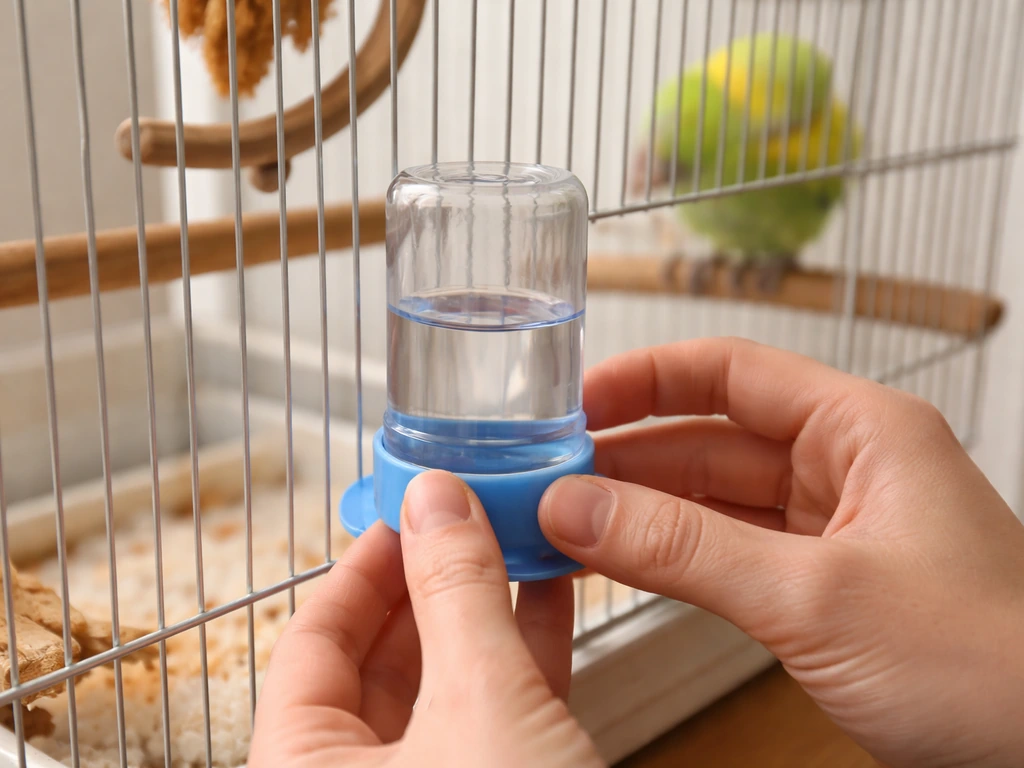
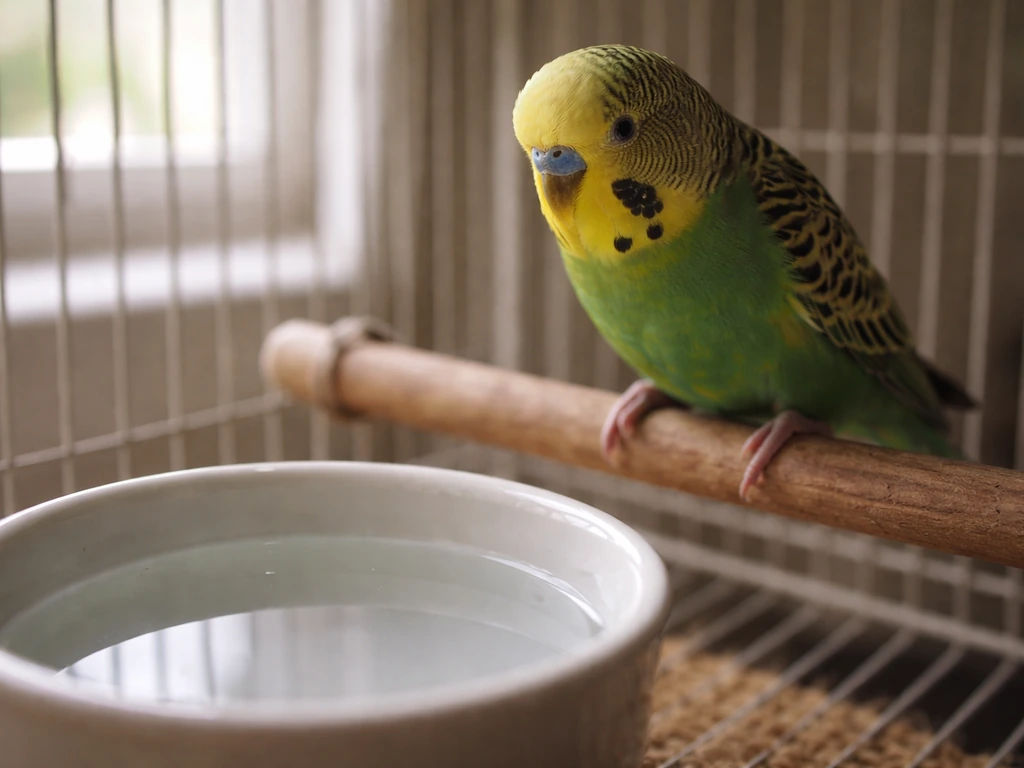
Before you worry, take a step back and actually confirm the problem. Birds drink quickly and often at predictable times, so it's easy to miss it entirely. The best way to check is to mark the water level in the bowl or bottle with a piece of tape or a marker line, then check it again two to four hours later. If the level hasn't moved at all and your bird has no other water or wet food sources, that's a real data point.
Also consider what your bird has been eating. A bird on a diet heavy in leafy greens, cucumber, watermelon, or other high-moisture foods may drink far less from a bowl than you'd expect, because it's already getting substantial water from food. This is completely normal. Conversely, a bird on a dry seed-only diet with no fresh food should be drinking visibly and regularly.
Look at the droppings too. These same hydration and droppings clues can help explain why your bird is not pooping. Bird droppings have three parts: the feces (the solid darker part), the white urates, and the liquid urine portion. The avianwelfare.org guidance on symptoms of illness explains that normal droppings consist of feces, urates, and urine, and that increased drinking or high-water foods can increase the urine component blank" rel="noopener noreferrer">Bird droppings have three parts: feces, urates, and urine. When a bird is drinking well, there's usually a small wet ring of liquid urine around the droppings. If the droppings look unusually dry, compact, or the urate portion looks dark yellow or rust-colored instead of white, that can signal reduced fluid intake. Keep in mind that certain vitamins, especially B-complex supplements, can turn urine yellow even in a well-hydrated bird, so look at the full picture, not just color alone. Avian & Exotic Animal Clin Path Labs notes that urine color and appearance can be affected by water-soluble vitamin products and by mixing of feces and urates, which can affect how you interpret dehydration from color alone urine color and appearance can be affected by water-soluble vitamin products and mixing of feces and urates.
Common non-medical reasons your bird isn't drinking
Most of the time, a bird that seems to have gone off water has a very fixable, non-medical reason behind it. Here are the most common ones.
The water setup itself
Birds can be surprisingly particular about their water. A bowl that's been moved to a new spot, a new type of container, or water that looks murky can all put a bird off drinking. If you recently switched from a bowl to a bottle (or vice versa), your bird may not have figured out how to use it yet. Some birds also refuse stagnant water that's been sitting for more than a day, especially if food debris has fallen in. Fresh water, changed at least once daily, in a familiar container and location, covers most of these issues.
Diet changes
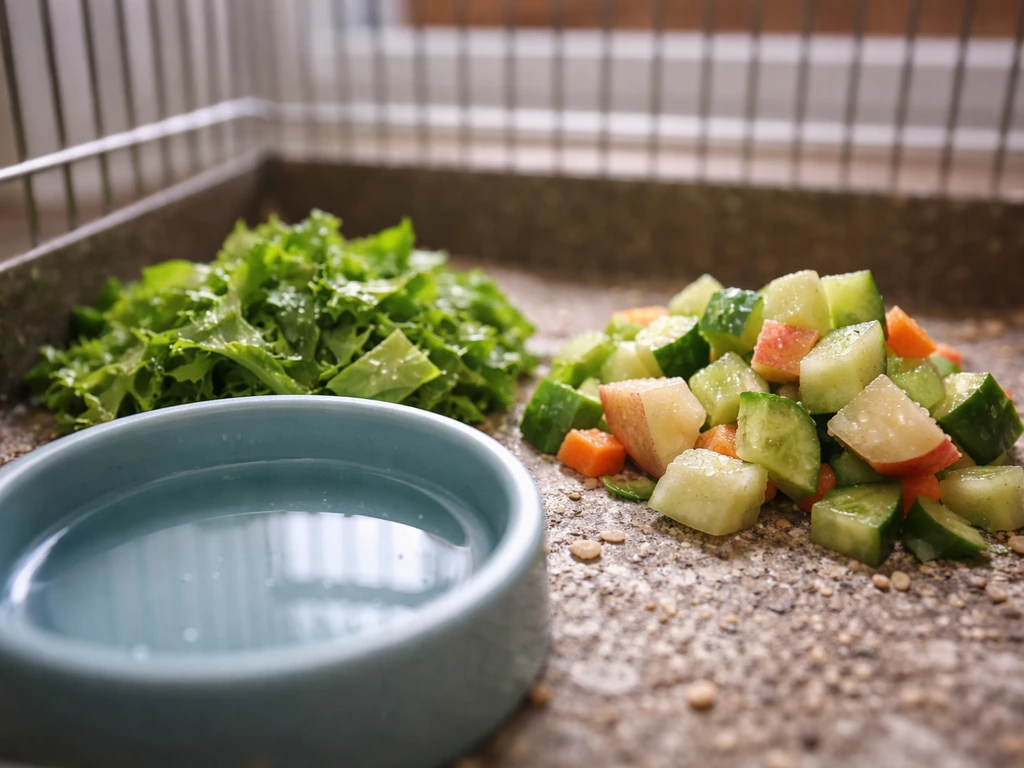
As mentioned above, birds getting a lot of moisture through fruits and vegetables simply need less water from a bowl. If you recently added more fresh food to their diet, a drop in bowl drinking is expected and not a problem.
Temperature and environment
Cooler room temperatures can reduce how much a bird drinks, just as they do in many animals. In warmer conditions, birds typically drink more. If your home is cool and your bird is otherwise acting normally, lower water intake may just reflect the temperature. On the other hand, a very hot environment where a bird isn't drinking is more concerning since birds can dehydrate faster under heat stress.
Stress and change
A bird that's been recently moved, introduced to a new cage, or exposed to something stressful (a new pet in the home, loud noises, a change in routine) may temporarily go off eating and drinking. This usually resolves within a day or two once the bird settles. Watch for normal behavior returning and keep the environment as calm and familiar as possible.
Misting and bathing
Some birds, particularly parrots and cockatiels, absorb or ingest water during misting or bathing sessions. If your bird has access to a bath or gets regularly misted, factor that into your assessment. It doesn't entirely replace drinking, but it contributes to overall fluid balance.
Health warning signs that can stop a bird from drinking
When the water level doesn't move and there's no obvious environmental explanation, illness needs to be on your radar. Birds are notorious for hiding signs of sickness, often until they're quite unwell, so don't wait for obvious symptoms before paying attention.
- Mouth or throat pain: Infections like candidiasis or trichomoniasis can cause painful sores, plaques, or lesions in the mouth and throat, making swallowing water uncomfortable or impossible. Look for white patches inside the beak, drooling, or the bird repeatedly trying to drink but pulling back.
- Crop problems: Crop stasis (sometimes called sour crop) is when the crop stops emptying properly, usually within about 6 hours after eating. A distended, squishy crop with a sour smell, combined with regurgitation and not drinking, is a red flag that needs same-day vet attention.
- Respiratory illness: A bird with a respiratory infection may find it physically difficult to drink because it needs to keep its beak open to breathe. If your bird is doing open-mouth breathing, you've already moved past the hydration question into emergency territory.
- Systemic illness or fever: Any illness that makes a bird feel genuinely sick, from bacterial or viral infections to organ problems, can suppress normal drinking behavior. A sick bird often just stops doing normal things.
- Pain from injury: A bird that has injured its beak, neck, or head may find drinking physically painful even if it wants to drink.
- Medication side effects: Some medications can affect thirst, appetite, or gut motility. If your bird recently started a new medication and stopped drinking, mention it to your vet.
It's worth noting that changes in drinking can sometimes go in the opposite direction too. If your bird is suddenly drinking much more than usual, that can also signal a health issue. If your bird is suddenly drinking much more than usual, that can also be a sign of a health issue and is worth checking with an avian vet. If your bird is peeing so much, that increased urination can go along with sudden changes in drinking and is worth veterinary advice drinking much more than usual. And changes in urination patterns sometimes show up alongside drinking changes, which is worth keeping an eye on.
Quick home checks to assess hydration and overall wellbeing
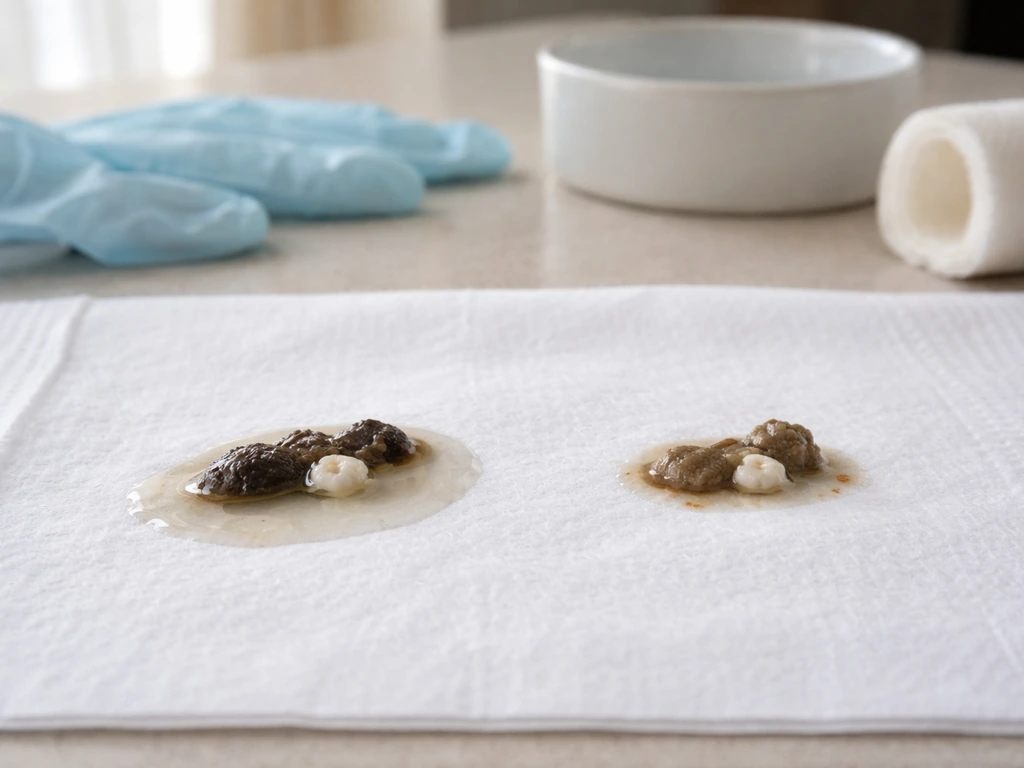
You can do a basic assessment at home before deciding on next steps. None of these replace a vet exam, but they give you useful information.
- Check the droppings: Look for the normal three-part structure (feces, white urates, liquid urine ring). Very dry droppings with dark or discolored urates, or a dramatic drop in the number of droppings, are signs of concern. Fewer droppings can also signal that your bird isn't eating or drinking, both of which can be serious.
- Look at the skin around the eye: In a dehydrated bird, the skin around the eye may look sunken or the eye itself may appear dull rather than bright and alert. Sunken-looking eyes are a meaningful warning sign.
- Try a gentle skin-tent test: Gently and briefly pinch a small fold of skin on the bird's abdomen. In a well-hydrated bird, the skin snaps back immediately. In a dehydrated bird, it returns slowly or stays tented. This is best done carefully if your bird tolerates handling, and ideally shown to you by a vet first so you know what normal feels like.
- Check the mucous membranes: If you can safely look in the beak, the tissues should be moist and pink. Tacky, dry, or pale tissues inside the beak suggest dehydration.
- Observe posture and activity: A bird that is sitting fluffed up, is unusually still, is on the bottom of the cage, or has its eyes partially closed is showing classic signs of being unwell. Healthy birds are alert, active, and curious during their awake hours.
- Watch the breathing: Breathing should be silent and invisible at rest. Any open-mouth breathing, tail bobbing with each breath, wheezing, or clicking sounds at rest is a genuine emergency, not something to monitor at home.
- Check the crop: Gently feel the crop area at the base of the neck. It should feel empty in the morning before eating. A crop that is still full, squishy, or smells sour hours after the last meal is a problem.
Safe things to try right now
If your bird is alert, active, breathing normally, and you think this is more likely a preference or environmental issue, here are practical things you can do today.
Adjust the water setup
Offer fresh, clean water in a familiar container in the usual spot. If the bowl or bottle was recently changed, go back to what the bird knows. Some birds strongly prefer shallow, wide bowls over deep cups, or vice versa. Try placing a second water source in a different location in or near the cage, sometimes birds are simply more comfortable drinking in one spot than another. Change the water at least once daily, ideally twice, to keep it fresh.
Offer wet foods
If your bird won't drink, offering foods with high water content is a safe and helpful way to support fluid intake while you figure out what's going on. Cucumber slices, leafy greens like romaine or kale, watermelon (seed-free), or lightly steamed vegetables all have high moisture content and are safe for most pet birds. Don't force feed or syringe water without veterinary guidance, as doing it incorrectly can cause aspiration.
Check and adjust temperature and humidity
Make sure your bird isn't in a draft, near an air conditioning vent, or in an unusually cold part of the house. Most pet birds do well between about 65 and 85 degrees Fahrenheit. If the room is dry, a light misting (if your bird tolerates it) can help with hydration and comfort.
Reduce stress factors
If there's been a recent change in the household, keep the area around the cage calm and predictable. Cover the cage partially if the bird seems anxious. Spend calm, quiet time near the bird without pushing for interaction. Stress-related food and water avoidance usually improves within 24 to 48 hours once the stressor is reduced.
When to worry and call an avian vet urgently
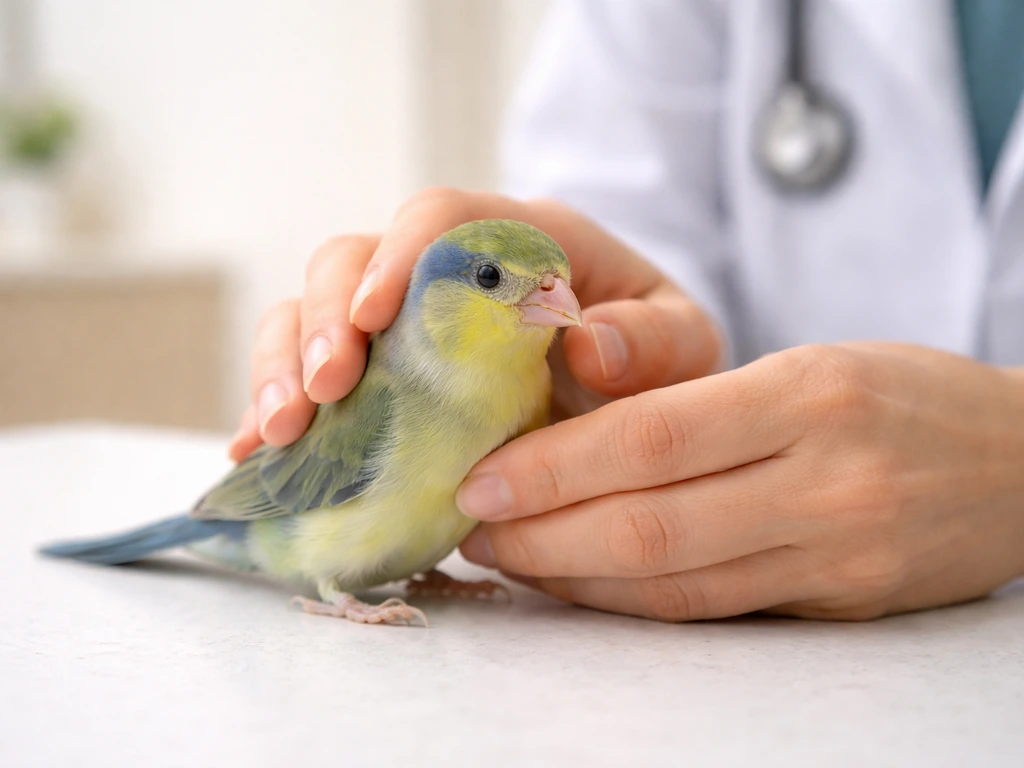
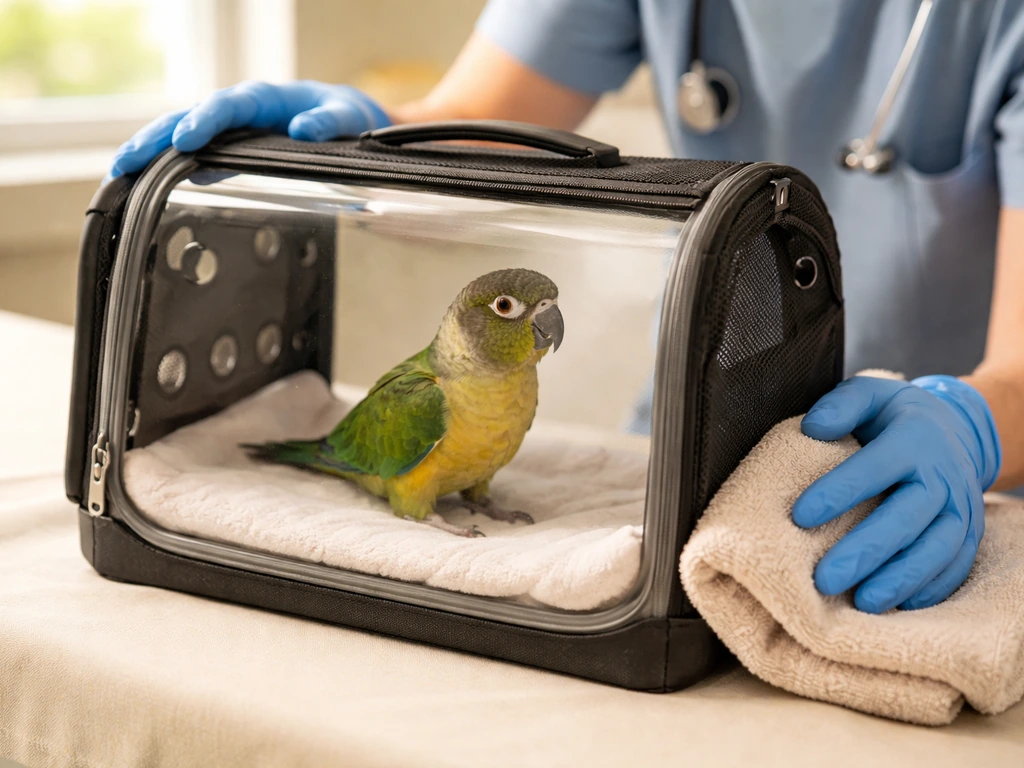
This is the most important part of this guide. Birds hide illness well, and they can decline quickly. If your bird is having seizures, that is a serious neurologic sign and you should contact an avian vet urgently right away. If you see any of the following, don't try to manage it at home and don't wait until tomorrow.
| Sign | Urgency level |
|---|---|
| Open-mouth breathing or tail bobbing at rest | Emergency, call now |
| Wheezing, clicking, or labored breathing sounds | Emergency, call now |
| Collapse, inability to perch, or found on cage floor | Emergency, call now |
| Pale, blue, or very dark mucous membranes inside beak | Emergency, call now |
| Seizures or tremors | Emergency, call now |
| Sunken eyes, very dry or tacky tissues inside beak | Same-day vet visit |
| Crop still full or squishy more than 6 hours after eating, sour smell | Same-day vet visit |
| White plaques or lesions inside the mouth, drooling, trouble swallowing | Same-day vet visit |
| Fluffed up, inactive, and not drinking for more than 24 hours | Same-day vet visit |
| Sharp drop in droppings combined with not drinking | Same-day vet visit |
| Repeated regurgitation or vomiting | Same-day vet visit |
| Not drinking for more than 24 hours with no obvious explanation | Call your avian vet today |
The general rule from avian medicine is that 'not eating or not drinking' already qualifies as an emergency category that warrants prompt assessment. A bird that genuinely hasn't had water in over 24 hours, especially combined with any other symptom, cannot afford a wait-and-see approach. Birds dehydrate and deteriorate faster than most people expect, and by the time the signs are dramatic, a bird may already need hospitalization with IV or subcutaneous fluid support.
If you're not sure whether it qualifies as an emergency, call your avian vet and describe what you're seeing. Most avian vets are used to fielding these calls and can help you triage over the phone. The key phrase from avian medicine is that birds conceal illness, so by the time you notice something is wrong, act on it promptly.
Monitoring going forward and preventing it from happening again
Once you've ruled out or addressed the immediate issue, set up a simple routine that makes it easy to catch problems early. Mark your bird's water level at the same time each morning and check it in the afternoon. This takes about 10 seconds and gives you a daily data point that can be a real early warning system.
Get in the habit of looking at your bird's droppings every day. You don't need to be a vet to notice that something looks different from the usual pattern. Changes in the urine portion (larger, smaller, or discolored), changes in the urate color (anything other than white), or a dramatic decrease in the number of droppings are all worth noting. If anything looks off for more than 24 hours, contact your vet.
Keep the water setup consistent. Use the same type of bowl or bottle, in the same location, changed daily. If you want to switch container types, introduce the new one alongside the familiar one for at least a week before removing the old one, so your bird has time to adapt.
A varied diet that includes some fresh, high-moisture foods several times a week not only supports your bird's overall nutrition but also provides a baseline of dietary fluid intake that acts as a buffer on days when bowl drinking is lower. Think of it as hydration insurance.
Finally, schedule annual wellness checks with an avian vet even when your bird seems healthy. Birds that see a vet regularly have a baseline on file, which makes it much easier to catch early changes in weight, organ function, or overall condition, before those changes turn into a crisis.
FAQ
How can I tell if my bird is drinking but I just missed it?
Do a quick timed check when you know drinking is likely, then compare water volume using a marker line or tape as described. If the level stays the same over 2 to 4 hours, and there is no other water source (no wet food, no bathing with heavy wetting), it likely is not drinking.
Is it normal for my bird to drink less if it eats lots of fruits and vegetables?
Yes, reduced bowl drinking can be normal when moisture-rich foods are a regular part of the diet. A useful caution is to still monitor droppings and energy level, because a true hydration problem will show changes in urine ring/urate appearance or overall activity, not just less bowl water.
What counts as “more than 24 hours” for an emergency, if my bird sometimes drinks overnight?
Base the timing on your best observation, but use the water-level method and your bird’s usual drinking pattern. If the water line does not move for a full day and you have no plausible explanation (hot day, lots of wet foods, regular bath misting), treat it as urgent and call an avian vet promptly.
Does switching from a bowl to a bottle always cause a drinking problem?
It can, but it is not guaranteed. Some birds take days to learn bottle drinking, others refuse unfamiliar bottle types or get frustrated with the drip rate. If you switch, introduce the new option while keeping the old one available for about a week, then remove the old only after the bird is using the new source reliably.
Could the water temperature or room drafts make my bird avoid drinking?
Yes. Birds may refuse water that is very cold, or they may drink less if they are in drafts or near HVAC vents. Keep the water fresh and placed away from direct airflow, and maintain the room in the typical comfortable range (roughly 65 to 85°F).
My bird’s urine looks yellowish. Does that automatically mean dehydration?
Not necessarily. B-complex vitamins can turn urine yellow even when hydration is adequate. Instead of color alone, look for the overall hydration picture: whether the water level is dropping, whether droppings look dry or compact, and whether there is a usual amount of liquid urine around the solids.
What are safe high-water foods to offer if my bird is not drinking?
Generally safe options include cucumber slices, romaine or kale, seed-free watermelon, and lightly steamed vegetables. Avoid forcing or syringing water, and avoid feeding anything that is unsafe for your specific species. If appetite drops along with drinking, focus on avian vet advice rather than extending only home feeding.
Should I add electrolytes or water additives to get my bird to drink?
Usually not without a vet’s guidance. Many additives can be the wrong concentration for birds or interfere with diagnosing the cause. If drinking is reduced and you are unsure why, prioritize water source changes, moisture-rich foods, and an avian vet call when appropriate.
How often should I change the water to prevent refusal?
At least once daily, ideally twice, especially if your bird leaves food debris or if the container is exposed to humidity, dust, or droppings. Keep the container type and location consistent to reduce novelty-based refusal.
If my bird drinks much more than usual, is that always dehydration?
Not always. Sudden increased drinking can indicate health problems, and it can come with increased urination. If intake jumps noticeably, do not wait, and contact an avian vet so they can evaluate causes such as metabolic or kidney-related issues.
When should I call an avian vet even if my bird seems otherwise okay?
Call if the water level does not change after a full day without a clear dietary or environmental reason, or if droppings patterns shift for more than 24 hours. Also call urgently if you see serious signs like seizures, labored breathing, marked lethargy, or rapid decline.
Is misting or bathing enough to replace drinking?
It contributes to overall hydration for many birds, but it does not fully replace drinking for most pet birds. If water levels are not dropping and droppings look dry or urates are abnormal, assume bathing alone is not correcting the problem and escalate to a vet discussion.