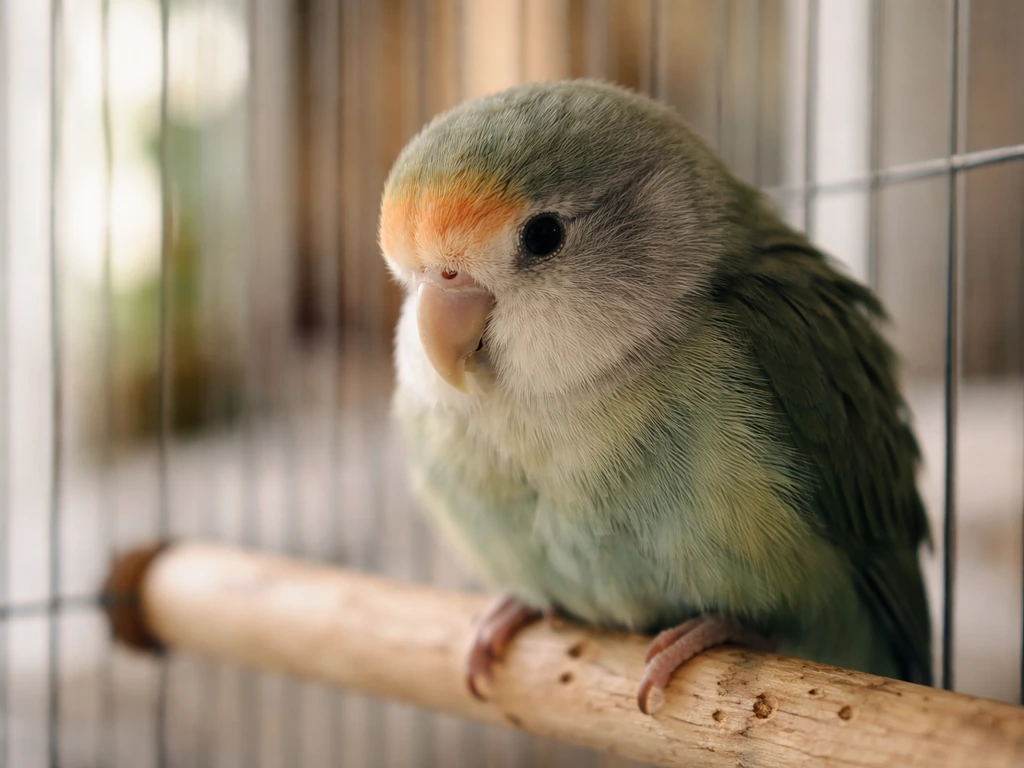
If your bird hasn't pooped in a few hours and seems otherwise normal, it might simply be eating less, a little stressed, or you may have missed the droppings on a busy cage liner. But if it's been 12 hours or more with no droppings at all, your bird is straining, fluffed up, or sitting on the cage floor, that's a situation that needs attention today, not tomorrow.
Why Is My Bird Not Pooping? Causes and What to Do Now

Marcus Chen
20 May 2026
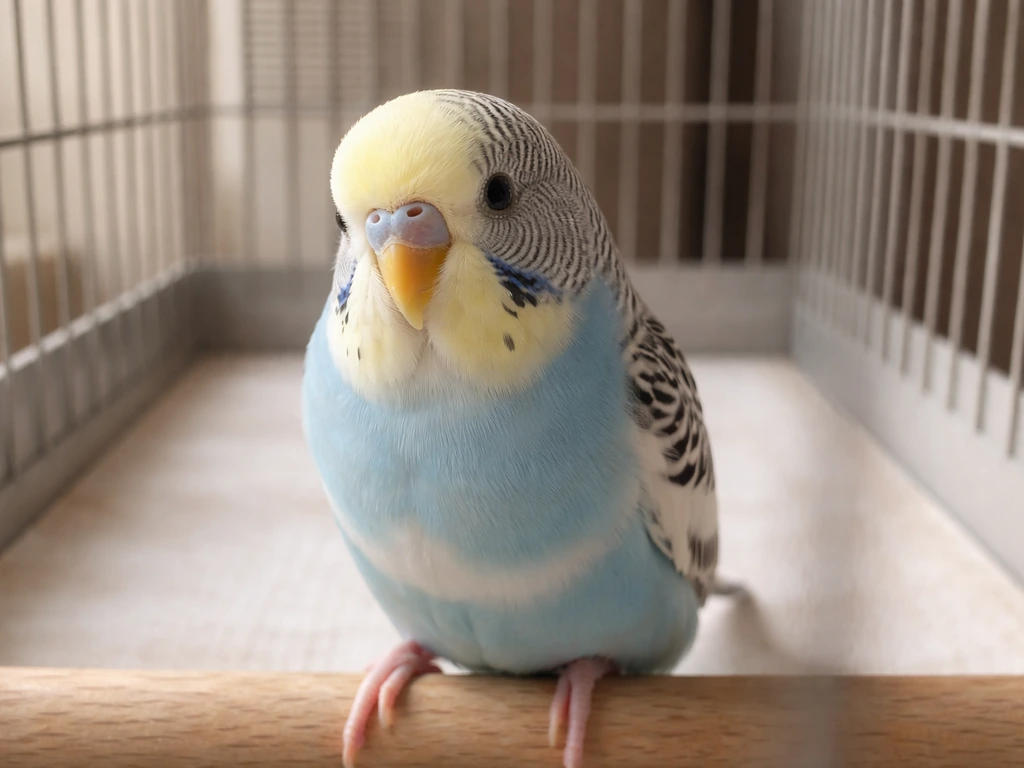
What 'not pooping' really means for birds
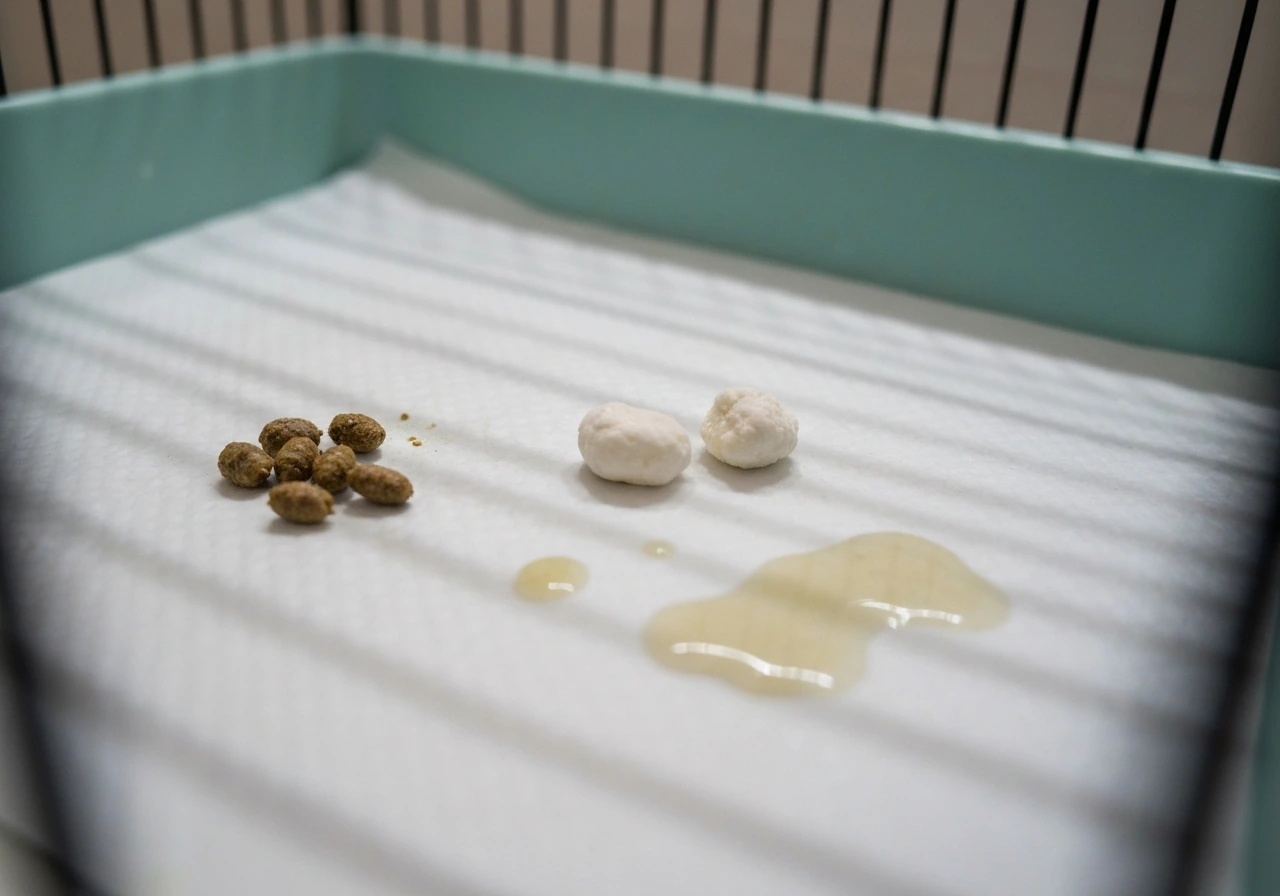
Bird droppings are actually made up of three separate parts: the feces (the green or brown solid portion), the urates (the white or cream chalky blob, made from uric acid crystals), and clear liquid urine. When you look at a normal dropping on the cage liner, all three are usually there together in one little package. The problem is that owners often mean very different things when they say their bird isn't pooping.
Sometimes there are small wet spots on the liner where the urine and urates landed but the fecal portion is missing or tiny. Sometimes the droppings are there but buried under seeds or substrate. And sometimes there really is nothing coming out at all, which is a different and more serious situation. Before you panic, get down and look carefully at the cage paper or liner. Are there any wet spots, white chalky marks, or tiny smears? If you can see any of these, some elimination is still happening. If the liner is completely dry and clean for hours, that's when to take things more seriously.
It also helps to know that frequency varies a lot by species, size, and what the bird ate. Small birds like budgies and finches drop many times per hour. Larger birds like African greys or macaws may go every 20 to 30 minutes but produce more each time. A bird that ate very little overnight will naturally produce fewer droppings in the morning.
Normal variation vs concerning changes
Not every dip in poop frequency is a problem. The color, consistency, and amount of droppings all shift based on diet, water intake, stress levels, and even how excited or calm the bird is at a given moment. A bird that ate a lot of fruit will produce wetter, looser droppings. A bird on a dry seed diet may produce firmer, drier ones. After a long sleep or a quiet morning, it's normal to see fewer droppings than after a busy, active, food-filled afternoon.
What you're looking for is a meaningful change from your bird's personal normal. If your bird usually leaves a dozen droppings before breakfast and today there are two, that's worth paying attention to. If the urate portion has turned yellow, or if the fecal portion has completely disappeared while only liquid remains, those changes matter. A missing component in the dropping is a warning sign in the same way that a missing component in the diet is.
| What you see | Likely meaning | What to do |
|---|---|---|
| Fewer droppings, bird acting normal | Ate or drank less than usual, minor stress | Monitor for 6–12 hours, encourage food and water |
| Only wet spots, no solid fecal portion | Possible dehydration, not eating enough, or diet change | Check food intake and hydration, watch closely |
| Yellow or lime-green urates | Possible anorexia, liver involvement | Contact an avian vet if persisting more than 24 hours |
| No droppings at all for 12+ hours | Serious, could be impaction, illness, or egg binding | Seek avian vet care today |
| Black or bloody droppings | Possible intestinal bleeding or serious infection | Emergency vet visit |
Common causes of reduced droppings
Most of the time, a short-term drop in poop production comes down to one of a few husbandry-related reasons. These are worth ruling out before jumping to worst-case thinking.
Diet changes
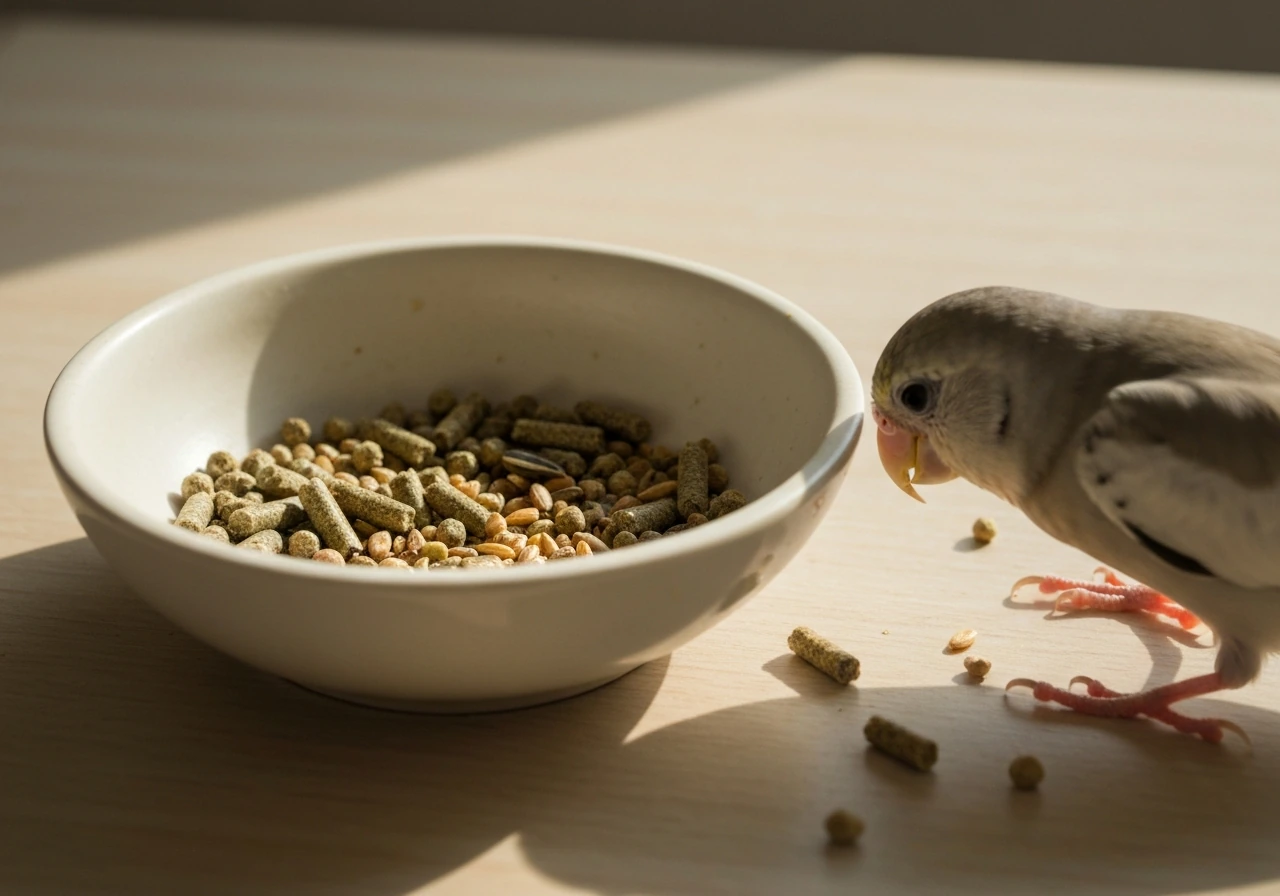
If you recently switched your bird's food, reduced portions, or introduced a new food that the bird is refusing to eat, less food in means less feces out. A bird that has been eating mostly dry seeds and very little fresh food may produce smaller, drier droppings with less urine than usual. The fecal portion shrinks when there simply isn't much to process.
Dehydration
Water intake directly affects the urine and urate portions of droppings. A dehydrated bird produces less urine, and the urates may appear drier, more concentrated, or even absent in the dropping. If you notice the clear liquid portion of the dropping has disappeared and the urates look chalky and thick, dehydration is a real possibility. This connects closely to situations where a bird isn't drinking enough, which has its own set of causes worth investigating separately.
If you suspect your bird is drinking excessively, it can be a clue to hydration, stress, or an underlying health issue isn't drinking enough. If you suspect your bird is not drinking enough, focus on identifying the cause and consider contacting an avian vet for guidance your bird isn't drinking enough.
Stress and environmental changes
Travel, a new cage location, loud noises, a new pet in the home, or even rearranging furniture near the cage can suppress a bird's appetite and GI motility temporarily. A stressed bird may eat and drink less, which directly reduces dropping output. This is usually short-lived, resolving within a day or two once the bird settles.
Low fiber or poor diet balance
A diet that is very heavy in dry seeds and lacking in fresh vegetables, fruits, or pellets may not provide enough moisture or fiber to keep the gut moving efficiently. This can slow transit time and reduce the frequency and volume of droppings over time.
Serious health possibilities to rule out
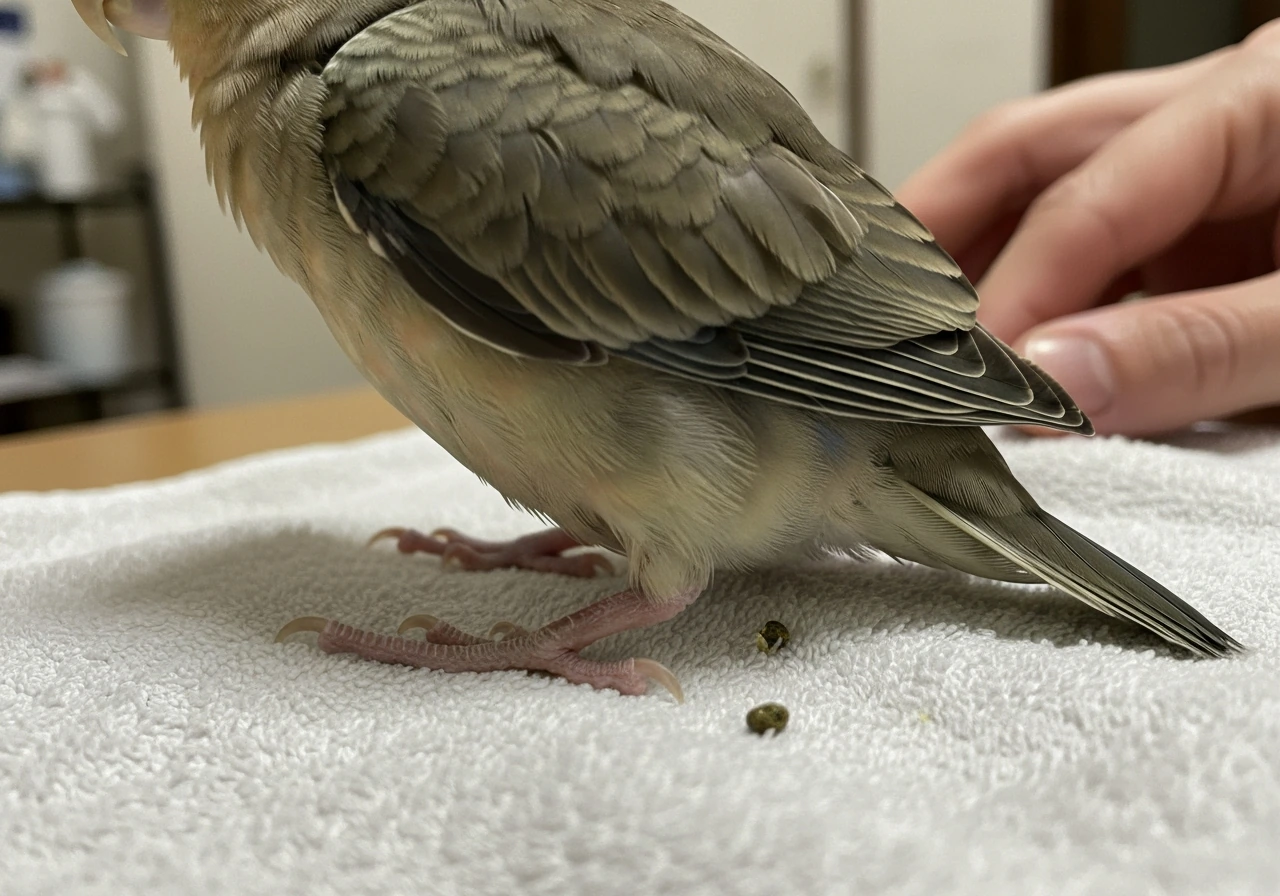
When the benign explanations don't add up, or when the bird is showing other signs alongside the missing droppings, you need to consider these more serious causes.
Constipation and impaction
True constipation in birds means feces are being retained and are not passing normally. The bird may strain visibly, the vent area may look swollen or dirty, and only tiny amounts of liquid or mucus may pass. In more serious cases, nothing comes out at all. Impaction, where a blockage prevents passage entirely, can come from ingested foreign material, accumulated seed husks, or compacted dry matter. This is a medical emergency. Vets confirm it through physical examination or radiographs. Do not attempt to treat this at home with laxatives or oil.
GI infection or systemic illness
Bacterial, fungal, or viral infections can disrupt gut motility and reduce appetite enough that almost nothing is passing through. A sick bird often shows other signs alongside reduced droppings: ruffled feathers, lethargy, sitting low in the cage, reduced vocalization, or changes in droppings color when something does pass. Yellow or lime-green urates can signal liver involvement or prolonged anorexia.
Egg binding in female birds
This is one of the most common reasons a female bird suddenly appears to stop pooping while also straining, sitting puffed on the cage floor, or tail bobbing. An egg that is stuck in the reproductive tract physically compresses the lower GI tract and cloaca, making it difficult or impossible for the bird to pass droppings. Other signs include a visibly swollen or distended abdomen, weakness, and sometimes open-mouth breathing. This is a genuine emergency that can become fatal within hours if untreated. If your bird is female and you see any of these signs together, get to an avian vet immediately.
Pain or injury
A bird in pain, from injury, internal inflammation, or a tumor, may stop eating, become very still, and produce almost no droppings as a result. This is easy to miss because the bird may not show obvious outward signs of pain other than a hunched, quiet posture.
Quick triage: red flags and how long to wait
Use this to decide how fast you need to act. Birds have a high metabolic rate and can deteriorate quickly, so erring on the side of caution is always the right call.
- No droppings of any kind for 12 or more hours: contact an avian vet today
- Visible straining at the vent with nothing passing: urgent vet visit, do not wait
- Swollen or distended abdomen: emergency, could be egg binding or GI obstruction
- Bird sitting on the cage floor, especially a female: treat as urgent
- Fluffed feathers combined with lethargy and no droppings: vet today
- Open-mouth breathing or tail bobbing alongside any elimination problem: emergency
- Any concerning change in droppings persisting more than 24 hours: vet evaluation needed
- Black or bloody droppings: emergency visit, do not delay
- Yellow or bright green urates in a bird that is also not eating: contact your vet
If your bird has reduced but not absent droppings, is eating and drinking, and seems alert and active, you have a window to monitor carefully for 6 to 12 hours while making the supportive adjustments below. But if anything on that red flag list applies, skip the home steps and call your vet.
What to do today at home
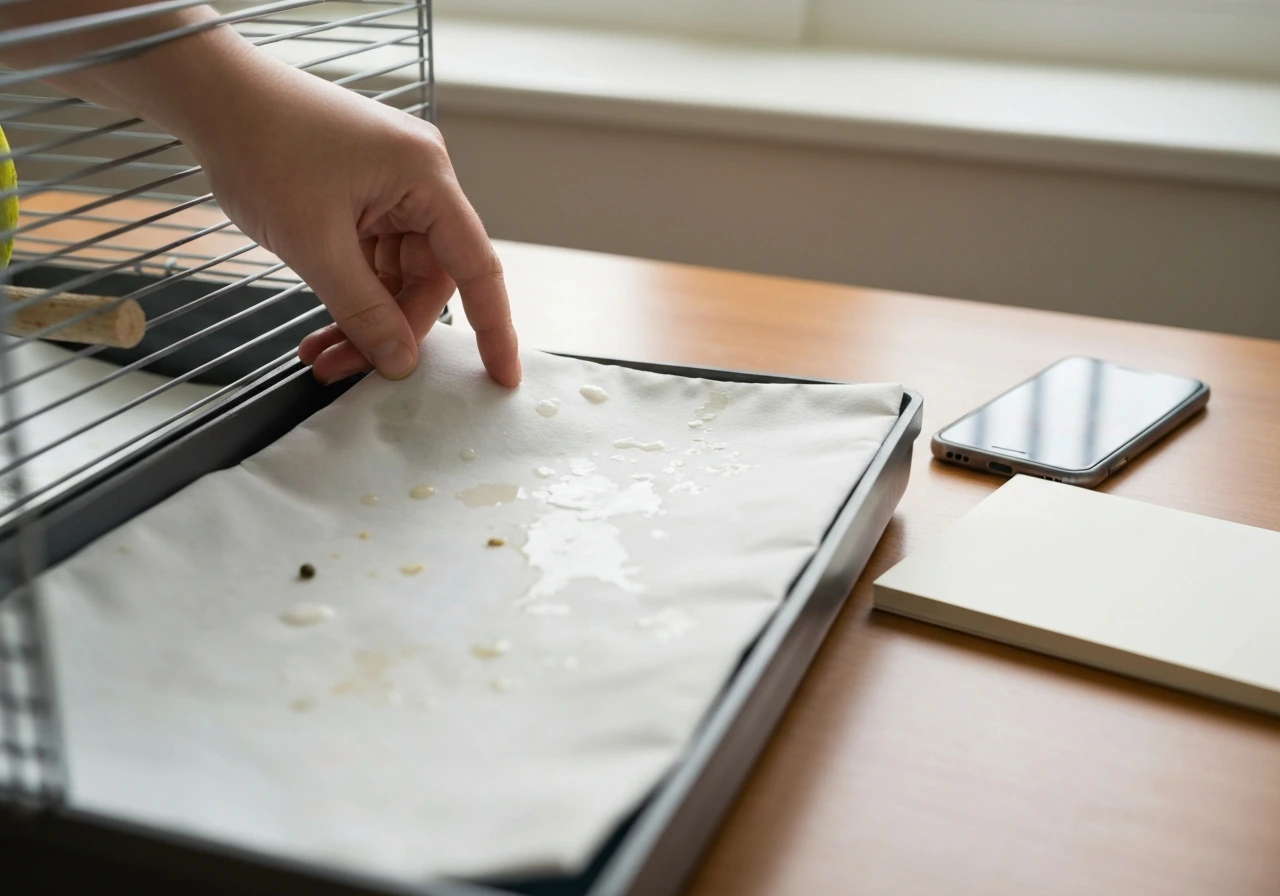
These steps are for birds that are alert, not straining, and whose droppings have reduced but not completely stopped. If your bird is in distress, go straight to the vet.
- Check the cage liner carefully. Look for wet spots, white urate marks, or tiny smears that might mean some elimination is still happening even if you haven't noticed full droppings.
- Review the last 24 hours of food and water. Did your bird eat less than usual? Refuse a new food? Has the water dish been full and untouched? Low intake directly reduces output.
- Offer fresh water if you haven't already. Make sure the water source is clean and accessible. Sometimes birds stop drinking from a dish that has become contaminated or is placed somewhere they don't feel comfortable reaching.
- Offer a small amount of moisture-rich fresh food. Leafy greens, cucumber, or a small piece of fruit can add hydration and some fiber. Only offer foods that are safe for your specific species.
- Check the vent area gently. Look for any matted feathers, swelling, or dried fecal material blocking the vent. A blocked vent (called pasty butt or vent pasting) can physically prevent elimination. If you see this, gently clean the area with a warm damp cloth, but be very careful and gentle.
- Keep the bird warm and calm. A bird that is mildly unwell does better in a quiet, warm environment. Reduce handling and noise while you monitor.
- Take a photo of the cage liner or any droppings you do find. Your vet will want to see what's there (or not there) when you call.
- Do not give laxatives, mineral oil, olive oil, or any human remedies. These are not safe for birds and can cause serious harm. Avoid advice suggesting otherwise.
Think about any other changes alongside the elimination issue. Is your bird drinking more or less than usual? Are there changes in how often your bird urinates compared to how much solid feces it produces? If your bird is peeing much more than usual, that can be part of the same elimination and hydration issues to assess alongside poop changes how often your bird urinates. Noticing these patterns helps your vet narrow down what's going on much faster.
When to see an avian vet and what to tell them
Any bird with no droppings at all for 12 or more hours needs to be seen by an avian vet. Any bird with red flag signs, especially straining, distension, lethargy, or breathing changes, needs emergency care regardless of the time frame. Seizures in birds can point to serious neurological or metabolic problems, so it is best to seek urgent veterinary help emergency care. Birds' metabolisms move fast, and what looks like a mild problem can become critical within a day.
When you call or visit, be ready to tell them:
- When you last saw a normal dropping and what it looked like
- Exactly what your bird has eaten and drunk in the last 24 to 48 hours
- Any recent changes: new food, new cage location, new household pet, travel, or stress event
- Whether your bird is female and whether it has laid eggs recently or is showing broody behavior
- A description or photo of the droppings you have seen (color, consistency, which components are present or missing)
- Other symptoms: posture, activity level, vocalization, breathing, and any straining behavior
- Any medications or supplements the bird has received recently
An avian vet may want to do a physical exam, palpate the abdomen, take a radiograph, or run bloodwork depending on what they find. These tools help distinguish between a GI blockage, egg binding, infection, and other causes that can all look similar from the outside.
How to prevent future constipation and elimination problems
Most birds that experience constipation or reduced droppings benefit from the same basic husbandry improvements. These steps also make it much easier to catch problems early.
- Feed a balanced diet that includes pellets, fresh vegetables, and appropriate fruits rather than relying entirely on dry seeds. Variety in the diet means more fiber and moisture, which keeps the gut moving.
- Make sure clean, fresh water is always available and changed at least once daily. Dehydration is a surprisingly common contributor to GI slowdowns in pet birds.
- Use plain white or light-colored cage liners so you can see droppings clearly every day. This makes it easy to notice changes in color, consistency, or frequency before they become serious.
- Check the liner daily as part of your routine. You will quickly learn what your bird's normal droppings look like, which means you will notice when something shifts.
- Minimize sudden environmental changes where possible. If you need to move the cage, introduce changes gradually and watch for signs of stress affecting appetite.
- For female birds, be aware of the risk of egg binding, especially during breeding season or if your bird is showing nesting behavior. Adequate calcium through appropriate diet and supplements can help reduce this risk, but talk to your avian vet about what's appropriate for your species.
- Schedule annual wellness checks with an avian vet even when your bird seems healthy. Early detection of GI, liver, or kidney issues can prevent the kind of systemic illness that shows up first as abnormal droppings.
- Avoid offering unsafe foods that can cause GI irritation or blockage: avocado, chocolate, onion, garlic, and any food with added salt or sugar.
The single most powerful prevention tool is knowing your bird's normal. When you check that liner every day and know exactly what to expect, you will catch changes in droppings before they become emergencies. Elimination problems rarely appear out of nowhere. They usually follow changes in eating, drinking, behavior, or environment that you can learn to spot early with a little daily attention.
FAQ
If my bird isn’t pooping but the cage liner is still wet, should I still worry?
Yes. Wet spots can be urine and urates without normal feces. If you see clear liquid or white chalky marks but little or no dark green or brown fecal portion, treat it as reduced elimination rather than “normal.” If there is straining, puffed posture, or the bird is low on energy, contact an avian vet promptly.
How can I tell the difference between “they’re not pooping” and “I missed it”?
Use a methodical check, not a glance. Examine the same area of the liner closely in multiple spots, look for tiny smears under seeds, and confirm whether any urate portion is present. Also empty and replace the liner if it’s heavily covered, then monitor on fresh paper for 2 to 3 hours to see if any components appear.
My bird poops less after I change food, is that always constipation?
Not always. A short-term reduction can happen when the bird eats less, or when a new diet changes moisture and fiber. Watch for other signs like straining, vent swelling, or only mucus or liquid. If stool components keep disappearing, urates become abnormal in color, or appetite drops, get avian guidance rather than waiting.
What should I do right now if I suspect dehydration is affecting droppings?
First, verify access to clean water and check that the water delivery system is working properly (bottle flow or cup cleanliness). Offer a palatable moisture source like properly prepared fresh vegetables if your bird normally eats them, then reassess droppings and urate texture over the next few hours. If your bird is weak, breathing oddly, or not improving, dehydration can be secondary to illness, so call an avian vet.
Can stress alone cause a bird to stop pooping for most of the day?
It can reduce appetite and temporarily slow gut motility, but complete absence for 12 hours or more is not something to “wait out,” even if the bird seems calm. Stress-related issues should still be accompanied by normal elimination some of the time. If droppings are truly absent, prioritize veterinary assessment.
Are softer or wetter droppings ever a sign I should worry, even if my bird is pooping?
Yes. A bird can pass urine/urates while the fecal portion changes dramatically, or the dropping composition can shift with illness. If you notice sudden persistent watery droppings, very frequent droppings with weakness, or yellow to lime-green urates, consider contacting an avian vet because infections or liver involvement can alter elimination patterns.
My female bird seems fine, but she suddenly straining, should I assume egg binding even if she hasn’t laid recently?
Yes, don’t rule it out. Egg binding can occur even if laying isn’t frequent. Straining plus puffed posture on the floor or tail bobbing, especially with reduced or absent droppings, should be treated as urgent regardless of the last laying date. Seek an avian emergency evaluation immediately.
What home remedies should I avoid if my bird has reduced droppings?
Avoid laxatives, oil, “human” constipation meds, and any over-the-counter products not specifically directed by an avian vet. These can worsen impaction or mask deterioration. The article’s supportive monitoring approach is appropriate only when the bird is alert and not straining.
How long should I monitor at home if droppings are reduced but not absent?
If your bird is alert, eating, drinking, and not straining, you can use a short monitoring window of about 6 to 12 hours while you correct likely husbandry factors. If droppings trend toward zero, the bird becomes lethargic, distended, or shows breathing changes, skip further home monitoring and contact an avian vet right away.
Does bedding type, cage size, or liner brand change what I should interpret as “missing poop”?
Yes. Seed debris, paper texture, or substrate can hide tiny droppings and make it look like nothing is passing. For assessment, use clean, unobstructed liner or paper so you can detect urine, urates, and fecal components separately. This improves accuracy when you’re deciding whether to seek care.
If my bird has no droppings, will the vet always do a radiograph first?
Not always. The vet may start with a focused physical exam and abdominal palpation, then decide between radiographs, bloodwork, or other diagnostics based on age, species, sex, and whether there are signs of pain, distension, or reproductive issues. If straining or egg binding is suspected, imaging and exam findings often guide the fastest next steps.
Next Article
Why Is My Bird Making Whimpering Noises? What to Check
Find reasons for whimpering bird noises, quick home checks, and red flags for urgent vet care plus tracking tips.