
Most of the time, a bird that won't stop making noise is communicating something completely normal: boredom, a desire for contact, a reaction to something in the environment, or just the fact that it's 7am and birds are loud at dawn. That said, a sudden change in vocalization frequency or sound can occasionally be the first sign of a health problem, so it's worth a quick assessment before you assume it's purely behavioral.
Why Won’t My Bird Shut Up? Causes and What to Do

Marcus Chen
29 May 2026
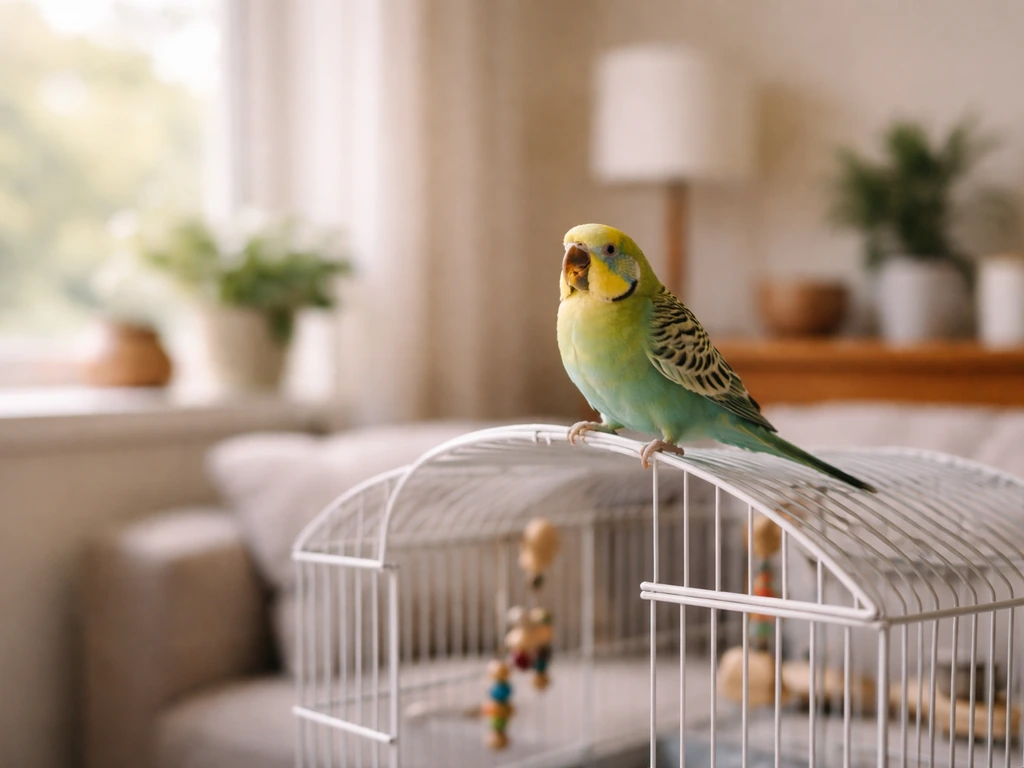
What 'too much noise' usually means (normal vs concerning)
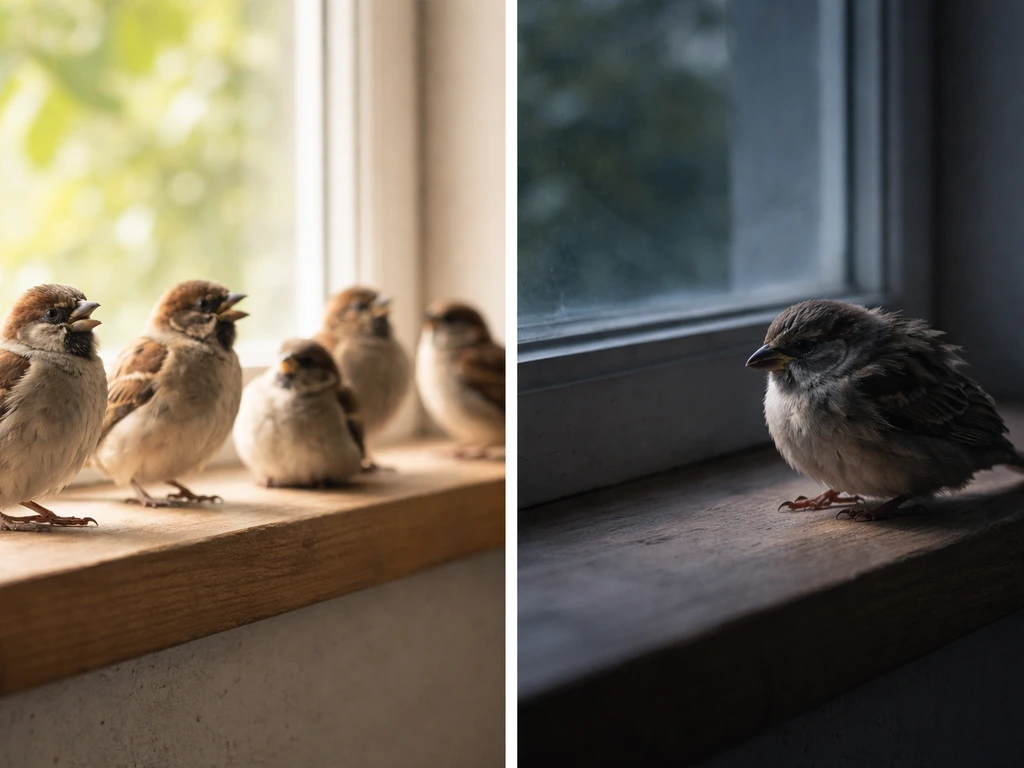
Birds are flock animals. In the wild, constant noise is how they stay connected with their group, signal safety, and coordinate movement. Your home is their flock, and you are their flock members. A bird calling from its cage when you leave the room is doing exactly what a wild bird would do: it's a contact call, basically asking "where are you?" This is normal, especially in cockatiels and parrots.
Morning and evening vocalizing is also completely typical. Most birds are naturally more vocal around sunrise and sunset, which is just their biology at work. If your bird is loud during those windows and quieter the rest of the day, that is probably not a problem at all.
What moves from normal into concerning is a change in pattern. If a bird that was reliably quiet suddenly becomes relentlessly loud, or if the sound itself is different (strained, raspy, repetitive distress calls rather than chatty vocalizing), that's worth investigating. A bird that is also fluffed up, lethargic, or not eating alongside the increased noise is showing a very different picture than one that is bright-eyed and active.
Quick home check: context, body language, and health red flags
Before you do anything else, spend two or three minutes just observing your bird. You are looking for the combination of excessive noise plus physical signs that would indicate illness rather than behavior.
Signs that mean you should call an avian vet today, not troubleshoot later:
- Open-mouth breathing at rest (not after exercise or heat, just sitting there with the beak open)
- Tail bobbing: the tail pumping rhythmically up and down with each breath
- Fluffed or ruffled feathers combined with lethargy or hunched posture
- Wheezing, clicking, or other unusual breathing sounds
- Discharge from nostrils or eyes
- Not eating or droppings that look significantly different than usual
- Wing flapping against the cage bars in a panicked, repetitive way
If none of those are present and your bird looks physically fine (alert eyes, normal posture, eating normally), you are almost certainly dealing with a behavioral or environmental issue. That's the easier problem to fix. If you are seeing persistent chirping or calling, the next step is to figure out whether the pattern fits behavioral triggers or something medical why won t my bird stop chirping.
Common behavioral reasons birds won't stop calling
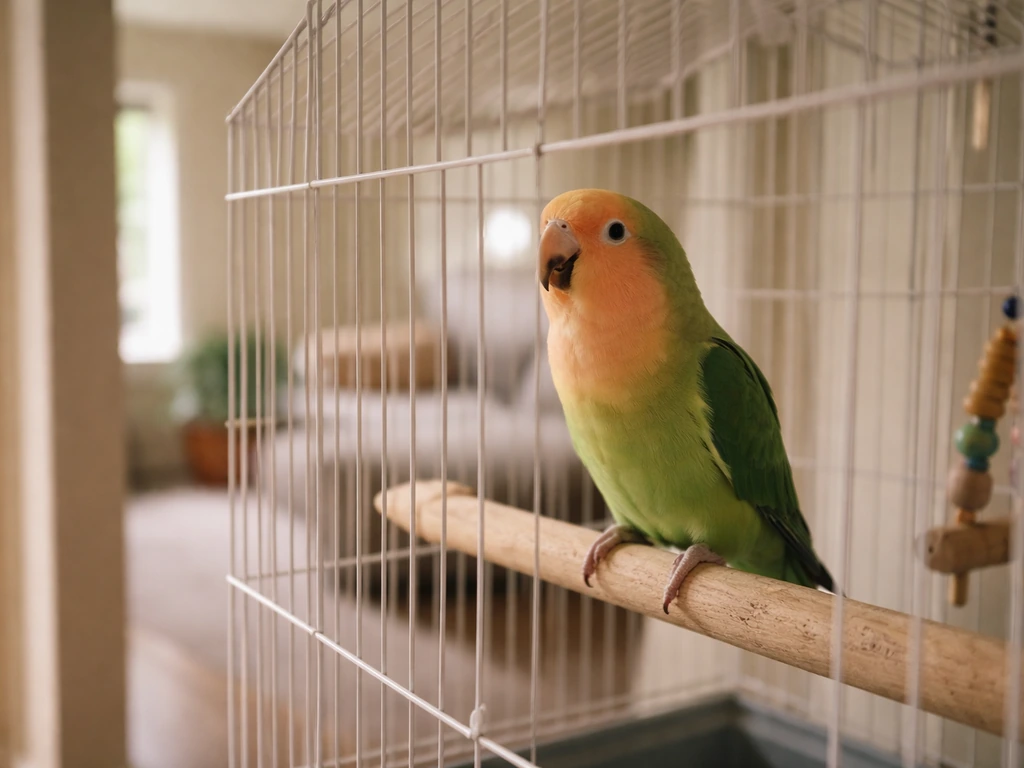
Contact calling is the most common reason. When you leave the room, your bird calls out. You come back. The bird learns that calling brings you back. Over time, a normal contact call can escalate into persistent screaming if the bird figures out that louder or longer calling is even more effective. This is how a lot of chronic noise problems develop, and it is driven by inadvertent reinforcement on the owner's part, not a character flaw in the bird.
Boredom and under-stimulation are the second most common culprit. A bird left alone with nothing to do for hours will fill that time with noise. This is especially true for species like African greys, Amazon parrots, and cockatoos that have high cognitive needs.
Hormonal and mating behavior can temporarily make even a quiet bird extremely loud. During breeding season (often spring), many birds become more vocal, more territorial, and more persistent. This phase usually passes, but it can be intense while it's happening.
Fear and stress responses also drive vocalization. A new object in the room, a change in furniture arrangement, a loud TV show, or an unfamiliar visitor can push a bird into repetitive alarm calling. Unlike contact calls (which stop when you return), stress calls tend to feel more frantic and do not settle quickly.
Attention-seeking learned behavior is worth naming separately from contact calling. Some birds have learned that screaming reliably produces entertainment: you yell back, you rush over, you do something. Even a negative reaction from you is still a reaction, and for a bored bird, that's a reward.
Environmental and routine triggers to audit today
A lot of noise issues have a straightforward environmental trigger that owners overlook. Run through this checklist and see if anything has recently changed or is consistently present when the noise spikes.
- Light schedule: Is your bird getting a consistent 10 to 12 hours of light and 10 to 12 hours of uninterrupted darkness? Irregular light cycles disrupt sleep and can make birds significantly more agitated and vocal.
- Sleep deprivation: A bird that isn't getting enough uninterrupted sleep (10 to 12 hours for most species) will be cranky and loud. Covering the cage at a consistent time each night can help dramatically.
- Changes in the home: New furniture, rearranged rooms, new pets, new people, or even a new smell can trigger anxiety-based noise.
- Background noise competition: TVs, music, or street noise can cause birds to try to call over the ambient sound, creating a noise loop that escalates.
- Your schedule: Did you recently change work hours or routines? Birds track your schedule closely, and disruptions to it cause genuine stress.
- Cage placement: Is the cage near a window with direct sun, drafts, or visual stimuli like outdoor cats or birds that may be triggering alarm calls?
Training and management steps to reduce excessive vocalizing
The single most important rule here: do not reward the screaming. Running to your bird every time it screams, yelling back at it, or even reacting with visible frustration all count as rewards in the bird's brain. The screaming worked. It got a response. Consistency here is more important than any specific technique.
Equally important: do not punish. Yelling, hitting, spraying with water, isolating the bird, or withholding food are not acceptable responses and will increase stress and worsen the problem. Those approaches are off the table.
Here is what actually works:
- Reward quiet. When your bird is calm and not screaming, go to it, talk to it, offer a treat. You are teaching it that silence, not screaming, brings good things.
- Use a contact call exchange. Teach your bird a specific call-and-response. When it calls, you call back (a whistle or a short phrase) so it knows you are nearby but you do not physically return every time. This satisfies the flock-contact instinct without training it to expect you to appear on demand.
- Do not return during a screaming episode. Wait for even a two-second pause, then go in. Over time, extend the quiet window required before you return.
- Shorten the absence gradually. If your bird panics the moment you leave the room, practice leaving and coming back while the bird is still calm (before any screaming starts), so it builds a track record of you returning safely.
- Pre-empt the trigger. If you know your bird screams at 8am, go interact with it at 7:45am before it starts. Do not let the scream become the thing that summons you.
- Establish a predictable daily routine. Consistent timing for cage uncovering, feeding, play time, and covering at night reduces anxiety significantly.
Enrichment, boredom prevention, and attention scheduling
A bird with enough to do is a quieter bird. This is not just a nice idea, it is a behavioral fact. Birds in the wild spend the majority of their waking hours foraging, problem-solving, and interacting with their environment. A bird in a cage with nothing to engage with is going to fill that time with noise.
Foraging enrichment is one of the most effective tools available. Instead of putting food in a bowl, hide it in foraging toys, wrap it in paper, or tuck it in different spots in the cage. This gives the bird a job and can absorb a significant amount of what would otherwise be screaming time.
Rotate toys regularly. A bird will lose interest in the same toys after a few days. Keeping three or four sets in rotation and swapping them every few days keeps the cage environment feeling novel.
Schedule dedicated attention time and stick to it. A bird that knows it will get 20 minutes of focused interaction at 9am and again at 6pm is more settled than one waiting unpredictably for attention. When the attention time ends, end it clearly and consistently so the bird learns the routine.
Full-spectrum UV lighting for around 10 to 12 hours a day supports general wellbeing and is worth setting up if you haven't already. Natural light near a window (where the bird cannot be stressed by outdoor predators) plus a full-spectrum bulb on a timer covers this well.
If your bird's noise is mainly separation-related, consider whether it has any auditory connection to you while you are away. Some birds settle better when they can hear background household noise (a radio on low, for example) versus complete silence.
When it's a health issue and when to see an avian vet
Increased vocalization can occasionally be a sign that a bird is in pain or physical distress. Birds instinctively hide illness, but some health problems do present first as a change in noise level or quality. GI discomfort, respiratory infections, and other internal issues can all make a bird more vocal or produce unusual vocalizations.
Call an avian vet promptly (same day if possible) if the excessive noise comes with any of the following:
- Fluffed feathers and lethargy together (a bird sitting puffed up at the bottom of the cage is not fine)
- Any change in droppings: unusual color, consistency, or volume
- Reduced or absent appetite
- Sneezing more than a few times, or any nasal or eye discharge
- A change in the sound of the bird's voice (raspy, different quality than normal)
Treat it as an emergency if you see open-mouth breathing at rest, tail bobbing with each breath, wheezing or clicking sounds while breathing, a bird too weak to hold onto its perch, or collapse. These are respiratory distress signs that require immediate veterinary care, not observation at home.
If everything physical looks normal and you have worked through the behavioral and environmental factors above without much change, a wellness visit with an avian vet is still a reasonable step. If your bird is still calling excessively after you address the behavioral and environmental factors, SpectrumCare notes that many cockatiels need around 10 to 12 hours of uninterrupted nighttime sleep. Some health issues are subtle, and a vet can rule out pain or internal causes that you cannot assess visually.
It's also worth knowing that the opposite problem (a bird that suddenly goes quiet) can be just as telling. If your bird goes from loud to silent, that shift deserves just as much attention as excessive noise does. If your bird is quiet all of a sudden, look closely for any signs of illness or discomfort and consider a prompt check with an avian vet if anything seems off a bird that suddenly goes quiet. A bird that has stopped making noise entirely or seems withdrawn is often showing early signs of illness.
A quick comparison: behavioral noise vs health-related noise
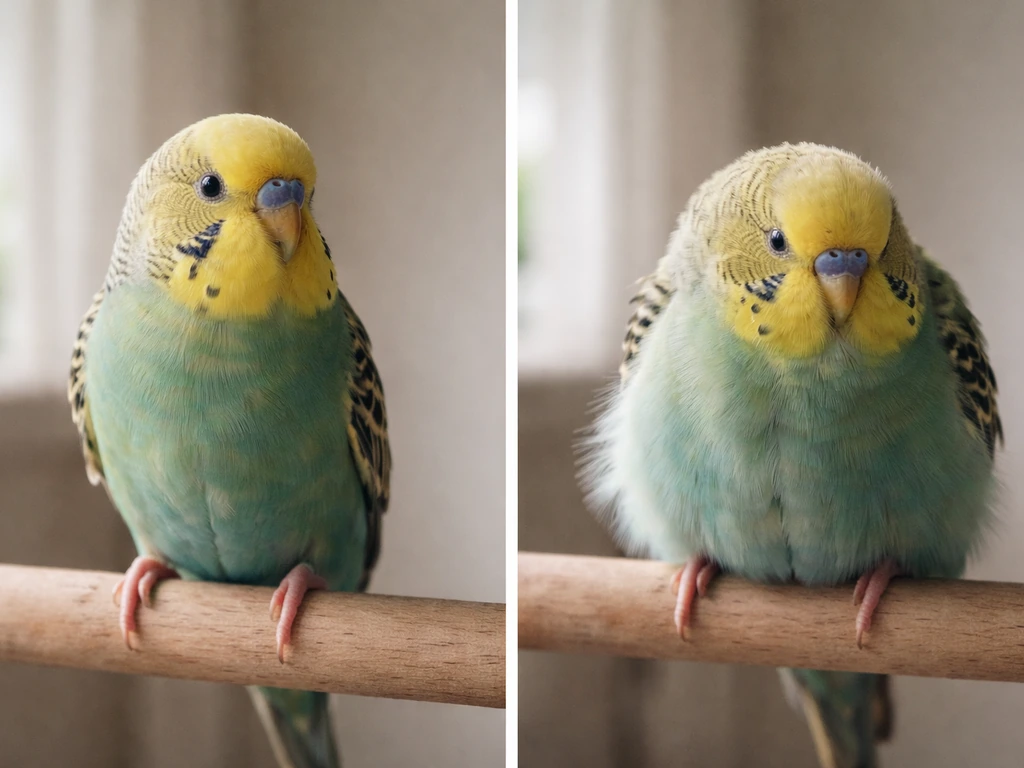
| Sign | Behavioral Noise | Possible Health Issue |
|---|---|---|
| Physical appearance | Alert, active, normal posture | Fluffed feathers, hunched, lethargic |
| Eating and drinking | Normal | Reduced or absent |
| Breathing | Normal, quiet | Open-mouth at rest, tail bobbing, wheezing |
| When it happens | Predictable (morning, when you leave, etc.) | Constant, unpredictable, or new pattern |
| Sound quality | Usual voice, contact calls | Strained, raspy, or distress-quality calls |
| Response to interaction | Settles when you engage | Does not settle even with attention |
| Droppings | Normal | Changed color, consistency, or volume |
Most birds that won't stop making noise are healthy animals with a behavioral pattern that can be improved with consistent training, better enrichment, and a tighter daily routine. Start with the environmental audit, commit to not rewarding the screaming, build in foraging and scheduled attention time, and give it two to three weeks of consistency before judging the results. For the smaller number of birds where health is involved, catching it early by running through the physical checklist above means a much better outcome.
FAQ
How long should I try behavior changes before deciding something is medical?
If the bird is alert and eating normally, give consistent changes (no reaction to screaming, enrichment plus routine) about 2 to 3 weeks. If the noise quality changes (raspy, strained, frantic), appetite drops, or any fluffed, lethargic, or breathing-related signs appear, switch to a same-day avian vet call.
What if my bird only screams when I leave the room or go to bed?
That pattern is often separation and contact reinforcement. Try building a predictable departure routine (short interaction, then departure), add low background household sound while you are away, and avoid any big responses to the first calls. The goal is that the bird learns you return based on routine, not on escalating volume.
Does playing a radio or leaving the TV on help, or can it make noise worse?
It can help if the bird calms with steady background sound, especially when you are away, but it can backfire if the bird mimics or escalates with certain audio cues. Use low volume, steady content, and monitor whether vocalizing increases in response to specific programs or jingles.
My bird screams when I’m home too, even if I’m nearby. What else should I check?
Check whether cage setup or daily schedule has changed, whether there are periods of under-stimulation, and whether the bird is getting intermittent attention in response to screaming. Also review social dynamics, if you have other pets or birds, since some birds vocalize more during perceived threats or competition.
Can I train my bird to stop screaming with rewards for quiet moments?
Yes, but keep it consistent. Instead of rewarding screams, reward calm behaviors when the bird is quiet or preening (for example, a small favorite treat during calm). The key is timing, give the reward within seconds of the calm moment so the bird connects quiet with a positive outcome.
What if the bird screams the moment I enter the room?
That can be an attention loop where the bird has learned “volume equals you.” Try entering calmly, waiting for a brief quiet moment, then offering interaction. If you consistently respond only after quiet, the bird usually reduces escalation over time.
Is it ever okay to yell back or tell the bird to be quiet?
Usually no. Any strong verbal or physical reaction teaches the bird that screaming produces a response. Even frustration is still a reward. If you need to reset, remove the reward, use a neutral tone, and redirect to an activity the bird can do (foraging toy or puzzle feeder).
What enrichment works best if my bird is food-motivated?
For food-motivated birds, foraging is often the fastest lever. Hide measured portions of daily food in multiple ways (foraging toy, paper-wrapped, tucked into cage corners) so the bird spends time working rather than vocalizing.
Why does my bird’s screaming ramp up at dawn or dusk even when everything is unchanged?
That timing can be normal biology. Many birds are naturally more vocal around sunrise and sunset. If noise is loud only during those windows and the bird otherwise looks healthy, you may not need to “fix” it beyond routine and engagement.
My bird sounds raspy or strained when vocalizing. Does that change what I should do?
Yes. Strained, raspy, or repetitive distress-like calls are a red flag, especially if they come with fluffed posture, reduced appetite, or breathing changes. Treat it as potentially medical and contact an avian vet promptly rather than relying on behavioral training.
Can stress from the household make a bird louder, and how should I reduce it?
Absolutely. Repetitive alarm calling can follow changes like rearranged furniture, visitors, or loud TV. Reduce sudden visual and sound triggers, keep a predictable daily routine, and provide a retreat area in the cage where the bird can feel secure.
What are respiratory distress signs I should not wait on?
Do not wait if you notice open-mouth breathing at rest, tail bobbing with breaths, wheezing or clicking sounds during breathing, weakness to the point the bird cannot hold its perch, or collapse. These require immediate veterinary care.
Next Articles
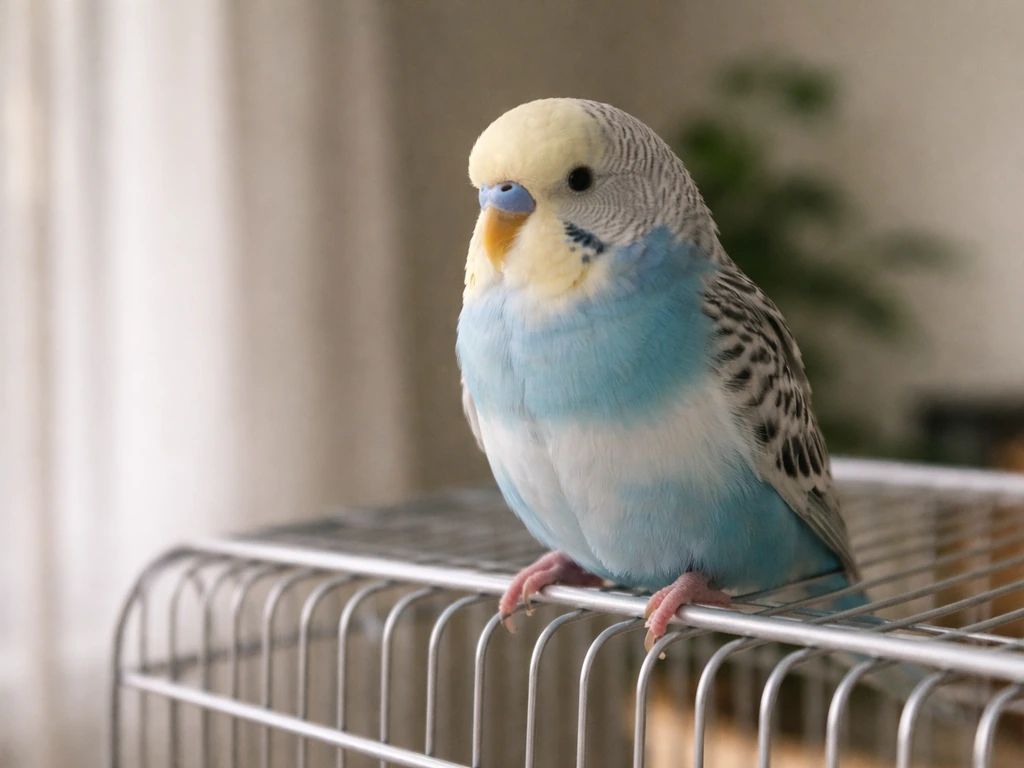
Why Is My Bird Not Making Noise? Causes and What to Do
Learn why your bird is quiet, how to check health signs, adjust environment, and know when to see an avian vet.
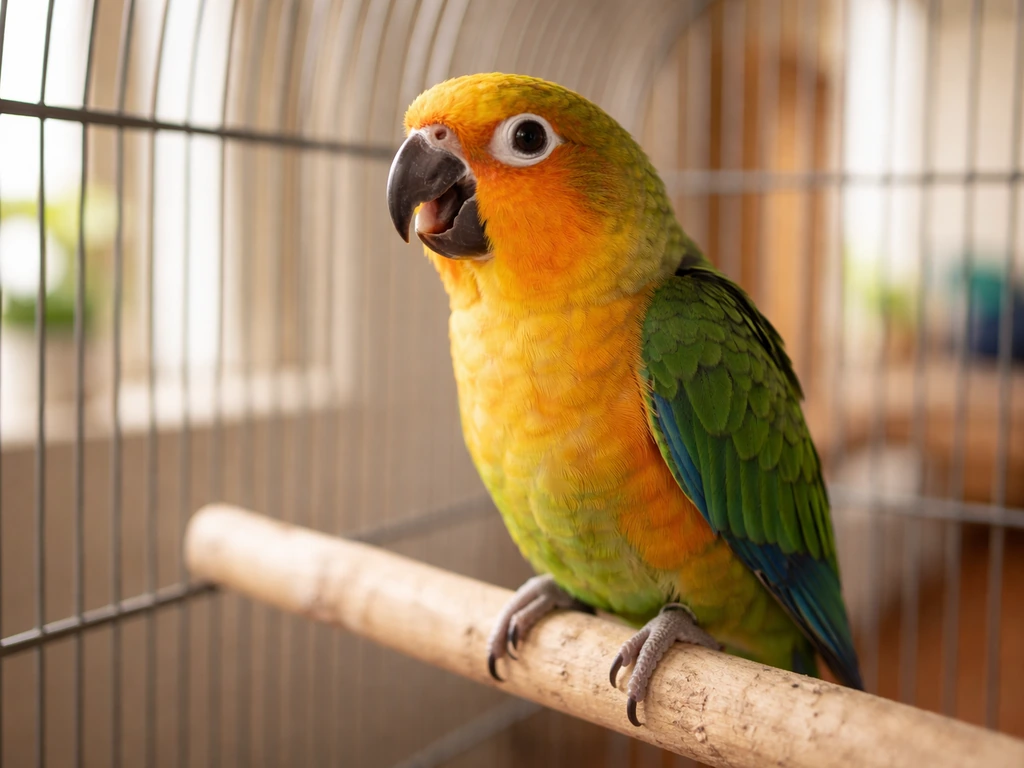
Why Won’t My Bird Stop Chirping? Causes and Fast Fixes
Find why your bird keeps chirping and get fast fixes to check stress, boredom, discomfort, routine, and health red flags
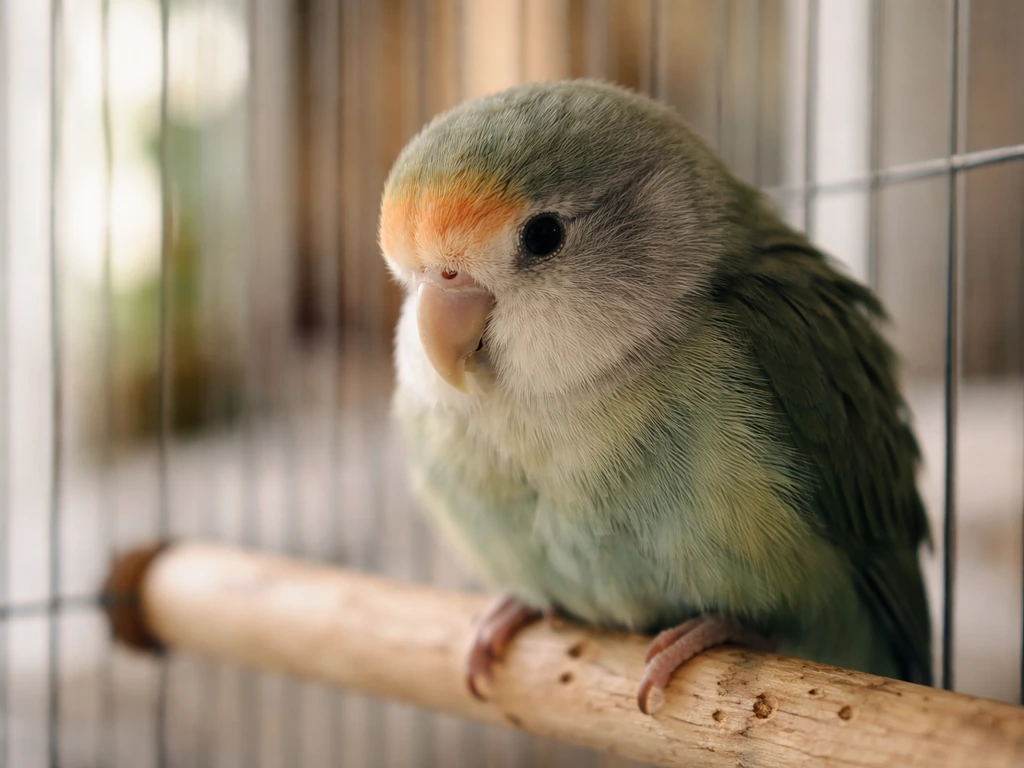
Why Is My Bird Making Whimpering Noises? What to Check
Find reasons for whimpering bird noises, quick home checks, and red flags for urgent vet care plus tracking tips.